Ruminations

Blog dedicated primarily to randomly selected news items; comments reflecting personal perceptions

Thursday, December 09, 2021

Omicron and Vaccine Boosters

"An 80 percent of epitopes in the spike protein recognized by CDS+ T-cells are not affected by the mutations in the omicron variant; two doses may still induce protection against severe disease."
Pfizer-BioNtech statement

"Our preliminary, first data set indicate that a third dose could still offer a sufficient level of protection from disease of any severity caused by the Omnicron variant."
"Broad vaccination and booster campaigns around the world could help us to beter protect people everywhere and to get through the winter season."
Dr.Ugur Sahin, CEO, BioNTech
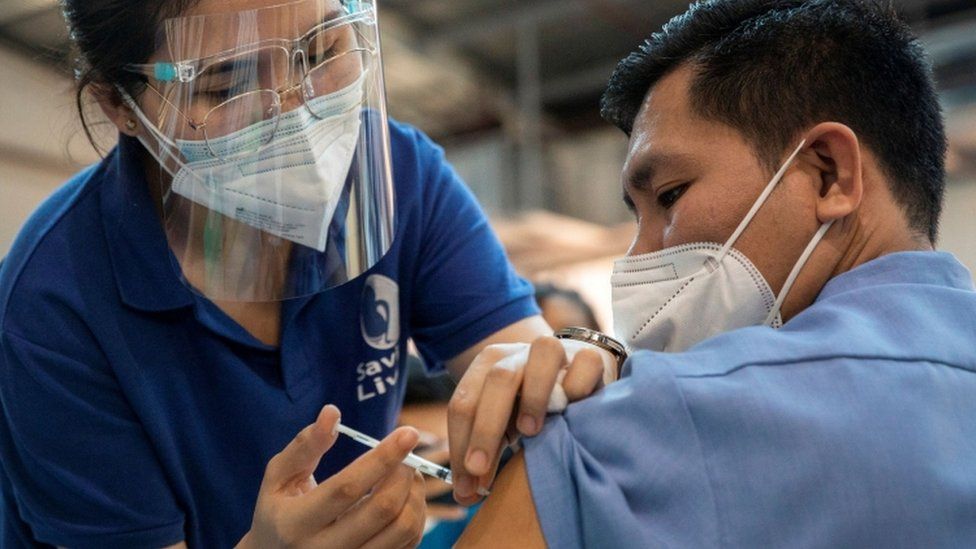
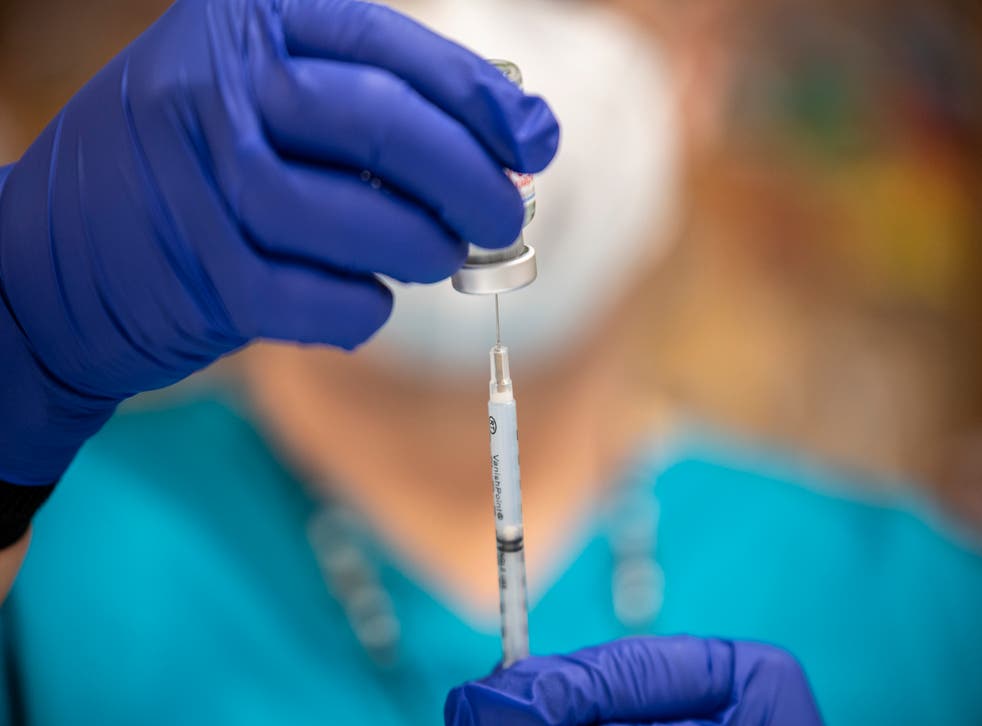
Health worker receives Pfizer booster shot in Quezon City, Philippines - November
The booster is said to improve the level of neutralizing antibodies  Reuters
 
With this assurance emanating from the two pharmaceutical producers whose mRNA vaccine has become the most trusted in the world, that their vaccine formula against contracting the SARS-CoV-2 virus causing COVID-19 can be relied upon to continue offering vital protection against severe illness and death, a huge sigh of relief must surely have emanated from government sources and medical scientists the world over.

They said it, and their reputation rests upon their assurance that three doses of the Pfizer-BioNTech COVID vaccine are seen to be effective against the Omnicron variant, the mutated strain with the most mutations of any that has yet been examined, the cause of global consternation and trepidation for what it might possibly lead to. That it is more virulently transmissible appears to be a given on the evidence, but that it leads to more serious health consequences and is able to evade the vaccines' protective assurances is only now beginning to play out in real time.

From the announcement by the two companies it would seem that boosted individuals boast the same level of protection against the new variant comparable to that of people with two doses had acquired against the original coronavirus. There has been a worldwide rush conducting neutralizing studies by scientists to gauge how pre-existing immunity from both vaccination and prior infection plays out, to determine whether Omicron would be able to sidestep those defences.
 
The variant's emergence in South Africa, identified with a daunting constellation of mutations warned scientists that it could be more infectious and more effective at avoiding the protection offered by vaccines.  Experiments have now produced early results which show the number of antibodies required to halt the replication of the virus in a test tube; an early indication how effective the new variant is in avoiding antibodies.
 
Pfizer's press release announced that two doses of its vaccine performed 25 times poorer for Omnicron in comparison with the original versions of the virus. Despite which, only real life, long-term data is capable of providing information on a direct reduction in vaccine effectiveness. Leading scientists to the conclusion that precise, reliable information can be expected to emerge within the next several weeks.
 
Pfizer-BioNTech stands by its conclusion indicating "two doses of (the Pfizer-BioNTech vaccine) may not be enough to protect against infections with the Omicron variant". At the same time, the company feels other aspects of the immune response activated by the vaccine as for example T-cells, are likely to be unaffected by the new variant, and still able to protect against severe disease. 

It was found by researchers examining people who had received three doses of the mRNA vaccine -- double-jabbed with a booster -- that the antibody effectiveness improved 25-fold, returning to approximately the same effectiveness level as two jabs for the original, wild-type virus.
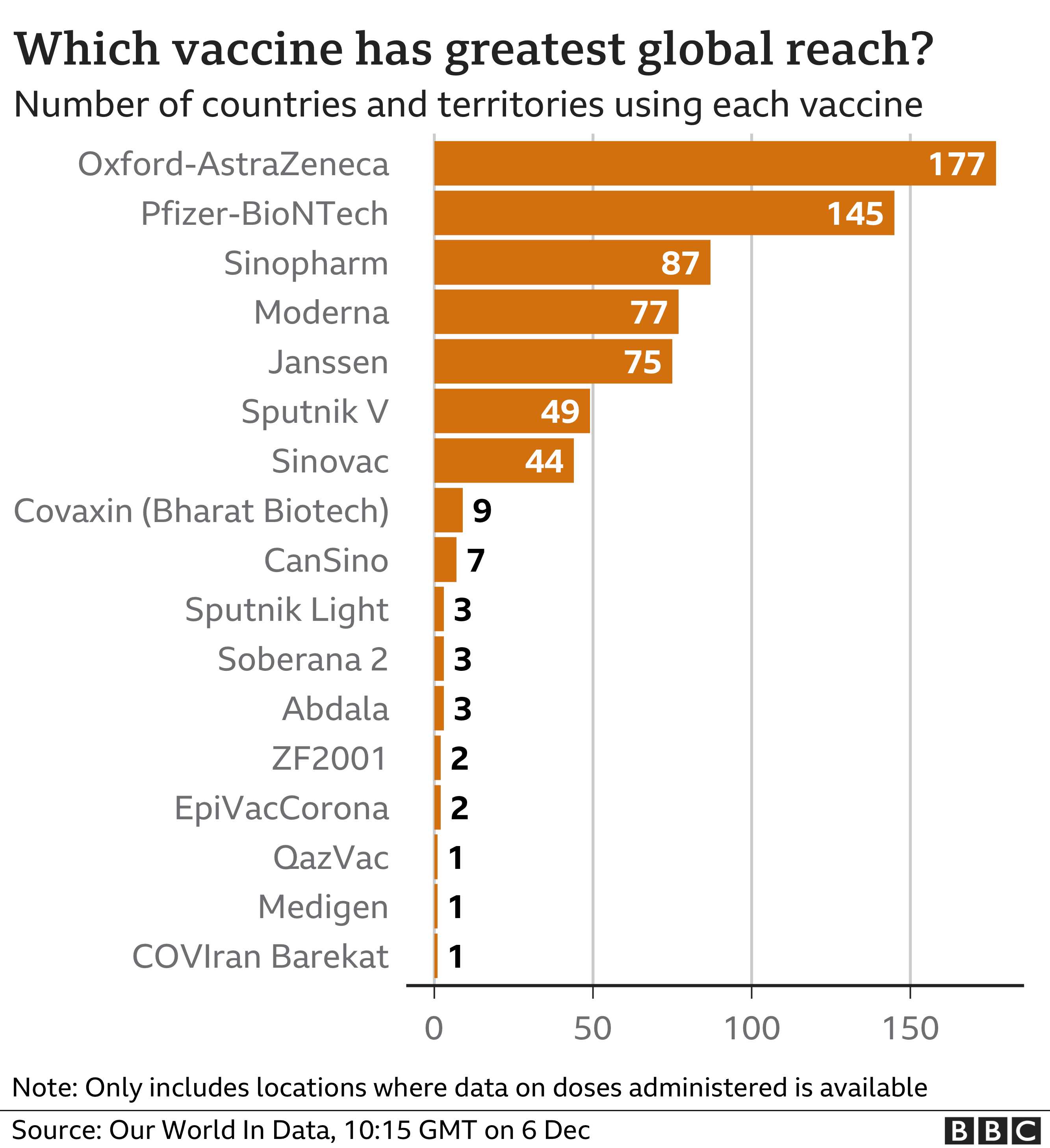
Vaccine reach graph

 
Pfizer stands by its result indicating "two doses of (Pfizer)avirus.

Labels: , , , , ,

Tuesday, December 07, 2021

Inhailng a COVID-19 Vaccine

"[The original idea early in the vaccine race, was to offer it as a standalone], but as time has gone on, virtually everybody has now had the opportunity to get an mRNA vaccine."
"[The McMaster formula is administered through a jet nebulizer that generates a fine misty solution] with particles that are so tiny they're breathed right down deep into the lung."
"If you can generate that local immune response in the lung [it may prove better to boost with an inhaled vaccine]. For a number of reasons this has the promise of being a more effective way to boost [the immune system against COVID-19]."
"We seem to be doing better this time around, than we were a year ago. We've got vaccines. We've got an understanding of what the major risks are in terms of transmission. So we've made progress. How do we keep on without ever going back?"
"I think that's really what I'm looking for."
Fiona Smaill, professor of pathology and molecular medicine, McMaster University, Hamilton
Fiona Smaill and research coordinator Emilio Aguirre demonstrate the use of the nebulizer with a volunteer.
An inhaled COVID-19 vaccine in humans is to begin the testing process by Canadian scientists, with the goal of targeting both the mutating spike protein that the SARS-CoV-2 virus uses to sneak into human cells, but as well two other targets not as susceptible to mutating. This will not be a vaccine to be injected into the deltoid muscle in the upper arm, but one delivered through tiny aerosol particles to be inhaled deep into the lungs.

Part of a second generation of COVID-19 vaccines, this will be one of two Canadian-made formulae hoping to offer a more robust and more stable immune response. Results from Medicago Inc.'s Phase 3 trial of its plant-based vaccine that had involved about 24,000 people are due out shortly, as the final step of testing prior to potential approval. Trialled as a booster for people who have had two doses of an mRNA vaccine, the original focus was not as an adjunct to other vaccines.

In view of the SARS-CoV-2 virus being anticipated as a long-term threat, more booster doses are likely to result as a protection against its ongoing infectiousness and the possibility of additional mutated versions. Science recognizes the importance of testing new vaccines functioning in various ways, explained Dr.Smaill. For one thing, she points out, this mode of vaccine delivery will be welcomed by the needle-phobic, vaccine-hesitant public.

The delivery mechanism is built upon a previous twenty years of research on a tuberculosis vaccine that has been led by McMaster Professor Zhou Xing. The vaccine is designed to deliver a local "mucosal" response once inside the lungs, at the very site where the virus enters the body, with the aim of achieving a broader kind of immune response than can be seen by just injecting into the muscle of the upper arm. A more robust T cell response would be engendered; important since T cells find and destroy infected cells.

Strains of a weakened adenovirus, a family of viruses that cause the common cold, are contained in the vaccine. There are two currently being tested on 30 health volunteers; one a vaccine  using a human adenovirus, the second a chimpanzee adenovirus. The vaccine targets two cellular proteins within the virus operationally required to have it grow and spread. "Mutations would be rarely seen in those proteins", explained Dr. Smaill.

Human trials are in the initial stages; however in the meanwhile, Medicago submits data to Health Canada as part of a rolling submission to be examined piecemeal. If early anecdotal reports suggesting Omicron causes milder infections are correct "I think we're going to be OK. We're all guessing what's actually going to happen", added Dr.Smaill, and hoping for the best possible outcome.

McMaster inhaled vaccine
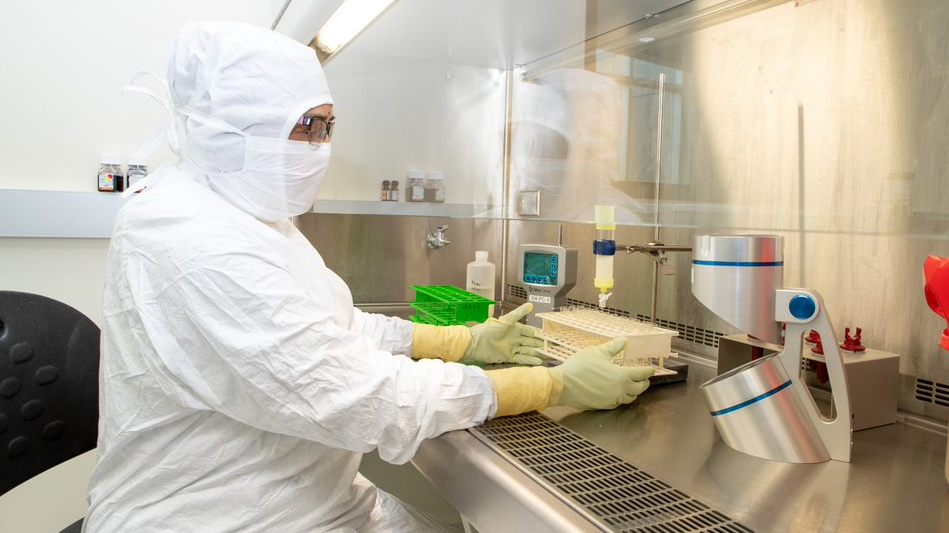
A researcher works in a McMaster lab on the inhaled aerosol COVID-19 vaccine in this undated handout photo (McMaster University/Handout)

Labels: , , , ,

Monday, November 29, 2021

Woof! Not To Worry

"I get so many questions about this issue."
"Will there be a vaccine? When will there be a vaccine?"
Dr.Elizabeth Lennon, veterinarian, University of Pennsylvania 

"It doesn't look like cats or dogs would ever be a reservoir for this virus."
"We believe that if there weren't sick people around them, they would not be able to continue spreading it from animal to animal -- it would not continue to exist in their population."
"The best way to prevent SARS-CoV-2 in our pets is to prevent the disease in people."
"So please get vaccinated."
Dr.Jeanette O'Quin, veterinarian, Ohio State University
A veterinarian holds a syringe while a cat lays on an exam table.
Science
 
Jaguars are being inoculated against COVID-19, so are bonobos, orangutans and otters, ferrets and fruit bars, at various zoos in the past year, as cases have erupted among them. Billions of people worldwide are now vaccinated against COVID-19, with billions more yet to go. The global medical community and government agencies are working around the clock to ensure that as many populations become inoculated against infections by the coronavirus as possible to present a united front against a frequently-deadly pathogen.

Cat or dog vaccines have been developed; those initial vaccines were then deployed to vaccinate zoo animals. But the issue of having a vaccine against COVID available for household pets appears for the time being and perhaps for the foreseeable future, a dead issue, so to speak. Not so much to ignore a need, or to leave the impression that dearly beloved household companion pets are no one's concern, but because experience has shown that though cats (more so than dogs) and dogs can acquire the infection, they readily rise above it.

Simply put: not a priority. Household pets display few symptoms of COVID, some, like their human counterparts, are asymptomatic and most cases are very mild. When at first it was imagined that a pet pandemic could arise, the possibility of developing a dog/cat-specific vaccine appealed to Zoetis, a veterinary pharmaceutical company in New Jersey, and work began on producing a vaccine candidate. There were, in fact, four promising candidates by fall of 2020.

And then it became obvious to researchers that after all, the issue of pets being infected would not be likely to pose a serious threat to either animals or people. One study of 76 pets living with people who had developed COVID saw 17.6 percent of cats and 1.7 percent of dogs testing positive for COVID and 82.4 percent of the infected pets showed no symptoms.

The most common effect on pets infected with the virus are fairly mild symptoms including lethargy, coughing, sneezing, runny noses or diarrhea. Typically the infected pet makes a full recovery without the need of any treatment. Nor is there strong evidence that cats or dogs may spread the virus to humans. All these factors convinced experts a vaccine for pets was unnecessary.

The U.S. Department of Agriculture which regulates veterinary medicine in the US, announced in November of 2020 that it would not accept applications for cat or dog vaccines "because data do not indicate such a vaccine would have value". At the same time the possibility is not discounted that at some future date it is possible that changes in the virus could mandate that a pet vaccine be given wide use.


Labels: , , , , ,

Monday, November 15, 2021

Solving The Puzzle Of Alzheimer's

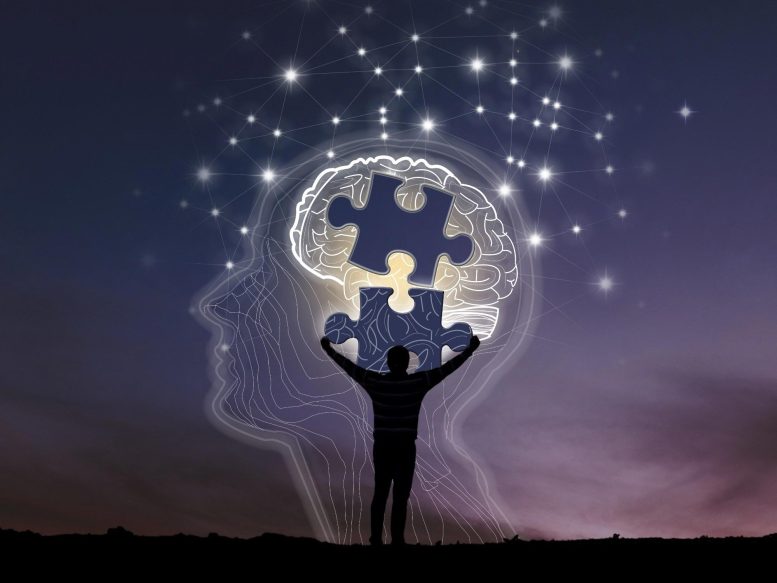
Brain Disease Alzheimer’s Treatment
"This structure had never been seen before in amyloid beta."
"If these results were to be replicated to human clinical trials, then it could be transformative."
"It opens up the possibility to not only treat Alzheimer's once symptoms are detected, but also to potentially vaccinate against the disease before symptoms appear." 
Prof.Mark Carr, Institute of Structural and Chemical Biology, University of Leicester, Britain

"In this thorough and well-conducted research carried out in mice with features of Alzheimer's disease, scientists found a vaccine administered through injections found the intended target and helped improve metabolism in brain regions associated with memory and thinking."
"Early results in a behavioural task suggest the mice had improved memory and thinking, hinting that this could be a promising new approach, and one that has so far not been tested in Alzheimer's drugs in clinical trials."
Dr.Susan Kohlhaas, director of research, Alzheimer's Research U.K.
ScienceAlert

One of the signal grails of solving one of the most devastating diseases striking down people by withdrawing personal agency with the  failure of the human thought process, memory, and eventually, neural instructions, brain-to-bodily competence leading to death may have been discovered. With a vaccine against Alzheimer's disease on the horizon following successful trials conducted by research scientists on animal models. 
 
Experimental trials saw researchers from the United States and Germany reversing memory loss in mice. With that success they are anxious to bring their vaccine to the validating trial that has the potential to change the trajectory of dementia in Alzheimer's, realizing the hope this dread disease could be conquered. The next step is in human trials.
 
What the vaccine has been geared to is directing the immune system to combat a type of sticky amyloid beta protein in the brain. The immune system undergoes a training led by the vaccine to fight off the accumulation of the sticky matter which prevents neuronal communication. Drugs previously devised to fight Alzheimer's concentrated on reducing amyloid -- but with little success in symptom reduction and on occasion negative side-effects surfaced with their use.
 
In people with dementia, scientists have now discovered, the protein folds itself into a hairpin-like structure and as such becomes a far more dangerous form of amyloid. Theorizing that engineering amyloid into the very same hairpin shape before administering it as a vaccine would spur the body to produce antibodies to fight off that specific structure, the team proceeded on that basis. In the process the immune system would ignore normal forms of the protein, required by the body to function.
 
The vaccine, once injected into mice, triggered antibodies, helping to restore neuron function. It increased glucose metabolism in the brain, reversing memory loss and reducing amyloid beta plaque formation, the 'sticky' mess associated with Alzheimer's' progress. Published in the journal Molecular Psychiatry, the researchers now are pursuing the avenue of partnering with a commercial entity for the therapeutic antibody and vaccine to be taken through clinical trials.
"In clinical trials, none of the potential treatments which dissolve amyloid plaques in the brain have shown much success in terms of reducing Alzheimer’s symptoms. Some have even shown negative side effects."
"So, we decided on a different approach. We identified an antibody in mice that would neutralize the truncated forms of soluble amyloid beta but would not bind either to normal forms of the protein or to the plaques."
Professor Thomas Bayer, University Medical Center, Göttingen, Germany
<p>The study suggested that it may be possible to treat Alzheimer’s and vaccinate against it </p>

The study suggested that it may be possible to treat Alzheimer’s and vaccinate against it  (Getty Images)


Labels: , , ,

Tuesday, December 22, 2020

Mutant Srain: "No Cause for Concern" : View With Caution

 
"Even during the [recent] lockdown in England, this virus had an R-number that was about 0.4 larger than non-variant strains."
"The non-variant strains had an R number of about 0.8, but this variant had an R of 1.2 or even higher."
"[Potentially bad news for efforts to curb the spread of COVID-19, already claiming over 67,000 lives in Britain; 1.7 million worldwide]."
"I think it is highly likely to become the dominant strain across the UK given the trends we have seen so far. There is a hint that it has a higher propensity to infect children."
"We have to be cautious in our conclusions, this is still early days and there's still a lot of uncertainty about many aspects of this new variant."
Neil Ferguson, director of the MRC Centre for Global Infectious Disease Analysis
 
"There is an really unusual cluster of mutations associated with this variant -- 23 coding changes across the whole virus genome."
"The previous virus had a harder time binding to ACE2 and getting into [human] cells. [That made adults -- with more abundant ACE2 receptors in their nose and throats -- an easier target compared to children]."
"If the new strain is having an easier time of entering and binding to cells, that would put children on a more level playing field."
"It is possible that we may need to update vaccines, perhaps not every year. But we will need to monitor these viruses moving forward."
Wendy Barclay, head, department of infections disease, Imperial College London
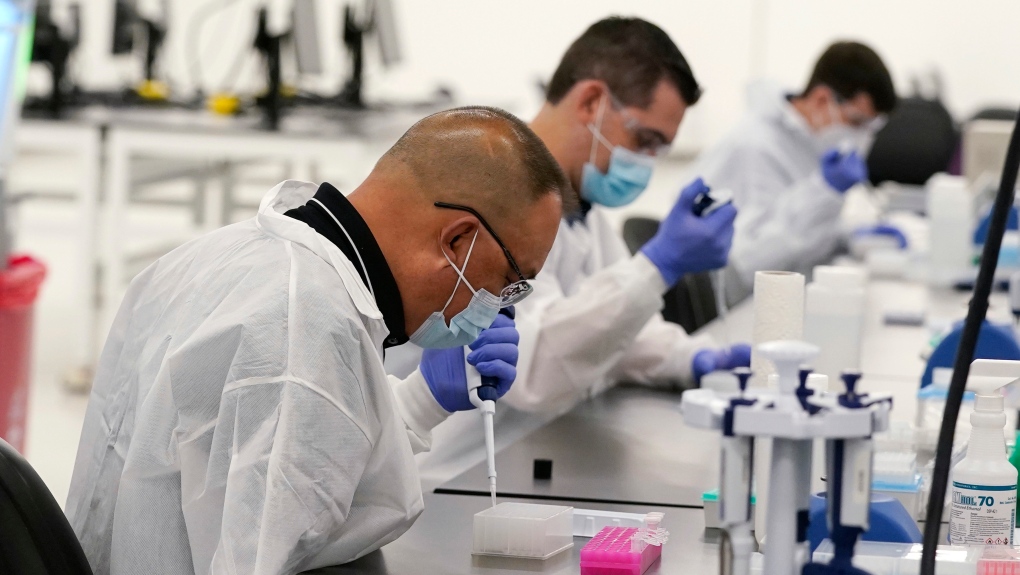
COVID-19 tests
Technicians conduct COVID-19 tests at a new facility Friday, Oct. 30, 2020, in Valencia, Calif. (AP Photo/Marcio Jose Sanchez, Pool)
"[The new strain will not decelerate vaccine efforts]."
"Right now, we have no indications that it is going to hurt our ability to continue vaccinating people or that it is any more dangerous or deadly than the strains that are currently out there and that we know about."
U.S.Surgeon General Jerome Adams
Fears of a highly infectious new coronavirus strain has prompted more countries to close their borders to Britain. A sense of global panic has set in with the news of a new strain discovered in the United Kingdom with 23 mutations in its genetic code representing a rather high number of changes, some of which appear to have affected the coronavirus' capacity to spread far more effectively. The fear that set into the global community has caused travel chaos, raising the possibility of food shortages in the U.K. even as the Brexit cliff edges nearer.

Hong Kong, Russia, Switzerland, Sweden, India, Jordan, Poland, Spain and Pakistan have suspended travel to British citizens planning trips abroad in the wake of Prime Minister Boris Johnson's warning of a mutated variant of the COVID virus which appears to be up to 70 percent more transmissible, appearing in the country. Other nations too have taken steps to block travel from Britain, including France, Germany, Italy, Canada the Netherlands, Austria, Ireland and Belgium.

This, even as experts have declared that the mutated strain most likely is in circulation in countries that have no idea of its presence, given their less advanced detection technologies. The most concerning thing about the circulation of the variant is its more transmissible capability than the original strain. What has been established is that the new variant reflects a critical mutation whose lineage has been recognized in explosively-swift transmissions in South Africa, now accounting for 80 to 90 percent of new infections in that country.

September was when the realization struck of the appearance of a new variant in Britain. In London by early December, 62 percent of COVID-19 cases were linked to the new variant, in comparison to 28 percent of cases attributable to the variant three weeks earlier. The appearance of the new variant has also been reported in small numbers by Iceland and Denmark. 

A concern has been raised that current vaccines may be compromised by this significantly mutated virus leading doctors at the Walter Reed Army Institute of Research in the U.S to research the effectiveness of current vaccines on the new strain. Early conclusions are that the vaccines will continue to be effective. Ugur Sahin, co-founder of BioNTech assured it was "highly likely" its vaccine would be effective against the mutated strain. The company could adapt the vaccine if necessary, given six weeks
.
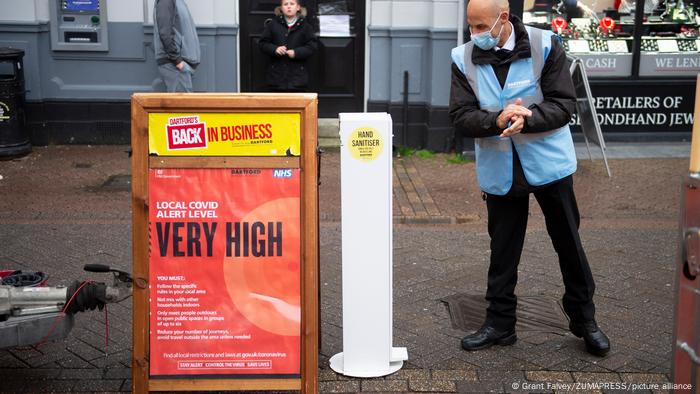
 A council worker putting out very high threat level COVID poster and hand sanitizer in the high street
The virus mutation was detected in September in Kent
"Viruses constantly change through mutation and the emergence of a new variant is an expected occurrence and not in itself a cause for concern."
"There is no indication at this point of increased infection severity associated with the new variant."
"[A conclusion] "challenged by the fact that the majority of cases were reported in people under 60 years old, who are less likely to develop severe symptoms."
The European Centre for Disease Prevention and Control (ECDC) threat assessment report
A man wearing a protective face mask walks past an illustration of a virus outside a regional science centre in Oldham, England, on Aug. 3. (Phil Noble/Reuters)

Labels: , , , ,

Monday, November 23, 2020

December COVID Vaccine U.S. Rollout

   Credit...Bebeto Matthews/Associated Press
"Filing in the U.S. represents a critical milestone in our journey to deliver a COVID-19 vaccine to the world and we now have a more complete picture of both the efficacy and safety profile of our vaccine."
"[Throughout the vaccine development process I wasn't certain Pfizer could produce a safe and effective vaccine ready for FDA review in less than a year.] Conviction is a part of it, so I was always telling [our teams] that we will make it, and we will make it by October, and if not us, then who?:
"But I knew that it was an extremely risky suggestion, I knew it was going to be difficult, and the stars needed to be aligned all the way to the end."
"[The partnership with BioNTech is built on a mutual focus on advancing science; the two companies began work, including sharing confidential information, before signing a formal contract, since those agreements can take months]. In fact, we are still finalizing the contractual obligations we have that we need to sign with them. It’s the perfect relationship for me."
"Ugur [Sahin, BioNTech’s co-founder and chief executive] is a wonderful human being, and a great scientist. He shares the same passion [as I do] about saving lives and I’m very optimistic that not only will we do very well together bringing a COVID-19 vaccine to the world, but later hopefully a flu vaccine."
Albert Bouria, chief executive officer, Pfizer Inc.
"[If the data is solid], we literally could be weeks away from the authorization of a 95 percent effective vaccine."
U.S.Health Secretary Alex Azar
 
"Within 24 hours from the approval, the vaccine will be moving and located in the areas where each state will have told us where they want the vaccine doses."
Dr. Moncef Slaoui, chief scientific adviser, US "Operation Warp Speed" vaccine program
Pfizer
Dado Ruvic/Reuters 
Some Americans could "hopefully" receive the vaccine for COVID-19 as soon as December 11 or 12

A date has been set for an FDA advisory committee to meet and discuss plans surrounding the COVID vaccine developed by Pfizer and BioNTech. That date is between the 8th and tenth of December. Leading to speculation that as early as December 11 the vaccines could be rolled out and distribution initiated. Pfizer has been busy long before the final Phase Three test results were arrived out, producing the vaccine. It is now prepared to apply to U.S. health regulators for emergency use authorization.
 
This will be the first of several and perhaps many such applications. Moderna will be certain to follow closely, since the announcement was made public that its COVID-19 vaccine had passed the Third Stage tests with similar results to Pfizer's. AstraZeneca is another contender whose vaccine appears ready for approval, production, distribution and inoculation. These vaccines tested in the amazing 95 percent effective rate with no major safety concerns emerging. 
 
The market responded as affirmatively as the public and government leaders around the globe at the news of the test results, seeing Pfizer's shares rise 1.6 percent and BioNTech's 6 percent. Hopes have been raised for the end of the pandemic responsible for claiming over a quarter of a million lives of people in the United States, and 1-1/3 million lives lost to COVID's complications around the world. Moreover, case numbers are now again steadily rising alarmingly. 
 
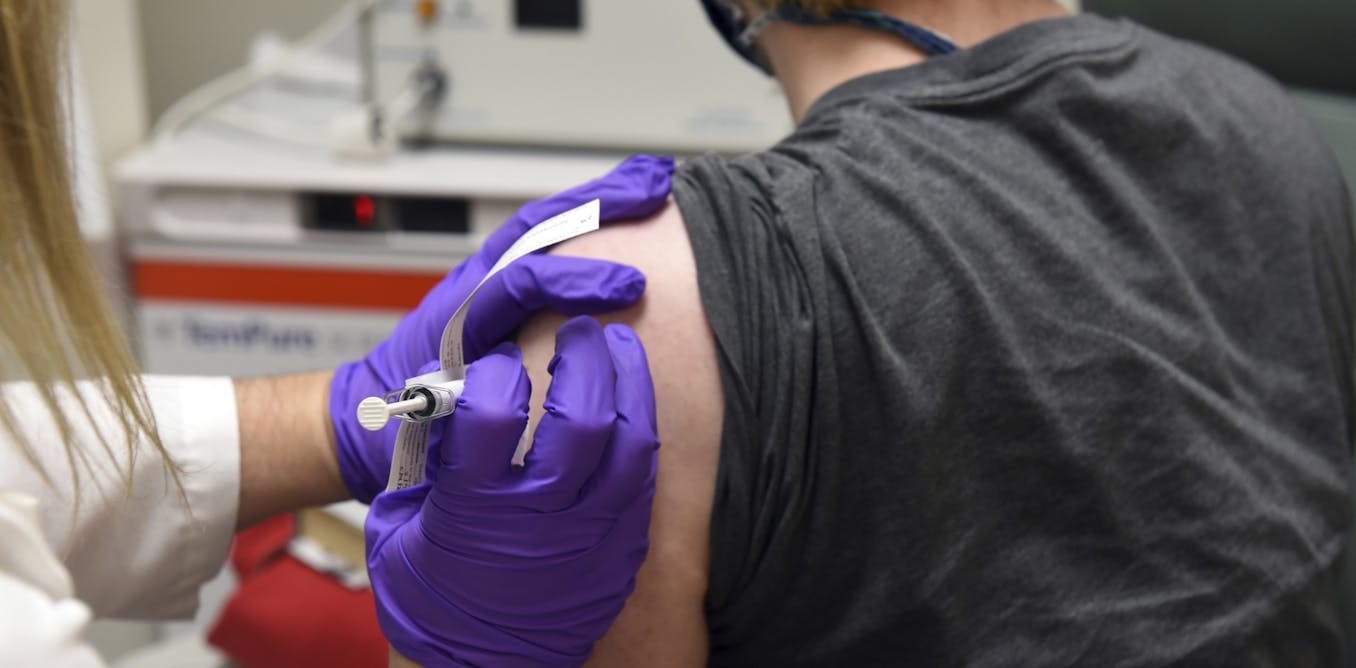
Pfizer's COVID-19 vaccine clinical trial  The Associated Press
Safety data on around 100 children ages between 12 and 15 were included with the application, the company attesting that 45 percent of U.S. trial participants fell between the ages of 56 and 85, both groups representing the demographics hit hardest by the virus. Agreement for the EUA by the FDA is anticipated by mid-December, Pfizer claiming it is prepared to begin shipping doses as soon as agreement is received, expecting to have 50 million doses ready for use this year, which would protect 25 million people in a two-dose protocol.
 
The Pfizer vaccine provided a level of protection evenly across different ages and ethnic backgrounds, vital news since the virus disproportionately harms the elderly and minority groups. In Pfizer's trial with over 43,000 people participating, there were 170 volunteers who contracted COVID-19, 162 of whom had received a placebo only; the vaccine was adjudged to be 95 percent effective based on those results, eclipsing expectations for a success rate.The FDA had considered a minimum bar for efficacy of 50 percent.
 
Close to 42 percent of global participants and 30 percent of U.S. participants in the Phase 3 study were of racial and ethnically diverse backgrounds, Pfizer had announced. Next in line at this juncture to seek a U.S. emergency use approval for a COVID-19 vaccine is contender Moderna, and from there the sky's the limit as one health expert after another speaks with a tremor of relief, of "a light at the end of the tunnel". 
 
Vaccine
FDA vaccine advisors reportedly will meet Dec. 10 to discuss approving vaccines. (AFP)
 

Labels: , , , ,

Friday, November 20, 2020

Canada Indulging in An Excess of Access

"Rich countries buying up vaccines before they're even available is not unlike people hoarding toilet paper."
"Why should I, a relatively healthy person in Canada, get vaccinated before a nurse in Ghana on the front line who is much more at risk than me?"
Elise Legault, One, anti-poverty group

"If it is true that they've got [commitments for] 350 million or 400 million doses ... then yes, Canada is grossly unethical in hoarding vaccine far above its needs."
"We must not accept delivery of more than we will use, or it will go to waste, and grotesquely deprive people who need it."
Amir Attaran, law professor, health policy expert, University of Ottawa
https://www.theglobeandmail.com/resizer/AEVnatGDxRuFysurj71RwzIek_E=/1536x864/filters:quality(70)/arc-goldfish-tgam-thumbnails.s3.amazonaws.com/11-20-2020/t_409834b1258a4c0a84837e4c97ac37e4_name_thumb3.jpg

It is the opinion of humanitarian affairs adviser with Medicins Sans Frontieres in Ottawa Jason Nickerson that it appears abundantly clear that Canada will end up with a surplus of vaccine doses should most of those that have been pre-ordered be delivered. Canada, he recommends, must follow the example of France, to commit to donating leftover vaccines, in particular so that residents of refugee camps and other high-risk people can be covered.

The very fact of the matter is, Canada, a wealthy country with a sound medical system, has been fairly poorly governed over the SARS-CoV-2 virus causing COVID-19. Advice to the public has been contradictorily confusing. It wasn't that long ago that medical experts in Canada were criticizing the government for not having followed the leads of other G-7 countries in assuring an appropriate-level supply of vaccines would be earmarked for the Canadian population.

And then the government moved, and outdid itself. In fact, it outdid every other country in its economic and social orbit by vastly pre-ordering far more vaccine for COVID-19 than the country could conceivably use, given its population size. Duke University in North Carolina's recently-released study indicates that Canada has ordered from more suppliers than any other country, inclusive of Pfizer and Moderna.

Paramedic with blood sample (Simon Dawson/Pool/AP)
International development organizations view Canada's wide sweep of the vaccine market with a healthy dose of 'we-told-you-so!'. An unfortunate and yet typically anticipated symptom of a rich country "hoarding" coronavirus vaccine, a situation that will lead to depriving poorer nations for months, even years before production capacity catches up. Leading to the risk that outbreaks will simply continue until such time that all countries globally acquire sufficient immunization.

A recent report out of the Rand Corporation estimates an unequal distribution of vaccine could cost the economy of the world $1.2 trillion annually; for every dollar rich nations spend on immunizing people in poorer countries they earn back close to $5 in economic benefit, their report estimates. Canada's minister for International Development argues that it remains unclear how many of the vaccines pre-ordered to purchase will be successful in their proving trials and go into production and distribution.

To balance issues, Canada has been among the leaders in backing COVAX, the global program whose purpose is to acquire and equitably distribute COVID-19 vaccines. Canada's commitment to access over $440 million in the initiative, makes it the second largest contributor following the United Kingdom. Half is meant to pay for vaccine for the Canadian population, with the remainder meant to benefit poorer nations.
"Once a vaccine is approved, it needs to be available and accessible and equitably distributed around the world."
"We recognize that until everyone on the planet is safe from COVID-19, no one is. And we know this is an issue we need to deal with."
Karina Gould, Minister for International Development
None of which quite explains why it is that Canada, a country with a population of 38 million people would require 414 million doses of vaccine from a number of suppliers. Even given that all but one of these vaccines requires a two-part inoculation would still leave Canada with sufficient vaccine to immunize its entire population five times over. Duke University's Global Health Innovation Center places Canada far ahead of the next best-stocked nations; the U.S., U.K. and Australia.

A researchers works in a lab operated by Moderna Inc.

Labels: , ,

Tuesday, November 10, 2020

Calling the Miraculous Great Day for Science Into Question

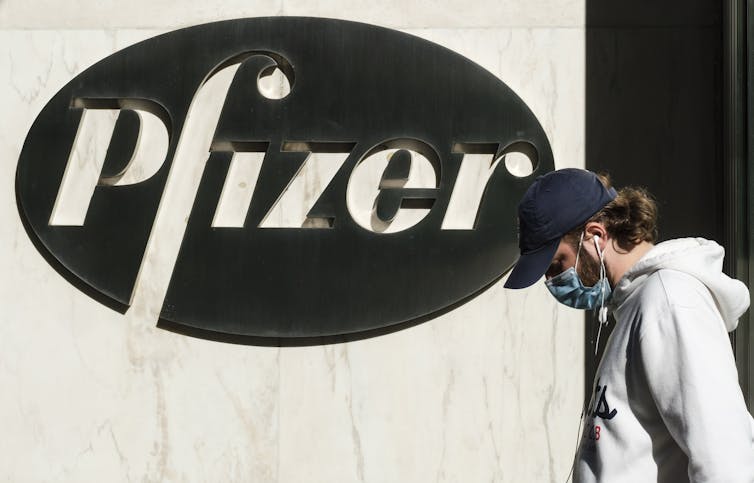
Man wearing a face mask walks past Pfizer sign on building.
Pfizer/BioNTech vaccine has 90% efficacy. Justin Lane/EPA
"[Early data suggests the BNT152b2 vaccine is more than 90 percent effective, a] Great day for science and humanity."
"As the study continues, the final vaccine efficacy percentage may vary [from its initial 90%]."
"The case split between vaccinated individuals and those who received the placebo indicates a vaccine efficacy rate above 90 percent, at seven days after the second dose."
"Today is a great day for science and humanity."
Pfizer Inc. press  release
"It's well known in clinical trials that sometimes when you have really, really positive effects in the interim analysis, those positive effects get smaller as you complete the trial."
"You'd really need to see the full array of safety information to have a critical appraisal of the vaccine."
"If there is a reversal of fortunes for this vaccine, people in the public begin to have more doubts about what companies or various sponsors are reporting ... You really want to be confident that you have worked out all the kinks, that you have reliable findings before you go public."
"Presumably, Pfizer is making this information public because they think it ought to inform some people's decisions. Why not wait until you have carefully vetted the data, that you've completed the trial, before you issue these results?"
Jonathan Kimmelman, professor of biomedical ethics, McGill University 

"[A vaccine that provides over 90 percent protection against COVID-19] would be absolutely amazing and would definitely go a huge way to leading us out of the pandemic."
"I just want to see the evidence." 
"Does [the Pfizer/BioNTech vaccine] attenuate the disease? Does it reduce spread to other people?"
Dr.Andrew Morris, infectious diseases specialist, Toronto
https://images.theconversation.com/files/368661/original/file-20201110-19-70s6ki.jpg?ixlib=rb-1.1.0&rect=0%2C20%2C6720%2C3360&q=45&auto=format&w=1356&h=668&fit=crop
The Conversation
 
Successful vaccines are developed to produce a dual result; protect the individual who has been vaccinated from becoming infected with the disease while protecting the next person he comes in contact with from being infected. Many experts in the field of epidemiology were taken by surprise when they read the release from Pfizer, since the acceptable minimum target the U.S. Food and Drug Administration felt would be the minimum for it to grant emergency use authorization for such a vaccine stood at 50 percent effectiveness.

Pfizer's press statement sent global stock markets upward, and hope to spring into the minds of a public weary of lockdowns and concerns over contracting the illness that has been so destructive globally and in particular to the United States in caseloads, hospitalizations and deaths. The basis for the pharmaceutical company's confidence in releasing the results of its third-stage trial before peer review or publication was the conclusion the vaccine appears safe, no serious concerns surfacing, but information on safety yet to be assembled.

The statement of confidence and jubilation is based on an interim analysis. The stakes are "beyond imagination", Albert Bouria, chairman and CEO of Pfizer stated. Experts in the field are somewhat less convinced, urging caution rather than rushing to a somewhat rash conclusion, pointing out that there is as yet too much unknown; whether the vaccine prevented serious infections, or mainly mild cases. Throw in that it's too soon to know how long any immunity that does result from the vaccine will continue to protect from the disease.

https://images.theconversation.com/files/368508/original/file-20201110-14-1x56ov.jpg?ixlib=rb-1.1.0&rect=0%2C468%2C6016%2C3008&q=45&auto=format&w=1356&h=668&fit=crop
The Conversation
 
The statement by Pfizer and German partner BioNTech reflected an early analysis of the final stage Phase 3 trial to determine the new vaccine's effectiveness. Either the experimental vaccine, administered in two stages, or a placebo was used with volunteers, no one knowing which was apportioned to whom. The vaccine known as BNT152b2, has been designed to target the spike protein surrounding the surface of the virus causing COVID-19; a formula also used by other vaccine candidates.

The fact is, nonetheless, that a 90 percent efficacy rate has been reported; vastly superior to the 50 percent minimum target set by the US. Food and Drug Administration. The trial is set to continue until such time as there are 164 confirmed COVID cases among the total 44,000 volunteers receiving both doses of the experimental vaccine. Of that number 94 contracted cases of COVID-19, hence the 90 percent success designation.

fauci
Dr. Anthony Fauci ... Al Drago - Pool/Getty Images 
"It's a really good day for biomedical research and clinical application of biomedical research. This is very good news looking forward."
"[The result] validates the mRNA platform, [which could indicate that a separate mRNA vaccine developed by Moderna could also have positive results]." 
"[This] validates greatly [the virus' spike protein as the immune-response target, which is important because it's also the target for] virtually every one of the other vaccines."
"It's not only immediate good news, it really is optimistic about what's going to roll out in the next several months with the other vaccines."
Dr.Anthony Fauci, infectious disease expert, director, U.S. National Institute of Allergy and Infectious Diseases


Labels: , , , , ,

Monday, September 07, 2020

Russian Vaccine : First In The World

The Russian vaccine
Vaccine created in Russia has shown signs of an immune response  Reuters
"I am not a vaccine specialist. So, I called the doctors who deal with vaccinations, I called immunologists. They said, 'don't do it, by no means, the vaccine is raw.'"
"Explain to me: how could it be that such powerful European and international organizations could not do it, but a relatively small Gamaleya Institute could? I cannot understand it."
"Totalitarianism remains [in Russia]. The two most helpless sectors are education and health care. Everything is done forcefully here. Last year I had a flu shot, everyone was told they needed to be vaccinated. And everyone did it, because if you don't, there will be penalties."
Unnamed surgeon at hospital in northeast Moscow
Vladimir Putin sitting at a large desk, watching a videoconference, with a flag behind him.

Russian President Vladimir Putin receives a video report about the approval of a coronavirus vaccine. Credit: Alexei Nikolsky/Sputnik/EPA-EFE/Shutterstock

"The two 42-day trials -- including 38 healthy adults each -- did not find any serious adverse effects among participants, and confirmed that the vaccine candidates elicit an antibody response."
"Large, long-term trials including a placebo comparison, and further monitoring are needed o establish the long-term safety and effectiveness of the vaccine for preventing COVID-19 infection."
The Lancet report
An antibody response in all participants in early-stage trials points the way to vaccination success on the part of Russia's 'Sputnik-V' COVID-19 vaccine. The Lancet medical journal published the results which appears to completely validate Moscow's claims to success and a head-start on the world community of scientists all racing against time to produce a vaccine to release the world from its  hostage situation, cowering in helpless fear of the still-relatively unknown SARS-CoV-2 virus.

The two trials referred to, conducted in June-July of this year involved 76 participants and demonstrated that every single trial member developed antibodies to the novel coronavirus with no serious side effects occurring. The double-shot inoculation has been licensed by Russia for domestic use as of August, making it the first country and only one to date to do this. And it was licensed in advance of data being published, much less a large-scale trial initiated, as recommended by The Lancet.

All those who took part in the initial trials were volunteers. A tentative list of professions that Russian authorities feel should be inoculated first off included doctors and teachers, for obvious reasons. But it would seem that many doctors are hesitant to be inoculated with the as-yet unproven vaccine, as are teachers and their unions, unwilling to become part of a large trial, as they see it, of an as-yet fully safety-and-efficacy-untested vaccine.

Named in honour of the Soviet Union's coup in launching the world's first satellite in 1957, Moscow clearly is anxious for a repeat of those glory days. To which ambition, among experts in the West there is unease about the precipitate use, even in the current emergency circumstances, to make wide use of the vaccine until all internationally approved testing and regulatory steps have been taken.

"With this [publication] we answer all of the questions of the West that were diligently asked over the past three weeks", stated Kirill Dmitriev, head of the Russian Direct Investment Fund, the nation's sovereign wealth fund which backed the vaccine. Moscow clearly feels justified in proceeding since its initial results were published in a prestigious international peer-reviewed journal, its 40,000-strong later-stage trial just launched.

There can be no denial that this global pandemic is a world-wide emergency which has caused the death of over 850,000 people on a global scale. On the other hand, a World Health Organization spokeswoman has noted that the organization has no expectations that widespread vaccinations will be available until mid-2021, in recognition of the need for rigorous scientific checks on effectiveness and safety. 
'This is just naked 'vaccine nationalism', which is really the last thing we need right now. I don’t want to see any country [including the US] beating its chest in this fashion and using the pandemic to declare the superiority of its system or its scientists. Coronavirus research needs to be as international as possible, with ideas, approaches, publications, and trials coming from around the world. This sort of stunt is taking us backwards – now people will be agitating for the 'approved' Russian vaccine and wondering why the others aren’t ready yet, etc. It just creates confusion and discord – don’t we have enough of those already? Unless, of course, creating confusion and discord is the point. . ."
Derek Lowe, Science Translational Medicine
On the other hand, one country or another which felt with confidence it had mastered a new, effective and safe vaccine and intended to use it internally on its population to enable it to emerge from the straitened circumstances forced on the world by the appearance of this novel coronavirus, would with little doubt act no differently than Russia has. It is yet to be seen whether any other country, satisfied it has achieved its goal in producing such a vaccine, would first coordinate with other nations and take steps to ensure that all have equal access rather than service itself first.
 
Russian vaccine
Putin said one of his own daughters had been inoculated (AFP)
"On Aug 11, 2020, Russia became the first country in the world to approve a vaccine against severe acute respiratory syndrome coronavirus 2 (SARS-CoV-2). The vaccine, which is based on two adenovirus vectors, was developed by the Gamaleya National Center of Epidemiology and Microbiology (Moscow, Russia). Its approval was announced by President Vladimir Putin. “I know [the vaccine] works quite effectively, helps to develop strong immunity, and has gone through all the necessary tests”, declared Putin at a cabinet meeting. Nonetheless, there are widespread concerns that the approval is premature. At the time of approval, the vaccine had not even started phase 3 trials, nor had any results on the earlier stage trials been published.
Since then, the phase 1/2 results have been published in The Lancet. The vaccine induced a strong immune response in all 76 participants. Presumably these results were available to the Russian Ministry of Health. For regulators such as the US Food and Drug Administration (FDA) and the European Medicines Agency, however, data on immune response alone would not generally be an adequate basis for approving a vaccine. “Immune response might not be directly proportional to the degree of protection—you can only find this out in large-scale trials”, explains Peter Openshaw, professor of experimental medicine at Imperial College London (London, UK).
“We have no idea whether this vaccine is safe or whether it works”, cautions Ashish Jha, Dean of the Brown University School of Public Health (Providence, RI, USA). “It is really worrying when people start to bypass the standard process we have for vaccine development.” Those behind the Russian vaccine have offered a combative response to such criticism. The official website was established with the stated aim to “provide accurate and up-to-date information about Sputnik V and to combat the misinformation campaign launched against it in the international media”.'
Dmitriev has confirmed that Russia has received international requests for 1 billion doses of its vaccine. On Aug 26, 2020, Russian news agency TASS reported that the country would supply more than 2 million doses of Sputnik V to Kazakhstan. Openshaw points out that the places that have expressed interest in the vaccine are unlikely to start mass administration until they are assured that it is safe and effective. “There is a huge difference between Russia registering a vaccine within its own borders, which it is entitled to do, and international approval or WHO prequalification”, he said.
Talba Khan Burki, The Lancet Respiratory Medicine
Moscow, Russia
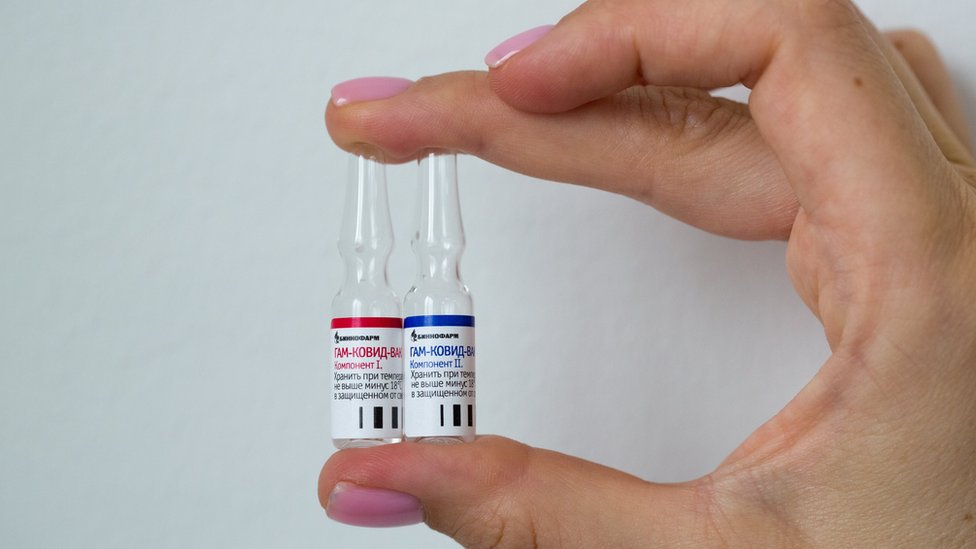
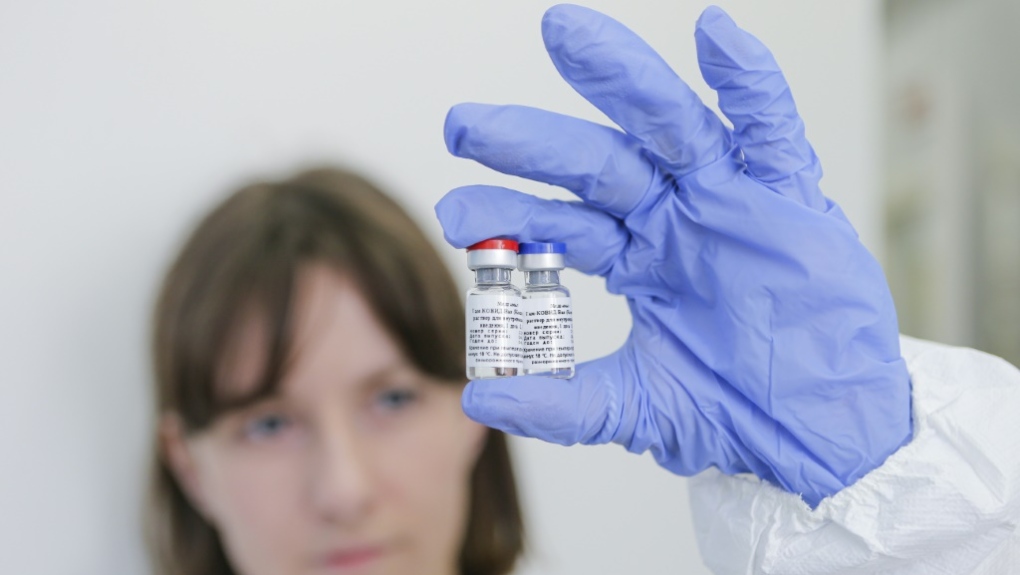
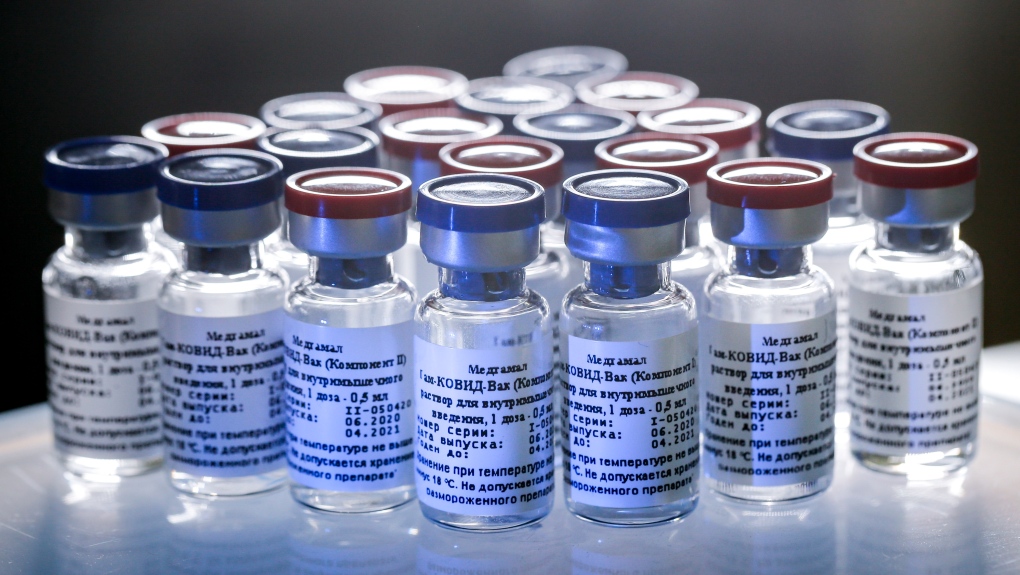
In this handout photo taken on Thursday, Aug. 6, 2020, and provided by Russian Direct Investment Fund, a new vaccine is on display at the Nikolai Gamaleya National Center of Epidemiology and Microbiology in Moscow, Russia. Russian President Vladimir Putin's announcement that his country is the first to approve a coronavirus vaccine hasn't provoked the awe and wonder of the Soviet Union’s launch of the first satellite into orbit in 1957. Instead the announcement was met by doubts about the science and safety of the vaccine. (Alexander Zemlianichenko Jr/ Russian Direct Investment Fund via AP)


Labels: , , , , ,

Saturday, June 13, 2020

Creative Science on Steroids

"As with many other teams we are going full speed."
"It is very demanding and very fascinating. These are incredible days for us in infectious disease."
"[Development of an initial vaccine candidate can happen relatively quickly] but after that the real work starts."
"It is important that we not close the doors on what we started, so we are ready for the next coronavirus."
"It is very likely there will be a next coronavirus."
Dr.Gary Kobinger, head, Centre of Infectious Diseases, Laval University
 Gary Kobinger
In this Sept. 28, 2007 file photo, Gary Kobinger works in a mobile laboratory set up by the Public Health Agency of Canada in Mweka, Democratic Republic of Congo. Kobinger, one of Canada's pre-eminent vaccine researchers, says he is confident a vaccine for COVID-19 will be ready in months, not years. THE CANADIAN PRESS/AP-Christopher Black/World Health Organization via AP, File
"It’s really important that we encourage innovation and we encourage people to be looking for solutions." 
"But then as those solutions potentially become available, it’s important that we put them through the proper process in the interest of safety, in the interest of efficacy and in order to make sure that we first do no harm."
Dr. Mike Ryan, executive director, World Health Organization emergencies program
The urgency could not be greater. The impetus is the very fact that over seven million inhabitants of Planet Earth have contracted COVID-19, and almost a half-million people have died of the disease caused by the zoonotic coronavirus SARS-CoV-2, a highly infectious, sometimes-deadly, frightening illness whose effects are avidly studied even as new and more frightening complications are being revealed constantly.

Medicago claims to have a viable vaccine candidate for COVID-19
Many epidemiologists frankly state that they feel overwhelmed by the magnitude of fall-out from the sudden appearance of yet another threat to human health and safety that appeared suddenly and catastrophically travelled the world, leaving carnage in its wake. Many warn that this disease is just warming up; not having yet wrought its devastation throughout many of the most vulnerable countries of the world.

And even those geographic places that have felt they have reached a safe enough level of effective control to allow their populations to begin relaxing the total lockdown and social isolation imposed upon them in an effort to bring the global pandemic to a standstill, have been shocked at its capacity to regroup, return and re-infect, causing them to stress that even with a relaxation of lockdown, defences must be maintained.

Yet through all the bleak occurrences of mass deaths among the elderly, sequestered in long-term care institutions, the prognosis of normalcy never returning, the doubts whether a safe and reliable vaccine can ever be found, the anxiety over the length of time it will take to secure the confidence of health regulators once one is found, to enable pharmaceutical companies to roll out sufficient inoculation for the world community, a bright spark of optimism has arisen.

That this note of confidence comes from a scientist who has had the experience of being involved in the creation of previous viral therapy projects and the production of numerous vaccines, included among them the development of an Ebola vaccine and treatment makes the prospect of an early release for the current condition the world finds itself in, ever more possible. 

According to Dr.Kobinger, the first SARS infection allowed scientists working to analyze it and to produce a protocol to diminish its impact, resulted in a heads-up advance in knowledge of the most recent appearance on the world stage of a deadly novel coronavirus outbreak. A scaffolding, if you will, of gained knowledge to allow the investigative work and remediative action to proceed much more expeditiously.

He now states with confidence that a vaccine against COVID-19 will take months, not up to a year or more to develop, despite that a year, year-and-a-half is considered on the basis of previous experience, to represent the length of time it ordinarily takes for such a vaccine to be developed. This, even though science is very well aware that speed cannot replace the need for safety.

As one of hundreds of scientists globally, struggling to produce a vaccine against the novel coronavirus, he and his team of researchers work seven days a week on their development of several potential COVID vaccines. A not-for-profit vaccine is listed among those candidates for development, one that may be slower than some others to complete, but is meant to be available to everyone.

Vaccine
The search for a vaccine is a race against time, scientists say. (AFP)
The 'real work' that Dr.Kobinger made mention of relates to the evaluation of different vaccine models in mice or other laboratory animals following three or more phases of testing on humans to ensure safety and efficacy. Among those being tested, thousands would be volunteers. While it is difficult to make a prediction of the length of time the virus will continue to plague the world community, work must continue on vaccines in anticipation of future such diseases to ensure the scientific-medical community never gets caught unprepared again to handle such a threat to the world, he stressed.

Scientist Xinhua Yan works in the lab at Moderna in Cambridge, MA on Feb. 28, 2020. Moderna has developed the first experimental coronavirus medicine, but an approved treatment is more than a year away.
Scientist Xinhua Yan works in the lab at Moderna in Cambridge, Massachusetts
David L. Ryan | Boston Globe | Getty Images

Labels: , , , ,

Thursday, May 14, 2020

Unpalatable Realities on COVID-19

"It is important to put this on the table: this virus may become just another endemic virus in our communities, and this virus may never go away."
"I think it is important we are realistic and I don't think anyone can predict when this disease will disappear. I think there are no promises in this and there are no dates."
"This disease may settle into a long problem, or it may not be."
Mike Ryan, WHO emergencies expert

World Health Organization Health Emergencies Program Director Michael Ryan speaks from the WHO headquarters in Geneva on March 300. AFP/Getty Images


A sobering conclusion brought to an unready world by a world-class expert in pandemics. But while his cautionary alert has been issued to ensure that people are prepared to understand that there is just so much that medical science can accomplish, and eradicating such a rare and deadly zoonotic is not one of them, his message also comes complete with uncertainty. It can and it may not become one of those shadow, constantly emerging diseases whose reputation makes people shudder.

On the other hand, HIV, which causes AIDS, yet another disease that crossed the species barrier from wild animals to humans and which was responsible for such deadly havoc primarily within the gay community worldwide in its horrible destruction of the body's defence system, spurred scientists to find a cure. Though no cure has yet been discovered, drugs capable of defusing the worst symptoms of AIDS, making the disease manageable, and offering the infected the opportunity to live near-normal lives was achieved.

Read full story

And it appears that like other chronic illnesses that persecute humankind when the immune system is affected such as diabetes with its complicating factors for heart, stroke, eyesight and kidney failure, eventually a therapy will be discovered to offset the most immediate threats that COVID-19 poses to the human body. Spokespeople for the WHO issued their alert to try to prepare the global public that there is no way of knowing how the current global pandemic will be resolved.

Other than to call for a "massive effort" to counter and contain the threat. The world will -- through the efforts of its scientific community working feverishly to understand the SARS-CoV-2 threat that causes  the COVID virus, experimenting with possible solutions to its sinister viral onslaught -- find a solution; temporary and manageable, if not final eradication.

Mr. Ryan of the WHO speaks of a disease that may settle into becoming a long-standing issue of public safety, such that even if a vaccine is discovered, which he calls a "massive moonshot", the disease will only be managed through a global "massive effort". Much of which is to be seen underway at the current time.

Doctor with syringe
There are over 100 potential vaccines currently in development  Reuters

Over 100 potential vaccines are in the development stages globally. Several are already in clinical trials even as experts emphasize the difficulties of finding vaccines that can be effective against coronaviruses. Vaccines, pointed out Mr. Ryan, exist for other illnesses; measles as an example of another disease which can be another fairly lethal threat to humankind, not yet eliminated.

"Very significant control" of the novel coronavirus is a requirement in the hopes of lowering the risk assessment which remains high at the "national, regional and global levels", causing the  universal lockdowns of civil society in an effort to spare as many people in any given population as humanly possible from contamination that in specific demographics like the elderly and the health-compromised can mean death.

As governments worldwide continue to struggle with the issue of how best to protect against the COVID threat, and when and how to re-open their stalled economies still in lockdown, the virus has infected close to four and a half million people globally, leading to a third of a million deaths related to COVID-19's impact. "We need to get into the mindset that it is going to take some time to come out of this pandemic", advised WHO epidemiologist Maria van Kerkhov.

Labels: , , ,

 
()() Follow @rheytah Tweet