Ruminations

Blog dedicated primarily to randomly selected news items; comments reflecting personal perceptions

Sunday, April 09, 2023

Suppressing Appetite, Maintaining Weight Loss

[The drug manufacturer is ramping up manufacturing capacity] to meet the extraordinary demand for the product, and commercial launch in Canada will only happen once we have sufficient supply to meet the needs of Canadian patients."
Mounjaro has not been submitted for Canadian regulatory approval for weight management, and although it may be submitted for this indication in the future we are not permitted to speak about the product, off-label."
Eli Lilly Pharmaceuticals

"You can think of a world where we don't have obesity anymore, or it's very uncommon."
 "You could imagine, in some people they may require a lot more of those signals to override a brain that's hardwired to feel hungry more, to feel less full."
"We're able to now manufacture something that everybody is producing, and we're actually able to keep it to the brain and the system a lot longer."
Dr. Nadia Khan, general internist, professor of medicine, University of British Columbia

"[There is a potential magnitude ] of misuse and abuse of these medications by folks who clearly do not have a medical need to lose weight."
Dr. Arya Sharma, professor emeritus of medicine, University of Alberta
Weight-loss Drug
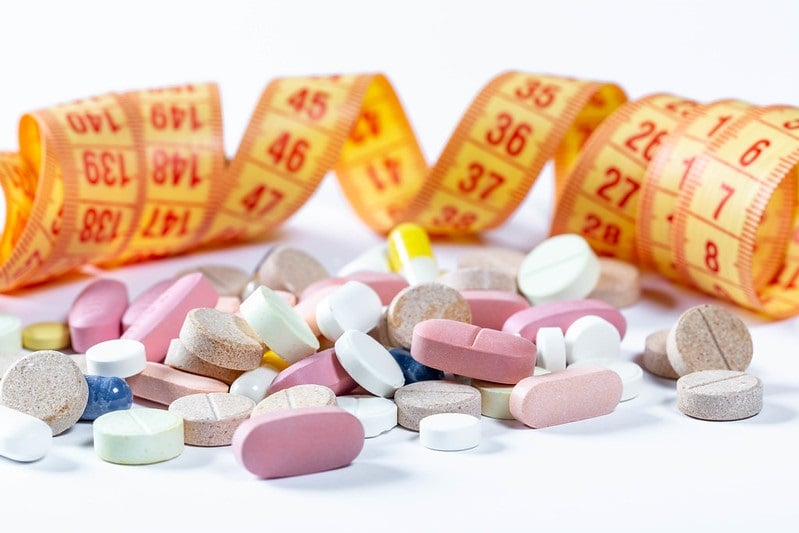
Mounjaro is being touted as the most powerful weight-loss drug available. Credit: Marco Verch, cc2/Flicker
 
In the United Kingdom, concerns radiate around the "medicalization" of obesity and well-orchestrated marketing campaigns by drug manufacturers. The issue is that on a global scale, over 650 million adults fall into the obese category The current hype over  a type of drugs that have proven to reduce weight gain through the administration of a once-weekly pharmaceutical has excited the world's community of overweight individuals, raising expectations of a miracle cure for obesity.

Restrictive diets appear to have had their day. Coupled with exercise regimens diets purporting to be successful in restraining weight gain come and go, as do prescriptions for medications meant to help in the eternal battle of shedding excess weight, and failing to meet excited expectations. Now, for the first time the heavily overweight have discovered an ally in a new class of drugs that help people to obsess less about food, while steadily helping them to lose weight.

Ozempic, a drug formulated to treat people with Type II diabetes, used off-label, has swept the obese community with promises of solving all their weight-related problems. The weekly injections have proven hugely successful and prescriptions for the drug have left short supplies for people with diabetes, its original treatment purpose. Now, a new drug has entered the scene, Mounjaro, yet another Type II diabetes drug.

Approved both in Canada and the U.S. for diabetes management, the drug will be approved for weight loss purposes shortly in the United States where it was granted a speedy review by the Food and Drug Administration. Mounjaro, according to published results, offers a more significant reduction in weight than Ozempic, or its sister drug Wegovy. 

The Economist and other media outlets have announced that the new era of AOMs -- anti-obesity medications -- could  result in ending obesity. However, the costs involved in this type of therapy could very well make the drugs far too costly for many people to access them. Mounjaro and other anti-obesity medications do have the potential -- on the other hand, according to a review in The Lancet -- to effectively tackle obesity.
 
a older man at a doctor's office, standing on a scale, while a doctor takes weight loss measurements
Jose Luis Pelaez/Getty Images
 
Demand for Ozempic and Wegovy leading to shortages, does require a similar drug devoted entirely to weight loss, that would not disrupt the supply of medications for people with diabetes. Moujaro was approved by Health Canada for people with Type II diabetes; even so, doctors prescribe it "off-label" (for uses other than those formally endorsed by the drug regulator). 

Over 3.5 million prescriptions to the value of close to $1.2 billion were filled by retail pharmacies in Canada last year, up from over 81,000 orders in 2018. Like Ozempic, the brand name for a molecule called semaglutide, Mounjaro targets a hormone called GLP-! that signals fullness and curbs appetite. Mounjaro whose chemical name is tirzepatide, targets a second hormone, GIP, which has a large role in body weight and food intake. It is the gut-brain connection that both hormones affect.

People on Mounjaro lost on average 19.5 to 21 percent body weight over a period of 72 weeks, depending on the dosage; "an unusually substantial degree of weight reduction for a weight-loss drug", according to a study sponsored by Eli Lilly. Close to the numbers observed with bariatric surgery. Over half of those on the highest doses experienced a reduced body weight of 20 percent or more.

And then there are side effects that accompany all medications; with the new drugs the most common are nausea, diarrhea and other gastrointestinal problems. The drugs, moreover are meant to be taken for a lifetime. Once off the drugs people regain two-thirds off lost weight within a year's time. The current consensus is that these drugs appear "vastly improved" over what was available before their advent.

The brain's hypothalamus controls the regulation of appetite; how full or hungry we happen to feel at any given time. The mesolimbic system controls appetite and pleasure, which cannot be altered, but the hypothalamus receives signals from the stomach, intestine and fat tissue. So that when food enters the stomach, ghrelin, the hunger hormone, gets suppressed, and two hormones -- GLP-1 and GIP  are released from the intestine, signalling fullness to the brain.

On injections with Ozempic or Mounjaro, bodies produce more of the hormones regulating hunger and feelings of satieyt. They also act on the gut to slow gastric emptying. Mounjaro appears to lead to greater reduction in total body fat mass than Ozempic. What is unknown is whether people will take to the weekly injections, along with the big question mark about long-term affordability. 
 
Then there are oncerns over whether long-term use possibly revealing more serious side effects, such as heart valve damage, stroke and cardiovascular death such as ensued with the fenphen regimen.
 

Labels: , , ,

Friday, December 02, 2022

Hoping to Alleviate the Progression of Alzheimer's

"[The effect of the drug was] a modest one but I think it's clinically meaningful [since even a few months of delay in progression could give someone a little more time when they're functioning independently]."
Dr. Ron Petersen, Alzheimer's expert, Mayo Clinic
 
"When we met with patient advocacy groups, most of the time the first thing I said to them was, ‘Sorry'."
"They wanted to know why it was taking so long, and were we not trying hard enough, or were we not intelligent enough?"
"We disappointed a lot of families."
Ivan Cheung, chairman and CEO, Eisai Inc.
 
"If time is brain, and other [therapies] are taking eight to nine months to reach the optimal dose, patients are losing brain during that process."
"With lecanemab, patients are starting from day one at the optimal therapeutic dose, and that is time-saving and brain-saving.”
Dr. Sharon Cohen, medical director of the Toronto Memory Program
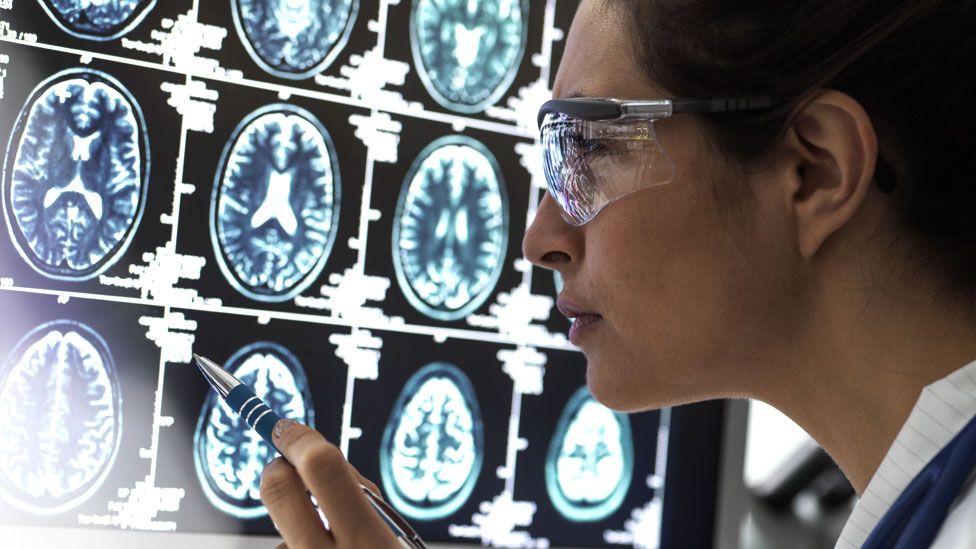
Doctor looks at brain scans
 
"Not all anti-amyloid drugs are the same. We are still learning what it means to mitigate amyloid dysregulation in terms of longer term benefit. But we now have an array of results with some encouraging signals that look like some of these drugs bully the disease process, and that is associated with some measurable clinical benefit for people with mild symptoms."
"With my patients, I start with the analogy of a life raft that has a leak. Any medication will be a patch that slows down the leak, but doesn’t prevent it altogether."
"For some of my patients, it’s helpful to think of drugs like these as a disease-slower-downer."
Dr. Pierre Tariot, director, Banner Alzheimer’s Institute.
Scientists seem to be divided over whether a new drug to treat Alzheimer's is a breakthrough, or just another disappointment with little practical effect beyond giving the Alzheimer's sufferer a few extra weeks of something approaching normalcy -- at the very least functioning capability -- before the brain-destroying disease continues its ravaging effect leading to death. A new experimental drug slows the inevitable deterioration of the brain disease's effect, but it remains unclear what kind of difference in the final analysis it might make.

The drug Lecanemab, according to Japanese drugmaker Eisal and its partner, Biogen in the U.S., appeared to function well. To the present there has been one disappointment after another in the realm of discovery of a drug or therapeutic combination that might make a significant difference in alleviating the death sentence of Alzheimer's for its sufferers. The most common form of dementia, Alzheimer's diagnosis sends shivers and shudders down the spine of those afflicted, anticipating their inevitable decline..

Full results of the study with close to 1,800 people in early stages of Alzheimer's was released several days earlier by the two companies involved. The study, published in The New England Journal of Medicine, was also presented in San Francisco at an Alzheimer's meeting. Lecanemab was proven to delay patient deterioration by roughly five months, over the 18-month study's course. 

Dr. Michael Irizarry stated that lecanemab recipients were 31 percent less likely to advance to the next stage of the disease during the study. "That translates to more time in earlier stages", he observed, when people are able to still function fairly well. Study participants received intravenous lecanemab or a saline infusion every two weeks of the study. With the use of an 18-point scale to measure cognition and functional ability, researchers tracked the subjects' progress.

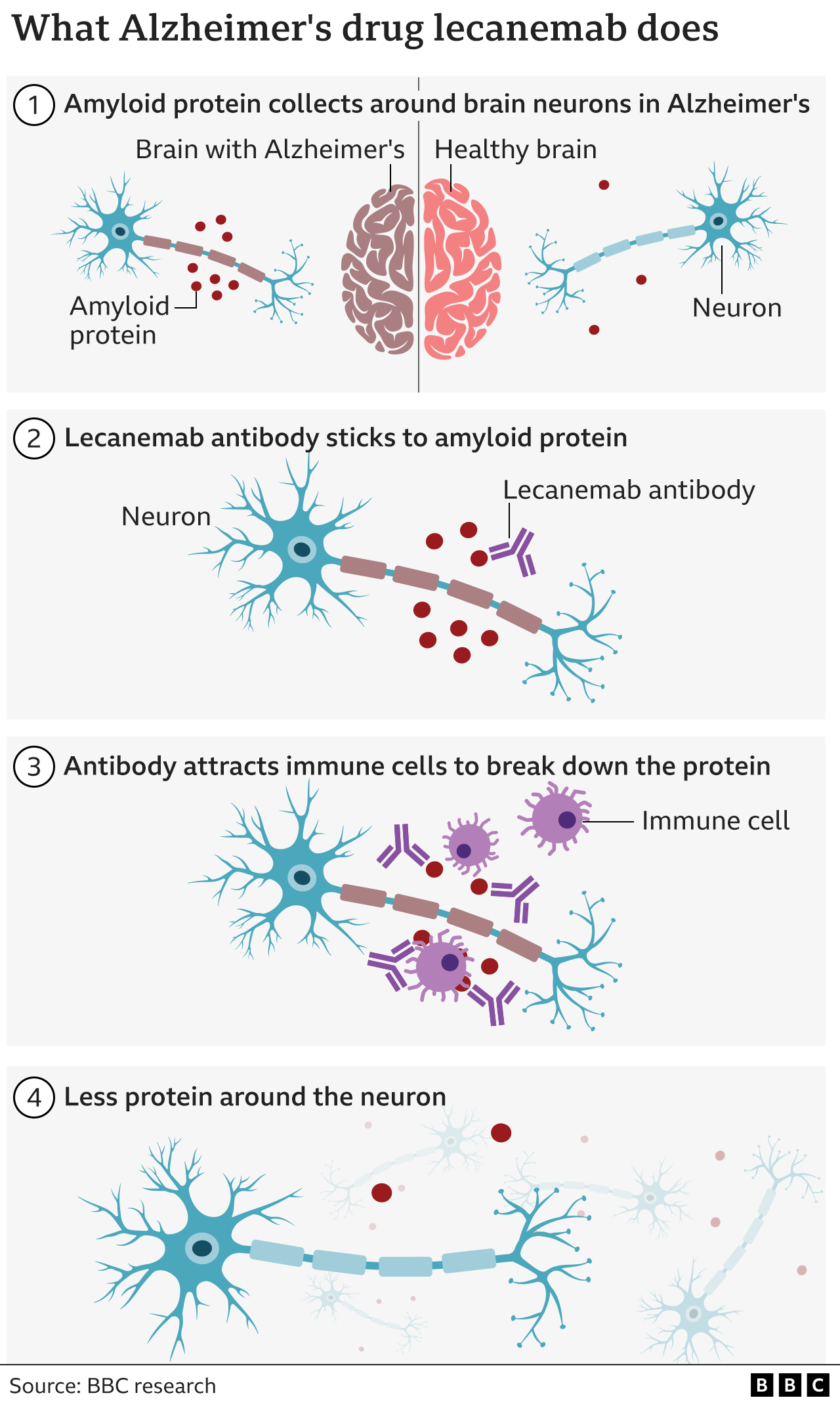
The key finding of the study was that those given lecanemab declined more slowly, relating to a difference of almost half a point on the 18-point scale over the 18 months of the study. The trial's importance lies in its showing that the drug attacks a sticky protein called amyloid, thought to be one of several culprits distinguishing Alzheimer's, and in so doing can delay the progression of the disease, according to Maria Carillo, chief science officer for the Alzheimer's Association.

Yet doctors remain divided over whether that difference is sufficiently significant for patients and their families, particularly since the drug has some serious potential safety risks that include swelling of the brain. "It is  unlikely that the small difference reported in this trial will be noticeable to individual patients", was the opinion of Dr. Madhav Thambisetty of the National Institute on Aging, speaking for  himself. Many researchers believe a meaningful improvement would reflect at the very least a difference of a full point on that 18-point scale, he pointed out.

Graphic showing what the lecanemab antibody does - attaching itself to the ameloid proteins that are more present in brains affected by Alzheimer's than healthy brains and then attracting the body's immune cells which break down the protein


Labels: , , ,

Thursday, October 13, 2022

Expectation Poor Match for Reality

"The benefits here are pretty substantive [Merck pharmaceutical's COVID oral drug Molnupiravir]."
"I think they're pretty substantive from an economic point of view and they're substantive for the patients who are older [with fewer experiencing extreme symptoms, hospitalized and dying from COVID]."
Dr. Eliav Barr, chief medical officer, Merck Pharmaceuticals, New Jersey

"That [impression that molnupiravir curbs the number of people dying or being hospitalized] cannot be supported any more."
"If you combine all the results from Panoramic and Merck's MOVE-OUT trial, there is no significant effect."
"It just doesn't work."
Dr.Andrew Hill, pharmcology researcher, University of Liverpool
 
"A UK study has found that Merck & Co’s oral COVID-19 therapy Lagevrio was unable to reduce hospitalisations compared to placebo in patients at higher risk from the virus, adding fuel to assertions in some quarters that its authorisation was premature."
"The 25,000-subject PANORAMIC trial conducted by researchers at Oxford University looked at the addition of a five-day course of Lagevrio (molnupiravir) to standard care in people aged over 50, or adults aged 18 and over with conditions that raised their risk of severe COVID-19, comparing it to standard care plus a placebo on all-cause hospitalisation/death within 28 days."
"Preliminary results show that, while Lagevrio hastened the time to recovery from COVID-19 by around six days, it was no better than placebo at keeping patients out of hospital."
Digital Object Thumbnail
 
Results published online a week ago of the Oxford University0\-led Panoramic trial compared two arms of about12,500 patients in the United Kingdom who were given the usual medical care along with molnupiravir, or just the usual care, saw a lowered rate of deaths and hospitalizations -- the primary end point -- reflected similar outcomes in both groups.
 
Patients who received the drug reported their symptoms resolving on an average of 4.2 days earlier and requiring fewer doctor appointments. As well, in a sub-group of subjects, the viral load among molnupiravir patients after seven days was lower than a control group. Of those given the drug the majority received at least an initial vaccine dose while 94 percent had been triple-vaccinated.
 
The Panoramic study also indicated that patients over age 80, along with heart disease and diabetes patients were less likely to die or end up in hospital, on the drug. Yet, patients with compromised immune systems fared better in the non-drug group -- leading study authors to conclude that "estimates were similar for all subgroups".  
 
Results of the independent trial of the medication cast doubt over the efficacy of the drug. The takeaway conclusion was that molnupiravir performs no better than standard care, lowering the death or hospitalization rate of COVID-19 patients, the entire point of the oral drug. Merck insists that in some older patients with health problems, the pills appeared relatively effective.
 
The expectation was that after regulatory approval and distribution, making the oral drug available on prescription the pharmaceutical giant along with its partner Ridgeback Biotherapeutics would earn up to $5.5 billion in global sales this year. Its fiercest efficacy critic, Dr. Andrew Hill is of the opinion that judging by the main criteria whether the number of people dying or going to hospital is curbed by the drug, it is a failure.
 
He points out that the corticosteroid drug budesonide presents similar benefits, for roughly two percent of the cost of the Merck product. The company charges wealthier countries about $900 per course of its oral product. A rival COVID drug, Paxlovid, produced by Pfizer is currently on the market. Last year both these medications surfaced as potential breakthrough treatments in the form of oral medication taken by high-risk outpatients at home, to decrease the burden the virus places on health care.
 
Initial trial results for molnupiravir indicated a 50 percent reduction in death and hospitalization among patients. When the second half of patient results came in, however, it showed peculiarly enough, that those on placebo actually came out with a better showing. Still the general conclusion was a reduction of mortality and hospital admissions by 30 percent.
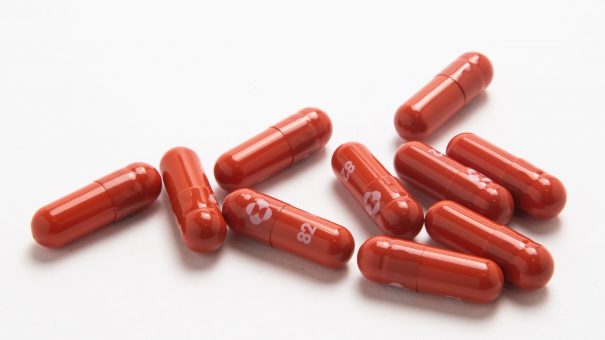
Merck_molnupiravir
"Molnupiravir, a covid-19 antiviral drug bought by the UK government in the amount of 2.23 million doses, is no better than placebo at lowering the risks of death and hospital admission, a pivotal UK trial has found."
"Preliminary results released from the Panoramic trial of 25 783 people who were randomly assigned to open label treatment with molnupiravir plus usual care or to usual care alone found no significant difference between the two groups for the primary endpoint of death or hospital admission.1 The study has been published as a preprint and has not yet been peer reviewed."
"The UK was the first country to authorise Merck Sharp and Dohme’s molnupiravir (Lagevrio) for the treatment of mild to moderate covid-19 in adults with at least one risk factor for severe illness, in November 2021.2 The European Medicines Agency has still not approved the drug."
The BMJ (British Medical Journal)

Labels: , , ,

Friday, September 16, 2022

Inventing Brain Imbalance In Service of Pharmaceuticals

"You want to know why it took so long for the truth to come out?"
"I am afraid this has something to do with the toxic relationship between industry and academia. [Drug companies encourage MDs to prescribe often, and heavily and have] paid many academic psychiatrists to promote their products."
Dr. Joel Paris, Montreal psychiatrist

"But the main thing that has got people riled up is that we have dared to draw conclusions about anti-depressants."
"It seems the main criticism is that antidepressants work. It doesn't mater how they work. It doesn't matter that the original idea, the original theory for how they work is unproven. They work, and that's all that matters."
"[To me, it matters] Because whether they work or not depends on how we understand what they are doing. We have to consider other possible ways that they may be 'working' ... which include the fact they are drugs that change normal brain chemistry."
"[When the first SSRI, Prozac was launched in the 1980s] the pharmaceutical industry knew it couldn't market them in the same way as [benzos], so, it had to convince people that they had an underlying disease and needed o take the drugs for an underlying disease."
:If you think something is wrong with your brain and a drug is going to put it right, of course you're going to take it."
Dr.Joanna Moncrieff, consultant psychiatrist, professor of critical and social psychiatry, University College, London
Chip Somodevilla/Getty Images; J. Scott Applewhite-Pool/Getty Images; Yulia Reznikov/Getty Images
 
Dr.Moncieff is the co-founder of the Critical Psychiatry Network and agrees that sedatives like benzodiazepines can be useful short term in a crisis: "But I think that drugs that affect the brain, we should be cautious about". No evidence exists that such drugs reverse an underlying abnormality of the brain, but "they are doing something to the brain. And by doing that they change our normal mental states."

Dr. Moncrieff points out that specific drugs known as SSRIs (selective serotonin reuptake inhibiters that are believed to work by correcting abnormally low serotonin, a neurotransmitter helping to move messages between brain cells thought to play a role in how brains process emotions) represent a drug formulation whose efficacy is taken on trust as a tried-and-true medication for clinical depression, but that in actual fact they are not at all effective.

An international media frenzy broke out with news headlines such as "How were so many duped?" when it became all too evident that the "serotonin theory" of depression, the belief in too little of the brain chemical leading to depression was debunked. The hypothesis weathered well for decades becoming deeply entrenched throughout the psychiatric medical community, a huge assist in promoting a class of antidepressants taken by millions worldwide. 

Several months ago a major review concluded there was no support for the hypothesis that depression is caused by lowered serotonin activity or concentrations, for basically, no convincing evidence of a "chemical imbalance" exists. The paper's authors have been ridiculed and attacked, accused of succumbing to urban myths that link antidepressants to mass shootings. 

The suggestion and subsequent acceptance that a "chemical imbalance" in the serotonin theory first introduced 60 years ago seemed promising. However, said Dr. Allen Frances, professor emeritus of psychiatry at Duke University, involved in creating the fourth edition of the Diagnostic and Statistical Manual of Mental Disorders in 1994, the association was weak and failed to replicate. "Depressions are so remarkably heterogeneous, there can't possibly be any unitary cause", stated Professor Frances; further study "revealed just how ridiculously complicated is brain structure and function".

For their "umbrella" review published in Nature's Molecular Psychiatry, Dr. Moncrieff and her co-authors reviewed high-level studies in six major areas of research which spanned 56 years, involving tens of thousands of people. The studies involved indirect measures of serotonin activity in the knowledge that no "normal level" of serotonin exists. The investigators reviewed studies indicating indirect measures of serotonin activity; serotonin and its breakdown products in people's blood or cerebral spinal fluid comparing levels between people diagnosed with depression and those not diagnosed with depression, as healthy "controls".
 
No overall difference in levels of serotonin was found by the researchers between the two groups. Serotonin comes from tryptophan, an amino acid extracted from the diet. Healthy people on diets lacking tryptophan did not become depressed. Looking at studies of genes involved in the brain's serotonin system, researchers again found no consistent difference between depressed and healthy volunteers.
 
"I think people need to think carefully about why they are taking [SSRIs] and what they think the drug is doing for them."
"If they are taking the drug because they think it's correcting an imbalance in their brain,I would suggest that they could re-evaluate whether they need to take it", said Dr. Moncrieff.
 
According to Dr. Frances, what is often lost in the controversial conversation over chemical imbalance and depression, is that mild depressions are usually caused by life stressors which do not require medications. "Instead, they improve with time, support, reduced stress and/or psychotherapy", while severe depressions do require medication, rarely responding to anything else.
 
It is not just for depression that SSRIs are prescribed, but for social anxiety disorder, panic disorder, OCD (obsessive-cmpulsive disorder), phobias and an even longer list of complaints. Like all drugs, these carry side effects which include agitated feelings, low alcohol tolerance and loss of libido and sexual dysfunction. 

A recent analysis paints a compelling picture that depression isn't caused by a chemical imbalance in the brain. But experts say this is already widely accepted and it's also true that antidepressants can be extremely beneficial to some patients — even if we don't know exactly why. (Shutterstock / Chanintorn.v)

Labels: , , , , ,

Monday, December 13, 2021

First, the Good News...Can You Read This?

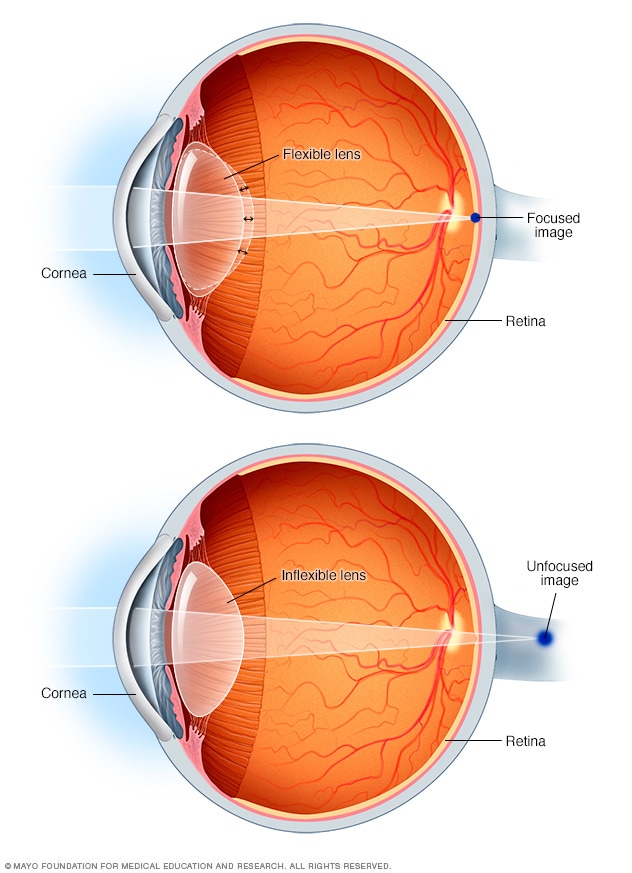
 What Is Presbyopia? - American Academy of Ophthalmology

"[The drug, named pilocarpine, works through the use of the eye's natural ability to constrict the size of the pupil].
"Reducing the pupil size expands the depth of field or the depth of focus, and that allows you to focus at different ranges naturally."
Dr.George Waring, principal trial investigator

 
Close to half the American adult population suffers some loss of nearsightedness by middle age, as a result of a condition called presbyopia. This is a progressive eye condition and those who suffer from it, find it difficult to read small print. The condition can be corrected with prescription eyewear, contact lenses and in some instances surgical intervention. But the condition is permanent, no cure exists for it. Now, a newly developed eye drop has been approved by the U.S Food and Drug Administration.
 
It is the only drug that the FDA has approved in the treatment of presbyopia. Of those people suffering from presbyopia, 90 percent aged between 40 and 55 admit to feeling frustrated or irritated with this problem in their vision. The drug, Vuity, once dropped into the eyes becomes effective within fifteen minutes -- providing clearer vision that can last up to six to ten hours with a single drop, according to its manufacturer, Allegra.
 
The eye lenses can experience flexibility loss as people age, the result being it becomes more difficult to focus on objects up close. The drops, according to Allegra, work by adjusting the pH balance of the eye's tear film, which is a thin layer of fluid that covers the eye surface. A "statistically significant proportion" of the 750 participants in a study conducted across two clinical trials reported they could read three additional lines of text on a reading text chart, with the help of the drops.

And now the kicker: trials indicate the drug is less effective in low-light situations as well as for people older than 65. The side effects that can result from the use of the eye drops include headaches and red eyes, although none of the participants in the study reported any serious adverse effects. Cost? $80 monthly. Which can be weighed against the cost of a pair of eyeglasses, a one-time purchase, as a vision corrective.

As for those fortunate enough to have health insurance, it is unlikely that they'll get a break on this monthly cost, since eyeglass prescriptions remain a practical option and a far less expensive one at that, and this is what insurance will cover.


Labels: , , ,

Wednesday, May 26, 2021

Will The Spirit Molecule Aid Recovery from Ischemic Stroke?

"The idea is can we stimulate neurogenesis without being psychedelic? And I think that's a really clever idea. No one knows. But if it works, it's very exciting."
"How you keep it [N-Dimethyltryptamine] a sub-psychedelic dose is going to be challenging, and we've got some ideas about that, but also if people are conscious, they can talk to you. If they start to say 'I don't like the side effects I'm seeing, I'm thinking funny thoughts', you can just turn it off and literally within a minute the effect dissipates."
"The barriers are still immense [to testing psychedelic drugs]. But we're hoping that the more research is done and the more clinical utility is demonstrated that the barriers begin to come down. At present they're enormous and they add vast costs but also time. Getting import-export licenses for these drugs is a pain in the butt. It can take months to get permission to move the source compound across to another country to do the testing."
"Before I was sacked, no scientists in Britain would actually tell the truth about drugs, they didn't ever want to confront the fact that the biggest killer in Britain is alcohol. And after I was sacked everyone said, 'Of course it is. It's obvious. So why do we care about these psychedelics that aren't very harmful at all?' So the public completely swung around to us."
"The fact that Oregon is now legalizing mushrooms, against federal law, against the UN Convention, tells us we won the argument in the public. But we've still got to win it with the politicians."
Dr.David Nutt, psychiatrist, neuropsychopharmacology professor, Imperial College London
In February, Algernon Pharmaceuticals announced it was planning to be the first company in the world to test DMT in human clinical trials for stroke.
When Dr. Nutt was the top drug adviser to the U.K. government his condemnation of alcohol as the drug responsible for untold deaths, along with tobacco, as opposed to mild-to-moderate psychedelic drug use that was in contrast relatively harmless, landed him in hot water. His candid assessment ran counter to political views and he was fired from his position with the government of the U.K. ten years ago for his opinion expressed publicly that alcohol and tobacco were more harmful to individuals and society than LSD, ecstasy or cannabis.

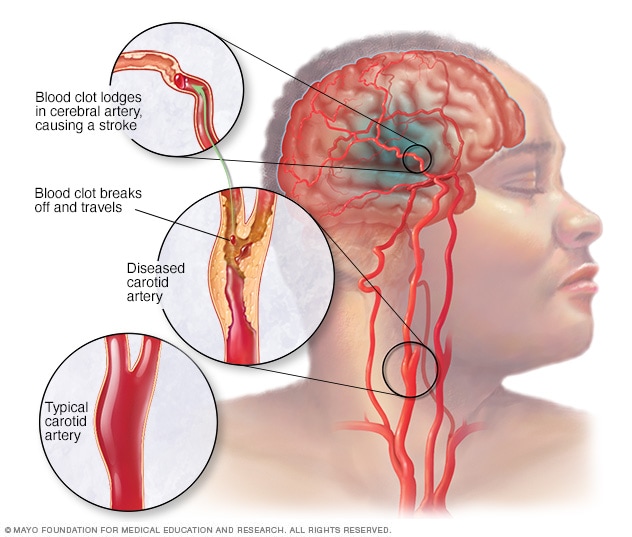
While the learned professor, now 70, is still teaching and doing research at Imperial College and remains involved in trials with psychedelic medicines, he is also a consultant on a new trial that may bring hope to the treatment of ischemic stroke. Most strokes are ischemic, occurring when blood flow to the brain becomes obstructed. Options for treatment remain limited. A study published in the Annals of Neurology documented over a thousand drugs thought of as potential neuroprotective therapies tested from 1957 to 2003, none of which tested as viable options for effective treatment.

Stroke - Symptoms and causes - Mayo ClinicA clot-clearing drug, tissue plasminogen activator (tPA) was approved by Health Canada in 1999 for the treatment of ischemic strokes, but for the drug to be effective, it requires administration within several hours of the onset of stroke symptoms. Since tPA can also be deadly administered to someone who has experienced a hemorrhagic stroke, patients must wait for a CT scan before receiving treatment, a delay whose outcome can be devastating.

Billions of dollars and decades have been spent while researchers searched for alternative drugs capable of preserving neurons and which in the best of all possible scenarios could be administered to patients without a scan being required. Algernon Pharmaceuticals based in Vancouver announced its plans to test the psychedelic compound recognized as belonging to the tryptamine family which includes substances like psilocybin, ketamine and LSD. DMT is familiarly known as "the spirit molecule". It occurs naturally in varieties of vegetation, some made use of in South America for religious ceremonies for centuries.

The pharmaceutical company anticipates that the drug will prove able to promote neurogenesis and neural plasticity to initiate new synaptic connections, and if it succeeds, stroke victims would be enabled toward faster recovery, with less ensuing damage. Continuous intravenous injection is visualized at a sub-psychedelic level so patients would not be exposed to hallucinations in its administration. Algernon submitted a proposal to the U.S. Food and Drug Administration respecting the design and scope of its preclinical and early phase stroke clinical programs.

Phase 1 of the trials purposes to establish dosages and the safety of the treatment, with the next phase to focus on recovery and rehabilitation. There is an existing foundation of pre-clinical studies demonstrating that DMT is capable of promoting neuroplasticity. The neuroprotective effect of DMT was demonstrated in a study published a year ago in the journal Experimental Neurology, with the use of an animal model. Once blood flow to the brain in rats was restricted, those treated with DMT suffered fewer lesions on the brain and recovered faster, with fewer severe effects.

Acute Ischemic Stroke Diagnosis and Treatment Market AnalysisAlgernon which harbours the expectation that its microdosing approach may serve to encourage a wider review and acceptance of the therapeutic potential of DMT, introducing the opportunity for further research, believes its approach could have the potential to lead to a Breakthrough Therapy Designation from the FDA, enabling priority review and fast-tracking of the clinical trial process. Dr.Nutt notes that these types of substances require rescheduling for real progress to occur. "If the schedules don't change, they're not going to be medicines, that's a fact."
"[I'm] hanging on to see sanity eventually prevail over the drug policy."
"It is buzzing at present and I think that even if only half of the hope comes to fruition [it] is still going to be a hell of an event."
"I hope I live long enough to see it all sorted."
Dr.David Nutt, psychiatrist, neuropsychopharmacology professor, Imperial College London

Labels: , , , , ,

Thursday, February 25, 2021

Experimentation on Live Animals vs Animal Computer Modelling

"There have been very serious welfare concerns raised about the living conditions of these monkeys in Cambodia and nearby countries, as well as concerns about misleading information being provided from sellers over there. And I think for Canada to be complicit in that is potentially quite concerning."
"Cambodia, Laos and Vietnam are pretty notorious for monkey breeding and taking monkeys from the wild, putting them in facilities and breeding."
"My biggest concern about animal research in Canada, and specifically this situation, is that it's completely non-transparent, and not overseen by public authorities."
"What people deserve is the ability to know about the experiments that are being done, and judge for themselves if they think that that's acceptable or not. But with this system that is as opaque as it is right now, the average member of the public mostly has no idea about any animal tests that are going on in Canada."
Camille Labchuk, executive director, Animal Justice

"This is a serious concern in terms of maintaining a healthy wildlife population in Cambodia for macaques."
"This has great implications in terms of the population numbers and the health of the population and the countries that they're getting them from."
"These animals might have been imported to be used in the COVID-19 vaccine development or there might be another company who [sic] is doing drug trials and requires primates as part of those trials."
Liz White, head, Animal Alliance of Canada
Macaque monkeys used for research, at a breeding centre in Thailand.
According to a 2008 investigation by the British Union for the Abolition of Vivisection, up to 80 percent of macaques trapped in the Cambodian wild die due to trauma or poor treatment, even before they reach a laboratory. In the United States, CBS issued a report in 2010 noting that 30 monkeys had been cooked alive in a Nevada research laboratory, having been erroneously placed through an automatic cage washer.

The government of Canada in 2020 approved importation of 1,056 macaque monkeys of a type called macaca fasicularis. They were imported from Cambodia for "scientific and research" use by private interests. According to documents associated with the recently released story, this is the first time such imports have been permitted after being allowed since 2016. 

It was also revealed that part of the total and possibly all of them were brought to Quebec for use by Charles River Laboratories, a major American importer of non-human primates to be used for breeding and scientific experimentation. The company has a number of laboratories across the province. Canada's government approved the import of about 2,500 non-human primates yearly from the United States, to be used for research testing within the past five years.

It was only in 2020 that an additional number of primates were imported from Cambodia. Animal protection organizations have frequently alleged mistreatment of the animals within Cambodia. The sudden increase in the number of macaque imports to Canada signal to both White and Labchuk that the animals are being used to test potential COVID-19 vaccines and treatments in Canada, based on multiple media reports and documents emanating from pharmaceutical companies indicating vaccines were tested on macaques.

Members of the public who quail at the very thought of subjecting helpless animals to experimentation in laboratories dedicated to the discovery of new medical protocols and therapies have often salved their feelings in the belief that animal computer modelling is advancing to the point where there will be a complete elimination of the use of living, feeling animals for research purposes. A practise that causes immediate revulsion in any animal-empathetic mind.
 
Frederick Banting and Charles Best Isolate Human Insulin
The theory is that science has come a long way since Banting and Best at their utilitarian laboratory at University of Toronto used dogs in their search for a cure for diabetes.

Insulin turned out not to be a cure, but a lifeline for people with diabetes to be able to treat their condition where their pancreas' islets of Langerhans no longer produces insulin, through injecting insulin to enable the body's uptake of sugars, moving it to body tissues for the blood glucose to be converted to energy. Simply put, without injectable insulin, people with Type 1 diabetes would die a painful death; before the advent of the Banting and Best discovery, the diagnosis of insulin-dependent-diabetes was a death sentence. 
 
Similarly, the vaccines produced for the SARS-CoV-2 virus that causes COVID-19 is not a cure, but a therapy, and COVID, like diabetes is managed, not cured. The entirely separate issue of animal cruelty with respect to the handling of these living, feeling monkeys and other research-bound animals that science uses in research and experiments is one that is concerning and requires attention. Countries like Cambodia should be made aware that ill-treatment of animals will lose their custom.
"The importation of macaques occur on a regular basis and is not an unusual event."
"Due to reasons of privacy and confidentiality, the Canadian Food Inspection Agency is not authorized to share personal or confidential information with third parties about importers."
Canadian Food Inspection Agency
 
"Charles River Laboratories is deeply committed to animal welfare and exceeding international standards for the care of research models under our stewardship."
Sam Jorgensen, spokesperson, Charles River Laboratories 
"The advancement of computer technology in the information revolution has been so amazing that we have become convinced that there is nothing an advanced computer can’t do. That is why it is so easy for animal rights organizations to convince the public that we can eliminate animal research and replace it with computer models. Even organizations that supposedly defend animal research have helped this misconception by promoting the idea that eventually it will be Replaced (one of the three Rs) by computer models, in vitro research or clinical trials. That is simply not true. As I have shown here, as scientific productivity increases, so does the use of animals. It has not decreased, we are just using fewer animals of some species (dogs, cats, rabbits, primates) by using more animals of other species, like mice and zebrafish. And, as Figure 4 shows, research using computer models is relatively small and is not growing fast enough to ever catch up with animal research."
"In conclusion, computer models are not replacing and likely will never replace animal research. Computers can do amazing things, but they cannot guess information that they do not have. There are limits to what is possible, and this is one of them."
Juan Carlos Marvizon, Ph.D., David Geffen School of Medicine at UCLA, VA Greater Los Angeles ... Speaking of Research, January 7, 2020


"Monkeys are used in animal research only if a particular phenomenon cannot be studied on any other species of animal, such as mice, fish or fruit flies. In the course of evolution, similar structures and functional principles have developed in the brains of monkeys and humans. Such structures and principles are not present in other mammal groups. Neuroscientists can therefore only research complex cognitive functions relating to perception, attention, memory formation and awareness on monkeys."
Why do researcher investigate primates?

"Because they are biologically so similar to humans, the potential for applying research results to humans is very high. They are therefore used primarily for the final drug safety tests on new medicines before they are used on humans. Moreover, scientists use monkeys to study important fundamental questions on how a healthy organism functions or how to cure fatal illnesses (e.g. Ebola) or severely debilitating disorders (e.g. Alzheimer’s). Monkeys therefore play an important role as laboratory animals in infection research and in the neurosciences."
Max-Planck-Gesellschaft

Labels: , , , , , ,

Saturday, November 21, 2020

Awaiting Salvation

https://www.mckinsey.com/~/media/McKinsey/Industries/Pharmaceuticals%20and%20Medical%20Products/Our%20Insights/On%20pins%20and%20needles%20Will%20COVID%2019%20vaccines%20save%20the%20world/Pins-and-needles-vaccine-HERO-1536x864.jpg?mw=1536&car=72:35&cq=50


"The problem is that the messaging is very different than what the public is being told. We're told this is going to end the pandemic. It's not going to end the pandemic."
"It's going to hopefully prevent people from getting sick, but it's not going to stop transmission."
"That's not what they measured."
Ed Mills, clinical trials expert, part-time McMaster University professor
"There's lots still to be said in the background of the exciting news releases."
"[A vaccine that provided] sterilizing immunity -- [staving off infection itself -- would be an amazing development]."
"[...Even one that just afforded] protective immunity [preventing people, especially the most vulnerable, from getting sick when they contract the virus, would be a] huge step forward."
Dr.Gerald Evans, head, infectious diseases division, Queen's University medical school
 
"If [infections] were not lab confirmed with routine testing in all participants, then we would not know the impact on asymptomatic disease."
Dr.Julie Bettinger, professor, vaccine-safety scientist, University of British Columbia
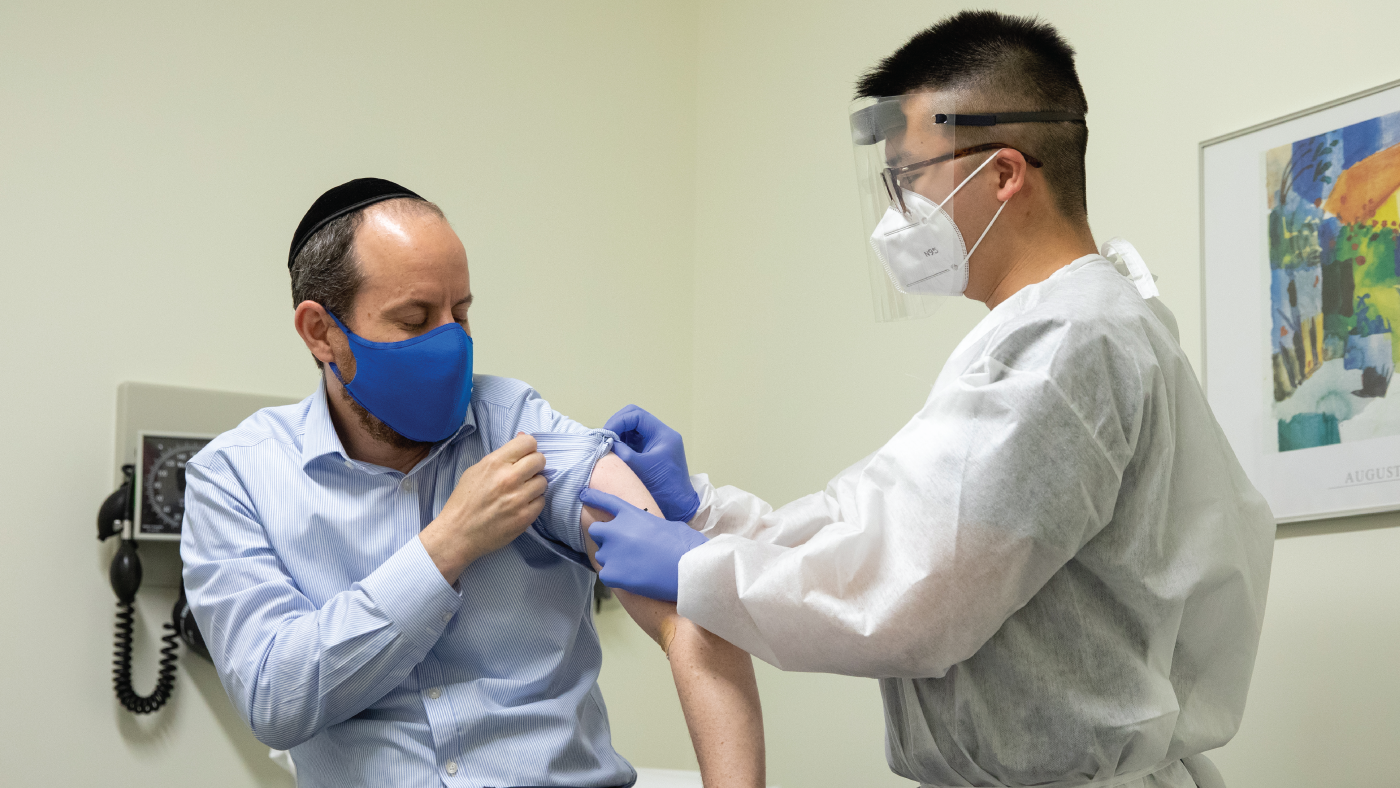
Rabbi Shmuel Herzfeld has his arm disinfected by Dr. Chao Wang during a clinical trial for a Coronavirus vaccine.(Amanda Andrade-Rhoades/Getty Images)
Rabbi Shmuel Herzfeld has his arm disinfected by Dr. Chao Wang during a clinical trial for a coronavirus vaccine. (Amanda Andrade-Rhoades/Getty Images)

Well then, among experts in the field of immunology some questions have arisen even while trial results reported in the past week for COVID-19 vaccines excited expectations that the global pandemic would come to an end sooner rather than later. First Pfizer, then Moderna and now AstraZeneca have proclaimed their Third-Phase Trials to have been resounding successes in an elevated sphere of reliability rare among such pharmaceutical vaccines that take much, much longer to be proven even partly successful. 

On the other hand, these are self-congratulatory announcements by the very pharma-giants whose specialty is self-promotion and who stand to gain huge financial rewards from the success of their remedies to the ferociously infectious, threatening SARS-CoV-2 virus causing COVID-19 which has in the space of eight months been the cause of death of one-and-a-half-million people world-wide and stricken ill over 56 million people. Any positive news of a formula that will stop the virus is exciting.

Scientists familiar with the process of establishing the bona fides of vaccines, their efficacy and safety, are just a trifle skeptical at the same time as they are also impressed with the potential on the near horizon. Should these three companies' formulas be approved by regulators -- as they most surely will be -- the vaccines, first in line of the many being developed worldwide (an estimated 250), could establish themselves as the standard of care in the prevention of COVID-19.

Once that happens, it becomes unlikely that other laboratories will continue with their own formulas for successful vaccines; placebo trials of dozens of other products showing potential may come to a standstill, even though some of those other vaccines may have properties superior to those of the leading three first to complete their third trials. What about a vaccine that requires no refrigeration making it simpler to distribute? One that has a longer-lasting protection? One that requires one dose only?

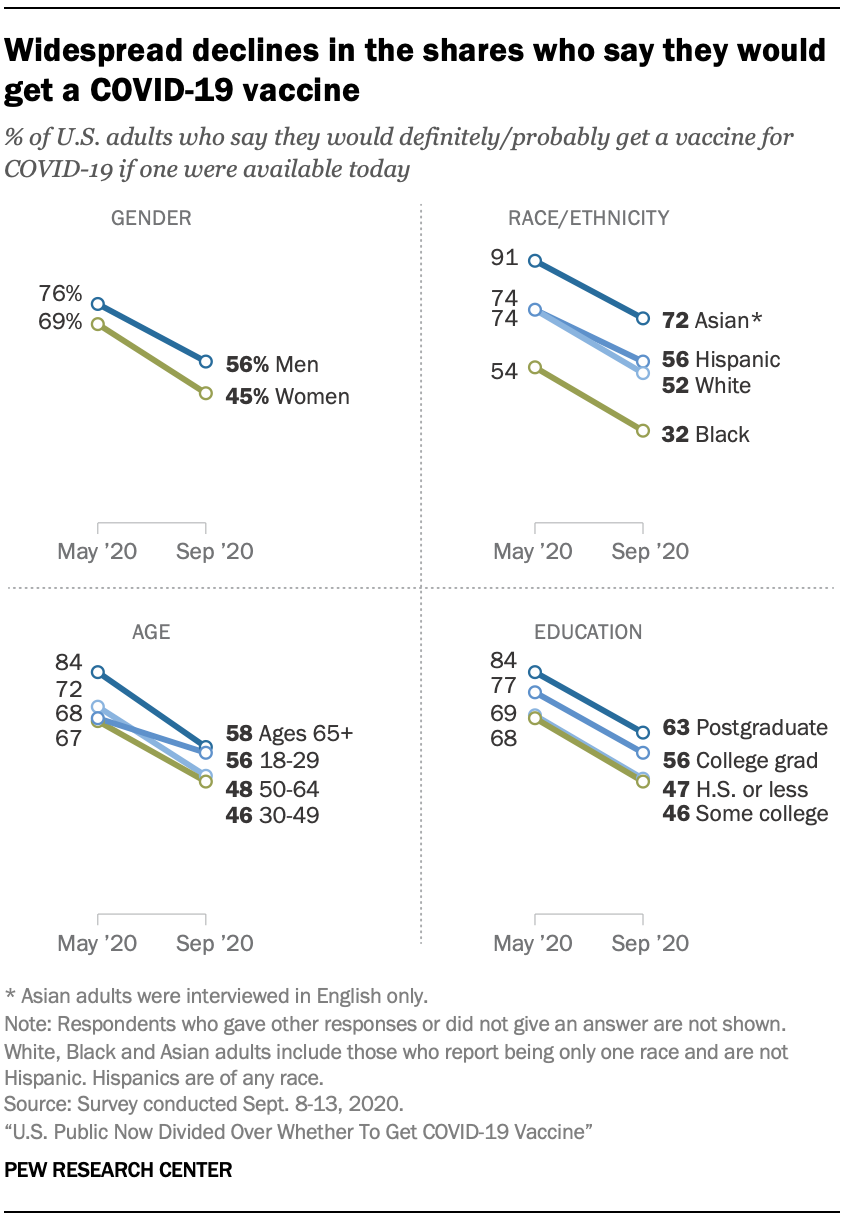
Widespread declines in the shares who say they would get a COVID-19 vaccine And then there is the fact that the efficacy rates boasted of are not reflective of the ability of the vaccines to prevent infection; the clinical trials of the third phase tracked cases in which participants developed symptomatic diseases. The studies highlighted that a high percentage of those contracting the virus failed to experience symptoms; even so remain capable of transmitting the disease onward.
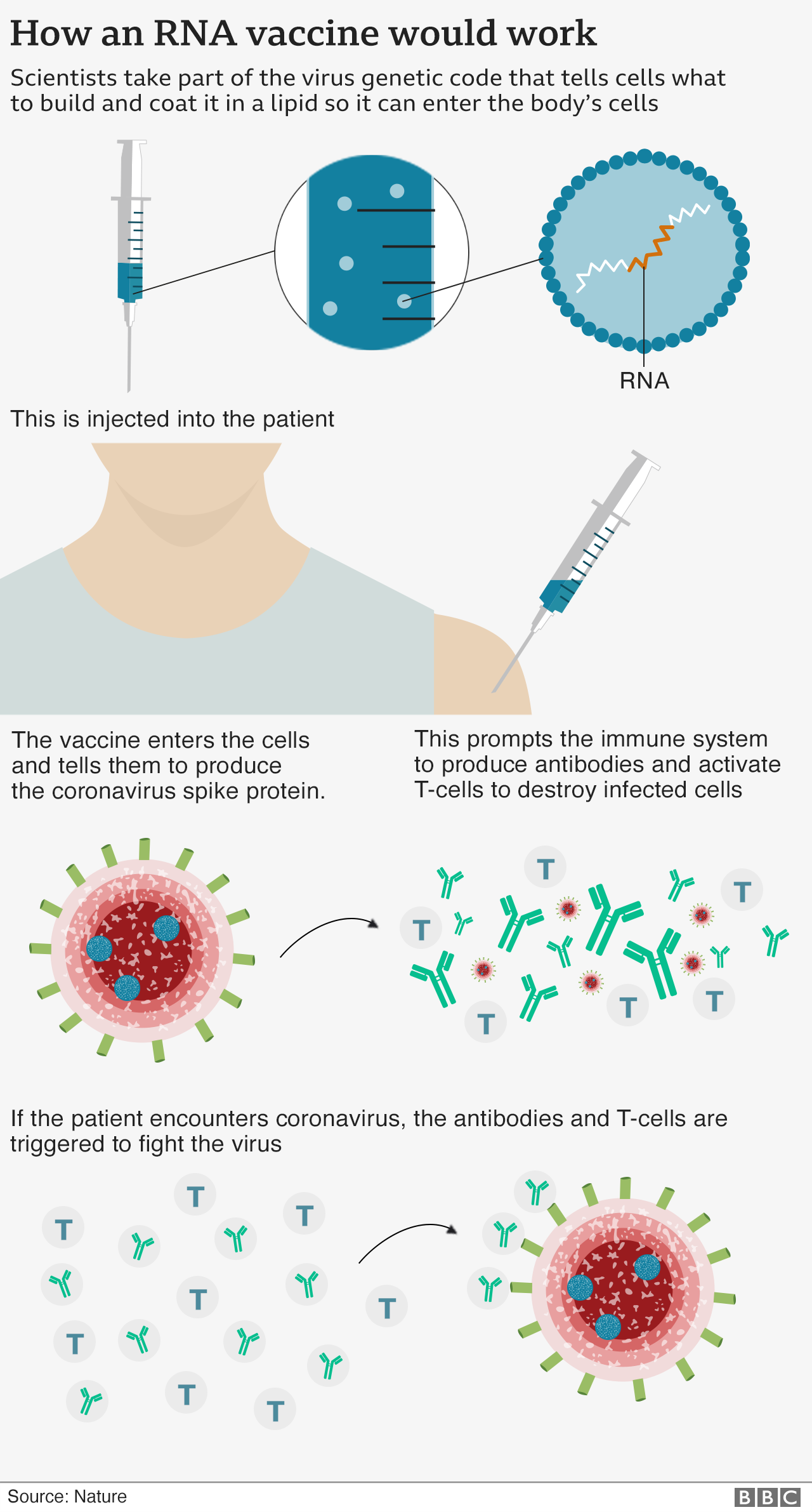
Pfizer's and Moderna's vaccines based on messenger RNA technology injects genetic material into the body to persuade cells to produce COVID virus bits called antigens which trigger production of antibodies against the germ. Neither company has yet produced full results of their trials, nor have either published peer-reviewed papers. The possibility is, according to some experts, the vaccine prevented infection, not merely the resulting illness but results up to the present fail to demonstrate that to be the case.

Preventing infection, not just averting symptoms of severe disease or death is not a result that most vaccines accomplish, according to Dr.Scott Halperin, immunologist at Dalhousie University. Managing to 'downgrade' COVID -19 from a sometimes-deadly virus to the equivalent of a common cold would represent a resounding success by any vaccine. "To prevent infection completely is a very high bar to achieve", he comments.

And the question looms how the first vaccines' approval may affect other vaccines still in the development stages. It would represent a challenge carrying out trials comparing other vaccines to a placebo at a time when products proven effective are already widely accessible. "The vaccines in early stages of clinical trials are now as good as dead because nobody will agree to take a placebo", commented Amir Attaran, health policy expert at the University of Ottawa. 
"Let's say these vaccines were out and they were available to  you and somebody said to you, 'How would you like to participate in a trial where you have ... 50 percent chance of not getting a vaccine'?"
"How enthusiastic would you be?" 
Dr.Gordon Guyatt, expert in medical-research methods, McMaster University

Labels: , , , ,

Friday, November 13, 2020

Inspired to Discovery and Medical Treatments

"The value of my stake doesn't interest me." 
"We wanted to build up a firm similar to biotech giants like Amgen or Genentech. We want to create long-term value."
"That's what interests me."
BioNTech CEO Ugur Sahin, 55, Turkish-German biotech entrepreneur
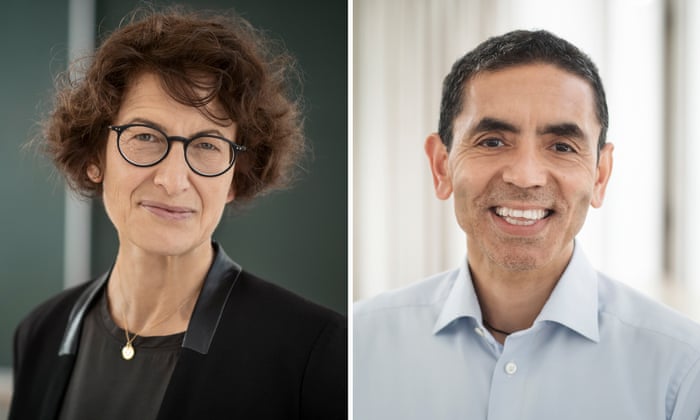
Dr Özlem Türeci and Dr Uğur Şahin, who both have parents who came to Germany from Turkey in the late 1960s. Photograph: Biontech

The behind-the-scenes story of a married pair of bioengineers backstops the sensational report that Pfizer has announced an astounding 90% success rate in the early stages of its Third Stage human trials for their anti-COVID vaccine. Theirs is an immigrant-success story of quite considerable proportions. The pair is devoted to discovering whatever can be found to support the human immune system against dire threats to human life. Their primary focus has been to discover new drugs and therapeutic protocols in the battle against cancer.

They turned their focus temporarily to finding possible solutions to the enigma of the SARS-CoV-2 virus that causes COVID-19 whose complexity of assaults against the human body has caused great consternation among epidemiologists as it continues to sweep through the world community, wreaking unstoppable havoc. Unstoppable until such time as an effective, efficient and safe vaccine can be produced, distributed and inoculate as much of the world's population as possible with, to achieve that vaunted herd effect.

Pfizer and BioNTech, the first drugmakers to indicate that initial data from their large study spells success for a novel coronavirus vaccine have up to the present seen no indications of any serious safety concerns, and are confident that U.S. emergency use authorization will be on an early horizon.
 
BioNTech chief executive Ugur Sahin is the son of a Turkish immigrant who worked in Cologne, Germany at a Ford factory. The offspring of that factory worker in Germany is now among the 100 wealthiest Germans, along with his wife and BioNTech board member, Oezlem Tuereci, 53, who is also the firm's chief medical officer. 
 
Nasdaq-listed BioNTech, co-founded by the pair now stands at $21billion. A year ago its market value was $4.6 billion. BioNTech employs a workforce exceeding 1,300 people from over 60 countries, more than half of them science-qualified women

Matthias Kromayer, board member of venture capital firm MIG AG, backers of BioNTech since its 2008 inception, describes Ugur Sahin as a modest man: "Despite his achievements, he never changed from being incredibly humble and personable". Professor Sahin, he continued, typically attended business meetings in jeans, carrying his bicycle helmet and backpack.

The Turkish-German entrepreneur was faithful to his childhood dream to become a physician. His experience includes working at teaching hospitals in Cologne and the south-western city of Homburg, and it was there that he met his future wife during his early academic career. They were both wedded to medical research and oncology, as well as to one another.

For her part, Oezlem Tuereci's father is a Turkish physician who migrated to Germany. She and her husband have consistently focused on the human immune system hoping to be able to harness it in the fight against cancer as they attempted to address each tumour's unique genetic makeup. In 2001 they launched themselves as entrepreneurs, setting up Ganymed Pharmaceuticals for the purpose of developing cancer-fighting antibodies.

Professor Sahin never surrendered interest in research and teaching and served as a professor at Mainz University. MIG AG provided the funding they needed along with Thomas and Andreas Struengmann when Novartis bought out their generic drugs company in 2005. The couple looked to the future, building BioNTech in 2008 in pursuit of a broader range of cancer immuno-therapy tools.

 BBC graphic


Labels: , , , ,

Monday, September 07, 2020

Russian Vaccine : First In The World

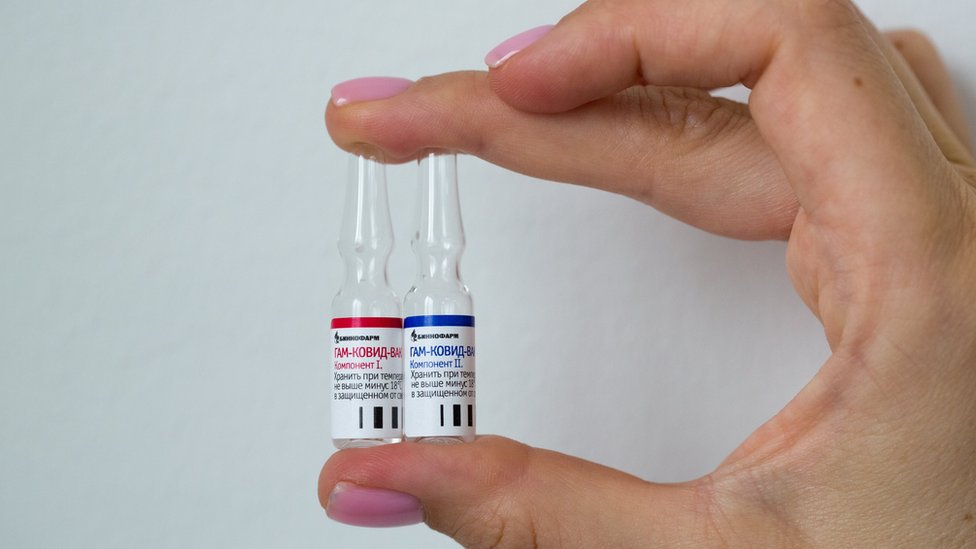
The Russian vaccine
Vaccine created in Russia has shown signs of an immune response  Reuters
"I am not a vaccine specialist. So, I called the doctors who deal with vaccinations, I called immunologists. They said, 'don't do it, by no means, the vaccine is raw.'"
"Explain to me: how could it be that such powerful European and international organizations could not do it, but a relatively small Gamaleya Institute could? I cannot understand it."
"Totalitarianism remains [in Russia]. The two most helpless sectors are education and health care. Everything is done forcefully here. Last year I had a flu shot, everyone was told they needed to be vaccinated. And everyone did it, because if you don't, there will be penalties."
Unnamed surgeon at hospital in northeast Moscow
Vladimir Putin sitting at a large desk, watching a videoconference, with a flag behind him.

Russian President Vladimir Putin receives a video report about the approval of a coronavirus vaccine. Credit: Alexei Nikolsky/Sputnik/EPA-EFE/Shutterstock

"The two 42-day trials -- including 38 healthy adults each -- did not find any serious adverse effects among participants, and confirmed that the vaccine candidates elicit an antibody response."
"Large, long-term trials including a placebo comparison, and further monitoring are needed o establish the long-term safety and effectiveness of the vaccine for preventing COVID-19 infection."
The Lancet report
An antibody response in all participants in early-stage trials points the way to vaccination success on the part of Russia's 'Sputnik-V' COVID-19 vaccine. The Lancet medical journal published the results which appears to completely validate Moscow's claims to success and a head-start on the world community of scientists all racing against time to produce a vaccine to release the world from its  hostage situation, cowering in helpless fear of the still-relatively unknown SARS-CoV-2 virus.

The two trials referred to, conducted in June-July of this year involved 76 participants and demonstrated that every single trial member developed antibodies to the novel coronavirus with no serious side effects occurring. The double-shot inoculation has been licensed by Russia for domestic use as of August, making it the first country and only one to date to do this. And it was licensed in advance of data being published, much less a large-scale trial initiated, as recommended by The Lancet.

All those who took part in the initial trials were volunteers. A tentative list of professions that Russian authorities feel should be inoculated first off included doctors and teachers, for obvious reasons. But it would seem that many doctors are hesitant to be inoculated with the as-yet unproven vaccine, as are teachers and their unions, unwilling to become part of a large trial, as they see it, of an as-yet fully safety-and-efficacy-untested vaccine.

Named in honour of the Soviet Union's coup in launching the world's first satellite in 1957, Moscow clearly is anxious for a repeat of those glory days. To which ambition, among experts in the West there is unease about the precipitate use, even in the current emergency circumstances, to make wide use of the vaccine until all internationally approved testing and regulatory steps have been taken.

"With this [publication] we answer all of the questions of the West that were diligently asked over the past three weeks", stated Kirill Dmitriev, head of the Russian Direct Investment Fund, the nation's sovereign wealth fund which backed the vaccine. Moscow clearly feels justified in proceeding since its initial results were published in a prestigious international peer-reviewed journal, its 40,000-strong later-stage trial just launched.

There can be no denial that this global pandemic is a world-wide emergency which has caused the death of over 850,000 people on a global scale. On the other hand, a World Health Organization spokeswoman has noted that the organization has no expectations that widespread vaccinations will be available until mid-2021, in recognition of the need for rigorous scientific checks on effectiveness and safety. 
'This is just naked 'vaccine nationalism', which is really the last thing we need right now. I don’t want to see any country [including the US] beating its chest in this fashion and using the pandemic to declare the superiority of its system or its scientists. Coronavirus research needs to be as international as possible, with ideas, approaches, publications, and trials coming from around the world. This sort of stunt is taking us backwards – now people will be agitating for the 'approved' Russian vaccine and wondering why the others aren’t ready yet, etc. It just creates confusion and discord – don’t we have enough of those already? Unless, of course, creating confusion and discord is the point. . ."
Derek Lowe, Science Translational Medicine
On the other hand, one country or another which felt with confidence it had mastered a new, effective and safe vaccine and intended to use it internally on its population to enable it to emerge from the straitened circumstances forced on the world by the appearance of this novel coronavirus, would with little doubt act no differently than Russia has. It is yet to be seen whether any other country, satisfied it has achieved its goal in producing such a vaccine, would first coordinate with other nations and take steps to ensure that all have equal access rather than service itself first.
 
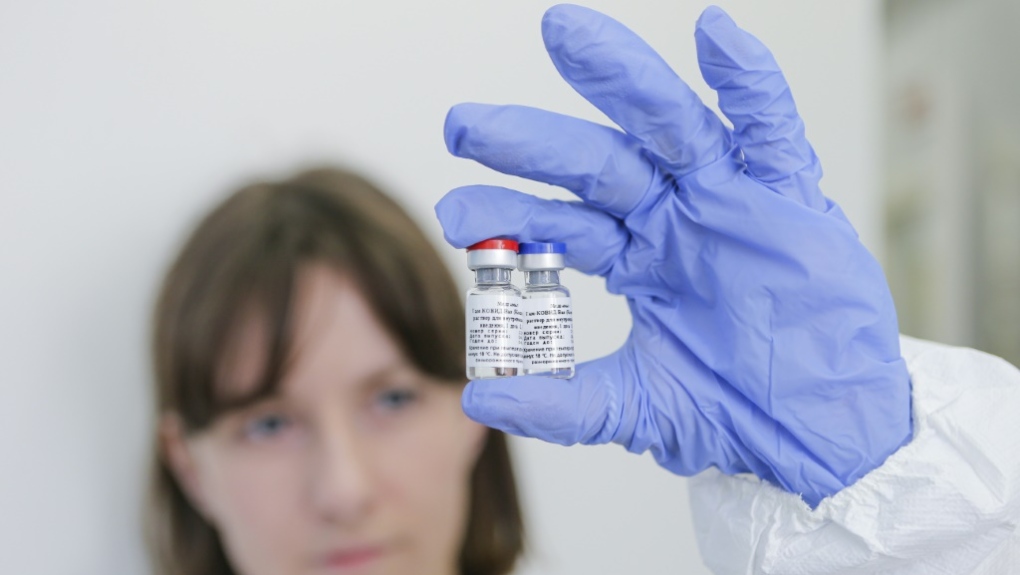
Russian vaccine
Putin said one of his own daughters had been inoculated (AFP)
"On Aug 11, 2020, Russia became the first country in the world to approve a vaccine against severe acute respiratory syndrome coronavirus 2 (SARS-CoV-2). The vaccine, which is based on two adenovirus vectors, was developed by the Gamaleya National Center of Epidemiology and Microbiology (Moscow, Russia). Its approval was announced by President Vladimir Putin. “I know [the vaccine] works quite effectively, helps to develop strong immunity, and has gone through all the necessary tests”, declared Putin at a cabinet meeting. Nonetheless, there are widespread concerns that the approval is premature. At the time of approval, the vaccine had not even started phase 3 trials, nor had any results on the earlier stage trials been published.
Since then, the phase 1/2 results have been published in The Lancet. The vaccine induced a strong immune response in all 76 participants. Presumably these results were available to the Russian Ministry of Health. For regulators such as the US Food and Drug Administration (FDA) and the European Medicines Agency, however, data on immune response alone would not generally be an adequate basis for approving a vaccine. “Immune response might not be directly proportional to the degree of protection—you can only find this out in large-scale trials”, explains Peter Openshaw, professor of experimental medicine at Imperial College London (London, UK).
“We have no idea whether this vaccine is safe or whether it works”, cautions Ashish Jha, Dean of the Brown University School of Public Health (Providence, RI, USA). “It is really worrying when people start to bypass the standard process we have for vaccine development.” Those behind the Russian vaccine have offered a combative response to such criticism. The official website was established with the stated aim to “provide accurate and up-to-date information about Sputnik V and to combat the misinformation campaign launched against it in the international media”.'
Dmitriev has confirmed that Russia has received international requests for 1 billion doses of its vaccine. On Aug 26, 2020, Russian news agency TASS reported that the country would supply more than 2 million doses of Sputnik V to Kazakhstan. Openshaw points out that the places that have expressed interest in the vaccine are unlikely to start mass administration until they are assured that it is safe and effective. “There is a huge difference between Russia registering a vaccine within its own borders, which it is entitled to do, and international approval or WHO prequalification”, he said.
Talba Khan Burki, The Lancet Respiratory Medicine
Moscow, Russia
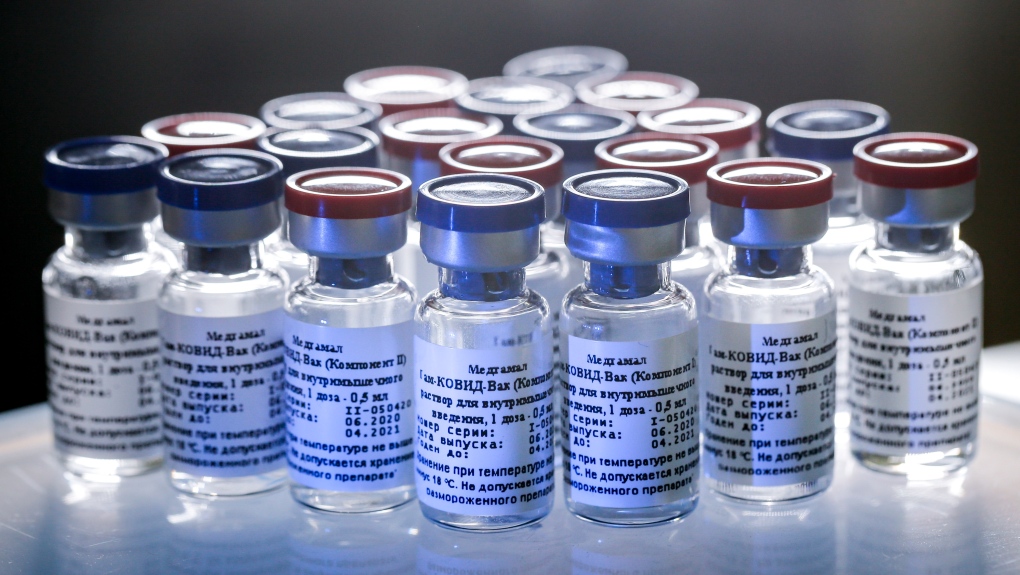
In this handout photo taken on Thursday, Aug. 6, 2020, and provided by Russian Direct Investment Fund, a new vaccine is on display at the Nikolai Gamaleya National Center of Epidemiology and Microbiology in Moscow, Russia. Russian President Vladimir Putin's announcement that his country is the first to approve a coronavirus vaccine hasn't provoked the awe and wonder of the Soviet Union’s launch of the first satellite into orbit in 1957. Instead the announcement was met by doubts about the science and safety of the vaccine. (Alexander Zemlianichenko Jr/ Russian Direct Investment Fund via AP)


Labels: , , , , ,

 
()() Follow @rheytah Tweet