Ruminations

Blog dedicated primarily to randomly selected news items; comments reflecting personal perceptions

Monday, January 09, 2023

Coping With Brain Fog, Looking for Answers

"It's a moment where the public and the medical community are realizing that this is real."
"This is what happens after certain infections."
Akiko Iwasaki, professor of immunobiology, Yale University

"'Am I like the others? Are  you seeing people like me?' I get that question every time."
"I say, nearly always 'Yes. You're not alone'."
Dennis Kolson, neurologist, Penn Neuro COVID Clinic, University of Pennsylvania
GettyImages-1205852013
Harvard Health Blog
 
During the summer of 2021, 65-uear-old Navy veteran, Edwin Hall from Fulton, Mo., spent twelve days in a medically induced coma with COVID. He needed help breathing from a ventilator. While in ICU doctors discovered probable stroke signs. Now, a year and a half later, he tries to cope with brain fog. A condition that makes him feel, he said, "lost". He was forced to retire early, as a result of the recurring symptoms.

Another victim of long-COVID, 52-year-old Colorado Springs resident Dave Nothstein, is still capable of working, but he does so remotely, for an automobile dealership. He is able to work only sufficient hours weekly to pay for his insurance. He was diagnosed with long-COVID in March, at a time when his brain was so fogged he was making carefully detailed lists to enable him to get through the day.

"As silly as it sounds, it included 'make sure to eat breakfast', 'make sure to feed the dogs', 'get the mail', 'do the laundry', 'do the dishes', he said ruefully. 

People suffering from chronic fatigue (myalgic encephalomyelitis), fibromyalgia, postural orthostatic tachycardia syndrome, Lyme disease and depression can also be affected with brain fog, according to experts. Patients after undergoing  chemotherapy may also report brain fog, described often as "chemo brain".
 
Symptoms can have "an adverse effect on occupational, familial and social lives and can result in diminished quality of life", even while the severity and duration vary from person to person, explained Jeffrey Wefel, professor and chief of neuropsychology, at University of Texas MD Anderson Cancer Center. 

After four rounds of chemotherapy for ovarian cancer Angela Hernandez, 36, of Houston, fought through months of brain fog in 2018. "You know when you dream and then you wake up and you can almost remember what you were dreaming about, but then as the seconds pass, the dream gets further and further away. That's kind of what it felt like all the time."
What Is It?
Some people suffering brain fog use words like haze, slow, drunk, lost, in describing the brain fog they experience. Certain chronic illnesses have plagued people for years with brain fog. Joined now by a new wave of people with long-COVID. 
 
According to research, a majority of people experiencing long-COVID symptoms reporting brain fog, are beset with a collection of symptoms, including impaired attention, concentration, memory and processing speed, explained Dr. Iwasaki, co-author of a review article on COVID-19-related cognitive impairment.

Dr.Iwasaki and Michelle Monje, a professor of neurology at Stanford University, examined over 100 studies relevant to cognitive dysfunction following COVID, concluding that a likely common cause is lung inflammation causing inflammation in the brain moving on subsequently to dysfunction of neural cells.

Kelsey Botti's experience began with a concussion from a snowboarding accident in 2012. A 32-year-old physical therapist from Pittsburgh, Botti was diagnosed with POTS, a syndrome characterized often by a fast heart rate, low blood pressure, and frequent dizziness, light-headedness and fainting and in some instances, brain fog.

"I wanted to cry because I was so thankful someone was helping me, and I had a diagnosis and a direction, and then I also wanted to cry because the person that I was, was completely gone", she said. She had undergone months of treatment including medication and a controlled exercise regimen to build her tolerance.Despite bumps and emergency-room visits, her symptoms have improved.
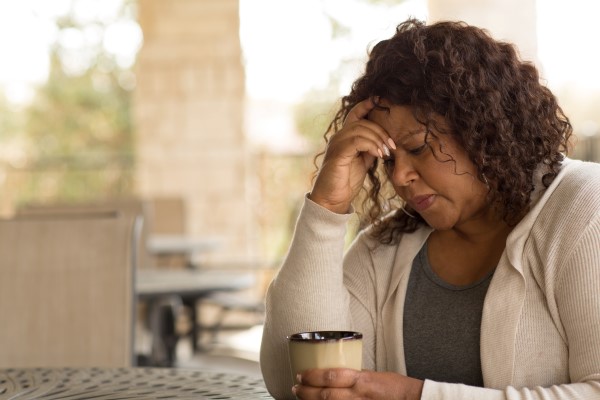
Women touches forehead while holding a mug in her other hand.
"If they don't find the right medical team to understand them, [in their search for a health professional who recognizes that even while the patient looks healthy, they feel terrible], they will pull away from health care and access health care less, so there are less opportunities for them."
Robert Wilson, neurologist, Cleveland Clinic Neurological Institute


Labels: , , , , ,

Thursday, October 13, 2022

Expectation Poor Match for Reality

"The benefits here are pretty substantive [Merck pharmaceutical's COVID oral drug Molnupiravir]."
"I think they're pretty substantive from an economic point of view and they're substantive for the patients who are older [with fewer experiencing extreme symptoms, hospitalized and dying from COVID]."
Dr. Eliav Barr, chief medical officer, Merck Pharmaceuticals, New Jersey

"That [impression that molnupiravir curbs the number of people dying or being hospitalized] cannot be supported any more."
"If you combine all the results from Panoramic and Merck's MOVE-OUT trial, there is no significant effect."
"It just doesn't work."
Dr.Andrew Hill, pharmcology researcher, University of Liverpool
 
"A UK study has found that Merck & Co’s oral COVID-19 therapy Lagevrio was unable to reduce hospitalisations compared to placebo in patients at higher risk from the virus, adding fuel to assertions in some quarters that its authorisation was premature."
"The 25,000-subject PANORAMIC trial conducted by researchers at Oxford University looked at the addition of a five-day course of Lagevrio (molnupiravir) to standard care in people aged over 50, or adults aged 18 and over with conditions that raised their risk of severe COVID-19, comparing it to standard care plus a placebo on all-cause hospitalisation/death within 28 days."
"Preliminary results show that, while Lagevrio hastened the time to recovery from COVID-19 by around six days, it was no better than placebo at keeping patients out of hospital."
Digital Object Thumbnail
 
Results published online a week ago of the Oxford University0\-led Panoramic trial compared two arms of about12,500 patients in the United Kingdom who were given the usual medical care along with molnupiravir, or just the usual care, saw a lowered rate of deaths and hospitalizations -- the primary end point -- reflected similar outcomes in both groups.
 
Patients who received the drug reported their symptoms resolving on an average of 4.2 days earlier and requiring fewer doctor appointments. As well, in a sub-group of subjects, the viral load among molnupiravir patients after seven days was lower than a control group. Of those given the drug the majority received at least an initial vaccine dose while 94 percent had been triple-vaccinated.
 
The Panoramic study also indicated that patients over age 80, along with heart disease and diabetes patients were less likely to die or end up in hospital, on the drug. Yet, patients with compromised immune systems fared better in the non-drug group -- leading study authors to conclude that "estimates were similar for all subgroups".  
 
Results of the independent trial of the medication cast doubt over the efficacy of the drug. The takeaway conclusion was that molnupiravir performs no better than standard care, lowering the death or hospitalization rate of COVID-19 patients, the entire point of the oral drug. Merck insists that in some older patients with health problems, the pills appeared relatively effective.
 
The expectation was that after regulatory approval and distribution, making the oral drug available on prescription the pharmaceutical giant along with its partner Ridgeback Biotherapeutics would earn up to $5.5 billion in global sales this year. Its fiercest efficacy critic, Dr. Andrew Hill is of the opinion that judging by the main criteria whether the number of people dying or going to hospital is curbed by the drug, it is a failure.
 
He points out that the corticosteroid drug budesonide presents similar benefits, for roughly two percent of the cost of the Merck product. The company charges wealthier countries about $900 per course of its oral product. A rival COVID drug, Paxlovid, produced by Pfizer is currently on the market. Last year both these medications surfaced as potential breakthrough treatments in the form of oral medication taken by high-risk outpatients at home, to decrease the burden the virus places on health care.
 
Initial trial results for molnupiravir indicated a 50 percent reduction in death and hospitalization among patients. When the second half of patient results came in, however, it showed peculiarly enough, that those on placebo actually came out with a better showing. Still the general conclusion was a reduction of mortality and hospital admissions by 30 percent.
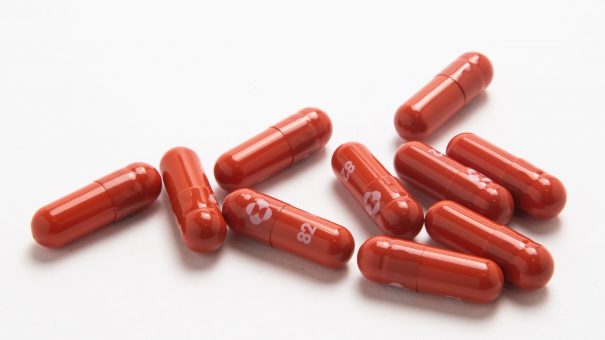
Merck_molnupiravir
"Molnupiravir, a covid-19 antiviral drug bought by the UK government in the amount of 2.23 million doses, is no better than placebo at lowering the risks of death and hospital admission, a pivotal UK trial has found."
"Preliminary results released from the Panoramic trial of 25 783 people who were randomly assigned to open label treatment with molnupiravir plus usual care or to usual care alone found no significant difference between the two groups for the primary endpoint of death or hospital admission.1 The study has been published as a preprint and has not yet been peer reviewed."
"The UK was the first country to authorise Merck Sharp and Dohme’s molnupiravir (Lagevrio) for the treatment of mild to moderate covid-19 in adults with at least one risk factor for severe illness, in November 2021.2 The European Medicines Agency has still not approved the drug."
The BMJ (British Medical Journal)

Labels: , , ,

Tuesday, September 13, 2022

The Success of China's "Zero-COVID" Policy

"We've been locked up in our home for more than 40 days. We are short of everything, especially food."
"There are so many difficulties, I feel like crying just by mentioning them."
"We only eat naan and congee [flatbread and porridge]. There is no milk or vegetables."
Gulnazar, resident of Ili, Xinjiang region, China

"All supermarkets and small stores where you can buy groceries are closed."
"The online shopping platforms designated by the government are also having shortages and you cannot buy stuff or receive deliveries."
Guiyang resident posted on Weibo
health worker in protective gear speaks to people through a megaphone
Millions of migrant workers in Shanghai were unable to earn any income during the months-lockdown as China pursued a zero-Covid policy. Photograph: Aly Song/Reuters
 
China, the very place where the pandemic raised its head, remains fixated on a "zero COVID" policy, no exceptions and no complaints permitted. But there have been and continue to be plaintive messages posted on social media from people desperate for food and medical care. Tens of millions of people are once again under weeks-long coronavirus lockdowns. And they're there, locked into a now-too-familiar scenario of SARS-CoV-2 punishment they can do nothing about, while a meeting of the Communist party is set to begin. 

There will be no relief for these people hit with this misfortune until that key meeting has been concluded -- if then. By orders of Communist Party leader and President of the country, Xi Jinping; "zero COVID" must be maintained and protocols upholding that goal are not to be questioned. Localized outbreaks are kept from spreading through these lockdowns at a tremendous economic and psychological toll on a long-suffering population.

This is a momentous occasion for President XI as he prepares to launch a third five-year term in office in October, irrespective of the precedent of stepping down following two terms in executive office. So at least through that meeting, the 20th National Chinese Communist Party Congress is over, lockdowns are to continue. Some faint hope is offered that post-meeting some of the sweeping COVID controls may be rescinded.

Ili prefecture in northwestern Xinjiang region is where some of the most serious reports are emanating from. One woman who gives only one name, explains that local authorities locked their apartment door from the outside, opening it only when medical workers appear to perform coronavirus tests. Neighbourhood committees in some cities deliver free groceries to those in lockdown. But this woman says the neighbourhood committee where she is locked down offers only to sell food at higher-than-normal prices and even that not frequently enough.
 
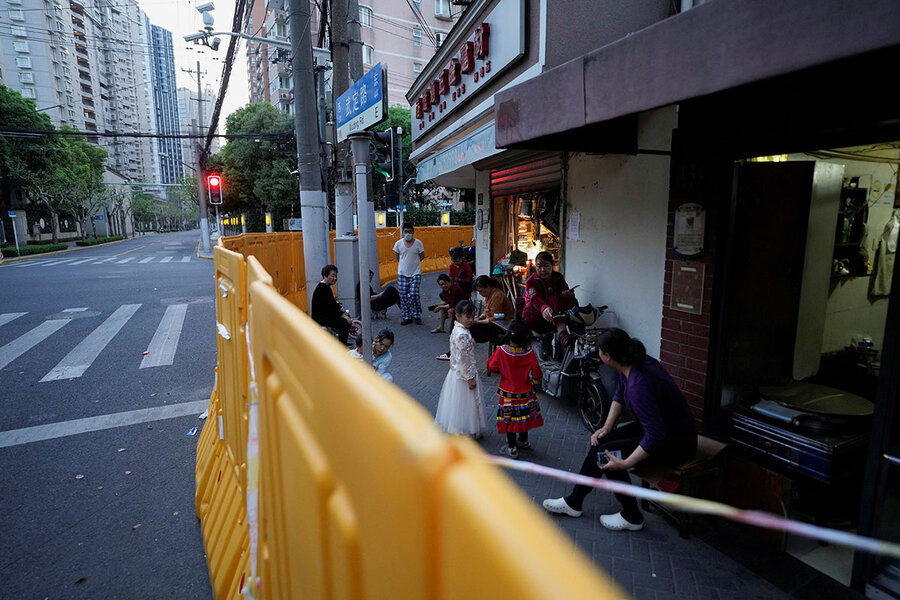
Residents stand behind barricades in a sealed-off portion of Shanghai   Aly Song/Reuters
 
Online postings in Ili speak of an inability to take their sick children to hospital. Some post of the death of elderly family members during lockdown. Widely reported on Chinese social media leading the Ili government to apologize for problems in the lockdown response while also rejecting reports as mere rumours. Four people were punished with five to ten days' detention each for "spreading rumours" about the lockdown. Residents are warned to watch their words.

The official case count in the entire population would cause joy in any other country, but not China. A mere 949 locally transmitted cases were reported nationwide on Sunday, within an immense population of 1.4 billion people. Residents in lockdown are unable to work to sustain themselves through a regular income, ending up surviving on fast-disappearing savings. President Xi projects an image of himself as a populist leader who has declared elimination of poverty central to his administration.

In Guiyang where a lockdown in parts of the city commenced on September 5, a wildlife park published a public plea for food to keep its tigers, pandas and other wild animals from starvation. In Lhasa, the capital of occupied Tibet, parts of the city began locking down a month ago.  Shanghai's earlier months-long lockdown echoes what is occurring once again in parts of China. In Shanghai, supply chains were disrupted in the wealthy city, leaving residents begging for food, pleading for ill family members to be permitted to go to hospital.

Beijing maintains China is unable to halt lockdowns since a substantial number of the population, in particular the elderly who were not given priority status, remain unvaccinated. The country's refusal to import the most effective foreign vaccines against coronavirus, relying totally on domestic vaccines that provide much less immunity explains in part its predicament. Censorship and detentions aid the government in suppressing domestic criticism of its "zero COVID" policy.

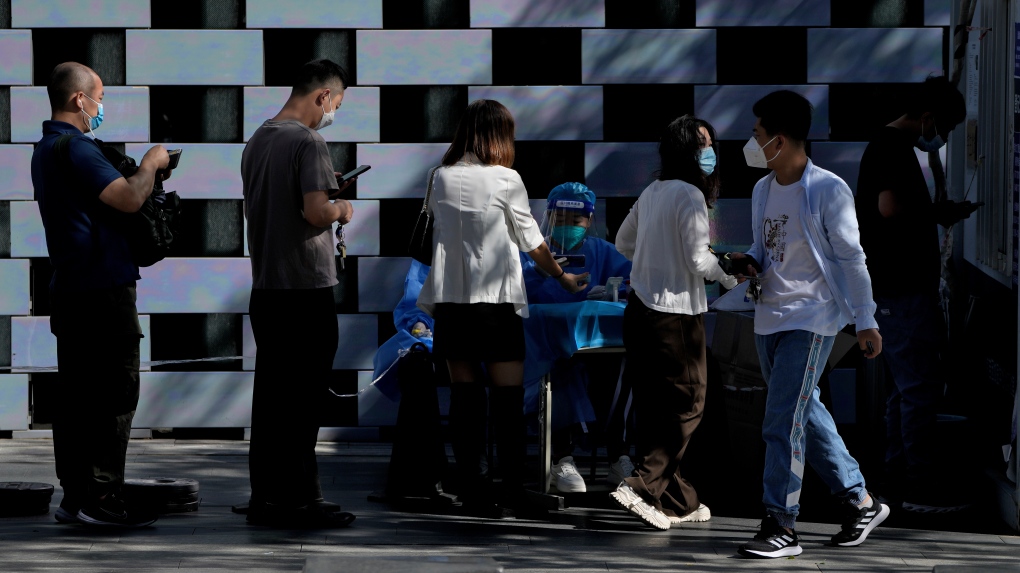
Residents line up to register to get their routine COVID-19 throat swabs at a coronavirus testing site in Beijing, Monday, Sept. 5, 2022. (AP Photo/Andy Wong)

Labels: , , ,

Tuesday, February 15, 2022

COVID Endemicity

"There is nothing in evolutionary biology that necessitates the disease becoming milder as it passes through humans. So we need to really just keep vigilant and not just say, 'It's over. Yahoo'."
"We know this virus pops in and out of animal reservoirs. I'm still not sold this was some kind of laboratory misadventure because we've seen it go into mink and zoo populations."
"[We need to heed the approach that recognizes the link between human animal and environmental health to increase virus surveillance in animal populations with the capacity to leap to humans]."
"Hundreds of thousands of children die from malaria every year. That has been a stable phenomenon over time."
Ross Upshur, Dalla Lama School of Public Health, University of Toronto

There is no universal definition of the epidemiological parameters of the end of a pandemic."
"And that pandemic closure is better understood as occurring with the resumption of social life, not the achievement of specific epidemiological targets."
David Robertson, Princeton University and Peter Doshi, University of Maryland

"It doesn't end. We just stop caring. Or we care a lot less."
"I think for most people, it just fades into the background of our lives."
Jennifer Nuzzo, epidemiologist, Johns Hopkins Bloomberg School of Public Health
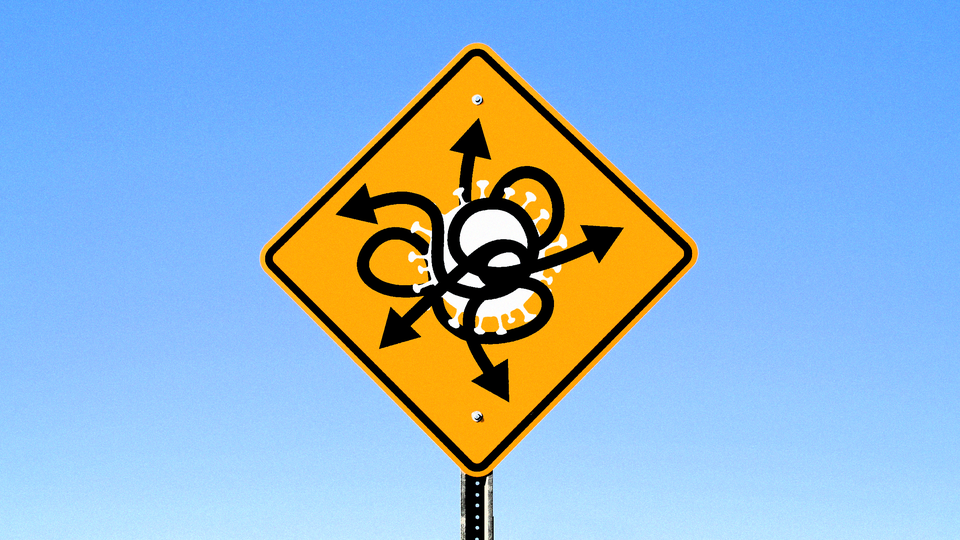
A road sign showing a virus with arrows coming out of it in all directions
Getty, The Atlantic
"We need to learn to live with it [narrative; what does it mean]?"
"And who decides what that looks like? At the basis of this is the notion that a certain amount of illness and death is acceptable, and that action is only merited to prevent those limits being exceeded."
"[The non-scientific definition of endemic is basically] the amount of disease from which people are willing to avert their eyes."
Exhausted, we are unable to counter it with non-pharmaceutical interventions and many are sickened and die."
"I am not saying this likely. I think this is unlikely. But I would not exclude it [the vague scenario that a variant can emerge blending the virulence of Delta and Omicron's penetrating of acquired immunity]."
"Of course, If you take the non-technical meaning of 'endemic' as 'something we don't really bother about that much' -- which applies sadly to the way most people think about malaria, TB and the like because they tend to be diseases associated with poverty -- that makes it a decision for humans, and the point at which humans decide they've got an amount of disease they can handle."
Bill Hanage, epidemiologist, Harvard University
"The term [endemic] carries a pretty high level of subjectivity and reflects to some extent what amount of death is seen as normal and acceptable, for whom. It's contingent."
Esylit Jones, Historian, University of Manitoba
A health care worker hands out a Covid-19 test kit at a drive-through testing site in California.
Gina Ferazzi/Los Angeles Times via Getty Images 
"We can boost quickly. We know what measures we can go back to [masking or reducing capacity at indoor events]. We've learned a lot in the hospital -- which treatments work best, how to maintain oxygen levels without intubation. Even the worst-case scenario has a rosy lining in just how much we've learned."
"We've all come to just kind of learn a new normal. And that is protecting us quite a bit, and will continue to protect us in future waves."
Sarah Otto, evolutionary biologist, University of British Columbia
It is now recognized as inevitable that the coronavirus we have all become familiar with and now must learn to live with, will on occasion 'break out' now and then, in waves perhaps reflective of new variants where it can make temporary breakthroughs against the medical vigilance meant to control its predation on vulnerable humans by appearing in cancer units and hospitals and long-term care homes. 
 
"Endemic is not a synonym for 'easy'", cautioned immunologist Dawn Bowdish of McMaster University. We are in the endemic era, she states: "There is no chance that COVID will ever be eliminated from the population now. It has spread everywhere, there are animal reservoirs and new babies are being born with no immunity, therefore new hosts to infect", she explains.

It cannot yet be settled whether SARS-CoV-2 is endemic, not quite yet. And when it has been acknowledged that that state has been reached, once its course becomes more predictable and stable, there are no guarantees it won't still be problematical or less of a threat, even when it becomes a seasonal event. It is still in its initial evolutionary stage, with unexpected mutations. Variants with troubling properties will still challenge medical science, but the hope is that it will stabilize and settle down.

All the social behavioural changes we've undertaken in the last two years in efforts to restrain its infectiousness; the masking, the social distancing, the hygiene practices and more, will also become an integral, albeit less intrusive part of our daily lives. A point at which hospitals too can settle down to what is considered normal calls on their services when the memory of overwhelming numbers of sick people desperately needing attention will be a cautionary memory.

For the present, the current wave of the latest iteration; more communicable and seemingly less serious as a disease's outcomes, still equates with mass hospitalizations, ICU care, and large death numbers reflective of the very infectiousness of Omicron. And it is still the elderly, the immune-compromised among whom the disease strikes its biggest toll. Along with infecting the unvaccinated more frequently and more seriously.

On a global scale, seven-day reported case averages work out to a staggering 2.6 million. With commensurate numbers of 'excess' deaths. Once what is considered to be a stable rate of transmission has been reached in defined geographical locations minus the huge waves felling populations, the technical definition of endemicity will have been reached. When it exists in a population, it fluctuates, but eventually settles into a somewhat expected pattern.

"We don't know" how close to endemicity we may be, says Dr.Hanage. Much depends on how robust and durable immune responses in the population will be, among those who have been vaccinated or who have recovered from infection, or both. "Neither enter a state where they develop lifelong immunity to infection, so additional outbreaks are not only possible but expected", he explains.

Face masks thrown in the air in celebration over vaccine against covid-19

Labels: , , , ,

Thursday, October 07, 2021

Bitten By COVID : Career-Stopper

"The back half of the 14-day quarantine Arch wasn't feeling well and got a severe viral infection. He tried to skate a few days, they did a bunch of tests and the tests showed at some point he had contracted COVID."
"He got a bunch of blood work done and he's been diagnosed with the myocarditis. He's having a CT scan and an MRI this week."
"He's out indefinitely until we figure out where we are at."
Dave Tippett, head coach, Edmonton Oilers
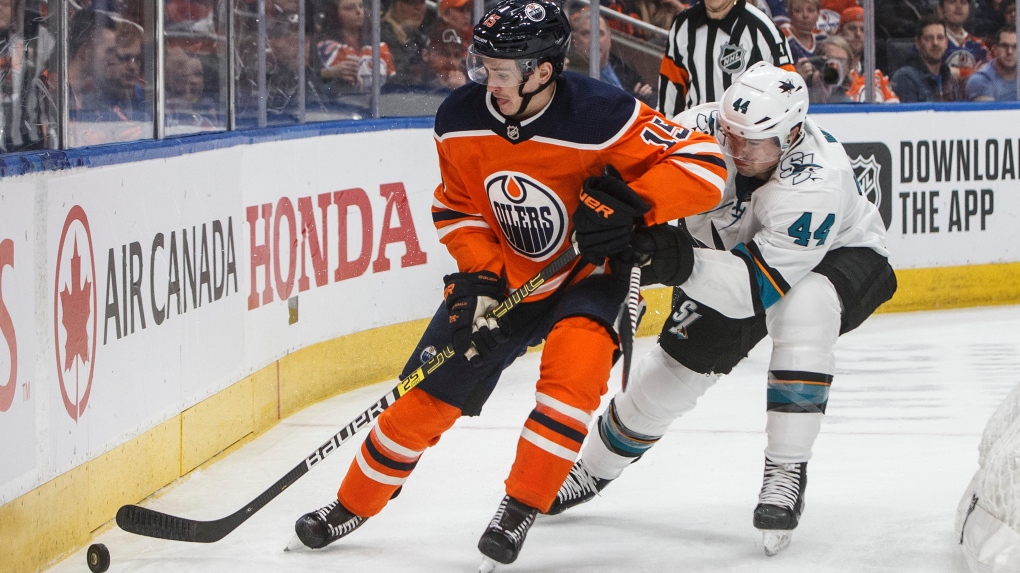
Josh Archibald in happier times.
According to the National Hockey League, 90 to 94 percent of their players by the start of the season on October 12, will have been vaccinated. They anticipate that a few may refuse to be vaccinated. Under NHL rules regarding COVID, should an unvaccinated player test positive for COVID, there will be a suspension incurred, without pay. This situation is not unique to the NHL; other professional sports leagues are involved in how best to proceed under the threat of the highly infectious Delta strain of the mutated SARS-CoV-2 virus.

Canadian basketball star Andrew Wiggins originally refused to be inoculated against the coronavirus, facing the prospect of being excluded from his team's stadium building of the Golden State Warriors in San Francisco. For large indoor events taking place in that jurisdiction, proof of vaccination is required before entry is permitted. He has since seen the light, receiving his COVID-19 vaccine, making him eligible to play in all games.

Things failed to turn out so well for Josh Archibald, forward with the Edmonton Oilers NHL hockey team. He was adamantly against being vaccinated. He had been on social media facing the public to promote anti-vaccination theories, a confirmed COVID-denial adherent. In accord with unvaccinated player protocols he was in a 14-day quarantine after returning from the United States, and began feeling ill. The 28-year-old went for a battery of tests and he was diagnosed with COVID antibodies and myocarditis.

While he was busy over the summer months airing  his anti-COVID beliefs he had contracted     COVID, after which myocarditis resulted as an after-effect of having hosted the virus. Now he has been made aware that myocarditis can lead to cardiac arrest. With the heart rate increasing through exertion, the potential for death is incurred. Following his heart condition diagnosis he faces the reality that his playing days may cease completely. He has a year left on his $1.5-M- contracted salary.
 
This is a man who appeared on social media tweeting COVID denial information, now his career is in jeopardy. How impressive is that? He had no recognizable symptoms after leaving the team following playoffs. It was the testing procedure that revealed the presence of antibodies. "So at some point he got COVID", observed Coach Tippett.
 
It was not for lack of effort on the part of the Edmonton Oilers organization in attempting to persuade their player to relent and accept the necessity to be inoculated; they tried to have him change his opinion of vaccines. Both the general manager and the team's head coach spoke to Archibald prior to training camp, laying out the penalty for refusing vaccination; that he would have to quarantine for two weeks each time he returned from a U.S. road trip. In the event, he could miss 30 or more games as a result of quarantine, affecting his salary.
 
Josh Archibald (15) The Canadian Press, Jason Franson
"Myocarditis related to COVID, related to the virus itself, is said to effect approximately five to 15 per cent of people who have been sick with the virus."
"It's about a one in 100,000 risk of developing myocarditis from the vaccine versus about 10 per cent from the virus."
"That's a 10,000 fold greater risk of getting myocarditis from the virus, we think, than from the vaccine. So absolutely we think that the vaccine will protect people from the virus and getting myocarditis from the virus."
Dr. Ian Paterson, a cardiologist with the Mazankowski Alberta Heart Institute 

Labels: , , ,

Saturday, September 04, 2021

Frustration and Agitation

"I think it's the ultimate selfishness that individuals choose not to vaccinate themselves. And I think they don't realize they are too arrogant to understand that we live in a society where we all have to make sacrifices."
"For the [hospital] staff, it's exhausting. It's challenging when you have somebody come in who is there when there was a simple route to preventing what they came in with-- a COVID infection."
"Our job is to be professional, but it's very trying for nurses and doctors and all the other health-care professionals to look at somebody who made a conscious decision not to get vaccinated."
Dr.Steven Fedder, emergency MD, Richmond, British Columbia

"It's really hard to grasp why any group of people would be protesting outside of hospitals, where we have vulnerable people coming in to seek medical care."
"I think people are getting really aggressive about the vaccine issue and I'm scared. I'm scared for my family,"
"I have little children as well and I know many other colleagues in the same sort of boat as me have faced a lot of pushback."
Dr.Amit Arya, palliative care physician, Kensington Health, Toronto
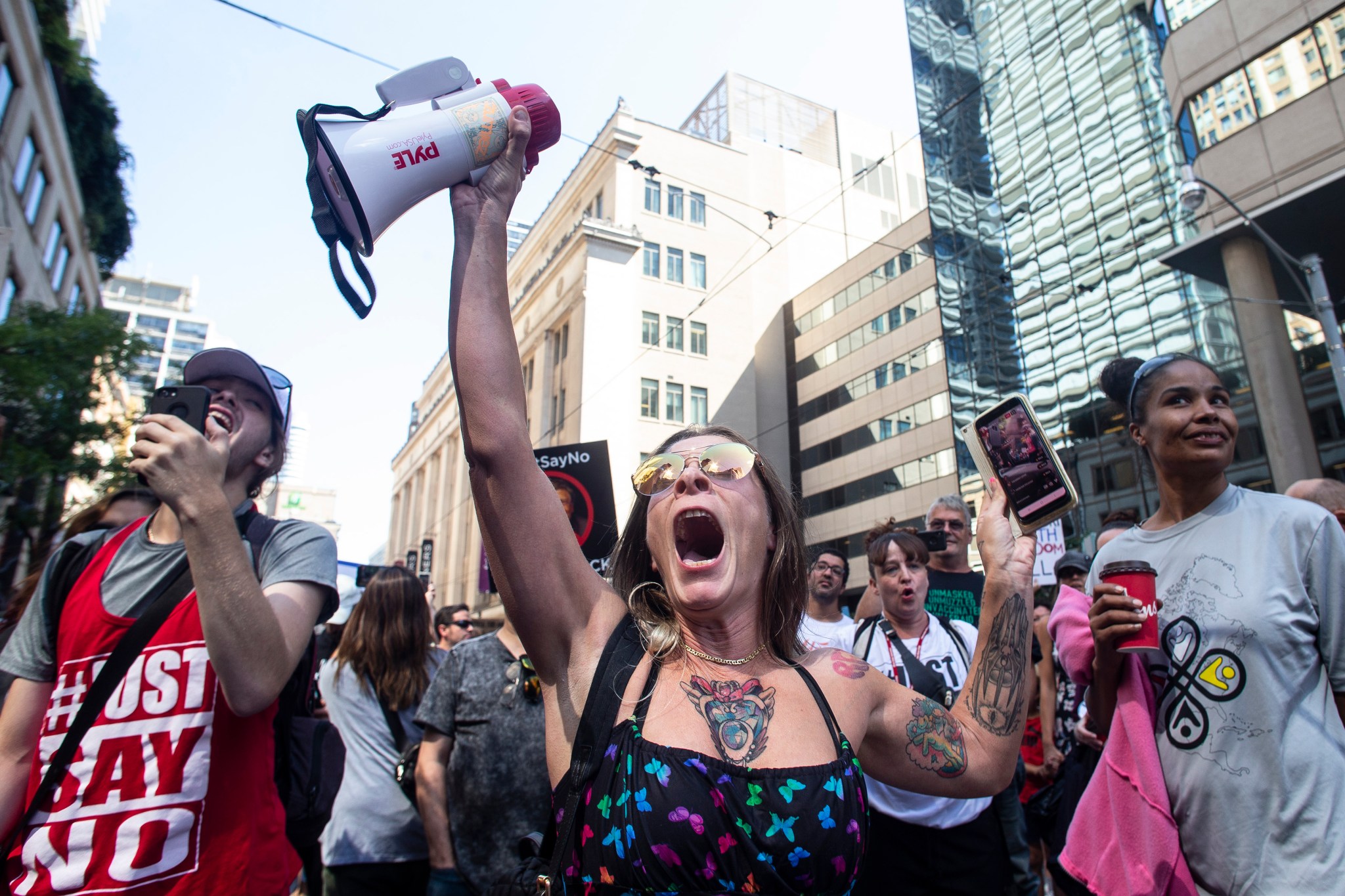
passport protest
Thousands of demonstrators attended an anti-vaccine passport protest in Montreal on Aug. 28. CTV
 
As the global experience with the pandemic wears on with one wave after another and governments enact restrictions in response when all else seems to fail, including restrictions, many in the general public have taken to loudly expressing their counter-opinions of everything wrong with the decisions made by health authorities advising government action. In Canada, since some provinces brought forward plans to require vaccination 'passports' to access restaurants, movie theatres and gyms, anti-vaxxers have increased their incensed protests of impediments to their human rights.

Protesters grouping and shouting vociferously outside the University Health Network particularly incensed palliative care physician Dr. Amit Arya for disrupting patients and staff to the extent where both were unable to enter the hospital. Both patients seeking urgent medical assistance at one of the gravest periods in their lives and staff under pressure to provide emotional and professional assistance to these vulnerable people, are in no condition to be confronted by irate people furious over the self-protective steps the novel coronavirus' unstoppable surges require.

The large and unruly groups of anti-vaccination protesters that assemble outside hospitals across the country reflect similar occurrences elsewhere in the world as people ventilate their frustration and grievances against both medical advisers and government agencies all of whom are consumed by the need to enact responsible response mechanisms in an effort to reduce virus infections among the population at large.That the most vulnerable in any population are those represented in worst-case-infection scenarios and are further impacted by those who are least likely to face serious consequences only adds to the frustration of medical staff.

Invariably, many of those leading or taking part in the protests, denouncing vaccines, refusing to follow distancing and mask-wearing regulations eventually contract COVID. When they appear for treatment consequently, it can be difficult for medical staff to muster sympathy as they work to restore these people to health. According to Dr.Fedder, it is past time that employers -- private and public -- mandate vaccines. In so doing, messaging people who prefer to ignore the science upholding vaccinations. Fear of unemployment, he feels, could act as a spur to convince the unconvinced.

While case numbers remain troublesome and begin to accelerate in size and hospitals scramble to service the needs of all who are hospitalized, people with other serious illnesses defer decision-making to expose themselves to the potential of contracting the virus. Hospitals and medical workers are distracted by COVID numbers requiring treatment and are unable to respond to those requiring medical care for other, serious illnesses, and needed surgeries are placed on hold.
 
Thousands of people unhappy over the B.C. vaccine pass and other COVID-19 restrictions protested outside Vancouver General Hospital and Vancouver city hall on Wednesday.
With COVID sufferers occupying all available beds, there is no room to accommodate the needs of those suffering ill health aside from the coronavirus complications. People suffering from the effects of chronic impaired health conditions will often avoid appearing at hospital emergency facilities when COVID cases are spiking, and in the process their health conditions spiral out of control. 

Meanwhile, many of those same protesters who claim that government and big Pharma have concocted the SARS-CoV-2 virus threat for the purpose of control on the part of government, and for fattening the bottom line in the instance of the pharmaceutical industry, while denying the efficacy of vaccines and claiming that inoculation brings on COVID and worse, barely hesitate before clasping the pseudo-science of unproven drugs as COVID 'cures'.
"Ivermectin advocates pool effects from observational studies that are very questionable, and from randomized controlled trials that may or may not be randomized and, in general, are poorly conducted and, in some cases fraudulent."
"Ivermectin overdoses can cause nausea, vomiting, diarrhea, hallucinations, blurred vision,  tremors, abnormally rapid breathing, seizures, coma and death."
"Ivermectin advocates claim governments, politicians, 'Big pharma' and mainstream media are suppressing evidence that the drug is effective. Ivermectin is a favourite of anti-vaccine, conspiracy theorists who claim COVID could easily be controlled with cheap, off-patent drugs like ivermectin."
Dr.Donald Vinh, infectious diseases specialist, Montreal
Protesters listen to a speaker as they gather outside Toronto Police Headquarters to voice opposition to COVID-19 vaccines and other COVID-19 related restrictions on Thursday September 2, 2021. THE CANADIAN PRESS/Chris Young.

Labels: , , ,

Friday, September 03, 2021

Another Valuable Tool in Managing COVID

"[In Ontario a] substantial [fall wave is anticipated although] we do not expect to see the same proportion of severely ill cases in the vaccinated]."
"Among the unvaccinated, we do expect to see a rapid increase in the number of seriously ill people needing hospital care as workplaces and education reopen in September."
Ontario's COVID-19 Science Advisory Table report

"Let's say you're at work and you find out that Bob down the hall is COVID positive and he's been talking to everybody at the coffee break."
"In theory you could say everybody who was talking to Bob is at high risk. Those people might benefit from prophylaxis. But those studies are hard and expensive to do."
"If you have more than that [high-risk people] -- you start requiring oxygen or hospitalization -- not only is there no benefit in terms of survival from these monoclonal antibodies, there may even be a signal of increased risk of death, though it's hard to know if that's simply because those people were already too sick to begin with."
"The thing about COVID is that it can progress rapidly. You can literally go from sitting in your bed eating to, an hour or two later, requiring high amounts of oxygen. If you have to transport yourself to a setting where you have to wait in line and get triaged and get a monoclonal antibody, that window can close quickly."
Dr.Donald Vinh, infectious diseases specialist, McGill University 

"These are valuable tools not being used in Canada, and should be."
"Across the provinces, they're looking at where and when to use them. How do you figure out who's eligible and who is not? What are the criteria? How do you identify and notify them? We don't really have great systems in place for that."
"Are there going to be some people who avoid vaccination and just get this? I anticipate there will be. It's a shame. It's like the difference between quitting smoking and saying if I get lung cancer, I'll get an operation."
"The truth is that everyone who has forgone vaccination by now, the majority of them have no plans to get vaccinated in the near future. I'm not sure that they're banking on a monoclonal as a way to avoid future vaccination."
Dr.Andrew Morris, infectious diseases specialist, Mount Sinai Health System, Toronto
A man enters a monoclonal antibody treatment clinic in Pembroke Pines, Florida.
Florida and other U.S. states responding to record numbers in COVID-19 case surges represent a case study in the rapid utilization of laboratory-produced antibodies by ordering truckloads of them to avoid having to face and deal with more serious cases of COVID-19, threatening the health-care system with overburdening and collapse. Monoclonal antibody therapies have been recognized as a mode of treatment capable of ensuring that those struck with mild to moderate symptoms don't graduate to hospitalization, or even death. It's a treatment that famously worked for Donald Trump when he was president.

More recently, a Canadian-led study assessed that a single dose of an antibody treatment reduced the risk of COVID progressing from mild to serious in high-risk people by 85 percent, in comparison with a placebo. It has presented as an excellent argument for Canada to begin using what is being recognized as a 'valuable tool' against the worst excesses of the SARS-CoV-2 virus. "Importantly, in the test tube, this antibody retains activity against multiple variants", a recent White House briefing by Dr.Anthony Fauci was informed.
 
 The use of this treatment does nothing to present as an alternative to vaccination; it is an additional, and badly needed treatment in the prevention of severe disease appearing in those infected by COVID. Monoclonal antibodies are not viewed as a magic formula treat-all. Well tolerated, but as with all drug formulations there are side effects such as diarrhea and rash appearing in some, not all patients with its use. It is not simple to apply, requiring a medical space with ample ventilation, personal protective equipment and skilled staff able to infuse the drug while monitoring patients for potential reactions.
 
Demand for sotrovimab has risen in the United States close to 300 percent in the past month according to the Washington Post. There's a steep cost attached to these treatments administered mostly through IV infusion, which must be administered within five to ten days of positive testing for COVID. The disease progress is slowed by blocking the virus from invading new cells and replicating. Typically the cost is $2,000 each dose.
 
Clinics specializing in administering the monoclonal antibody infusions, state-operated in Florida, have been swamped with COVID patients who were unvaccinated, looking for the free treatments. There the drugs were authorized as a 'post-exposure' prophylaxis meant for people in close contact with those infected with COVID who have not  yet exhibited symptoms but are at risk of being infected. All the more so if they are unvaccinated, or their immune system failed to mount a strong enough reaction to inoculation.
 
Health Canada gave authorization to Glaxo-Smith-Kline's sotrovimab in July and the company is "in active discussions with the federal government to secure supply of sotrovimab by early fall 2021", according to GSK -- with the intention that appropriate patients have access to the drug without cost to the patient. An earlier drug produced by Eli Lilly for antibody cocktails -- bamlanivimab -- turned out to be less effective against certain variants. Lilly issued a statement its produce is not effective "against the variants currently at play in Canada".

High-risk people; those with obesity, diabetes, neurological problems, asthma, heart failure or chronic kidney disease and those over age 55 who have mild to moderate disease, have been proven to benefit from monoclonal antibodies.

Nurses in personal protective equipment prepare injections of Regeneron at the monoclonal antibody treatment site in Tampa.
Health workers prepare injections of Regeneron at the monoclonal antibody treatment site in Tampa. Patients receive four shots of the antibody cocktail    Florida Department of Health in Hillsborough County
"Before somebody gets hospitalized with COVID, there isn't all that much. [By treating early], we're preventing the cascade of events that includes viral replication and the body's inflammatory response."
"We're attacking before we get to that inflammatory response stage."
Dr.Anil Gupta, lead investigator, sotrovimab trial, William Osler Health System

"But the payoff is huge. There is probably a big cost benefit here, in preventing ventilator days and ICU days and hospitalization, to really scale this up as much as possible to mitigate the spread of the fourth wave, especially amongst people that are unvaccinated."
"This therapy is being used in the United States. It's being used in places in Europe. It definitely can be done -- I don't think there's anything to say we can't do this."
Dr.Zain Chagla, infectious diseases specialist, associate professor of medicine, McMaster University


Labels: , , ,

Thursday, December 10, 2020

The Depressing Trauma of COVID Oppression

Amid the COVID-19 pandemic, psychologists are worried about the mental health toll of rising cases and tightened restrictions during the winter ahead. (Evan Mitsui/CBC) 

"When we saw that everything we were doing was having an effect and the numbers were dropping, that empowered us. It made us feel like we're beating this thing, And that is great until the numbers start to go up and we start hearing that more restrictions are going to be in place and ... we might start to feel like everything we did didn't matter. It came back anyway."
"It requires a much quicker step towards getting somebody that really knows what they're doing to help. So if we're heading into winter with less sunshine, less ability to get social interaction, less opportunity for aerobic activity, less job security for some ... I worry we might see depression rates increase."
"It does feel like we're heading into a long, dark winter."
"[Physical signs of depression include very low levels of energy. Anxiety, meanwhile, can cause elevations in heart rate, breathing and sweating as it] basically makes our muscles ready to fight or flee. But we don't know how to fight, and we can't flee. So we're left with this feeling that's becoming chronic, it's engaged all the time." 
"Mental health is not something somebody else struggles with anymore — it's something we're all struggling with now, The critical point to remember is that it certainly will get better. It's a matter of persevering through the dark days and coming out to a better spring and a better summer next year." 
Steve Joordens, psychology professor, University of Toronto

The news, the news. Not very inspiring at the best of times and these are not the best of times. On the one hand we have the almost-imminent appearance of a vaccine that it is hoped will obliterate the presence of the horrible novel coronavirus that has afflicted the global community for almost a year.  The world economy has suffered, but above all, there is now one-and-a-half million dead whose family members will never come to terms with their loss.

But there appears to be another type of affliction that people suffer under, apart from the physical distress, apart from the disabling physical effects of the SARS-CoV-2 virus that so mysteriously entered the pantheon of deadly diseases preying on the animal kingdom, and that has relentlessly stalked the world in such a sinister manner. 

People have been doubly victimized, their organs succumbing to the dire destructive effects of the virus on the respiratory system and other vital organs, and aside from and together with that there is the psychological affect. People already suffering mental insecurity, and those newly introduced to the intensity of fear and loneliness are experiencing a greater loss of equilibrium; debilitating mental illness.
 
A new poll just released by the Mental Health Commission of Canada and the Canadian Centre on Substance Abuse has revealed that respondents who claim to be in "strong mental health" has realized a fall in numbers by 23 percent over the time the global pandemic was set loose on humanity. In 2019, 67 percent of Canadians felt themselves to be in a condition of strong mental health, and that number has now declined to 44 percent. Over half of Canadians now think of themselves as being at a perilous level of mental health. 
Suicide help lines have been beleaguered by a wholesale increase in calls of desperation, vastly outstretching their ability to effectively cope with a mental health crisis that has afflicted youth in particular with one in five seen to be acquiring or worsening a mental health disorder, according to the Canadian Institute for Health Information. Emergency department visits and hospitalizations for mental health disorders among young people rose in the last decade by 60 percent even as hospitalizations for other issues fell by 26 percent. And the numbers are rising, thanks to COVID.

In effect, this disaster that the public has been warned about for years has been realized at a time when no one appeared to take the warning seriously, that a global pandemic was due to appear, and would have to be dealt with. Governments ignored the warning, health authorities took heed but did little to prepare, since it takes financing to do so and public health is financed by the public through taxation, a dirty word when it is suggested that more taxes need to be forthcoming to handle an immense problem that might or might not appear in the near-to-distant future.

Well, it appeared in the near-enough future and that future is now, and we are living through the disaster that just about everyone found too difficult to assimilate into their unreceptive minds as being something that had to be prepared for. That lack of preparation has resulted in horrendous consequences. On the other hand, it's difficult to imagine  how matters could have turned out differently. There are simply so many issues of vital importance that have to be seen to and dealt with, even absent the appearance of a global pandemic.

Things have certainly changed for youth everywhere, from toddlers at day care to elementary-school children, through to high school and university. How comfortable and 'child friendly' would it seem to a child looking around and seeing everyone wearing masks? Conformity may make it appear non-threatening, but it is also, undeniably, off-putting not to be able to see peoples' faces, their smiles the kind of facial language that we learn to read so effortlessly from birth to adulthood. Now denied the young.

Close physical contact another denial, when this is precisely what the human psyche thrives on. And to explain to a child the necessity of distancing is to introduce to that child the concept of an evil, unseen threat waiting to pounce. Which may be true but would be of no comfort to a child being informed that life has its dangers. Teens have seen their casual world of pairing up, joining groups, sport activities suddenly disappear in the interests of health safety. Strictures of caution are introducing them to a solitary existence.

University students, masked and distancing are as exposed to the feeling of suspicion of the 'other' as a potential vector of a disease that may merely inconvenience them, or that may, under certain physical conditions of receptivity when their particular immune system goes amok may alternately result in internal organ disruptions that can be pretty serious, and in rare circumstances lead to life-long impairment, and possibly an early death.

Not very reassuring to those setting out on what should be a long, 'normal' trajectory toward adulthood and aspirational lifestyles. Now, the new normal is isolation and loneliness, confusion and resentment. And mental illness, newly arrived or lingering in the background and newly exacerbated. And there is this kind of whistling-in-the dark:
"Being alone doesn't have to mean being in isolation, We're going to be finding more creative ways of [interacting] again — having game night over Zoom, having a movie night where you're both watching the same movie separately."
"So it's [about] being cautious, but still continuing to do the same activities that we normally use to ground us." 
Noreen Sibanda, registered provisional psychologist, Edmonton

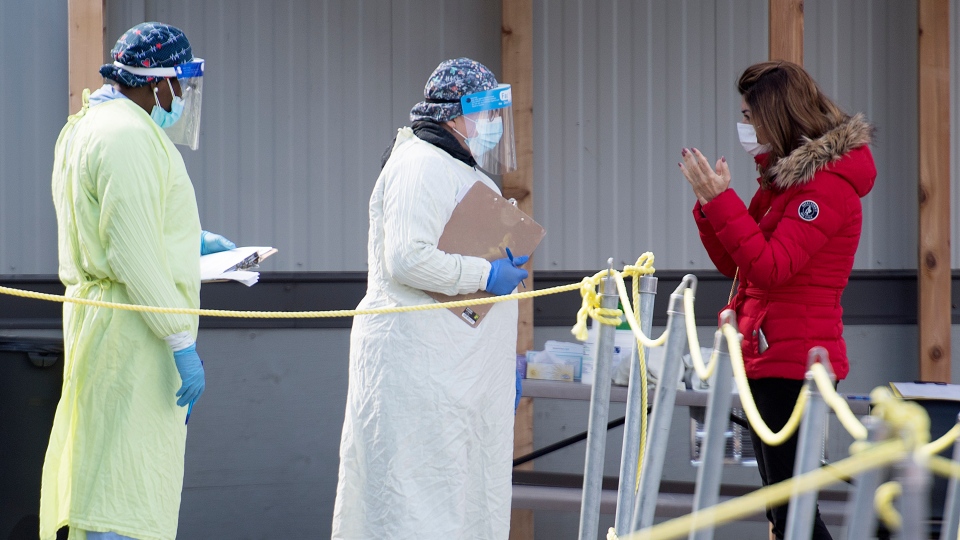
covid canada
Healthcare workers talk to a woman at a COVID-19 testing clinic Montreal, Sunday, October 11, 2020, as the COVID-19 pandemic continues in Canada and around the world.THE CANADIAN PRESS/Graham Hughes

Labels: , , , , , ,

Tuesday, November 10, 2020

Calling the Miraculous Great Day for Science Into Question

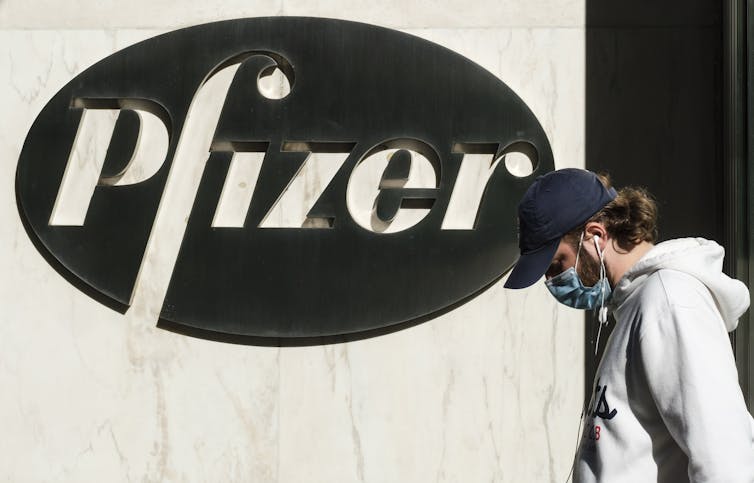
Man wearing a face mask walks past Pfizer sign on building.
Pfizer/BioNTech vaccine has 90% efficacy. Justin Lane/EPA
"[Early data suggests the BNT152b2 vaccine is more than 90 percent effective, a] Great day for science and humanity."
"As the study continues, the final vaccine efficacy percentage may vary [from its initial 90%]."
"The case split between vaccinated individuals and those who received the placebo indicates a vaccine efficacy rate above 90 percent, at seven days after the second dose."
"Today is a great day for science and humanity."
Pfizer Inc. press  release
"It's well known in clinical trials that sometimes when you have really, really positive effects in the interim analysis, those positive effects get smaller as you complete the trial."
"You'd really need to see the full array of safety information to have a critical appraisal of the vaccine."
"If there is a reversal of fortunes for this vaccine, people in the public begin to have more doubts about what companies or various sponsors are reporting ... You really want to be confident that you have worked out all the kinks, that you have reliable findings before you go public."
"Presumably, Pfizer is making this information public because they think it ought to inform some people's decisions. Why not wait until you have carefully vetted the data, that you've completed the trial, before you issue these results?"
Jonathan Kimmelman, professor of biomedical ethics, McGill University 

"[A vaccine that provides over 90 percent protection against COVID-19] would be absolutely amazing and would definitely go a huge way to leading us out of the pandemic."
"I just want to see the evidence." 
"Does [the Pfizer/BioNTech vaccine] attenuate the disease? Does it reduce spread to other people?"
Dr.Andrew Morris, infectious diseases specialist, Toronto
https://images.theconversation.com/files/368661/original/file-20201110-19-70s6ki.jpg?ixlib=rb-1.1.0&rect=0%2C20%2C6720%2C3360&q=45&auto=format&w=1356&h=668&fit=crop
The Conversation
 
Successful vaccines are developed to produce a dual result; protect the individual who has been vaccinated from becoming infected with the disease while protecting the next person he comes in contact with from being infected. Many experts in the field of epidemiology were taken by surprise when they read the release from Pfizer, since the acceptable minimum target the U.S. Food and Drug Administration felt would be the minimum for it to grant emergency use authorization for such a vaccine stood at 50 percent effectiveness.

Pfizer's press statement sent global stock markets upward, and hope to spring into the minds of a public weary of lockdowns and concerns over contracting the illness that has been so destructive globally and in particular to the United States in caseloads, hospitalizations and deaths. The basis for the pharmaceutical company's confidence in releasing the results of its third-stage trial before peer review or publication was the conclusion the vaccine appears safe, no serious concerns surfacing, but information on safety yet to be assembled.

The statement of confidence and jubilation is based on an interim analysis. The stakes are "beyond imagination", Albert Bouria, chairman and CEO of Pfizer stated. Experts in the field are somewhat less convinced, urging caution rather than rushing to a somewhat rash conclusion, pointing out that there is as yet too much unknown; whether the vaccine prevented serious infections, or mainly mild cases. Throw in that it's too soon to know how long any immunity that does result from the vaccine will continue to protect from the disease.

https://images.theconversation.com/files/368508/original/file-20201110-14-1x56ov.jpg?ixlib=rb-1.1.0&rect=0%2C468%2C6016%2C3008&q=45&auto=format&w=1356&h=668&fit=crop
The Conversation
 
The statement by Pfizer and German partner BioNTech reflected an early analysis of the final stage Phase 3 trial to determine the new vaccine's effectiveness. Either the experimental vaccine, administered in two stages, or a placebo was used with volunteers, no one knowing which was apportioned to whom. The vaccine known as BNT152b2, has been designed to target the spike protein surrounding the surface of the virus causing COVID-19; a formula also used by other vaccine candidates.

The fact is, nonetheless, that a 90 percent efficacy rate has been reported; vastly superior to the 50 percent minimum target set by the US. Food and Drug Administration. The trial is set to continue until such time as there are 164 confirmed COVID cases among the total 44,000 volunteers receiving both doses of the experimental vaccine. Of that number 94 contracted cases of COVID-19, hence the 90 percent success designation.

fauci
Dr. Anthony Fauci ... Al Drago - Pool/Getty Images 
"It's a really good day for biomedical research and clinical application of biomedical research. This is very good news looking forward."
"[The result] validates the mRNA platform, [which could indicate that a separate mRNA vaccine developed by Moderna could also have positive results]." 
"[This] validates greatly [the virus' spike protein as the immune-response target, which is important because it's also the target for] virtually every one of the other vaccines."
"It's not only immediate good news, it really is optimistic about what's going to roll out in the next several months with the other vaccines."
Dr.Anthony Fauci, infectious disease expert, director, U.S. National Institute of Allergy and Infectious Diseases


Labels: , , , , ,

Sunday, July 26, 2020

Female Governing Intuition

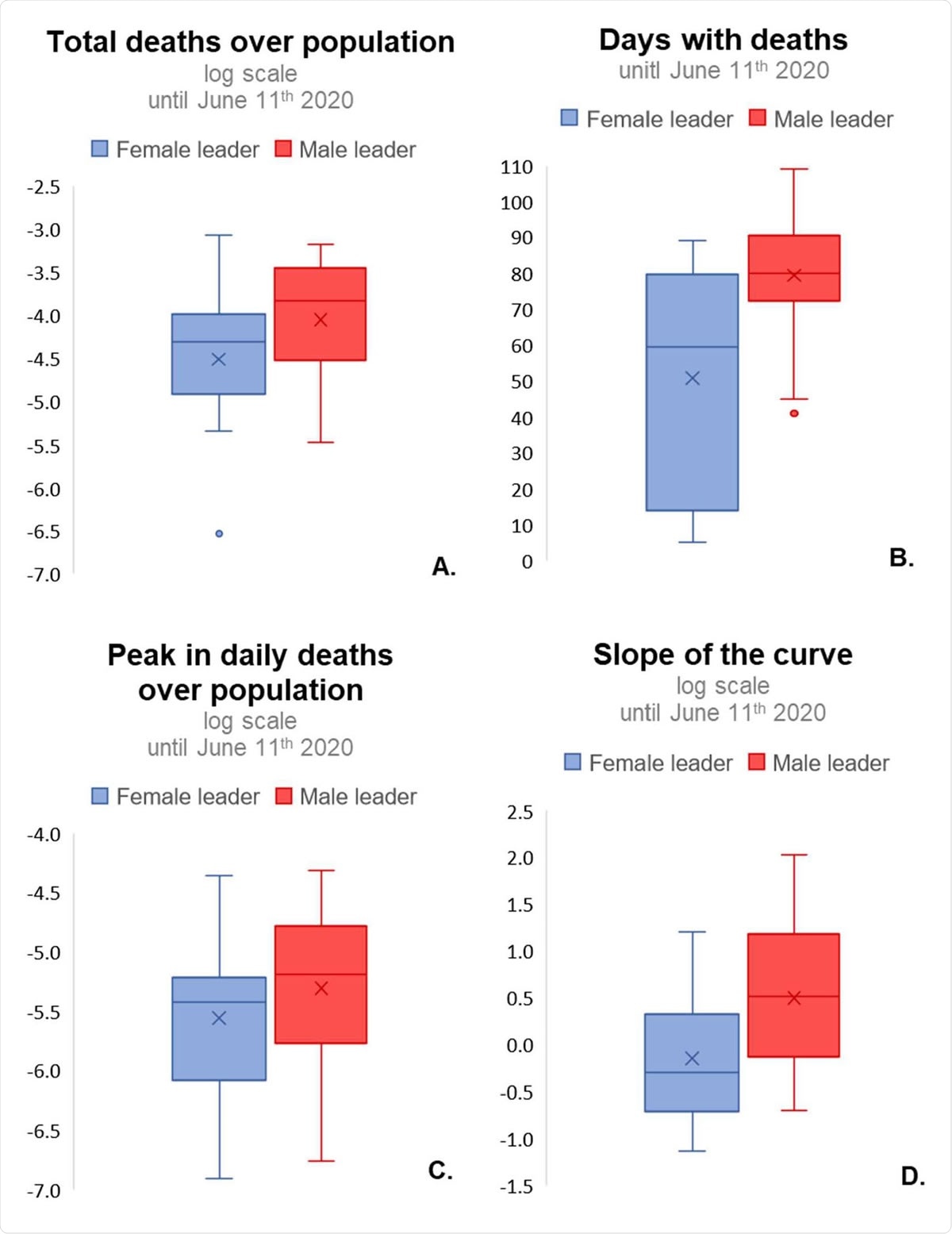
"Our findings show that COVID-19 outcomes are systematically and significantly better in countries led by women. Even accounting for institutional context and other controls, being female-led has provided countries with an advantage in the current crisis."
"Risk aversion may manifest differently in different domains -- human life versus economic outcomes -- with women leaders being significantly more risk-averse in the domain of human life, but more risk-taking in the domain of the economy."
Report: Centre for Economic Policy Research, Washington
Box-plot of main impacts of COVID-19 in countries with male leaders and countries with female leaders.

A new study published by economists Supriya Garikpati and Uma Kambhampati under the imprint of the Centre for Economic Policy Research lays claim to having proven without a doubt that those countries led by women have been superior in controlling the global pandemic for their nations' ultimate benefit, right from the very start when the world was placed on high alert that a global pandemic was in the process of laying the world low.

It isn't all that hard to identify those countries where the executive administration in collaboration with the individual nations' top health advisers have conducted a poorly-envisioned and -outcomed national strategy to deal with the fallout of the SARS-CoV-2 virus causing COVID-19, simply by reviewing the numbers of infected cases and the deaths caused by COVID-19. The United States, where the research for the study citing women-led outcomes as superior, a case in point for high infection and death rates.

The top ten  countries in the world whose outcomes have been poor are all male-led, according to the Independent, with a cautionary note from the report's authors that every country possesses variables unique to the country itself, making a one-on-one comparison difficult. And then there is the simple fact that merely ten percent of nations worldwide are led by women to begin with.

Collage of images of Angela Merkel and Jacinda Ardern
Photo-Illustration: Sam Whitney; Getty Images
The report's authors began by comparing women-led countries with other countries and matching  demographics linked to the spread of the coronavirus; primarily population size and GDP, so New Zealand for example, was matched with Ireland, Germany with the United Kingdom, and Bangladesh with Pakistan.

What the investigators found across the board is that those countries with fewer COVID-19 cases were all led by women, and fewer deaths occurred in those women-led countries than occurred in those countries governed by their male counterparts.

Led by Jacinda Ardern, New Zealand's 1,455 cases and 22 deaths compared favourably with Ireland's counts of 25,826 cases of coronavirus and 1,763 deaths reported as caused by the complications linked to COVID-19. The disparity could conceivably be linked to the fact that women-led countries were more inclined to swiftly bring in social distancing regulations and impose lockdowns to curb the first wave of the virus, according to the report's authors.

Women, according to the research conclusion. are more averse to risks in comparison to their male counterparts. Representing a potential explanation clarifying why it is that countries led by women made the determination to lock down more immediately than their male-led counterpart nations. The added recognition that women are more risk-averse relating to saving lives meant that women were conversely prepared to risk their economies, in exchange.

Taiwanese President Tsai Ing-wen celebrates victory with her supporters in Taipei. Taiwan has managed to curb the coronavirus pandemic despite its proximity to China. (AP Photo/Chiang Ying-ying)

Labels: , , ,

 
()() Follow @rheytah Tweet