Ruminations

Blog dedicated primarily to randomly selected news items; comments reflecting personal perceptions

Friday, January 03, 2020

Deep Brain Stimulation Experiment for Alcoholism/Alcohol Use Disorder, Sunnybrook Health Sciences Centre

"[My concern after deep brain stimulation for alcohol use disorder] was whether or not my hair would grow back."
"A family history of liver disease plus alcohol was my undoing."
"I maybe [now] have two or three drinks if I do drink. And I can stop."
"I think in some ways it [drinking to wind down tension] also helped me, relaxing me enough to the point where I could think, and contemplate. [But after leaving the National Microbiology Lab in Winnipeg things] got really bad. It [alcohol consumption] got to be the main focus of my life." 
Frank Plummer, former scientific director, National Microbiology Laboratory, Canada
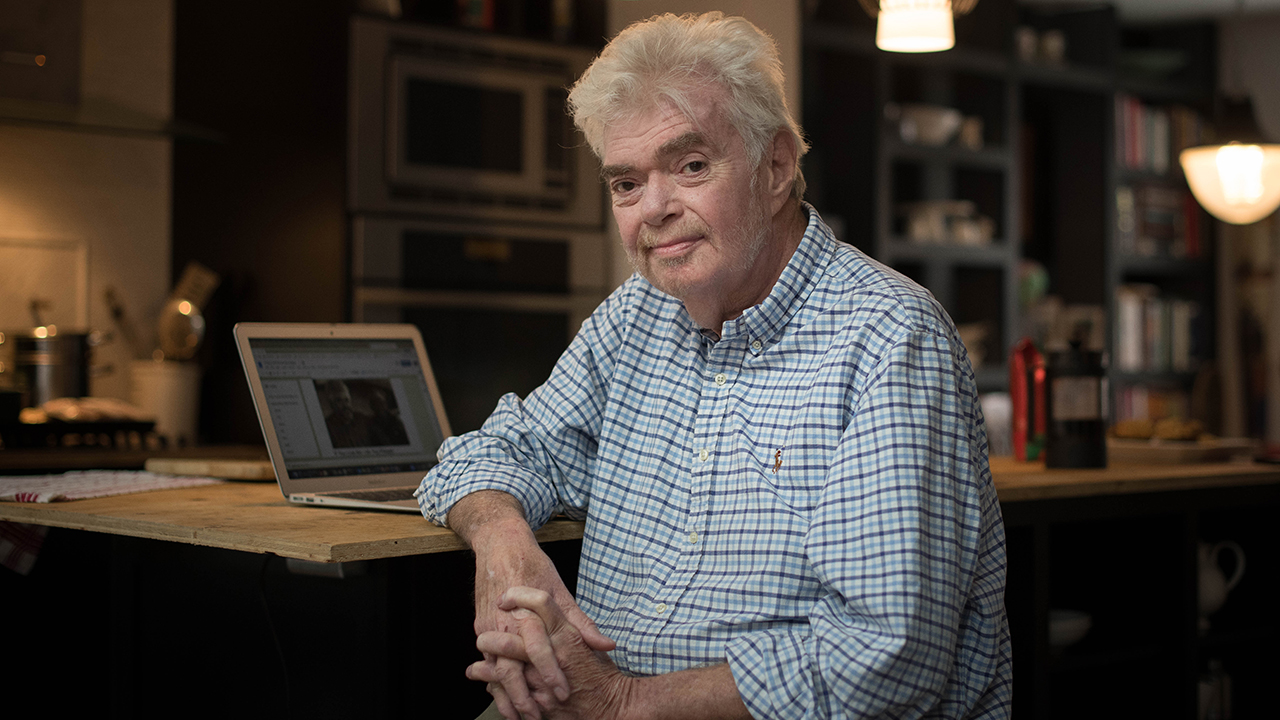
Frank's story
Dr.Frank Plummer

"People seem prepared to accept more risk for alcohol consumption than they do for other risky activity."
Report, Centre for Addiction and Mental Health

"It was normal [in the '70s] to go for a drink every lunchtime, and then go out for a drink after work."
"Today, when you go to an off-licence it's hard to find a wine that's only got 12 percent."
"Quite a lot of people use it [alcohol] for anxiety, actually -- it's one way of getting rid of their anxiety."
"I had one subject who said, 'I've drunk every day for ten years. I'm terrified of stopping'."
"[They -- study volunteers] were desperate to go back to drink [feeling socially isolated]. Some of them felt like they were pariahs at dinner parties because they were the only ones who weren't drinking or were sober."
"For many people, stopping can be quite liberating."
Dr.Kevin Moore, consultant hepatologist, University College London/Royal Free Hospital

"Alcohol is known to trigger the endorphin system, and the social consumption of alcohol may thus have the same effect as the many other social activities, such as laughter, singing and dancing, that we use as a means of servicing and reinforcing social bonds."
"[The idea that a brief] detox [can] refresh [the liver and lead to other health benefits is] clearly untrue, since the durability of the observed biological effects remains to be established."
Dr.Moore and colleagues, study, BMJ Open
Associated with an increased risk of stroke and heart disease, alcohol consumption is no trifling matter. It has also been linked to cancer development in the digestive tract, naso-pharynx, liver, rectum and breast; classified as a Class 1 carcinogen by the International Agency for Research on Cancer; it is known to promote cancer in humans. The American Public Health Association and other groups would like to see cancer-warning labels on beer, wine and liquor based on their contention that few people know of these connections.

According to a recently released study, alcohol accounts for more productivity time losses in Canada than does any other substance. Close to 15,000 deaths annually in Canada are attributable to alcohol, according to a recent policy paper from the Centre for Addiction and Mental Health. A greater number of Canadians (77,000) are hospitalized for alcohol-related illnesses or injury than for heart attacks. In Ontario, forty percent of people drink more alcohol than they themselves think is safe. Canadians consume ten litres of pure alcohol per capita annually; 3.6 litres more than the world average.

In December's issue of the Canadian Journal of Public Health a study estimates total cost of lost workplace productivity as a result of premature death, long-term disability, 'preseneeism' and absenteeism resulting from substance use was in the neighbourhood of close to $16 billion back in 2014. As pointed out by Dr. Nir Lipsman, director of Sunnybrook's Harquail Centre for Neuromodulation, "There's the accessibility of it, the social acceptance nature of it."

At one time in the not-so-distant past, people consumed more alcoholic drinks, but back then the drinks hadn't the alcohol content they do at present. A pub pint decades ago contained three percent alcohol whereas the average alcohol content in today's craft beer products comes closer to six percent. "Today, when you go to an off-licence it's hard to find a wine that's only got 12 percent " alcohol content where once it was bottled at 10 or 11 percent.

In the  United Kingdom, there has been a downward revision of weekly drink guideline limits. Public health encourages "non-dependent drinkers" to view short-term abstinence as a method of control. Dr. Moore and other researchers recruited 94 moderate-heavy drinkers to take part in a study, representative of the 25 percent of the population tending to drink above recommended guidelines. A month of abstinence saw volunteers with significant improvements in insulin resistance, in blood pressure and in body weight.

As well, two cancer-related growth factors, both thought a requirement in encouraging the growth of tumours to have been decreased in circulating concentrations. The result of which was that those people on return to drinking tended not to consume as much alcohol as previously, citing their appreciation of how much better their sleep patterns had become, let alone their ability to focus and the improvement in their concentration capacity.

On the plus side for drinking are the social benefits of modest alcohol consumption, with one study finding social drinkers have a greater circle of friends and are able to forge deeper bonds with those friends. Alcohol tends to enhance psychological well being. What drove Dr. Plummer to drink was the pressures inherent in operating a research group in Nairobi during the AIDs epidemic, followed by a 400-person national microbiology lab in Winnipeg. He found his condition so alarming that a more "robust" medical solution seemed an appropriate choice to combat his growing alcohol dependence.
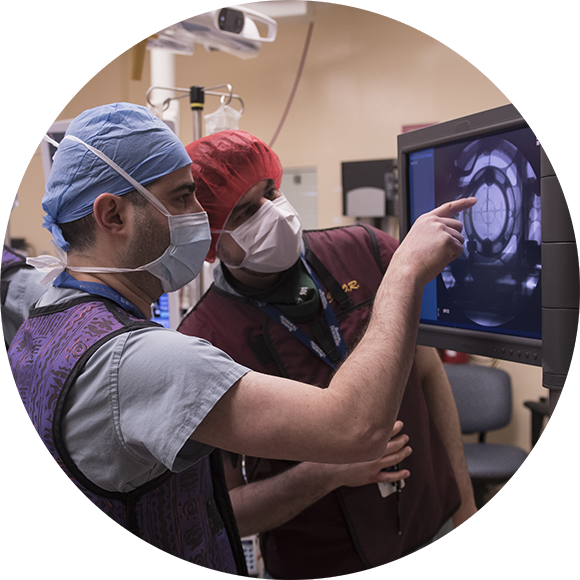

He looked into deep brain stimulation, akin to a peacemaker for the brain. A battery is implanted in the chest wall under the collarbone, attached to which is an electrode in the brain to target dysfunctional wiring in the nucleus accumbens; nerve cells involved in pleasure and motivation. Dr. Plummer decided to engage himself in a trial that would address disordered brain circuitry. Head fixed in a halo apparatus, under local freezing, surgeons incised into his scalp.

"It wasn't painful, just not pleasant", he said describing the process. The noise and vibration "was like putting your home hand drill up to your head." Deep brain stimulation for alcohol use disorder remains experimental, being tested on just six patients at Sunnybrook Science Centre in Toronto. Following a day or two in hospital post-procedure, people typically return home while the optimal electrical dose formula for each individual is sought through a period trial and error that can take weeks and months. And the electrical stimulation is always in play.

The surgery carries small but real risks, including bleeding, swelling, infection and implant failure; not meant for social drinkers or those responsive to conventional medical and rehabilitation treatment, but for those who are treatment resistant. Alcohol, as a result of Dr. Plummer's successful surgical therapy, no longer interests him. He is busy "just enjoying life for the first time in a very long time. My life is full of lots of other things than alcohol. I hope that sharing my story will help destigmatize the conversation about alcohol use disorder, as well as improve the science and understanding around it."

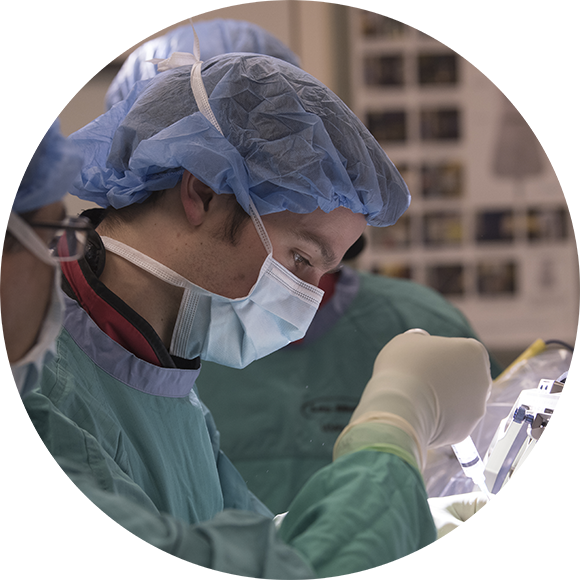
Clinicians view a monitor with a brain scan
"Despite advances in AUD [alcohol use disorder] interventions in the last half century, we have a long way to go in developing direct-to-brain treatments that make a significant impact on outcomes." "We are so grateful to Frank and other study participants. We hope that our DBS [deep brain stimulation] study will advance our understanding of AUD and other addiction disorders as we work towards developing innovative treatment options for patients with these challenging and disabling conditions."
Dr. Nir Lipsman, director, Sunnybrook’s Harquail Centre for Neuromodulation

"By directly targeting dysfunctional ‘wiring’ in the brain, the hope is to influence these circuits to a healthier state."
"In Frank’s case, we saw significant improvements in mood and alcohol consumption. The nucleus accumbens is not only an addiction-related area of the brain but also involved in mood, anxiety and depression. Helping to relieve symptoms may have helped play a role in his progress."
Dr. Benjamin Davidson, study co-investigator and surgical resident, Sunnybrook

Labels: , , , ,

Thursday, December 21, 2017

Choices in Life and Death : Organ Transplants

"Amnesty International, in an open letter to Health Minister Dr. Eric Hoskins and Trillium Gift of Life president and CEO Ronnie Gavsie, asserted that 'To deny individuals access to necessary and life-saving medical treatment purely on the grounds of their prior or current health status -- including conditions resulting from the use of alcohol -- is discriminatory."
"There are many factors that go into the decision as to who gets on the waiting list, and who indeed receives an available organ. No one, not the governor general, the prime minister or provincial premiers, for example, can jump ahead."
"Ethnicity, gender and race are never, I repeat, never, a factor. Amnesty International's allegation of discrimination is preposterous, unfounded, unfair and irresponsible."
"When it comes to organ allocation, the criteria are clear, and up to this point in time, universally accepted. There is no moral judgment at work in this process. The greater chance for recovery is a definite factor in the deciding process."
Rabbi Dr. Reuven P. Bulka, C.M., chair, board of directors, Trillium Gift of Life Network, Ontario

"I'm really feeling for the families who have lost loved ones due to these policies, due to small technicalities and things that could have saved so many lives."
"I'm not completely out of the woods after this [her gradual recovery through therapy other than a liver transplant]. The staff here [University Health Network, Toronto] have been amazing. Same as Ottawa General [hospital]."
"The uncertainty of whether or not I need a liver or if I would get a liver — that scares me. I'm not ready to die."
"It's unfortunate there are policies that could have found me in a different fate. My next step is to see [a hepatologist] and see what damage has been done for the long term."
Delilah Saunders, 26, Inuk woman from Ottawa
Delilah Saunders in her Toronto hospital room on Tuesday. The 26-year-old activist was told two weeks ago she needs a new liver, but is ineligible for a transplant because of her recent drinking.
Delilah Saunders in her Toronto hospital room on Tuesday. The 26-year-old activist was told two weeks ago she needs a new liver, but is ineligible for a transplant because of her recent drinking. (CBC )
Delilah Saunders, a young activist in the cause of Canada's missing and murdered Aboriginal women has made the news lately for reasons other than her activism. Initially her family said that the young woman had been taking so much acetaminophen for pain caused by an impacted molar that the drug had served to impair her liver to the point where it had completely malfunctioned. It would appear, in fact, that Ms. Saunders' failed liver function resulted from alcohol abuse. Alcohol consumption in excess is known to cause liver failure.

Aboriginals are known to be susceptible to alcoholism, it has always been a problem and continues to be a problem, a reality that cannot have been unknown to Ms. Saunders and her family. Alcohol consumption is a considered and deliberate choice; no one is forced to drink liquor. That choice led to the situation in which Ms. Saunders found herself recently; the reality that transplant material is in short supply necessitating that what is available is carefully husbanded. The point being transplant organs ideally should be used when those receiving them have a commitment to their own care.

That being the case, when someone has a history of alcoholism and then suffers the consequences in liver failure, they will not -- and this is indeed a universal concept -- be placed on a list of recipients awaiting transplantation until such time as they can demonstrate that they have refrained from drinking for six months previous to their application. Organ donations are in short supply, so much so that in Ontario in 2015, 127 people on a waiting list died while awaiting a transplant. That being the case what kind of common good sense would it be to transplant someone who is an alcoholic?

According to Dr. Nazia Selzner, a transplant liver specialist in the multi-organ transplant program at the University Health Network in Toronto, a wide variation in the rate of relapse to alcoholism after transplant is a reality. Studies, according to Dr. Selzner, vary between ten percent of patients relapsing, up to "as high as 90 percent".

A long-term study that saw publication in the American Journal of Transplantation in 2010 found that roughly 40 percent of the 208 patients with alcohol-related liver disease whose cases were studied over a number of years, had relapsed into heavy drinking. This is the issue, and it is one of careful use of a rare resource for the best possible outcome to society when people in need of a transplant can wait for years until that opportunity arises.
A liver transplant is done to treat liver failure, which can have many causes, including chronic hepatitis B or C, fatty liver disease, alcoholism, and autoimmune liver disease. A donated liver can come from a living donor, who gets part of his or her liver removed, or a deceased donor.
Typical costs:
  • For patients covered by health insurance, out-of-pocket costs for a liver transplant typically consist of doctor visit, lab and prescription drug copays as well as coinsurance of 10%-50% for surgery and other procedures, which can easily reach the yearly out-of-pocket maximum. Health insurance will typically cover a liver transplant.
  • For patients not covered by health insurance, a liver transplant typically costs up to $575,000 or more for the procedure, including follow-up care and medications for the first six months after the procedure.
  • According to Vimo.com, a health care cost comparison website, the average list price for a liver transplant is about $330,000, while the average negotiated price, through an insurance company, is $100,400    U.S. Figures
The over-heated charge by Alex Neve of the Canadian branch of Amnesty International along with Aboriginal groups that Indigenous people are deliberately excluded and victimized is slanderous and just plain wrong. These two groups have gone public in hysterical accusations in an effort to incite public indignation over yet another perceived wrong done to Canada's Aboriginal population. The argument that the existing policy is discriminatory, harming the poor, the marginalized and Indigenous is a charge void of accuracy.

Ontario's donor agency is contemplating a pilot project to waive the six-month sobriety requirement for heavy drinkers requiring liver transplants. "Our goal is to start it as early as possible, which means accelerate the planning of the pilot and the resources required to support it", explained Ronnie Gavsie, chief executive of the Ontario's organ donation agency, Trillium. "The way we're going to win here is if all of us, every one of us who is 16 years of age or older, register consent at beadonor.ca."

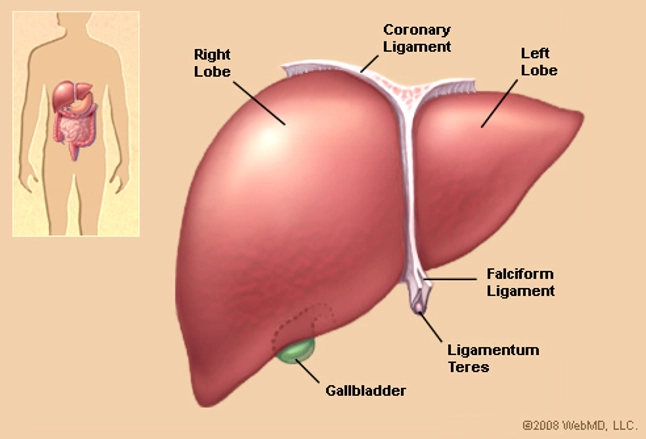
Human Anatomy: Antererior View of the Liver

Labels: , , , ,

Tuesday, September 19, 2017

Life, Liberty and Security of the Person

"[The goal is to] determine if there is an evidence-based basis to change the criteria."
"In the interim, it is important for all Ontarians to know that the listing criteria for liver transplants remain unchanged."
Jennifer Long, Trillium Gift of Life Network

"It was devastating for me to lose my husband. Once I realized what happened to him, I felt it was time to create some change in the system."
“They are heartbreaking [emails she has received from families awaiting organ transplants]. There was a mom who made it to five months and three weeks in April, and because of that last week that she had to wait, she died."
"I'm very proud that up to 97 or 98 people will get the opportunity to have a new life. And I'm very hopeful the practice will continue."
Debra Selkirk, whose husband Mark died in 2010 after being refused a liver transplant
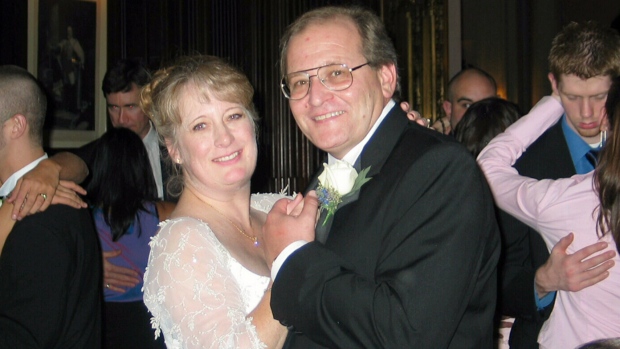
Mark and Debra Selkirk
Debra Selkirk believes that her husband Mark could be alive today, if he’d had a liver transplant in 2010  CTV News

Debra Selkirk was devastated, but also determined after the death of her husband who was denied a liver transplant as an alcoholic under the rules demanding that to qualify for a transplant a patient had to be verifiably free of alcohol consumption for six months prior to surgery. Ms. Selkirk's husband Mark, who struggled with alcoholism didn't have six months to spare before emergency surgery, and so he died two weeks after he was diagnosed with advanced alcoholic hepatitis.

Mark's wife Debra was identified as a match as a potential liver donor - for part of her liver to be given to her husband to save his life. Other members of their family were also prepared to surrender part of their livers so that Mark could be saved. They were assured by doctors that a transplant could restore his lifeline. Toronto's University Health Network declined to operate on Mark nonetheless; he was still required to be dry for a six-month period before they would agree to surgery.

Statistics Canada estimates that over 1,500 people die on an annual basis as a result of alcoholic liver disease. Canada is certainly not alone in requiring that people whose liver disease developed as a consequence of alcohol intake be required to prove sobriety resulting from spurning alcohol for a six-month period on the obvious premise that their addiction was the cause of their disease. Society in general in most countries accept that people are themselves responsible for the choices they make in life and any consequences that arise from free choice.

The agency that is responsible for the Province of Ontario's transplant system, the Trillium Foundation, uses the six-month abstinence rule as a worldwide requirement settled upon for a number of reasons, one of which is that a period of abstinence might for some people, obviate the need for a transplant, and of course the scarcity of organs for transplantation might be seen as a reason to deny an alcoholic an organ when there are such long wait lists for people desperate to receive one. As a matter of popular judgement, people might be less inclined to underwrite organ donation, in addition.

Some hospitals in the United States and Europe have operated projects to alter eligibility on a trial basis for people diagnosed with alcoholic liver disease, minus the provision for sobriety for a previous six-month period. Now, resulting from Debra Selkirk's unswerving determination to alter the situation to give alcoholics suffering from liver failure the same transplant opportunities as others, the Trillium Gift of Life has agreed to a pilot project to make such patients eligible for transplant.

Over a three year period, the provincial agency anticipates that close to one hundred patients with alcohol-related liver disease will be provided with organ transplants. Recent evidence has helped to persuade the authorities that patients with alcoholic liver-disease even without the half-year of sobriety rule, tend to share a positive outcome after surgery, just as others do. At the same time the pressure of organ scarcity for transplants will suffer increased wait times with the inclusion of these patients is recognized.

In a persuasive affidavit, a series of studies concluding that alcoholic-liver disease patients recover well with their transplant organs, rarely turning back to heavy drinking, Dr. John Fung, chief of transplant surgery at the University of Chicago, also as a member of the U.S. government's advisory panel on transplantation, succeeded in encouraging second thoughts on the standard six-month wait for alcoholics suffering alcohol-related liver damage.

Four thousand liver transplants were studied and the resulting conclusion was that as many or more alcoholic-liver patients survived five years post-surgery with an organ transplant, as others who weren't tainted by alcoholism prior to surgery. So while Trillium is not prepared to abolish the six-month rule entirely yet, it does agree that recent evidence is suggestive of alcohol liver-disease patients faring well, half-year sobriety aside.

"Debra is one of the most amazing and dogged people I have ever encountered. She has managed to move the needle on this issue. It just needs to be moved further", stated the lawyer who represented Ms. Selkirk's 2015 constitutional challenge that argued the six-month sobriety policy stood in violation of Canada's constitutional rights to equal treatment, to life, liberty and security of the person.

Labels: , , , ,

 
()() Follow @rheytah Tweet