Ruminations

Blog dedicated primarily to randomly selected news items; comments reflecting personal perceptions

Friday, October 21, 2022

Ethics of Organ Retrieval : 'Dead Donor Rule'

"There is growing interest in adopting NRP [normothermic regional perfusion] in Canada [for organ transplant retrieval operations]."
"Knowing how stakeholder perspectives on NRP could impact trust in donation will allow for the development of policy that responds to these perspectives."
"Reanimation of the donor's brain may result in harm to the donor should they regain sentience."
Research paper, journal BMJ Open        

"We know that, after about 30 minutes of having someone on an NRP pump, their heart will actually start beating again, spontaneously, to the degree that the pump can be turned off."
"Potentially -- it's pretty unlikely we think -- potentially there could be restoration of brain activity or even brain function."
"And the concern there is, of course, if brain function is restored to the point where someone becomes conscious, they might be capable of experiencing pain, and that obviously would be a serious threat to donor safety."
"I think prudence demands that we start with abdominal."
Dr. Charles Weijer, professor of medicine and philosophy, Western University

"[By restarting circulation, even artificially, NRP undermines the validity of the definition of circulatory death because] the patient is, in fact, successfully resuscitated,"
"The patient is now dead by brain death criteria -- due to actions taken by the physicians procuring the organs."
American College of Physicians
The medial transplant community in Canada is in preparation mode for the 'anticipated adoption' of a new method of collecting organs for transplant involving restoring warm blood flow to vital organs. Including to the point of restarting the heart sheer moments following someone having been declared officially dead. Known as normathermic regional perfusion (NRP), the procedure is legal in some jurisdictions while outlawed in others. Medical ethicists seem split in their opinion whether the process invalidates the declaration of death.

The focus is on whether the procedure violates the widely accepted dead donor role where there must be the assurance that organs only be taken from dead patients. Researchers are scrutinizing the literature on the ethics of using NRP through conducting in-depth interviews and focus groups with organ recipients, deceased organ donors; family members, donation agencies and transplant surgeons, along with other health professionals involved directly in the donation procedure.

Once a prospective donor was declared officially brain-dead, a decision based on loss of any detectable brain activity and function, organs were only then removed. In brain death the body is maintained on life support, heart beating and pushing blood through the organs, until such time that the organs can be retrieved. A process to remove organs from 'controlled circulatory death' donors -- people not brain dead, but without recovery prospects, the decision was made to withdraw life support; a process recognized since 2006.
 
Once the heart stops and the obligatory five-minute 'no touch' period passes to ensure the heart has permanently ceased beating after the removal of life support, organ procurement proceeds. Starved of oxygen and nutrients during the dying process and the mandated wait period, organs can become unsuitable for transplant or may take longer to recover once set within the recipient than "if they'd been getting blood throughout", explained Toronto nephrologist Dr. Jeffrey Schiff, president, Canadian Society of Transplantation.

Following death, with NRP the donor is immediately connected through cannulas placed within large blood vessels, to a machine funneling their blood into a device that adds oxygen and removes carbon dioxide, then pumps it back into the body. During this process major arteries supplying blood to the brain are clamped and tied off in prevention of brain 'reanimation', a process called "regional" perfusion where doctors can restore blood flow to the abdomen only when target organs are abdominal such as kidneys, liver and pancreas. It is thoraco-abdominal NRP which also resuscitates the heart that becomes the problem.

Perfused for about 60 minutes the body is then weaned from the pump when doctors can assess the viability of the heart pumping inside the body. Several ethical concerns are raised, beginning with the post-mortem reversal of what was intended to be recognized as permanent circulatory death. As well the death donor rule is challenged by NRP, where the donor cannot be made dead to obtain their organs; where organ retrieval as well cannot cause death. 

In the article published in BMJ Open, Dr. Weijer and his colleagues explore the uncertainty over whether the surgical techniques used in prevention of brain reperfusion can with absolute confidence rule out collateral blood flow to the brain. Separately, in an earlier article produced by the same team, continuous brain monitoring in critical care and transplant medicine was called for during NRP to exclude "brain reanimation."

In abdominal NRP, flow of oxygenated blood above the diaphragm is far less likely to result, ruling out the heart beginning to once again beat. Jurisdictions look at the use of this technology differently where, for example Australia outlaws NRP while it is pernitted in the United Kingdom and Spain.

Surgical instruments used in a kidney transplant in 2016. The agency that oversees organ allocation, the United Network for Organ Sharing, is under scrutiny after a report documented loss and waste of donated organs, often because of problems transporting the organs. Molly Riley/AP

"During NRP, the deceased body is ethically manipulated using technology to permit organ recovery, but the body remains dead."
New York University bioethicist Arthur Caplan, American Journal of Transplantation

Labels: ,

Saturday, October 23, 2021

Morbid Distaste Over Medical Advance in Xenografting...?

"...But then I thought, 'Well, why not use someone who is now dead due to brain death, and we know they're dead' -- that's absolutely clear. We could minimize the risk to the first human that we're really going to try to transplant."
"I asked our docs, could you learn from this? And they said, you're right. We could." 
"The family was very enthusiastic. I certainly would not want to be doing it without the family saying, 'This is something my loved one would want to do, and we fully support it."
"The answer is, they are really dead, and you can do experiments because we have the means artificially to keep major body organs and cells working even when the person has passed away."
Arthur Caplan, medical ethicist, NYU Langone Health, New York City

"If the public gets the impression that organ donation could lead to something like this, people may find this very disturbing."
"There are many people in our society that would not consider someone that is brain-dead and still with a heartbeat and perfusing and blood flowing as being completely dead."
"But I also see the potential is there to save a lot of lives if it were successful."
"Some people would say this is as disrespectful of the dead as anything can be and others would say it's not. I think the yuck factor -- I'm using a very unscientific term here -- would be quite high with the public."
Kerry Bowman, medical ethicist, Family and Community Medicine, University of Toronto
A genetically engineered pig kidney appears healthy during a transplant operation at NYU Langone in New York, US, in this undated handout photo. — Reuters

There are laws and regulations that cover ethics in medical practise in specific focus on the living. None exist of a similar nature to govern research on humans that apply to the brain-dead. People are urged to sign organ-donor cards, permitting their organs on death to be harvested and used for human organ transplant, a vital life-saving program that gives new meaning to 'saving a life'. But there are never sufficient numbers of volunteered organs to supply the urgent needs of people awaiting organ transplant and many die during that agonizing wait period.

The question being raised is whether those same people who so generously see their organs being used to extend the lives of other seriously ill people, could ever foresee and be comfortable with the prospect that their own dead body might be maintained in an organ-functioning state despite their having departed that body, for research and experimental purposes. Whether they might differentiate 'saving a life' with their organs used in desperate medical straits, or their entire body and its in situ organs being used to advance medical science.

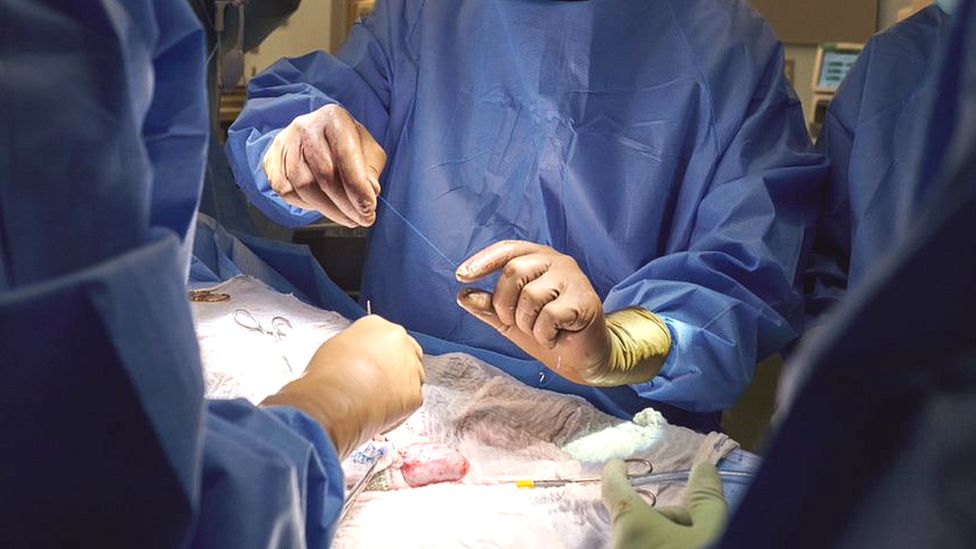
In September at NYU Langone, surgeons incised the upper leg of a brain-dead woman to attach a pig kidney to her blood vessels. An experiment in the potential of using a genetically modified pig in lieu of a human organ to extend a life when a person's natural kidneys stop functioning. Transplanting an organ from another species -- even so a pig whose genetics are so close to that of humans -- would normally result in the body's immune system instantly rejecting the intruder organ and death would quickly follow.

In this case, the pig's genetic makeup had been altered to exclude a triggering sugar molecule, called alpha-gal to prevent rejection. It  took three days while the kidney was attached to the brain-dead subject's blood vessels where researchers had access to it outside the body, and no "hyper-acute" rejection occurred. Maintained on a ventilator for 54 hours, surgeons watching for symptoms of rejection. The kidney functioned like a normal human kidney, producing urine, cleansing blood.
 
A surgical team at the hospital in New York examined a pig kidney attached to the body of a brain-dead recipient for any signs of rejection.
   Credit...Joe Carrotta/N.Y.U. Langone Health, via Associated Press
Dr.Caplan's theory that the use of a brain-dead body for a brief experiment in pig organ functionality transplanted into a human body without rejection resulting, which he discussed at length and intimately with surgeons at his medical facility proved a success. Dr.Caplan published a paper in 2019 with a colleague, who is an attorney and medical ethicist, along with other members of the NYU Medical Ethics Working Group on Research on the Recently Deceased.

Writing that the procedure "can seem frightening or abhorrent", raising complex ethical challenges "It is appropriate for experimentation to be done in humans due to the potential for cross-species complications, if they were to be studied in other animals." The understanding that for some people transplanting animal organs into people is not an agreeable prospect, aside from the fact that some people find it difficult to accept that brain death equals total body/brain death. 

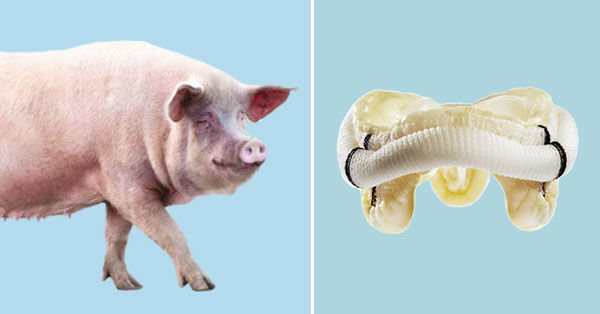
Yet we eat pigs as part of our normal diets. We are what we eat. In consuming animals something of them is integrated within ourselves; we are sustained physically by ending their lives to continue ours. Materials derived from pigs have long been used in furthering human life, from the production of insulin to heart valve replacements, the choice of which can be pig tissues or carbon-material valves. Biological or mechanical heart valve replacement...

Epic Pig Valve Replacement (Abbott)
Epic Pig Valve Replacement (Abbott Laboratories)

Labels: , , ,

Thursday, October 21, 2021

Solution for Organ Transplant Shortages

"We observed a kidney that basically functioned like a human kidney transplant, that appeared to be compatible in as much as it did all the things that a normal human kidney would do."
"It functioned normally, and did not appear to be undergoing rejection."
"The traditional paradigm that someone has to die for someone else to live is never going to keep up."
"I certainly understand the concern and what I would say is that currently about 40% of patients who are waiting for a transplant die before they receive one."
"We use pigs as a source of food, we use pigs for medicinal uses - for valves, for medication. I think it's not that different." 
Dr.Robert Montgomery, transplant surgeon, New York University Langone Health medical centre
The surgery took a couple of hours
The surgery took a couple of hours   NYU Langone

"Animal to human transplantation has been something that we have studied for decades now, and it's really interesting to see this group take that step forward."
"Just because we can doesn't mean we should. I think the community at large needs to answer these questions."  
Dr Maryam Khosravi, kidney and intensive care doctor, National Health Service, U.K.
 
"There is still some way to go before transplants of this kind become an everyday reality."
"While researchers and clinicians continue to do our best to improve the chances for transplant patients, we still need everyone to make their organ donation decision and let their family know what they want to happen if organ donation becomes a possibility." 
National Health Service spokesperson, U.K.

Another milestone has been achieved in prolonging human life. To the present, complications that result from organ transplants when the body's natural instinct is to reject the presence of a foreign body, was to place an organ recipient on organ-rejection drugs for the rest of their lives. And as with any drug formulation there are risks inherent in their use; for some medications the risks are routine and minimal, for others they can be more serious. In the case of organ-rejection drugs they include side effects such as high blood pressure, weight gain, opportunistic infections and increased cancer risk.

Dr.Montgomery, who led the experiment with the transplanted pig kidney at New York City's NYU Langone Health facility, is  himself a transplant recipient, that of a heart transplant. As such, he is deeply involved in organ transplantation as a medical professional and as an individual who suffered grave medical problems leading to this most difficult and fraught of all organ transplants.

Now, for the first time in medical history, a human has received a pig kidney, the surgery resulting in no immediate rejection by the immune system of the recipient as might otherwise have occurred. And the reason was that the kidney came from a pig with altered genes whose tissues no longer contained a molecule known to trigger near-immediate rejection. This procedure signals a major advance in transplantation, one that is expected in time to aid in alleviating a shortage of human transplant organs.


The kidney was transplanted into an individual whose family gave its consent to the experiment to take place just efore she was to be taken off life support in view of her brain-dead condition. She was known to have kidney dysfunction, so as a candidate became a perfect choice. The new kidney was attached for three days to her blood vessels, maintained outside her body, allowing access to it for the researchers involved in the experiment..

Transplant surgeon Dr.Montgomery spoke of test results of the function of the transplanted kidney as that it "looked pretty normal". Functioning so that it made "the amount of urine that you would expect" from a transplanted human kidney, with no evidence of the vigorous, early rejection accompanying the process with unmodified pig kidneys transplanted into non-human primates. Abnormal creatinine levels, indicating poor kidney function, returned to normal following the transplant.

People in need of organ transplants die when no organs to suit their life-or-death needs are available. There is over 100,000 people in the U.S. awaiting organ transplants; of that number over 90,000 await a kidney, according to the United Network for Organ Sharing, where wait times are listed for a kidney at an average of three to five years. The potential for the use of animal organs for transplants has been worked on by researchers for decades. Prevention of immediate rejection by the human body has been a deterrent to their use.

The research team of which Dr.Montgomery was head, theorized that should the pig gene for a carbohydrate triggering rejection -- a glycan sugar molecule called alpha-gal -- be removed, that might solve the rejection problem. United Therapeutics Corp's Revivicor unit developed the genetically altered pig called GalSafe, which was then approved by the U.S. Food and Drug administration for use as food for people with meat allergy, and a potential source of human therapeutics.

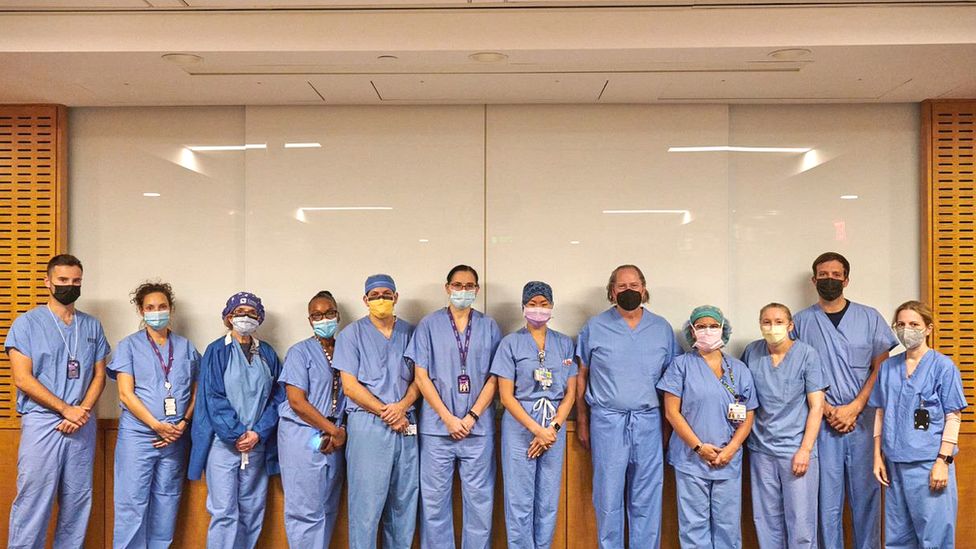
The team behind the surgery
The team behind the surgery   NYU Langone


Labels: , , , ,

Saturday, June 15, 2019

DCD (Donation after Circulatory Death) Heart Transplants 

"The thing that people need to get their heads around is that, in order to do DCD hearts -- heart transplants after the heart has stopped beating -- the heart has to start beating again."
"It can either beat again outside the body, in this perfusion system or it can beat again inside the body."
"And the question is, because it's a more complicated procedure, because there are biological realities and there are ethical issues, the question will be for Canada going forward -- and I don't have the answer for you now -- can we do normothermic regional perfusion in Canada for DCD hearts? And if so, how to do it consistent with existing pratices and the medical, ethical and legal safeguards that should be in place."
"But, I think conceptually, in the world, we're evolving toward a brain-based concept of death. Would it fulfill our criteria for death? I can't answer that yet. There's both research and policy work that needs to be done to answer that question."
Dr. Sam Shemie, critical care doctor, medical adviser, Canadian Blood Services
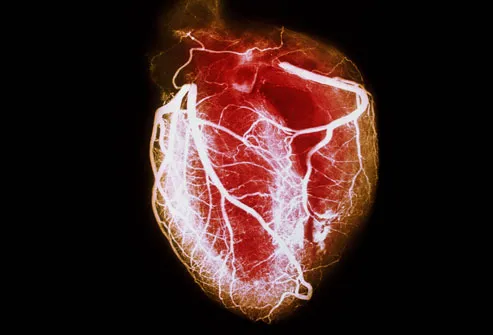
arteriogram showing coronary arteries of healthy h

"We need to be certain that there is no brain perfusion following the resumption of circulation in the donor body. We also need to be certain that we have accepted that resuming circulation in the body does not invalidate the determination of death. And the critical-care community, in the large part, would accept that, I think. But more work is to be done before this can occur in Ontario."
"In culture, in a variety of symbolic ways, the heart means something special. Up until now, we've not been able to recover and transplant the heart in this donation, and many families have expressed disappointment in that."
"We are dealing with a group of people who consent to organ donation that are tremendously courageous and generous. They want to give the most that they can give."
Dr. Robert Truog, bioethicist pediatrician, U.S.

"So, it's probably a storm in a teacup [fears that] folks might wake up, or some such thing."
"And what we've seen is that we can restore that blood supply within four minutes of the patient arriving in the operating room after declaration of death."
Dr. Stephen Large, surgeon, Papworth Hospital, Cambridge, England
heart illustration

Up to the present time, the delicate issue of donor hearts for transplant have been obtained from people whom medical science has declared brain-stem dead, a condition under which they are considered to be both medically and legally dead, even as their hearts remain capable of beating. The problem arises with the shortage of transplant-capable hearts from brain-dead donors. And a new technique has arisen which has become feasible for increasing the number of hearts for transplant at a crucial time of shortage.

A portable device called a "heart-in-a-box" which is a perfusion machine somewhat similar in appearance to a mini-ICU where blood collected from the donor is pumped through an oxygenator and into the heart, has presented as part of another option. It is a technique whereby hearts from organ donors whose hearts have stopped beating, are restarted before transplantaton. Beating and "breathing", the disembodied heart can be viable inside the sterile box for up to 12 hours.

The method is in use in Australia and the U.K. In Britain doctors proceed once life support is withdrawn from a donor following that brief window when the heart no longer beats and doctors, having waited the obligatory five minutes before death is declared -- when no pulse, no heartbeat is detected, nor chance the heart may spontaneously begin beating again -- the body is removed to the operating chamber where surgeons cut into the sternum, clamp the main arteries and connect the body to a machine designed to take over the work of the heart and lungs.

This machine with its specialized engineering has been named ECMO, extracorporeal membrane oxygenation. This stage completed, an incision is made through the abdomen wall, blood is re-circulated to the thorax and abdomen, and the heart is "revived"; the person is dead, but the heart is once again beating. In twenty minutes' time the heart is taken from the machine pumping on its own while within the corpse. The heart is injected with a cooling solution, extracted, and placed within the perfusion device for transport to the hospital where the transplant patient is awaiting a new heart.

The Canadian Blood Services and Trillium Gift of Life Network in Ontario conferred to develop expert guidance in determining conditions where "donations" prepared in such a manner could be done in Canada. Where, once life support is withdrawn, the heart no longer beats, organ procurement commences. DCD donors account for 25 percent of all donations in Canada, resulting in a gratifying increase in donor kidneys, livers and lungs. Now, Canada awaits the addition of hearts to the new process, since one so successful with other organs fails with hearts.

The new process solves the problem of the heart contracting once life support is withdrawn, and starving of oxygen and blood. As the muscle cells begin to die, blood pressure drops leaving the heart to go into cardiac arrest; its response to a period without blood flow and oxygen. A conundrum has developed with respect to the new system called normothermic regional perfusion in that if death is defined as irreversible cessation of circulatory and respiratory function, once circulation is restored, how can the person be considered dead?

In response to which Dr. Truog notes that simply because a heart cannot restart on its own does not denote it cannot be restarted; that people are creating an imagined problem over the determination of permanence. Circulation to the brain, he argues along with other experts, is what most matters. If  you "reanimate" the heart, the query remains, is there a remote opportunity for the brain to be reanimated, even if major vessels are clamped, cut and tied off?

The very question of reanimating dead hearts elicits a squeamish response from many. Some argue that restarting the heart has implications of death never having occurred, or that retrieval of the heart would amount to a violation of the "Dead Donor Rule", holding that organs must not be procured until the individual is dead. Two Harvard doctors argue in the journal Circulation: Heart Failure, that the act of reviving the heart will not alter its biological condition at the moment that death was declared; that it would not "toggle the state of the donor between dead and alive".

Since major blood vessels feeding the brain have been clamped, "the donor can be considered brain-dead before the donor heart is reanimated", they concluded. About 25 percent of adults in Canada die as they wait on, or are removed from the waiting list, once they become too ill for transplant. Leaving about 150 adult heart transplants concluded annually in Canada. "So even if you increase it by ten or twenty percent, that's significant", stated Dr. Shemie.
"Heart transplantation remains the preferred option for improving quality of life and survival for patients suffering from end-stage heart failure. Unfortunately, insufficient supply of cardiac grafts has become an obstacle. Increasing organ availability with donation after circulatory death (DCD) may be a promising option to overcome the organ shortage. Unlike conventional donation after brain death, DCD organs undergo a period of warm, global ischemia between circulatory arrest and graft procurement, which raises concerns for graft quality." "Nonetheless, the potential of DCD heart transplantation is being reconsidered, after reports of more than 70 cases in Australia and the United Kingdom over the past 3 years. Ensuring optimal patient outcomes and generalized adoption of DCD in heart transplantation, however, requires further development of clinical protocols, which in turn require a better understanding of cardiac ischemia-reperfusion injury and the various possibilities to limit its adverse effects. Thus, we aim to provide an overview of the knowledge obtained with preclinical studies in animal models of DCD heart transplantation, to facilitate and promote the most effective and efficient advancement in preclinical research. A literature search of the PubMed database was performed to identify all relevant preclinical studies in DCD heart transplantation. Specific aspects relevant for DCD heart transplantation were analyzed, including animal models, graft procurement and storage conditions, cardioprotective approaches, and graft evaluation strategies. Several potential therapeutic strategies for optimizing graft quality are identified, and recommendations for further preclinical research are provided."
Circulation: Heart Failure

Labels: , , ,

Thursday, June 14, 2018

New Hope Potential Out of Personal Tragedy

"With the opioid crisis and persistent high rates of intravenous drug use, we have a great number of potential lung donors who are hepatitis C-positive, many of whom didn't even know they were sick when they were alive."
"The current protocol is to not use these organs [from deceased hepatitis C donors] but we started to question if that still made sense in an era when direct antiviral agents can cure hepatitis C."
"So I think it's a big gain and patients will get transplanted sooner as well, as more organs become available for transplantation."
Dr. Marcelo Cypel, thoracic surgeon, Toronto General Hospital
Donor lungs from individuals infected with hepatitis C have been successfully transplanted into 10 patients at Toronto General Hospital (TG), University Health Network (UHN)

Harvesting organs from the deceased to enable those with failing organs to receive an award of another chance at prolonging their lives, has a kind of ghoulish atmosphere about it, but the recipients are universally grateful that this opportunity to live longer with the removal of their failing, diseased organs and the replacement of healthy alternatives giving them that proverbial 'new lease' on life. hepatitis C affects an estimated 250,000 Canadians.

Moreover roughly 40 to 70 percent of people living with hepatitis C remain unaware that the blood-borne virus enjoys harbour in their bodies. The disease, when it is identified, has a 98 percent cure rate for those infected, with the use of antiviral drugs. So it makes perfectly good sense to use organs of those who are infected. Those transplant organs solve the problem of failing organs, even given the fact that they carry the blood-borne disease, since post-surgery with a treatment protocol of antiviral drugs hepatitis C is eliminated.

The treatment following organ transplantation serves as an effective preventive of the organ recipient becoming infected with the virus that has the potential to destroy their liver. Surgeons at Toronto General Hospital have committed to performing transplants of lungs from deceased donors with hepatitis C for eleven patients, representing a pilot study, to evaluate the safety of these infected organs transplanted to prolong life.

The very idea of using hepatitis C-infected organs for transplantation was unthinkable previously, before the introduction of antiviral drugs with the capacity to cure the disease. Now that drug overdoses with the advent of opioid substitutes like fentanyl and carfentanil has caused an explosion of inadvertent deaths, some good is seen to come from a dismal situation of expanding numbers of drug-user deaths.
Dr. Marcelo Cypel estimates there could be 1,000 more lungs available for transplant every year in North America by using hepatitis C positive organs (Photo: UHN)

Researchers from the hospital located in Toronto initiated their study last fall; their goal, to enrol twenty patients whose desperate need of a lung transplant would drive them to agree to what might seem risky to some; receiving an organ known to be hepatitis-C-positive. The compelling argument -- that a device known as the ex-vivo lung perfusion (EVLP system) developed as it happened, at that same hospital in 2008, will ensure that the blood-borne virus would be cured -- is persuasive.

A special solution baths the donor lungs for a six-hour period after which doctors evaluate their condition and asses suitability for transplant purposes. The perfusion technique has the effect of removing about 85 percent of residual blood in the lungs. Once the transplant has taken place, a follow-up within two to four weeks tests recipients for the presence of hepatitis C, and a 12-week therapeutic course of antiviral drugs takes place in prevention of liver infection.
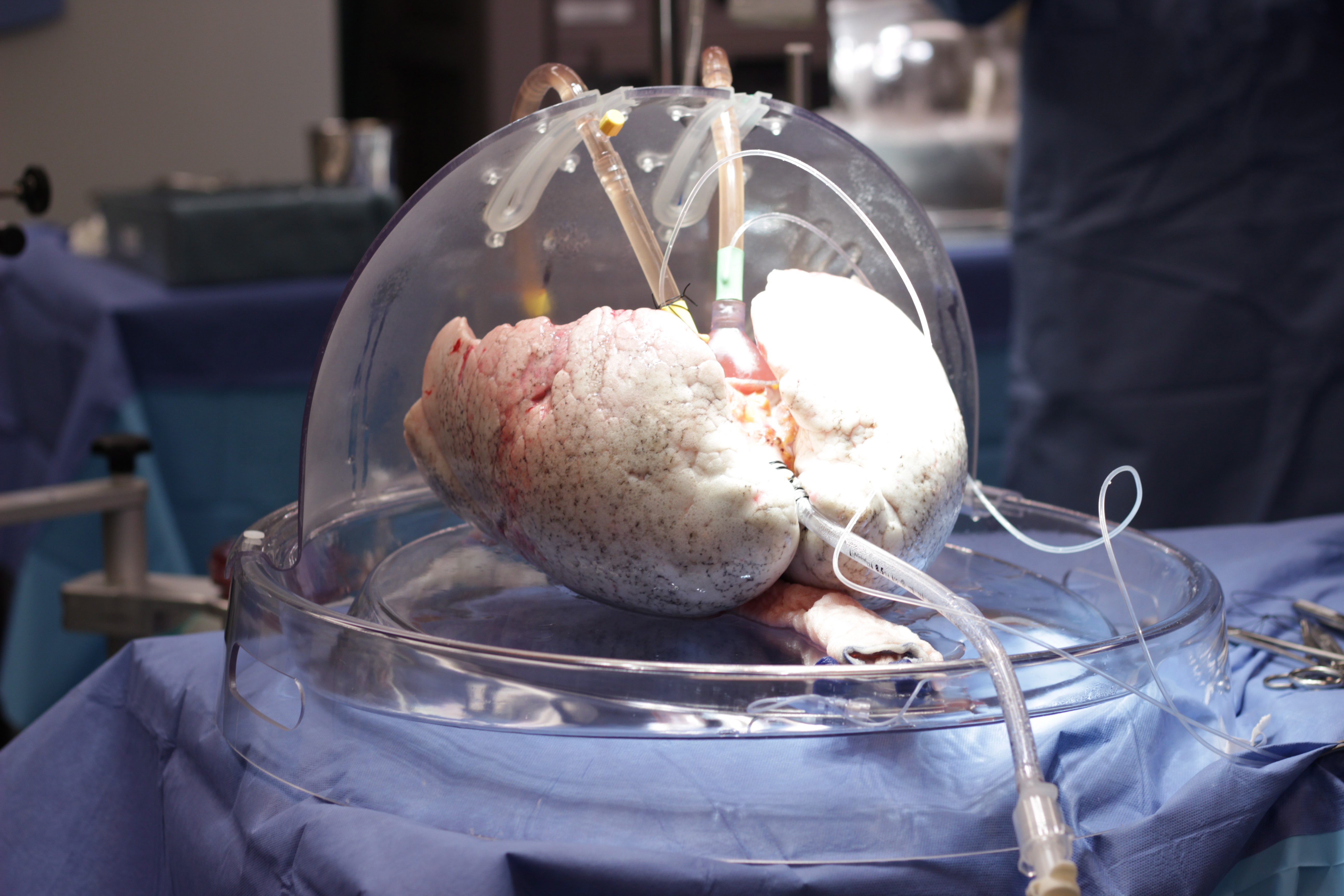
Developed at UHN, the Toronto Ex Vivo Lung Perfusion System (EVLP) perfuses organs outside of the body. (Photo: UHN)

Should the virus take up residence in the liver, it can often take decades before it manifests itself through inflammation the virus causes which can then lead to severe cirrhosis or liver cancer. Eight transplant patients have thus far completed treatment for hepatitis C, and given a virus-free diagnosis. Two of the patients remain on the drugs, while one awaits the medication protocol to begin, post-surgery.

As far as Dr. Cypel is concerned, this new protocol will result in "a huge boost in organ donations", with a potential for adding approximately one thousand more donors annually in North America, which sees about two thousand lung transplants performed each year. There were over 240 patients awaiting lung transplant in 2015 in Canada; one in five died while on the waiting list, as a result of insufficient organs available for transplant.
"Obviously, when you first think about infecting someone, it raises some concerns."
"But we also recognized that these people are on a transplant list waiting for a life-saving organ, and without a transplant or even a delay in their transplant, it can sometimes be too long a wait and there can be grave consequence if they have to turn down these organs."
"I hope that if we can show that this is a very safe and effective strategy, which I think our results already show, then I think this can be expanded to other organs. So we could likely expand this from lungs to kidneys and heart, as well as pancreas and small bowel transplants."
"And it’s important because sometimes one single donor can be a donor of multiple different organs."
Dr. Jordan Feld, TGH liver specialist, study co-author
Lungs are seen in a device known as an ex-vivo lung perfusion or EVLP in this undated handout photo. Toronto doctors have successfully transplanted lungs from deceased donors with hepatitis C into patients in need of the life-saving organs, followed by treatment to prevent them from becoming infected with the potentially liver-destroying virus. THE CANADIAN PRESS/HO/ University Health Network

Labels: , , ,

Thursday, December 21, 2017

Choices in Life and Death : Organ Transplants

"Amnesty International, in an open letter to Health Minister Dr. Eric Hoskins and Trillium Gift of Life president and CEO Ronnie Gavsie, asserted that 'To deny individuals access to necessary and life-saving medical treatment purely on the grounds of their prior or current health status -- including conditions resulting from the use of alcohol -- is discriminatory."
"There are many factors that go into the decision as to who gets on the waiting list, and who indeed receives an available organ. No one, not the governor general, the prime minister or provincial premiers, for example, can jump ahead."
"Ethnicity, gender and race are never, I repeat, never, a factor. Amnesty International's allegation of discrimination is preposterous, unfounded, unfair and irresponsible."
"When it comes to organ allocation, the criteria are clear, and up to this point in time, universally accepted. There is no moral judgment at work in this process. The greater chance for recovery is a definite factor in the deciding process."
Rabbi Dr. Reuven P. Bulka, C.M., chair, board of directors, Trillium Gift of Life Network, Ontario

"I'm really feeling for the families who have lost loved ones due to these policies, due to small technicalities and things that could have saved so many lives."
"I'm not completely out of the woods after this [her gradual recovery through therapy other than a liver transplant]. The staff here [University Health Network, Toronto] have been amazing. Same as Ottawa General [hospital]."
"The uncertainty of whether or not I need a liver or if I would get a liver — that scares me. I'm not ready to die."
"It's unfortunate there are policies that could have found me in a different fate. My next step is to see [a hepatologist] and see what damage has been done for the long term."
Delilah Saunders, 26, Inuk woman from Ottawa
Delilah Saunders in her Toronto hospital room on Tuesday. The 26-year-old activist was told two weeks ago she needs a new liver, but is ineligible for a transplant because of her recent drinking.
Delilah Saunders in her Toronto hospital room on Tuesday. The 26-year-old activist was told two weeks ago she needs a new liver, but is ineligible for a transplant because of her recent drinking. (CBC )
Delilah Saunders, a young activist in the cause of Canada's missing and murdered Aboriginal women has made the news lately for reasons other than her activism. Initially her family said that the young woman had been taking so much acetaminophen for pain caused by an impacted molar that the drug had served to impair her liver to the point where it had completely malfunctioned. It would appear, in fact, that Ms. Saunders' failed liver function resulted from alcohol abuse. Alcohol consumption in excess is known to cause liver failure.

Aboriginals are known to be susceptible to alcoholism, it has always been a problem and continues to be a problem, a reality that cannot have been unknown to Ms. Saunders and her family. Alcohol consumption is a considered and deliberate choice; no one is forced to drink liquor. That choice led to the situation in which Ms. Saunders found herself recently; the reality that transplant material is in short supply necessitating that what is available is carefully husbanded. The point being transplant organs ideally should be used when those receiving them have a commitment to their own care.

That being the case, when someone has a history of alcoholism and then suffers the consequences in liver failure, they will not -- and this is indeed a universal concept -- be placed on a list of recipients awaiting transplantation until such time as they can demonstrate that they have refrained from drinking for six months previous to their application. Organ donations are in short supply, so much so that in Ontario in 2015, 127 people on a waiting list died while awaiting a transplant. That being the case what kind of common good sense would it be to transplant someone who is an alcoholic?

According to Dr. Nazia Selzner, a transplant liver specialist in the multi-organ transplant program at the University Health Network in Toronto, a wide variation in the rate of relapse to alcoholism after transplant is a reality. Studies, according to Dr. Selzner, vary between ten percent of patients relapsing, up to "as high as 90 percent".

A long-term study that saw publication in the American Journal of Transplantation in 2010 found that roughly 40 percent of the 208 patients with alcohol-related liver disease whose cases were studied over a number of years, had relapsed into heavy drinking. This is the issue, and it is one of careful use of a rare resource for the best possible outcome to society when people in need of a transplant can wait for years until that opportunity arises.
A liver transplant is done to treat liver failure, which can have many causes, including chronic hepatitis B or C, fatty liver disease, alcoholism, and autoimmune liver disease. A donated liver can come from a living donor, who gets part of his or her liver removed, or a deceased donor.
Typical costs:
  • For patients covered by health insurance, out-of-pocket costs for a liver transplant typically consist of doctor visit, lab and prescription drug copays as well as coinsurance of 10%-50% for surgery and other procedures, which can easily reach the yearly out-of-pocket maximum. Health insurance will typically cover a liver transplant.
  • For patients not covered by health insurance, a liver transplant typically costs up to $575,000 or more for the procedure, including follow-up care and medications for the first six months after the procedure.
  • According to Vimo.com, a health care cost comparison website, the average list price for a liver transplant is about $330,000, while the average negotiated price, through an insurance company, is $100,400    U.S. Figures
The over-heated charge by Alex Neve of the Canadian branch of Amnesty International along with Aboriginal groups that Indigenous people are deliberately excluded and victimized is slanderous and just plain wrong. These two groups have gone public in hysterical accusations in an effort to incite public indignation over yet another perceived wrong done to Canada's Aboriginal population. The argument that the existing policy is discriminatory, harming the poor, the marginalized and Indigenous is a charge void of accuracy.

Ontario's donor agency is contemplating a pilot project to waive the six-month sobriety requirement for heavy drinkers requiring liver transplants. "Our goal is to start it as early as possible, which means accelerate the planning of the pilot and the resources required to support it", explained Ronnie Gavsie, chief executive of the Ontario's organ donation agency, Trillium. "The way we're going to win here is if all of us, every one of us who is 16 years of age or older, register consent at beadonor.ca."

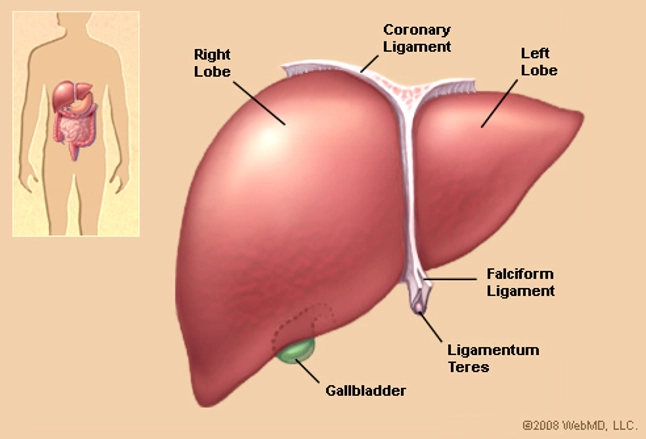
Human Anatomy: Antererior View of the Liver

Labels: , , , ,

Tuesday, September 19, 2017

Life, Liberty and Security of the Person

"[The goal is to] determine if there is an evidence-based basis to change the criteria."
"In the interim, it is important for all Ontarians to know that the listing criteria for liver transplants remain unchanged."
Jennifer Long, Trillium Gift of Life Network

"It was devastating for me to lose my husband. Once I realized what happened to him, I felt it was time to create some change in the system."
“They are heartbreaking [emails she has received from families awaiting organ transplants]. There was a mom who made it to five months and three weeks in April, and because of that last week that she had to wait, she died."
"I'm very proud that up to 97 or 98 people will get the opportunity to have a new life. And I'm very hopeful the practice will continue."
Debra Selkirk, whose husband Mark died in 2010 after being refused a liver transplant
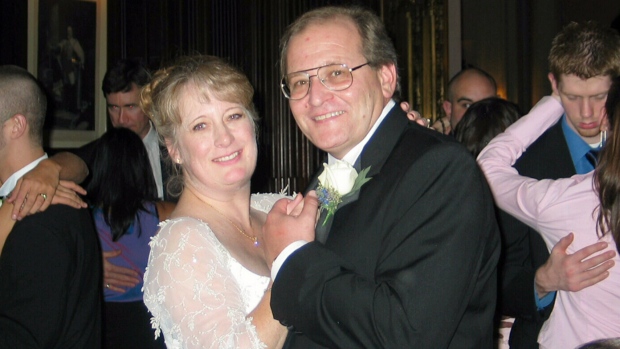
Mark and Debra Selkirk
Debra Selkirk believes that her husband Mark could be alive today, if he’d had a liver transplant in 2010  CTV News

Debra Selkirk was devastated, but also determined after the death of her husband who was denied a liver transplant as an alcoholic under the rules demanding that to qualify for a transplant a patient had to be verifiably free of alcohol consumption for six months prior to surgery. Ms. Selkirk's husband Mark, who struggled with alcoholism didn't have six months to spare before emergency surgery, and so he died two weeks after he was diagnosed with advanced alcoholic hepatitis.

Mark's wife Debra was identified as a match as a potential liver donor - for part of her liver to be given to her husband to save his life. Other members of their family were also prepared to surrender part of their livers so that Mark could be saved. They were assured by doctors that a transplant could restore his lifeline. Toronto's University Health Network declined to operate on Mark nonetheless; he was still required to be dry for a six-month period before they would agree to surgery.

Statistics Canada estimates that over 1,500 people die on an annual basis as a result of alcoholic liver disease. Canada is certainly not alone in requiring that people whose liver disease developed as a consequence of alcohol intake be required to prove sobriety resulting from spurning alcohol for a six-month period on the obvious premise that their addiction was the cause of their disease. Society in general in most countries accept that people are themselves responsible for the choices they make in life and any consequences that arise from free choice.

The agency that is responsible for the Province of Ontario's transplant system, the Trillium Foundation, uses the six-month abstinence rule as a worldwide requirement settled upon for a number of reasons, one of which is that a period of abstinence might for some people, obviate the need for a transplant, and of course the scarcity of organs for transplantation might be seen as a reason to deny an alcoholic an organ when there are such long wait lists for people desperate to receive one. As a matter of popular judgement, people might be less inclined to underwrite organ donation, in addition.

Some hospitals in the United States and Europe have operated projects to alter eligibility on a trial basis for people diagnosed with alcoholic liver disease, minus the provision for sobriety for a previous six-month period. Now, resulting from Debra Selkirk's unswerving determination to alter the situation to give alcoholics suffering from liver failure the same transplant opportunities as others, the Trillium Gift of Life has agreed to a pilot project to make such patients eligible for transplant.

Over a three year period, the provincial agency anticipates that close to one hundred patients with alcohol-related liver disease will be provided with organ transplants. Recent evidence has helped to persuade the authorities that patients with alcoholic liver-disease even without the half-year of sobriety rule, tend to share a positive outcome after surgery, just as others do. At the same time the pressure of organ scarcity for transplants will suffer increased wait times with the inclusion of these patients is recognized.

In a persuasive affidavit, a series of studies concluding that alcoholic-liver disease patients recover well with their transplant organs, rarely turning back to heavy drinking, Dr. John Fung, chief of transplant surgery at the University of Chicago, also as a member of the U.S. government's advisory panel on transplantation, succeeded in encouraging second thoughts on the standard six-month wait for alcoholics suffering alcohol-related liver damage.

Four thousand liver transplants were studied and the resulting conclusion was that as many or more alcoholic-liver patients survived five years post-surgery with an organ transplant, as others who weren't tainted by alcoholism prior to surgery. So while Trillium is not prepared to abolish the six-month rule entirely yet, it does agree that recent evidence is suggestive of alcohol liver-disease patients faring well, half-year sobriety aside.

"Debra is one of the most amazing and dogged people I have ever encountered. She has managed to move the needle on this issue. It just needs to be moved further", stated the lawyer who represented Ms. Selkirk's 2015 constitutional challenge that argued the six-month sobriety policy stood in violation of Canada's constitutional rights to equal treatment, to life, liberty and security of the person.

Labels: , , , ,

Tuesday, March 21, 2017

MAID: Medical Assistance in Dying and Organ Harvesting

"If we accept people can make decisions to end life, and we accept the idea of cardiac death being sufficient for organ donation, t his should be acceptable."
"The concern that comes up is, could the decision for one drive the decision for the other?"
"There's a lot riding on this. If somebody has organs that would be appropriate to donate, you'll never get better organs than you would by this process [harvest post-] MAID."
Dr. James Downar, co-chair, Canadian Blood Services committee organ donation guidelines

"This [feeling compelled to pursue decision] is a theoretical possibility. Imagine a situation where the workup is done -- people have gone out and done the medical tests and found the recipients and set everything up. And then you change your mind."
"One wonders if perhaps that might create pressure to continue with the MAID. It would be very important in these scenarios to make it very clear to people that they can change their mind at any time -- that someone shouldn't stick with MAID just because they feel an obligation, having set the process in motion."
"I'm torn between a sense of, is it any harm to let people know [the donor died by assisted death]? After all, if it really bothers them, there will be someone else who will benefit greatly from this donation. They will just bypass the person who objects and go to the next."
Jennifer Chandler, professor, centre for health law, policy and ethics, University of Ottawa

"I think it's really important we keep the public's trust, in all of this."
"We have to be transparent. And it has to be clear that the two must be kept separate, that there is no pressure to go for MAID to procure organs [for transplantation]."
"[The terminally ill] may feel they would better serve society by dying and saving other people's lives." 
Dr. Marie-Chantal Fortin, transplant nephrologist, Centre hospitalier de l'Universite de Montreal
Medical team performing surgery on patient who had undergone medically assisted suicide. Getty Images
The conventional major source of transplant organs has been people who have been declared "brain dead", where patients are removed from ventilators and similar life support mechanisms meant to keep hearts and lungs functioning. Live-donor donations have more recently become another means to produce organs for transplant, when people decide to voluntarily donate pieces of their liver or a lung out of a sense of public duty and charity sometimes related to a specific patient, sometimes altruistically.

The Canadian medical community has recently adopted a practise of urging organ donation after cardiac death involving people on life support for whom the chance of recovery is medically dim. When life support is withdrawn and the heart stops beating, a five- to 10-minute "no touch" period ensues, after which the organ/s can be harvested. Because death takes its time; up to two to three hours; vital organs such as the heart and lungs begin deteriorating, resulting from lack of blood flow and oxygen.

When assisted dying is involved, organs have the potential of being retrieved swiftly once the heart stops within two to three minutes of the injection. What troubles ethicists, however, is the coupling of assisted death and organ donations. What is also to be considered is whether those organ recipients whose moral or religious objections to euthanasia entitles them to be informed that the organ offer has come from someone who chose an medically assisted death. In most instances cause of death is not routinely revealed, such as in the case of suicide, barring a valid medical reason for disclosure.

Even so, the pool of organs to be transplanted from those undergoing medically assisted dying is not a large one, given that most patients requesting assisted dying are suffering from advanced stages of cancer, making their organs transplant-unsuitable. Those, however, suffering from neurological disorders such as multiple sclerosis, have organs that are good candidates for transplant. Over 4,500 people were awaiting an organ donation in Canada in 2014, and from among them 278 died, while waiting for a transplant that never materialized.

So far, in Ontario, 26 people who chose to die by lethal injection have been donors of tissue or organs since decriminalization was passed last June. Since that time, 338 people have died through medical assistance altogether, in the province. Tissue donations represent eyes, skin, heart valves, bones and tendons. Experts feel that those who qualify for aid in dying could gain a sense of psychological comfort in the knowledge they have, through donating their organs, saved someone else's life.

And that comes up hard against those concerned that organ donation decisions might place pressure on those who qualify for assisted death. The issue appears to be, should someone agree to donate their organs, would they feel compelled by those circumstances involving the health and life of other people, to continue the procedure of assisted dying even though they may have decided they would prefer not to proceed?

Two countries that have long since legalized medically assisted death requests -- Belgium and the Netherlands -- appear to have solved the dilemma of their own concerns relating to the issue, and have long harvested organs after euthanasia. Infamously, China operates a thriving organ transplant/tourism 'business' in organs harvested from prisoners who have somehow died while incarcerated. The country stands accused of harvesting organs from still-living prisoners, as well.
“MAID (medical aid in dying) has the potential to provide additional organs available for transplantation. Accepting to procure organ donation after MAID is a way to respect the autonomy of patients, for whom organ donation is an important value. Organ donation after MAID would be ethically acceptable if the patient who has offered to donate is competent and not under any external pressure to choose MAID or organ donation”. Julie Allard and Marie-Chantal Fortin, bioethicists at the University of Montreal

Labels: , , , , ,

Friday, January 27, 2017

Fears of Creating a Monster Animal Cross-over

"The first concern is public perception: does it violate some notion of boundaries, or the natural order of things."
"You're going to have to watch carefully what is happening during the course of development, and be ready to shut down something that looks like it's an unintentional outcome."
"Can you control where these cells go. There's less worry about growing an islet cell to help somebody with diabetes than there is finding out human cells migrated into the animal's brain and grew some structures there."
"It doesn't mean that the animal is all of a sudden going to wake up and sign up to take a bioethics course. It just means there are some human cells in there."
"But still, that bothers us more because that's where we think the mental states that identify our identity are."
"Most people don't say, well, the way I know who I am is by thinking about the cells that are in my pancreas or spleen or something. But we do when it comes to the brain."
"Forget about [the Salk researchers'] work. What if somebody said, 'I think it would be interesting or fun to see what would happen if I did try to make a pig with some element of a human brain'?"
Arthur Caplan, bioethicist, Langone Medical Center, New York University

 "...And in some of them [hybrid human-pig embryos], we observed human cells were there. They turned into the progenitors for many different tissues and organs."
"And these organs will probably function better than the organs we've already had for 30 or 40 years. We might have the ability [through harvesting chimera organs] to rejuvenate our physiology."
Jun Wu, Salk Institute scientist

"This [research succeeding in creating human-pig chimera embryos] required a tour de force. But in the end we were able to answer a key question -- can human cells grow in an animal."
"The ultimate goal is to grow functional and transplantable tissue or organs, but we are far away from that. This is an important first step." 
"It's like when you try to duplicate a key. The duplicate looks almost identical, but when you get home, it doesn't open the door. There is something we are not doing right."
"We thought growing human cells in an animal would be much more fruitful. We still have many things to learn about the early development of cells."
Juan Carlos Izpisua Belmonte, lead investigator, Salk Institute for Biological Studies, La Jolla, California
This photograph shows injection of human iPS cells into a pig blastocyst. A laser beam (green circle with a red cross inside) was used to perforate an opening to the outer membrane (Zona Pellucida) of the pig blastocyst to allow easy access of an injection needle delivering human iPS cells. Credit: Courtesy of Juan Carlos Izpisua Belmonte


But part of that goal has been achieved, according to research resulting in the successful pilot creation of a human-pig hybrid and described in a publication appearing in the scientific journal Cell, this week. Although lead researcher in this project, Juan Carlos Izpisua Belmonte modestly cautioned that there is much left to learn on how to proceed from this point, the first hurdle has been set aside. Scientists have been attempting for quite awhile to grow inter-species embryos; this is the first to date to succeed.

And the first successful 'chimera', an animal created with parts of different animals which owes its legendary presence to ancient folklore, has been developed. The goal in this development is to eventually solve the intractable problem of procuring enough body parts to be used for transplants when original body parts have failed due to disease or other functionality compromising factors. Ultimately perhaps even replacing worn out viscera in an aging human body to gain additional years of life for the recipient.
A 4-week-old pig embryo that was injected with human stem cells. The experiment was a very early step toward the possibility of growing human organs inside animals for transplantation. Salk Institute via AP

Up to now the creation of animals in their various forms has been a monopoly practised by the ultimate creatrix, Nature. It can perhaps be viewed as the last word in hubris for humans to devise biological methods by which nature can not only be emulated but manipulated in ways never meant to occur by natural means. And this dabbling about in nature's preserve raises concerns of bioethicists: "But of course the more we humanize an animal, the more we raise questions about animal ethics", pointed out Timothy Caulfield, Canada Research Chair in health law and policy.

The article published in Cell described how researchers at the Salk Institute for Biological Studies injected human stem cells into pig embryos in an experiment they hoped would result in the stem cells which have the capacity to become any other type of cell the body harbours, to mature to the point where they could eventually be harvested, and used to regenerate damaged or diseased tissue in a human subject on transplantation.

But this research is still at its dawn stage and many technical elements of the strategy are yet to be explored and refined. The researchers aspire to be able to inject human stem cells into a fertilized pig egg so that a given organ can be developed for transplantation into a waiting human whose organ has failed and requires a replacement. After the fetus is born, the animal is to be raised until the organ reaches optimum size for harvesting and transplantation.

The researchers envision pig farms reflecting a "clinical grade" of environment, to incubate the human organs. Dr. Wu points out the obvious, that any organ generated in a pig will be a 'young' organ, one that will function as a young organ, in contrast to one that has been in use in a human body for many years and whose life expectancy for usefulness has become compromised by age. Another plus would be that the body's immune response would not be called into rejection action since the organ would have been grown from the individual's own cells.

Ethicists, in a paper published in Stem Cell Research & Therapy, last year warned that a worrying worst-case scenario "would be that a pig producing human sperm could incidentally mate with a sow or vice versa". The very thought of a "humanized pig brain", sends shudders down the spines of ethicists. Though the concern of a man-pig child emerging is beyond remote, considering the "interspecies reproductive barrier is strong", concerns yet remain.

Labels: , , ,

Tuesday, January 10, 2017

Another Medical Conundrum

"The degree of variability did surprise me."
"Distance to transplant centre didn't have an impact."
"If we can find out why these disparities exist, then we can help make the kidney transplant system more equitable for all patients."
Dr. Greg Knoll, senior scientist, head, division of nephrology, The Ottawa Hospital

A patient undergoing kidney dialysis

In the Province of Ontario, eleven thousand people with kidney failure are on chronic dialysis; much of their life is taken up with having to be hooked up to a dialysis machine to cleanse their blood of waste products and filter out excess water. A normal, uncompromised kidney filters 1,500 liters of blood daily. Waste products must be removed from blood, otherwise waste products built up in kidneys that produce a buildup of blood waste, results in a condition that can lead eventually to coma and finally, death.

People with diabetes are particularly sensitive to kidney failure. As they are to heart, and to neurological problems, along with eyesight deterioration. With an increasingly overweight and obese population the incidence of diabetes, heart problems, and kidney failure steadily grows.  Over one thousand people in the province are currently on waiting lists hoping for a kidney transplant, some of whom have been waiting for up to seven years.

Jim Ward with Dr. Greg Knoll.
Dr. Greg Knoll . CTV News

There is a five percent mortality rate annually, among people on kidney waiting lists. A record six hundred kidney transplants from deceased donors took place last year in the province. Increasingly live donor transplants are taking place, with the medical community hoping that a continued increase in living kidney donations should serve to relax waiting times and help in the improved equality of access.

Kidney transplant rates are known to vary among the provinces in Canada, a condition verified by research findings. A new, first-time study in the province has now pointed out that variability in access and transplants occur within the provinces themselves. Research led by Dr. Knoll, chair in clinical transplantation at the University of Ottawa, discovered that rates of transplant ranged from a low of 7.4 percent of patients in one regional kidney care program, to the opposite, a high of 31.4 percent in another.

The study, published in the American Journal of Transplantation, was based on data collected between the years 2003 to 2013. While the research took pains not to reveal which regions of the province have the lowest or the highest rates of transplant, there are some health authorities who are pushing for that data to be made public. The medical director of Ontario Rental Network, Dr. Peter Blake, characterized the research conclusions as a "call to arms", increasing the urgency of access equally province-wide.

Since 2013, it is likely that the regional disparity has been reduced somewhat, due to changes that were undertaken, including the manner in which patients are evaluated and referred for kidney transplant, and sharing some deceased donor kidneys across the province instead of retaining them locally for transplantation, in an effort to fill the gaps. That, and the fact that deceased donors are on the increase alongside persuasive efforts to inspire living donors.

A kidney dialysis machine
A dialysis machine

There are 27 regional renal programs in Ontario. Researchers studied transplant rates for patients within those programs. One conclusion reached was that ready access to a transplant centre did not necessarily present as a major factor in the number of kidney patients receiving transplants in specific regions. Adult kidney transplant centres exist in Ottawa, Kingston, London, Hamilton, and two located in Toronto.

Among patients most eligible for transplants those between 18 and 50 years of age who had no history of cancer, diabetes or heart disease, reflected similar results of variability. The transplant rate for those patients went from 32.5 percent to 82.7 percent across the province. Followed for as long as 11 years, the study tracked over 23,000 chronic dialysis patients of whom 46.1 percent died, while 11.8 percent received a transplant.

Kidney transplants increase survival, improve quality of life and result in lower health care costs, compared to regular dialysis treatments, however the demand for deceased donor kidneys outstrips their available numbers. The analysis pointed out that 15 of the 27 regional kidney-care programs performed kidney transplants at the average Ontario rate, while six programs reflected rates higher, and six produced lower than expected rates.

A study in the United States discovered similar wide variations in transplant rates occurring there, despite that the American and Canadian health care systems are very dissimilar. In the United Kingdom, which also has a universal health care system, similar variability to the Canadian study resulted as well; again potentially different referral rates across regions, amount of education received by potential recipients rated among the reasons for variation.

Access to kidney transplants varies across Ontario

Labels: , , ,

 
()() Follow @rheytah Tweet