Ruminations

Blog dedicated primarily to randomly selected news items; comments reflecting personal perceptions

Monday, August 04, 2025

Stalling the Aging Process and Dementia Onset

"We say what's good for the heart is good for the brain, so a nice balanced ... nutritious diet with ... those leafy greens, low in saturated fats, all of those things."
"I think that's really the next stage of the research is, how do we make this scalable in communities so that people can implement these things into their daily lives?"
"If [you're] frustrated by it, [you're] just going to give  up. But do something that you enjoy. Better yet, do it with somebody else or others around you because socialization is key, and lastly, something that you can adhere to, if you can schedule it. It's something that you can stay committed to." 
"[They/doctors] should be treating lifestyle intervention as they would a drug. That would mean prescribing improved exercise and eating regimens and getting insurers to cover those prescriptions."
Jessica Langbaum, senior director of research strategy, Banner Alzheimer' Institute, Phoenix, Arizona 

https://smartcdn.gprod.postmedia.digital/nationalpost/wp-content/uploads/2025/07/gettyimages-944106416_291090085.jpg?quality=90&strip=all&w=564&h=423&type=webp&sig=GLnaNtzdXG5UGqvdhA1z5g
Illustration of dementia as memory loss due to brain degeneration and decline. Photo by wildpixel /Getty Images
 
 According to the Alzheimer's Society of Canada, by 2050, over 1.7 million Canadians are potentially likely, analyzing statistics, to be living with dementia, representing an increase of 187 percent, in comparison to 2020 when 597,000 people were documented to be living with the disease that slowly strips the brain of its mental resources, in the presence of the brain disease that commonly is the cause of dementia.
 
According to researchers, certain lifestyle changes can help to delay and even stop that mental decline. Alzheimer's researchers -- in referring to a new US. study that  focuses on what researchers into Alzheimer's now call the strongest evidence yet respecting what is involved in slowing the aging process and improving cognition -- linked that delay leading to dementia, to lifestyle changes. 
 
Three key factors have been illuminated; a diet heavy on leafy greens, berries and grains; regular moderate exercise; and ongoing social interaction. Another factor is regularly timely cardiovascular monitoring. Not directly involved in the study, Jessica Langbaum nonetheless presented the findings at an annual conference of experts who convened on Wednesday in Toronto.
 
https://www.nia.nih.gov/sites/default/files/styles/inline_right/public/2024-06/iStock-1470663791-inline.jpg?itok=-yD9-BEr
As the largest international meeting dedicated to advancing dementia science and clinical practice,the Alzheimer's Association International Conference (AAIC) attracted 8,000 scientists and clinicians from all over the world, with the collective goal of improving diagnosis, risk reduction and treatment. Diet, exercise and socialization were pulled together in one substantial, structured study of 2,300 people in their '60s and '70s at risk of developing dementia. 
 
The study showed that bad habits "can really slow down memory and thinking" in adults at risk for cognitive impairment and dementia. The participants in the study changed their habits, from a sedentary lifestyle to an active one, improving their diet over a two-year period which resulted in cognitive function scores on par with people one or two years younger.
 
According to Ms. Langbaum, the results are significant evidence that change can occur without medication. "And so, it's showing that we can change the trajectory of aging", she said. Of the two groups involved in the study, in one, lifestyle changes were structurally presented. In the other, changes were self-directed. The results for the prescribed group were better, but both groups were shown to result in improvement. The largest challenge was sustaining a new exercise regimen for the study participants. 
https://www.nia.nih.gov/sites/default/files/styles/inline_right/public/2024-06/cognitive-heatlh.jpg?itok=ZLt4bEHT
 
Close to US$50 million was spent on the study by the American Alzheimer's Association. Even more was spent by the National Institutes of Health, to ensure that many of the participants underwent brain scans, blood tests and sleep studies aimed at providing additional information down the road.                                                                                              To begin implementing the lessons of the study, the American Alzheimer's Association plans to spend another US$40 million.                                                       


Labels: , , , ,

Friday, March 29, 2024

Ambient Air Pollution and Alzheimer's

"This suggests that environmental factors like air pollution could be a contributing factor to Alzheimer's disease, especially in patients in which the disease cannot be explained by genetics."
"Donors who lived in areas with particularly high levels of traffic-related air pollution showed more plaques related to Alzheimer's disease at death than donors who lived in areas with lower air pollution concentrations." 
"In our study we used air pollution models, which can give us an estimate of the residential traffic-related air pollution concentration with a very fine resolution up to 200 to 250 meters. Of course you would see the highest levels of these pollutants around major highways, so people who lived very close to major highways had the highest exposure to traffic-related pollutants."
Anke Huels, assistant professor, Emory University, School of Public Health 
https://sph.emory.edu/news/_includes/images/sections/news-releases/2024/features/traffic-feature-alzheimers.jpg
Rollins School of Public Health, Emory University

 Recently published in the journal Neurology, a new study on the association between ambient air pollution concentrations and signs of Alzheimer's disease in the brain, led to the conclusion that people exposed to higher concentrations of fine particulate matter [air pollution; PM2.5] a year before death were likelier to have higher levels of plaques [abnormally high clusters of protein fragments accumulated between nerve cells, a sign of Alzheimer's present in brain tissue].
 
It has long been accepted by experts in the field that PM2.5 concentrations are capable of triggering short-term respiratory problems. The particulate matter is minuscule -- measuring 2.5 microns and even less in diameter, enabling them to enter the bloodstream following inhalation. Breathing smoke also can irritate sinuses, throat and eyes, according to the Centers for Disease Control and Prevention.
Severe exposure can also link to heart attacks, stroke, lung cancer and cognitive function damage.

A strong association was also found between the pollution and dementia in people not genetically predisposed to Alzheimer's. The study found an association between exposure to specific kinds of pollution and signs of the disease, but it does not provide evidence that Alzheimer's disease is caused by air pollution. Tissue from 224 donors in the Atlanta metropolitan area who had donated their brains to research formed the base of the study.

What the study results did clarify for the researchers was that exposure to high levels of pollution increases the risk of Alzheimer's. Over half of the donors were seen to have the APOE gene, a strong genetic risk factor for Alzheimer's disease. Researchers, however, found a stronger association between traffic-related air pollution and signs of Alzheimer's disease in donors not already genetically predisposed.

https://www.tampabay.com/resizer/v2/the-atlanta-skyline-is-seen-a-new-study-V2RY533NR5BWLOFATBW4MCNDYU.jpg?auth=cec432a709a118b38fde2ca484b9d29b351527b097c8991ecfa8bef270a2001b&height=506&width=900&smart=true
The Atlanta skyline. A new study from Emory University researchers using tissue donated by metro Atlanta residents found association between traffic-related air pollution and Alzheimer’s disease in humans. The study does not prove air pollution causes Alzheimer’s, but it found an association between exposure to air pollution caused by traffic and signs of Alzheimer’s in brain tissue. [ JOHN SPINK | TNS ]
"We often think about air pollution in the lungs, but it's critical that we put the brain at the forefront of the conversation of the ways that air pollution impacts our health."
Gaurab Basu, director of Education and policy, Harvard centre for climate, health and the environment


Labels: , ,

Friday, December 02, 2022

Hoping to Alleviate the Progression of Alzheimer's

"[The effect of the drug was] a modest one but I think it's clinically meaningful [since even a few months of delay in progression could give someone a little more time when they're functioning independently]."
Dr. Ron Petersen, Alzheimer's expert, Mayo Clinic
 
"When we met with patient advocacy groups, most of the time the first thing I said to them was, ‘Sorry'."
"They wanted to know why it was taking so long, and were we not trying hard enough, or were we not intelligent enough?"
"We disappointed a lot of families."
Ivan Cheung, chairman and CEO, Eisai Inc.
 
"If time is brain, and other [therapies] are taking eight to nine months to reach the optimal dose, patients are losing brain during that process."
"With lecanemab, patients are starting from day one at the optimal therapeutic dose, and that is time-saving and brain-saving.”
Dr. Sharon Cohen, medical director of the Toronto Memory Program
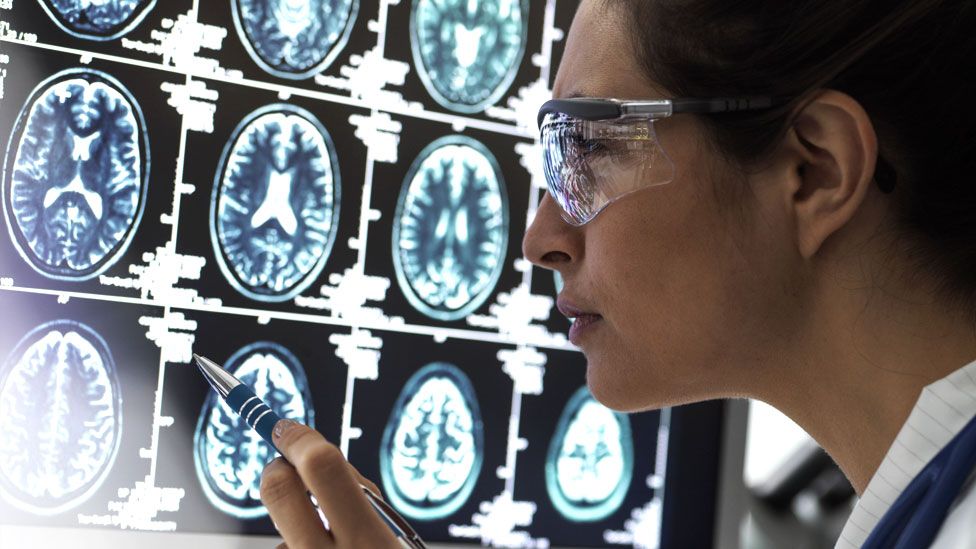
Doctor looks at brain scans
 
"Not all anti-amyloid drugs are the same. We are still learning what it means to mitigate amyloid dysregulation in terms of longer term benefit. But we now have an array of results with some encouraging signals that look like some of these drugs bully the disease process, and that is associated with some measurable clinical benefit for people with mild symptoms."
"With my patients, I start with the analogy of a life raft that has a leak. Any medication will be a patch that slows down the leak, but doesn’t prevent it altogether."
"For some of my patients, it’s helpful to think of drugs like these as a disease-slower-downer."
Dr. Pierre Tariot, director, Banner Alzheimer’s Institute.
Scientists seem to be divided over whether a new drug to treat Alzheimer's is a breakthrough, or just another disappointment with little practical effect beyond giving the Alzheimer's sufferer a few extra weeks of something approaching normalcy -- at the very least functioning capability -- before the brain-destroying disease continues its ravaging effect leading to death. A new experimental drug slows the inevitable deterioration of the brain disease's effect, but it remains unclear what kind of difference in the final analysis it might make.

The drug Lecanemab, according to Japanese drugmaker Eisal and its partner, Biogen in the U.S., appeared to function well. To the present there has been one disappointment after another in the realm of discovery of a drug or therapeutic combination that might make a significant difference in alleviating the death sentence of Alzheimer's for its sufferers. The most common form of dementia, Alzheimer's diagnosis sends shivers and shudders down the spine of those afflicted, anticipating their inevitable decline..

Full results of the study with close to 1,800 people in early stages of Alzheimer's was released several days earlier by the two companies involved. The study, published in The New England Journal of Medicine, was also presented in San Francisco at an Alzheimer's meeting. Lecanemab was proven to delay patient deterioration by roughly five months, over the 18-month study's course. 

Dr. Michael Irizarry stated that lecanemab recipients were 31 percent less likely to advance to the next stage of the disease during the study. "That translates to more time in earlier stages", he observed, when people are able to still function fairly well. Study participants received intravenous lecanemab or a saline infusion every two weeks of the study. With the use of an 18-point scale to measure cognition and functional ability, researchers tracked the subjects' progress.

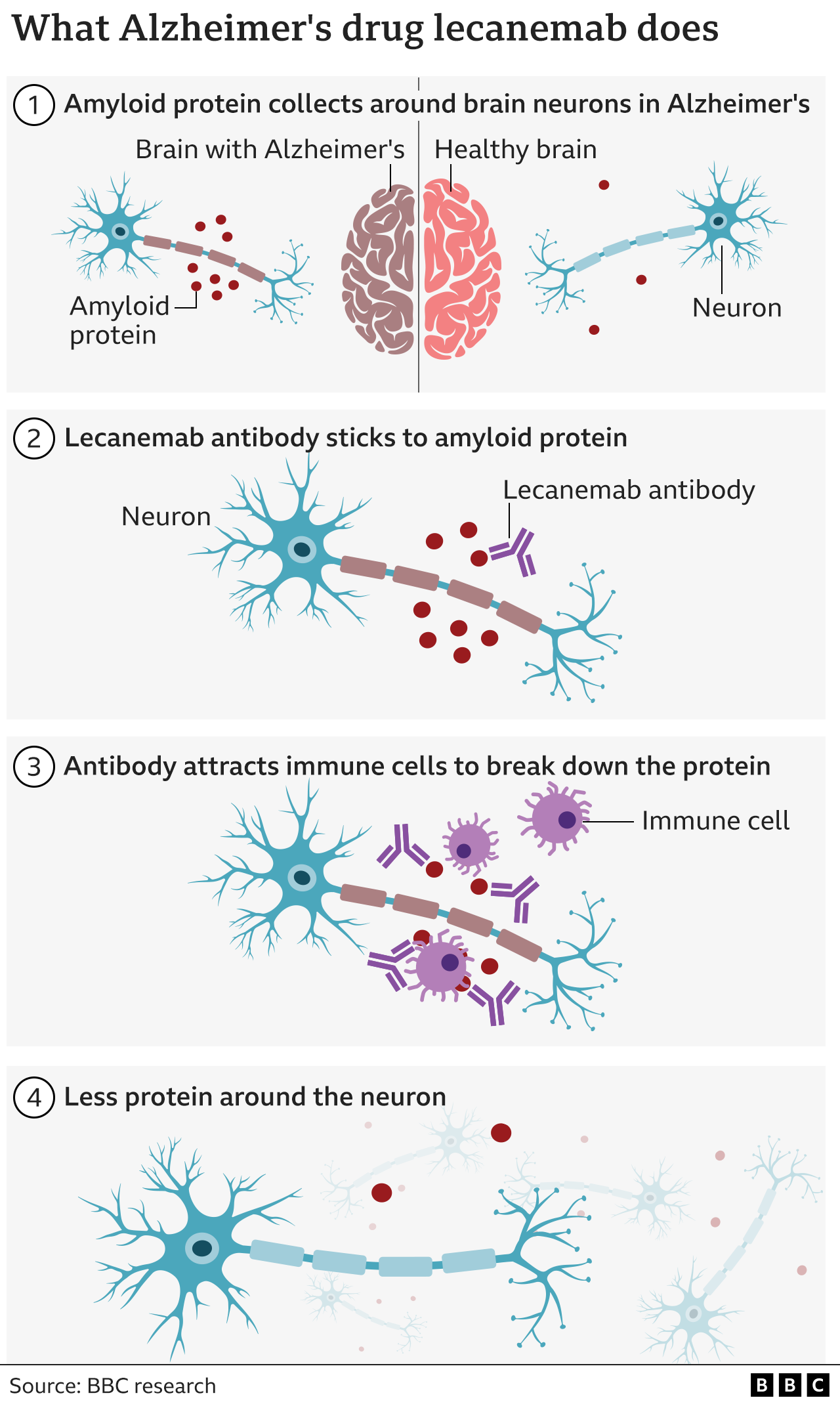
The key finding of the study was that those given lecanemab declined more slowly, relating to a difference of almost half a point on the 18-point scale over the 18 months of the study. The trial's importance lies in its showing that the drug attacks a sticky protein called amyloid, thought to be one of several culprits distinguishing Alzheimer's, and in so doing can delay the progression of the disease, according to Maria Carillo, chief science officer for the Alzheimer's Association.

Yet doctors remain divided over whether that difference is sufficiently significant for patients and their families, particularly since the drug has some serious potential safety risks that include swelling of the brain. "It is  unlikely that the small difference reported in this trial will be noticeable to individual patients", was the opinion of Dr. Madhav Thambisetty of the National Institute on Aging, speaking for  himself. Many researchers believe a meaningful improvement would reflect at the very least a difference of a full point on that 18-point scale, he pointed out.

Graphic showing what the lecanemab antibody does - attaching itself to the ameloid proteins that are more present in brains affected by Alzheimer's than healthy brains and then attracting the body's immune cells which break down the protein


Labels: , , ,

Thursday, September 29, 2022

Clarity-AD : Alzheimer's Breakthrough

"This is a historic moment for dementia research, as this is the first phase-three trial of an Alzheimer's drug in a generation to successfully slow cognitive decline."
Lecanemab slows the progression of memory and thinking problems in people with early Alzheimer's, demonstrating a major breakthrough in dementia research."
"This is the first drug that's been shown to not only remove the buildup of a protein called amyloid in the brain, but to have a small but statistically significant impact on cognitive decline in people with early-stage disease."
"Regulators ... will assess the full data to determine whether lecanemab is safe and effective enough to be used in people with Alzheimer's. If it is approved, it is essential that it gets to those who may benefit from it as quickly as possible."
Dr. Susan Kohlhaas, director of research, Alzheimer's Research UK
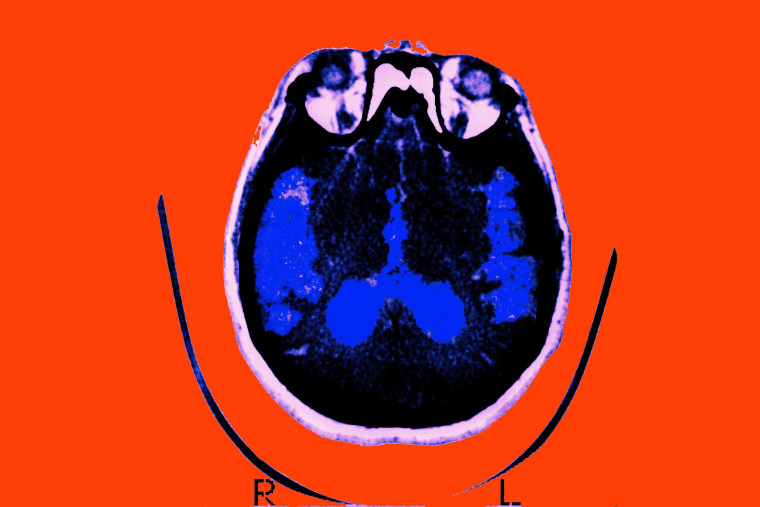
Scan of the brain of a patient affected by Alzheimer's Disease in an axial section.
The brain of a patient affected by Alzheimer's disease in a scan of an axial section. BSIP / UIG via Getty Images
"This is an unambiguously statistically positive result and represents something of a historic moment when we see the first convincing modification of Alzheimer's disease."
"God knows, we've waited long enough for this."
Rob Howard, professor of old age psychiatry, University College London
What is being hailed as a "historic moment" for research focusing on Alzheimer's disease has scientists waxing enthusiastic about the possibilities of a drug identified as capable of reducing memory decline while destroying key proteins known to be associated with the brain-degenerative condition. A study of 1,800 individuals suffering from Alzheimer's found twice-weekly injections of lecanemab to reduce progress of the disease by 27 percent.

The drug is being heralded as the first treatment to emerge able to slow cognitive decline and to reduce the plaques associated with Alzheimer's. It took no more than six months for changes to become evident once participants began taking the drug. At the same time, researchers caution that the drug is not a cure for Alzheimer's. It was also found, however, that lecanemab slowed the decline in functional thinking of participants.
 
Eisai has been the only Japanese pharmaceutical company with a heavy focus on neurocognitive disorders. (Photo by Kosaku Mimura)
 
A pharmaceutical company based in Tokyo -- Eisai -- manufactures the drug, and has partnered with Biogen, a U.S. biotech company, in the drug's development. Application for approval in the U.S. is expected to take place this year, following which an application for a license early next year, in Europe. The drug, an "anti-amyloid beta protofibril antibody" has been designed to target and to clear amyloid, a protein that builds in the early development of Alzheimer's. 

To date, Eisai's study, named Clarity-AD, represents the largest to test a long-debated assumption that the progress of Alzheimer's may be deterred once the protein has been cleared. The significance of the study results resides in the fact that those taking the drug had lower levels of amyloid in comparison with study participants who were given a placebo. The trial results are recognized by Alzheimer's groups as the first in a generation to indicate a significant impact on cognitive decline.

The study could be "game changing. I believe that research will cure dementia, and this is a vital milestone on that journey", asserted Dr. Richard Oakley, associate director of research at the Alzheimer's Society.

Given the largely disappointing rollout of Biogen's Alzheimer's drug, Aduhelm, last year, any drug that appears to help Alzheimer's patients is welcome. Photo courtesy of HealthDay
"If borne out by the full details of the study, as they are the clearest indicator so far that by lowering amyloid levels in the brain, cognitive decline can be slowed [the results are] exciting."
"The results are consistent in size with those found in earlier phase trials with other anti-amyloid drugs."
"This convergence strengthens the findings. However, the size of the effect, while significant, is small -- the disease is slowed by 27 percent over 18 months."
\"What we cannot know yet is whether that effect increases over time in an individual; that would be predicted but is untested -- time will tell."
Dr. Catherine Mummery, consultant neurologist, National Hospital for Neurology and Neurosurgery, central London

Labels: , , ,

Saturday, June 12, 2021

Is The U.S. Food and Drug Administration body Infallible?

"This decision has shaken the foundations of the scientific process and methods."
"[The FDA produced its decision] by fiat [and had not asked its advisers to consider whether the drug's functionality in removal of a type of brain plaques (beta amyloid) would improve patient outcomes]."
"It's a disturbing set of events, scientifically, clinically, politically."
Dr.Jason Karlawish, co-director, Penn Memory Center, Philadelphia
 
"[The FDA’s decision on Biogen] was probably the worst drug approval decision in recent U.S. history."
"At the last minute, the agency switched its review to the Accelerated Approval pathway based on the debatable premise that the drug’s effect on brain amyloid was likely to help patients with Alzheimer’s disease."
"[It was] clear [that the agency is not] presently capable of adequately integrating the Committee’s scientific recommendations into its approval decisions."
"This will undermine the care of these patients, public trust in the FDA, the pursuit of useful therapeutic innovation, and the affordability of the health care system."
Dr. Aaron Kesselheim, professor of medicine, Harvard Medical School, resigning from the FDA’s Peripheral and Central Nervous System Advisory Committee
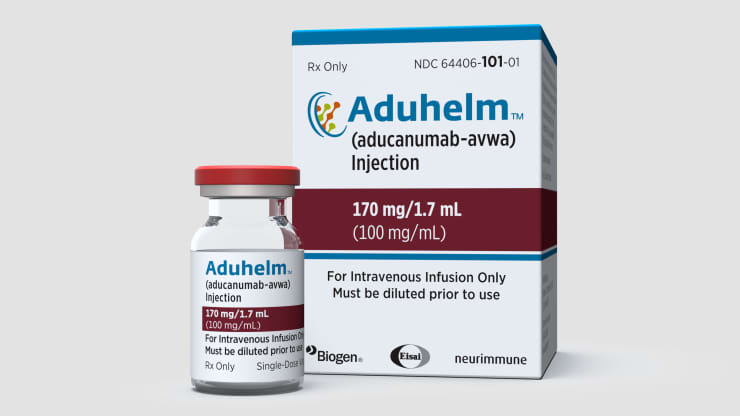
https://image.cnbcfm.com/api/v1/image/106895380-1623352205705-ADU-US-Packaging-170-L22.jpg?v=1623352227&w=740&h=416
Aduhelm by Biogen     Source: Biogen

There is no cure for this dread disease of dementia that usually strikes the elderly, and little in the way of successful treatment to slow down the progression of the disease before it ultimately slows down the natural life of the body's organs when the brain is finally and fully unable to perform its vital life functions. The holy grail of liberation from the dread effects of the disease is elusive; not for lack of research and efforts, time and funding to even discover an efficacious life-prolonging treatment therapy but because the answers to the many questions surrounding this fatal brain disease as yet escape detection.

Biogen Inc. has produced a drug, Aduhelm, whose treatment holds a level of promise that might lead to those badly needed answers on the premise that removing the sticky substance that builds up in the brain as an effect of Alzheimer's brain-function deterioration, has convinced the U.S. Federal Drug Administration that despite any measure of success in early trials that removing the plaque in early stages of Alzheimer's will lead to a halting of the disease's progression, it would be given authorization to place the drug on the market.

Connected with that authorization was a requisite order that research and further trials be ongoing to determine whether real progress has been made with the drug, both in eradicating the brain plaque and proving that in so doing, the disease was given a setback, and the patient's brain could be protected from the disease advancing; in short, a result that resembles a therapeutic success, if not an eventual cure. In allowing Biogen to proceed to the market lacking strong evidence of success, the FDA is taking a big chance at being proven wrong.

And scientific experts in the field of neurology, along with regulatory experts are highly critical of the FDA move. Even while others in the field of medicine focusing on dementia feel that giving Biogen's drug an 'advance' authorization approval may very well turn out to be a key to advancing new and promising therapies perhaps based on the plaque-removal work of the Biogen drug. Theirs is not a voice in the majority, however.

The move by the FDA is viewed as such a serious scientific infraction that three high-profile members of its own advisory panel  of outside advisers who recommended against its approval on the basis of Biogen not having provided sufficient evidence of clinical benefit, have seen fit to resign their panel positions. Thus far, the situation has convinced three of the expert panel members of the Peripheral and Central Nervous System Advisory Committee advising the FDA, to resign in protest against the decision to set aside their advice.

Dr. Aaron Kesselheim, a professor at Harvard Medical School who is also director of the Program On Regulation, Therapeutics, And Law at Brigham and Women's Hospital is now the latest of three members of the panel to resign; in his opinion the FDA 'greenlighted' Aduhelm even though sufficient proof of its efficacy in aiding Alzheimer's patients is absent from clinical results. Two previous resignations of FDA panel members are Mayo Clinic neurologist Dr. David Knopman and Washington University neurologist Dr. Joel Perlmutter.
 
An estimated 1.5 million Americans will be eligible, in early-stage Alzheimer's for the drug, Biogen has stated. Priced at approximately $56,000 annually, the federal Medicare insurance program for seniors is expected to pick up most of the cost associated with its prescription. "No amount of unmet need can take the place of sufficient evidence", John Hopkins public health professor Dr.Caleb Alexander, a member of the FDA advisory panel, responded.
 
Known chemically as aducanumab, and named Aduhelm by Biogen, there is no question that the drug succeeded in removing beta amyloid from brains of people suffering from Alzheimer's, according to the FDA. Which convinced it to proceed with the advance agreement on the theory that if the plaque is removed, then the disease will recede. No earlier drugs have indicated reductions in amyloid resulted in significant benefits for Alzheimer's patients. Dr.Karlawish, cited above, had run one of the trial sites for the Biogen drug, and was clearly unimpressed.
"If you say ‘Well hey, the FDA is buying into this general concept'."
"If we can remove beta amyloid from the brains of persons that are affected by the disease, even with limited evidence of cognitive benefits, there might be a variety of different therapies that would qualify under these types of criteria."
Christian Pike, USC’s Leonard Davis School of Gerontology
 
"What we’re going to find out from the use of this drug one way or the other is whether or not the amyloid clearing hypothesis is correct."
"If it is correct, then I think it opens the door for a lot of innovation, a lot of drug candidates that are going to try to clear amyloid in the future pursuit of that hypothesis."
Darius Lakdawalla, USC health economist
A sign marks a Biogen facility in Cambridge, Massachusetts, U.S. January 26, 2017.  REUTERS/Brian Snyder
A sign marks a Biogen facility in Cambridge, Massachusetts, U.S. January 26, 2017. REUTERS/Brian Snyder


Labels: , ,

Wednesday, June 09, 2021

The Desperate Search to Defeat Alzheimer's

"This is good news for patients with Alzheimer's disease. We've not had a disease modifying therapy approved, ever."
"This is not a cure. It's hoped that this will slow the progression of the disease."
"I think this is a big day, but we can't over-promise."
Dr.Ronald Petersen, Alzheimer's disease expert, Mayo Clinic

"Although the Aduhelm data are complicated with respect to its clinical benefits, FDA [U.S.Food and Drug Administration] has determined that there is substantial evidence that Aduhelm reduces amyloid beta plaques in the brain and that the reduction in these plaques is reasonably likely to predict important benefits to patients."
U.S. Food and Drug Administration statement on new Alzheimer's disease therapy

"I think they made the right decision. It makes the drug available to patients while requiring the company to do more research to prove its benefit."
"I think it's a win-win for all."
Dr.Howard Fillit, chief science officer, Alzheimer's Drug Discovery Foundation

"[The FDA collaborated with Biogen to rush a] lucrative, unproven treatment [to market] despite the conclusion of an independent panel of experts convened by the agency in November that there was not sufficient evidence that the drug was effective."
Public Citizen, consumer watchdog
a middle aged woman with gray hair and eye glasses, wearing a mask, looking sad and sitting a physician's office
Cindy Leonard, a longtime Mayo Clinic nurse and nurse educator, was diagnosed with young-onset Alzheimer's disease in 2018. It's an uncommon form of dementia that affects those under 65.

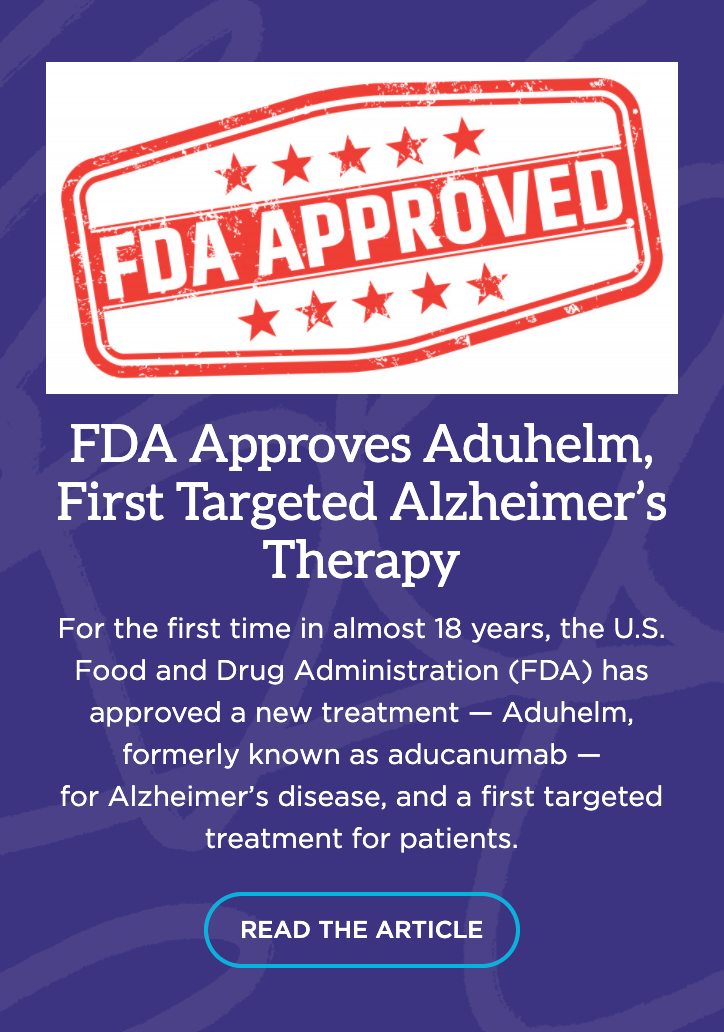
Controversy has arisen over the introduction of a long-awaited treatment for Alzheimer's disease, when the U.S. FDA approved Biogen Inc.'s new drug aducanumab. It is the first treatment devised with the intention of approaching Alzheimer's from the perspective of treating the disease through removal of the sticky deposits of protein known as amyloid beta, building up in the brain of Alzheimer's patients and slowly and inevitably causing loss of critical brain function and finally, death.
 
The aim of the drug isn't questioned as a sound way to approach the vexing and evasive clues to stopping Alzheimer's gradual and deadly effect, but rather the scientific controversy that has arisen over whether the drug is effective, given the available clinical evidence. On its website the Food and Drug Administration noted that clinical trials for the treatment indicated  reduction in the plaques with the expectation that this would lead to a slower patient decline.

Patient advocates and some within the medical specialty of neurology have been quick to recognize the Biogen drug to be sold as Aduhelm as a long-awaited therapy of hope for the future of managing and eventually curing Alzheimer's disease. Eager to recognize the new therapy as an effectively useful option available to patients with the lethal malady, while others in the medical profession feel that the clinical trial results proved to be inconsistent with more reliable proof required.

While current Alzheimer's treatment is intended to ease Alzheimer's symptoms, the Biogen drug shoots for the underlying cause of the disease, aiming to slow its progression. Approval was given by the FDA with the proviso that Biogen will be required to conduct a post-approval trial in the interests of verifying Adulhelm's clinical benefit. Should it not be able to, it risks having the drug pulled from the market.

A sign marks a Biogen facility in Cambridge, Massachusetts, U.S. January 26, 2017.   REUTERS/Brian Snyder
A sign marks a Biogen facility in Cambridge, Massachusetts, U.S.    REUTERS/Brian Snyder

"For years, regulators have been looking for proof that new Alzheimer's drugs slow the inexorable decline of cognitive or daily functioning. That proof has been hard to come by, with numerous clinical trials failing or producing murky results. Biogen’s studies were no less confusing. One trial failed to show effectiveness overall, and in the other, the drug slowed patients' decline by a very modest 22%, when the drug was used at high doses."
"But in an unexpected shift, the FDA decided proof that the drug slowed cognitive decline could wait. It found that aducanumab's ability to remove a protein called amyloid, thought to trigger a cascade of events eventually leading to brain-cell death, was sufficient for an accelerated approval, contingent on results from a future study."
Bloomberg News

Labels: , , , , ,

Saturday, May 15, 2021

Alzheimer's Disease An Autoimmine Response?

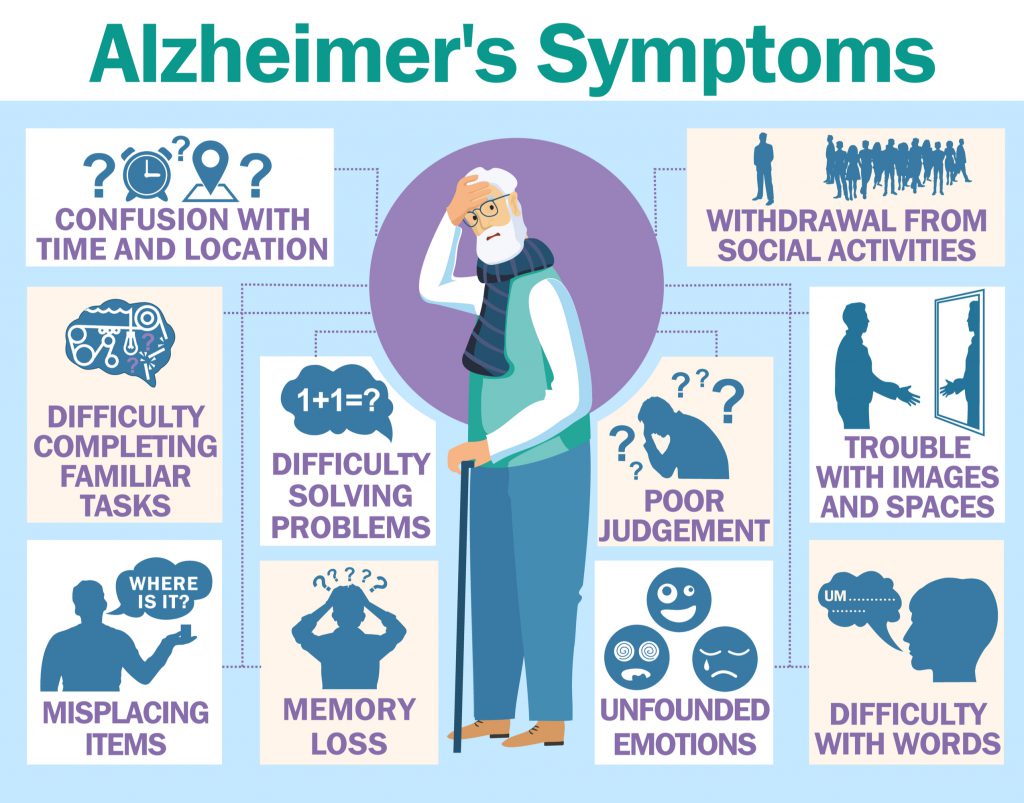
Determining Alzheimer's Symptoms | Urgent Team - Family of Urgent Care and  Walk-in Centers
Urgent Team
"I think it's time for us to start pushing the envelope and really exploring these new, radical ideas."
"[The] huge investment [on one basic approach] has been to our detriment. So I’d say I’m very hopeful and I think this is a potentially viable hypothesis."
"It is one of the only diseases that has had no therapeutic breakthroughs in over 16 years."
Saskia Sivananthan, neuroscientist, chief research officer, Alzheimer's Society of Canada
 
"There is definitely a black box in terms of what we should be considering as the next best approach. We need to think outside the box."
"Our immune system is a dynamic system; it's not like we're born with it and die with it. It is much more dynamic than our genetics and it is something we have not really capitalized on."
"I think that it [antibodies that mistakenly target the body’s own tissues — in the cerebrospinal fluid of Alzheimer’s patients] further fuels this original notion that autoimmunity could be centrally playing a role in the pathology of Alzheimer’s."
"For example, we have the observation that athletes that are prone to traumatic brain injuries, they have an increased incidence of Alzheimer’s disease. But in any case, any damage to the blood-brain barrier can actually open the door for these immune cells to enter into the brain tissue and further speed up the destruction of certain neuronal cells, which is central in the pathology of Alzheimer’s disease."
Ioannis Prassas, study co-author, scientist, Mount Sinai Hospital, Toronto
Alzheimer's disease: A cause of progressive dementia in senior citizens -  Health & Nutrition - observerbd.com
Daily Observer

The pharmaceutical industry has realized a 96.6 percent fail rate in its $3.5 billion investment over four years to 2020 in searching for a medical cure for Alzheimer's disease, according to a paper published in the International Journal of Alzheimer's Disease, last year. That's a spectacular investment and an equally spectacular failure on investment. 

The U.S. estimates that about four million of its citizens live with Alzheimer's disease. In Canada that number is about half a million people, although projections are that in coming years twice that number will be affected. The development of drugs for Alzheimer's treatment for the fatal ailment have come up with exactly no effective therapy to date. 

A new study out of Mount Sinai Hospital research laboratories in Toronto aims to change that situation, convinced that Alzheimer's is an autoimmune disease and the research that has been undertaken thus far has followed a different track altogether. The paper, published in the Journal of Applied Laboratory Medicine, examined the hypothesis that Alzheimer's may at least partially be an autoimmune disorder.

That the immune system is triggered by some foreign invader into the human body or an event within the body to cause the immune system to turn inward attacking healthy cells, according to the researchers who produced the study. A response that bears some resemblance to Type One diabetes onset, lupus disease or rheumatoid arthritis. 
 
With the use of sophisticated laboratory techniques of their own devising, the team found compelling evidence of several "autoantibodies" ... rogue products of the immune system responsible for such diseases ... that bind to brain-specific proteins, in Alzheimer's patients. 

Ioannis Prassas, one of the study's authors, described hallmarks of Alzheimer's being amyloid plaque and tangled 'tau' fibres forming on the brain which in time kill neurons. Focus has been almost entirely on attacking amyloid, in efforts to discover effective treatments, and they have failed, repeatedly. The Alzheimer's Society of Canada has chosen to direct its funding lately toward "High risk, high reward" projects in hopes of reaching a breakthrough on treatment of Alzheimer's.

Care of those with dementia comes with a high price tag, of $10.4 billion annually. Which might logically suggest that research funding from government should be geared toward reducing the human and financial cost related to the disease in an investment in novel ideas in achieving greater understanding of the cause of this terrifying body malfunction.

Clinical pathology professor Roger Bertholf of Weill Cornell Medical College, had an editorial published on the Canadian paper in the Journal of Applied Laboratory Medicine with a notation to the effect that evidence of a possible autoimmune role has been identified. Women over age 65, known to be more likely to develop autoimmune diseases, are also almost twice as likely to develop Alzheimer's than are men.
 
Some studies suggest use of anti-inflammatory painkillers have an effect on reducing the risk of Alzheimer's, a match to evidence of brain inflammation, as a product of immune responses in patients. The blood-brain barrier which normally blocks autoantibodies from affecting the brain is seen in Alzheimer's sufferers in whom that barrier has been compromised.
 
As a case in point, Dr. Prassas points out that athletes suffering serious brain injury can disrupt the barrier making them likelier to develop Alzheimer's. The Mount Sinai research team's working hypothesis is that the autoantibodies cause neuro-inflammation and trigger in some manner, death of neurons or destruction of the synapses connecting them.
 
Samples of cerebrospinal fluid taken from Alzheimer's and Parkinson's patients and otherwise healthy people with headaches, were studied by the team. Human brain tissue was mixed with antibodies extracted from the fluid, and a form of mass spectrometry was used to analyze the interaction. Strong evidence was found of autoantibodies targeting several brain proteins in the cerebrospinal fluid of Alzheimer's patients. None, however, discovered in the Parkinson's or the headache groups.
 
Eleftherios Diamandis, head of clinical biochemistry at University of Toronto, led the team and is now planning on a larger-scale study to attempt to confirm the initial findings with the hope that other scientists too, will adopt the concept and do their own confirmatory -- or not -- investigations. The researchers made note of the fact that the autoimmune process is identified increasingly in a number of diseases.
 
With the development of new technologym, doctors would be enabled to regularly monitor their patients' immune properties, offering personalized medicine to delay or to prevent diseases when troubling signs appear, theorized Dr.Prassas.

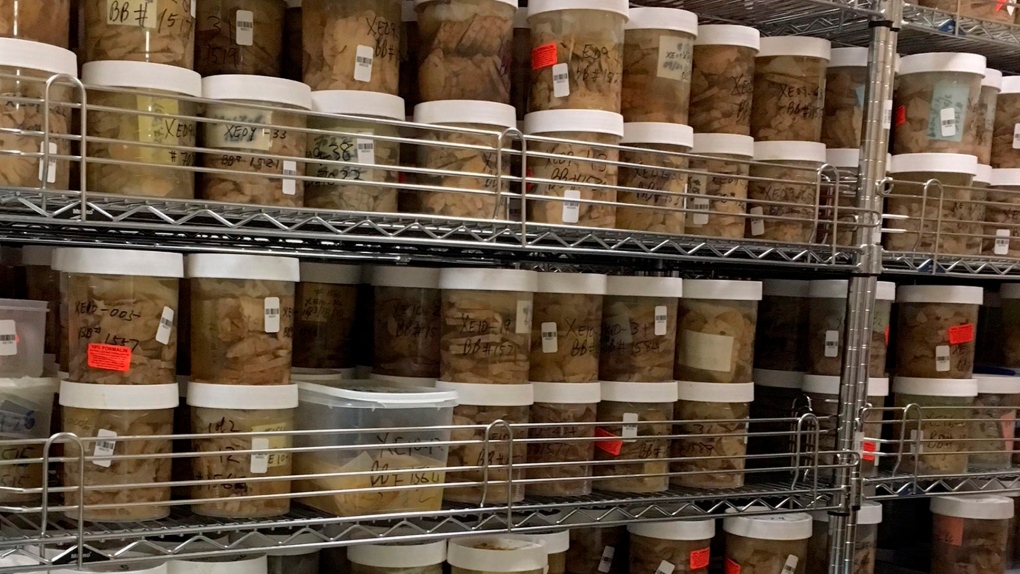
Human brains
This photo provided by Mount Sinai Health System shows slices of human brains in the Mount Sinai Brain Bank that researchers are using to study Alzheimer's disease. (Mount Sinai Health System via AP)

Labels: , ,

Sunday, May 09, 2021

Dosing (Carefully) With Radiation

"The primary goal of a therapy for Alzheimer's disease should be to improve the patient's quality of life."
"We want to optimize their well-being and restore communication with family and friends to avoid social isolation, loneliness and under-stimulation."
"Although the study was a small pilot and should be interpreted with caution, our results suggest that low-dose radiation therapy may successfully achieve this."
Dr.Morris Freedman, scientist, Division of Neurology, Baycrest Rotman Research Institute

"Numerous neurological disorders, including Alzheimer's disease, are thought to be caused in part by oxidative stress that damages all cells, including those in the brain."
"We have natural protection systems to combat the damage, but they become less effective as we get older."
"Each dose of radiation stimulates our natural protection system to work harder."
"It’s not the image that we’re after [of a CT scanner] ... It’s the radiation. That’s what stimulates recovery in the patient."
"We should track biological markers of oxidative damage and neurodegeneration during therapy. Ultimately, we want a treatment that would delay the onset of Alzheimer’s in people who are at risk.”
Dr.Jerry Cuttler, Atomic Energy of Canada scientist, retired
This shows a brain and pair of hands
High doses of radiation are known to have harmful effects on our health. However, low doses, such as those used for diagnostic CT scans, can help the body protect and repair itself. Image is in the public domain

Research recently published in the Journal of Alzheimer's Disease expressed the finding that modest amounts of radiation may help to maximize the body's natural capacity to protect and repair itself, through prompting the production of vital antioxidants. This represents a new pathway to treating Alzheimer's disease with the use of low doses of radiation, seen to vastly improve behavioural and cognitive abilities of patients exposed to the therapy -- virtually overnight -- the pilot study concluded.

Only four patients were involved in the study, with no placebo group included. The theory behind the study was based on a case report of a patient suffering from symptoms of severe Alzheimer's disease in 2015, a woman who had been given several doses of radiation to her brain that was seen to improve her movement, speech, appetite and cognition. High radiation doses have the potential to devastate the human body, while low doses appear beneficial in certain circumstances.

All four study participants were suffering from severe Alzheimer's symptoms. They all received three installments of low-dose radiation at two-week intervals at Sunnybrook Health Sciences Centre in Toronto. Before and after treatment their behaviour and ability to communicate was closely monitored. Statements and allied evidence was collected from family, friends and caregivers of the four participants, three of whom demonstrated significant improvement within days of receiving their first radiation dose.

The results are decidedly encouraging. However, given the limitations of the study, the researchers involved felt that future follow-ups should focus on the reinforcement of the findings across larger clinical trials.

This shows an anesthesiologist taking care of a patient while under anesthetic
NeuroscienceNews.com
"I had an amazing visit with my dad this evening."
"I'm speechless from last night. He was excited to see me -- he spoke to me right away and gave me multiple kisses -- real kisses like years ago."
"He was clapping his hands to the music. My mom agreed it's been years since he has done this. Everyone is amazed."
Daughter of one of the treated patients

Labels: , , , , ,

Monday, February 15, 2021

The Grim Diagnosis of Alzheimer's Disease

"Neurodegeneration is a general term that we use when cells and their connections don't work properly, which means there isn't proper communication between brain cells."
"This affects basic physiological functions such as memory and the ability to store and receive information which is what happens when someone has Alzheimer's."
Dr.Jack Jhamandas, professor, University of Alberta
 
"Memories are stored in our synaptic connections and to retrieve them our brain has to release the correct chemical to allow communication to happen."
"When someone has Alzheimer's, sometimes this works and sometimes it doesn't."
"The initiating event happens early on, maybe even decades before someone shows up to the doctor's office with symptoms."
"That's where the problem is; we don't know what the real underlying initiating events are or when they start, which makes it difficult to devise treatments. In a sense, you're trying to work backwards; you don't know who the affected individuals will be because it could be ten to 20 years before they start to show symptoms."
Dr.Jane Rylett, professor, scientist, Western University. Scientific director, CIHR Institute of Aging
smiling-group-of-seniors
Alzheimer's Society of Canada

First described in 1906, Alzheimer's disease after a century of research and billions spent on that research, the complex brain disease is still little understood, and a long way off from a cure. As a neurodegenerative disease impacting memory, thinking and behaviour, a cruelly merciless undermining of personality and personhood, and the body's slow descent into full malfunction in lockstep with that of the brain and all associated functions, the disease continues its fearful inroads in the elderly population worldwide.

Science is of the opinion that three main events lead to Alzheiner's; that the first of which is the amyloid protein which builds up to form toxic plaques in the brain; added to that is neurofibrillary tangles (abnormal accumulations of the tau proteins in the brain), and finally, inflammation in brain cells and the role this plays in accommodating toxins entering the brain. When these three main malfunctions occur complementarily, cells no longer function, they die off, leading the brain to shrink.

What causes these proteins to build and the brain to become inflamed however, remains a mystery to science. Approximately five percent of Alzheimer's cases can be traced to genetic predisposition, but science puzzles over what might catalyze the events leading to Alzheimer's in the aggregate 95 percent of Alzheimer's cases.

Older woman with Alzheimer's looking out of a window
A range of brain disorders are known generally as dementia, the impact of which is memory loss, diminished thinking and affected behaviour. The most common form of dementia is recognized as Alzheimer's disease which accounts for roughly 80 percent of all dementia cases, while many other form -- including vascular dementia, the result of small strokes in the brain, and Lewy body dementia which frequently has an effect on mobility -- are also part of the dementia family of diseases.
 
When Alzheimer's is at work destroying brain and body function, amyloid protein plaques become deposited in the cortex and hippocampus areas of the brain, both important for learning, and memory. With the progression of the disease, amyloid plaques and tau proteins start their destructive increase in other parts of the brain, impacting areas responsible for language and behaviour, among others. In early stages of Alzheimer's, many people remain capable of retrieving memories, but that capacity shrinks as the disease carries on and connections break down, resulting in memories fading from recall.
 
Countless attempts have taken place focusing on two major areas of drug research; first drugs that bind to and destroy amyloid plaques or prevent plaques from forming. The second route targets the tau protein responsible for forming tangles. According to Doctors Rylett and Jhamandas, nothing thus far has borne positive results and they speculate that this may possibly result from the fact that over time as the disease progresses the brain undergoes years of change before it is even clear that Alzheimer's is in the picture.

Animation showing an older man's brain
Leading to the hypothesis that the brain could possibly be, at that juncture, too critically damaged for a drug to reverse or prevent impairments. With Alzheimer's, frustratingly, there is no cure, but there are drugs that help to reduce symptoms in the short term. The drugs represent two broad categories; acetylcholinesterase inhibitors and memantine; the former to boost levels of the chemical messenger acetylcholine which has a vital role in memory retention and exists in abnormally low levels in those with Alzheimer's.
 
Glutamate is regulated by memantine, a treatment used in later stages of the disease; the glutamate an important chemical messenger that becomes impaired with Alzheimer's. Research indicates that exercise, a healthy diet and social interactions are associated with better brain health and thus those whose lifestyle includes those elements stand at lower risk of developing Alzheimer's. 
 
Research has been focusing on the development of a biomarker which, according to Dr.Rylett, could potentially take the form of a blood test or imagining test.
"The idea is these biomarkers would be predictive of who is at highest risk of developing Alzheimer's or other dementias at some point in their lives."
"If we knew that first, then we could start looking at other drug and lifestyle choices that could impact the course of trajectory of the disease."
Watch: How Alzheimer's Changes the Brain
National Institute on Aging

Labels: , , , ,

 
()() Follow @rheytah Tweet