Ruminations

Blog dedicated primarily to randomly selected news items; comments reflecting personal perceptions

Thursday, August 03, 2023

Vitamin D Intake ... Regular Sunlight Exposure

 
"Vitamin D is made in the skin when it’s exposed to sunlight. Sun exposure is by far the best way to boost vitamin D levels, particularly because very few foods contain significant amounts."
"Midday, especially during summer, is the best time to get sunlight."
"At noon, the sun is at its highest point, and its UVB rays are most intense. That means you need less time in the sun to make sufficient vitamin D."
"Many studies also show that the body is most efficient at making vitamin D at noon."
"For example, in the UK, 13 minutes of midday sunlight exposure during summer three times per week is enough to maintain healthy levels among Caucasian adults."
"Another study found that 30 minutes of midday summer sun exposure in Oslo, Norway was equivalent to consuming 10,000–20,000 IU of vitamin D,"
"The commonly recommended daily dose of vitamin D is 600 IU (15 mcg)."
"Not only is getting vitamin D around midday more efficient, but it might also be safer than getting sun later in the day. One study found that afternoon sun exposure may increase the risk of dangerous skin cancers."
healthline 
n0207a16207234035681
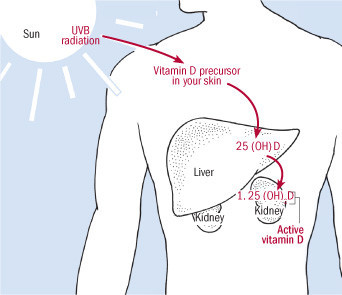
The sun's energy turns a chemical in your skin into vitamin D3, which is carried to your liver and then your kidneys to transform it to active vitamin D. Harvard Health Publishing
 
There is a link between sunlight and serotonin levels,the hormone that makes us feel good. The lack of sunlight can make some people susceptible to developing seasonal affective disorder when shorter fall days appear and winter brings us fewer daylight hours. An Australian study found that people had higher levels of serotonin in bright sunny days than on cloudy days. The increased levels of the hormone lead to greater feelings of calm and satisfaction, with lower levels of depression and anxiety.

Researchers speculate that the way UV light forces melanocytes, cells producing dark pigment in skin to release endorphins may explain the link between sun exposure and increased serotonin. Melatonin, the hormone that helps regulate the body's sleep-wake cycle, is encouraged in production through regular sunlight exposure. Melatonin helps as well to regulate our circadian rhythm, the body's internal clock that signals when to be alert and when to rest.
 
Our amygdala, the emotional part of the brain, is significantly more reactive following a bad night's sleep, leaving us likely to feel cranky. Exposure to sunlight can encourage feelings of drowsiness, so we can drift to sleep more readily, leading to a more comfortable daytime experience emotionally. Simply put; time spent in the sun has the potential to allow us to sleep soundly. 
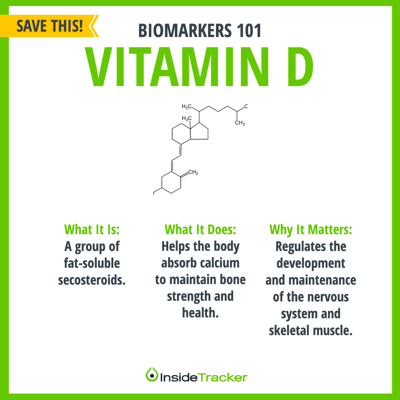
What is vitamin D and why does it matter for health 
Just one hour in the sun, according to research undertaken at Medical University of Graz in Austria, can boost a man's testosterone levels by 69 percent, helping to balance mood, sex drive and cognitive function, all achieved through vitamin D, produced following sunlight exposure. A link was identified between low levels of vitamin D and low levels of the female sex hormone estrogen, by researchers in China who studied the effect on post-menopausal women.

Vitamin D has a critical role in helping the body to absorb calcium, responsible for bone strengthening. Lack of vitamin D has been associated with osteoporosis, rickets and autoimmune diseases such as rheumatoid arthritis. Rates of falls in elderly people were found in a review by the Cochrane Library, due to the effects of brittle bones, that could be reduced by over a quarter if the elderly were prescribed supplements of vitamin D.

https://www.usnews.com/object/image/00000184-0f82-d474-a785-bf9ff7e10000/gettyimages-1047661360.jpg?update-time=1666707586795&size=responsiveFlow300
Casual exposure to sunlight is responsible for 90 percent of a person's vitamin D requirements; the best source of the nutrient. Experts believe on average that people should aim for 10 to 30 minutes of midday sunlight, several times weekly. A dose of vitamin D could also improve intellect. Scientists from the University of Manchester found higher levels of vitamin D linked with improved mental ability in middle-aged and older men. 

In their study, men were tested for memory and speed recollection, along with mood and physical activity levels before blood samples were taken. Men with higher levels of vitamin D consistently outperformed those with lower levels. Even on a cloudy overcast day we are exposed to 10,000 lux (light is measured in a unit called lux) in comparison with 500 lux, spending time indoors.


Labels: , , , , ,

Monday, March 27, 2023

The Perspectives of Science and Common Sense

"Calories don't take into account the energy it takes our cells to metabolize food in order to use it. A calorie of protein makes you feel fuller than a calorie of fat, because protein is more complex to metabolize."
"You could be aiming to eat 2,000 calories a day, but how much energy your body actually absorbs will depend on whether you're eating sugar, celery or steak."
Giles Yeo, professor of molecular neuroendocrinology, University of Cambridge
Ribeye steak with potatoes, onions and cherry tomatoes. Juicy steak with flavored butter
 
It's all explained in Dr. Yeo's book: 'Why Calories Don't Count', which lays out the explanations of how and why it is biologically that the human body absorbs very differently calories present in various types of foods. Leading dietary experts to question the relevance of the fixation of calories in the human diet since not all calories are equal.
 
Yet people focus on the simplest of formulae, depending on the recommended daily intake of calories popularly acknowledged at 2,000 calories daily for women and 2,500 for men.We fail to consider the realities of our individualized needs that are dependent on some relevant specifics such as age, gender, height, weight and the level of our physical activity. For some there is a need to reduce, or alternately increase caloric intake purposing to maintain a moderate weight. 

And what of the widely held belief that the most important meal of the day is one that breaks the long fast between the dinner of the night before and a good night's sleep, a longer period of time between meals than any that take place during the day. There are those that call into question just how important breakfast is to the human body, but the human brain is also highly dependent on an infusion of energy to function after that long fast.
 
5 High Fiber Cereals For Breakfast | Foods That Help In Weight Loss
High Fibre Cereals
 
There are those who trace our belief in the importance of a good start to the day dependent on breakfast. In the 1920s marketing campaigns launched by cereal companies placed an emphasis on the importance of breakfast, as a marketing gambit. That, however, does not diminish the importance of breakfast in preparing the body and the mind for the coming day. More important is the observation that it is the quality of the food taken at breakfast that reflects its nutritional importance.

As for the public clasping as gospel that eight glasses of water or two litres daily represents a standard irrigation necessity, that too comes under question. Fluid requirements vary, depending on details such as the weather, climate, age, and energy expended. Those who work in hot weather may require far more water. "A lot of your water comes from the food you eat", notes Dale Schoeller, emeritus professor of nutritional sciences at University of Wisconsin-Madison. He avers that science has never supported the two-litres-a-day rule as an appropriate guideline.
 
Daily Water Intake
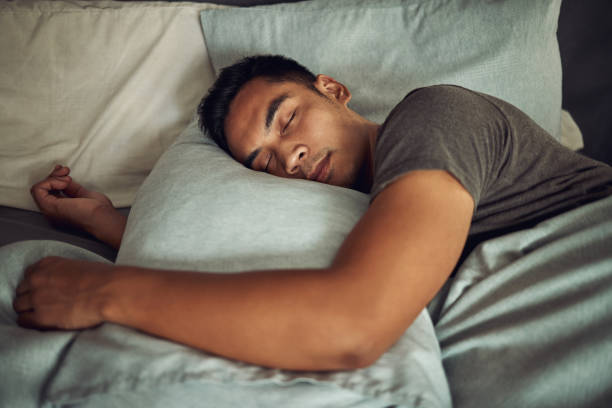
11,000+ Good Night Sleep Man Stock Photos, Pictures ...
Getty
 
Then there's the standard prescription of having eight hours of sleep nightly. During the Industrial Revolution a daily regimen was established of eight hours of labour, eight hours devoted to recreation and the third eight hour block set aside for rest. How much sleep is required for anyone is  highly individualized, dictated b a complex number of issues; genetics, age, medical condition and lifestyle. While some individuals function well on fewer than six hours, others require over ten hours of sleep.

"I think that the myth of the eight hours has actually caused quite a bit of anxiety", points out Russell Foster, professor of circadian neuroscience, University of Oxford, who compares individual sleep patterns to shoe size; fitted to the individual foot shape and size.

22 High-Fiber Foods You Should Eat
Healthline
Consider the advice from public health on dietary fibre, plant-based carbohydrates found in fruit, vegetables, cereals, nuts and seeds. In the late 1980s, the U.K. government encouraged people to consume more dietary fibre and they put the daily figure at five, daily. Whereas studies indicate that five a day is not likely to be a sufficient amount to render full protection against various chronic illnesses. Imperial College London produced a study finding at least seven or ten whole foods; fruits, vegetables or nuts/seeds would be required to provide the nutrients and fibre needed for optimum health.
 
 
"When the dietary recommendations were originally set, it was designed as the optimal to prevent weight gain in the first place. But now we're in a situation where two thirds of the population are already overweight", noted Charlotte Evans, researcher in nutrition and public health at University of Leeds who recommends that people make fibre the majority of their daily diet intake.
 
Then there is the thorny matter of exercise and the popular health mantra of ten thousand steps a day, adopted by the World Health Organization, the American Heart Association and many other health groups. Ten thousand steps a day is a purely arbitrary figure that originated in a Japanese boardroom in the 1950s when the company Yamasa thought up the figure to promote the world's first step counter prior to theTokyo 1964 Olympics.
 
photo of
In fact, research actually recommends between 6,000 and 8,000 steps daily could be more accurate to avoid chronic illness. Scientists at the University of Alabama at Birmingham School of Public Health found if you live a fairly sedentary life, simply adding an extra 500 steps a day would yield significant health benefits.
"People obsess over how many steps are enough, but we should be asking how many steps are too few."
"We should get people to stop taking less than 5,000 steps a day, but there seems to be an obsession with the higher number, while it's more important from a public health point of view to just get people off the couch and out the door." 
Catrine Tudor-Locke, professor and physical activity researcher University of North Carolina, Charlotte

Labels: , , , , ,

Saturday, December 21, 2019

The Biology of Middle-Age Spread

"As we get older, biology sets us up for weight gain."
"By the age of 50, we could be burning nearly 400 fewer calories a day. If you're still eating the same amount of food as when you were 20, you'll gain weight."
"Bodies like to put on weight, but they don't like to lose it. A diet only works if you stay on it for the rest of your life. That's difficult since most diets are restrictive."
"[Government fails to recognize obesity as a chronic disease.] This would increase access to behavioural therapy and medications for obesity. Most health plans don't cover those things."
Arya Sharma, professor of medicine, University of Alberta, director, Obesity Canada

"Studies show that post-menopausal women store more fat."
"We also see that with a chronic decrease in testosterone, which occurs during andropause or male menopause, men also have an increase in body fat."
"[Monitoring weight can help maintain weight] or at least not gain too much."
"[Exercise alone seldom results in weight loss.] You need the dietary component."
Sylvia Santosa, professor, Department of Health, Kinesiology and Applied Physiology, Concordia University
main article image

There are health risks associated with failing to acknowledge what is familiarly referred to as "middle age spread". This, despite the very real scientific medical fact that among the 57 known comorbidities associated with obesity which include cancer, Type 2 diabetes, cardiovascular disease and dementia, ignoring the trigger that hastens the onset of these diseases, doesn't much help in tackling this problem of enormous proportions.

In Canada, the median age is a steady 41 in the population. At the same time obesity rates have been rising, and most particularly among people between the ages of 35 to 49. After age twenty the body begins to burn ten to fifteen fewer calories every single day. This is the impact of age on metabolism in the human body. And then there are hormones. Testosterone, the male sex hormone, manages a decrease in body fat, while the female sex hormone estrogen prevents weight gain as well.

Their positive weight effect, however, decreases with age. A decrease in estrogen leads women to gain weight on their hips and thighs, while a like decrease in testosterone causes weight gain in men, particularly around the stomach area. And while preventing weight gain with the use of hormone replacement therapy is an option in middle age, it is controversial therapy, given possible links to cardiovascular disease.

As a result of hormonal fluctuations that women experience, they are more likely to gain weight throughout their lifetimes. Dr. Sharma is a firm believer in behavioural measures, in medications and for some extreme cases, bariatric surgery for long-term effectiveness in the treatment of obesity. Last year, Canada banned the use of industrial transfats in processed foods. It became illegal for manufacturers to add PHOs -- partially hydrogenated oils -- to foods sold in Canada.

A federal government campaign through Let's Get Moving, a policy document was designed to inform Canadians of a need to move more frequently in view of the fact that only 18 percent of Canadian adults meet the guidelines for physical activity of 150 minutes of moderate-to-vigorous activity weekly. Dr. Sharma feels more is needed to motivate people to take command of their options in avoiding obesity.

Habits ideally, should be changed from those inimical to health to those with clear benefits such as eating nutritionally, sleeping adequately, maintaining a healthy weight, smoke cessation, moderate drinking and reducing sedentary time, to produce a good-habit-routine to live by. These, in combination with regular exercise, relate to healthy lifestyle behaviours.

An article in the BMJ Open Sport and Exercise Medicine open-access journal saw lifestyle reviews of statistics accumulated for 34,061 individuals participating in the Vitality program, an interactive online wellness platform, incentivizing health choices such as exercise, medical checks, sleep, healthy food choices and activities geared to stress-reduction.
"The improvements were greatest in those with the most to gain, those with low baseline physical activity levels."
"Our study extends previous findings that health behaviours such as physical activity, healthy eating and abstaining from alcohol and smoking tend to co-occur in individuals and the presence of one healthy behaviour is followed by other healthy behaviours."
Vitality health research team
Image result for exercising after 50
Exercise after50  Global News

Labels: , , , , , ,

Monday, December 16, 2019

Tiredness, Sleepiness, Fatigue

"Sleep seems to be a canary in the coal mine, where it's sensitive to all these things going on in your body."
"So, when it starts changing, you want to ask, 'Well, what's going on'?"
"If you're routinely getting five or six hours of sleep and you're feeling tired, that's an easy thing to check off the list in terms of figuring out what the problem is."
"Aging is associated with sleep that is a little shallower and a little more broken  up, but not less satisfying."
"If  you're an older person and you're really unhappy with your sleep, that's actually an issue."
Michael Gradner, director, Sleep & Health Research Program, University of Arizona, Tucson

"If you're feeling sleepy and it's interfering with your life, you shouldn't just think this is a normal kind of thing."
"We need to realize that if we prioritize sleep, we become the best version of ourselves."
"There is no substitute for sleep."
Nathaniel Watson, University of Washington, Seattle
main article image
(Pim Chu/Unsplash)
There are deep health impacts that result from sleep deprivation that go well beyond considering the issue of insufficient sleep merely a nuisance. Deprived sleep renders an individual far less attuned to their surroundings, incapable of responding as normally would be the case for someone who has been well rested during the night awakening prepared to face the day. The risk for vehicle accidents rises, aside from the link with such health concerns as Type 2 diabetes, cardiovascular disease, and depression.

People often complain of being tired, and that condition is quite distinct from feeling sleepy or fatigued. At the same time feeling tired, while a temporary condition that is readily treatable by getting more rest, can on occasion be a symptom of something deeper. Experts in the field view the feeling of being tired suddenly increasing or preventing someone from assuming normal activities, as a potential sign of a health problem or a sleep disorder, both of which should be explored to find the cause.

Image result for tiredness, sleepiness, fatigue

Sleepiness is defined as a need for sleep, the lack of which makes it difficult to remain awake throughout the course of a day. It can be distinguished from fatigue which connotes a deeper condition physical or mental, placing a burden on someone's capacity to pursue the demands of a normal day. Feeling tired falls in the space between the two; tiredness demands rest but at the same time people are able to forge ahead and be productive even while tired; though it takes more an effort.

A survey by the National Sleep Foundation in 2014 revealed that 45 percent of respondents stated they had experienced poor sleep or hadn't had enough sleep in the previous week -- and up to 20 percent of people reported excessive sleepiness on a regular basis. In 2017, a National Safety Council survey reported that 76 percent of people admitted to feeling tired at work. A third of Americans fail to sleep the recommended seven or more hours nightly, according to the Centers for Disease Control and Prevention.

According to Nathaniel Watson, director of the Harborview Sleep Clinic at University of
Washington in Seattle, "There is no substitute for sleep". No one sleeps 100 percent of the time they're in bed, many people need up to an hour to fall asleep, so being in bed for eight hours doesn't necessarily mean 8 hours of sleep. Emotional stress interfering with sleep or causing sleep interruptions is normal. Even those convinced they've had a good night's rest may often experience a bout of sleepiness in mid-afternoon.

And then there is the impact of age in sleep where studies indicate that as people age, sleep patterns tend to change in ways that are predictable. Taking longer to fall asleep, and awakening more frequently during the night -- along with being awake for longer periods at night. Despite which, tudies have found that complaints about sleep and tiredness decline with age after an early adulthood peak.

Image: © thodonal/Getty Images
Regardless of age, should feeling tired make it more difficult to get through most days visiting a primary-care clinic for evaluation for common causes including depression, autoimmune diseases, vitamin levels and thyroid issues is the recommended course of action by experts in the field. People should also be aware of limitations in diagnoses since many doctors were never exposed to sleep medicine training and often miss signs of insomnia.

A 2017 study found that doctors may recommend ineffective treatments for sleep deficiencies even though insomnia affects up to 15 percent of adults and studies indicate that the application of behavioural therapies can be more effective in addressing such problems, than prescribing medications.


Labels: , , , , ,

Thursday, August 08, 2019

Tea, Coffee, Anyone?

"Considering the public health importance of obtaining quality sleep and the widespread use of alcohol, nicotine, and caffeine, relatively few studies have thoroughly investigated the association between evening substance use and sleep parameters."
"This study represents one of the largest longitudinal examinations of the associations of evening use of alcohol, caffeine and nicotine with objectively measured sleep outcomes."
"A night with use of nicotine and/or alcohol within four hours of bedtime demonstrated worse sleep continuity than a night without."
"We did not observe an association between ingestion of caffeine within four hours of bed with any of the sleep parameters. These findings support the importance of sleep health recommendations which promote the restriction of evening nicotine and alcohol."
Dr.Christine Spadola, assistant professor, Phyllis and Harvey Sandler School of Social Work, Florida Atlantic University
Coffee before bed does not disrupt sleep, study suggests
Study suggests coffee before bed does not disrupt sleep   Photo: Irish Times


"In fact, heavy use of alcohol can permanently damage the genes involved in healthy sleep and wake cycles."
"A brain in withdrawal from nicotine may wake you up to satisfy its craving. Because of its effect on the lungs and blood vessels, nicotine can increase breathing disorders that impact sleep, such as asthma and sleep apnea."
"Vaping may not involve the inhalation of smoke, but may deliver more powerful stimulant effects than smoked nicotine, disrupting sleep even further."
Rose MacDowell, chief research officer, Sleepopolis

A recently-completed research study published in the journal Sleep came to some unexpected conclusions with respect to the effect of caffeine consumption and sleep patterns. Researchers from Florida Atlantic University, Harvard Medical School and several other colleagues undertook with the help of 785 volunteers to record how much caffeine, alcohol and nicotine the study subjects consumed, comparing their recorded sleep diaries and wrist sensors to evaluate the results.

Some 40 percent of the study group consumed caffeine on one night of the study at least, but the caffeine appeared to have no effect on their sleep patterns. On the other hand, nicotine and alcohol were seen to disrupt sleep; a nighttime cigarette had the effect of awakening the study subjects 42 minutes earlier than should have occurred for insomniacs. The researchers hardly anticipated that caffeine would be seen to have no effect, since caffeine blocks sleep-promoting brain chemicals.

It was previously found that 70 percent of adults in Britain sleep less than seven hours nightly, according to a report by the Sleep Council. Over a quarter of the population sleep poorly on a regular basis, leading the National Health Service to recommend consuming less tea, coffee, energy drinks or cola during the evening hours, since caffeine has always been thought to interfere with the sleep process, playing a significant role in preventing deep sleep.

Previous research demonstrated that the use of caffeine close to bedtime seemed to increase the time taken to fall asleep, and it was always assumed that caffeine consumption in the late hours stirred people to awaken from sleep earlier than would be the case had they abstained from caffeine-hosting products. Most other studies, point out the researchers, involved fewer participants who were given caffeine tablets to mimic the effects of coffee or tea drinking before bed.

In the new study, volunteers incorporated study parameters into their normal lifestyles with t he results indicating evening nicotine use as opposed to a night without led people to awaken six minutes earlier than would otherwise occur.

An evening cigarette is worse for sleep than a late coffee, this study finds. Photo: Sebastianosecondi iStock

"As confirmed in this research, caffeine actually has less of an effect on our sleep than many people worry about."
"As long as you don’t drink pitchers and pitchers of coffee just before bed, caffeine is unlikely to have a major negative impact on sleep."
"If we wake during the night and consume nicotine — perhaps in an attempt to help us relax — we can actually make it more difficult to fall back to sleep. I suggest trying to avoid smoking at least two hours before you plan on going to bed and to avoid smoking if you wake during the night."
"Limiting alcohol consumption to one or two glasses of wine or beer with dinner, three to four hours before bedtime will help minimize any sleep disruption."
Martin Reed, certified clinical sleep health educator, founder, Insomnia Coach

Evening coffee drinkers may not be wrecking their sleep after all.  iStock

"African Americans have been underrepresented in studies examining the associations of nicotine, alcohol, and caffeine use on sleep. This is especially significant because African Americans are more likely to experience short sleep duration and fragmented sleep compared to non-Hispanic whites as well as more deleterious health consequences associated with inadequate sleep than other racial or ethnic groups."
"There is no reason to think that these findings are not generalizable to other racial or ethnic groups. This is one of the largest investigations of the impact of alcohol, caffeine and nicotine to date with more than 5,000 nights of data."
Dr.Christine E. Spadola, study lead author

Labels: , , , , ,

Wednesday, April 10, 2019

Elderly Sleep Patterns

A Life of Change

Over a typical lifespan, the amount of time we spend each day sleeping declines. Newborns spend from 16 to 20 hours asleep each day. Between the ages of one and four, total daily sleep time decreases to about 11 or 12 hours. This gradual decline continues through childhood, such that an adolescent will need—though not necessarily get—about nine hours of sleep to function at his or her best. Adults through middle age need at least eight hours, and although the elderly may still require up to eight hours, they may struggle to obtain those hours in one block
HealthySleep, HarvardEduHealth
"I think of it as tissue over time [in the sense that as age alters our bodies it also alters our sleep rhythms]."
"[Over time, sleep patterns simply change]. A lot of older adults recognize that they don't sleep the same as they did when they were 18, but they can still function and they're OK."
"And all is well with the universe."
Michael V. Vitiello, psychologist, specialist, sleep in aging, University of Washington

"If people have dementia, they tend not to sleep well."
"Do sleep problems actually lead to dementia? Sometimes that's hard to tease out."
Kristine Yaffe, neuropsychiatrist, School of Medicine, University of California, San Francisco


In a 2017 study published in the journal Sleep, people with disrupted sleep had a 1.68 times higher risk of cognitive impairment and/or Alzheimer's onset, as opposed to those without sleep disruptions, according to the researchers. There was, however, no way of discerning whether the sleep disorders can cause dementia or whether they are a symptom of dementia. What is, however, beyond question is the association between psychological well-being in older adults, and a good night's sleep.

Experts are divided on the difference between sleep quality and sleep quantity; whether one or the other or both aid in that general feeling of well-being. If, they intuit, you're sleeping fewer hours yet feel no negative effects while awake during the day, changes you notice may simply be normal alterations in our bodies related to aging. Experiencing a rapid and sudden change in sleep or poor or inadequate sleep appears to interfere with daily life, alters your personality or you stop breathing when you snore, could be taken as signs of something serious for which a doctor's visit is required.

A national poll conducted by the University of Michigan in 2017, concluded that 46 percent of adults, 65 years of age and older, experience problems falling asleep on a regular basis. When we age there are not-too-subtle changes in our bodies when joints stiffen, brains seem to slow down, wounds heal over a longer period and we fall into shifting sleep patterns. The changes in bedtime and waking time, noticeable and irritating, leaves us often with lighter sleep, beginning in our middle-age years. Sounds awaken us when formerly we could sleep through them. We begin to get up at odd times.

Rising earlier than anticipated has a term associated with it which circadian rhythm researchers identify as "morningness". This is a sleep pattern change associated with bedtimes skewing toward earlier evening hours as we age. The stages and depths of sleep change as well, with older adults taking longer to fall asleep, waking up more often during the night. A tendency to linger in deepest phases of sleep for shorter spans of time than when they were younger. Less rapid eye movement sleep vital for memory and learning is linked to less restorative sleep at night, equalling the need to nap during the day.

Poor sleep, according to some studies, can pose a threat to older adults leading to falls, depression and anxiety, along with memory problems and an increased risk of suicide, reflecting impacts of serious sleep issues in the older population demographic. An increased risk of Parkinson's disease, Alzheimer's and dementia have been associated with some sleep disorders. REM sleep behaviour disorder where people act out vivid dreams; circadian-rhythm sleep-wake disorder, causing a mismatch between bedtime and the body's willingness to sleep and sleep apnea causing breathing to stop repeatedly during sleep, in particular.

Tips for improving sleep for older adults

Here are some things you can try:
  • Get regular exercise and sunshine during the day.
  • Keep the bedroom cool, quiet, and dark in the evening and night.
  • Keep food and snacks out of the bed, if possible.
  • Get out of bed if you are unable to sleep, and do a quiet or boring activity until you feel sleepy.
  • Limit or reduce the need to wake up at night, such as for medicines.
  • Follow the same evening and bedtime routines.
HealthLinkBC

Labels: , , ,

Sunday, February 10, 2019

Making Time for Sleep

"It used to be popular for people to say, 'I'll sleep when I'm dead'. The ironic thing is, not sleeping enough may get you there sooner."
"Most studies of adults find that the midpoint of their sleep should be somewhere between 2 and 4 a.m., so if your timing is different than that, that may lead to increased health risks."
Daniel Buysse, professor of sleep medicine, University of Pittsburgh

"We're competing against moneyed interests, with technology and gaming and all that. It's so addictive and so hard to complete with."
"We've had this natural experiment with the Internet that swamped everything else."
Orfeu Buxton, sleep researcher, Pennsylvania State University

"When you are asleep, it's the most idiotic of all things: You're not finding food, not finding a mate. Worse still, you're vulnerable to production." 
"If there was a chance to shave even ten percent to 20 percent of that time, Mother Nature would have weeded it out through the process of evolution millions of years ago."
Matthew Walker, psychology professor, University of California, Berkeley
Image result for getting enough sleep
www.huffpost.com

"Why do we know so little about this really critical function? I always think of growth charts at the pediatrician's office. Physical growth; you study thousands of children. You know exactly that your child is in the 63rd percentile for kids her age."
"Why do we not have that for the brain?"
Tracy Riggins, developmental psychologist, University of Maryland

Dr. Riggins and Rebecca Spencer, a neuroscientist at the University of Massachusetts at Amherst have teamed up in an effort to study how memory in preschoolers is affected by naps. A previous study undertaken by Dr. Spencer had found preschoolers taught a memory game had a better performance post-nap than had they been kept awake, then tested. She discovered napping aided the strengthening of complex emotional memories exclusively when combined with a good night's sleep.

For the current study the pair has combined to recruit families while they try to understand brain differences between children who nap and those who no longer do, an experiment taking place in the real world at preschools that offer French lessons, swimming or other enriched opportunities to take place instead of nap time. Unless sleep is proven to be a critical brain process assist, a two-hour nap may appear as a waste of time better used to learn something valuable.

Drs. Riggins and Spencer have set out to prove that napping performs an important function that can be compared to the practise of clearing a desk of clutter to organize and file papers to be retrieved at a later time, on the theory that without clearing the desk disorganized piles of paper can become chaotic, their purpose never realized. "This is the drive some people have [for their children] to be the best and the brightest -- some of these high-income preschoolers are trying to cram so much into the day that they're minimizing nap time", explained Dr. Spencer.

"The idea is they're not napping, so they can learn more. But they may lose the attentiveness to be able to learn more", she emphasized.

Insomnia is considered a risk factor for depression and a complaint at the same time, of people with depression where adults over fifty having insomnia symptoms are recognized to be more likely to fall than those without those symptoms. Pain has been linked to poor sleep in some studies, indicating that older people with sleep problems appear more likely to develop pain, and the reverse is also true.

"A lot of medical approaches have ignored sleep", Ken Paller, a cognitive neuroscientist at Northwestern University remarked. "People think about (poor sleep) as one of the complaints someone with depression or other disorders might have, rather than a critical part of the whole etiology of the disease, which is a new idea." An idea that has evoked interest in discovering how to enhance sleep for therapeutic benefit. Some researchers are beginning to examine whether the qualities inherent in sleep's memory consolidation can be enhanced.

Increasingly, scientists are looking at the links between critical sleep for a requisite number of hours nightly and health issues, identifying lack of sleep as a growing public health crisis. To the present, research into sleep disturbance has been studied separately with sleep disorders like insomnia and sleep apnea being treated as research to be studied on a different tracks. The new approach is to combine sleep disorders under the umbrella of adequate night-time sleep to refresh the brain and its cognitive processes.

A Gallup poll established that adults slept an average of 7.9 hours nightly back in 1942. By the year 2013 however, the average adult had taken over an hour off that optimum target and later yet, in 2016, the Centers for Disease Control and Prevention reported a third of adults simply do not sleep for a now-universally recommended minimum seven hours.

Rapid-eye-movement sleep (REM) function when the sleeping brain begins to increase its electrical energy through dreams was discovered in the early 1950s, bringing in a hugely significant enquiry stream into the sleeping brain and its function in overall health achievement. Electroencephalography research followed, to reveal that the sleeping mind experiences cycles in active stages of light and deeper sleep, repeated every 90 minutes or so as long as prolonged and deep sleep takes place.

Brain research is in the process of rapid expansion and the issue of precisely how sleep works in disease and in normal cognitive functioning such as memory has become an intriguing and important new direction of study. Within the scientific community a growing awareness of the importance of adequate sleep identifies its lack as dangerous to human health. One new line of research points to poor sleep's possibility of increasing Alzheimer's risk.

It would appear that even one single night of sleep deprivation incrases levels of the proteins that form toxic clumps in Alzheimer's patients, in the brain. One incident of missing one night's sleep increases anxiety to clinical levels according to researchers who expand the issue to observe that even slight sleep reductions are linked to an increase in the feelings of social isolation and loneliness.

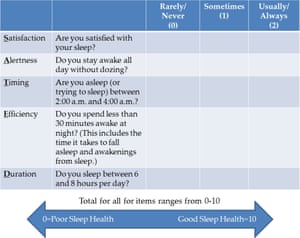
The SATED test: a self-report questionnaire developed by sleep researchers to determine sleep fulfillment

Labels: , , , , ,

Wednesday, January 30, 2019

Dreaming and the Subconscious

"The most common ones [night-time dreams] include fear, helplessness, anxiety and guilt."
"A dream can be a fascinating window into another person's private life, and I've learned that paying attention to dreams can help us understand ourselves."
Alice Robb, The Times

"Dreams are a valuable tool for uncovering parts of ourselves of which we are often unaware."
"Dreams can be a window into the myriad thoughts, feelings and impulses that drive our behaviour. Every character in a dream, in addition to representing people in our lives, also always represent parts of ourselves."
"Dreams can guide us to our parts unknown."
Stephen J. Levitan, psychoanalyst, Columbia University, New York

"During the day we 'drive shafts' into our fresh chains of thought, and these shafts make contact with 'dream thoughts'."
"This is how night and day fertilize each other. This -- I've come to believe -- is how creativity is born."
"Think of it, perhaps, as a form of scenario planning."
Marina Benjamin, insomnia sufferer
The meaning of dreams
Seb Oliver/Getty Images

"If you close your eyes and dive into yourself you can see a different world."
"It's like exploring the cosmos, but inside yourself."
"You go to a different place, where it's very dangerous and scary, and it's important to know the way back."
Haruki Murakami, Japanese novelist
By closing his eyes Mr. Murakami stirs his imagination to lead him to the creation of scenarios, characters, and in the process finds grist for the mill of his novel writing. This process, he reveals, leads him to places within his mind delving deep into places he has little conscious knowledge of, trusting his subconscious to treat him kindly and feed his writerly muse. He has no need of dreams, he says, being able to channel his mind deep into himself dredging up what he has no way of knowing is there, but valuing the process and profiting from it.

Many people invite their dreams to happen and feel as though in their dreams they enter another world, both familiar and unfamiliar. To them, it may be akin to reading an interesting novel, watching an exciting play, taking part in a mysterious process that takes them to unique places they would otherwise not be aware of. Many other people consider their dreams hostile to their waking well-being and feel fear when they dream, considering many of those dreams to represent nightmares.
Dreams about flying
Yulia Popkova/Vetta/Getty Images

It can be the difference between finding yourself in an atmosphere that allows you to glide or fly, giving a sense of freedom and satiating curiosity about just what it might be like to view everything from above as a bird would. Still other people can find themselves in precariously dangerous situations, or that they're being pursued by something or someone threatening them, while others discover themselves to be in strange surroundings they want to flee from but cannot find their way to freedom.

When dreams inspire trepidation and fear the preference is to give them short shrift, forget their details as swiftly as possible, consider them as being of meaningless content, the result of a tired, overactive mind. According to Ms. Robb who wrote "Why We Dream", dreams and their content can be interpreted in many ways, including forewarning of what is to come and perhaps that forewarning can be used to prevent an unhappy outcome.

She cites scientific studies indicating that the interpretation of dreams can be useful, that in fact that dreaming has evolved to aid people to "work though our anxieties in a low-risk environment, helping us practice for stressful events and cope with trauma and grief." Just as Dr. Levitan feels that the interpretation of dreams can be a useful tool for patients in psychotherapy.
Dreaming about being chased
Didier Robcis/The Image Bank/Getty Images

Ms. Benjamin who suffers from insomnia wrote a book about her experiences in which she claims to believe that her sleeplessness might represent a portal between the conscious mind and the unconscious mind, referencing a section in Ms. Robb's book discussing how people can train themselves to dream lucidly, giving "directorial control over the night brain's filmic productions", suggesting that insomniacs might be able to perform similar effects.

She mentions the awareness of a process described in 1899 in "The Interpretation of Dreams" by Sigmund Freud on making connections with dreams during waking hours.
"When Freud famously started analyzing himself, he used his dreams quite frequently in the process. Always a vivid dreamer, Freud had by this time also noticed the impact of dreams on his patients, including psychotic patients whose hallucinations were similar to dreams. Between his own experience and that of his patients, he concluded that dreams are almost always expressions of unfulfilled wishes."
verywellmind
German title page for The Interpretation of Dreams
Hulton Archive/Getty Images

Labels: , , ,

 
()() Follow @rheytah Tweet