Ruminations

Blog dedicated primarily to randomly selected news items; comments reflecting personal perceptions

Friday, April 30, 2021

Coffee Consumption and Cardiovascular Health Body Regulation

"People drink coffee for all sorts of reasons -- as a pick-me-up when they're feeling tired, because it tastes good or simply because it's part of their daily routine."
"But what we don't recognize is that people subconsciously self-regulate safe levels of caffeine based on how high their blood pressure is, and this is likely a result of a protective genetic mechanism."
"What this means is that someone who drinks a lot of coffee is likely more genetically tolerant of caffeine compared to someone who drinks very little."
"Conversely, a non-coffee drinker, or someone who drinks decaffeinated coffee is more likely prone to the adverse effects of caffeine and more susceptible to high blood pressure."
Elina Hypponen, director, Australian Centre for Precision Health, University of South Australia
Coffee 1000
 
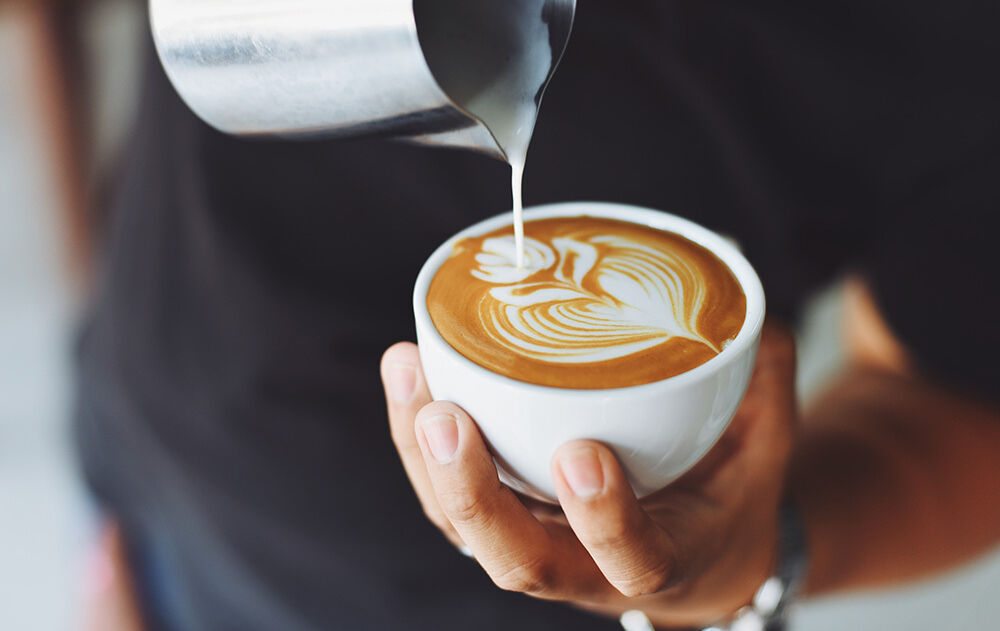
Recent research concludes variously that coffee as a stimulant is useful for decreasing obsessive compulsive behaviour of germaphobes all the way up to increasing the rate at which the body burns fat when consumed pre-workout. It can hardly be surprising that one of the most popular reached-for  beverages globally has intrigued researchers to study its properties and effects on people, and there are many effects of various kinds on many different people.

Filtered coffee 1000

"Listen to your body, it's more in tune with your health than you may think", advises Dr.Hypponen, lead researcher of a recent study published in the Academic Journal of Clinical Nutrition. The study of almost 400,000 people revealed causal genetic evidence pointing to  n individual's cardiovascular health playing a role in that person's thirst for coffee, known for its caffeine-concentrated effects to start off the day.

Researchers involved in the study found that people with high blood pressure, angina and arrhythmia tend to drink less coffee, or to avoid it altogether. This is not a deliberate thought-out decision, but one that appears sub-conscious as though the body makes a decision in its best interests. The coffee-consumption habits of 390,435 individuals from the UK Biobank -- a large-scale health database containing in-depth genetic and medical data of a half million people -- compared this to baseline levels of systolic and diastolic blood pressure and heart rate.

Long-term, heavy coffee consumption - six or more cups a day - can increase the number of lipids (fats) in your blood to significantly heighten your risk of cardiovascular disease (CVD).(Pixabay)
The Mendelian randomization method used by the researchers established causation; it is an epidemiological technique using genetic variants in observational data to determine the effect of a modifiable exposure like coffee consumption. Some six million Canadians -- representing 19 percent of the population - suffer from high blood pressure with just 17 percent of people nationwide seemingly aware of their condition. 

High blood pressure represents the leading risk for death in the country. Research also bears out that at some time in their lives an estimated 90 percent of the Canadian population will develop high blood pressure or hypertension, typical of most populations in North America. Of those being treated for the condition, only two-thirds are known to exercise adequate control. The published study indicates that coffee assumes a relatively reliable role in the indication of cardiovascular health.

Methods: We used information from up to 390,435 European ancestry participants in the UK Biobank, aged 39-73 y. Habitual coffee consumption was self-reported, and systolic blood pressure (SBP), diastolic blood pressure (DBP), and heart rate were measured at baseline. Cardiovascular symptoms at baseline were based on hospital diagnoses, primary care records, and/or self-report. Mendelian randomization (MR) was used to examine genetic evidence for a causal association between SBP, DBP, and heart rate with habitual coffee consumption.

Results: Participants with essential hypertension, angina, or heart arrhythmia were all more likely to drink less caffeinated coffee and to be non-habitual or decaffeinated coffee drinkers compared with those who did not report related symptoms (P ≤ 3.5 × 10⁻⁸ for all comparisons). Higher SBP and DBP were associated with lower caffeinated coffee consumption at baseline, with consistent genetic evidence to support a causal explanation across all methods [MR-Egger regression (MREggr) β: -0.21 cups/d (95% CI: -0.34, -0.07) per 10 mm Hg higher SBP and -0.33 (-0.61, -0.07) per 10 mm Hg higher DBP)]. In genetic analyses, higher resting heart rate was associated with a greater odds of being a decaffeinated coffee drinker (MREggr OR: 1.71; 95% CI: 1.31, 2.21) per 10 beats/min).

Conclusions: We provide causal genetic evidence for cardiovascular system-driven influences on habitual coffee intakes, suggesting that people tend to naturally regulate their coffee consumption based on blood pressure levels and heart rate. These findings suggest that observational studies of habitual coffee intakes are prone to influences by reverse causation, and caution is required when inferred health benefits result from comparisons with coffee abstainers or decaffeinated coffee drinkers.

Labels: , , ,

Thursday, August 08, 2019

Tea, Coffee, Anyone?

"Considering the public health importance of obtaining quality sleep and the widespread use of alcohol, nicotine, and caffeine, relatively few studies have thoroughly investigated the association between evening substance use and sleep parameters."
"This study represents one of the largest longitudinal examinations of the associations of evening use of alcohol, caffeine and nicotine with objectively measured sleep outcomes."
"A night with use of nicotine and/or alcohol within four hours of bedtime demonstrated worse sleep continuity than a night without."
"We did not observe an association between ingestion of caffeine within four hours of bed with any of the sleep parameters. These findings support the importance of sleep health recommendations which promote the restriction of evening nicotine and alcohol."
Dr.Christine Spadola, assistant professor, Phyllis and Harvey Sandler School of Social Work, Florida Atlantic University
Coffee before bed does not disrupt sleep, study suggests
Study suggests coffee before bed does not disrupt sleep   Photo: Irish Times


"In fact, heavy use of alcohol can permanently damage the genes involved in healthy sleep and wake cycles."
"A brain in withdrawal from nicotine may wake you up to satisfy its craving. Because of its effect on the lungs and blood vessels, nicotine can increase breathing disorders that impact sleep, such as asthma and sleep apnea."
"Vaping may not involve the inhalation of smoke, but may deliver more powerful stimulant effects than smoked nicotine, disrupting sleep even further."
Rose MacDowell, chief research officer, Sleepopolis

A recently-completed research study published in the journal Sleep came to some unexpected conclusions with respect to the effect of caffeine consumption and sleep patterns. Researchers from Florida Atlantic University, Harvard Medical School and several other colleagues undertook with the help of 785 volunteers to record how much caffeine, alcohol and nicotine the study subjects consumed, comparing their recorded sleep diaries and wrist sensors to evaluate the results.

Some 40 percent of the study group consumed caffeine on one night of the study at least, but the caffeine appeared to have no effect on their sleep patterns. On the other hand, nicotine and alcohol were seen to disrupt sleep; a nighttime cigarette had the effect of awakening the study subjects 42 minutes earlier than should have occurred for insomniacs. The researchers hardly anticipated that caffeine would be seen to have no effect, since caffeine blocks sleep-promoting brain chemicals.

It was previously found that 70 percent of adults in Britain sleep less than seven hours nightly, according to a report by the Sleep Council. Over a quarter of the population sleep poorly on a regular basis, leading the National Health Service to recommend consuming less tea, coffee, energy drinks or cola during the evening hours, since caffeine has always been thought to interfere with the sleep process, playing a significant role in preventing deep sleep.

Previous research demonstrated that the use of caffeine close to bedtime seemed to increase the time taken to fall asleep, and it was always assumed that caffeine consumption in the late hours stirred people to awaken from sleep earlier than would be the case had they abstained from caffeine-hosting products. Most other studies, point out the researchers, involved fewer participants who were given caffeine tablets to mimic the effects of coffee or tea drinking before bed.

In the new study, volunteers incorporated study parameters into their normal lifestyles with t he results indicating evening nicotine use as opposed to a night without led people to awaken six minutes earlier than would otherwise occur.

An evening cigarette is worse for sleep than a late coffee, this study finds. Photo: Sebastianosecondi iStock

"As confirmed in this research, caffeine actually has less of an effect on our sleep than many people worry about."
"As long as you don’t drink pitchers and pitchers of coffee just before bed, caffeine is unlikely to have a major negative impact on sleep."
"If we wake during the night and consume nicotine — perhaps in an attempt to help us relax — we can actually make it more difficult to fall back to sleep. I suggest trying to avoid smoking at least two hours before you plan on going to bed and to avoid smoking if you wake during the night."
"Limiting alcohol consumption to one or two glasses of wine or beer with dinner, three to four hours before bedtime will help minimize any sleep disruption."
Martin Reed, certified clinical sleep health educator, founder, Insomnia Coach

Evening coffee drinkers may not be wrecking their sleep after all.  iStock

"African Americans have been underrepresented in studies examining the associations of nicotine, alcohol, and caffeine use on sleep. This is especially significant because African Americans are more likely to experience short sleep duration and fragmented sleep compared to non-Hispanic whites as well as more deleterious health consequences associated with inadequate sleep than other racial or ethnic groups."
"There is no reason to think that these findings are not generalizable to other racial or ethnic groups. This is one of the largest investigations of the impact of alcohol, caffeine and nicotine to date with more than 5,000 nights of data."
Dr.Christine E. Spadola, study lead author

Labels: , , , , ,

Thursday, August 31, 2017

Coffee and Cake, Anyone?

"[A palate altered to taste sugary objects as less sweet than they are] is a noticeable effect, and that it does stick around after you've finished consuming [results from imbibing coffee with caffeine in it."
"[Since many people drink more than one cup of coffee] this [dulled palate] may have a cumulative effect to the day."
"Some of these flavoured coffees, to me, they all taste very, very sweet before you put anything in there. Maybe that's them [coffee companies] already responding to this [caffeine/sweet-dulling effect]. You might be getting 800 calories in your coffee before you've already sat down in (sic) your desk."
"People have a very negative opinion of decaf, they think there's no point in drinking it."
"If you don't know that it's decaf, you might be feeling just as boosted as you might with a regular cup of coffee."
Robin Dando, director, Cornell Sensory Evaluation Facility/assistant professor, Cornell University Department of Food Science

"It has always been coffee and doughnuts, or coffee and some type of sweet -- we've been doing this a long time, this link between sugar and coffee, but now we understand more of the mechanism."
"This is one more reason to be moderate with our caffeine intake."
Lauri Wright, assistant professor, director of doctorate program, University of North Florida

A science team at Cornell University at Ithica, New York undertook research to establish that adenosine helps us taste sweet flavours, and caffeine, while producing an energy burst, blocking brain receptors for adenosine, interferes with our taste for sweet. Coffee loaded with caffeine has the effect of making things taste less sweet. And the takeaway link there explains why it is that when drinking coffee, people look for something sweet to go along with it, evidently.

The research proceeded with each member of the study group given a cup of lightly sweetened coffee, without informing the participants whether the cup they were given contained caffeine or was decaffeinated coffee. To ensure that those given the decaf wouldn't be tipped off because it lacked the typical caffeine-laden coffee bitterness, quinine was added to the decaffeinated coffee. Leading to the participants being "unable to estimate the caffeine content of their sample", according to the study.

Those who consumed caffeine had the perception that it was less sweet compared to those who drank decaf. Asked to taste and rate a solution of sucrose some 15 minutes after consumption of the coffee, lower levels of sweetness were reported by those drinking the caffeinated coffee. No effort was made to measure the lasting effect of this perception, although it was determined that there was no detectable effect on perceptions of bitter, sour, salty or umami tastes with caffeine consumption.


Previous research undertaken by Dr. Dando had discovered that people who in experiments had their capacity to taste sweet flavours blocked chemically, craved sugar and sought higher-calorie treats as a result. So it was already understood that a caffeinated cup of coffee would have a blocking effect on detecting sweetness, which reacted on people's tastes by stimulating them to want cookies or cake at a level much greater than normal.

The corollary to this is that with this realization coffee companies promote sales of post-coffee sweets, and as well produce sweeter coffees, flavouring them. At the opposite end of the scale, studies have demonstrated that caffeine in moderation also has benefits to health, reducing the risk of heart disease and Type 2 diabetes. On the other hand, adding excessive sugar to caffeinated coffee through the course of a day with multiple coffee intakes, might offset some of these benefits.

The Academy of Nutrition and Dietetics in the U.S. recommends the consumption of 400 mg of caffeine, maximum daily, which equates to roughly three cups of coffee. Strangely enough, participants in this study reported experiencing an energy boost irrespective of whether they were given the decaffeinated or the caffeinated coffee; the flavour of the coffee seemed the same. Which speaks volumes about drinking decaffeinated to reflect the placebo effect. Mind over matter.

"I think it ultimately comes down to mindfulness. To being aware that your taste buds may not be the same throughout the day or after certain foods", states Dr. Dando, and that people might consider this when they respond throughout the day to their coffee cravings, and make an effort to moderate intake.


Labels: , , , ,

Wednesday, May 24, 2017

Consumer Caution Advised in Energy Drinks

"The energy drink industry claims that their products are safe because they have no more caffeine than a premium coffee-house coffee."
"However, energy drinks also contain a proprietary 'energy blend', which typically consists of stimulants and other additives. Some of these ingredients [including taurine and guarana] have not been FDA-approved as safe in the food supply, and few studies have tested the effects of caffeine consumption together with these 'novelty' ingredients."
"On top of that, energy drinks are highly marketed to adolescent boys in ways that encourage risky behaviour, including rapid and excessive consumption. As a result, emergency room visits by young people in connection with energy drinks are rising."
Dr. Jennifer L. Harris, Rudd Center for Food Policy and Obesity, University of Connecticut
The multiple ingredients in different brands of energy drinks need more scrutiny, researchers say.
The multiple ingredients in different brands of energy drinks need more scrutiny, researchers say. (Canadian Press)


Over 500 energy drink products are now on the market; their popularity is manifest by the extent of their sales, and in lock-step with their popularity is the allied phenomenon of increasing visits to hospital emergency centres, and even deaths attributed to their consumption. A 32-ounce container of an energy drink is now being linked with potentially harmful blood pressure and heart function changes beyond alarming and owing not only to the caffeine in those drinks but other key ingredients present in them.

Consumers like energy drinks. And people who convince themselves that anything that is freely available on the market and that suits their lifestyle cannot be a threat to their health, simply will not believe that these drinks indeed can very well pose a threat best avoided. The manufacturers of the energy drinks, after all, attest to their perfect safety, in itself persuading consumers there is no threat to their health in their consumption. But the growing body of evidence appears to firmly point in the opposite direction.

Caffeine up to 400 mg, reflected in the consumption of up to five cups of coffee is considered to be a safe daily dose by the U.S. Food and Drug Administration. Energy drinks mostly contain caffeine, and plenty of it, but it is the other ingredients in those drinks about which the level of safety is largely unknown, concluded a study team whose results were published in the Journal of the American Heart Association.

A research team led by Sachin A. Shah of David Grant Medical Center on Travis Air Force Base along with the University of the Pacific in Stockton, California, set out to compare physical alterations resulting in a group of 18 healthy men and women after they had consumed an energy drink and after another drink with a similar dose of caffeine, lacking any other ingredients had alternately been consumed.

The energy drink given the test subjects contained four ounces of sugar, several B vitamins, and a proprietary 'energy blend' of taurine and other ingredients most often linked to drinks like Monster Energy, Red Bull, and 5-hour Energy. And that energy drink also contained the obligatory 320 mg of caffeine, analogous to what would be contained in four cups of coffee. Alternately another drink was given the participants which held only the 320 mg of caffeine, nothing additional.

The research team then measured the study participants' blood pressure along with measuring heart electrical activity for 24 hours following the consumption of the drinks. Using an electrocardiogram (EKG) for the heart measurement activity, it was discovered that a change identified as QTc prolongation, a condition associated with life-threatening irregularities in the heartbeat, was present post-energy drink consumption, but not after consuming the caffeine beverage.

Blood pressure was seen to increase by about five points after the energy drink was consumed, and in comparison less than a one point increase was noted after the test subjects drank the beverage containing caffeine only. In addition, blood pressure remained in that elevated state for the following six hours. The study points out that healthy individuals are not threatened by these changes, but people with particular heart conditions would do well to exercise caution with these energy drinks.

hi-energy-drinks-teen-852-c
Just as adolescents are taught to drink alcohol responsibly, they could receive a similar message about energy drinks, pediatricians say. (Jack Dempsey/Associated Press)

"The energy drink amount tested by the U.S. researchers in this study was equal to twice the amount that is permitted to be labelled in Canada for maximum recommended servings per day."
"Health Canada's recommended maximum amounts are based on all of the ingredients of energy drinks, not just the caffeine."
Canadian Beverage Association

Labels: , , , ,

Sunday, April 16, 2017

Beware Excessive Caffeine

"Caffeine is known at high doses to cause seizures but, whether it can cause seizures in those with lower seizure thresholds in certain conditions is not well established."
Health Canada expert report

"Not recommended for children, pregnant or breastfeeding women, caffeine sensitive persons or to be mixed with alcohol."
"Two cans maximum daily."
Red Bull energy drink label notice

"Caffeine is the major ingredient in most energy drinks—a 24-oz energy drink may contain as much as 500 mg of caffeine (similar to that in four or five cups of coffee). Energy drinks also may contain guarana (another source of caffeine sometimes called Brazilian cocoa), sugars, taurine, ginseng, B vitamins, glucuronolactone, yohimbe, carnitine, and bitter orange."
"Consuming energy drinks also increases important safety concerns. Between 2007 and 2011, the overall number of energy-drink related visits to emergency departments doubled, with the most significant increase (279 percent) in people aged 40 and older. A growing trend among young adults and teens is mixing energy drinks with alcohol." "About 25 percent of college students consume alcohol with energy drinks, and they binge-drink significantly more often than students who don’t mix them. In 2011, 42 percent of all energy-drink related emergency department visits involved combining these beverages with alcohol or drugs (including illicit drugs, like marijuana, as well as central nervous system stimulants, like Ritalin or Adderall)."
U.S. Department of Health and Human Services/National Institutes of Health
Men'sFitness

A few weeks back, a 26-year-old man in Ottawa, who has consumed energy drinks for the past decade suddenly, while at work in a food warehouse, collapsed seemingly without reason. He collapsed into a state of seizures, leading other workers standing nearby to rush to his aid. An ambulance was called and he was taken quickly to hospital, where in an unconscious state, he was intubated. He remained unconscious for four days, before finally waking up. His recovery comes  complete with nightmares, and anxiety.

According to his family health history, there has never been anyone, including the young man, who suffered from a seizure-prone medical condition such as epilepsy. While in hospital, he was given a number of tests, from an MRI, a CAT scan, spinal tap, a series of blood tests, with none of the results rendering any conclusive hint as to what had activated the young man's collapse. Doctors, however, had their suspicions after having been informed that he normally drinks up to three energy drinks daily.

Authorities representing health agencies around the world, from as far afield as the World Health Organization, to Health Canada, and down to Ottawa Public Health all have questioned how safe energy drinks are, concerned with the high-caffeine drinks causing adverse health effects in those using them, particularly young people. A Scarborough, Ontario man had recently given a presentation to the Ottawa Board of Health ventilating his suspicion that the death of his 15-year-old son from sudden cardiac arrhythmia in 2008 involved energy drinks.

Health Canada had been the recipient of 75 "adverse-reaction reports" up to October of 2013, involving high-caffeine drinks. Half of those reports were in the category of extremely serious, some of those events having resulted in three deaths. An expert panel concluded that caffeine in high doses has been known to cause delirium, neuromuscular tremors, convulsions and vomiting. Caffeine affects heart rate and blood pressure, even when taken in what can be considered to be moderate doses.

The end result was that the panel made a recommendation that energy drinks be used only by adults with a maximum dose per unit of 80 mgs of caffeine. A small Red Bull energy drink can of 250 mL contains 80 mgs of caffeine. In recognition of an obligation as a responsible food producer, the company carries a notice of caution for the use of its product. It also notes that a can of the product contains a similar amount of caffeine as a single cup of coffee.

Health authorities feel that the product is safe as long as users pay attention to the cautions. However, it is an extremely popular drink among young people, who are not known for caution, and there lies a problem; the public tends to view food and drink as 'safe', and rarely questions ingredients.

A follow-up by an investigative reporter with a local newspaper found that a 473 mL can of Rockstar contains 160 mgs of caffeine with a recommendation of one unit to be consumed on a daily basis. For the Monster brand energy drink 166 mgs of caffeine reflects the product and it too offers the same caution for consumption.

The Ottawa public health department plans to embark on a public consultation on the marketing of energy drinks, among other processed high-fat and high-sugar foods, to be restricted in schools. "The regular consumption of sugar-sweetened beverages, including energy drinks, is not conducive to a healthy diet", according to a staff report.

Every parent knows what a young person's reaction is to such cautions; it generally excites interest in a forbidden fruit that suddenly becomes attractive, contrary to the purpose of the wording of the caution, but completely consistent with the reverse psychology that engages a child's mind when an adult intervenes in any issue.

Lifehacker


Labels: , , ,

 
()() Follow @rheytah Tweet