Ruminations

Blog dedicated primarily to randomly selected news items; comments reflecting personal perceptions

Monday, July 25, 2022

For Optimum Health: Balance Good Diet With Habitual Exercise

sneakers
"We hypothesize that physical activity and diet quality are independently associated with lower mortality risk, and that high levels of physical activity, either in total moderate-to-vigorous physical activity or vigorous physical activity, cannot offset detrimental effects of poor-quality diet."
"Sensationalized headlines and misleading advertisements for exercise regimens to lure consumers into the idea of 'working out to eat whatever they want' have fuelled the circulation of the myth about 'exercise outrunning a bad diet'."
"Our study provided important evidence for health professionals that exercise does not fully compensate for a poor diet and that we should recommend and advocate for both an active lifestyle and a healthy diet."
"[The selection of target foods reflects recommendations from the American Heart Association] These food groups were selected as markers for overall diet quality because other important dietary components and/or nutrient groups, such as whole grains and dairy, were not measured during baseline assessment."
Research conclusion, BMG Sports Medicine
One of very few research projects taking on the pairing of exercise and diet slanted toward the conviction that vigorous exercise regimens are capable of reversing the effects of poor nutrition has reached the conclusion that whatever the type of exercise that is paired with a poor diet, in the final analysis makes little difference. While exercise is beneficial and its effects are credited with healthier outcomes, this is separate and apart from the issue of a diet low in nutritional quality and high in health-harmful substances.

An international team of scientific researchers out of Australia, the U.S., Italy and Norway made use of a large sample of British adults in research to determine what impact diet has on human health that could be counteracted by a good exercise regimen. The multinational research ream reviewed exercise and diets' independent impact and in turn their joint impact on all-cause mortality, cardiovascular disease and a number of cancers.

stethoscope with medical papers
Self-reported health histories specific to diet and exercise habits of 346,627 study subjects between the ages of 40 and 69 were cross-referenced against data on local death records in the course of a decade. The purpose: to link cause of death to baseline health records gathered a decade earlier so that the impact of diet, exercise or a combination of both on mortality could be gauged. It was the very sparcity of such studies that motivated the study as well as curiosity whether vigorous exercise did in fact offer added protection against early death risk in comparison to more moderate exercise intensity.

Study subjects were fairly representative of most societies with 40.8 percent subscribing to no vigorous exercise weekly, 26.5 percent exercising fewer than 75 minutes of high-intensity workouts each week, and the remainder devoting over 75 minutes weekly to exercising vigorously. Concerning diet, 22 percent held a poor ranking, 53.4 percent a medium rating while 24.5 percent qualified as the healthiest in the diet category.

Separately reviewed, high levels of physical activity -- 211 to 450 minutes of moderate to vigorous weekly exercise along with a high-quality diet each was seen to have a positive influence on longevity. Study participants who excelled at both diet and exercise scored the lowest mortality risk. Leaving those who count on one healthy habit correcting the unhealthy one, extremely disappointed.

Slightly greater protection was provided with vigorous physical activity against cardiovascular disease as opposed to moderate-intensity exercise; only however, for those accumulating ten to 150 minutes of vigorous exercise a week. On the other hand, those who were credited with over 150 minutes a week failed to realize the same benefit boost. 

Harvard Healthy Eating Plate
People with the healthiest diets saw a 14 percent lower risk of cancer mortality, representing a benefit that failed to extend to those with a low- or medium-quality diet. The research results give clarity to the reality that a love of exercise cannot mitigate the negative effects of a love of fast food.
"The study results are no surprise to me. Many people have come to see me in my private practice after suffering a heart attack when training for their fourth or fifth marathon, or right after doing a CrossFit exercise."
"When I do a comprehensive evaluation of their lifestyle, it is apparent that they thought their intense daily exercise regimen would make up for their poor, unbalanced diet, and it simply doesn’t." 
Michelle Routhenstein, cardiology dietitian

Labels: , , , , , ,

Tuesday, August 18, 2020

Obesity and COVID-19 Morbidity

"Although this study examines a variety of factors that may be associated with risk of death from COVID-19, our main objective in this paper was to understand risk related to obesity, and obesity-associated chronic conditions in our health care system."                                                                                                                "Our findings suggest that it is not race or ethnicity alone that increases risk of death, but rather other correlated factors, including access to health care, comorbidities, and obesity, that also play an important role."                                   Lead researcher, Sara Y. Tartof, PhD, MPH,  Kaiser Permanente Southern California Department of Research & Evaluation

Getty Images

"By viewing the risk posed by obesity through the prism of COVID-19, this study advances the characterization of obesity as a disease that demands a public health and clinical response similar to that for diabetes or heart disease." "One pandemic is expanding our understanding of another, and we hope this work not only provides physicians and patients a better grasp of the risk obesity poses in the setting of COVID19, but also to overall health."  Senior author, Sameer B. Murali, MD, an internal medicine physician at Kaiser Permanente Fontana Medical Center

A new study on obesity and COVID-19 has been published in the peer-reviewed journal Annals of Internal Medicine. A team of researchers from Kaiser Permanente responsible for the paper, used data from the health-care body's insured patients to derive the results of their study from the health characteristics of 6,916 patients who had contracted the SARS-CoV-2 virus that causes COVID-19 in the period between when the epidemic struck the U.S. in March and the beginning of May.

The goal was to determine whether and how greatly obesity had an effect on the risk of dying from COVID complications. The Kaiser Permanente model verified that obesity is a dominant driver and an independent risk factor for mortality caused by COVID-19, factoring out hypertension. Issues such as sex, age, race, smoking status, heart failure, history of myocardial infarction, socioeconomic status, vascular disease, asthma and diabetes were all taken into account.

When all was accounted for, obesity stood out as uniquely dangerous in COVID-19. Risks linked to overweight and COVID were seen to increase morbidity by 81 percent higher as compared to people within normal weight parameters in COVID infection. Excess risk rose for those with a BMI in the 35 to 39 kg/sq.m range at 16 percent; a BMI of 39 equal to 288 pounds weight for someone six feet tall.

BMI in the range of 40 to 44 raises risk to 168 percent, and 45-plus BMI rises to 318 percent risk. Cardiologist David Kass of John Hopkins was invited to write an accompanying editorial by the journal; to envision how obesity affects mortality risk in COVID-19. Dr.Kass made the observation that obese individuals are endowed with weaker immune systems and poor endotheliums (cellular layer on the interior surface of blood vessels). Their breathing is impaired at night or while in a prone position.

A more elevated "docking" protein results from fatty tissue, which the COVID viruses makes use of to break into cells, according to Dr.Kass, conceivably permitting fat to "serve as a viral refuge and replication site, prolonging virus shedding."

Medical workers prepared to transport the body of a patient who died of Covid-19 at the United Memorial Medical Center in Houston.
  Credit...Go Nakamura/Getty Images

  • Patients who were severely obese had nearly 3 times the risk of death and those who were extremely obese had over 4 times the risk of death from COVID-19 compared to those of normal weight.
  • Severely and extremely obese people who were 60 years old and younger had a substantially higher risk of death than severely obese people over age 60.
  • Severely and extremely obese men had a very high risk of death, while women had no increased risk of death associated with obesity. searchers were able to control for a variety of risks previously reported in the literature and did not detect increased risk of death from COVID-19 associated with Black or Latinx race/ethnicity alone.

Labels: , , ,

Wednesday, January 29, 2020

Avoid a Sedentary Lifestyle, Avoid Processed and Convenience Foods

"The health benefits of a low-carb diet may not only depend on the types of protein and fat, but also the quality of carbohydrate remaining in the diet."
"Our findings show clearly that the quality rather than the quantity of macronutrients in our diet has an important impact on our health."
"The debate on the health consequences of low-fat or low-carbohydrate diets is largely moot unless the food sources of fats or carbohydrates are clearly defined."
Dr.Zhilei Shan, post-doctoral researcher, Department of Nutrition, Harvard University

"In this study, overall low-carbohydrate-diet and low-fat-diet scores were not associated with total mortality. Unhealthy low-carbohydrate-diet and low-fat-diet scores were associated with higher total mortality, whereas healthy low-carbohydrate-diet and low-fat-diet scores were associated with lower total mortality."
"These findings suggest that the associations of low-carbohydrate and low-fat diets with mortality may depend on the quality and food sources of macronutrients."
Study researchers

"It's more about selecting whole natural or minimally-processed foods, regardless of the amount of carbs or fat."
"This would translate into a diet that may include a variety of whole foods in various combinations including fruit, vegetables, legumes, nuts and fish as well as whole fat dairy and unprocessed red meat and poultry."
Andrew Mente, associate professor, Health Research Methods, Evidence, and Impact. McMaster University, Hamilton
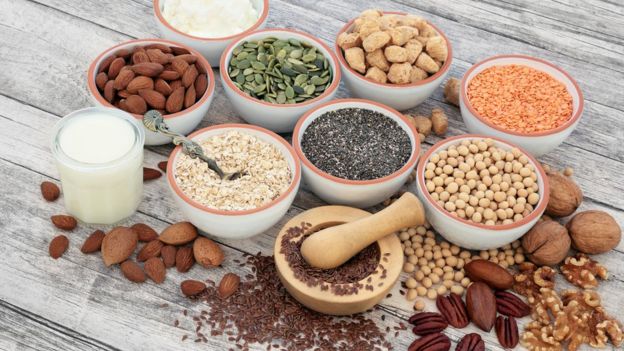
Sources of vegan protein
Exchanging carbohydrates for plant-based fats and proteins might promote healthy ageing  Getty Images

A newly-published study out of Harvard University where researchers followed 37,233 adults for two decades published in JAMA Internal Medicine, posits that people who follow low-carb or low-fat diets may not live longer than others, unless they also take care to avoid junk food and sweets in their daily diet. Study participants were 50 years old on average, when the study began. During the period of the study 4,866 people died, representing about 13 percent of participants.

The researchers reported that overall, mortality rates for people who followed low-carb or low-fat diets and those who did not, had similar outcomes in longevity. Still, risk of premature death for people on these diets who consumed healthier foods such as plant proteins --  unsaturated fats and good quality carbohydrates such as vegetables, fruits, legumes and whole grains -- did appear to be lower.

Mortality, on the other hand, was higher for people who included a lot of saturated fats and animal protein in their diets. Those who received most calories from unhealthy foods were 16 percent likelier to die during the study period, among low-carb dieters than those people who followed the healthiest diets. People were 12 percent more likely to die who took most of their calories from unhealthy foods with low-fat diets.

National dietary surveys conducted between 1999 to 2014 provided data leading to the findings when participants were asked to recall everything they had eaten in the previous 24 hours. 849 people died from heart disease and 1,068 of cancer, during the study period -- with several types of cancer and many cardiovascular diseases associated with unhealthy diets.

The analysis sees a limitation in that researchers were able to score participants' diet quality based solely on their recollection of a single day's intake of food. Without viewing the possibility that some of those same people might have altered their eating habits over time. What occurs in the body when people consume various types of carbs or fats that might impact longevity is not really known, points out Kevin C.Maki, researcher at Indiana University.

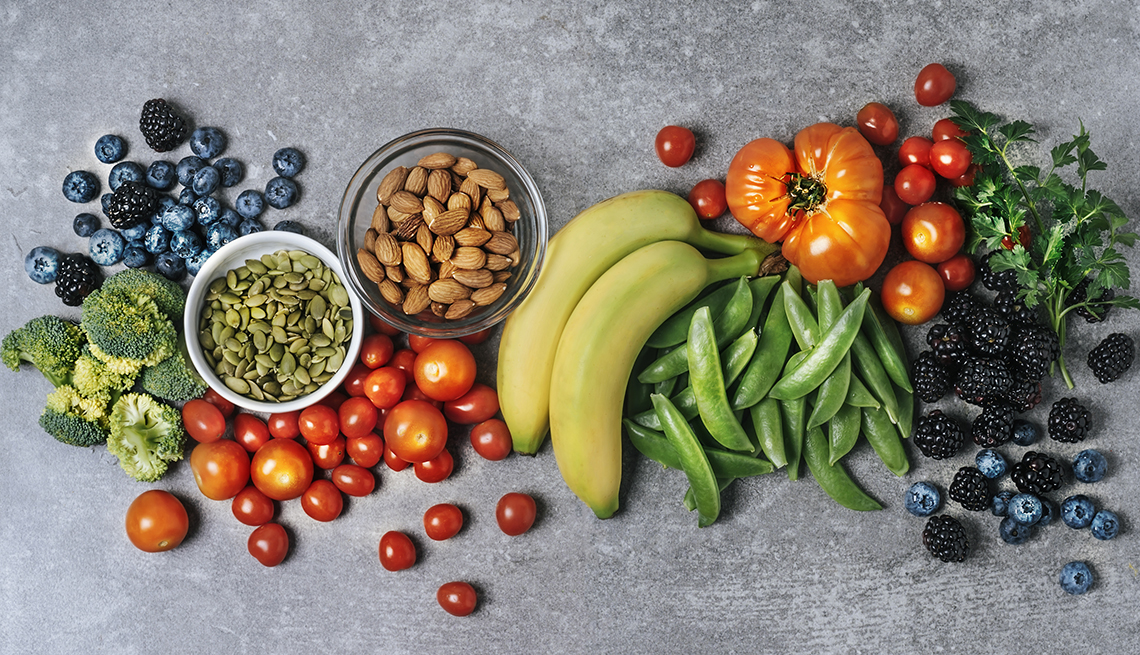
Fresh vegetables, fruits, and nuts
Getty Images

Labels: , , , , ,

Thursday, August 29, 2019

Female Heart Risk Data

"[Being female is a] statistically significant risk factor for dying after surgery."
"These established sex differences explain our overall observation of lower estimated long-term survival in women after cardiac surgery and of female sex being an independent risk factor for long-term mortality."
"[The risk of dying after bypass surgery remains low; in the one percent rage.] But out of that one percent, we are seeing more women than men."
Dr. Louise Sun, cardiac anesthesiologist, clinical scientist, University of Ottawa Heart Institute

"Given the substantial sex differences in patient presentation for coronary and valvular heart disease, further efforts need to be directed at the education of both physicians and patients in the early recognition of acute presentation of cardiac disease in women."
Research Study authors 
Cardiogram monitor in surgery Fotolia
A study recently published in the Journal of the American Heart Association where over 72,000 Ontario cardiac patients were involved, found women likelier to die than their male counterparts following coronary artery bypass surgery or valve surgery, including both combined, within thirty days -- including in the longer term. Researchers at the University of Ottawa Heart Institute and the University Health Network in Toronto, conducted the study which now becomes part of the evidence steadily mounting pointing out that heart disease and surgical outcomes are vastly different between men and women.

Of the 72,824 Ontario patients who had undergone cardiac bypass and valve surgeries in the years 2008 to 2016, the majority represented male patients, a reflection that heart disease afflicts a greater number of men than it does women. Of those studied, twenty-five percent were women. While women were seen to have significantly higher rates of death compared to men following coronary artery bypass surgery and combined bypass and mitral valve surgery, women had lower rates of long-term mortality after isolated mitral valve replacement.

Men, on the other hand, experienced lower death rates after isolated mitral valve repair, findings that led researchers to the conclusion that women are plagued with "long-term mortality" in the wake of cardiac surgery. Several plausible reasons were considered, explaining women's high death rates; one, that women tend to be more age-advanced than men when cardiac bypass surgery is required; they are more physically frail, and more medically complex, frequently associated with additional health issues like diabetes and hypertension.

Apart from those common gender-difference reasons, women frequently experience treatment delays where men do not tend to, leading to their conditions becoming more seriously impacted by the time surgery appears on the horizon. Among medical complexities in female patients, pointed out Dr Sun, is that some patients undergoing bypass and mitral valve surgery have had a previous undetected heart attack which might explain why they require surgery to replace a leaky mitral valve.

Additionally, sex-specific risk-prediction models for patients undergoing cardiac surgery is needed, for which a suitable protocol is currently being worked on.

Heart attack symptoms for women

The most common heart attack symptom in women is some type of pain, pressure or discomfort in the chest. But it is not always severe or even the most prominent symptom, particularly in women. And, sometimes, women may have a heart attack without chest pain. Women are more likely than men to have heart attack symptoms unrelated to chest pain, such as:
  • Neck, jaw, shoulder, upper back or abdominal discomfort
  • Shortness of breath
  • Pain in one or both arms
  • Nausea or vomiting
  • Sweating
  • Lightheadedness or dizziness
  • Unusual fatigue
Mayo Clinic

Labels: , , , , ,

Tuesday, October 02, 2018

The Most Dreaded of Cancers

"It is like being in a room with the lights dimmed and having the lights turned on. That is literally what it [fluorescent-guided surgery] looks like."
"We probably do more awake surgery than any other centre in Canada ."
"This has been an awful year for those patients and their families, but what it has done is brought attention to something that is a devastating disease [helping to raise research funds to further advance extended survival patient rates]."
"The courage that [Tragically Hip frontman Gord] Downie [and former Ottawa MP Paul] Dewar have shown by trying to help other people by making their stories known is immense with what they are facing."
Dr. John Sinclair, oncologist, neurosurgeon, The Ottawa Hospital
Dr. John Sinclair has been trained on a new brain surgery technique, used for first time in Canada, that makes malignant brain tumours glow in fluorescent pink and orange. Wayne Cuddington / Postmedia

A dread diagnosis of Glioblastoma is quite rare but it is set to rise alongside an aging population, the aged being more at risk of acquiring malignant glioma cells in their brains. The condition is what took the life of, among others, American Senator John McCain, last month. Some people over 50 are are diagnosed with glioblastoma multiforme, the most common primary brain tumour, a devastating cancer whose average survival rate is twelve to fourteen months, with treatment.

A new technique has been introduced at The Ottawa Hospital, pioneered there by Dr. Sinclair, in an effort to make a complicated type of surgery more precise and therefore more successful in its outcome. The technique is common in Europe and some other parts of the developed world, but is just now making its debut in Canada. Several hours pre-surgery the patient consumes a beverage containing the drug aminolevulinic acid (5-ALA) which illuminates malignant glioma cells to appear fluorescent under blue light.

Fluorescence-guided surgery represents a huge assist to surgeons, enabling them to clearly identify cells in the brains of their patients so they can proceed in removing tumours far more exactly, distinguishing the cancer cells from ordinary brain matter. New treatments are expected to increase survival rates of glioblastoma patients, adding months, perhaps even years to their lives. Patients with the cancer have mere weeks to live without treatment consisting of surgery, chemotherapy and radiation.

The tumours have no discretely distinct edges, they grow by tentacles, so distinguishing their presence -- critical to be accurate so they can be successfully removed -- is beyond difficult; invariably some of the cancer cells get left behind because their presence is so amorphous and difficult to determine. Surgeons work with the aid of white light traditionally, a MRI scan taken preoperatively to identify the tumour, along with a intraoperative navigation system.

As surgery proceeds and tissue is removed the MRI scan no longer accurately identifies the diminishing shape of the tumour being laboriously removed. Realtime shape has been altered, leaving surgeons to rely on their eyes alone, given assistance by a large operating microscope and eyepieces. Distinguishing between brain and tumour tissue becomes frustratingly fraught. With fluorescent-guided surgery things change; malignant cells are brought to view in sharp relief, to be distinguished from normal brain tissue.

The process gives surgeons the opportunity to become more aggressive in removing malignant cells since they have gained confidence in being able to distinguish the crazed cells from the normal ones, the tumour glowing pink and orange whereas normal tissue has no glow. Despite the care taken and the hopes involved after surgery the cancer returns but the more of the cancer cells that surgeons manage to remove, the more optimistic the patient's prognosis; cancer return is delayed, the patient has longer to live.

Anesthesiologists at The Ottawa Hospital developed a technique allowing for longer surgeries where the patient is kept in a waking state. Surgery can take up to seven hours, the physicians and surgeons interacting with the patient throughout the lengthy process where the neurosurgeon stimulates areas around a tumour asking the patient to perform tasks to help identify and understand functional areas of the brain, and to avoid disrupting them.

It is this combination of awake surgery for primary brain tumours and the fluorescence-guided surgery in tandem that advances survival rates for patients, many of whom must undergo additional surgeries as their cancer recurs. The drug 5-ALA has a cost between $2,000 and $4,000 for each patient pre-surgery, a cost not yet funded through OHIP and just recently approved by Health Canada. The Ottawa Regional Cancer Foundation raises the funds to pay for the drugs.
"We have been looking forward to this surgical approach being available in Ottawa for a long time."
"We know it will be a complete game-changer for local patients facing brain cancer."
John Ouellete, vice-president of philanthropy, Ottawa Regional Cancer Foundation

Labels: , , , ,

 
()() Follow @rheytah Tweet