Ruminations

Blog dedicated primarily to randomly selected news items; comments reflecting personal perceptions

Sunday, December 24, 2023

No, COVID-19 Is Not Like The Flu

https://encrypted-tbn0.gstatic.com/images?q=tbn:ANd9GcRkXaGSMcyD2pvOv4U9WfAAodOKf0DVO3u-PIUECekWxPGTPdsCD_pX&usqp=CAE&s
"We have a much better understanding of the nature of COVID today. COVID damages the inner linings of the blood vessels."
"[COVID] causes inflammation of the blood vessels that can increase the risk of blood clots. We know it can, over time, lead to increased risk of having a heart attack, stroke, heart failure and things like that."
"Since cardiovascular disease can be silent, it's important to get your blood pressure checked and do further screening for cardiovascular disease if there are concerns."
"The severity of the infection doesn't seem to make a difference. These complications can occur even in people who have very mild symptoms. The big surprise is how much this can affect younger people. Studies are showing that even young, active people can experience heightened risk of these complications."
"So the benefit of vaccines far outweighs the risk when it comes to COVID, especially now we realize hos COVID can be so insidious and harmful for our cardiovascular system."
"The message here is you don't want to get COVID-19 if you can help it."
Dr. Peter Liu, chief scientific officer/vice-president research, University of Ottawa Heart Institute
Foam cells.
Foam cells, which accumulate within arteries to form plaques in atherosclerosis, proved particularly susceptible to infection with SARS-CoV-2. Kateryna Kon / Shutterstock

We've lived with SARS-Cov-2 for over three years, ever since it surprised the world with its lightning-fast infection, moving through the planet with amazing ease, infecting populations and leading to a panic within governments, desperately seeking answers from the medical community, urging scientists to decipher the virus that was bringing havoc and sickness and death, burdening hospitals beyond their capacity to care for desperately ill people.
 
That panic is gone. We understand that the virus causing COVID is here and it will remain a threat to people's health as it continuously evolves, becomes more infectious, but somewhat less immediately lethal than the original strain. Yet its impact on human health as it mutates and appears less of a threat has led to a prevailing attitude that like the seasonal flu, it's nothing to be all that concerned about. The cautions of the first year from medical experts to isolate, mask, perform strict hygiene protocols have given way to alert-fatigue.
 
Even when new strains appear that once again are responsible for a resumption of mass infections showing up in waste water as a warning that communities are facing another epidemic resulting in new vaccines designed with the new strains at target, the uptake on vaccines being urged to keep the vulnerable up to date on their immunity levels now fails to convince people they are needed. The message seems to be that since the virus is endemic it's no more threatening than another flu virus.
 
But while during the early pandemic the scientific understanding was that the virus represented a respiratory disease, that perception has now changed, with experience showing that it is also a vascular disease, placing people at heightened risk for heart attack and stroke. COVID-19 is now viewed as a risk factor for cardiovascular disease, joining ranks with high cholesterol and diabetes, high blood pressure and smoking.
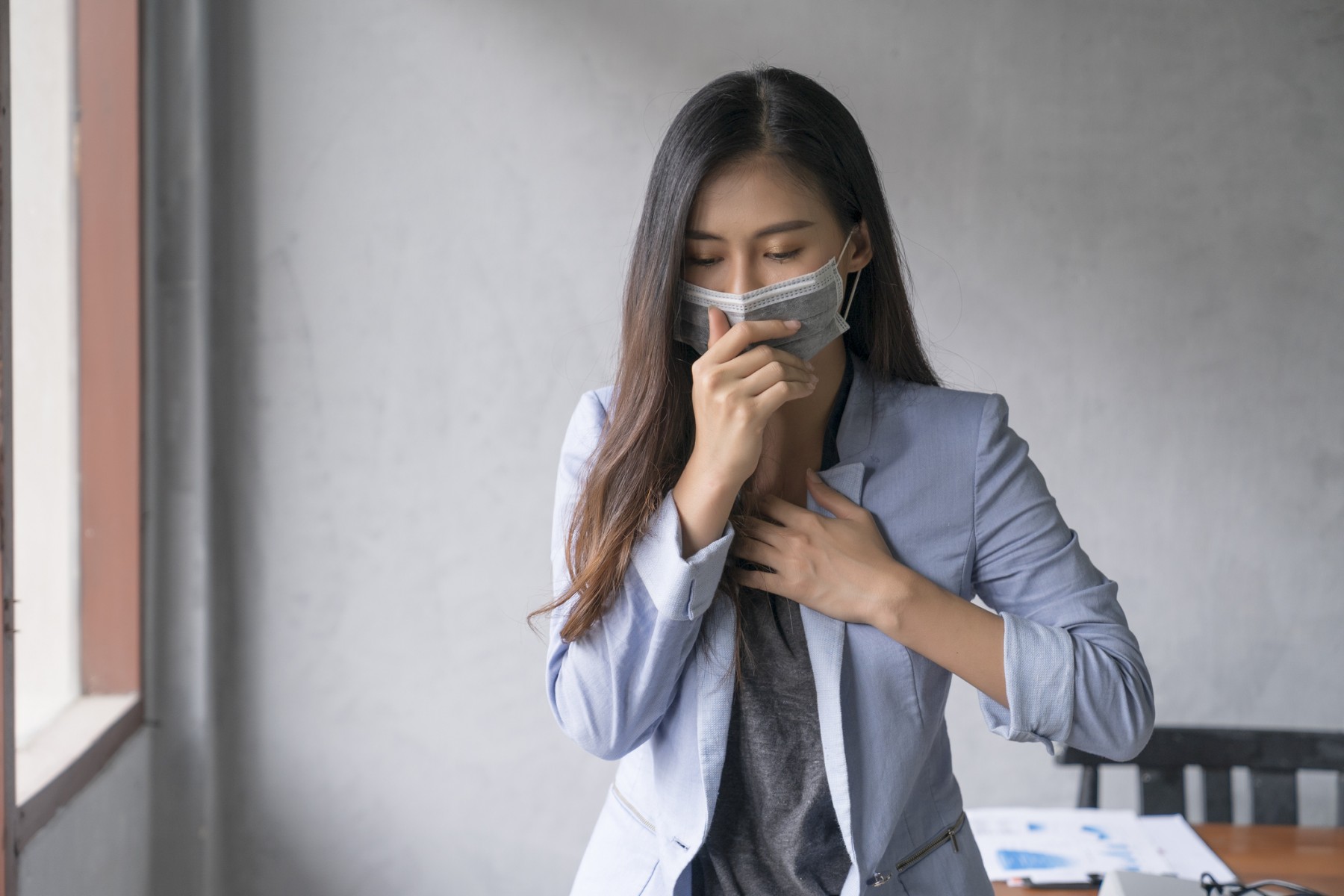
  
The research team members say they have long known that infections such as the flu can increase risk for heart disease and heart attack, but the sharp rise in heart attack deaths is like nothing seen before.  Photo by Getty.
The research team members say they have long known that infections such as the flu can increase risk for heart disease and heart attack, but the sharp rise in heart attack deaths is like nothing seen before. Photo by Getty.
 
People with pre-existing cardiovascular risk factors are of course susceptible for a worsening of their conditions as medically vulnerable, but the general public is also at greater risk with COVID onset. Infectious disease specialists now link increased risk of myocardial infarction along with heart rhythm abnormalities, heart failure and myocarditis (inflammation of the heart) with COVID-19 infection of recent vintage. Additionally, mRNA COVID-19 vaccines too can increase myocarditis risk. Even so, the risks associated with COVID are seen to be much grater than potential risk from the vaccine.

The risk of myocarditis was found over seven times higher in people who had been infected with COVID-19 than in those who received the vaccine, according to a 2022 study published in Frontiers of Cardiovascular Medicine. As well, the risk of developing a blood clot after an infection with COVID-19 is multiple times greater than after inoculation with  COVID vaccine. Neurological systems of the body are also affected by COVID-19.

Complications from COVID can be reduced by vaccines, even at infection. The tried-and-true masking and attention to public health advice are also seen to be effective in reducing risk of infection. Over 11 percent of Canadians following COVID infections have experienced long time COVID symptoms. Children vaccinated against COVID-19 were less likely to be left with long COVID, which can last for years, according to a recent study published in the journal Nature.

"I don't think we are going to get rid of COVID, so we need to protect ourselves against it", commented Dr. Liu.

photo of a senior man receiving a vaccination in his upper arm from a health care provider

  • In the year before the pandemic, there were 143,787 heart attack deaths; within the first year of the pandemic, this number had increased by 14% to 164,096.
  • The excess in acute myocardial infarction-associated mortality has persisted throughout the pandemic, even during the most recent period marked by a surge of the presumed less-virulent Omicron variant. 
  • Researchers found that although acute myocardial infarction deaths during the pandemic increased across all age groups, the relative rise was most significant for the youngest group, ages 25 to 44. 
  • By the second year of the pandemic, the “observed” compared to “predicted” rates of heart attack death had increased by 29.9% for adults ages 25-44, by 19.6% for adults ages 45-64, and by 13.7% for adults age 65 and older.
  • Cedar Sinai Medical Center

Labels: , , , ,

Sunday, December 10, 2023

COVID, Here To Stay

"A lot of people think, 'I got COVID, I got over it and I'm fine', and it's a nothing-burger for them. But that's not everything."
"[For some people], it's still wreaking havoc in your body."
Ziyad Al Aly, clinical epidemiologist, School of Medicine, Washington University

"[COVID] immune damage [could be contributing to recent surges in RSV [respiratory synctial virus] and other respiratory infections]."
"[The study] shows that the terrible 2022 RSV epidemic was not as simple as a 'catch up' year."
"The 2022 surge was driven by 'more severe cases'. What happened between 2021 and 2022? Mass infections of children with Omicron."
Lisa Iannattone, assistant professor of dermatology, McGill University
New research out of Israel suggests most symptoms of long COVID clear up within a year, but some — like weakness and trouble breathing — are more likely to persist. CBCNews
 
Although the initial years-long panic over the pandemic has subsided, an estimated three-and-a-half million Canadians have experienced symptoms of fatigue, brain fog, shortness of breath and other associated symptoms that have lingered for three months or more following a confirmed or suspected COVID infection "that could not be explained by anything else", according to a newly published national study on the after-effects of SARS-CoV-2, the virus causing COVID.

From mild to debilitating long-term problems, people tended on average to miss 24 days of work or school for a cumulative total of some 14.5 million missed days. And the more infections circulating within society at any given time, the likelier people were to come away from their COVID-infection experience with long-lasting symptoms. "As of June 2023, about 100,000 Canadian adults have been unable to return to work or school because of their symptoms": Statistics Canada and Public Health Agency of Canada survey.

Dr. Manali Mukherjee, an immunologist with McMaster University, found himself coping with symptoms for a year and a half recovering from long COVID. What exactly defines the "post COVID" experience, how best to treat patients, what possible medications might work best, are questions experts are still struggling with. There are over 100 symptoms, just to complicate matters, ranging from abdominal pain, hair loss and concentration problems.

Some experts believe that rogue autoantibodies turn on the bodies' own tissues, attacking the "host", or overactive cytokines-- proteins that boost inflammation in the body's natural immune response might be the source of the problem. "Cytokines give us an idea that there is still inflammation going on", explained Dr. Mukherjee.

A recent study published in Nature Medicine found increased risks of cardiovascular issues, diabetes, lung problems, gut problems, blood clots as well as additional conditions remained up to two years following infection even after mild or moderate COVID infections. The study was based on the health records of U.S. military veterans, infected prior to vaccines and drugs such as Paxlovid were available.
COVID is known to cause damage to organs and the vascular system in some people.

Some in the medical community engaged in COVID research have once more amplified on social media that COVID "damages the immune system", so that people become more susceptible to other respiratory viruses or pathogens. Some leading  experts in virology and immunology feel this to be speculative rhetoric exaggerating the risks associated with COVID. COVID-19, like other respiratory viruses can lead to 'temporary perturbation' in the immune system.

According to Matthew Miller, COVID can cause immunological changes that can be measured with sophisticated techniques, but whether these are meaningful changes requires careful study.
"It's not that I don't believe it is possible that COVID might, in some cases, cause immune deficiency-- it's simply that there is not currently sufficient evidence to conclude that it happens."
"Is getting infected good for  you? Of course not. Should we take steps to prevent infection? Absolutely!"
"But rhetoric that overstates the current state of evidence related to COVID risks is no more valid than rhetoric that diminishes the seriousness of COVID-19." 
Matthew Miller, director, Michael G. Degroote Institute for Infectious Disease Research, McMaster University
Doctors and epidemiologists are reporting a surge of new COVID infections. CBCNews  

Labels: , , , ,

Wednesday, March 15, 2023

Long COVID = Diminishing Workforce

"Post-COVID-19 condition [PCC] has the potential to create] significant impacts on the labour market and the Gross Domestic Product [GDP] ."
"PCC has the potential to become a mass-disabling event."
"PCC affects the ability to work and perform daily tasks, creating considerable consequences for individuals and communities. The economic burden of PCC and the implications of the labour market in Canada could be profound."
Mona Nerner, chief science adviser, Canada, task-force report
 
"The annual cost of those lost wages alone is around US$170 billion a year [and potentially as high as US$230 billion]."
World Economic Forum

"People who are going to work are not able to produce at their previous level."
"The brain in a knowledge-based economy is our asset. If that asset is compromised, it absolutely has an impact on our ability at the workplace to be creative, to be resilient, to contribute our full brain function."
Inez Jabalpurwala, global director, VineX
A patient is wheeled through the automatic doors of a hospital entrance by her mother, both of whom are wearing face masks.
A long Covid patient entering a hospital in Sacramento in 2021. The Government Accountability Office estimates that the illness has affected 7.7 million to 23 million people in the United States.   Credit...Jim Wilson/The New York Times
Three years after the SARS-CoV-2 virus that causes COVID-19 made its debut on the world stage, we're still licking our wounds and will continue to do so for as long as it's around, and it seems to have no intention of leaving; here to stay. And for many who have survived its impact on their bodies, its symptoms appear also there to stay. Temporarily for many, possibly permanently for some more susceptible to its ravages. 
 
The pandemic has changed everything about how humanity lives, works and plays.

It is becoming increasingly evident that its effects have resulted in a decreased labour force, and that will impact on the immediate condition of many countries' GDP. COVID continues to threaten its impact on the world's workforce to the detriment of economies everywhere. Over 1.4 million people with symptoms lasting for three months or longer in Canada alone have been left bruised as of August 2022.

Canada is now short 4.6 percent of its workforce aged 18 and older, with women likelier to develop Long COVID (PCC) than men. Numbers of people affected is expected to grow with the continued circulation of the coronavirus. And people's lives have changed to a degree beyond belief. Long COVID is debilitating, including crushing fatigue, cough, shortness of breath, pain and cognitive dysfunction (such as brain fog or memory loss, anxiety and depression).
  Number of Americans out of the labor force due to long Covid

Long COVID can mimic immune system disorders like chronic fatigue syndrome and fibromyalgia and while some people recover completely, others will not -- with no way to foresee who will be affected in the long term. Although symptoms can last from four months to years, doctors believe that some PCC sufferers may never recover. As it is, symptoms may appear, disappear, then return. Those lingering symptoms can be exacerbated by exercise, stress or undue mental effort. Which has a deleterious effect on holding a job.

Data from the United States and United Kingdom show that disability claims are on the rise, particularly among women. Labour shortages are expected to become dire in sectors traditionally employing mostly women; education, health care and hospitality. Researchers estimate that millions of Americans have been forced out of work. Some 15 million people between 18 to 65 years of age in the U.S. had Long COVID, two to four million stopped working, according to the World Economic Forum.
Annual lost wages due to long Covid
 
Harvard University researcher David Cutler feels the economic impact could become staggering. As an  economist he believes that Long COVID could take US$3.7 trillion from the U.S. economy as a result of lost wages, decreasing quality of life and medical costs. A 'conservative' estimate, he believes. In December 600,000 working age people became inactive in the labour market in the U.K. since 2020, due to long-term illness.

Beyond the issue of disappearing staff there is lost productivity from workers with PCC who remain n the labour force. Employers are already dealing with staffing shortages and disengaged workers and adding to that, employers face additional costs from increases in long-term disability and medical benefit claims resulting from COVID-19. 
 
Researchers feel that people who have had COVID-19 could be at higher risk of developing chronic health conditions like diabetes, high blood pressure, stroke and other conditions. Research shows that while the virus and its variants circulate -- and the scientific consensus is that it will continue to indefinitely, a 'forever' virus -- Long COVID will remain a credible threat.

A woman who suffers from long COVID in her home in Massachusetts.

Labels: , , , , , ,

Saturday, January 28, 2023

Long COVID Diagnosis and Management

"[Long COVID] has emerged as a complex and multi-system disease that is anticipated to require multidisciplinary management and treatment across the continuum of care."
Ontario Ministry of Health

"The designation of a specific code really does help us track, count and look at the burden of this across Ontario."
"It is the belief of our review that the vast majority of patients can be treated through their primary health care provider."
Dr. Kieran Moore, chief medical officer of health, Ontario

"This code is a big deal. It's helpful for us and I think it's going to help change the way health care is delivered in Ontario in the future for people with Long COVID."
"We have lots of work to do on pretty much everything to do with the treatment and support of people with it. But I think the first step is just acknowledging that it's a real thing."
"It really is critical and it's something that we've been asking for and advocating for, for a while now."
Dr. Kieran Quinn, clinical expert in Long COVID, associate professor, University of Toronto
New research out of Israel suggests most symptoms of long COVID clear up within a year, but some — like weakness and trouble breathing — are more likely to persist. CBC
"People are grieving the loss of who you were. I'm not who I was before COVID."
"It's [news of a small victory in the imposition of a new fee code recognizing the reality of Long COVID] -- just the first step of a thousand."
"We want to see a commitment from the government with some kind of strategy as to how they're going to deal with Long COVID."
Suzie Goulding, COVID Long-Haulers Support Group Canada
After the frustrating, gruelling experience thrust upon Suzie Goulding following her bout with COVID-19, leaving her with the condition now known as Long COVID, she became a warrior for the recognition of the condition, hoping that general practitioners, the first medical doctors generally who see patients suffering from the syndrome and unable to diagnose it, will begin to help others where she was failed. Early in the pandemic she became ill with COVID-19, but her family doctor did not believe what ailed her was the virus.

She has, in fact, never been formally diagnosed, since at the time of her initial bout with the SARS-CoV-2 virus, it was difficult to obtain testing without being judged qualified for the testing process. Eventually she found herself struggling to walk. She was referred to a neurologist whose opinion was she was suffering from anxiety. Low energy levels assail her; she lives with a persistent brain fog affecting her speech.

"The more that I speak, the less words I can find", she said. It occurred to her to launch a community self-help group to welcome others suffering from Long COVID in an atmosphere where it was not being taken seriously throughout the medical community. There are now 18,000 members across the country  for the COVID Long-Haulers Support Group Canada. A support group that lobbies to support researchers like Dr. Quinn in striving to understand the disease.

With his colleague, Dr.Angela Cheung, Dr. Kieran Quinn is preparing to launch clinical trials they call the Reclaim Trial, which purpose is to examine a number of treatments "to actually improve people's quality of life and to treat Long COVID directly".  This all ties in with the recognition of Long COVID by the Ontario Ministry through the release of a new billing code for the use of doctors in diagnosing Long COVID.

The code is to be used when suspected or confirmed Long COVID cases present for treatment. A condition known as well as post-COVID-19 condition. The code also becomes a mechanism through which researchers are enabled to follow patients over time, with Long COVID.  With the bulletin on the new code, came guidelines for primary care physicians to aid them in understanding how to assess and manage their patients with the condition.

Dr. Quinn, along with other researchers has been engaged in painstaking work meant to estimate how many Canadians live with Long COVID. Their conclusion is, about 1.4 million have the condition. Almost every part and organ of the body is affected by the SARS-CoV-2 virus that causes COVID-19. There are well over a hundred symptoms associated with COVID and Long COVID, the most common of which include deep-rooted fatigue, brain fog heart palpitations, insomnia and mood disorders such as anxiety and depression.

In the near term, primary care doctors will be tackling Long COVID. Before it was  disbanded, Ontario's science table informed the province in a brief that saw publication in September, that the lack of a diagnostic code for Long COVID presented as a problem; warning a month later that the heavy lifting going forward on COVID-19 would rest with primary care physicians.

This is doubly problematic given the reality of a shortage of family doctors, with 1.8 million people living in Ontario without a family doctor to call upon. Compounded by the fact that another 1.7 million Ontarians are patients of family doctors aged 65 or older. Backing up family doctors, a number of hospitals in the province have established Long COVID outpatient clinics, with eleven across the province located in cities and with one only in the province's north.


Labels: , , , ,

Sunday, September 11, 2022

Searching Out the Cause and Function of Long COVID

"[LCRI -- Long COVID Research Initiative -- was born after several patient advocates with Long Covid and a professional background in technology startups approached Proal early this year]: They were like, 'We want to get better, we want to get better soon'."
"The first thing you need to understand in long COVID is if patients still have the virus in them or not."
"We really think there are tangible outcome measures [that will make assessing therapies more straightforward. These could include certain immune signatures or other measures in blood. A working group is considering which drugs or supplements might be tested first]."
"[The first $15 million is committed for basic research and will be spread among participating scientists to focus on one key issue: whether SARS-CoV-2 persists in Long Covid patients and drives their symptoms. That is] the trend we see the most evidence for."
Microbiologist Amy Proal, Washington state–based nonprofit PolyBio Research Foundation
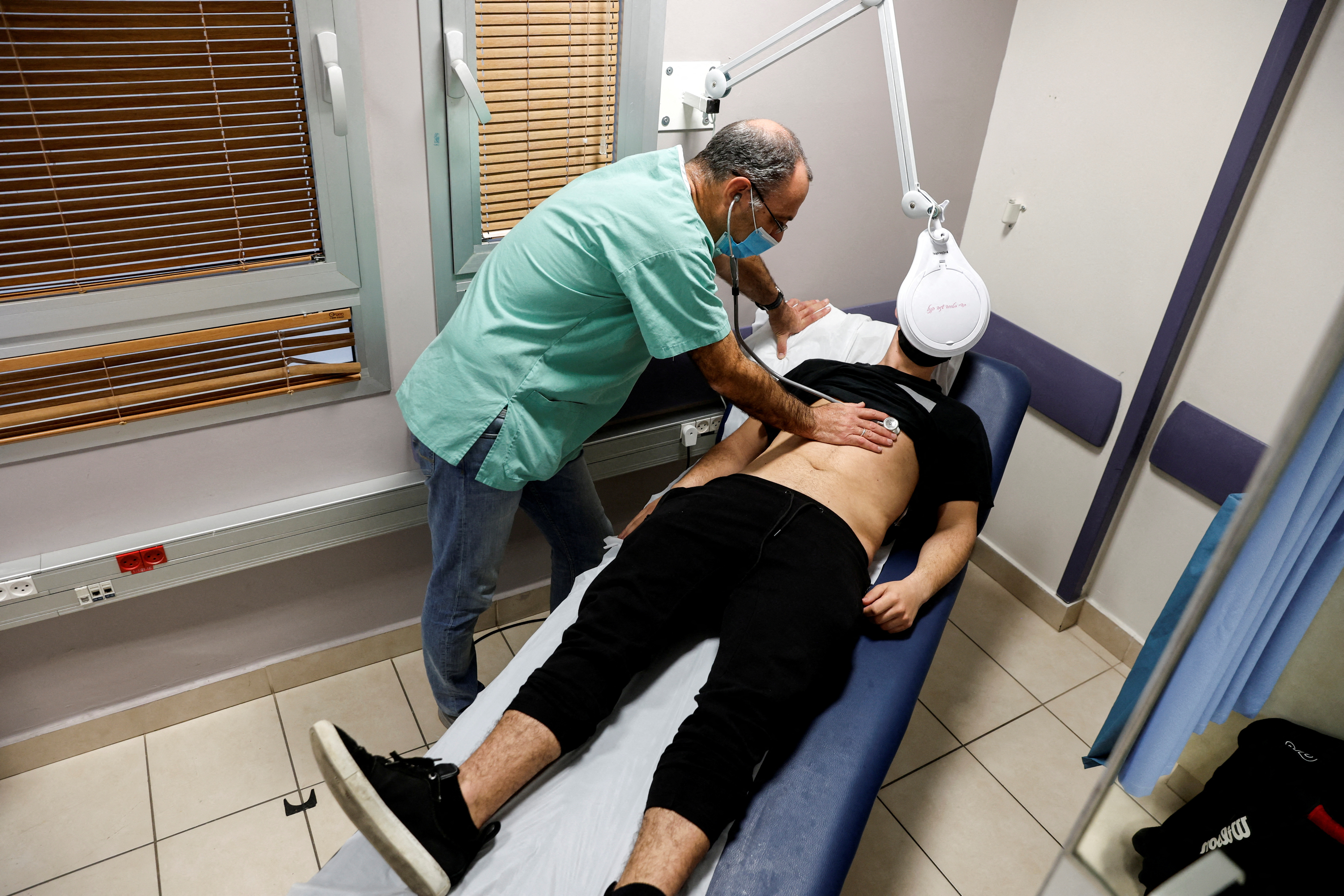
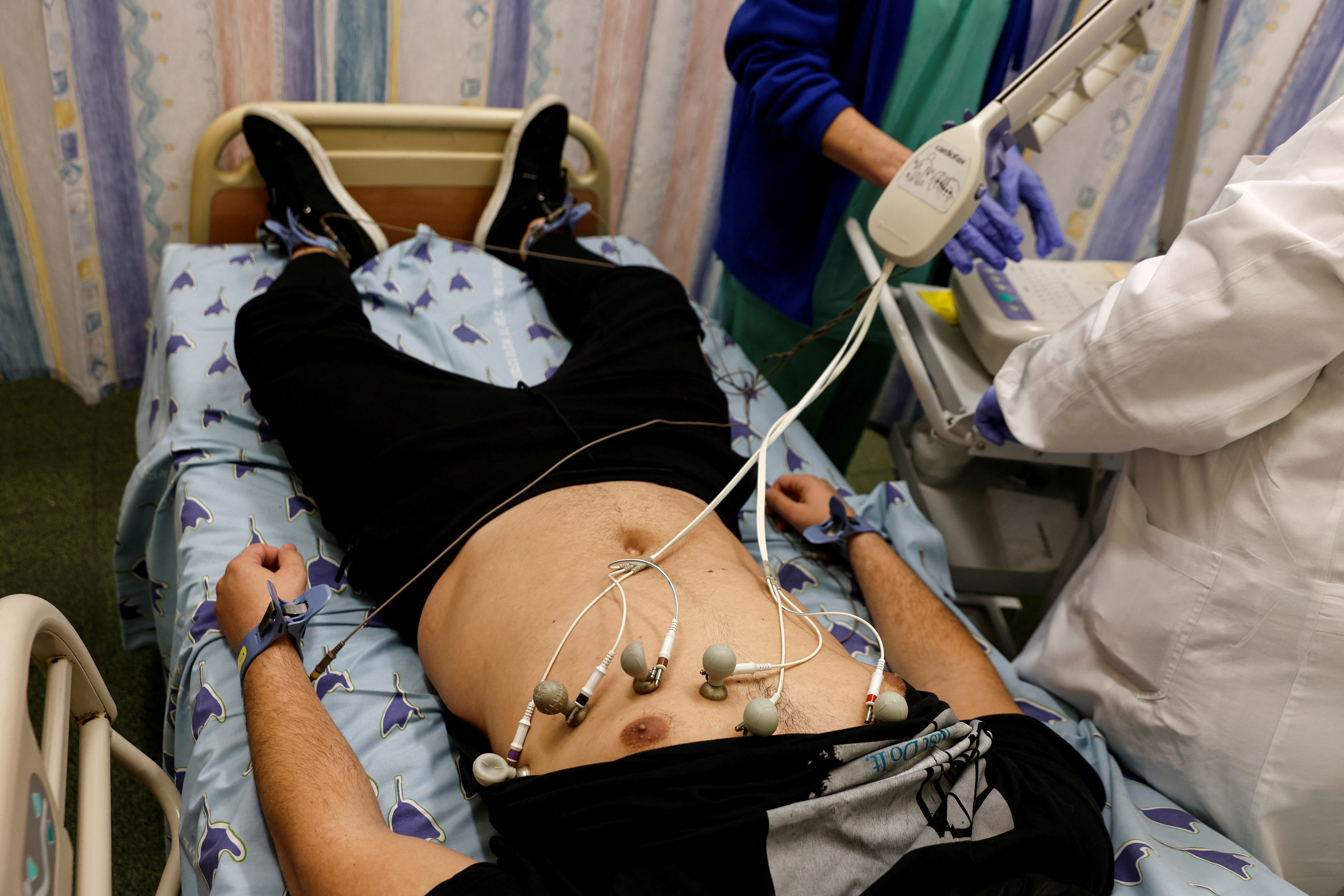
A patient suffering from Long COVID is examined in the post-coronavirus disease (COVID-19) clinic of Ichilov Hospital in Tel Aviv
A patient suffering from Long COVID is examined in the post-coronavirus disease (COVID-19) clinic of Ichilov Hospital in Tel Aviv, Israel, February 21, 2022.  REUTERS/Amir Cohen/File Photo

A new coalition of scientists from academic centres of excellent have decided to work together for a search answering the question relating to the root cause of Long COVID. To determine first, whether the theory is correct, that fragments of the coronavirus persist in the tissues of some people long after their 'recovery' from a SARS-CoV-2 infection. Only to discover their 'recovery' is incomplete, that symptoms of COVID remain long after the virus is assumed to have left their bodily tissues.
 
Known as the Long Covid Research Initiative, the effort looks toward streamline research to move quickly to clinical trials of potential treatments as the study progresses. The sharing of diverse scientific skill sets amid researchers is envisioned as a potential for the scientists to reveal the as-yet-hidden details of the disease in hopes of using what they uncover to design evidence-based trials.
 
A syndrome that can last for many months, Long COVID is a complex and to the present mysterious disabling condition. Many of its sufferers have been left unable to work, months following an initial COVID infection. The condition is recognized as impacting close to one in five U.S. adults who have been infected with COVID, according to the Centers for Disease Control and Infection.
 
An initial backing of $15 million raised by private investment from Balvi, a scientific investment fund formed by Vitalik Buterin, co-founder of the block-chain platform Ethereum has inaugurated the enterprise. At its peak, a total of $100 million invested in the research is anticipated. Scientists from Harvard, Stanford, the University of California, San Francisco, Yale and the J.Craig Venter Institute are among those included in the joint research group. 

Dr. Amy Proal of the non-profit PolyBio Reserch Foundation, who is an expert in infection-associated chronic disease, is set to act as chief scientific officer of the emerging initiative. No proven treatments for Long COVID exist at the present time. Over 150 million people are estimated worldwide to be affected by Long COVID.

Dr. Proal speaks of a growing body of evidence that human tissues continue to host vestiges of the virus,  provoking a response from the immune system which, if so, may go far in explaining the large numbers of symptoms -- up to 200 -- associated with COVID, which includes pain, fever, headaches, cognitive impairment, shortage of breath and exhaustion, following modest outputs of activity. 

Advanced imaging and gene-sequencing techniques will be used by the researchers in search of evidence of the virus remaining in tissues, going on from there,  to analyze affects on the immune system.
 
Lilly Downs pets facility dog Posey at Rocky Mountain Hospital for Children
An 18-year-old hospitalized with Long Covid is one of millions of people struggling with the syndrome.   Hyoung Chang/The Denver Post
 

Labels: , , , ,

Tuesday, April 19, 2022

Treating Long COVID

"Research into long COVID — which is also known as post-acute sequelae of COVID-19, and is usually defined as COVID-19 symptoms that last longer than three months — has lagged behind studies of the acute phase of infection. People who experience long COVID live with a wide array of symptoms, ranging from mild to severely debilitating. Researchers have proposed a variety of causes for the condition — from lingering viral reservoirs, to autoimmunity, to tiny blood clots. Many think that a mix of these factors is to blame. “It took a while to get going on any serious mechanistic long-COVID research,” says immunologist Danny Altmann at Imperial College London. “It’s hard to piece the big picture together.”
Heidi Ledford, NATURE News
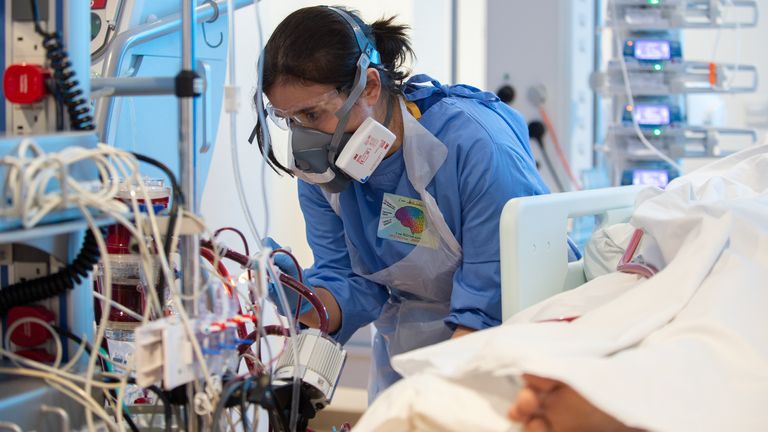
Medical workers care for a patient at the intensive care unit amid the outbreak of the COVID-19 disease in Porto Alegre, Brazil.

Researchers are studying the long-term effects of treatments given to people hospitalized with COVID-19.  Credit: Diego Vara/Reuters'

An informed estimate puts the number of people infected with  COVID-19, suffering symptoms long after the infection period, a phenomenon named 'Long COVID', at up to 30 percent. A miserable condition that can last for months. Many people with that condition are left in a state that makes them incapable of returning to work. Over 200 symptoms are associated with Long COVID, inclusive of pain, fatigue, brain fog, difficulty breathing, and minimal activity causing exhaustion.

Reports have emerged that give new hope that a potential control mechanism is in view capable of reducing Long COVID effects, going so far as to dispel them entirely. Two patients were found to have been given relief from Long COVID, having taken Pfizer's antiviral Paxlovid pill. One of those individuals was herself a researcher, testing the drug off-label on herself, for this was not what Paxlovid was formulated to do.

The Pfizer pill Paxlovid is a combination between an old antiviral, ritonavir, and a new Pfizer formula. Its use was meant for patients very recently diagnosed with COVID and immediately prescribed the pill meant to prevent severe disease occurring from a COVID infection in high-risk patients. Pfizer conducted no studies on Long COVID that would link it to their new medication.
 
A patient suffering from Long COVID is examined in the post-coronavirus disease (COVID-19) clinic of Ichilov Hospital in Tel Aviv
A patient suffering from Long COVID is examined in the post-coronavirus disease (COVID-19) clinic of Ichilov Hospital in Tel Aviv, Israel, February 21, 2022. REUTERS/Amir Cohen
 
The researcher let it be known that her chronic fatigue symptoms, part of her Long COVID condition, which "felt like a truck hit me" had disappeared since she took the two-drug oral therapy. Scientific researchers urge caution in the situation they speak of as "hypothesis-generating only" with no proof existing that the drug actually gave relief of symptoms associated with Long COVID.

They do, however, support a theory that parts of the body may have seen ongoing infection by the virus in a persistence that causes Long COVID -- affecting the daily lives of patients long after the infection's original acute symptoms dissipate. 

A National Institutes of Health study under peer review saw researchers conducting autopsies on 44 people whom COVID-19 killed, or another compromising illness did, while they had also been infected with the virus -- finding widespread infection throughout the body including in the brain. The conclusion being that the infection is capable of enduring over seven months and beyond, long after the onset of symptoms.

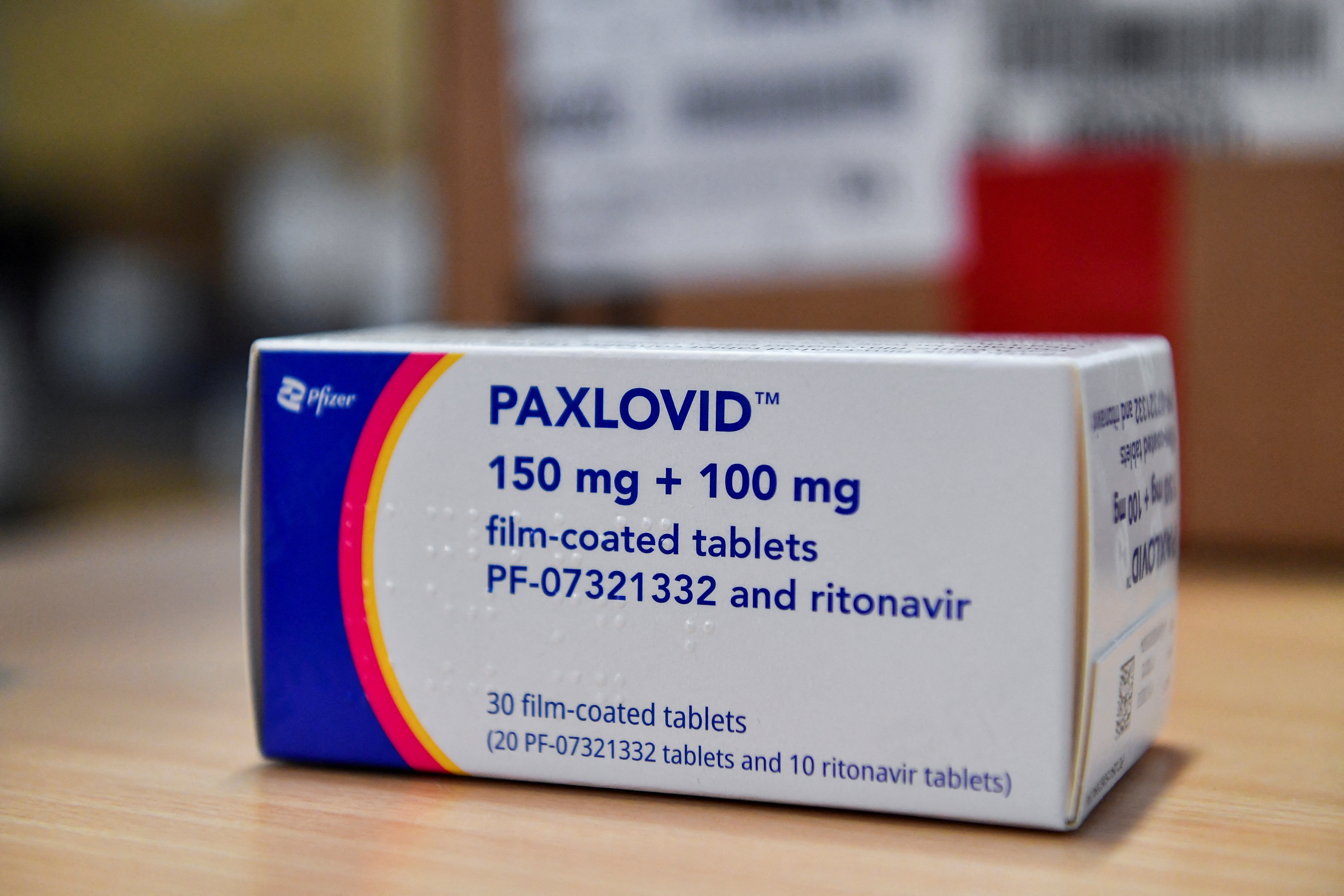
Pfizer and MSD oral COVID-19 pills arrive at Misericordia hospital, in Grosseto
Coronavirus disease (COVID-19) treatment pill Paxlovid is seen in a box, at Misericordia hospital in Grosseto, Italy, February 8, 2022. REUTERS/Jennifer Lorenzini


Labels: , ,

Wednesday, December 29, 2021

Long COVID -- Skeptics and Believers -- Symptoms, Research

"[Once the virus is cleared, the body's immune activation goes rogue, unleashing auto-antibodies that turn on its own tissues and proteins. Somehow the immune system has become confused and rowdy], and what you're left with is the collateral damage."
"I just kept thinking, I'm a trained immunologist. I know what might be happening to me, and I'm getting this anxious. What's happening to other people who don't know about it."
"We need to find out what exactly is happening. We need to do studies in bigger numbers, in collaborations, over time."
"And the people who are fighting this, who are going through this, need to come and get themselves enrolled in studies and stick to the study so that we can understand this disease."
"Because unless we understand it and see it and report it and be honest about what we are seeing, we'll not be able to get to the bottom of this."
Manali Mukherjee, assistant professor, Department of Medicine, McMaster University

"The long COVID thing, has been slightly overblown, and as soon as you do proper epidemiological studies you find the incidence is much, much lower."
Sir John Bell, immunologist, Regius Professor of Medicine, University of Oxford

"This has been seen post influenza, it's been seen after SARS."
"We have to be really cautious about not under appreciating how chronic and persisting these symptoms can be."
"[Yet there is] absolutely [still skepticism among the medical and scientific community] because we're dealing with a condition that is new."
"Anyone can be impacted by this, young and old alike, and even if you were asymptomatic during initial infection."
"We are dealing with a real entity here."
Dr.Fahad Razak, internist, epidemiologist, St.Michael's Hospital, Toronto
long covid
 
There is disagreement among medical specialist over the appearance and presence and indications of long COVID; some convinced it is real and destructive, others dismissive of it as a bit of patient hysteria. Dr.Mukherjee is in the former group. She has been suffering symptoms associated with long COVID, and as a medical professional has been studying the phenomenon. As a person, she is also someone who was diagnosed in January with COVID-19. Since then she has been struggling with staggering fatigue, sudden plummeting blood pressure and difficulty in focusing "There were good weeks and then there were bad weeks", she explained.
 
In her incidental capacity as a scientist, she is the recipient of a half-million dollar grant in federal funding to study the syndrome she now suffers from. A condition lacking a prognosis or any kind of treatment, which has afflicted an uncertain number of people. People who describe lungs that feel as though they're packed in flour, brain fog that feels like dementia, and a level of fatigue unlike anything they might have previously imagined, much less experienced.
 
The answer to these symptoms, Dr.Mukherjee believes, is somewhere located in the immune system, a hyper-stimulated immune response once the virus has cleared. World-wide there have been 271 million cases of the SARS-CoV-2 virus infecting people with COVID. According to some researchers, long COVID represents the next "looming Catastrophe", where estimates of prevalence range from two percent of the COVID "recovered", up to 89 percent. 

"Long haulers" have identified a world of symptoms affecting close to every organ system in the body. No cause has to this point been proven, even the definition of what it is that defines long COVID "is still very much in evolution", said Steven Phillips, vice-president of science and strategy at the COVID Collaboration. And, he elaborates, while the symptoms are very real "and really seriously afflict people", the problem remains complex, difficult to diagnose and unpredictable.

There are studies published that have found people who report symptoms are sometimes absent evidence of antibodies against SARS-CoV-2. According to the World Health Organization, one in ten people infected with COVID will go on to experience symptoms that go on beyond four months post-COVID. Yet the underlying biological causes are unclear. Post-COVID conditions according to the Public Health Agency of Canada, are defined as one or more symptoms that persist or recur 12 weeks or longer following a COVID diagnosis -- that are not attributable to any other diseases.

Symptoms are wide-ranging, from those most frequently reported -- fatigue, headache and brain fog -- to the more rarely reported such as paranoia. In addition for those experiencing life-threatening infections, spending time in an intensive care unit can acquire life-transforming complications, according to Margaret Herridge, co-leader of a study of one-year outcomes in people infected with COVID. 
 
People who spend a week or longer in an ICU, immobilized and heavily sedated on a ventilator, can experience fatigue, nerve and muscle injury lasting months, as well as cognitive dysfunction affecting memory, attention and problem-solving. An estimated 25 to 35 percent of ICU survivors experience anxiety, depression and PTSD.

"Our data suggest that a full recovery after one year is not possible for some patients, for whom it will take longer to attain their baseline health state before COVID-19", researchers in a Chinese team whose study was published in The Lancet, of  COVID hospital survivors infected in Wuhan's first wave which found at a 12-month followup most had returned to work and their normal lives while those with "persisting, severely impaired health status are rare".

Another, French study involving close to 27,000 people whose blood had been screened for antibodies to SARS-CoV-2 found people who believed they had been infected, but whose infection could not be confirmed by the antibody test, were more likely to report symptoms of long COVID. "Beliefs regarding the causes of these symptoms may influence their perception and promote maladaptive health behaviours", wrote the French scientist in their controversial report.
 
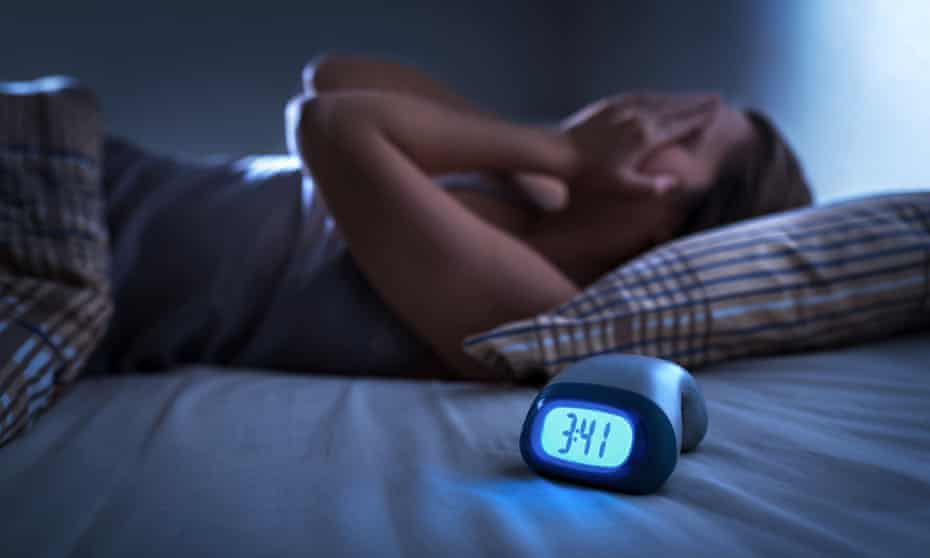
Sleepless woman suffering from insomnia, sleep apnea or stress. Tired and exhausted lady. Headache or migraine. Awake in the middle of the night. Frustrated person with problem. Alarm clock.<br>Sleepless woman suffering from insomnia, sleep apnea or stress. Tired and exhausted lady. Headache or migraine. Awake in the middle of the night. Frustrated person with problem. Alarm clock with time.
‘I had neurological symptoms early on. Everything felt foggy and far away. I forgot everything – even things that had happened a few minutes earlier.’ Photograph: Tero Vesalainen/Getty Images/iStockphoto
"[Over one hundred symptoms have been ascribed to long COVID; the] one most reported, and most debilitating, is terrific cognitive problems, terrific brain fog."
"People say they have absolutely no energy and absolutely no motivation."
"There's a whole neuro-scientific literature now to show that when the immune system is activated it does have a very localized effect on your brain."
"There's no implication this is depression. There is no indication that this is mental illness. We just happen to be repurposing this medication for this very, very difficult to understand condition."
Dr.Roger McIntyre, Toronto psychiatrist

Labels: ,

Monday, December 27, 2021

In For The Long Haul With COVID

"This is remarkably important work. For a long time now, we have been scratching our heads and asking why long COVID seems to affect so many organ systems."
"This paper sheds some light, and may help explain why long COVID can occur even in people who had mild or asymptomatic acute disease."
Zyad Al-Aly, director, clinical epidemiology centre, Veterans Affairs St.Louis Health Care System, Missouri
 
"We don't fully understand long COVID, but these changes could explain ongoing symptoms."
"[The research] provides a warning about being blase about mass infection in children and adults."
"We don't yet know what burden of chronic illness will remain in years to come. Will we see young-onset cardiac failure in survivors, or early onset dementia?"
"These are unanswered questions which call for a precautionary public health approach to mitigation of the spread of the virus."
Raina MacIntyre, professor of global biosecurity, University of New South Wales, Sydney

"Our results collectively show that while the highest burden of SARS-CoV-2 is in the airways and lung, the virus can disseminate early during infection and infect cells throughout the entire body, including widely throughout the brain."
NIH Study authors
Coronavirus Can Persist For Months In Heart, Brain: Study
 
A new study concludes that the coronavirus causing COVID-19 has the ability to spread within days from the airways to the heart, brain and just about every bodily organ system, in addition to which it may persist for months. The study authors describe their work as the most comprehensive analysis to the present of the SARS-CoV-2 virus's widespread distribution and duration in both body and brain. 
 
Scientists at the U.S. National Institutes of Health discovered that the pathogen has the capacity to replicate in human cells beyond the respiratory tract.

The manuscript, pre-released on line, is currently under review preparatory to publication in the journal Nature; its results spell out delayed viral clearance as a possible contributor to the pernicious symptoms stubbornly wracking the minds and bodies of long-COVID sufferers. Knowing how the virus is able to persist, as well as the body's response to a viral reservoir has the potential to aid in improving care for those sufferers.

The investigative discoveries and the techniques used are yet to be reviewed by independent scientists, and relate to data gathered from fatal COVID cases, and not from people suffering with long COVID or "post-acute sequelae of SARS-CoV-2", the authors point out. Numerous earlier studies provide evidence both for and against the possibility that the coronavirus has the propensity to infect cells outside the airways and lungs.
 
Undertaken at the National Institutes of Health in Bethesda, Maryland, the research is based on sampling extensively, and analysis of tissues reserved during autopsies on 44 American patients who failed to survive their encounter with the coronavirus. Daniel Chertow, who heads the NIH emerging pathogen section, wrote that the burden of infection outside the respiratory tract and the time it takes to clear the virus from infected tissues, particularly in the brain, fail to be characterized.

Persistent SARS-CoV-2 RNA was detected by the study group in multiple parts of the body, as well as throughout the brain, for up to 230 days after symptom onset, which may represent infection with defective virus particles, seen as well in persistent infection with the measles virus. The NIH team's post-mortem tissue collection was comprehensive, occurring within about a day of the patients' demise.

A variety of tissue preservation techniques to detect and quantify viral levels was also used, along with growing the virus collected from multiple tissues, including lung, heart, small intestine and adrenal gland. Pathological data can be drawn from the study supporting findings of previous research indicating, as an example, that SARS-CoV-2 directly destroys heart muscle cells, and those who survive an infection suffer cognitive deficits.

Infection of the pulmonary system may result in an early "viremic" phase where the virus is seeded throughout the body, including in patients experiencing mild or no symptoms, posit the NIH researchers. An example given was that of a juvenile included in the autopsy study who was presumed to have died from unrelated seizure complications, suggesting infected children with mild COVID-19 onset are also able to experience systemic infection.

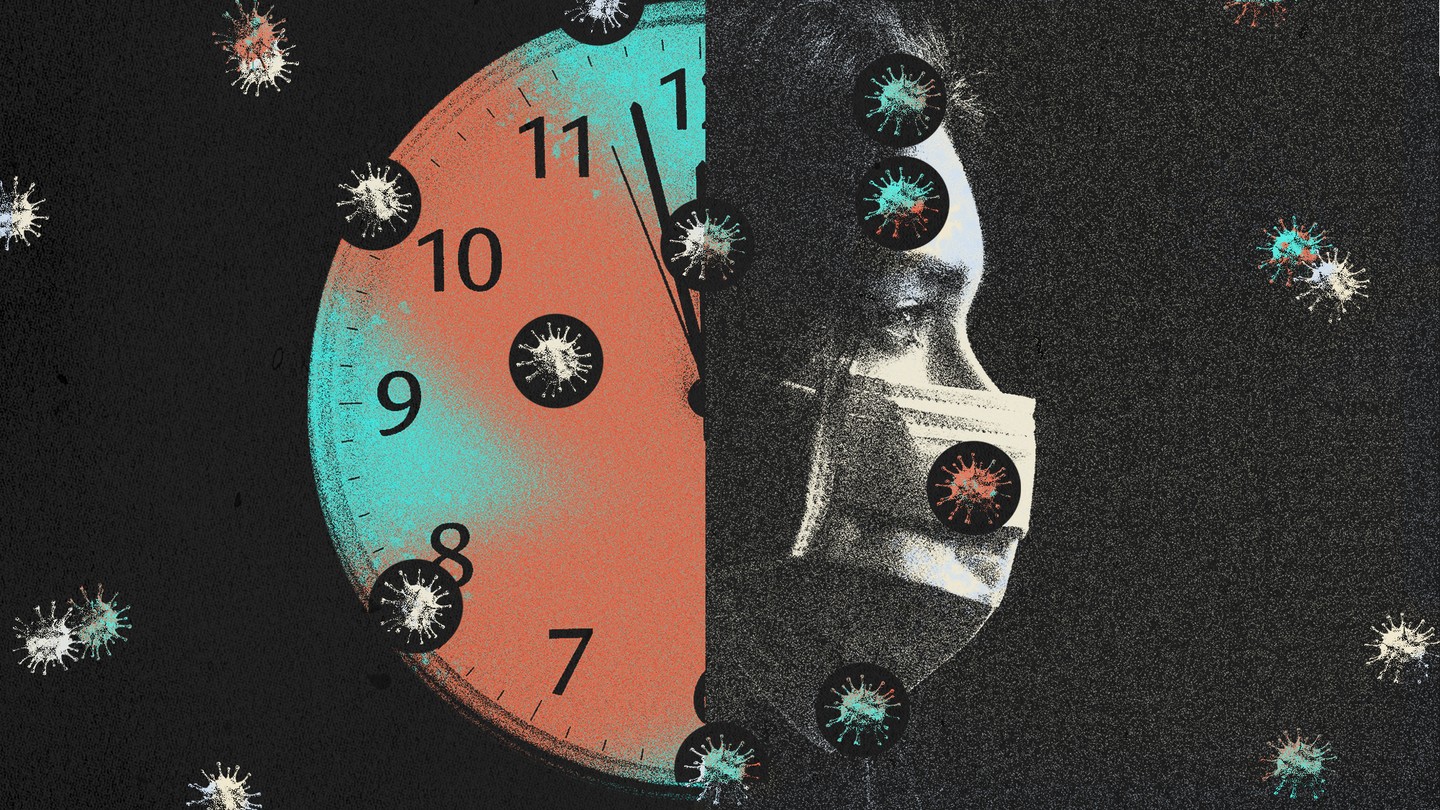
A masked face next to a clock, surrounded by coronaviruses
Getty -- The Atlantic

Labels: , , , , , ,

Thursday, September 09, 2021

For Some Sufferers, The COVID Battle Carries On

"Most of us had been expecting this. There is no way something like this goes through the population without a number of people being left with severe disability."
"These are people in their 40s who cannot make it up a flight of stairs without becoming exhausted."
"Everyone would rather be back at work. These people are struggling day to day. There are emotional consequences. It wears you down."
"Ir really does affect people. I am seeing people who probably don't recognize their lingering symptoms are COVID-related who might benefit [from treatment]."
"We have data showing that patients do improve, and rehabilitation is a big part of it."
Dr.Shawn Marshall, physical medicine and rehabilitation specialist, The Ottawa Hospital
sick teenager
 
Long following the acute phase of the global pandemic has worn its way through the global population and settles into its future as a seasonal recurrence that can be controlled through updated vaccines year-to-year to account for mutations just as occurs with the seasonal flu, the condition now recognized as Long COVID will continue to plague some people. Fatigue, shortness of breath or difficulty breathing, coughing, joint pain, chest pain, memory problems, sleep or concentration problems, muscle pain or headache and racing heartbeat represent the most common of Long COVID symptoms.
 
COVID does not finish with many people, leaving them free to resume their normal lives once its expected course period has run out. COVID has a way, not yet quite understood by the medical-science community of affecting multiple organs. As a result, rehabilitation requires complex treatments. Some studies conclde that twenty percent or more of those who contract COVID-19 will be left with lingering health effects. Recently, a study in the United Kingdom found that 14 percent of children can be expected to suffer long term adverse effects from COVID.
 
NDTV News
As many as 1 in 7 children may have symptoms linked to the coronavirus months after testing positive for COVID-19, the authors of an English study on long COVID in adolescents. The study was conducted by University College London and Public Health England.

Health workers represent many patients whom Dr.Marshall treats through WSIB Ontario, the provincial workplace compensation board. Rehabilitation's purpose is to aid in improving breathing, mobility and the capacity to complete routine daily tasks in everyday life, aiming toward normalcy, following COVID. Up to 20 percent of all cases across Canada throughout the first pandemic wave have been people in the healing arts who continue to be infected at a high rate.

A nurse who is a young mother and before COVID struck was healthy and capable of working and looking after her child, is now incapable of picking up a bag of groceries without experiencing severe heart palpitations. Personal support workers, fit before contracting COVID-19 are being treated by Dr.Marshall for their Long COVID condition which leaves them barely able to climb a flight of stairs. In many instances Long COVID sufferers face the frustration both of their stubborn ill-health symptoms and the struggle to be taken seriously by doctors they consult.

Dr. Marshall who specializes in their rehabilitation, speaks of patients who will be forever changed by Long COVID. Many people long after their infection, suffer from a high heart rate, fatigue and nerve pain, along with lung damage. Many are unable to return to normalcy; to work, much less perform the most basic, once-normal functions of life. An impact that leaves many with serious financial losses -- alongside their health issues.

Involved in opening and staffing Long COVID clinics, some doctors work on improving patients' breathing, mobility and capabilities in pursuing a normal lifestyle. Post-acute COVID-19 syndrome -- the medical term for Long COVID -- describes persistent symptoms or long-term complications of COVID-19, the expression of which remains puzzling to the medical community.

More research and funding would help, states the COVID Long Haulres Support Group Canada founder, Susie Goulding. In the  United Kingdom and the United States funding has been committed in setting up specialized clinics as well as research funding to achieve an improved understanding how Long COVID can best be treated. The presence of the more virulent Delta variant, dominant across Canada, adds extra urgency to the situation, as Goulding hears from greater numbers of concerned people on a daily basis.

There are over 14,000 Canadians with Long COVID symptoms who have joined the longhaulers support group. Sixty percent of those surveyed last May by the support group spoke of having to take work leave, 60 percent to reduce working hours, and 25 percent had to be placed on disability leave resulting from their continuing health issues. 

See the source image
"There are so many people who are looking for a practitioner who will actually believe that they have Long COVID. There is still a lot of denial."
"The magnitude of issues caused by the constellation of Long COVID symptoms is not well understood. Long COVID clinical guidelines, treatment protocol and resources are critically needed to manage and support families."
Susie Goulding, founder, COVID Long Haulers Support Group Canada

Labels: , , ,

Friday, July 16, 2021

Inexplicable Long COVID

woman with headache
UCL News
"While there has been a lot of public discussion around long COVID, there are few systematic studies investigating this population."
"Hence relatively little is known about its range of symptoms and their progression over time, the severity and expected clinical course, its impact on daily functioning and expected return to baseline health."
"In this unique approach, we have gone directly to 'long haulers' around the world in order to establish a foundation of evidence for medical investigation, improvement of care, and advocacy for the long COVID population. This is the most comprehensive characterization of long COVID symptoms so far."
"For the first time, this study shines a light on the vast spectrum of symptoms, particularly neurological, prevalent and persistent in patients with long COVID."
Dr.Athena Akrami, University College London
"In those who recovered in less than 90 days, the average number of symptoms (11.4 out of 66 symptoms that were measured over time) peaked at week two, and for those who did not recover in 90 days, the average number of symptoms (17.2) peaked at month two. Respondents with symptoms over six months experienced an average of 13.8 symptoms in month seven. During their illness, participants experienced an average of 55.9 symptoms (out of the longer list of 203 measured in the study), across an average of 9.1 organ systems."
University College London Long Hauler Study
A specialist nurse checks on a COVID-19 patient at the Royal Papworth Hospital, Cambridge
Long COVID patients suffered 56 symptoms on average. File pic

After a thorough investigation, a research team gathered sufficient feedback from victims to confidently assess that over 200 symptoms are associated with Long COVID. Symptoms include hallucinations, shingles and bladder control loss, along with a whole spectrum of other life-affecting symptoms. Roughly one individual in seven who have been diagnosed with COVID-19 experience symptoms persisting for over 12 weeks, according to the latest figures from Britain's Office for National Statistics. 

Conclusive data has been difficult to gather, given the long-term nature of the condition, so precisely what the cause is of these long-lasting effects is unknown as is how the condition manifests. A questionnaire was presented by a team of academics led by University College London to over 3,700     COVID "long haulers" out of 56 countries. The questionnaire posed 257 questions asking the subjects to list and describe their symptoms. The study was published in the Lancet’s EClinicalMedicine

According to the synthesized results there are 203 individual symptoms that affect ten different internal organ systems with fatigue turning out to be the most common, and post-exertional malaise and brain fog following. Visual hallucinations, tremors, itchy skin, changes to the menstrual cycle, sexual dysfunction, heart palpitations, bladder control issues, shingles, memory loss, blurred vision, diarrhea and tinnitus round out the list of the most common symptoms. 

With the exception of the study lead, Dr.Akrami, all other study authors had themselves either had a COVID infection or they were continuing to grapple with debilitating symptoms. Of those people who have had long COVID for over three months, the average number of symptoms turned out to be 17, with most people adding that their recovery was replete with relapses.

Close to half of those completing the questionnaire -- 45.2 percent -- still had not been able to work the same number of hours that they had been accustomed to ordinarily, prior to becoming ill with the virus. At the time of the survey, 22.3 percent of those involved in the study were not yet returned to the workforce. The Office for National Statistics characterized the condition as "an emerging phenomenon that is not yet fully understood."

The estimation by the ONS, however, is that approximately one million people in the United Kingdom have Long COVID.
"Memory and cognitive dysfunction, experienced by over 85 percent of respondents, were the most pervasive and persisting neurological symptoms, equally common across all ages, and with a substantial impact on work."
"We now believe a national program could be rolled out into communities able to screen, diagnose and treat all those suspected of having long COVID symptoms."
Dr.Athena Akrami, University College London
 
 
Woman doctor in medical face mask.
Long COVID symptoms include fatigue, breathlessness and ‘brain fog’.
Image: Unsplash/ Bermix Studio
 

Labels: , , ,

Tuesday, June 15, 2021

A Growing Litany of Serious Woes Post-COVID

Feixiong Cheng, Ph.D.  Cleveland Clinic
"Identifying how COVID-19 and neurological problems are linked will be critical for developing effective preventive and therapeutic strategies to address the surge in neurocognitive impairments that we expect to see in the near future."
"While some studies suggest that SARS-CoV-02 infects brain cells directly, others found no evidence of the virus in the brain."
"We discovered that SARS-CoV-2 infection significantly altered Alzheimer's markers implicated in brain inflammation and that certain viral entry factors are highly expressed in cells in the blood-brain barrier."
"These findings indicate that the virus may impact several genes or pathways involved in neuroinflammation and brain microvascular injury, which could lead to Alzheimer's disease-like cognitive impairment."
"Ultimately, we hope to have paved the way for research that leads to testable and measurable biomarkers that can identify patients at the highest risk for neurological complications with COVID-19."
Feixlong Cheng, researcher, Genomic Medicine Institute, Cleveland Clinic

"It's a kind of mental cloudiness -- like you're in a daze."
"You hear a lot about it with mild out-patients, but we also see it more severely in the ICU."
"Hallucinations and confusion are commonly experienced during all sorts of severe illnesses."
Joseph Khabbaza, pulmonary and critical care physician, Cleveland Clinic
People with long haul COVID experiencing cognitive issues may not find much comfort in the conclusions reached by researchers in a new study out of the Cleveland Clinic, published in the journal Alzheimer's Research & Therapy. But researchers managed to reveal a close network relationship between COVID-19 and Alzheimer's. The study revealed that an overlap between the virus and the brain changes may be causing those cognitive issues.

Considered a new finding and rare at one point in this ever-expanding saga of COVID effects on the human body physically and psychologically, those enduring COVID long-haul symptom cases now more commonly identified, inspired researchers at the Cleveland Clinic to set out to obtain a clearer understanding of the pathways through which the virus produces neurological complications. They succeeding in uncovering a relationship between the virus and Alzheimer's.

One of the debilitating symptoms experienced by long-haulers is often called brain fog ... a term describing the approximately ten percent of COVID sufferers with troubling symptoms remaining of their bout with the SARS-CoV-2 virus causing COVID. This form of cognitive impairment, like delirium and hallucinations was believed at first to reflect the outcome of the battle waged by the body's immune system against the virus.

Alzheimer’s-like dementia cognitive impairment linked to COVID-19: Study
Setting out to explore any relationship between the virus and neurological diseases, the researchers made use of artificial intelligence to enable them to map underlying similarities across conditions, finding COVID-19 features a close network relationship with multiple neurological diseases -- notably Alzheimer's -- where an infection has the potential to lead to symptoms very similar to dementia. A search for associations was launched between the virus and the types of neuroinflammation and microvascular injury recognized in the brains of Alzheimer's sufferers.

That search succeeded in convincing the researchers that the virus may conceive a stranglehold leading to neuroinflammaton and injury of the microvascular condition of the brain. Which in turn may lead to cognition impairment with stark similarities to the ultimately fatal disease of Alzheimer's. There are no good-news stories to be found associated with the SARS-CoV-2 virus infecting with COVID-19.

covid-19 brain fog
New research has looked at cognitive symptoms associated with the virus. Getty

Labels: , , , ,

 
()() Follow @rheytah Tweet