"Clean label definitely gives this idea that yes, this product is as natural as it can possibly be."
"Consumers demand different types of attributes, for example: Foods that are healthy; foods that are not produced using pesticides or chemicals; foods that are in agreement with environmental stewardship."
"So it's that sort of misalignment between expectations and what can possibly be done with current technologies."
"Not to mention that it [microwave -assisted thermal sterilization] uses less energy. The carbon footprint emission of these technologies is lower than their counterpart. So it is not only good for the person who is going to have it in terms of satisfying their expectations of taste and flavour and healthiness because it doesn't have the long list of additives, but it is also good for the environment."
"There are thousands of factors that can influence consumer behaviour when deciding what foods to purchase and consume."
Karina Gallardo, professor of economics Washington State University
A new study found that many people will pay more for ready-to-eat "clean label" meals made with few ingredients.Photo by Getty Images
"Don't buy products with more than five ingredients or any ingredients you can't easily pronounce"; advice by a best-selling author of the book In Defense of Food. And it's pretty good advice. "If you can't say it, don't eat it", the advice of Michael Pollan. It may have taken a while to penetrate, but at the present time consumers are increasingly looking out for what is called in the industry 'clean label foods'. These are labels listing few items in their processing, short lists of recognizable ingredients, mostly of natural derivation.
The follow-up question actually should be: Is it whole food, if it's been processed? But that's another, digressive story. People think of clean label convenience foods as healthier than foods whose ingredient lists seems interminable. Lists that include chemicals in the ingredients of unknown origin and purpose; tongue twisters like azodicarbonamide, butylated hydroxyanisole, and calcium disodium ethylene-diaminetetraacetate. Tongue-twisting challenges to mouth, much less to ingest.
Those are the ingredient labels that make consumers who bother checking them, shudder. Whereas the clean labels listing no more than five explicated ingredients strike the consumer as superior and as a result, healthier. They are forgiven for the sin of being, in actual fact, processed food. Dr.Gallardo of Washington State University is author of a new study which set out to examine consumer preferences, published in the journal Agribusiness.
Dr.Gallardo, along with Washington State economist Jill McCluskey and Kara Grant, economist at Missouri Western University, concurred that many people are prepared to pay more for ready-to-eat foods whose composition lists bear fewer ingredients. Consumers appear inclined to select clean label foods produced with new technologies geared to limit the use of artificial or chemical components, in the name of extended shelf life properties.
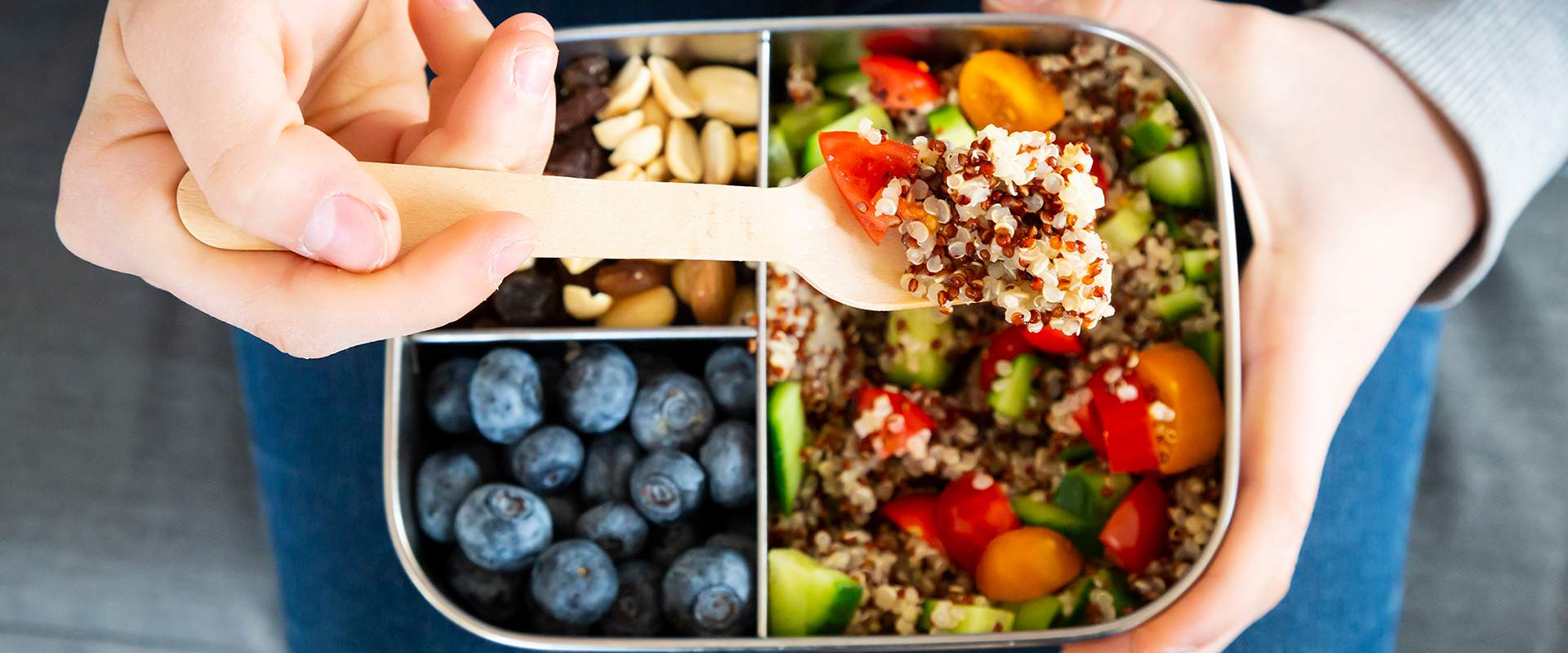
Earlier published studies have indicated that people consider new food technologies to represent "risky or unhealthy, or even unethical" food preparations, although the expectation is that a continually expanding number of clean label convenience foods available in grocery stores will be available. And these are foods requiring innovative technologies in food production.
The researchers defined clean label foods for their study as those with few ingredients without factoring in ingredients familiarity; surveying one group of participants to determine the value they place on clean label foods, and a second group to determine whether including the name of a new technology might affect their choices. Study participants were asked their thoughts on microwave-assisted thermal sterilization (MATS); using heat to kill pathogenic bacteria, much like a microwave oven.
Over half the participants stated their preference for clean label ready-to-eat meals marked with the new technology name. MATS technology results in processed meals that appear and taste as though they were prepared recently, unlike conventional food preservation technology where taste is compromised along with texture and vitamin content, to achieve longer shelf life.
With the new technology, vegetables retain their fresh crunch and vibrant colour "so there is no need to apply a long list of additives, chemicals or salt in order to preserve that", explains Dr. Gallardo. Obviously, the opinion of consumers is that all technologies are not created equal, since much depends on the name of the technology and the manner in which it is communicated.
A label mentioning genetic modification elicits suspicion: "There is an intense rejection". When the word microwave appears in the technology name presented to participants it calls to mind a technology commonly used in a householder's kitchen, therefore acceptable in its familiarity. Both groups of study participants had a preference for clear labels, but a large minority was not willing to pay a premium for products with fewer ingredients.
Within the larger group, the study indicated, people who profess belief in clean label foods and those who favour a shorter list of ingredients dominate in a more relaxed way about these choices. In marked contrast to those who are strong believers in clean label foods, and on the opposite end, those indifferent to clean labels altogether.
"We confirmed that when people speak, small droplets get expelled, so disease can be spread by talking, without coughing or sneezing." "We could also see that some face coverings performed much better than others in blocking expelled particles." "We certainly encourage everyone to wear a mask, but we want to make sure that when you wear a mask and you go to the trouble of making a mask, you make one, or wear one that actually helps not just you, but helps everyone."Martin Fischer, associate research professor, Duke University, North Carolina
"If everyone wore a mask, we could stop up to 99 percent of these droplets before they reach someone else." "About half of infections are from people who don't show symptoms, and often don't know they're infected. they can unknowingly spread the virus when they cough, sneeze and just talk." "They [some types of masks tested] were no good. The notion that 'anything is better than nothing' didn't hold true."Eric Westman, associate professor of medicine, Duke University
Shutterstock/Golden Shrimp
It was when Dr.Westman began an association with a local non-profit to obtain masks from them to enable him to provide free masks to people who need them, that the idea for a study, published online this month in the journal Science Advances, came about. He was curious about which masks would be the most effective, wanting to be certain he wouldn't be providing people with masks that were inefficient, giving them a false sense of security.
To that end he decided he would test their efficacy, and asked colleagues to think up a basic, cost-effective method to test common masks. Dr.Fischer answered the call -- as director of the Advanced Light Imaging and Spectroscopy facility -- he put together a cardboard box, a laser, a lens and a cellphone camera to produce an inexpensive method of testing face masks. With the result that it was revealed that the masks Dr.Westman planned to acquire were relatively ineffective in reducing COVID-19's spread.
The study found that many masks made at home do work quite well to reduce the spread of COVID-19. The comparison led by researchers at Duke University of effectiveness of 14 different types and manufacture of masks and face coverings, useful in shielding from droplets people expel while merely talking, produced useful results. Each type of mask was tested ten times by one speaker, while three coverings were tested by four other speakers, with test subjects led to repeat the phrase "Stay healthy, people".
N95 masks were confirmed to represent the most effective coverings in shielding from the spread of COVID-19, where the masks without valves succeeded in allowing only 0.3 percent of droplets to escape, in comparison to the same speaker wearing no mask. Second in effectiveness was surgical masks, permitting one percent of spattered droplets to escape. These masks are not available to the general public however; they are part of the personal protective equipment meant for the use and protection of health care professionals.
Researchers then turned their attention to a variety of homemade masks, along with other commonly-used face coverings, finding that many homemade masks perform perfectly well. Just five percent of droplets were released by a polypropylene/cotton blend mask, while most pleated cotton masks tested released fewer than 20 percent of droplets. There were varying results, with the takeaway that a need exists for more testing of commonly-worn face masks, according to the researchers.
People are using gaiters as face masks—but are they as effective? (Photo: Mission/Etsy)
iStock
Knitted masks were seen to provide substantially less protection than any of the cotton types, while a bandana cut the number of droplets only by half. And then, there is the fleece neck gaiter which, when tested, was seen to increase the number of expelled droplets to 110 percent. "We attribute this to the fleece, the textile, breaking up those big particles into many little particles. They tend to hang around longer in the air, they can get carried away easier in the air, so this might actually be counterproductive to wear such a mask", cautioned Dr.Fischer.
"The more we learn about nutrition,
the more it seems we should eat the way people did a hundred years ago.
Recent research appears to be pointing us in the direction of eating
mostly 'whole foods' – that is, foods that are as close to their natural
form as possible."
This could mean eating:
Whole grains instead of refined grains whenever possible.
Fruits, vegetables, and beans instead of supplements to provide the fiber and vitamins they contain.
A skinless chicken breast cooked with healthful ingredients instead of chicken nuggets processed with added fats, flavorings, and preservatives.
A baked potato with chopped green onions and light sour cream instead of a bag of sour cream and onion potato chips.
Fresh berries with breakfast instead of raspberry toaster pastries or breakfast bars.
A blueberry smoothie made with blueberries, yogurt, and a frozen banana instead of a blue-colored slushy or ices.
Elaine Magee, MPH, RD, WebMD
When you have a smoothie made with spinach and berries what could go wrong? Spinach and berries; super food, right? Um, except that smoothies often add sugar in extra calories from juice used as a drink base. University of Bristol behaviour scientists found in 2018 that fruit smoothies and other similar drinks happened to be less satiating than whole foods; in other words, preferably eating the fruits and vegetables whole. That drink may represent 300 to 700 calories, yet it will fail to give us that satisfying full feeling in comparison to fruit slices served with nut better, as an example. And then there are grains, known to be in the top category of good, whole food. Other than the fact that white rice, white bread, white pasta and all-purpose flour happen to lack fibre and key nutrients, (lost through their refining process) of their counterparts known as whole grains because they've been refined. These are, in very fact, firmly in the constellation of high glycemie foods causing hunger to spike in the short term, but invariably leading to weight gain in the long term. Careful, with those choices....
Mounting evidence was demonstrated in the 2014 documentary Fed Up, that large quantities of sugar used in processed foods may just represent the root of the global obesity condition where generations of children have morphed into weightier specimens than their parents, facing what have always been viewed as traditionally adult diseases like heart disease and diabetes. Researchers from University of Tennessee discovered current obesity adult rates to be linked to the long-lasting high-sugar diet effect during childhood in the 1970s and 80s, when processed foods flooded the marketplace.
The MIND Diet encourages vegetables every
day. Rawpixel / Getty Images
Scientists at the National Institutes of Health found recently that heavily processed foods end up causing overeating and its inevitable partner, weight gain. Published in the journal Cell Metabolism in July, researchers studied 20 healthy adult volunteers at the NIH Clinical Center for a one-month period where the volunteers were given ultra-processed meals like frozen dinners or alternately, unprocessed foods like roast chicken with rice and peas for two weeks.
Both types of meal had like calories, sugars, fibre, fat and carbohydrates, and rules were that study participants could eat freely; as much as appealed to them; less if they preferred.The conclusion was that people on the ultra-processed diet ate about 500 more calories'-worth daily; ate faster and gained weight, while those who were on the unprocessed diet, by comparison, tended to lose weight. Harvard University scientists have declared potato chips, the most popular of snack foods, represent the mos serious culprit in a pound-a-year weight creep. Loaded with sodium and fried in oil, they appeal to peoples' taste buds. The scientists analyzed data collected over two decades taken from over 120,000 men and women in the U.S.; not obese, free of chronic diseases. The study enabled them to identify a group of specific foods linked to weight gain, and potato chips came out the number one offender. A one-ounce serving daily (about 15 chips equalling 160 calories) was responsible for a 1.69-pound increase over four years. Eating a handful of nuts on a regular basis may help prevent excessive weight gain and lower the risk of obesity, according to a new study published in the online journal BMJ Nutrition. Most nut fat is comprised of monounsaturated fat, along with omega-6 and omega-3 polyunsaturated fat. The fat, protein and fibre in nuts, according to the researchers, keep us feeling full longer, takes longer to digest than foods with just carbohydrates and protein. A consistent half-ounce of nuts daily was found to be associated with a 23 percent lower risk of putting on ten or more pounds over a four-year period. So which is it? Potato chips, or nuts? A balance of protein, fat and carbohydrates is ideal; consuming protein at every meal because protein keeps hunger away for a longer period. This sounds like a fine bit of advice and it comes from Alexandra Johnstone, specialist in obesity and metabolic health, Rowett Institute of Nutrition and Health at the University of Aberdeen. Proteins such as beans and lentils in particular represent good choices, since they are plant-derived and the proven benefits of a plant-based diet, should be our reliable guide in choices. And then there are foods such as kombucha, kefir, kimchee and sauerkraut, preserved with the use of a traditional process boosting food shelf life and nutritional value. Researchers have linked the loss of healthy bacteria and microorganisms to the onset of all manner of health conditions, including obesity. Naturally fermented food may help to strengthen gut microbiome. They provide a dose of healthy probiotics, the microorganisms linked to healthy digestion.
"Glass would be the best [safety-wise], if it wouldn't break." "Most plastic bottles today are not using BPA. The problem is they've replaced BPA with other things, so we don't know about these other things that they've replaced them with." "Metal obviates any concerns we have, rightfully or wrongfully, about plastic." "All of these products, with the exception of BPA, carry minimal risk. My bottom line is: I think it's great to see consumers drinking water as opposed to drinking soft drinks." John Swartzberg, clinical professor University of California at Berkeley School of Public Health "It's a combination of the abrasive and the temperature, and those two things are going to enhance leaching [in plastic bottles]. All plastics that are going to be reused need to be washed by hand. As a rule I wouldn't put plastics in the microwave or dishwasher, period." "Generally, I feel more comfortable with glass than plastic, but I think stainless steel has a lot to offer in terms of not having things leach into the water." "From a scientific point of view, it's hard to say something is safe because not everything can be studied, but I think it's useful to say it's safer to use glass or metal." R.Thomas Zoeller, endocrinologist, professor, University of Massachusetts, Amherst
BPA-free plastic water bottles
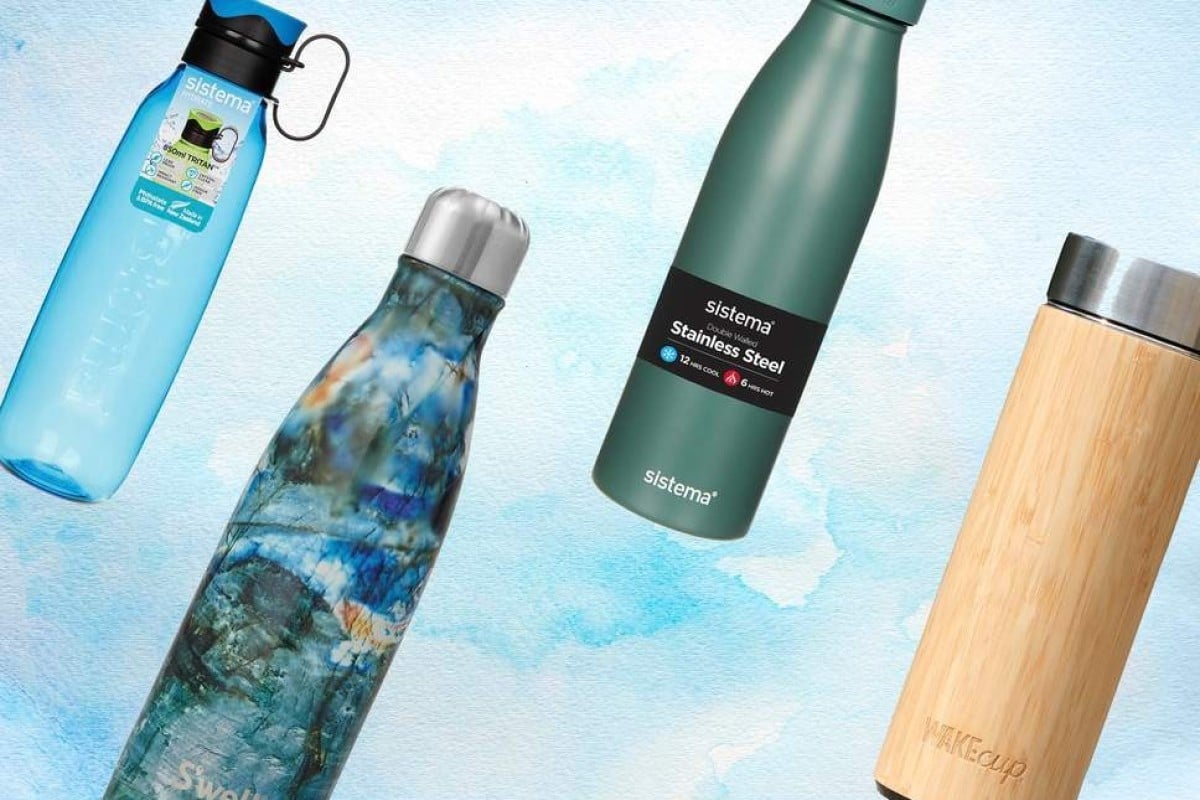
Most newly available reusable water bottles are produced from three basic materials, either plastic, metal or glass. MarketWatch valued the reusable water bottle industry in May 2019 with a value of $374 million by 2025, up from its current market value of $239 million. Single-use bottles are increasingly being banned in a world trying to reduce the manufacture and use of single-use plastics.
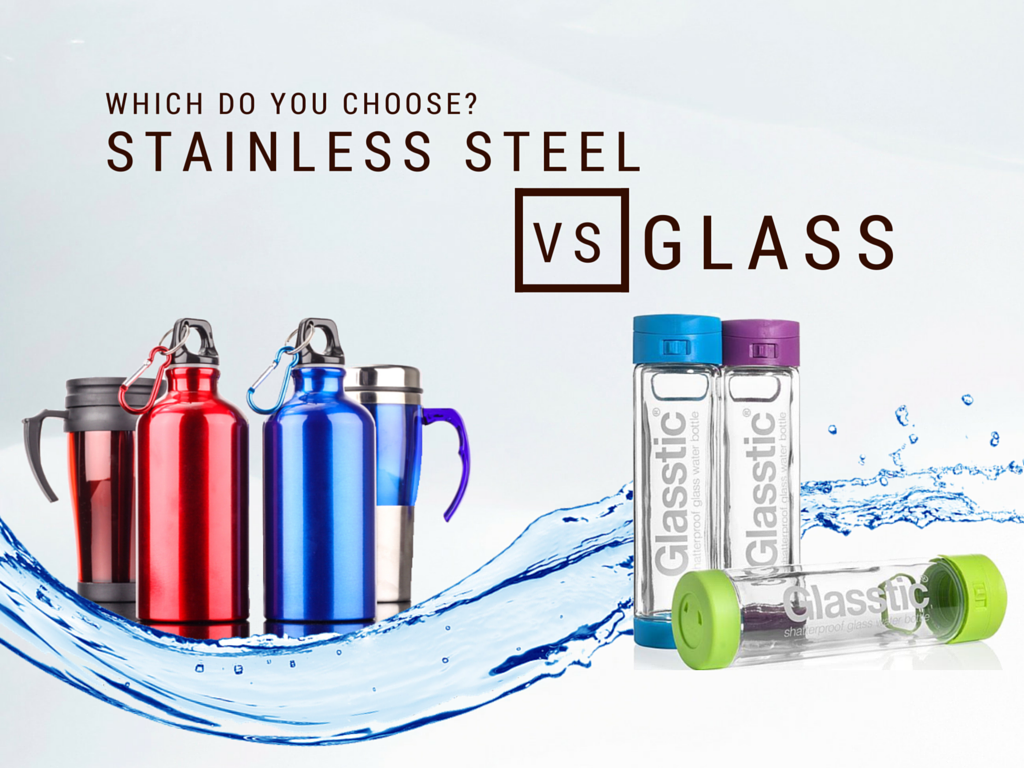
Glass, produced of natural materials ensures no risk of inorganic chemicals leaching into liquids, heated or cooled. And nor does glass transfer flavour, while users of plastic or metal bottles often complain that water contained in them tastes from chemicals or tin. On the negative end of the scale, glass tends to be heavier than either metal or plastic, and then there's the issue of breakage, although heat-resistant and shatterproof options are available.
No.1 or PET plastic is most often used to produce single-use water bottles, and their reuse is inadvisable since repeated use may break down the material, allowing bacteria to build in cracks, while washing them in hot water can have the effect of chemical leaching. As for reusable plastic bottles, advertised free of the chemical bisphenol A -- in common plastics use until studies linked it to hormonal disruptions in humans although the Food and Drug Administration assures that BPA is safe at low levels -- the concern is the unknown replacement of BPA.
Even if a plastic water bottle is labelled BPA-free, Dr. Zoeller recommends hand washing over using a dishwasher, since the heat and the abrasive quality of detergent, acting as an cleansing agent can score the plastic. Bisphenol S, a compound frequently utilized in place of BPA, has not been studied for its possible effect on humans, although some animal studies have indicated the compound could be disruptive.
Glasstic, shatterproof glass water bottles
The industry, according to a spokesperson for the Plastics Industry Association, follows FDA regulations with respect to plastics safety. Consumers with concerns over washing plastics should read the labels and symbols on the products to ensure safe use, it was suggested. As for metal water bottles, stainless steel or aluminum are used in their manufacture, and the slight risk of transfer of aluminum into the liquid exists, but likely no greater risk presents than with the use of stainless steel or aluminum cookware, Dr.Swartzberg pointed out.
One caveat; that making certain whatever metal bottle is being chosen, it isn't lined with plastic, epoxy or resin, used by some manufacturers to mask a taste akin to tin, reflecting the fact that these materials might contain harmful chemicals. "It's really the reuse over single-use that matters", Sara Wingstrand, a former material scientist observed, while stating her belief that from a sustainability standpoint no one material is preferable to another.
Nicholas Mallos, director of Ocean Conservancy's Trash Free Seas program suggests "Your best bet is to pick a material that you know you will hold on to longest and use the most." But Dr. Zoeller is firm in his personal, professional opinion that plastic would be best avoided.
Which reusable bottle is better for you: glass, metal or plastic?
"Ditching meat for substitutes is the most effective thing an individual can do to fight climate change, according to a study in the journal Science." "[If fake meat can help avoid the worst of climate change], more power to the plant dog and soy burger masquerading as meat." Timothy Egan, The Times
"It [anchovy-flavoured broth from plants] was being used to make paella. But you could use it to make Caesar dressing or something like that." "With respect to the urgency of the environmental impact, fish are second to cows, followed by other animals." Pat Brown, chief executive, Impossible Foods
"The cells [cellular agriculture] know what to do. They become muscle fibers. They become fat tissue. They create the connective tissue that we know as meat." Arye Elfenbein, founder, Wild type, San Francisco
"If you want to convey something tastes like bacon, what do you do? Do you say it's salty and fatty and, wink-wink, piglike?" "The point is that we should not have to engage in linguistic gymnastics." Michele Simon, executive director Plant Based Foods Association
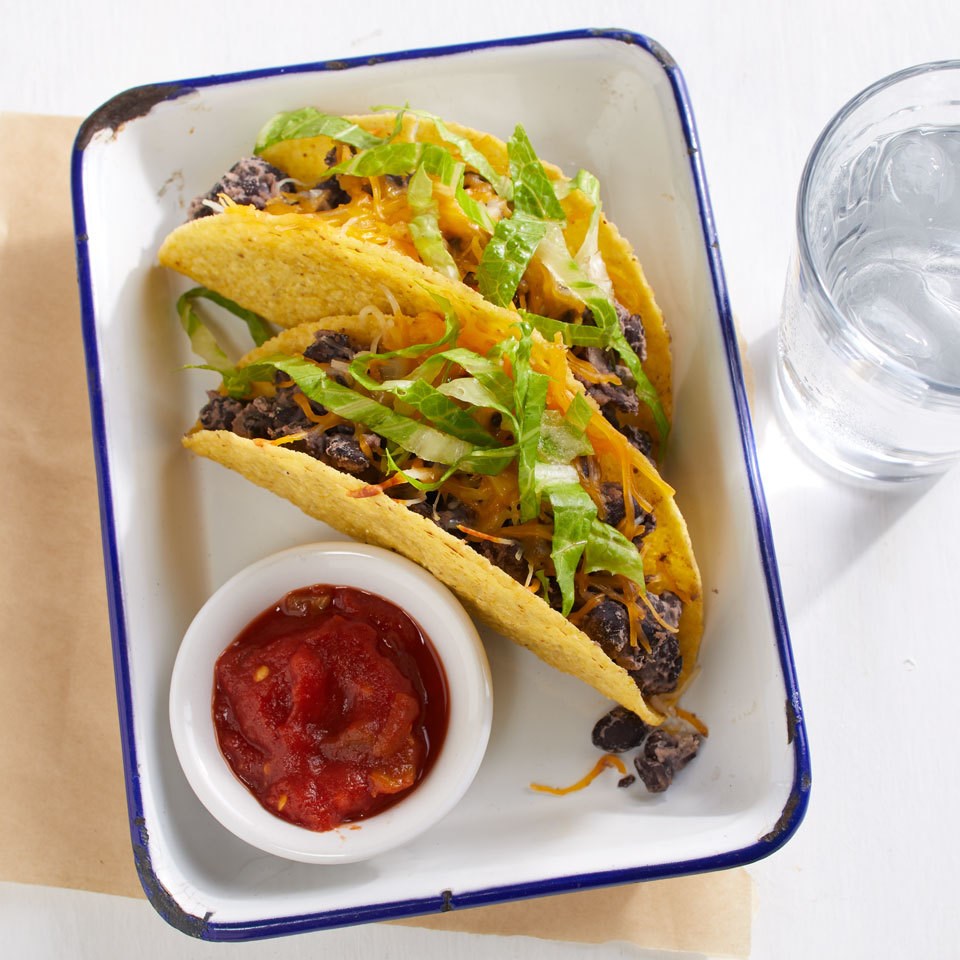
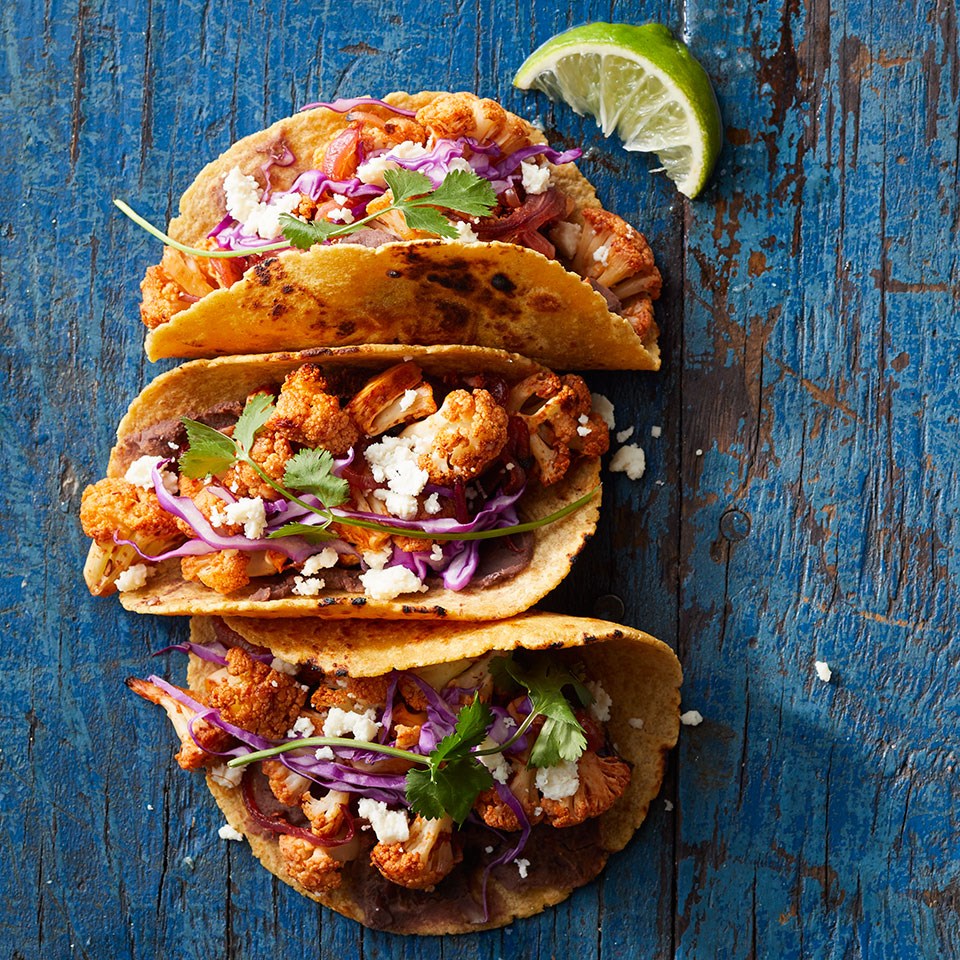
Black Bean Tacos EatingWell
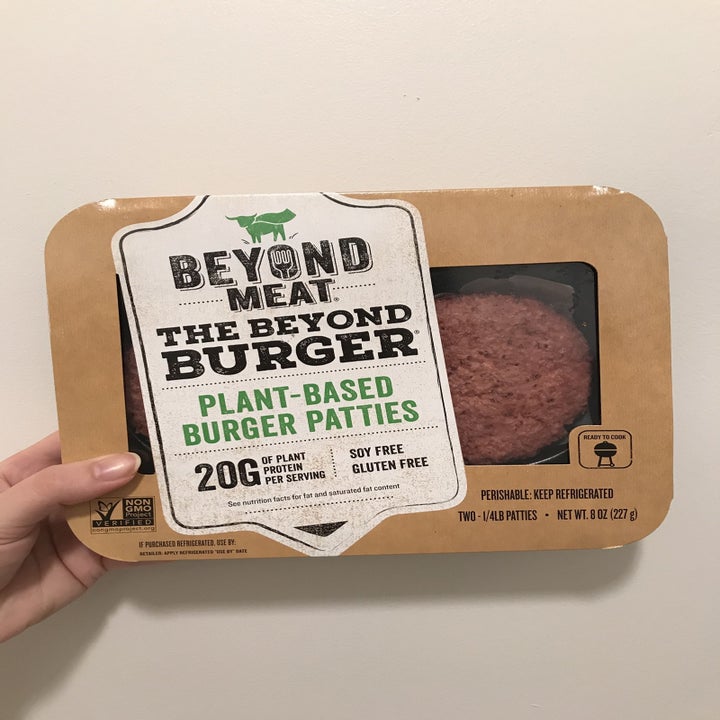
People seized with the continued environmental warnings that we are facing a warming climate with Climate Change, are increasingly turning to lifestyle changes in an effort to personally 'make a difference'. And what could be more personal than cashing in the way we eat to eschew meat products in favour of engineered plant-based products emulating meat to produce the amount of protein required in a daily diet, and to still give consumers the taste-sensation of eating meat?
A single beef hamburger requires about 2,500 litres of water in its production, the equivalent of a full week of water use for the average American household. Growing evidence of damage related to human activity on the planet has focused people's minds on making an effort to try to impact that change in a positive way to pull it in the opposite direction.
The substitute-meat market is steadily gaining popularity. There is, of course, a caveat associated with these food substitutions. They are all, irrespective of their sources, heavily processed; the 'natural' benefits of whatever those vegetable sources happen to be, have undergone an organic alteration which often deprives them of their original vitamins and minerals, some of which are restored during the processing.
That said, sales of meat alternatives rang up $19.5 billion on a global scale last year, according to Euromonitor International research. This has become such a hit with consumers that its profitability cannot be overlooked by companies interested in expanding their food inventories to appeal to the greatest possible audience possible. In the case of substitute meat products, a consumer audience that is already committed to bypassing meat in favour of vegetable-sourced protein products.
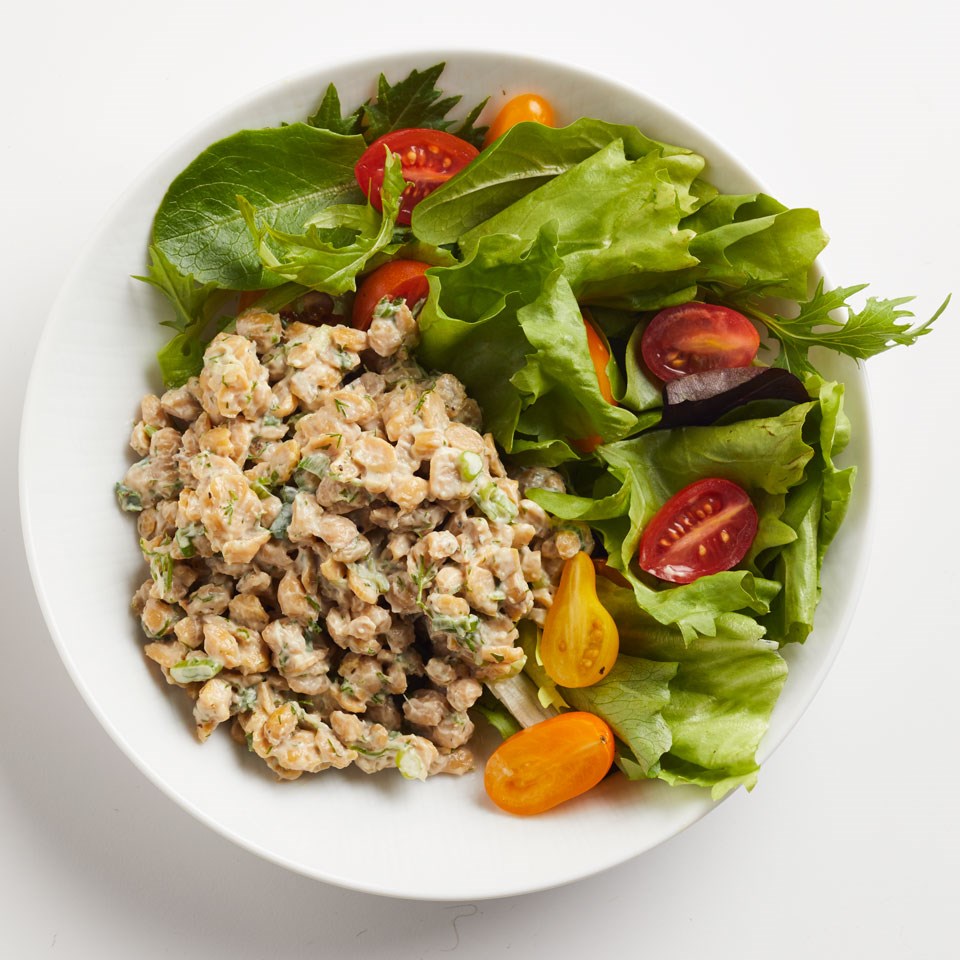
Tempeh 'Chicken' Salad EatingWell
And willing to pay the freight, so to speak. The producer of the faux-meat Whopper sold at Burger King plans to develop replacements for all meat-based foods by the year 2035. Impossible Foods obviously believes this is the future and they have every intention of being a player in this food future. If there is any one consumer product that will never go out of favour it is food.
And Impossible Food has inaugurated a new product, announcing back in June the creation of fishless fish, an anchovy broth made from heme alongside plants, similar to the protein used in its meat formula. Marine fish stocks are 90 percent depleted globally, according tot he World Economic Forum, a rate of depletion that some describe as a "meltdown."
Wild Type based in San Francisco uses cellular agriculture to grow salmon in a laboratory. At a June tasting at a Portland, Oregon restaurant, creation of the half-kilo of salmon served took almost four weeks. Scaling up production is a monumental necessity to ensure this kind of production is both sustainable as a readily available consumer food product and reasonably enough priced to persuade people to switch to it from real salmon.
The meat industry is less than pleased with this turn of events, predictably enough. It is a revolution in food production that does not advance their bottom line one iota, even if that happens to be the point of substitution. The industry and its advocates have lobbied for legislation in 24 U.S. states to make it illegal to label plant-based food as meat. There are precedents, where processed cheese is labelled not cheese but 'cheese product'.
According to the creators of Tofurkey, such a law is in violation of their constitutional rights through limitation of the kinds of words they are able to use in their marketing, leading them recently to file a suit in Arkansas objecting to such legislation. At the present tine, fake meat accounts for a mere one percent of the total market, with a 2018 study predicting a record-breaking year for American meat consumption. No need to panic.