Ruminations

Blog dedicated primarily to randomly selected news items; comments reflecting personal perceptions

Monday, December 15, 2025

"If You Encounter Racism With Uber, Report It ... And Nothing Will be Done

"What happened isn't just an unpleasant moment. It's a reminder of why speaking up matters. And discrimination must be met with accountability, not silence."
"So I asked why [her Uber driver ordered her to vacate the vehicle] and the driver told me that they do not drive Jewish people."
"A serious incident involving hate should trigger immediate action within 24 hours. Anything less allows prejudice to just go unchecked. Basically, it took them [Uber] four days to get back to me. I want to be clear that what happened is about far more than an uncomfortable ride home or a refunded fare. The incident experienced was a direct act of antisemitism, and the reason I'm speaking about it is because moments like this must be confronted openly."
Miriam Matova, Toronto Jewish-Slovakian-Canadian former Miss Slovakia 
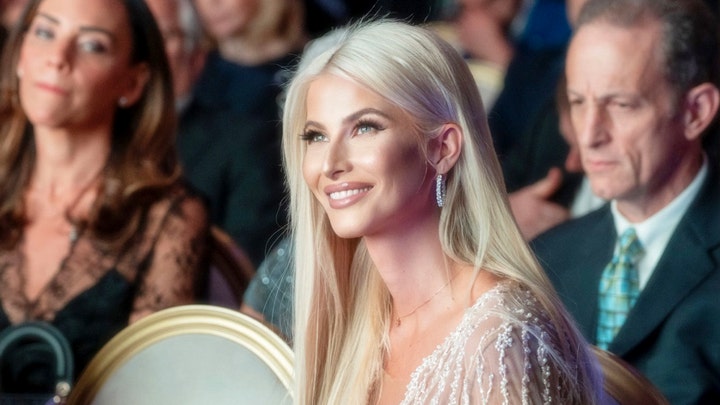
https://a57.foxnews.com/static.foxnews.com/foxnews.com/content/uploads/2025/12/720/405/miriam-mattova-jewish-model.jpg?ve=1&tl=1

Miriam Mattova attends the Yorkville Jewish Center Appreciation Gala on Tuesday, Oct. 28, 2025. (Miriam Mattova) 

Citing the privacy rights of the driver, Uber refused to explain to the complainant what kind of 'appropriate' action would be taken in view of the seriousness of an open act of  contemptible antisemitism. "Discrimination is unacceptable, and we're deeply sorry for the experience this rider had. Everyone deserves to feel safe, welcome and respected when using Uber. We've contacted the rider directly and taken appropriate action on the driver", was their response when questioned.  
"The scourge of antisemitism has to be confronted by courageous individuals such as Miriam who are prepared to vigorously fight back."
"I am demanding of Uber that it terminate its relationship with this driver and ensures that all of its drivers commit and adhere to principles of non-discrimination."
"Unfortunately, as we permit demonstrations to take over our streets, often focused on Jewish neighbourhoods replete with criminal hate speech, terrorizing the Jewish community, antisemitism is increasingly normalized allowing residents, such as this driver, to believe that such conduct will be tolerated." 
Ms. Matova's legal representative Howard Levitt  
In Canada, governments at all levels, while repeating endlessly that antisemitism is despicable and will not be tolerated, in actual fact do tolerate it by an utter lack of response, allowing the proliferation of  continual public displays of hate speech, threats against the Jewish community in Canada, and ignoring even criminal acts of advocating for the destruction of Israel while flags of Palestinian terrorist groups, outlawed as terrorist groups in Canada are flown at 'pro-Palestinian' demonstrations, many of which are permitted to take place in specifically Jewish neighbourhoods in Toronto.
 
If Canadian citizens of Jewish descent are hounded, assaulted, vilified, recipients of death threats and no authority acts other than to mouth phrases of condemnation  -- while mouthing the same old positions that Canada deplores antisemitism and 'Islamophobia' (expressions from the Liberal government in very particular link the two, although it is the latter that denigrates and threatens the former) and law enforcement tends to protect the 'free speech' rights of Palestinian organizers while Jews are left to their own protective devices after being chided that their counter-presence at hateful organized protests is 'provocative' -- this represents complete abandonment.
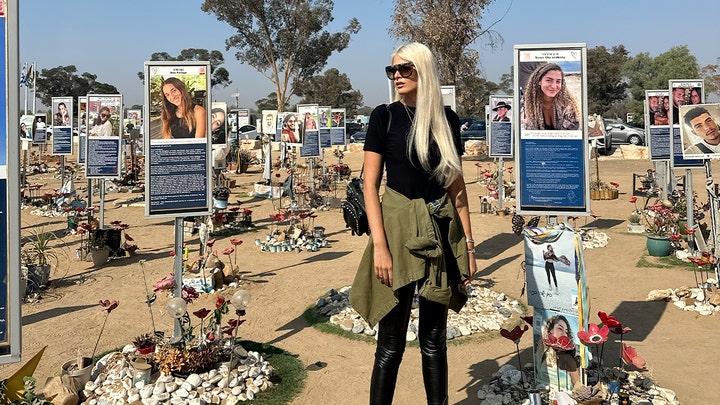
 
https://a57.foxnews.com/static.foxnews.com/foxnews.com/content/uploads/2025/12/720/405/miriam-mattova-nova-music-festival.jpg?ve=1&tl=1

Miriam Mattova visits a memorial at the Nova music festival site in November 2025. (Miriam Mattova) 

Synagogues, Jewish parochial schools, community centers and Jewish events must hire security guards and take steps to build protective barriers in a country they have called home for centuries. And a car service for the Jewish community, called Jew Ride, must come to the rescue of Jews seeking passage to various destinations in safety. Vadim Danilov founded Jew Ride. An immigrant from Israel several years ago, he worked as a driver for Uber and heard from his Jewish passengers how vulnerable they felt having to hide their Jewishness when seeking a ride. 
 
https://smartcdn.gprod.postmedia.digital/nationalpost/wp-content/uploads/2025/12/vadim-danilov.jpg?quality=90&strip=all&w=564&h=423&type=webp&sig=hDiXNZU3nGLHrsg2Gq4xmA
 
Following a series of additional incidents when Jews were informed that the ride-hailing service was for the general public, with the exclusion of Jews, Mr. Danilov decided to take matters into his own hands with the establishment of a ride service that would guarantee security and peace of mind for Jews. One woman told him she had been ordered out of a vehicle and left on the street in the middle of the night to find her way home on her own.  
"This is what made me start this company in March. It's to help passengers from the community and provide them with the safe, private transportation service anywhere in the greater Toronto area."
"My passengers today say they feel safe when I pick them up and they also say ... antisemitism in Canada, it's getting worse and worse." 
Vadim Danilov, founder, Jew Ride 


Uber Web Page ... unimpressive ...

If you encountered racism during your experience with Uber, please report it to us. Your honest feedback helps ensure that everyone who uses our platform is accountable for their behavior. Thank you for choosing to help make Uber a safe and welcoming community.

Labels: , , , , , , ,

Saturday, October 19, 2019

Your Choice: Plastic, Glass, Metal

"Glass would be the best [safety-wise], if it wouldn't break."
"Most plastic bottles today are not using BPA. The problem is they've replaced BPA with other things, so we don't know about these other things that they've replaced them with."
"Metal obviates any concerns we have, rightfully or wrongfully, about plastic."
"All of these products, with the exception of BPA, carry minimal risk. My bottom line is: I think it's great to see consumers drinking water as opposed to drinking soft drinks."
John Swartzberg, clinical professor University of California at Berkeley School of Public Health

"It's a combination of the abrasive and the temperature, and those two things are going to enhance leaching [in plastic bottles]. All plastics that are going to be reused need to be washed by hand. As a rule I wouldn't put plastics in the microwave or dishwasher, period."
"Generally, I feel more comfortable with glass than plastic, but I think stainless steel has a lot to offer in terms of not having things leach into the water."
"From a scientific point of view, it's hard to say something is safe because not everything can be studied, but I think it's useful to say it's safer to use glass or metal."
R.Thomas Zoeller, endocrinologist, professor, University of Massachusetts, Amherst

Aquasana's filter water bottles.
BPA-free plastic water bottles


Most newly available reusable water bottles are produced from three basic materials, either plastic, metal or glass. MarketWatch valued the reusable water bottle industry in May 2019 with a value of $374 million by 2025, up from its current market value of $239 million. Single-use bottles are increasingly being banned in a world trying to reduce the manufacture and use of single-use plastics.

Glass, produced of natural materials ensures no risk of inorganic chemicals leaching into liquids, heated or cooled. And nor does glass transfer flavour, while users of plastic or metal bottles often complain that water contained in them tastes from chemicals or tin. On the negative end of the scale, glass tends to be heavier than either metal or plastic, and then there's the issue of breakage, although  heat-resistant and shatterproof options are available.

No.1 or PET plastic is most often used to produce single-use water bottles, and their reuse is inadvisable since repeated use may break down the material, allowing bacteria to build in cracks, while washing them in hot water can have the effect of chemical leaching. As for reusable plastic bottles, advertised free of the chemical bisphenol A -- in common plastics use until studies linked it to hormonal disruptions in humans although the Food and Drug Administration assures that
BPA is safe at low levels -- the concern is the unknown replacement of BPA.

Even if a plastic water bottle is labelled BPA-free, Dr. Zoeller recommends hand washing over using a dishwasher, since the heat and the abrasive quality  of detergent, acting as an cleansing agent can score the plastic. Bisphenol S, a compound frequently utilized in place of BPA, has not been studied for its possible effect on humans, although some animal studies have indicated the compound could be disruptive.

stainless steel vs glass water bottles
Glasstic, shatterproof glass water bottles

The industry, according to a spokesperson for the Plastics Industry Association, follows FDA regulations with respect to plastics safety. Consumers with concerns over washing plastics should read the labels and symbols on the products to ensure safe use, it was suggested. As for metal water bottles, stainless steel or aluminum are used in their manufacture, and the slight risk of transfer of aluminum into the liquid exists, but likely no greater risk presents than with the use of stainless steel or aluminum cookware, Dr.Swartzberg pointed out.

One caveat; that making certain whatever metal bottle is being chosen, it isn't lined with plastic, epoxy or resin, used by some manufacturers to mask a taste akin to tin, reflecting the fact that these materials might contain harmful chemicals. "It's really the reuse over single-use that matters", Sara Wingstrand, a former material scientist observed, while stating her belief that from a sustainability standpoint no one material is preferable to another.

Nicholas Mallos, director of Ocean Conservancy's Trash Free Seas program suggests "Your best bet is to pick a material that you know you will hold on to longest and use the most." But Dr. Zoeller is firm in his personal, professional opinion that plastic would be best avoided.

Which reusable bottle is better for you: glass, metal or plastic?

Labels: , , ,

Friday, July 12, 2019

Flu Vaccination : Protecting Mother and Baby

"This is a large study and it clearly shows that there were no harmful effects on the longer-term health of children when a pregnant woman got the flu shot."
"Influenza vaccination during pregnancy is -- by all available evidence -- safe for mothers and their offspring."
"This is really important because we know that getting the flu shot in pregnancy reduces women's chance of getting the flu -- and they're a high-risk group."
"But it also can prevent influenza in babies in the first few months of life, which is when they're particularly vulnerable but can't be vaccinated."
"I think most people when they think of getting the flu shot, they think of preventing the flu in themselves -- and that's already a compelling enough reason. But the big thing here is that it has the additional bonus of protecting the babies."
"I think it adds to the evidence, which has been growing rapidly in the last five years, that there's no harmful effects to getting vaccinated against influenza -- either for the mothers or babies."
Dr. Deshayne Fell, scientist, CHEO Research Institute
vaccination pregnancy
According to the Centers for Disease Control and Prevention, about 49 percent of pregnant women in the U.S. opted to get a flu shot during the 2017-2018 flu season.  Photo: Getty Images

An average of 3,500 deaths annually is attributed to the flu in Canada, according to the Public Health Agency of Canada, with most of those deaths occurring among the elderly and infirm. Roughly 36 percent of adults take advantage of a yearly flu vaccine. And although the primary age group for flu-related deaths is the elderly, the infirm, the immunity-impaired, young children as well represent a demographic with a high mortality rate from the flu. Infants under 6 months cannot be vaccinated.

Pregnant women in Canada mostly avoid getting a flu shot; a mere 20 percent opt for it, with research indicating avoidance of vaccination in pregnancy occurs resulting from safety concerns among pregnant women. Now, Dr. Fell, an assistant professor at University of Ottawa School of Epidemiology and Public Health, has responded to those concerns through the result of a study she headed along with other researchers.

She is able to assure pregnant women that the flu vaccine offers protection both to a mother and her baby against influenza, given that maternal antibodies cross the placenta. These are antibodies that confer protection -- passive immunity -- during the critical first six months of a child's life. The study was published in the BMJ (British Medical Journal). Researchers at the Research Institute of the Children's Hospital of Eastern Ontario had a goal; to determine whether vaccination of an expectant women would play a role in health outcomes of children during the first five years of their lives.

Disease and hospitalization rates for 104,000 children born in Ontario between November 2009 and October 2010 -- during the swine flu (H1N1) pandemic were tracked by the researchers. The 31,295 children born to mothers who received the flu vaccine were found to be just as healthy as the 79,954 children whose mothers failed to take a flu shot. The province's health databses were used by researchers to link birth registry information with hospital records.

Flu-related death rates among children are highest for those under six months, when an infant's immune system is still being developed, according to health statistics. The study gave evidence that children of vaccinated mothers were not afflicted with higher rates of death, cancer, serious infections, chronic diseases, sensory disorders, hospital admissions, or emergency room visits.

A slightly higher rate of asthma was detected among the same cohort, along with a slightly lower rate of serious gastrointestinal infections. No biological mechanism to explain the weak link between a mother's immunization and a child's asthma, however. was uncovered. The new study, adding to existing scientific literature indicating the flu vaccine has no negative short-term health effects on mothers or their infants is important as a guiding reassurance to both health professionals and their patients.
"This is an important decision for pregnant women because if they or their newborn babies get the flu, they generally get sicker than the rest of the population."
"We hope the knowledge that the flu shot during pregnancy is safe for children in the longer term will lead to more pregnant woman saying yes to the flu shot."
Dr. Deshayne Fell, study senior author
An Ottawa study shows no increased risk for various diseases in children whose mothers received the H1N1 flu vaccine while they were pregnant. (Jeff McIntosh/Canadian Press)

Labels: , , , , ,

Wednesday, July 03, 2019

Why Vaccinate? Proven Utility in Prevention

"Vaccine injuries are rare."
"They are pharmaceuticals and people can react to them -- you can have a bad reaction to aspirin."
"We've been called all kinds of crazy things, including anti-vax."
"We're not. My law partner's sister spent her life in a wheelchair because she had polio. I wish she had that vaccine."
Renee Gentry, vaccine claims lawyer and director of a vaccine injury clinic, George Washington University Law School, Washington

"The overwhelming number of vaccine injections are completely safe and not associated with any adverse events."
"This is in marked contrast to what the anti-vaccine movement is trying to promulgate."
Dr. H. Cody Meissner, advisory commission official, National Vaccine Injury Compensation Program, U.S.A.
CreditJohannes Eisele/Agence France-Presse — Getty Images
After receiving a tetanus shot, 58-year-old teacher Angela Barry experienced intense pain, was barely able to lift her arm. Her condition became serious enough that she required cortisone shots, surgery and then months of follow-up physical therapy. Her medical costs were covered by the federal injury compensation program. Her experience failed to convince her that vaccinations might be dangerous. "I would not want anybody to hear this story and say, 'Oh, there's another reason not to go get vaccines'", she says. And so, she continues to get vaccinated.

Measles outbreaks in Israel, Ukraine, the Philippines and the United States have brought heightened attention to the failure of many parents to immunize their children. In the United States over the past dozen years or so, people have received roughly 126 million doses of vaccines against measles. At one time in the not-so-distant past, measles represented a disease infecting millions of American children. Measles killed 400 to 500 people every year.

More latterly, over a recent period of a dozen years, 284 people filed claims of having been harmed from the immunizations they received. A federal program to compensate people injured by vaccines was created to respond to those claims. And of those filed, about half of the claims were dismissed according to the National Vaccine Injury Compensation Program, developed to cover claims related to 15 childhood vaccines as well as the seasonal flue shot.

Hundreds of millions of Americans have received billions of doses of vaccines over the past three decades. And the program has been used to compensate about 6,600 people in view of personal injury they claim to have been caused by vaccines. Even so, an estimated 70 percent of the awards were settled in instances where program officials failed to find sufficient evidence of fault attributed to vaccines.

Flu shots in recent years mostly involving adults have been involved in many of the program's pay-outs, to a total of $4.15 billion. About 520 death claims were compensated throughout the period of thirty years. Vaccines prevented over 21 million hospitalizations and 732,000 deaths among children over a twenty-year period, to place matters in perspective, according to the Centers for Disease Control and Prevention.

Data shows that should an individual contract measles the likelihood of serious harm is greater than the chance of injury from the measles vaccine. An estimated one in four people who contract measles are potential candidates for hospitalization, with one to two of every 1,000 people with measles likely to die from the disease. Claims of harm have been filed for about two of every million doses of the measles vaccine, as a counterpart to the foregoing.

From 2006 through to 2017, about two claims of injury for every million doses of all vaccines were filed. A list of injuries and conditions that might be caused by each vaccine includes fainting and brain inflammation, but autism is definitely absent from the list used by the National Vaccine Injury Compensation Program. Federal courts have ruled that evidence indicates conclusively that autism is not caused by vaccines.

On the other hand, the very existence of the program itself is cause to believe that vaccines are more dangerous than medical evidence indicates, according to the logic of vaccine opponents. "If vaccines do not cause injuries, why has the vaccine injury trust fund paid out $4,061,322,557.08 for vaccine injuries?", a Florida Republican Representative asked in a letter defending the right of parents to make their own decision on shots for their offspring.

The data itself speaks as evidence of vaccine safety, point out public health experts. Some half of all claims since 2017 relate to shoulder injuries, generally in adults, occurring as a result of a health provider injecting a vaccine too high on the shoulder, or into the joint space, rather than into muscle tissue, as is required by sound medical practise. A tax is levied by vaccine manufacturers of 75 cents per dose, and this tax finances the program.

Centers for Disease Control and Prevention

Labels: , , ,

Saturday, May 11, 2019

The Health and Safety Vulnerabilities of Poverty

"Simply put, poorer children are at an increased risk of getting hit by cars. Child pedestrian injury is a public health and health equity issue."
"Although progress has been made in reducing preventable pedestrian motor vehicle collisions, more work remains to be done. Our streets should be safe for all children to walk to school, to the playground or to the park."
Dr. Linda Rothman, senior research associate in child health evaluative sciences, Sick Children's Hospital, Toronto

"While in some cities children in low-income areas are more likely to walk to school, this association has not been found in previous studies in Toronto. Another potential explanation is that children from low-income families are more likely to walk to school unescorted, which may put them at increased risk of injury."
"Recent research has found differences in road safety features in high-income versus low-income areas, with more lower speed roadways and traffic-calming measures in higher income areas. A request-based process in many cities in relation to installing traffic safety features such as speed bumps may favour communities with higher income levels."
Research study, ER visits/risks of children from vehicular accidents
A new study suggests children from poorer areas of Ontario face a greater risk of getting hit by vehicles than those from wealthier areas because they are more likely to walk to school alone.
A new study suggests children from poorer areas of Ontario face a greater risk of getting hit by vehicles than those from wealthier areas because they are more likely to walk to school alone.  (Codie McLachlan / Star Edmonton)

Researchers from Sick Children's Hospital, York University and the Institute for Clinical Evaluative Sciences in Toronto studied available data on emergency department visits involving children from the years 2008 to 2015 who presented with injuries sustained by car accidents. The number of emergency room trips for that type of incident -- children hit by vehicles -- while having decreased by 18 percent over those years, actually increased for children from low-income neighbourhoods.

Children who live in high-income areas had 22 percent fewer visits to hospital emergency rooms as a result of being hit by cars. Whereas children from low-income neighbourhoods saw their numbers increase by 14 percent for the same reason. Authors in the study concluded that the differential between children in the highest-income areas suffering fewer hits by vehicles necessitating fewer ER visits than those in the lowest-income areas, differed by 48 percent.

Reducing health disparities with linkage to socio-economic status, point out the researchers, represents an overall social policy objective. The purpose of the study was to determine whether progress in the issue -- children getting hit by cars -- had materially advanced. Published in the April 2019 edition of the journal Injury Prevention, the study posits several possible reasons for the phenomenon without reaching a final conclusion.

transalt
New York City study

Mandating the creation of safer roads toward a safer walking environment for middle- and high-school kids who frequently walk alone, accounting for most emergency department visits after getting hit by vehicles is one potential solution, the study points out. As for younger children, benefits could be seen with well-maintained playgrounds given that a lack of such facilities could lead children to play instead in the streets, leading to greater exposure to traffic.

Strategies for the reduction of vehicle-pedestrian collision rates in poorer areas might begin by installing simple traffic-slowing measures such as the installation of speed bumps and signage urging more awareness, along with lower-speed roadways alongside traffic calming measures that tend to be seen more frequently in higher-income areas, extended equally to their lower-income counterparts.

The examined data excluded children who died at the scene of collisions, so deaths appear under-represented in the study, which found teens and pre-teens at the highest risk of being hit in traffic in the period examined, accounting for 51 and 26 percent of ER visits respectively. Additionally, the bulk -- 73 percent of incidents -- took place in cities, while the suburbs accounted for 20 percent.
"Children who are the most disadvantaged ... often live in families that don’t have a car."
"They don’t have a choice about how they get to school, how they get to go grocery shopping, etc." "They have to take care of transit and they have to walk."
Dr. Alison Macpherson, professor, York University’s School of Kinesiology and Health Sciences
crosswalk

Labels: , , ,

Monday, April 22, 2019

Tracking Food Disclosures

"[It's likely AquaBounty] production will be ramped up in Canada."
"It's a huge advantage for AquaBounty to be allowed to produce this salmon in Canada."
Sylvain Charlebois, director, agri-food analytics, Dalhousie University

"Will there be a disruption in the ... entire salmon market? We hope not. But I will say if that's a possibility, then the response will be: somebody has to label."
"We are reviewing it. We recognize the United States is moving forward with mandatory labelling, as is the European Union."
"Does it make sense from a trade perspective to align more closely with our major trading partners?"
"Who bears the burden of that transparency? I don't think it should be our producers because we're not the ones putting the new product into the market."
Tim Kennedy, executive director, Canadian Aquaculture Industry Alliance
The salmon are engineered to grow much faster. Both these salmon are the same age. (AquaBounty)


"We take biosecurity and sustainability seriously, and our state-of-the-art recirculating aquaculture system (RAS) design includes multiple and redundant physical barriers to escape."
"With this final regulatory approval now obtained, we anticipate hiring more people from the community on Prince Edward Island to ramp up commercial production."
AquaBounty CEO Sylvia Wulf


"More GM salmon means more risk to wild Atlantic salmon. That is the science."
"This decision is the first step in a dangerous expansion of GM fish production. We need a national consultation on improving regulation before new GM animals are approved."
Mark Butler, spokesman, Ecology Action Centre, Nova Scotia


"The lack of genetically modified food labelling is just the most obvious transparency issue undermining public trust."
"Canadians are also asking for more transparent regulation of genetically modified organisms and opportunities for public engagement."
Lucy Sharratt, co-ordinator, Canadian Biotechnology Action Network


AquaBounty is prepared to begin stocking its Rollo Bay facility off the waters of P.E.I. "as soon as possible". The company, based in Maynard, Massachusetts, has genetically modified salmon for the singular purpose of having the fish reach adult size faster, by inserting DNA from Chinook salmon to create a more affordable product, taking less time to come to maturity, enabling the company to put the new genetically altered fish on the market with its initial AquAdvantage harvested salmon.

What the producers of non-GM-fish-farmed salmon are concerned about is differentiating their product from the GM-modified product in light of the fact that Canada's federal Health Department feels there is no need to impose mandatory labelling to identify genetically modified fish. Consumers, as far as the department is concerned, need not concern themselves over the presence of GM-altered fish on supermarket shelves.

Environment Canada having given its certification approval, Canadians can expect to see the GM fish for sale toward the end of 2020. Environmental groups assertively oppose such modified food, arguing the risk to wild Atlantic salmon -- should there be an escape of GM-modified fish. A large unknown, however, is how the availability of such fish on the Canadian market will be met by consumers; taken up with confidence -- or rejected.

As far as the Canadian aquaculture alliance is concerned, its members have no interest whatever in  researching, farming or selling such fish. According to executive director Tim Kennedy, the industry is prepared to consider setting up a label similar to labelling of organic foods, to identify their products as non-genetically-modified.

The Health Department relayed its considered opinion to the Canadian Biotechnology Action Network, an opponent of GM salmon, that it would rely on "industry-led initiatives such as voluntary standards"; that "the government of Canada intends to maintain its current approach". This is interpreted by Mr. Kennedy as indifference over where a labelling initiative will find its funding.

AquaBounty is prepared to ship directly to markets, specifically, processors for the GM salmon, to be used in products such as sushi, pies and pates. The U.S. Food and Drug Administration has assented to AquaBounty production in Indiana, but it will be required to disclose its GM status. A coalition of consumer, environmental and fishing groups hopes to block the sale of GM fish through a pending lawsuit.

The GM-modified fish opponents take exception to the American labelling system which uses the term "bioengineered", which may throw people off who are not familiar with the phrase which is synonymous with "genetically modified".

This handout photo provided by AquaBounty Technologies shows two same-aged salmon, a genetically modified salmon, rear, and a non-genetically modified salmon, foreground. As trangenic salmon raised in Prince Edward Island are poised for the leap to Canadian grocery shelves, traditional producers are pondering how to set their farmed fish apart.
THE CANADIAN PRESS/HO-AquaBounty Technologies


Labels: , , , ,

Sunday, October 14, 2018

Authenticating Essential Oils a Minefield

"More than half the tea tree oil on Canadian shelves is not pure."
"They can be contaminated with pesticides, phthalates and other endocrine disruptors, heavy metals. It's shocking what you find if you go looking for it."
"I've never seen a sample of Chinese tea tree oil that is tea tree oil, and I've tested hundreds and hundreds of samples. They're coming up with a concoction that approximates tea tree oil and they're selling it as 100 percent pure tea tree oil."
"They're mixing it with low-grade industrial waste that comes from other oils they've distilled, including hash oil and pine oil."
"In most instances, the manufacturers have absolutely no idea themselves that they're selling adulterated material. They genuinely believe that it is pure because the people that are supplying it to them are supplying them with fake certificates of analysis."
Tony Larkman, CEO, Australian Tea Tree Oil Industry [ATTIA]
Tea Tree Essential Oil (Australia) - Sunrise Botanics
Tea Tree Oil (Australia)

"Most of our adulterated tea tree oils say 'bottled in Canada', but a consumer really has no idea where they're from."
"And they all say 100 percent pure."
Shannon O'Brien, president, Abundance Naturally, wellness products distributor, Canada
Holy Basil Essential Oil (India) - Sunrise Botanics
Sweet Basil Essential Oil

If the label of a tea tree product doesn't read 100 percent pure Melaleuca Alternifolia and you don't find a Natural Product Number (NPN) on it, it isn't genuine tea tree oil. An NPN number is taken to mean that the product has a licence from Health Canada which permits the product's classification as an antiseptic since pure tea tree oil is a natural antiseptic. The line of tea tree oils, for example, obtainable from The Body Shop makes no antiseptic claims.

The purchasing public loyal to the wellness industry is large, with greater numbers of people turning to alternative remedies, supplements and concoctions most of which are completely unregulated. That in and of itself is a huge problem, since it leads to a 'Wild West' scenario where bottling and labelling products as authentically natural with no fillers as added ingredients or substitutions for the genuine product remains a gamble for the uninitiated and trusting consumer.

The millions of consumers convinced that there is great benefit to be had with the use of alternative and natural solutions has transformed small-scale enterprises into multi-billion-dollar corporations whose products are as good as gold for the bottom line of these mega-manufacturers. By 2023 the global market value of these products is expected to reach over $12-billion in sales and profits. Essential oil products are widely sought-after by a growing horde of convinced consumers.
Peppermint Japanese Essential Oil - Sunrise Botanics
Peppermint Essential Oil, Japan

Those oils are so popular they can be found not only on pharmacy shelves of large urban centers but on the shelves of rural pharmacies as well; whether lavender, tea tree, eucalyptus, lemon, peppermint or oregano, extracted from source through steam distillation, the plants suspended over boiling water, their oils extracted by the steam and the steam then siphoned into a vessel through a tube. Cooled to liquid form a separation between oil and water occurs, the oil collected as an essential oil, the water used in aromatherapy.

Saje Natural Wellness based in Vancouver alone netted a 1,547 percent increase in demand resulting in record sales between 2016 and 2017. The wellness industry hasn't swept onto the shopping list of all consumers, however; skeptics consider the entire enterprise as quackery. Despite an endless number of testimonials that essential oils cure acne, migraines, anxiety and other conditions, an opposite community of those viewing their efficacy as useless shams also exists.
Eucalyptus Globulus Essential Oil, India

As for the products' reliability as unerring sources of enhanced health, there is the issue of "purity" claims in an unregulated industry. As a result, health risks in the use of unlisted supplements used in the ingredients represents a real concern. While one user can claim eucalyptus oil relieved allergy symptoms or arthritis pain, those results could simply be a placebo effect, since there might not have been real eucalyptus oil in use.

The crux of the problem likely can be traced to China, since essential oils ending up on Canadian shelves happen to originate in China, in great measure. Faking lavender and peppermint is anything but insurmountable, since producers can readily mimic their scents; lavender oil spiked with synthetics, stretched with solvents or replaced with lavandin oil, chemically unalike lavender oil but with a similar fragrance.

Major brands don't necessarily make false claims when selling essential oil products, but the trust of consumers in those brands can lead to their obtaining products far from what they imagine them to be. Selling one of the most popular lines of tea tree products in North America, The Body Shop makes no effort to claim that it uses 100% pure tea tree oil concentrate. Oil should always be found in amber or dark glass bottles since clear glass causes light to oxidize oil.
Lavender 40/42 Essential Oil - Sunrise Botanics
Lavender Essential Oil

Labels should be identified that commit to identifying the country the oils come from, as "product of ***country", not simply "bottled in Canada". Selecting oils that identify Australian-grown, or product of Australia -- in view of that country's long history of producing essential oils, relates to stricter quality controls and independent testing. Labels should reveal the presence of "essential oil", not just tea tree oil, lavender oil or rosemary oil. Low-grade hybrids can be identified with the alternate labelling.

And the term "therapeutic grade" is nothing but a play to impress people, as a marketing term with no guarantee whatever. Caveat emptor applies.

Labels: , , , ,

Saturday, June 23, 2018

Growing Your Own

"The odds are better there won't be any contamination from the things we grow ourselves, but no fresh foods are safe."
"Gardening and cooking are a food safety continuum. Safety must be considered with every step in the process, from pre-planting to placing meals on the table."
"Did the previous [home] owner have a lawn there that could have been exposed to lots of chemicals? Was there any run-off from roads or driveways? Was it a place where people walked their dogs? Those questions also apply to community gardens." 
"Cooking is a highly effective step in destroying bacteria that might be there."
Jeanne Brandt, family, community health specialist, Oregon State University Extension

"Composted or aged manure or other soil amendments containing any animal components such as manure, meat, egg shells or bones are not recommended for gardens as they may not be thoroughly processed and thus contain food-borne pathologies."
"Washed produce should be dried before storage. Berries, broccoli and similar should be washed only prior to serving, to avoid mould development."
"Drip irrigation is the safest way to apply the irrigation water because there is no direct contact with the edible portion of the produce."
"Always wash your hands before entering the garden or harvesting; after handling compost, plant debris or garbage; after touching a pet or farm animal; and after using the toilet."

Sanja Ilic, assistant professor, food-safety specialist, Ohio State University Extension
Tomatoes
Pixabay

So if you have the idea fixed in your mind that anything you can grow in the summer in your garden plot in your backyard, is guaranteed more quality nutrients and safety, it's an appealing one, but at the same time to ensure that no pathogens are present on the fruits and vegetables you bring to the table, with pride and anticipation of superior taste and quality, remember if you have an animal companion pet a hazard exists respecting that pet's waste products as it evacuates or urinates in proximity to your garden.

According to public health officials, not that much can be done to treat food-borne disorders, but if one is struck with food poisoning that arrived in your gut via fresh produce, stay well hydrated to replace lost fluids and electrolytes. And while you're recovering think about the evasive actions you may have neglected taking in the prevention of contamination while taking pride in growing your own garden vegetables.

Ironically, one of the reasons given by people who devote time, space and labour to growing their own is food safety. In some instances, they're fooling themselves. If we're to believe what statistics tell us, more food-borne illnesses are as likely to be caused by home-grown produce than they are by fresh foods that have been acquired through the usual channels of procurement such as supermarkets or summer farmers' markets.

According to surveys, home gardeners fail to understand that soil, compost, human and animal manure and water, innocent seeming though they may be, are potential sources of disease-causing bacteria with the possibility of contaminating produce. Generally, the focus goes elsewhere, according to Jeanne Brandt: "They were most concerned about chemical contamination". And identifying the right vegetable garden location is the first step in planning a home garden.


"You want to know what's been on that (planting space)", she cautions. Routines whose purpose is to keep garden spaces orderly, gardeners' hands and tools cleaned, are often bypassed by novice gardeners. In North America close to half of all food illness outbreaks have been caused by fresh produce; greens, lettuces, and row-crop vegetables eaten raw -- as in fresh salads -- represent the number one culprit placing children, the elderly and pregnant women at risk.

Risks of acquiring food-borne illnesses can be minimized however, by the adoption of some simple practices to prevent garden contamination, and in extension of that, the kitchen as well, where preparation takes place before table presentation. Compost prepared from grass clippings or plant trimmings, for example are good alternatives auguring for safe outcomes. City water, having been treated, is the safest to use. Ensuring that wildlife; poultry and pets are restricted from the garden area is paramount to preventing their ordure from contaminating garden soil.

Attention should be given to preventing cross-contamination from the use of dirty tools and even table surfaces when harvesting whole foods. Take care to ensure that railroad ties, corroded metal, pressure-treated lumber are never used in preparing raised beds for vegetable gardens. If  using rainwater stored in barrels for irrigation, periodically clean the barrel with bleach.

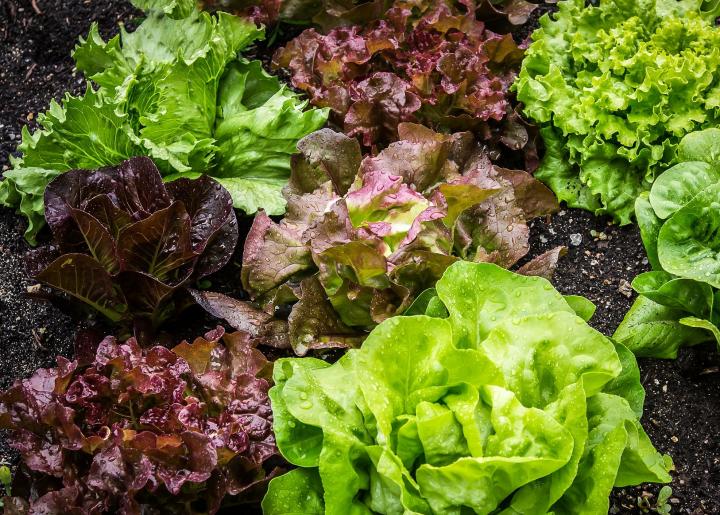
Lettuce varieties
The Old Farmer's Almanac

Labels: , , ,

Tuesday, February 27, 2018

Inflight Medical Emergencies Best Practice

"Every health-care professional is likely to hear this call at some point when flying, but for most of us, treating patients on a plane is a completely unfamiliar scenario."
"When you're in a moment of crisis, you don't really want to be learning about what you have [available on board a plane] to help you."
"We want more physicians and health-care professionals to read this [Canadian Medical Association Journal (CMAJ)] article and gain some comfort in their ability to approach a medical problem on an aircraft."
Dr. Alun Ackery, emergency physician, St.Michael's Hospital, Toronto

"Each airline's kit [first aid medical kit] is going to look different, and the contents aren't always going to be familiar, which adds another layer of complexity to an already stressful situation."
Dr. David Kodama, emergency medicine president, University of Toronto

"[Physicians are encouraged under the organization's code of ethics to provide] whatever assistance they can to any person with an urgent need for medical care."
"But there's no law or regulation except in Quebec that requires a physician to do this. And it's very different if you're in Canada versus, say, over Russian airspace or sub-Saharan African airspace or American airspace what your liability may or may not be."
"You have to make a judgement whether to participate and then sometimes make life and death decisions in a very less than optimal environment, with or without the necessary equipment."
"And you can't sort of stop to say which airspace are we in?"
Dr. Jeff Blackmer, vice-president of professionalism, Canadian Medical Association
Number on cause of medical emergencies on commercial flights is lightheadedness/loss of consciousness, a new report states.
Number one cause of medical emergencies on commercial flights is lightheadedness/loss of consciousness, a new report states.    Photo: Nicolas Russell
World wide, an estimated 2.75 billion passengers fly yearly on commercial airlines. Figures for 2015 confirm that there were about 133 million flyers in Canada, representing a 27 percent increase over passenger flight numbers for 2009. Increasing numbers of passengers explains in part a recognized rising incidence of in-flight medical emergencies, with estimates ranging from one per every 604 flights, to one per 7,700 passengers.

Of in-flight medical emergencies, the top five incident causes are listed as light-headedness/loss of consciousness; respiratory symptoms; nausea or vomiting; cardiac distress; and seizures. Given the number of such incidences and their growing occurrences in lock-step with increased passenger air traffic, it is unclear what a doctor's ethical and legal obligation is to come forward when a call goes out for flight medical aid. Some instances of Canadian doctors facing lawsuits after attempts to give aid to sick passengers on flights have occurred.

The Canadian Medical Protective Association provides legal defence and liability protection to doctors but it stops short of of blanket coverage in such cases; even so such protection as is available is determined on a case-by-case basis. Brought into consideration as another element in a somewhat complex issue is which country's airspace the events occur within.

Dr. Blackmer has had his own experience in responding to appeals for medical assistance for a fellow passenger, and acknowledges that doctors struggle with the issue of their ethical responsibilities weighted against the potential of legal backlash.

The issue of urgent medical situations calling on medical personnel who just happen to share flights with other passengers who become ill has been a vexing one for the profession. Efforts to treat someone suddenly becoming ill in poorly illuminated and cramped aircraft confinement represents a daunting proposition, all the more so when a physician has no prior knowledge what inflight medical equipment will be available to him or her.

Dr. Ackery, along with Dr. Kodama undertook to produce in collaboration with Air Canada and WestJet -- both of which carry comprehensive first aid kits -- a compendium of best-case-scenario reactions, recommendations whose purpose it is to guide doctors in both their decision-making and subsequent actions undertaken to come to the aid of distressed passengers. Their recommendations were published in the latest issue of the CMAJ.
The cramped quarters of an airplane can be a stressful environment for a doctor onboard who responds to a medical emergency   CMAJNews

A standard of best-practise response, and a standardized medical kit to be carried by airlines, containing various medications, saline, blood-pressure cuff, stethoscope and allied basic medical equipment. Bearing in mind also that the airplane interior alters the responses of certain equipment in that diagnostic results become more difficult to assess. When, for example, a patient's normal oxygen saturation is lower at altitude than on the ground. Aircraft sound may also interfere with accurate blood pressure reading; use of the cuff and stethoscope become more complicated.

Add to that the fact when physicians travel they are no different in their behaviour than any other airline passenger; they kick back, relax and think of matters other than  medical response. If a doctor on board a flight indulges in a few alcoholic drinks, has been suddenly jostled awake in the middle of the night, the result may be impaired judgement. Under which influence it is entirely conceivable their emergency reaction could produce more harm than help.

"So you can't have a black-and-white statement that says doctors have an absolute ethical obligation ... It's much more nuanced and complicated than that", explained Dr. Blackmer.

New recommendations intended to help doctors feel more comfortable providing emergency medical aid on flights have been published in the Canadian Medical Journal.
New recommendations intended to help doctors feel more comfortable providing emergency medical aid on flights have been published in the Canadian Medical Journal.  (Todd Korol / REUTERS file photo)

Labels: , , ,

Tuesday, August 15, 2017

Coming to an Airline Near You....

"I never would have thought I'd still be flying at 65 [years of age, post-retirement]."
"The jets I used to fly were highly automated. But now, with the propeller planes, I can enjoy a freer, more visual kind of flying. It means getting back to the basics as a pilot."
"When you're young, you can pull an all-nighter. But I read the textbooks [to attain a new commercial flying license] in half-hour chunks. At my age, you have to manage your time."
"I have at least three years left, maybe five [before mandatory retirement at age 70]. As long as I have my health, I want to make the most of them."
Shigekazu Miyazaki, Nagasaki, Japan

"If places like Germany and the United States are raising the age where people can collect pensions to 67, there's no reason Japan shouldn't go to 70."
"We're reaching a point where a 40-year career is just half the average life span, and having people become inactive too early is unsustainable."
Atsushi Seike, expert, labour economics, Keio University, Tokyo, Japan


Airline pilots appear to be in short supply world-wide. Partially this is a factor of new airlines opening in heavily populated parts of the world where, as for example in China, the middle-class is exploding and with disposable income people are becoming more invested in tourism, flying to and seeing other parts of the world they live in, near and abroad. Airline pilots are in high demand, as a result.

Mr. Miyazaki at age 65, retiring from four decades at All Nippon Airways, the largest airline in Japan where 65 is the top for employment, was given an offer of employment that he felt he just couldn't turn down. And which took him right back to doing what he most enjoyed in life; flying. The new airline for which he has become an employee doesn't recognize an age ceiling of 65; he was hired for his experience and his ability by Oriental Air Bridge, flying between Nagasaki to a group of remote islands.

Mr. Miyazaki is quite happy that his work life has been extended. At the same time he is reminded of his age when he realizes how difficult it is for his elder brain to function as it once did as for example, studying for a new license to enable him to fly the Dash 8s the new airline uses. The 39-seat propeller aircraft has an instrument-crammed dashboard, nothing whatever like the jets he was accustomed to flying during his commercial flying career.

His co-pilots are young enough to be his grandsons. And while he's enjoying the new challenge and the opportunity to go on piloting aircraft through the skies over Japan, the transition has been demanding of him. So that he admits to having felt "a little uneasy" with the need to study to enable him to pass the tests to acquire his new pilot's license. It took him eight months to complete the study-test-license process. So he knows his brain has slowed down, its cells grown a little whiter than grey.

True, Japan has the distinction of being known as having the world's longest life expectancy. And because of the pride Japan takes in its 'homogeneity' (read resistance to immigration from other parts of the world), plus its low birth rate, it suffers a general shortage of workers as the population fails to grow other than among its aged population. Over half of Japanese men over 65 years of age perform paid employment of some kind.

Unemployment stands at an enviable 2.8 percent; enviable if there were enough younger workers to fuel Japanese production. Adequate staff to fill the need of employers is difficult to come by even while retirees draining the pension system, alarms government sufficiently to raise the benefit age from 65 to 67, something other nations' economies are persuading them to turn to as well.

When Mr. Miyazaki flew for All Nippon Airline as captain of Boeing 767s mostly to southeast Asia, his salary was generous at several hundred thousand annually, with an excellent pension Oriental Air Bridge, a tiny airline, can afford to compensate him with roughly a third of his former salary. But it is not the salary that has any measure of importance to this man; it is the opportunity to continue flying; compensation is secondary; he has a new lease on extending his professional career.

He emphasizes that to qualify for his new flying license he underwent physical testing that was more rigorously extensive than what a younger candidate would face inclusive of MRIs, electrocardiograms, treadmill tests for stamina. He managed to pass to achieve his prized license. At the present time under federal regulations he can continue flying commercially until reaching age 67; even so government is considering raising the maximum age to 70.

One can only wonder what airline passengers think, what goes through their minds when a pilot the age of their grandfathers clambers into the cockpit to ferry them to remote places, and perhaps whether they will reach their destination. Mr. Miyazaki is having a great old time, and he may have many more healthy and active years to live, but the profession of an airline pilot is one upon which many paying passengers depend on the assumption that the man in command of the vessel is hale as well as experienced in the air, that his reaction time is not age-impaired.
Image result for japan, older commercial airline pilots
The rise of budget airlines in Asia is said to be one reason why Japan raised the maximum age limit for pilots of commercial airliners to 67 from 65.    Travel Pulse

Labels: , , , ,

Monday, July 24, 2017

Egg Donor for IVF? Be Alert and Be Aware -- as in Beware!

"We don't know, of course, whether there is a likely connection between their egg donation and breast cancer. The only way to have a real answer is to begin keeping track of egg donors and to gather information on the long-term health risks of egg donation. Until then, potential egg donors need more realistic and clear explanations about the lack of knowledge about such risks."
"Egg donors are just not on anyone's radar. It's not the same as sperm donation, which doesn't involve hormone injections or any invasive treatments."
"In my opinion, egg donors need to be treated like all other organ donors -- their health should be monitored."
"All women who undergo ovarian stimulation, especially more than once, should be told that their long-term health risks are unknown."
Dr. Jennifer Schneider, Arizona Community physician
Video for Dr. Jennifer Schneider, ivf safety
Left, Jessica Grace Wing, Right, mother Dr. Jennifer Schneider : Still from video

Several doctors at a London fertility clinic about 20 years ago wrote of the "tragic case of a young woman who died of cancer of the colon after successfully donating eggs to her younger sister". This was published in the journal Human Reproduction. Strangely enough, scientific medical curiosity has not been aroused to the extent where research dedicated to discovering how and why high levels of hormones administered to egg donors through IVF techniques has been a dormant issue. Not quite as though no one is interested because there could not possibly be any threat to the future health of such donors.

Perhaps it's because research funding is notoriously scarce. Perhaps it also owes greatly to the fact that funding often comes from pharmaceutical companies and since they're the producers of the chemical hormones used in the process they have no interest particularly in spending any of their profit to determine whether the technique and the material they provide hastens the deaths of young women. It would definitely produce bad press and depress sales of their product. And nor would clinics specializing in IVF feel inclined to push for research that might affect their bottom line.

So the anecdotal reports, troubling, but guesswork at best, although based on keen observation and the identification of cause-and-effect and related informed theories, is all that is available at the present time. And that's strange, since the technique involved in in-vitro fertilization and the hormones associated with it are so widely used, impacting on the lives of thousands of people, from donors to recipients, their families and the children born of IVF.

Donors are informed, if they ask, that no credible research exists that links IVF to any future health problems. Except that isn't the way it's relayed, instead, those questioning the safety of the technique are simply informed that there are no known issues; so rest assured and proceed. And that is precisely what Jessica Grace Wing experienced. A tall, attractive woman with an athletic build who was a student at Stanford University. She made multiple donations of her eggs as a way to help pay for her tuition. And her donations led to the birth of five healthy children to three families.

Her mother, a general physician, had asked her daughter if she was satisfied that egg donation was safe, to which the young woman responded she had been informed that it indeed is. Yet it appears that beyond the short-term effects of the hormone injections used to stimulate the release of multiple eggs at a time, there was really no research specifically examining the possible long-term effects on donors, so the issue, in fact, is a large, open vacuum.

At the age of 29, which was four years following her third egg donation, the young woman was diagnosed with metastatic colon cancer and despite the state-of-the-art treatment she was given, her life ended at age 31, in 2003. Her mother, Dr. Schneider, entertained doubts in her grief whether the extensive hormone treatments her daughter had been exposed to, really had no risks attached, that the growth of the cancer her daughter developed might have been stimulated by the hormones involved in the treatments.

A look through the research results produced nothing since there hadn't been any research to give results. Egg donors may have been experiencing malign effects, but no one had ever bothered keeping track. So she herself conducted a study leading her to advocate for a registry whose results could be of use not only to egg donors but to women wishing to postpone pregnancy freezing their eggs for future use. It has been 14 years since the death of her daughter, fourteen years of neglect to initiate a registry.

Donors are not hard to find since fertility clinics and agencies devoted to finding egg donors advertise that $5,000 to $7,000 is available to anyone wishing to take part, to produce eggs for IVF. Those British doctors who wrote of a patient dying of cancer of the colon post-egg donation, had made note of the fact that long-term safety concerns had been raised in the British Medical Journal in 1989 amid concern over the high levels of hormones donors were administered, but evidently not enough interest was raised.

So Dr. Schneider and two co-authors reported in Reproductive Biomedicine Online on five cases among egg donors who had been diagnosed with breast cancer, four of whom were absent any genetic risk for the disease. None of the women, all in their 30s, had received information relating to long-term risks inherent in donation of their eggs, simply since there was no information to share with them, or with women supplying their own eggs for IVF undergoing similar hormonal treatment as egg donors.
Containers where harvested eggs are frozen and stored for in vitro fertilization. Credit Raymond McCrea Jones for The New York Times


Labels: , , , ,

 
()() Follow @rheytah Tweet