Ruminations

Blog dedicated primarily to randomly selected news items; comments reflecting personal perceptions

Wednesday, April 15, 2026

Cancer Statisics for 2026 in Canada

"[Projected estimates] underscore the substantial impact cancer will continue to pose in Canada [in 2026]."
"Since the early 2000s, the incidence of pancreatic cancer has bee moderately increasing while no progress has been made in reducing mortality rates."
"Pancreatic cancer is expected to remain the third-leading cause of cancer-related death in 2026, with a similar number of males [3,400] and females [3,100] expected to die from the disease."
Research report, published in the Canadian Medical Association Journal
https://i.cbc.ca/ais/3c347bc4-6bba-44d0-baf3-994ffa5a4c42,1772071466628/full/max/0/default.jpg?im=Crop%2Crect%3D%280%2C0%2C1920%2C1080%29%3BResize%3D620
Doctors say Canada is facing a silent health crisis of HPV-related cervical cancer that could be prevented if more people got vaccinated against human papillomavirus, the virus that can cause the disease. Still from video, CBC
 
A mix of 'good' and 'bad' news comes out of a newly-published study on the state of  cancer in Canada, anticipating that diagnoses and mortality are expected to remain at 'high levels' in 2026. Survival rates are improving for a number of cancers, yet emerging trends for other types of cancer give cause for concern. The report's authors point out that at some point in their lives, close to half the country's population (42 percent) is forecasted to be diagnosed with some form of  cancer.
 
https://i.cbc.ca/ais/bde5df1c-0a65-415f-aa3a-240b927290a7,1776105259889/full/max/0/default.jpg?im=Crop%2Crect%3D%280%2C0%2C1920%2C1080%29%3BResize%3D620
To put it more plainly; an estimated 254,100 individuals will be diagnosed with some kind of cancer, while from among that number 87,900 will die in 2026, as an outcome of their cancerous condition. Lung, breast, prostate and colorectal cancers are identified as the most potentially diagnosed cancers; within that group, 47 percent of all cancers account for new cases estimated to be diagnosed throughout 2026. The third most common cancer killer behind lung and colorectal cancer has been named as pancreatic.
 
Higher risk of pancreatic cancer has been linked to excess body size; 49 percent of Canadian adults measure a waist circumference -- and abdominal fat -- that raises risk of pancreatic and other cancers, according to Statistics Canada. The incidence and death rates for colorectal cancer, common among both men and women, continues to fall, possibly as a result of increased screening related to colonoscopies and stool sample tests begun in the early 2000s. Incidence rates have diminished by 32 percent in men and 29 percent in women since then, given "the removal of pre-cancerous lesions and earlier diagnoses", along with improved  treatments. Concerns have been raised, however over under 50s being increasingly diagnosed with colorectal cancer. 
 
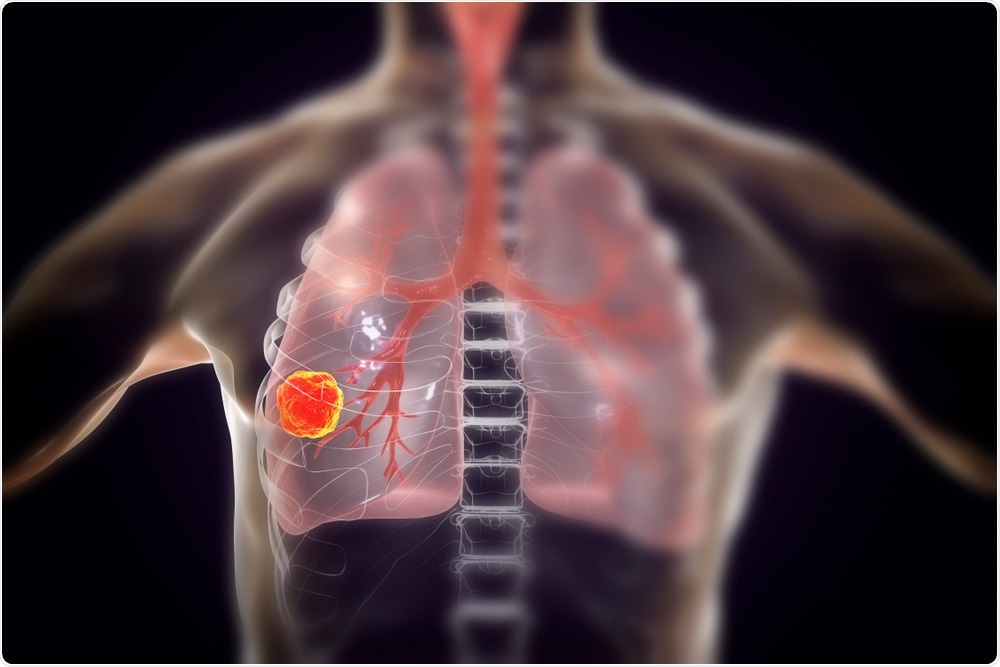
Lung cancer is expected, as the deadliest of all cancers for men and woman, to take 19,200 lives in  Canada in 2026. Lung cancer rates and deaths have been on the decline for males, only more recently among women when historically males were more susceptible to lung cancer, suffering greater deaths than women; a gap that has since been narrowed "over the last 40 years". In 2026, a greater number of women than men are in line to be diagnosed with lung cancers. "A higher proportion of lung cancers among females are not explained by tobacco consumption", according to the  report, suggesting there are risk factors that have yet to be addressed and studied. 
 
Radon gas is invisible, toxic & lurks in Cdn.homes
Exposure to radon -- a radioactive gas that cannot be seen or smelled -- is the second-leading cause of lung cancer in Canada, according to Statistics Canada; as well as the leading cause of cancer onset in non-smokers. Some one in five people in Canada live in homes posting radon levels at or above the guidelines, as reported by a national radon survey. 
 
Cancer remains the leading cause of death, accounting for 26 percent of all deaths in 2023 in Canada, also the leading cause of premature death especially for women. Among a number of 'concerning trends' is the rise of uterine and cervical cancer, following decades of decline. It has now risen "well above the World Health Organization's elimination target" of less than 4 cases per 100,000 women, while increasing among younger females. It is almost always caused by the HPV virus for which a vaccine is available, making it preventable. 
 
https://i.cbc.ca/ais/20033e0c-4ade-4937-aa1f-626c91d69c56,1773349955025/full/max/0/default.jpg?im=Crop%2Crect%3D%28678%2C0%2C607%2C1079%29%3BResize%3D343
Colorectal cancer screening
In the same token, the incidence of uterine cancer is expected to reach a state 53 percent  higher in 2026 than two decades earlier. Rising rates of obesity and women having fewer or no children, or delaying childbirth until they are older than what was previously the case. "The total number of cancer cases and deaths are expected to remain at high levels" resulting from the country's growing elderly population, wrote the researchers.
 
"On its own, lung cancer is expected to account for one in 5 cancer-related deaths in 2026."
"A higher proportion of lung cancers among females is not explained by tobacco consumption."
"[Canada's population grew by about 9.5 percent between 2020 and 2025, primarily due to immigration], and continues to age, with a record percentage (19.5 percent) of people aged 65 and older in 2025 [where the risk of cancer is elevated with age]." 
"[Advances in treatment translates to] a rapidly growing population of people living with and surviving cancer."
Research report  
 

Labels: , , , , ,

Thursday, August 06, 2020

Acute Flaccid Myelitis

"AFM [acute flaccid myelitis] is a priority for the CDC [Centers for Disease Control and Prevention], as we expect an outbreak this year."                                            "The virus comes in two-year cycles, it will be circulating the same time as flu and COVID-19."                                                                                                               "We do not know how the COVID 19 pandemic and social distancing measures will affect AFM; cases may be fewer, or outbreak could be delayed."                               Robert Redfield, MD, director, Centers for Disease Control and Prevention (CDC)

Boy in wheelchair on balcony
Kari Hoglund / iStock

What are the symptoms of acute flaccid myelitis (AFM)?

Most people with AFM will suddenly have

  • Arm or leg weakness
  • A loss of muscle tone and reflexes

Some people also have other symptoms, including

  • Facial drooping/weakness
  • Trouble moving the eyes
  • Drooping eyelids
  • Trouble swallowing
  • Slurred speech


The word has gone out from the U.S. Centers for Disease Control and Prevention for parents and pediatricians to be on special alert for the appearance of a rare neurological condition afflicting children. The condition is capable of leading to long-term paralysis and even, albeit infrequently, death. Acute flaccid myelitis has been known to strike children at low levels for years, and then in 2014 serious outbreaks of the condition occurred in the U.S. when 120 children were struck by it. Since that time, the condition has appeared in steadily increased numbers every other year, late summer and fall.

This year has seen its emergence with sixteen American children diagnosed and one death resulting, to the end of July while another 38 cases are under investigation. Though the precise cause of the condition is not yet known, AFM is thought to result from a complication of a viral infection, the likeliest culprit identified as an outbreak strain of enterovirus D68. 

The most immediate symptom of its onset is muscular weakness. Once identified, children who develop the symptoms should be taken immediately to hospital. "AFM is a medical emergency that requires immediate care", cautioned CDC director Robert Redfield, explaining it to be a serious condition of the spinal cord where paralysis can develop in a matter of hours.

The concern within the agency is that in the atmosphere prevailing with the coronavirus outbreak, parents may tend to hesitate before rushing children to a doctor, choosing to wait instead to see whether the symptoms will pass and the child will recover at home. Early and aggressive physical therapy, explained Dr.Redfield, may help strengthen the muscular function retained to help avoid permanent weakness or paralysis.

Fever or respiratory difficulties may present as the initial symptoms, so common that they can readily be mistaken for preliminary symptoms of any number of oncoming illnesses. Because of the general presence of COVID-19 and fears of contracting the coronavirus there are hopes that vigilance for unusual symptoms may spike greater awareness leading to an abundance of caution. Yet fears have arisen that cautions taken to avoid coronavirus may also serve to avert, reduce or delay attention to AFM outbreaks in 2020, the year when the focus is entirely on the SARS-CoV-2 virus.

Sharing some of the same symptoms of polio, which has been eliminated from the dire conditions pool threatening humanity through a concerted vaccine eradication of the disease, patients with AFM test negative to the poliovirus. The medical community is bracing for the possibility that 2020 will turn out to be the worst year ever, given a rising number of cases with each outbreak. 

In 2018 over half of the 238 children affected required intensive care. A quarter of those children were placed on ventilators. This is a condition for which there is no cure. And which on average strikes children at age five.

How is acute flaccid myelitis (AFM) diagnosed?

AFM causes many of the same symptoms as other neurologic diseases, such as transverse myelitis and Guillain-Barre syndrome. This can make it difficult to diagnose. To make a diagnosis, a doctor

  • Will do a neurologic exam, including looking at where there is weakness, poor muscle tone, and decreased reflexes
  • Will look at pictures of the spinal cord and brain. This may include images from an MRI.
  • May do lab tests on the cerebrospinal fluid (the fluid around the brain and spinal cord)
  • May check nerve speed (nerve conduction velocity) and the response of muscles to the messages from the nerves (electromyography)

It is important that the tests are done as soon as possible after the symptoms start.

What are the treatments for acute flaccid myelitis (AFM)?

There is no specific treatment for AFM. A doctor who specializes in treating brain and spinal cord illnesses (neurologist) may recommend treatments for specific symptoms. For example, physical and/or occupational therapy may help with arm or leg weakness. Researchers do not know the long-term outcomes of people with AFM.

Can acute flaccid myelitis (AFM) be prevented?

Since the cause of AFM is unknown, there is no there is no specific way to prevent it. However, viruses may play a role in AFM, and you can take steps to help prevent getting or spreading viral infections by

  • Washing hands often with soap and water
  • Avoiding touching your face with unwashed hands
  • Avoiding close contact with people who are sick
  • Cleaning and disinfecting surfaces that you frequently touch, including toys
  • Covering coughs and sneezes with a tissue or upper shirt sleeve, not hands
  • Staying home when sick

Centers for Disease Control and Prevention


Labels: , , , ,

Sunday, September 08, 2019

Scanning with Artificial Intelligence

"If you are able to identify inflammation in the arteries of the heart then you can say which arteries ... will cause heart attacks. With the new technology that we have we can achieve this by analyzing simple CT scans."
"[Until now physicians could only see the] tip of the iceberg [with respect to heart risks]."
"It [new scans  to detect alterations to blood vessels] is massively important because it will direct treatment and it will save lives."
"A machine can read the scan and give you the accurate information. It can give you the specific risk of the patient. It can tell you that you need treatment or you don't need treatment."
"Just because someone’s scan of their coronary artery shows there’s no narrowing, that does not mean they are safe from a heart attack. By harnessing the power of AI, we’ve developed a fingerprint to find ‘bad’ characteristics around people’s arteries. This has huge potential to detect the early signs of disease, and to be able to take all preventative steps before a heart attack strikes, ultimately saving lives."
"We genuinely believe this technology could be saving lives within the next year."
Professor Charalambos Antoniades, Oxford Division of Cardiovascular Medicine

"Every five minutes, someone is admitted to a UK hospital due to a heart attack. This research is a powerful example of how innovative use of machine learning technology has the potential to revolutionize how we identify people at risk of a heart attack and prevent them from happening."
"This is a significant advance. The new ‘fingerprint’ extracts additional information about underlying biology from scans used routinely to detect narrowed arteries. Such AI-based technology to predict an impending heart attack with greater precision could represent a big step forward in personalized care for people with suspected coronary artery disease."
Professor Metin Avkiran, Associate Medical Director, British Heart Foundation
 A breakthrough scan can predict the risk of heart attacks up to nine years in advance, experts claim
A breakthrough scan can predict the risk of heart attacks up to nine years in advance, experts claim  Credit: Getty - Contributor
A new study funded by the British Heart Foundation and published in the European Heart Journal holds great promise in helping to avert heart attacks in potentially huge numbers of people susceptible to heart disease. In Britain alone it is estimated that 350000 people annually could receive benefits from the new protocol which was found to be close to 90 percent accurate. 

Oxford University researchers used artificial intelligence to peer "beneath the surface" of CT scans to identify changes to heart-supplying blood vessels.

The new scan protocol could be in operation in at least two years -- doing its part to make certain that high-risk patients are prescribed specific treatments designed for their needs and which are meant to avert potential heart problems. People between the ages 40 to 70 experiencing chest pains, or those who are considered on the basis of conditions such as obesity, smoking or diabetes to be at high risk will be offered the scans. 

At the present time, the success rate with routine CT scans reflecting blockages for people experiencing chest pains has been found to be useful in around 25 percent of cases. Most of these patients are sent home without treatment, while some are offered surgery. Many of the patients will at a later date have a heart attack and it is foreseen that the new technology, able to detect a dangerous buildup of fat and scarring around the heart up to nine years before dangerous levels are reached, will be of enormous help in deterring such heart attacks.

In the case of those patients considered to fall into a high-risk category, medication and closer monitoring can be prescribed in prevention of a deadly episode occurring. Deaths from heart attacks and other heart complications remain the number one killer of people on a global scale. Should the new AI-assisted scan prove to have the utility and accuracy that the study indicates, it would represent a great leap forward in decreasing the numbers dying of heart attack.

A patient receives a CT scan at Buda Health Centre in Budapest, Hungary, June 27, 2019. Tamas Kaszas /Reuters

Labels: , , , ,

Friday, August 23, 2019

That Problematical Autism Explosion

"The pretend epidemic of autism is related to the inclusion of people less and less different from non-autistics."
"This means that, across all disciplines, the people with or without autism who are being included in studies are increasingly similar. If this trend holds, the objective difference between those with autism and the general population will disappear in less then ten years."
"The definition of autism may get too blurry to be meaningful -- trivializing the condition -- because we are increasingly applying the diagnosis to people whose differences from the general population are less pronounced."
"[There is no gold standard, no biological marker such as a blood test] to tell you this one is autistic, this one is not. People tried all possible solutions, but with the constant enlargement of the criteria."
"Fifty years ago, one sign of autism was a lack of apparent interest in others. Nowadays it's simply having fewer friends than others. Twenty years ago you would ask for a complete absence of facial expression. Now it's less facial expression, fewer friends, less reciprocity -- it's become more and more fuzzy."

"You could not be ADHD and autistic before 2013. Now you can. This is justified in some cases where people have both presentations. But it also authorizes to label as autistic pure ADHD people."
"The cliche that you will see everywhere is, 'oh, you have more autism because they are better recognized', which is absolutely wrong."
"It's not that they are better recognized. [It's that people with less profound deviations from] normal [are being diagnosed with autism]."
Dr.Laurent Mottron, professor of psychiatry, Universite de Montreal
"Panicked parents falsely assumed the rapid increase in rates was due to vaccination — not realizing it was First described in the 1940s a decade later severe autism instead a consequence of looser definitions and assessments."   Getty Images
First identified as a condition in the 1940s, a decade later it was assumed that severe autism affected five to ten children for every 10,000 in any population. That estimate rose to one child in 59 by the year 2014 -- according to figures released by the U.S. Centers for Disease Control and Prevention. By any standards of measurement that represents an enormous spike. The mystery is, what could account for it? Are children in those numbers really legitimately to be classified in the autism range? What could possibly be causing what certainly appears on the surface to look suspiciously like an epidemic?

Ah, of course, that would be inoculations. Those same inoculations against diseases that once swept a deadly swath of destruction through the global community. And still do, in some backward areas of the world, now trying to 'catch up' by fast-tracking inoculations for children, led by the UN's WHO. And then the backlash, the uninformed but persuasive opinions with no basis in medical science whatever promulgated on social media by celebrities, that autism is caused by inoculations. And so many convinced this to be true, aided by a since-discredited scientific paper, that measles and other once-rare diseases have returned.

The anti-vaxxers have a huge, faithful following. Medical science, dismayed but forgiving to a fault, expresses the opinion that these 'misguided' parents who withhold vaccine inoculations from their children simply need to be educated; that their fears for the well-being of the children have led them down the confused garden path of inviting disease rather than spurning its onset. A newly-published study looks at the prevalence of autism diagnoses and has arrived at a not very surprising conclusion; the condition is being over-prescribed, partly thanks to the latest edition of the Diagnostic and Statistical Manual of Mental Disorders.

Published in JAMA Psychiatry, Dr. Mottron and his colleagues involved in the research project identified the explosion in diagnoses of autism as having resulted from the broadening of the "autism" definition to the extent that differences between those diagnosed with autism and the balance of the population are seen to be diminishing. The research reviewed eleven meta-analyses -- studies of studies -- published from 1966 to 2019 comparing individuals with autism and those in the population considered to be autism-free.

The magnitude of the differences observed between those with autism and those without was of particular interest to the researchers, in how the "effect size" changed over the period studied. Close to 23,000 people diagnosed with autism in total were included in the study. Traits assessed including "emotion recognition", recognizing emotions in other people, and brain size, in recognition that people with autism tend to have a slightly larger brain volume, along with other traits that were assessed, seeing shrinkage in measurable differentiation by 45 to 80 percent.

Too many people with mild and dubious symptoms not very different from people without true autism are being diagnosed with autism, invalidating study results, concluded Dr. Mottron. This is a situation whereby any child or adult exhibiting symptoms barely resembling autism now is being diagnosed with autism. The result overwhelms specialty clinics and related services to the extent that true autistics are being denied the assistance they require. Diagnostic criteria have been loosened unhelpfully.

In the opinion of some experts, the over-diagnoses began in 1994 as a result of the American Psychiatric Association releasing the fourth edition of its Diagnostic and Statistical Manual of Mental Disorders, considered the officially sanctioned encyclopedia of mental illness. Merging Asperger syndrome with autism increases three-fold the rate of autism diagnoses, according to Dr. Frances of Duke University. Even more critical, classic autism and Asperger's were collapsed into a "spectrum" making misdiagnoses even more common, in the current (fifth) edition of the manual, DSM-5.
"Probably the biggest mistake we made in DSM-IV was including Asperger's, a much milder form of autistic disorder with unclear boundaries to normal diversity, eccentricity and giftedness."
"Careless diagnosis, often related to requirements for extra school services, resulted in a fake epidemic -- a 50-fold increase in the past 25 years."
"Panicked parents falsely assumed the rapid increase in rates was due to vaccination -- not realizing it was instead a consequence of looser definitions and assessments. This has led to measles epidemics all over the world."
"[Over-diagnosis is also harmful for parents and children] stigmatizing them, causing needless worry and reducing expectations."
Dr. Allen Frances, emeritus professor of psychiatry, Duke University, chair, task force DSM-IV
Episode Artwork

Labels: , , , ,

Wednesday, June 05, 2019

Medical Diagnosing Artificial Intelligence

"We have some of the biggest computers in the world. We started wanting to push the boundaries of basic science to find interesting and cool applications to work on."
"The whole experimentation process is like a student in school."
"We're using a large data set for training, giving it lessons and pop quizzes so it can begin to learn for itself what is cancer, and what will or will not be cancer in the future."
"We gave it a final exam on data it’s never seen after we spent a lot of time training, and the result we saw on final exam — it got an A."
Dr. Daniel Tse, project manager at Google
Google Artificial Intelligence researchers have developed an algorithm that can detect lung cancers with a 94.4 percent success rate.
Kateryna Kon | Shutterstock

In a new study published in the journal Nature Medicine, researchers from Google and several medical centers fed CT scans used to screen for lung cancer into a new algorithm system that has resulted from 'training' computers to recognize cancer. This, through a process titled Deep Learning. It is a process used to teach and enable computers to understand speech, to identify objects to a self-driving car to recognize a stop sign, for example. Pathologists can now read microscope slides through systems created by Google, along with systems to enable ophthalmologists to detect eye disease.

Lung cancer is an especially pernicious disease, responsible for the deaths of 1.7 million people around the world, last year alone. Beside finding cancers, scans are able also to identify spots that may potentially become cancerous at a later date. Scans, unfortunately, can miss tumors or erroneously take benign spots for malignancies. Radiologists viewing the same scan may have differing opinions. Leading the researchers to the thought that computers might improve performance accuracy.

With that end in mind, to produce a 'deep learning' situation in artificial intelligence, the researchers created a neural network, feeding it scans from patients with known diagnoses. Numbering 6,716 cases with known diagnoses, the system was tested for accuracy and it performed well up to initial expectations at a 94 percent accuracy. The deep learning model came up with fewer false positives and false negatives in a contest against six expert radiologists.

"I'm pretty confident that what they've found is going to be useful, but it's got to be proven", pointed out Dr. Eric Topol, not involved in the study, but with a background in artificial intelligence in medicine. He warns that a radiologist who misreads a scan may harm a patient, but a flawed A.I. system has the potential to harm many more. "We are collaborating with institutions around the world to get a sense of how the technology can be implemented into clinical practice in a productive way. We don't want to get ahead of ourselves", explained Dr. Tse.

But by feeding immense amounts of data from medical imagining into artificial neural network systems, computers lend themselves to training to recognize patterns linked to a specific condition. Learning as it goes, the system follows an algorithm; the more data it receives the more skilled it becomes."Radiologists generally examine hundreds of 2D images or 'slices' in a single CT scan, but this new machine learning system views the lungs in a huge, single 3D image", explained study co-author Dr. Mozziyar Etemadi, a research assistant professor of anesthesiology at Northwestern University Feinberg School of Medicine in Chicago.

"In order to build the AI to view the CTs in this way, you require an enormous computer system of Google-scale. The concept is novel, but the actual engineering of it is also novel because of the scale."
"The system can categorize a lesion with more specificity. Not only can we better diagnose someone with cancer, we can also say if someone doesn't have cancer, potentially saving them from an invasive, costly, and risky lung biopsy", Dr. Etemadi explained.

doctor looking at lung scans on computer screen
New research suggests that a computer algorithm may be better than radiologists at detecting lung cancer.


Labels: , , , ,

 
()() Follow @rheytah Tweet