Ruminations

Blog dedicated primarily to randomly selected news items; comments reflecting personal perceptions

Monday, November 10, 2025

Napoleon's Disastrous Winter Invasion of Russia

"This is one of the most infamous military campaigns in the last centuries. He [Napoleon] believed that he was going to be able to conquer the whole world, more or less. It was probably the beginning of the end."
"They [French soldiers] started to die of cold, hunger, and also infectious diseases [All told, hundreds of thousands perished]."
"Europe has such a rich history that we have archaeological sites pretty much everywhere. So you dig a hole in the ground and then you find something."
"If you have DNA of the pathogen in the blood because you have an infection, that DNA can get into the tooth. So then it's kind of a time machine in which you can really see the blood of the individual back then."
"Once we have a huge list of all the different things that have been detected, we try to find which are the species that match a human pathogen. It's like doing a puzzle."
Nicolás Rascovan, head, microbial paleogenomics unit, Pasteur Institute, Paris
 
"This paper shows clearly how complex these types of analyses are and the extreme level of skill required to work with these types of data."
"Understanding how certain types of pathogens developed can give us a better chance of anticipating what a pathogen's next step might be."
"We have these paintings in the museums of soldiers in shiny armors, of Napoleon on his horse, fit young men marching into battle."
"But in the end, when we look at the human remains, we see an entirely different picture."
Leslie Quade, paleopathologist, Austrian Archaeological Institute   
https://upload.wikimedia.org/wikipedia/commons/b/b8/Napoleons_retreat_from_Moscow_by_Adolph_Northen.jpg
Napoleon's retreat from Moscow    Adolph Northen

Russian writer Leo Tolstoy, famous for his epic 'War and Peace', based that novel on the reality of Napoleon Bonaparte's ill-fated decision to march on Russia in 1812. Muscovites, anticipating the oncoming invasion by Napoleon's army, fled Moscow, but on their way out they destroyed their beloved city, burning it down, leaving the French army to take possession of a total, smoking ruin. Not only was there no shelter against winter for the vast Russian troops, but nothing had been left to give them comfort or succour of any kind, including food.
 
One account of the period wrote of the soldiers reduced to "begging for a piece of bread, for linen or sheepskin, and, above all, for shoes". This was an unanticipated turn of events. An army of hundreds of thousands must be well provisioned taking into account its total needs; not only weaponry but adequate nutrition, medical supplies, and uniforms equal to the basic task of shielding the human body from nature's elements. Winter in Russia is no laughing matter. Moscow is known to be one of the coldest, snowiest of world capitals.
 
The French invasion soon became a failed aspiration as the troops were ordered withdrawn from this place of misery lacking food where Arctic conditions and the transmission of pathogens in circulation began taking its toll on the soldiers. The starving, freezing army was assailed by unanticipated killers in the form of bacterial infections. And this was only October. Dr. J.R.L. de Kirchhoff who had accompanied the campaign, listed typhus, diarrhea, dysentery, fevers, pneumonia and jaundice among the diseases the men were afflicted with. 

 
https://static.dw.com/image/74488805_1004.webp
An analysis performed on remains from Napoleon's army identified two bacteria previously unknown among his forces
 
A group of researchers in 2006 setting out to fully comprehend the illnesses faced by this army reported the discovery of segments of body lice in the soil of the mass grave in Vilnius; lice which carried trench fever bacteria. They discovered typhus bacteria present in the teeth of three corpses, and trench fever  in another seven teeth. This was at a time when DNA fragments were studied through technologies which have since undergone critical refinement.
 
Recently, a group of French researchers determined to embark on a study that would reveal which infectious diseases were responsible for felling the  troops. With 13 teeth available to them from the unfortunate men buried in a mass grave in Vilnius, Lithuania, they started with the remnants of tissue and blood still viable within each tooth containing tiny fragments of microbial DNA. This time, with the use of state-of-the-art technology, the researchers found evidence of two types of bacteria previously not known to have circulated among the troops. 
 
Their findings were published in Current Biology. Of the two bacteria discovered, one is relapsing fever carried by lice that causes high fevers, joint pain, severe headaches, nausea, vomiting and extreme fatigue. The second was identified as paratyphoid fever which is transmitted through contaminated water or food, with symptoms that include high fevers, headache, weakness and abdominal pain. Symptoms which in and of themselves can hardly be considered lethal; in ordinary circumstances the viruses are treated and the infections cleared away. 
 
https://npr.brightspotcdn.com/dims3/default/strip/false/crop/2048x1536+0+0/resize/800/quality/85/format/webp/?url=http%3A%2F%2Fnpr-brightspot.s3.amazonaws.com%2Fb4%2Ffd%2Fd4174c1d418aa492bba4e2ba20d1%2F013.JPG
Two-to-three thousand soldiers from Napoleon's army were found in a mass grave in the northern suburbs of Vilnius, Lithuania in 2001. Michel Signoli / UMR 6578 Aix-Marseille Université, CNRS, EFS
 
But these were not ordinary circumstances. The uniformed men were in a state of starvation and lethargic from functional deprivation; freezing, hungry and ill. The debilitating conditions they faced with no relief, caused their infections to be the final blow to their emaciated, freezing bodies. Soldiers began to die, collapsing along the  route they were taking to leave the frozen landscape behind. 
 
Dr. Rascovan, lead author of the current, recently-published paper, explained that the two pathogens whose presence his research team had identified would not have been the cause of the deaths of the soldiers, on their own. The men were starving, dehydrated and freezing, he pointed out. "In those conditions, any infectious disease can kill people." 
 
The same conclusion appears to have been reached by Dr. de Kirckhoff's previous writings of the era, along with the present day's science: Wounds of battle did not cause the deaths of most of these soldiers. Starvation and frigid temperatures had set the stage for deaths to occur from otherwise-treatable diseases. 
"The attrition of the army is extraordinary, and underscores how much prior to the 20th century what we think of as wars are primarily medical events."
"[The infections] are diseases that exploit human suffering."
Kyle Harper, historian, University of Oklahoma  

https://static.dw.com/image/74485829_906.jpg
The mass grave at Vilnius was the burial site for hundreds of troops from Napoleon's army
 

Labels: , , , , , ,

Thursday, August 06, 2020

Acute Flaccid Myelitis

"AFM [acute flaccid myelitis] is a priority for the CDC [Centers for Disease Control and Prevention], as we expect an outbreak this year."                                            "The virus comes in two-year cycles, it will be circulating the same time as flu and COVID-19."                                                                                                               "We do not know how the COVID 19 pandemic and social distancing measures will affect AFM; cases may be fewer, or outbreak could be delayed."                               Robert Redfield, MD, director, Centers for Disease Control and Prevention (CDC)

Boy in wheelchair on balcony
Kari Hoglund / iStock

What are the symptoms of acute flaccid myelitis (AFM)?

Most people with AFM will suddenly have

  • Arm or leg weakness
  • A loss of muscle tone and reflexes

Some people also have other symptoms, including

  • Facial drooping/weakness
  • Trouble moving the eyes
  • Drooping eyelids
  • Trouble swallowing
  • Slurred speech


The word has gone out from the U.S. Centers for Disease Control and Prevention for parents and pediatricians to be on special alert for the appearance of a rare neurological condition afflicting children. The condition is capable of leading to long-term paralysis and even, albeit infrequently, death. Acute flaccid myelitis has been known to strike children at low levels for years, and then in 2014 serious outbreaks of the condition occurred in the U.S. when 120 children were struck by it. Since that time, the condition has appeared in steadily increased numbers every other year, late summer and fall.

This year has seen its emergence with sixteen American children diagnosed and one death resulting, to the end of July while another 38 cases are under investigation. Though the precise cause of the condition is not yet known, AFM is thought to result from a complication of a viral infection, the likeliest culprit identified as an outbreak strain of enterovirus D68. 

The most immediate symptom of its onset is muscular weakness. Once identified, children who develop the symptoms should be taken immediately to hospital. "AFM is a medical emergency that requires immediate care", cautioned CDC director Robert Redfield, explaining it to be a serious condition of the spinal cord where paralysis can develop in a matter of hours.

The concern within the agency is that in the atmosphere prevailing with the coronavirus outbreak, parents may tend to hesitate before rushing children to a doctor, choosing to wait instead to see whether the symptoms will pass and the child will recover at home. Early and aggressive physical therapy, explained Dr.Redfield, may help strengthen the muscular function retained to help avoid permanent weakness or paralysis.

Fever or respiratory difficulties may present as the initial symptoms, so common that they can readily be mistaken for preliminary symptoms of any number of oncoming illnesses. Because of the general presence of COVID-19 and fears of contracting the coronavirus there are hopes that vigilance for unusual symptoms may spike greater awareness leading to an abundance of caution. Yet fears have arisen that cautions taken to avoid coronavirus may also serve to avert, reduce or delay attention to AFM outbreaks in 2020, the year when the focus is entirely on the SARS-CoV-2 virus.

Sharing some of the same symptoms of polio, which has been eliminated from the dire conditions pool threatening humanity through a concerted vaccine eradication of the disease, patients with AFM test negative to the poliovirus. The medical community is bracing for the possibility that 2020 will turn out to be the worst year ever, given a rising number of cases with each outbreak. 

In 2018 over half of the 238 children affected required intensive care. A quarter of those children were placed on ventilators. This is a condition for which there is no cure. And which on average strikes children at age five.

How is acute flaccid myelitis (AFM) diagnosed?

AFM causes many of the same symptoms as other neurologic diseases, such as transverse myelitis and Guillain-Barre syndrome. This can make it difficult to diagnose. To make a diagnosis, a doctor

  • Will do a neurologic exam, including looking at where there is weakness, poor muscle tone, and decreased reflexes
  • Will look at pictures of the spinal cord and brain. This may include images from an MRI.
  • May do lab tests on the cerebrospinal fluid (the fluid around the brain and spinal cord)
  • May check nerve speed (nerve conduction velocity) and the response of muscles to the messages from the nerves (electromyography)

It is important that the tests are done as soon as possible after the symptoms start.

What are the treatments for acute flaccid myelitis (AFM)?

There is no specific treatment for AFM. A doctor who specializes in treating brain and spinal cord illnesses (neurologist) may recommend treatments for specific symptoms. For example, physical and/or occupational therapy may help with arm or leg weakness. Researchers do not know the long-term outcomes of people with AFM.

Can acute flaccid myelitis (AFM) be prevented?

Since the cause of AFM is unknown, there is no there is no specific way to prevent it. However, viruses may play a role in AFM, and you can take steps to help prevent getting or spreading viral infections by

  • Washing hands often with soap and water
  • Avoiding touching your face with unwashed hands
  • Avoiding close contact with people who are sick
  • Cleaning and disinfecting surfaces that you frequently touch, including toys
  • Covering coughs and sneezes with a tissue or upper shirt sleeve, not hands
  • Staying home when sick

Centers for Disease Control and Prevention


Labels: , , , ,

Monday, February 03, 2020

Help Yourself Avoid Chronic Inflammation

"Unlike acute inflammation, which benefits health by promoting healing and recovery, chronic inflammation is characterized by persistent increases in inflammatory proteins all throughout the body and can damage health and promote several major diseases."
"People typically don't know that they have chronic inflammation until it's too late."
"Diet is one of the key factors that influences inflammation in the body. Whereas fried foods, red meat, sodas, and white bread and pastries that have refined carbohydrates tend to increase inflammation, fruits, nuts, green leafy vegetables, tomatoes and olive oil tend to reduce inflammation."
"Chronic inflammation is involved in not just a few select disorders, but a wide variety of very serious physical and mental  health conditions. Indeed, chronic inflammatory diseases are the most significant cause of death in the world today, with more than 50 percent of all deaths being attributable to inflammation-related diseases."
"Chronic inflammation can also cause threat sensitivity and hyper-vigilance, which gives rise to anxiety disorders and PTSD, as well as fatigue and social-behavioural withdrawal, which are key symptoms of depression." 
George Slavich, associate professor of psychiatry and biobehavioural sciences, UCLA

"The 'damage accumulation' theory is a possibility, but the reality is that we do not know whether inflammation is causing these health and functional problems, or whether it's an indication that some other process is evolving that undermines health."
"The evidence is clearer for cardiovascular disease, since it has been demonstrated that blocking inflammation with specific drugs prevents cardiovascular events. For the other outcomes, it's still uncertain."
Luigi Ferrucci, scientific director, National Institute on Aging
Scientists call for early diagnosis, prevention and treatment of inflammation to reduce risk of chronic diseases.

Although medical researchers don't fully comprehend the mechanisms of the impact of certain behaviours' influence on chronic inflammation, a few examples are clearly recognized. Cigarette smoking and air pollution irritate the arteries which stimulates inflammation, leading to heart disease. By boosting age-related immune system deterioration (known as immunosenescence) and by promoting vascular and brain aging in combination, neural and cognitive function becomes degraded; chronic inflammation can contribute to cognitive decline and mental health disorders.


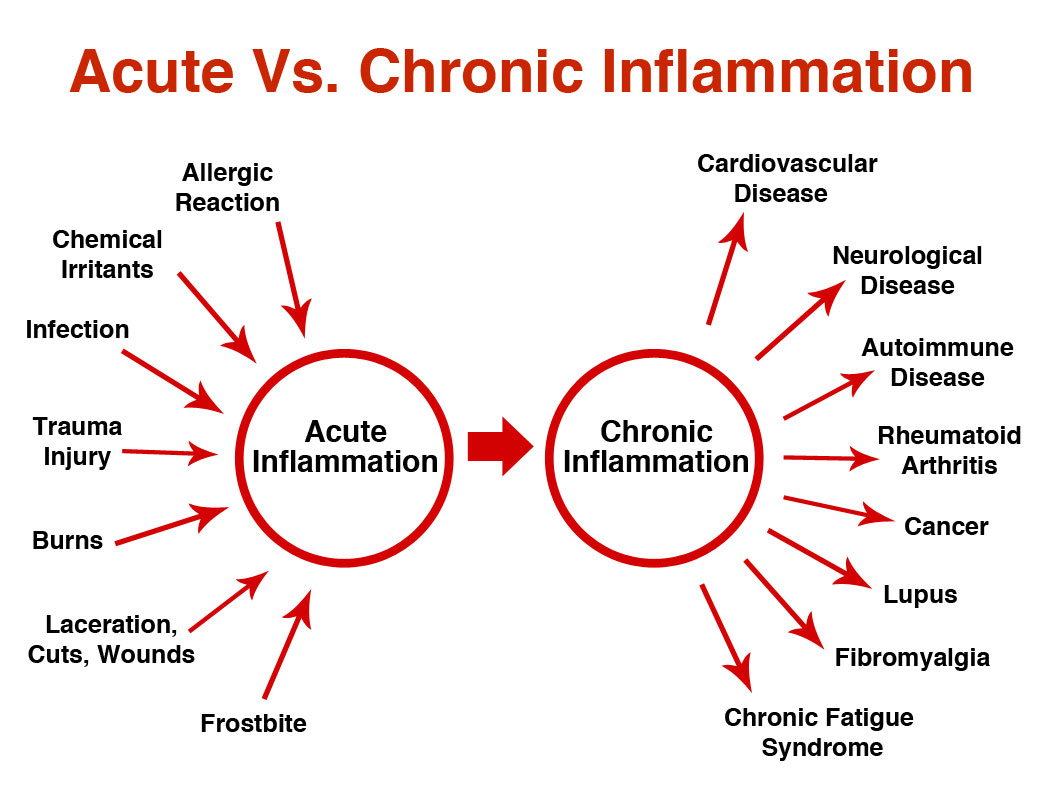
There are two types of inflammation; one of which is familiar to anyone who has sustained a wound of some kind, has had an infection or an injury like an ankle sprain; these are 'acute' inflammations where the immune system reacts to encourage healing and where, once the injury heals, the inflammation disappears. Chronic inflammation is not quite so detectable and more insidious in nature, initiating with no apparent cause ... and it never stops. The inflammatory response when the immune system is activated is not intermittent as in an injury or infection; it remains active constantly, at a low level.

Experts in the field theorize this type of inflammation may result from an infection that fails to resolve itself; an abnormal immune reaction, or lifestyle factors such as obesity, poor sleep, or exposure to environmental toxins where, over time the condition can damage DNA, ultimately leading to heart disease, cancer and other serious disorders. When an autoimmune disease like Crohn's disease, lupus or Type 1 diabetes is diagnosed, this is usually when people learn they have chronic inflammation.


Chronic inflammation is held to be instrumental in the development of heart disease, cancer, kidney disease, non-alcoholic fatty liver disease, neurodegenerative disorders, cognitive decline and mental illnesses such as depression, post-traumatic stress disorder, and schizophrenia -- an entire shopping list of critical,  health-destroying chronic illnesses, all attributable to chronic inflammation, according to the experts' closest-held theories.

Social isolation, psychological stress, disturbed sleep, chronic infections, physical inactivity, poor diet, obesity and exposure to air pollutants, hazardous waste products, industrial chemicals and tobacco smoke are all thought to play a part in the risk of chronic inflammation. Despite which, there is a strongly-held belief among experts that people are able to reduce this risk through changes in lifestyle which would include a healthy diet, improved sleep, regular exercise, smoking cessation and decreasing stress and exposure to pollutants.

The belief among scientists is that chronic inflammation causes oxidative stress in the body, an imbalance between dangerous free radicals production (molecules that do harm to healthy body tissue) and antioxidants (substances that clean up waste products and neutralize them). This can have the effect of damaging DNA, along with proteins and fatty tissue, in turn accelerating biological aging. In hopes of dispelling the uncertainties and arriving at more secure answers to these threats, scientists feel  more research is required to identify biomarkers or other substances pointing to chronic inflammation.

Image result for chronic inflammation"
Inside Out Health & Wellness

Labels: , , , , ,

Sunday, February 02, 2020

Aging Healthily by Deterring Aging

"This is a much more effective approach toward  health than the traditional medical approach of waiting until people are sick and trying to cure their disease."
"Modern medicine has gotten pretty good at keeping sick people alive, but we are not very good at curing age-related disease. By treating one disease at a time, we haven't done anything to prevent all of the other age-related functional declines from happening in that person."
"I think you can make an argument that the extended period of time many older people live with multiple comorbidities currently is likely a direct result of the traditional medical approach of treating individual diseases, rather than treating biological aging."
"Obviously, there are several policy and social implications associated with an increase in healthy lifespans of 20 to 30 years. Retirement age and social security would need to be redefined for example."
"There are also questions about access and who will benefit first from such discoveries and how long it will take for them to become widely available, which can't be answered right now."
Matt Kaeberlein, biologist, professor, University of Washington
In this Oct. 28, 2014 photo, neurosurgeon Dr. John Sampson places a catheter into a glioblastoma patient at Duke in Durham, N.C. The risk of cancer increases with age. Shawn Rocco / The Associated Press

Dr. Kaeberlein envisions a time, perhaps two decades from the present, when a drug would be available to be taken over a period of six weeks or thereabouts to aid a person in their 60s to boost their immune system and protect against age-related diseases, such as heart disease, cancer and dementia. It is not foreseen that this therapeutic approach to treating old age would reverse age, much less bring eternal life; its promise lies in the expectation that it might produce a "healthspan", giving extra years to the individual, free of chronic age-related disease and disability.

This, according to gerobiologist Dr. Kaeberlein, who studies the biological mechanisms of aging, is what the health future for seniors may look like. Early research into such possibilities have already been conducted with worms, fruit flies and mice, even promising early results seen with the use of a drug called rapamycin in a study that involved pet dogs. The journal Public Policy & Aging Report, asked the question: Is aging a disease? when it devoted a full issue to the intriguing possibilities and the potential future of health care and the aging process.

At the present time, what transpires in medicine and human health is the treatment of individual diseases as they present themselves. It is well accepted through long experience that risks increase with age for cancers, heart disease, diabetes, Alzheimer's and neurological disorders such as Parkinson's. It isn't smoking, a heavy reliance on red meat in one's diet or environmental causes that threaten heart disease, but encroaching elder years.

Once a cancer is eliminated or heart disease made manageable, life expectancy sees an increase only on the order of three or four years, owing to the ongoing risk of additional types of diseases that continue to increase exponentially, with age. Slow down aging, goes this theory, then an increase of two or three decades in life expectancy could be anticipated.

 Rapamycin was identified in a soil sample from Easter Island in the 1970s, approved by the FDA to suppress the immune system to avoid rejection in transplant patients. It appears as well to boost immune function in healthy animals, perhaps by reducing inflammation which increases with age. In one study, it was discovered that rapamycin rejuvenated old mice hearts, resulting in significant improvements to cardiac function. Dr. Kaeberlein considers this drug the most promising of any to target aging.

It is not merely one disease but an entire litany of them associated with aging when chronic diseases take an increasing toll. By forestalling the aging process the potential is there to forestall not just one disease but many. "I know of no current intervention I would be willing to place a bet on", senior scientist at the Ottawa Hospital Research Institute and professor of biochemistry, microbiology and immunology at the University of Ottawa, Douglas Gray, stated. "The motivations are genuine and admirable. I just don't buy it. The thing that excludes aging from being a disease is its universality."

"Never say never. But I don't see anything on the horizon that would signal something imminent that would allow us to prolong life for, say, 20 years", commented Researcher Jane Rylett of Western University, who investigates mechanisms regulating chemical communication in the nervous system, at her lab. She is also the scientific director for the Institute of Aging at the Canadian Institutes of Health Research. "Even if there was a drug targeted at aging, it would affect different people in different ways."

Research funding to recognize biological aging as a risk factor in a disease is hard to come by. A mere fraction of one percent of the Alzheimer's research dollars -- as an example -- is spent on research on the role of aging in the development of Alzheimer's, even though biological aging accounts for over 90 percent of the risk of developing Alzheimer's. Another hurdle is regulatory where drugs approved by the FDA are approved on the basis of an "indication"; the drug must treat a named disease.

A woman exercises with wooden dumbbells during an event marking Respect for the Aged Day at a temple in the Sugamo district of Tokyo, Japan, on Monday, Sept. 19, 2016. The proportion of Japan’s aged has been rising steadily for decades, with U.S. Census Bureau data showing that last year more than one in four Japanese were over 65. Tomohiro Ohsumi / Bloomberg

Labels: , , , , ,

Thursday, January 30, 2020

Getting Past the Patent-Profit-Problem in Favour of Repurposing Drugs for Effective anti-Cancer Therapies

"We found that a surprising number of non-oncology drugs are able to kill cancer cell lines in the lab."
"We tested 4,518 compounds in this experiment in total."
"We found 49 non-oncology drugs that were able to selectively kill cancer cell lines -- killing some but not other cancers, which is an ideal property."
Dr.Steven Corsello, Dana-Farber Cancer Institute, Broad Institute of MIT, Harvard University

"[The newly-published paper] highlights the struggle to balance transparency and sharing of discoveries, with heavily patent-dependent commercialization requirements for therapies to make it to market."
Dr.Bruce Bloom, Healx, Cambridge, U.K.
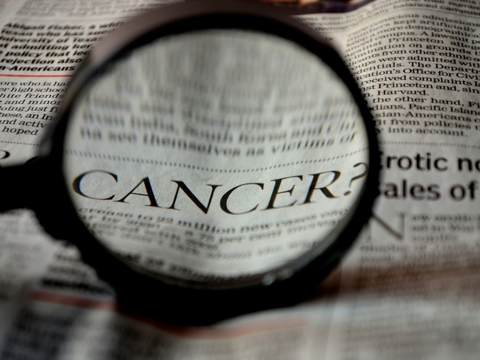
Cancer in newspaper clipping
Scientists at the Broad Institute and the Dana-Farber Cancer Institute identified 49 existing drugs that hold anti-cancer potential and uncovered novel targets that could direct the development of new oncology drugs. (Pixabay)

American researchers have published a paper in Nature Cancer representing research work seen to be the largest to use the Broad Institute's Drug Repurposing Hub of which Dr.Corsello is the director and who led the research. Comprising a collection of over 6,000 sample drugs and compounds either approved by the U.S. Food and Drug Administration or they have been through early-stage clinical trials to prove they are safe for use in people.

In the testing carried out by the researchers to determine whether there are cancer-fighting properties in the drugs, close to 50 drugs meant to treat conditions other than cancer, out of a total of 4,500 non-cancer drugs were found to have some cancer-killing capabilities. The drugs were tested by the researchers on over 550 different cancer cell lines. This type of testing was previously done at a time when researchers grew cell lines one at a time to test each drug individually.

Thanks to new research and technical advances in the use of DNA bar codes -- introducing unique snippets of DNA with a virus to label the cell lines -- used, a technique that enabled the researchers to pool the cell lines with the effect of cutting short the time required to screen, the process was vastly expedited. Four of the drugs were selected for the purpose of more testing, in an effort to fully understand just how they are able to attack and destroy cancer cells.


Of the drugs, one included a diabetes treatment drug, another for inflammation, and a treatment for alcohol abuse, and finally, one for treating canine arthritic pain. The drugs proved to attack cancer in various ways; with the drug tepoxalin developed for use in people but later approved for treating osteoarthritis in dogs attacking a target called MDR1 expressed on the surface of cells that protects them from the effects of chemotherapy.

High levels of this protein often show up in cancer patients who develop resistance to chemotherapy. Chromosome 16, which commonly occurs in some breast cancers showed activity in cancers lacking a portion of chromosome 16 when exposed to Antabuse, a drug approved for the treatment of alcohol dependence. A compound originally developed for the treatment of diabetes, vanadium -- and levonorgestrel, a  hormone used in contraceptives also showed anti-cancer properties.

Animal studies on some of the drugs to determine which have the best chances of success in a clinical trial are being planned by Dr.Corsello's research team. An even greater number of drugs are bent for future testing for possible anti-cancer properties. In limited instances where the drug appears sufficiently promising, the treatment could be brought speedily into clinical trials on cancer patients, suggests Dr.Corsello, but he believes it likelier that identification of new and unexpected molecular targets leading to cancer treatments will be revealed.

Dr.Bloom, representing Cambridge, U.K.-based Healx, a company using artificial intelligence to discover drugs for rare diseases, agrees that new drug targets and the mechanisms of action identified by the researchers in their paper published in Nature Cancer, could be valuable, both for new treatment approaches and for repurposing older drugs.

There is a reminder in all of this of the patent-protection and profit side of researching and producing new drugs, according to Dr.Bloom, that while the data support non-oncology drugs to be repurposed to oncology and even more discoveries could result, the disclosure of specific drug names and targets might complicate pharmaceutical companies in protecting future repurposed and new treatment discoveries.

Illustration of a tumour cell being obliterated by drug therapy. Researchers found diabetes medicine is a cancer killer. Photo: Getty

Labels: , , , , ,

Wednesday, October 23, 2019

Expanding Medical Knowledge, Creating New Protocols

"The pancreas was considered a sterile organ until a couple [of] years ago."
"While past studies from our group have shown that bacteria travel from the gut to the pancreas, our new study is the first to confirm that fungi too make that trip, and that related fungal population changes promote tumor inception and growth."
Dr.George Miller, oncologist, New York University School of Medicine

"We have long known that Malassezia fungi -- generally found on the skin and scalp -- are responsible for dandruff and some forms of eczema, but recent studies have also linked them to skin and colorectal cancer."
"Our new findings add evidence that Malassezia is abundant in pancreatic tumors as well."
Deepak Saxena, PhD, professor, Basic Science and Craniofacial Biology, NYU College of Dentistry

"Moving forward, one goal for our team is to determine which species are most relevant to cancer, as doing so could guide future attempts to slow tumor growth with targeted antifungal medications, and to avert side effects."
Smruti Pushalkar, PhD, research scientist, NYU College of Dentistry
Older adult in hospital
Some gut fungi may promote the development of pancreatic cancer, a new study finds.

In the United States this year alone, close to 57,000 people will be diagnosed with pancreatic cancer -- their outcome poor, as three-quarters of those diagnosed die within a year of diagnosis leaving only about one in ten to live longer than five years.  "This (new study) is an enormous opportunity for intervention and prevention, which is something we don't really have for pancreatic cancer", commented cancer researcher Dr.Christine Iacobuzio-Donahue, at Memorial Sloan Kettering in New York.

The new study she refers to, its results published in the journal Nature early this month, made the discovery that fungi is able to infiltrate deep into the pancreas, an internal bodily organ one of whose functions is to secrete digestive enzymes into the small intestine. The fungi was found to proliferate 3,000-fold compared with healthy tissue, in mice and human patients with pancreatic cancer. One particular fungus was recognized as responsible for inciting pancreatic tumours to grow.

This discovery surprised the researchers by their very presence and tremendous increase in numbers found in disease, though fungi have not been unknown to be present, simply not so deeply ingrained.
Research had revealed that some microorganisms like bacteria were able to infiltrate past a muscle separating the pancreas from the rest of the gut; the feeling was that fungi could possibly colonize the pancreas in the same manner.

Laboratory mice were fed a species of brewer's yeast colour-identified with a green fluorescent protein, by Dr. Miller and his study team. It became clear that the yeast had moved to the pancreas -- thanks to the revelation of the marker -- from the digestive tract in a matter of mere minutes. A genus of Basidiomycota called Malassezia, found on the skin and scalp of animals and humans, able to cause skin irritation and dandruff, was found to be most abundant.

Science Source

The discovery was that Malassezia was present in extremely high numbers in samples from pancreatic cancer patients, not just abundant in mice that grew pancreatic tumours. When an antifungal drug was administered to the fungi in mice, it served to eradicate the fungi to keep tumours from developing. Tumours began growing once more when the treated mice once again received the yeast, serving as an indicator that the fungal cells were responsible for driving the growth of the tumours.

As vital as the genetic factors driving tumour growth, increasing scientific consensus has arisen that the factors in a tumour's "microenvironment" are just as important. Support or prevention of cancer growth relies on surrounding healthy tissue, immune cells, collagen and other fibres that hold the tumour. Fungal population in the pancreas may now be recognized as a valid biomarker for just who may be at risk for developing cancer, along with recognizing potential targets for future treatments.

Labels: , , , ,

Saturday, August 03, 2019

Vaccination Imperatives, DRC

"Ebola is not the only epidemic the country [Democratic Republic of Congo] is experiencing, nor is it the most deadly."
"If the question is how come, with this effective vaccine [Ebola vaccine], we haven't been able to stop it, I think the answer is that it's not getting to the right people at the right time."
Dr.Seth Berkely, head, global vaccine alliance GAVI

"Due to the lack of sufficient scientific evidence on the efficacy and safety of other vaccines as well as the risk of confusion among the population, it was decided that no clinical vaccine trials will be allowed throughout the country."
DRC Ministry of Health

"There are areas where surveillance is weak, mainly because of insecurity. So sometimes the virus gets into a locality relatively undetected. Right now we are chasing the virus as it moves from place to place. What's important is to take a more structured approach that looks at the things that are stopping the public health response from happening."
"As we step up our engagement with communities, including by listening to their needs beyond Ebola and finding ways to meet them, we are seeing some of the reticence to the response ease."
"This will take time in some areas that have historically been distrustful of outsiders. We are making progress, but need to do more. The virus will find a way to continue to replicate if we don't have all the holes plugged."
United Nations (UN) Ebola response coordinator, David Gressly
A Ugandan health worker administers an Ebola vaccine to a child in Kirembo village, near the border with the Congo in Kasese district, Uganda in June 2019. (James Akena/Reuters)

Recently returned from the Democratic Republic of Congo, Dr. Berkeley muses over the fragile state of circumstances in the country, wracked with the results of never-ending conflict and Islamist terrorist attacks by Boko Haram -- which have placed ongoing stress on the ability of a government newly-awakened to the imperative of vaccinating the nation's children to prevent not only Ebola but but other vaccine-preventable diseases that have taken their deadly toll on vulnerable children.

This year in the DRC there has been a 700 percent increase in measles cases, the cause of 2,000 deaths, a public health crisis that has been overlooked, while the fear of Ebola takes centre-stage. The government of the DRC declared the absence of routine immunization in the country represents a health emergency as it initiated an aggressive program to launch a new program aiming to inoculate a greater number of children against a hitherto-overlooked health threat.

The Ebola epidemic overwhelming the country at the present time was declared recently by the World Health Organization to represent an internationally concerning health emergency. The current DRC Ebola epidemic is considered a case study in vaccine limitations where even the most reliable tools cannot function in the absence of public trust -- notoriously weak in the Democratic Republic of Congo.

Vaccine-preventable diseases rising world-wide, might see health authorities looking to the DRC as a learning opportunity in how such emergencies are to be handled for greatest effectiveness in other countries, with particular emphasis on the vital necessity of high vaccination rates alongside allied fundamentals of public health. Putting the DRC in the spotlight as a literal living laboratory in handling this kind of health emergency.

The vaccine most successfully utilized to date, developed in Winnipeg, Manitoba, which was tested during the last major such epidemic has been the most reliable, yet even so the vaccine alone cannot solve the growing problem of infection. Officials harbour fears that Ebola will spread more rapidly if it becomes established in the east, close to the border with Rwanda; up to 40 percent of new cases are turning up in the community of Goma, indicating further spread remains a real risk.

Ebola has killed 1,700 people thus far, and adding that to the rise of diseases like measles and an impending crisis in the public health system of the DRC looms, resulting from the population's endemic mistrust of health and other officials operating the country's public health system. Heroic efforts have now been recognized in the DRC where 180,000 people have been vaccinated in relatively short order, with another 460,000 doses of vaccine available.

This, in a nation afflicted with ongoing violence, conflict and mistrust. Islamist terrorist groups have inflicted countless attacks on health workers, making their work more dangerous and difficult. Still, according to Dr Berkley, the Ebola vaccine has ensured the outbreak has been prevented from reaching the point of "spinning out of control". Without the vaccine the current outbreak would in all probability become even more serious than the West African Ebola epidemic that killed over 11,000 people in 2014-16.

A second crisis has emerged, however, even as the Ebola epidemic continues to fester, with measles and cholera outbreaks.

More than 110,000 people in the Democratic Republic of the Congo have received an experimental Ebola vaccine, which appears to have helped slow spread of the deadly virus.
World Bank/Vincent Tremeau (CC BY-NC-ND)

Labels: , , , , ,

Wednesday, June 05, 2019

Medical Diagnosing Artificial Intelligence

"We have some of the biggest computers in the world. We started wanting to push the boundaries of basic science to find interesting and cool applications to work on."
"The whole experimentation process is like a student in school."
"We're using a large data set for training, giving it lessons and pop quizzes so it can begin to learn for itself what is cancer, and what will or will not be cancer in the future."
"We gave it a final exam on data it’s never seen after we spent a lot of time training, and the result we saw on final exam — it got an A."
Dr. Daniel Tse, project manager at Google
Google Artificial Intelligence researchers have developed an algorithm that can detect lung cancers with a 94.4 percent success rate.
Kateryna Kon | Shutterstock

In a new study published in the journal Nature Medicine, researchers from Google and several medical centers fed CT scans used to screen for lung cancer into a new algorithm system that has resulted from 'training' computers to recognize cancer. This, through a process titled Deep Learning. It is a process used to teach and enable computers to understand speech, to identify objects to a self-driving car to recognize a stop sign, for example. Pathologists can now read microscope slides through systems created by Google, along with systems to enable ophthalmologists to detect eye disease.

Lung cancer is an especially pernicious disease, responsible for the deaths of 1.7 million people around the world, last year alone. Beside finding cancers, scans are able also to identify spots that may potentially become cancerous at a later date. Scans, unfortunately, can miss tumors or erroneously take benign spots for malignancies. Radiologists viewing the same scan may have differing opinions. Leading the researchers to the thought that computers might improve performance accuracy.

With that end in mind, to produce a 'deep learning' situation in artificial intelligence, the researchers created a neural network, feeding it scans from patients with known diagnoses. Numbering 6,716 cases with known diagnoses, the system was tested for accuracy and it performed well up to initial expectations at a 94 percent accuracy. The deep learning model came up with fewer false positives and false negatives in a contest against six expert radiologists.

"I'm pretty confident that what they've found is going to be useful, but it's got to be proven", pointed out Dr. Eric Topol, not involved in the study, but with a background in artificial intelligence in medicine. He warns that a radiologist who misreads a scan may harm a patient, but a flawed A.I. system has the potential to harm many more. "We are collaborating with institutions around the world to get a sense of how the technology can be implemented into clinical practice in a productive way. We don't want to get ahead of ourselves", explained Dr. Tse.

But by feeding immense amounts of data from medical imagining into artificial neural network systems, computers lend themselves to training to recognize patterns linked to a specific condition. Learning as it goes, the system follows an algorithm; the more data it receives the more skilled it becomes."Radiologists generally examine hundreds of 2D images or 'slices' in a single CT scan, but this new machine learning system views the lungs in a huge, single 3D image", explained study co-author Dr. Mozziyar Etemadi, a research assistant professor of anesthesiology at Northwestern University Feinberg School of Medicine in Chicago.

"In order to build the AI to view the CTs in this way, you require an enormous computer system of Google-scale. The concept is novel, but the actual engineering of it is also novel because of the scale."
"The system can categorize a lesion with more specificity. Not only can we better diagnose someone with cancer, we can also say if someone doesn't have cancer, potentially saving them from an invasive, costly, and risky lung biopsy", Dr. Etemadi explained.

doctor looking at lung scans on computer screen
New research suggests that a computer algorithm may be better than radiologists at detecting lung cancer.


Labels: , , , ,

Wednesday, May 29, 2019

Lifestyle Habits : You Decide

"Obesity is unique in that some doctors and much of society feel comfortable moralizing about it."
"Lifestyle has the ability to both treat and prevent a ton of medical problems, but the only one we seem to moralize about is obesity."
Yoni Freedhoff, co-founder, Bariatric Medical Institute, Ottawa

"It's clearly absolute nonsense to think that the current obesity crisis has been caused by a deficit of willpower."
"For that to be true, willpower would have had to have collapsed in every continent of the globe simultaneously across men, women, people of all ages. It's really bizarre that we still want to view that as the main cause of obesity rather than looking for environmental causes, but people just cling onto these ways of thinking."
"We're living in a world in which we're being sold a huge surfeit of calories every day. So you can easily become overweight or obese just simply by choosing among the affordable foods that are available to you."
"We should be so much more critical of the people selling us the food, and so much less critical of ourselves. It makes me upset to think about how many people, especially women, internalize this huge sense of guilt around food and a sense we should be doing better, and we're lacking in willpower when actually the choices we're being offered are crazy. Completely crazy, inhuman levels of choice."
"I just wish we would stop beating ourselves up so much and stop believing there has to be one absolute true answer. Because food isn't really like that. As omnivores, we've always eaten a range of foods; we've muddled along, we've adapted to environments. That middle ground gets lost."
Bee Wilson, author, The Way We Eat Now

"As insulin goes up, the body stores body fat. That's the job of insulin, to tell our body to store body fat. If insulin does not go up, then your body will use it in other ways. It won't store the body fat."
"If you eat 100 calories of cookies versus 100 calories of avocado, the minute you put it in your mouth, the hormonal response is completely and utterly different."
"If you eat cookies, insulin goes up and  your body stores body fat. If you eat avocado, insulin does not go  up. Your body tends to burn body fat because it still needs energy to run the liver and so on."
"All diets work in the short term. But we've been ignoring the long-term problem of insulin resistance. [The solution is to establish the balance between feeding and fasting]; We get so bogged down in carbs and fat and protein that we lose sight of the really important thing. And that's where I wanted to refocus people; 'Hey, we need to look at this meal timing question because it's a question of what to eat and a question of when to eat."
Jason Fung, nephrologist, Toronto author, The Obesity Code


Teenagers, according to Psychology Today, who think of themselves as overweight are so burdened with the vision of themselves as unattractive, unreflective of the ideal body shape, they are likelier than other teens to attempt suicide and to suffer depression. This, aside from the fact that we are killing ourselves, slowly but surely; shortening our lifespans, exposing ourselves to greater likelihood of acquiring life-sapping chronic diseases, by our lifestyle choices; above all by the kinds of food we energize our bodies with.

A major study published recently in The Lancet medical journal points out that poor diets kill 11 million people globally every year, more people dying of that cause than those who die as a result of tobacco use and second-hand smoke. Food security is viewed as having an impact even in developed countries such as Canada as well as elsewhere, while generally speaking most people live with a plethora of food choices. Rates of overweight and obesity have tripled since the mid-1970s.

Obesity is linked to increased risk of many disease, including some cancers, heart disease, high blood pressure, and Type 2 diabetes -- which itself can lead to the previously-named conditions. We are faced with a situation where omnipresent food advertising and the ready availability of calorie-dense, nutrition-absent food rules society. Never has that old adage, "everything in moderation" been more critical to healthy outcomes than at the present time. "Eat less, move more", seems like a simple formula for attaining and maintaining better health, but it seems to fall on deaf ears.

Family walking together outside.
When combined with healthy eating, regular physical activity will help you lose weight and stay at a healthy weight.

In a survey of over 1,500 American adults, three-quarters of the respondents reported their belief that the best treatment for obesity is summoning the self-discipline to go on a diet. Scientific evidence appears, confoundingly, to reject that belief, citing the fact that most grocery supermarkets offer up to 40,000 different food products. Even visiting one of the ubiquitous convenience stores exposes consumers to a wide array of convenience food products, foods whose wholesome quality has been processed and adulterated.

So yes, we should be critical of the manufacturers of this ersatz food. And we should tune out the advertisements that we and our children are exposed to constantly. We should indulge from time to time in a bit of introspection, gauging the food choices we select and going a little further to imagine how healthy those choices are, and what, in the final analysis they do over time to our bodies. The thing of it is, most people can't bother, because they're busy, distracted, time is short, and truth to tell the very thought of preparing whole foods to form a nutritious meal is unappealing.

In this social climate it isn't only the food processing manufacturers that can be held responsible for appealing to peoples' willingness to buy pre-prepared meals heavy on taste-good but lethal amounts of salt, fat and sugar, but those on the other end of the spectrum whose existence is dependent on the desperation of people to lose the extra weight they gain from improvident food choices, who offer a dizzying array of fad diets. Consumers accustom themselves to buying food geared to put on weight, and when they become overweight and obese look for quick solutions to lose that weight.

clock on plate

And along come diets like keto, paleo, carnivore, pegan and fodmap, among the many others that proliferate and promise solutions. Weight loss is celebrated, and soon afterward what melted off returns. Simply because most people after losing weight, lose the diet and return to their 'normal' food consumption habits. A professor of psychology at the University of Minnesota in 2013 updated an exhaustive review  of diets, along with a two-year follow-up. Professor Traci Mann found that while people lost weight in the first nine to 12 months, the following two to five years saw them regain it all with the exception of one kilogram (2.1 lb.).

As for a non-dieter group used for comparison, they gained an average of 544 grams (1.2 lb.) over the same period. In her article published in the American Psychological Association, Professor Mann summarized the situation such that "the dieters  had little benefit to show for their efforts, and the non-dieters did not seem harmed by their lack of effort." This, in an era where advocates of good health succeeded in having all prepackaged food labels reflect calories related to the constituents of the food enclosed in those packages.

Instead of curtailing eating habits contributing to increased rates of obesity, Type 2 diabetes, hypertension and other diseases, national health organizations such as the Canadian Diabetes Association, Heart and Stroke Foundation continue to support calorie counting. According to Dr. Fung, caloric reduction does not reflect a realistic option for weight loss: "It's my opinion that this doesn't work. Look at the obesity epidemic. The only thing (doctors) ever said was 'calories in, calories out'."

Dr. Fung champions another regimen; meal timing. Fasting routinely. In that at one time in the not so distant past people were accustomed to eating breakfast, then fasting, eating nothing else until the evening meal. Breakfast at 8 a.m., dinner at 6 p.m.; ergo a 14-hour fast. 
Intermittent fasting could improve obese women's health
"There are a handful of trendy, reputable, diets people follow and see positive results on, including keto, Paleo, Whole30, and intermittent fasting. Now, a recent study published in the journal Obesity found that intermittent fasting is an effective way for women who are overweight and obese to drop excess weight. Technically, IF is not a diet that instructs you on what to eat, but rather an eating plan that tells you when to eat, and it involves committing to a cycle of eating and fasting within a set amount of time. See the difference? This study showed that women not only lost weight, but they improved their overall health as well."       
Cheyenne Buckingham, Eat This, Not That!

Labels: , , , , , , ,

Tuesday, May 28, 2019

Pancreatic Cancer: Prognosis, Treatment

"We have better chemotherapy drugs [for pancreatic cancer] than in the past, but those standards of care aren't reaching patients.Spreading the reach of the standards of care, starting with a consultation with a medical oncologist, would have a big impact."
Dr. Natalie Coburn, surgical oncologist, Sunnybrook Health Sciences Centre, Toronto

"I'm going to fight this [pancreatic cancer diagnosis]."
"That stuff [chemotherapy] really kicks the slats out of you.. [I suffered bouts of] deep sadness [following chemotherapy sessions]."
Alex Trebek, Jeopardy host

"[By the time tumours are diagnosed, 80 percent are inoperable] and have spread beyond what we can offer for cure."
"The outlook has drastically changed, but the stigma still remains that this is a  highly fatal cancer and it probably isn't worth treating."
"But everyone should have the opportunity for treatment. We could achieve better results by getting more people to an oncologist and better access to best practice treatments right now than with new and often expensive experimental drugs in the future."                                                                                                "We also want to raise awareness amongst policy-makers about gaps in the health care system -- how can we ensure people are accessing the standard of care? How can we make it easier to reach a specialist in a timely manner?"     Dr. Julie Hallet, surgical oncologist, Sunnybrook Health Sciences Centre
Host of Jeopardy Alex Trebek is only the latest celebrity to be diagnosed with pancreatic cancer. (Ben Hider/Getty Images)

A new study  recently published in the Canadian Medical Association Journal, and authored by University of Toronto-associated surgical oncologist Natalie Coburn, co-authored by Julie Hallet, explores the reality that most people diagnosed with pancreatic cancer fail to be offered the opportunity to extend their lives, a reflection of attitudes within the medical community that the disease, usually diagnosed when it has gone beyond mediation, is no longer worth the effort of treatment.

Over ten thousand people diagnosed with advanced pancreatic cancer over an eleven-year period in Ontario saw only 38 percent receiving chemotherapy or were given the option of a combination of chemo and radiation. Of the total number, one-third weren't referred to a medical oncologist specializing in chemotherapy, contrasting sharply with the high rates of treatment offered for other advanced cancers.

Patients with colorectal cancer, for example see a 90 percent opportunity of being treated by a medical oncologist while the majority receive chemotherapy. The diagnosis of advanced (metastatic) pancreatic cancer, with its spread to other parts of the body, has a particularly grim prognosis. This reflects the fact that the disease has a tendency to spread without the appearance of obvious symptoms such as upper abdominal pain or jaundice which occurs when the tumour blocks the bile ducts.

That there is no screening for pancreatic cancer, only exacerbates the situation. This form of cancer represents the fourth leading cause of cancer deaths in Canada, striking men and women equally. The reality currently is, however, that more up-to-date chemotherapy regimens have the capacity to extend mean survival rates for up to a year. Half the patients receiving chemo are able to survive for a year, while the other half can realize a longer survival time. Without therapy, survival is three to six months.

The study used records of 10,881 patients diagnosed with advanced pancreatic adenocarcinoma, accounting for about 80 percent of all cases, between the years 2005 to 2016. Of that number, roughly 27 percent received chemotherapy, while 11 percent benefited from both chemo and radiation. A third of the diagnosed patients were not referred to an oncologist; of those that were, about 60 percent were not given therapy.

Some people refuse chemotherapy because of the toxic side-effects, and the researchers involved in the study did not set out to identify why it was that people weren't given assessments or failed to be treated. And Dr. Hallet, who understands why some people might decide to forego treatment, feels everyone should have the opportunity to opt for it, or decline it.

Pancreatic cancer
Axial CT image with i.v. contrast. Macrocystic adenocarcinoma of the pancreatic head. Credit: public domain

Labels: , , , , , , ,

Wednesday, May 15, 2019

Anti-Vaccination Wretchedness

"To say this has upset our family is an understatement. Nevaeh loved social media, interviews and talking about her lemonade stand. She was so proud when someone stopped her and told her how her journey through treatment with cancer inspired them or helped them in their own battle with the disease."
"[For someone to] steal her image and use it in such a cruel way is heartbreaking to say the least. I don't know  how some people can be so heartless as to do something like this."
"I always feared it [her daughter's photograph] would be used for GoFundMe or something like that. So this really took me off guard."
"Children who go into treatment [for cancer or any other serious illness] are easy targets for people with their own agendas. And this happens far more often that people realize."
Holly Denine, St. John's, Newfoundland
Nevaeh Denine wanted to start a lemonade stand to help other families struggling with pediatric cancer.  CBC

Diagnosed with neuroblastoma at a very young age, Nevaeh Denine was a familiar figure to people living in Newfoundland and Labrador for her determination and her willingness to share with the public her struggles in undergoing cancer treatment. She began a lemonade stand for the express purpose of using it to raise funds in support of children with cancer. Newspapers across Canada picked up the story of the courageous little girl and her concern for others despite a life filled with health turmoil and invasive treatment.

Nevaeh lived with her cancer and the treatments from age three to nine years of age. Treatment had given her a respite, but at age six the cancer returned. She died of its effects on August 6, 2018, devastating her family and bringing sorrow to the people around her. She was a lively, happy little girl who nourished her consideration for the welfare of others by thinking of other pediatric cancer patients, children like herself, and attempting to do something that would benefit them and give them practical support.

A year following her death, her mother was made aware of Nevaeh's image appearing on a site devoted to an anti-vaccination mission. The image of her child was being used to promote the idea that the little girl's life was lost as a result of having been vaccinated. This, when in actual fact children like Nevaeh whose immune systems have been compromised are in deadly danger for contracting disease when others around them fail to be vaccinated.
Nevaeh with her grandfather, John Denine, Facebook

Celebrity figures have mounted their campaigns casting doubt and aspersion in the minds of the easily-led which has resulted in an anti-vaccination movement that has impacted on the number of children being vaccinated against diseases once thought to have been eradicated as a result of inoculations against their onset; decreased to the point where the diseases have once again become socially communicable, and vulnerable children like Nevaeh are often the victims of this ignorance.

People of the political and social stature of Robert F. Kennedy Jr., an avid environmentalist, influencer, scion of a famous American family, have become notorious anti-vaccination activists. Film stars with no more knowledge of medical science than the average person have taken it upon themselves to initiate their own uninformed and dangerous campaigns against vaccinations, warning parents that the ingredients in the vaccinating fluids are dangerous and the cause of autism, a claim that has been soundly disproved by science.

Religious authorities have gone out of their way to study the matter and to issue clearance for their religion's faithful to have their children inoculated against any number of potentially dangerous childhood diseases, which adults themselves are not immune to. In undeveloped countries of the world, World Health Organization campaigns are underway to vaccinate as many children as possible to achieve the 'herd effect' of maximizing inoculations to defend the population against infection.

And in wealthy developed countries of the world, Europe, the United States and Canada, there has been a renaissance of diseases like measles which can in worst-case scenarios lead to blindness and sometimes death, because of parental confusion and uncertainty brought about by these anti-vaccination campaigns.

That young Nevaeh, who before her death had managed to raise thousands of dollars for sick children could have been exploited in this way through her photograph being used, to give credence and to support the anti-vaccination movement is beyond despicable. Nevaeh's mother has asked her friends to assist her in searching to identify anyone using her daughter's image in this way and should anyone come across the image, to refuse to share it.

Lori-Lydia Loveless @lorilydialove
My heart is so heavy today. Rest Easy, beautiful angel. Nevaeh, you were such an inspirational person in my life. You will never be forgotten 💜🍋 Thinking about Holly and the family at this time. Love to you all. 💔 You’re a champion and we heard you Roar 🐯 #roarfornevaeh

Labels: , , ,

 
()() Follow @rheytah Tweet