Ruminations

Blog dedicated primarily to randomly selected news items; comments reflecting personal perceptions

Wednesday, February 03, 2021

Alcohol? Nope. Sorry About That!

"Even modest habitual alcohol intake of 1.2 drinks/day was associated with an increased risk of atrial fibrilation [irregular heartbeat]."
"Alcohol consumption at lower doses [was associated with lower overall instances of heart failure]."
"Due to large sample size, we had power to detect associations even at low doses of daily alcohol intake."
"The level of consumption that minimizes health loss is zero."
European study -- European Health Journal
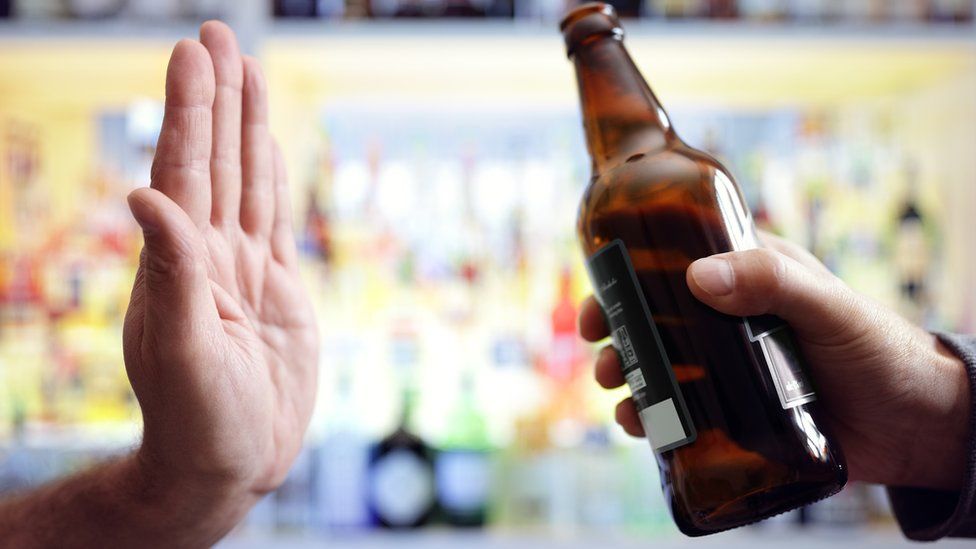
A bottle of beer
Just one drink a day leads to health risks   Getty Images
 
Sometimes assurances that seem too good to be true are quite simply that, in the end -- too good to be true. People enjoy relaxing with alcohol at the end of the day, or to pick up a meal, or to celebrate, or to share with friends. Alcohol is seen as obligatory at social events. And for years we've been reading that health experts have been assuring the imbibing public that drinks in moderation are good for health. That red wine in particular boosts heart health when taken in modest amounts. 
 
Health Canada, as an example goes so far as to recommend a maximum of ten drinks weekly for women and 15 drinks every week for men, as an acknowledgement that people will indulge, and it would be best for a national health authority not to exactly admonish the public for their pleasurable habits, but to help them to understand that in the interests of overall health, moderation is the key to good balance and to good health.
 
And then suddenly, it's all wrong. The long-standing assurance that a glass of wine daily is heart-healthy is not supported by a new European study that concludes even a discreet number of alcoholic drinks over the course of a day, a week, can lead to heart problems. That lower overall instances of heart failure can be identified with decreased alcohol consumption. 
 
The study was thorough in its examination of medical histories of over 100,000 people, to find that the risk of irregular heartbeat and other cardiovascular incidents increased whenever alcohol was introduced in any quantity. Just one drink a day raises the risk of developing heart arrhythmia by 16 percent. "Strong controversy" over the link between moderate drinking and adverse heart health is a reality, the report cautions, adding that most public health agencies tend to avoid recommending total abstinence from alcohol.

 
Woman drinking red wine
A glass of red wine a day is not healthy, say researchers    Getty Images
 
A growing body of evidence indicating even small amounts of alcohol can have negative human health effects is growing. Worldwide attention was focused on a 2018 report published in The Lancet which claimed any amount of alcohol was unhealthy. That report resulted from researchers going through close to 600 studies for data from 195 countries which concluded "the level of consumption that minimizes health loss is zero". 

British statistician David Spiegelhalter responded to that mega-analysis by a scathing critique that included: "There is no safe level of driving, but governments do not recommend that people avoid driving. Come to think of it, there is no safe level of living, but nobody would recommend abstention." The irony is that medical science has expressed confidence in the link between heavy drinking and cardiovascular complications, but the dangers of casual drinking impacting heart health only began to be seriously considered when "holiday heart syndrome" that emerged in the late 1970s, gave a heads-up warning.

That was when it was noticed with alarm that otherwise healthy people went through an unexpected, short-lived health crisis when they were struck with irregular heartbeats following about of alcohol-infused partying.
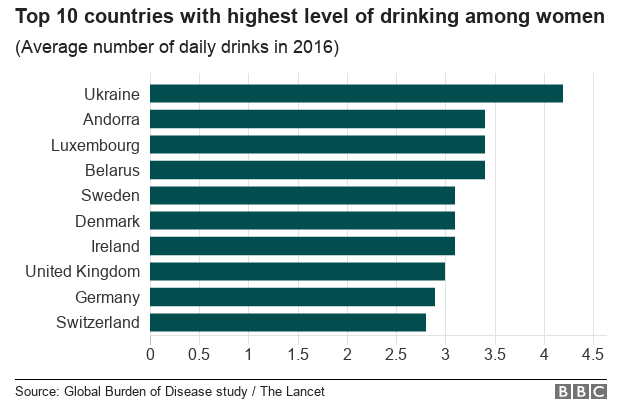
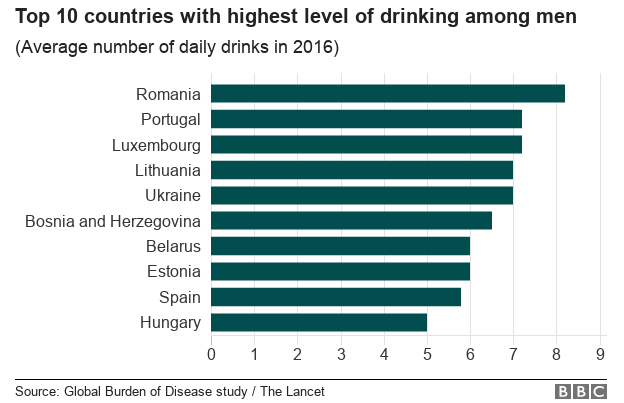
A chart on female drinkers around the world
Table of British male drinkers around the world 
 
Hmmm, where's Russia notorious for its level of alcohol consumption, in these graphs?

Labels: , , , ,

Tuesday, July 21, 2020

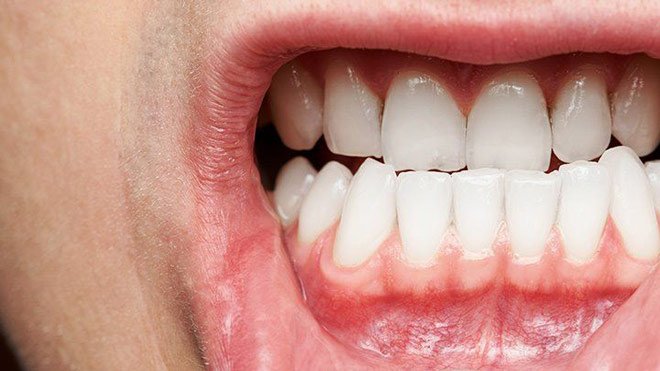
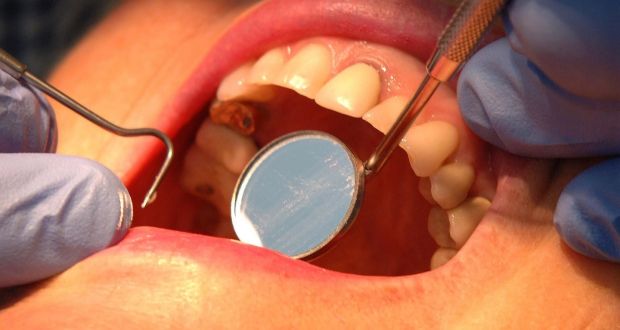
How Important is Good Dental Hygiene?

"The authors point to possible reasons for an association between oral bacteria (oral microbiota) and oesophageal and gastric cancer, with evidence from other studies suggesting that tannerella forsythia and porphyromonas gingivalis - members of the 'red complex' of periodontal pathogens - were associated with the presence or risk of oesophageal cancer."
"Another possible reason is that poor oral hygiene and periodontal disease could promote the formation of endogenous nitrosamines known to cause gastric cancer through nitrate-reducing bacteria."
"This was an observational study, so no firm conclusions can be drawn about cause and effect, and the researchers cannot rule out the possibility that some of the observed risk may be due to other unmeasured (confounding) factors."
"However, they conclude: "Together, these data support the importance of oral microbiome in oesophageal and gastric cancer. Further prospective studies that directly assess oral microbiome are warranted to identify specific oral bacteria responsible for this relationship. The additional findings may serve as readily accessible, non-invasive biomarkers and help identify individuals at high risk for these cancers."
EurekAlert
Image: © Glayan/Thinkstock
"The study authors who found the link between cancer and oral health came to their conclusions using self-reported information from questionnaires given to some 65,869 older women as part of the Women's Health Initiative Observational Study, which began collecting information in 1994. The women in the study were asked if a dentist or dental hygienist had ever told them they had gum disease."
"Study authors followed these women for an average of eight years to see who went on to develop cancer. More than 7,000 cancers occurred among the women during the study period, and researchers found that women with periodontal disease had a 14% higher overall cancer risk than women without gum disease — and a higher risk specifically of breast, lung, and esophageal cancers, and melanoma."
Harvard Health Publishing, Harvard Medical School

"The link between oral health and heart health may seem an unlikely one. But proper care for your teeth and gums may help lower your risk for developing heart disease.
Gum disease leads to inflammation, the immune system's response to infection and injury. The chemicals produced by inflammation of the gums get into the blood. When they reach the heart, those chemicals may increase inflammation inside plaques of atherosclerosis in the arteries of the heart, thereby increasing the risk of heart attacks and strokes."
"That association is controversial, however. 'That's because people with severe gum disease have many of the usual risk factors for coronary artery disease, such as age, diabetes, poor diet, and untreated diseases', says cardiologist Dr. Peter Zimetbaum, an associate professor at Harvard Medical School."
"While some studies have shown that cleaning and flossing result in lower levels of inflammatory markers and other improvements in known risk factors for heart disease, it's not yet clear if good oral care will prevent heart attacks, stroke, or death from heart disease, says Dr. Harvey White, a member of a Harvard affiliated academic research group that studies cardiovascular disease. Even so, it will certainly help protect your dental health."
Harvard Health Publishing, Harvard Medical School
Gum disease may up mouth, stomach cancer risk: Study
Representational Image (Source: Internet)

A new study published in the journal Gut, a specialist periodical by the British Medical Journal, suggests that gum disease has a part to play in risking throat and stomach cancer. The Harvard University study emphasized that the risk, calculated at 50 percent, was higher among people who had experienced tooth loss given that gum disease becomes an entry point for bacteria to proliferate through blood. On the good news side, mild instances of gum disease are readily treatable with practising good oral hygiene.

The research studied 98,459 women and 49,685 men over a period of more than twenty years for rates of throat and stomach cancer. The study assessed dental measures, demographics, lifestyle and diet. The link between bacteria commonly found in the mouth and esophageal cancer was validated in previous studies which results this more recent one confirms given its large sample size, long-term followup and "rigorous control" for lifestyle impacts.

Porphyromonas gingivalis bacteria, 3D illustration.  Image Credit: Kateryna Kon / Shutterstock
Porphyromonas gingivalis bacteria, Credit:Kateryna Kon / Shutterstock

During the 22 to 28 followup years 199 cases of esophageal cancer and 238 cases of gastric cancer occurred. A related history of gum disease was seen to be associated with a 43 percent and 52 percent increased risk of esophageal cancer and gastric cancer respectively.  Risk of esophageal and gastric cancer for people who lost two or more teeth were  higher as well, compared to people with no tooth loss experience; 42 percent and 33 percent respectively.

A history of gum disease and who may or may not have had tooth loss were linked with a 59 percent increased risk of esophageal cancer in comparison to people lacking a history of periodontal disease, and no loss of teeth. Periodontal disease results in abnormal gum conditions reflecting decreased health of gums which recede to expose the roots of teeth, resulting in vulnerability of tooth stability, and eventually tooth loss.

Finally, a history of gum disease resulting in no loss of teeth gave people a 50 percent increased risk of gastric cancer, rising to 68 percent when people have a history of both gum disease and tooth loss, in comparison to others with no history and no loss of teeth.

Mouth health often reflects general health, according to  Prof Leo Stassen, president of the Irish Dental Association. Photograph: John Giles/PA Wire
Mouth health often reflects general health, according to Prof Leo Stassen, president of the Irish Dental Association. Photograph: John Giles/PA Wire


Labels: , , , ,

Saturday, February 22, 2020

Run For Your Life!

"As clinicians are meeting with patients in the new year, making a goal-oriented exercise training recommendation—such as signing up for a marathon or fun-run—may be a good motivator for our patients to keep active."
"Our study highlights the importance of lifestyle modifications to slow the risks associated with aging, especially as it appears to never be too late as evidenced by our older, slower runners."
"Our study shows it is possible to reverse the consequences of aging on our blood vessels with real-world exercise in just six months. These benefits were observed in overall healthy individuals across a broad age range and their marathon times are suggestive of achievable exercise training in novice participants."
"Almost everyone benefited. And those people whose arteries needed the most help benefited the most [through the study trials]." 
Dr. Charlotte Manisty (UCL Institute of Cardiovascular Science & Barts Heart Centre)
running
University College London
A newly published study has found that training for and completing a marathon ran can impact arteries, leaving them more flexible, healthy and biologically younger than they had been before the training and marathon run. The effects were that immediate; the completion of a first marathon was sufficient to rejuvenate a major artery; a monumental plus for heart health, along with overall health condition.

Arteries carry oxygenated blood from the heart. When the arteries are  healthy and pliable they expand and contract as blood pulses through them at a steady flow. They become compromised with age, beginning to stiffen and blood starts to crowd against the inflexible walls of the blood vessels, causing blood pressure to rise and organs requiring an even, gentle blood stream, such a the brain can be deleteriously affected.

There has been past research hinting that exercise could have the potential to alter arterial stiffening related to encroaching age. Older athletes as an example, tend to have relatively supple arteries. What hasn't been clear is whether sedentary people, beginning to exercise, can still improve the health of their arteries. The new study, published in The Journal of the American College of Cardiology, was the result of researchers at University College London setting out to answer that question.

marathon runners
Getty Images
They did so, along with other institutions, by tracking arteries of people new to an exercise routine, singling out first-time entrants in the London Marathon, new to the sport of running, Over 200 of these men and women, most of them in their middle-age, all accustomed to a sedentary lifestyle, were contacted by the researchers, six months before the Marathon.

None of the group of participants who had completed health and fitness tests and a scan of their aortas, showed any signs of heart disease or other serious health problems. Most of the runners began preferred marathon-training programs, jogging several times weekly. Some experienced injuries or other health concerns and saw fit to drop out, but ultimately, 136 men and women completed the race, their average time of 4.5 hours for the men and 5.5 hours for the women.

Post-race they returned to the laboratory to have their initial pre-race tests repeated. Their aortas proved more flexible, their arteries appearing to have shed the equivalent of almost four years of gradual stiffening, in functional terms. Older male runners and those whose finishing times had been slower, turned out to show the mos marked improvements, which did not depend on changes in fitness or weight which had been negligible throughout training and the actual run.

The only issue that had impacted on the beneficial outcome appears to be that they all had maintained their training and had gone on to complete the race. "The benefits of exercise are undeniable.
Keeping active reduces your risk of having a heart attack or stroke and cuts your chances of an early death. As the old mantra goes, 'If exercise were a pill, it would be hailed as a wonder drug'", said Professor Metin Avkiran of the British Heart Foundation (BHF), which funded the study,
Over the course of every week, adults should do a minimum of either:
  • 150 minutes moderate-intensity exercise, such as brisk walking, doubles tennis or cycling
  • 75 minutes vigorous exercise, such as running, football or rugby
People should also do strengthening activities - such as push-ups, sit-ups or lifting and carrying - at least two times a week to give muscles a good workout.
marathon runners
Getty Images    Lead researcher Dr Charlotte Manisty said: "People with known heart disease or other medical conditions should speak to their doctor first.
"But for most people, the benefits of taking up exercise far outweigh any risk."


Labels: , , , , ,

Tuesday, October 01, 2019

Mired in Continued Controversy

"We suggest that individuals continue their current consumption. We cannot say with any certainty that eating red or processed meat causes cancer, diabetes or heart disease."
"This is not just another study of red and processed meat, but a series of high quality systematic reviews resulting in recommendations we think are far more transparent, robust and reliable."
"However, any health benefits from staying away from meat are uncertain, and, if they exist at all, are very small."
"[With cancer, for example], we see risk reductions of anywhere from one to 13 cases per 1,000 people followed over a lifetime. So, that's 0.1 percent to 1.3 percent. That's our best estimate."
"Our approach has been there is a possible reduction, that's true. But what's also true is that we're uncertain whether we can make a causal inference."
"And if that's the case people should know what their possible risk reduction is, if it exists at all, and be informed of that so they can make their own decisions."
Dr.Bradley Johnson, associate professor, community health and epidemiology, Dalhousie University, Halifax

"We have saturated the market with warnings about the dangers of red meat. It would be hard to find someone who doesn't 'know' that experts think we should all eat less."
"[However], continuing to broadcast that fact, with more and more shaky studies touting potential small relative risks, is not changing anyone's mind."
Dr. Aaron Carroll, author, The Bad Food Bible, Indiana University School of Medicine

"They should not be making recommendations on this highly connected and sensitive issue, namely, meat consumption, linked as it is to GHGE [greenhouse gas emissions], climate change, our whole attitude to other life forms -- in short, connected to existential issues for life on this planet."
Dr.David Jenkins, nutrition scientist, University of Toronto
Red meat.
Image: © Shutterstock)

Heresy, nothing less, and perhaps much more. After all the prevailing advice has been dispensed, urged upon, validated, warned, and assured that red meat consumption, and processed meats in particular, will inevitably lead to a dismal health end in flirting with cardiovascular disease, stroke, heart attack, cancer, diabetes or death from any cause whatever, along comes a new team of health scientists to present us with alternate findings. A panel of international scientists led by researchers at Dalhousie and McMaster universities in Canada has published their study results in the reputable journal Annals of Internal Medicine.

And their conclusion, that lowering red or processed meat consumption turned out to have little, perhaps trivial effects in reducing the risk of serious health malfunctions goes against the popular grain with a tremendous 'thud!'. The researchers engaged in four systematic reviews to assess risk inherent in red and processed meat consumption and their conclusion is, more or less, don't bother with this concentrated avoidance, it's hardly worth the effort. They looked at the situation purely from a medical standpoint, not taking into account environmental or animal-humane impacts.

They focused on the health aspect of eating red and processed meat since most people choosing to eat otherwise such as vegetarians self-report their reasons as personal health, along with secondary influences. As far as they are concerned, blaming red and processed meat consumption with premature death is vastly overblown. In other words, the 2015 panel of experts assembled by the World Health Organization through the International Agency for Research on Cancer were precipitate in attributing bacon, sausages, biltong, beef jerky and an assortment of salted, cured, smoked meats as carcinogenic; red meat 'probably' in the same category.
Most people who understand the magnitude of the risks would say, 'Thanks very much, but I'm going to keep eating my meat,' said co-author Dr. Gordon Guyatt of McMaster University in Hamilton. (Erin Collins/CBC)
The oft-stated advice from government health agencies to select a diet high in plant proteins, not animal protein more frequently, along with the American dietary guidelines recommending red meat limits to about one weekly serving, in one fell swoop, overturned. By no means are other food scientists prepared to accept the magnitude of reversal inherent in the conclusion of this new study, citing the authors' recommendations accompanied by a "low certainty of evidence". "Because the studies themselves have low certainty of evidence", points out Dr.Joe Schwarcz of McGill.

And this rests in the face of the very unscientific aspect of observational testimonials on which nutritional studies are mostly based, since they are unable to prove cause-and-effect, relying on people's accurate reports on what they have eaten and the amounts. Researchers follow participants over time and observe what happens, but, as Dr. Schwarcz, director of McGill's Office for Science in Society observed, "People tend to claim that they eat more of what they think they should have eaten instead of what they ate".

Estimates are that North American and European populations consume red and processed meat roughly three to four times weekly on average. Researchers from Poland and Spain were also involved in the performance of five systematic reviews, one including over 100 studies involving more than six million people. Differences in red and processed meat consumption resulted in small differences in risk of dying from cardiovascular disease, stroke, heart attack or type 2 diabetes according to their analyses.

They found again a small link when another meta-analysis, specifically studying the risk of developing or dying from prostate esophageal, colorectal, breast or other cancers and the consumption of meat. On the other hand, it was found that people who ate three fewer servings of red or processed meat weekly did slightly reduce their risk of  heart disease, cancer and diabetes, with an uncertain association for validation.

Processed meats, such as salami, have been on the World Health Organization’s hit list as being carcinogenic.

Labels: , , , , , ,

Sunday, September 08, 2019

Scanning with Artificial Intelligence

"If you are able to identify inflammation in the arteries of the heart then you can say which arteries ... will cause heart attacks. With the new technology that we have we can achieve this by analyzing simple CT scans."
"[Until now physicians could only see the] tip of the iceberg [with respect to heart risks]."
"It [new scans  to detect alterations to blood vessels] is massively important because it will direct treatment and it will save lives."
"A machine can read the scan and give you the accurate information. It can give you the specific risk of the patient. It can tell you that you need treatment or you don't need treatment."
"Just because someone’s scan of their coronary artery shows there’s no narrowing, that does not mean they are safe from a heart attack. By harnessing the power of AI, we’ve developed a fingerprint to find ‘bad’ characteristics around people’s arteries. This has huge potential to detect the early signs of disease, and to be able to take all preventative steps before a heart attack strikes, ultimately saving lives."
"We genuinely believe this technology could be saving lives within the next year."
Professor Charalambos Antoniades, Oxford Division of Cardiovascular Medicine

"Every five minutes, someone is admitted to a UK hospital due to a heart attack. This research is a powerful example of how innovative use of machine learning technology has the potential to revolutionize how we identify people at risk of a heart attack and prevent them from happening."
"This is a significant advance. The new ‘fingerprint’ extracts additional information about underlying biology from scans used routinely to detect narrowed arteries. Such AI-based technology to predict an impending heart attack with greater precision could represent a big step forward in personalized care for people with suspected coronary artery disease."
Professor Metin Avkiran, Associate Medical Director, British Heart Foundation
 A breakthrough scan can predict the risk of heart attacks up to nine years in advance, experts claim
A breakthrough scan can predict the risk of heart attacks up to nine years in advance, experts claim  Credit: Getty - Contributor
A new study funded by the British Heart Foundation and published in the European Heart Journal holds great promise in helping to avert heart attacks in potentially huge numbers of people susceptible to heart disease. In Britain alone it is estimated that 350000 people annually could receive benefits from the new protocol which was found to be close to 90 percent accurate. 

Oxford University researchers used artificial intelligence to peer "beneath the surface" of CT scans to identify changes to heart-supplying blood vessels.

The new scan protocol could be in operation in at least two years -- doing its part to make certain that high-risk patients are prescribed specific treatments designed for their needs and which are meant to avert potential heart problems. People between the ages 40 to 70 experiencing chest pains, or those who are considered on the basis of conditions such as obesity, smoking or diabetes to be at high risk will be offered the scans. 

At the present time, the success rate with routine CT scans reflecting blockages for people experiencing chest pains has been found to be useful in around 25 percent of cases. Most of these patients are sent home without treatment, while some are offered surgery. Many of the patients will at a later date have a heart attack and it is foreseen that the new technology, able to detect a dangerous buildup of fat and scarring around the heart up to nine years before dangerous levels are reached, will be of enormous help in deterring such heart attacks.

In the case of those patients considered to fall into a high-risk category, medication and closer monitoring can be prescribed in prevention of a deadly episode occurring. Deaths from heart attacks and other heart complications remain the number one killer of people on a global scale. Should the new AI-assisted scan prove to have the utility and accuracy that the study indicates, it would represent a great leap forward in decreasing the numbers dying of heart attack.

A patient receives a CT scan at Buda Health Centre in Budapest, Hungary, June 27, 2019. Tamas Kaszas /Reuters

Labels: , , , ,

Thursday, July 04, 2019

Cardiac Rehabilitation Post-Angioplasty

"The use of cardiac rehabilitation after coronary stenting carries the strongest recommendation in our clinical practice guidelines."
"Unfortunately, the use of cardiac rehabilitation among eligible patients remains low."
"We found it interesting that there were a diverse set of factors associated with patients ultimately attending cardiac rehabilitation. This suggests that multi-faceted strategies, such as insurance redesign, may need to be tested and implemented to improve cardiac rehabilitation use."
Dr. Devraj Sukul, University of Michigan, Ann Arbor

"Ideally, cardiac rehab would be provided without cost to all patients who qualify regardless of financial ability."
"I think the one-on-one aspect -- and the fact they have been out of the hospital for about one week --  allows them to ask a lot of questions in a relaxed fashion, and then they see that this type of program has a lot to offer them."
"Even if a patient cannot attend all the sessions due to finances or distance or both, I encourage them to at least attend one or two sessions."
"They can learn a significant amount about diet and exercise and gain pointers on how to create their own program at home."
Dr. Ellen Keeley, University of Florida Health, Gainesville 
Cleveland Clinic exercise physiologist Audra DiRauso sets up an exercise bike for Anthony Rugare during a cardiac rehabilitation class in 2009. Despite benefits from rehabilitation such as better quality of life and lower rates of rehospitalization, patients may not attend. (Mark Duncan/Associated Press)

A Michigan study concludes that a mere one in three heart patients makes the effort to enrol in cardiac rehabilitation following a blocked heart artery clearance through stent insertion, despite the rehabilitation instruction being highly recommended as a follow-up therapy for its value in informing people post-surgery on best practices to enhance recovery and increase chances related to ongoing future heart health.

The obvious reasons that the health community urges heart patients following stent insertion to follow up with attending cardiac rehabilitation instruction is the acquisition of beneficial knowledge leading to better quality of life and lower rates of re-hospitalization. But realistically, it is also acknowledged that patients may hesitate to attend knowledge sessions as a result of insurance coverage, costs and access to a rehabilitation facility to begin with.

Doctors increasing their efforts to convince patients to take advantage of their referrals for cardiac rehabilitation has been a helpful strategy, but according to the authors of the paper, recently published in the Journal of the American College of Cardiology, more must be undertaken to ensure that patients are convinced despite inconveniences or cost, to attend such sessions.

Dr. Sukul and colleagues reached their conclusion after studying over 42,000 Michigan patient-records who had undergone percutaneous coronary intervention (PCI), a common process to clear a blocked heart artery which typically uses a tiny tubular stent to maintain open blood vessels. Their meta-analysis included the use of two databases of medical and health insurance records, enabling them to track patients who had been referred to cardiac rehab following care at one of 47 Michigan hospitals between 2012 and 2016.

Of particular interest to the researchers were the factors that came into play to influence patient participation in cardiac rehabilitation. Of 30,075 patients who were discharged to their homes with a referral for cardiac rehabilitation, the study team found that 8,000 had attended one session at least within 90 days following discharge. They found as well that people were likelier to attend if an "acute" reason such as certain types of heart attack mandated they do so.

Patients with additional chronic health conditions such as diabetes and peripheral artery disease were found to be less likely than others to attend rehabilitation. Those patients covered by Medicare Fee-For-Service insurance were less likely to attend cardiac rehabilitation than those covered by private Blue Cross Blue Shield of Michigan plans and among all patients with Medicare, those covered by Medicaid (state-run insurance plan for the poor) were even less likely to commit to attending a session.

Distance from a patient's home ZIP code to the nearest cardiac rehab session appeared to make no difference in who was likely to attend rehab but if the cardiac rehab location was over two miles' distance from the site where the PCI procedure took place, patients tended to be less likely to attend cardiac rehabilitation.

According to Dr. Keely of University of Florida, Gainsville, where she along with colleagues operate a clinic evaluating heart attack patients after hospital discharge, patients are more likely to enrol when they understand what such sessions involve; exercise, nutrition counselling and critically, smoking cessation. Dr. Keely feels that "pop-up" sites using community center space along with mobile units and telemedicine could become invaluable in helping those who live a fair distance from conventional cardiac rehabilitation sites.
Cardiac Rehabilitation (CR) is a program that combines lifestyle changes, education and supervised physical activity to help patients recover after cardiac events. Cardiac rehab has been demonstrated to reduce the likelihood for re-hospitalization, complications of cardiac disease, and sudden death.  Additional benefits of CR include improved quality of life and confidence with daily tasks. Patients report improvements in physical symptoms, blood pressure and lipid management, decrease in psychological distress, and marked improvement in quality of life.   cardiac rehab imagePatients undergo a thorough evaluation by the clinical team before beginning the program. The evaluation includes an assessment of clinical history by our nursing team, lab work, and a stress test (if appropriate).  Upon enrollment, a team of certified clinical exercise physiologists prescribes an exercise program individualized for each patient and works with each patient for up to 36 sessions. Patients also have weekly interaction with our registered dietitians and social work can be consulted as necessary. The staff reviews the medication and works with the primary care physician and cardiologist to assure the patient is compliant with evidence based therapy


Cardiac Rehabilitation, University of Michigan


Labels: , , ,

Monday, June 10, 2019

The Message on Steroids, the Response Disinterest

"The public should avoid these foods as much as they can."
"We need to go back to more basic diets."
MathildeTouvier, French NutriSanté study, University of Paris

"Ultra-processed foods already make up more than half of the total dietary energy consumed in high-income countries such as [the U.S.], Canada and the U.K."
"In the case of Spain consumption of ultra-processed food almost tripled between 1990 and 2010."
"Ultra-processed foods are made predominantly or entirely from industrial substances and contain little or no whole foods. They are ready to heat, drink, or eat."
Maira Bes-Rastrolio, lead author, Spanish study, University of Navarra

"[Policy makers] should shift their priorities away from food reformulation -- which risks positioning ultra-processed food as a solution to dietary problems -- towards a greater emphasis on promoting the availability, affordability, and accessibility of unprocessed or minimally processed foods."
Editorial, Australian researchers
A shopper in the ready meal aisle of a supermarket. Photograph: Alamy
"Governments must do more to comprehensively reduce the availability, affordability, and appeal of processed foods high in fats, sugars and salt."
"It is critical to pursue further research on the connection between food and health. There is a lot we do know but also a lot we have yet to learn. We need more and more studies to build up a bigger picture."
Prof Corinna Hawkes, director of food policy at City University London
They're the food stuff of an ultra-busy world, too preoccupied with other things to waste time preparing meals out of whole foods such as fresh fruits and vegetables, unprocessed meat, fish, eggs and other products that have not been transformed as far from their natural state as can be imagined. But they're inexpensive and they're convenient. Quick-and-easy is the formula. And it seems to work for a large segment of the population.

We've been hearing from nutritionists for years that consumption of processed foods can be injurious to one's health and longevity. A growing body of scientific evidence points out how and why ultra-processed foods are harmful to human health. And yet another two such studies have been published just weeks ago in The British Medical Journal. One by a French team which associated ultra-processed diets with a greater risk of cardiovascular disease, and a Spanish study that found an increased premature death risk associated with the steady consumption of ultra-processed foods.

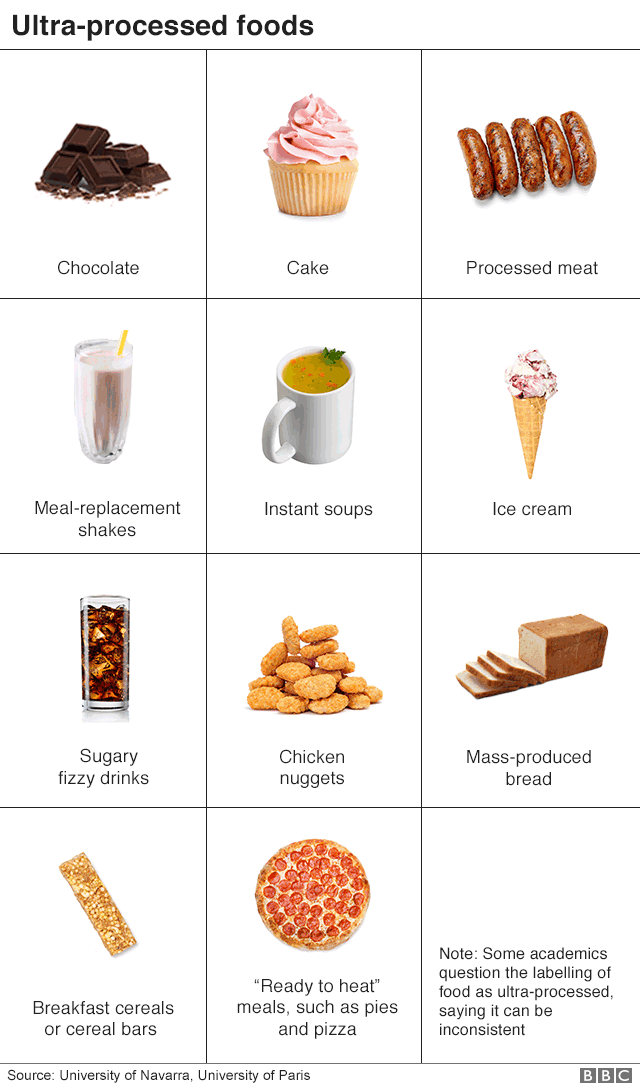
The health and lifestyle data of over 105,000 people analyzed in the French study concluded that those who ate the most ultra-processed food were at the highest risk of cardiovascular disease; heart attack and stroke. Each incremental ten percent increase correlated with a 12 percent rise in disease risk. Highlighted were packaged soups, TV dinners, chicken nuggets, fries, hotdogs, ice cream, sweetened breakfast cereals, candy and soft drinks.

That's just for starters, among the ubiquitous foods found everywhere that fall into the category of ultra-processed foods. They are called food but they are as far from whole foods as processing can possibly produce. And for most people who consume these foods they are simply accepted as their mainstay diet; quick, easy, convenient, available and cheap. What they all have in common, aside from the health risk associated with regularly consuming them, is their long ingredient list and their modified forms.
Food market
While the term ultra-processed food may be new, the health advice will be very familiar: adopt a Mediterranean-style diet.  Getty Images

The same food in basic form, unmodified, has no list of ingredients. But of course, as whole foods they require preparation if they're protein-based. The Spanish study led by professor of preventive medicine and public health at the Universidad de Navarra, Maira Bes-Rastrollo, examined food consumption patterns of an estimated 20,000 university graduates, aged 20 to 91. After factoring for smoking, age, body mass index and gender the heaviest consumers of ultra-processed foods (four servings daily) were found to be 62 percent likelier to die prematurely as opposed to the lightest (fewer than two servings daily).

Furthermore, mortality risk rose by 18 percent accounting for each additional daily eaten portion. How to recognize ultra-processed foods? A large list of industrial ingredients, with few or no whole foods, the product in ready-to-eat form. These are faux foods designed to taste palatable, and the advertising accompanying them meant to be persuasive, alluringly packaged. They are legion. And they are so ubiquitous their presence is taken for granted as completely normal fare.

That they have taken the place in most peoples' daily diets of the whole foods that are natural, nutritious and appealing, but require preparation and forethought, speaks volumes of the popularity of an alternative requiring no thought and no preparation and a lack of curiosity on the part of the consumer about what they're really eating and how it fails to benefit their health and longevity needs while fitting the bill for cheap availability; most of all, no fuss, no mess.
BBC graphic


Labels: , , , , ,

Tuesday, February 12, 2019

Cannabis as Health Hazard

"In our patient's case, likely the cardiovascular event came during sudden and unexpected strain on the body with hallucinations."
"Often times people keep eating -- or sucking on the sucker in this case -- until they start to feel some relief, or feel something."
"I don't know about you, but I know that when I eat a sucker I don't lick it and put it away. Maybe that's not the best delivery [of cannabis] method."
Dr. Alexandra Saunders, chief resident, Internal Medicine, Dalhousie University, Halifax, Nova Scotia

"That drug in that dosage was not something that his body was ready for."
"We're going to have people that have never tried marijuana before, or who have not tried it in years [running into medical problems]."
"I think we need to be ready for more cardiac complications presenting to our emergency departments."
Dr. Robert Stevenson, cardiologist, New Brunswick Heart Centre
A 70-year-old man bought a marijuana lollipop containing 90 mg of THC, the psychoactive component of pot. A typical joint contains about seven mg.    Robyn Beck / AFP
Drs. Saunders and Stevenson, co-wrote a report published in the Canadian Journal of Cardiology, which they titled "Marijuana Lollipop-Induced Myocardial Infarction". The patient upon whose experience they based their report, a 70-year-old man from Saint John, New Brunswick had a history of heart disease. That history was extensive enough to include triple bypass surgery, yet his condition had been stable over the past two years.

Because the man also suffers from arthritic joints, he took the advice of a friend who recommended that marijuana would help relieve his pain and allow him to sleep better at night. He decided on a marijuana lollipop, knowing nothing about its properties and taking it on faith that it might indeed solve his sleep problems. That lollipop contained 90 mg of THC, the psychoactive compound in pot. In comparison, a typical marijuana cigarette contains about 7 mg of THC.

Had the man understood that a few licks of the lollipop would have been more than sufficient to give his experiment a try, he would never have gone so far as to eat almost the entire candy infused with THC. But he did, and after a half-hour began experiencing dreadful hallucinations of "impending doom", along with crushing chest pains. On arrival at the emergency department of a hospital, blood work and a cardiogram indicated heart attack signs.

The man was duly treated. Once the effects of the THC had worn away, his hallucinations ceased, and the pain in his chest ended. Dr. Saunders then launched an Internet search of marijuana dispensaries in the near region, discovering finally how much psychoactive THC the sucker had contained. A later scan on the patient indicated damage to the heart muscle had occurred; less blood leaving his heart with each contraction. 

While recreational marijuana is now legal in Canada, pot-laced edibles are not yet legal. The use of cannabis is becoming increasingly popular with middle-aged and older Canadians; these are baby boomers entering the time of their lives when they become more at risk for heart disease. Some of them may have used marijuana in their youth, many others never did, but cannabis may seem somewhat appealing to them to assuage the pain or discomfort of their aging body.

Dr. Neal Benowitz, chief of clinical pharmacology at the University of California, San Francisco in a related editorial with the publication of the report in the Canadian Journal of Cardiology, wrote that the heart can be strained by THC in stimulation of the sympathetic nervous system which causes the heart to work harder. As heart rate and blood pressure increase, oxygen demand rises and the body produces a surge of hormones that can constrict coronary vessels.

Furthermore, THC can also cause anxiety, hallucinations, paranoia and panic and for some people while a few puffs of pot before bed help with sleep "in which case toxicity is likely to be low", when smoked or vaped, THC is rapidly absorbed into the bloodstream, travelling to the brain where the effects are almost immediate, making it easier to dose. In the instance of edibles, absorption is "slow and erratic", said Dr. Benowitz --where THC levels peak at four hours or so.

Edibles are sold without adequate information, making it difficult for people to figure out what an appropriate dose might represent, so they can end up consuming more than intended, before effects are felt. In the instance of the 70-year-old man, three-quarters of the lollipop was consumed, representing 70 mg of THC, where the maximum recommended daily dose is no more than 20 mg of THC.

Leading Dr. Benowitz to recommend CBD rather than THC to help with pain and invite uninterrupted sleep, since CBD doesn't have THC's mind-altering effects.
"The legalization of cannabis has significant public support but also raises public health problems. Some users may benefit from the social and medical effects, but others will be at risk for adverse health problems. Little information has spread to patients or caregivers about cannabis use in elderly patients, and especially those with cardiac disease. For better or worse, give advice and care to those patients using cannabis now needed to provide optimal healthcare to these patients."

Labels: , , ,

 
()() Follow @rheytah Tweet