Ruminations

Blog dedicated primarily to randomly selected news items; comments reflecting personal perceptions

Sunday, September 11, 2022

Searching Out the Cause and Function of Long COVID

"[LCRI -- Long COVID Research Initiative -- was born after several patient advocates with Long Covid and a professional background in technology startups approached Proal early this year]: They were like, 'We want to get better, we want to get better soon'."
"The first thing you need to understand in long COVID is if patients still have the virus in them or not."
"We really think there are tangible outcome measures [that will make assessing therapies more straightforward. These could include certain immune signatures or other measures in blood. A working group is considering which drugs or supplements might be tested first]."
"[The first $15 million is committed for basic research and will be spread among participating scientists to focus on one key issue: whether SARS-CoV-2 persists in Long Covid patients and drives their symptoms. That is] the trend we see the most evidence for."
Microbiologist Amy Proal, Washington state–based nonprofit PolyBio Research Foundation
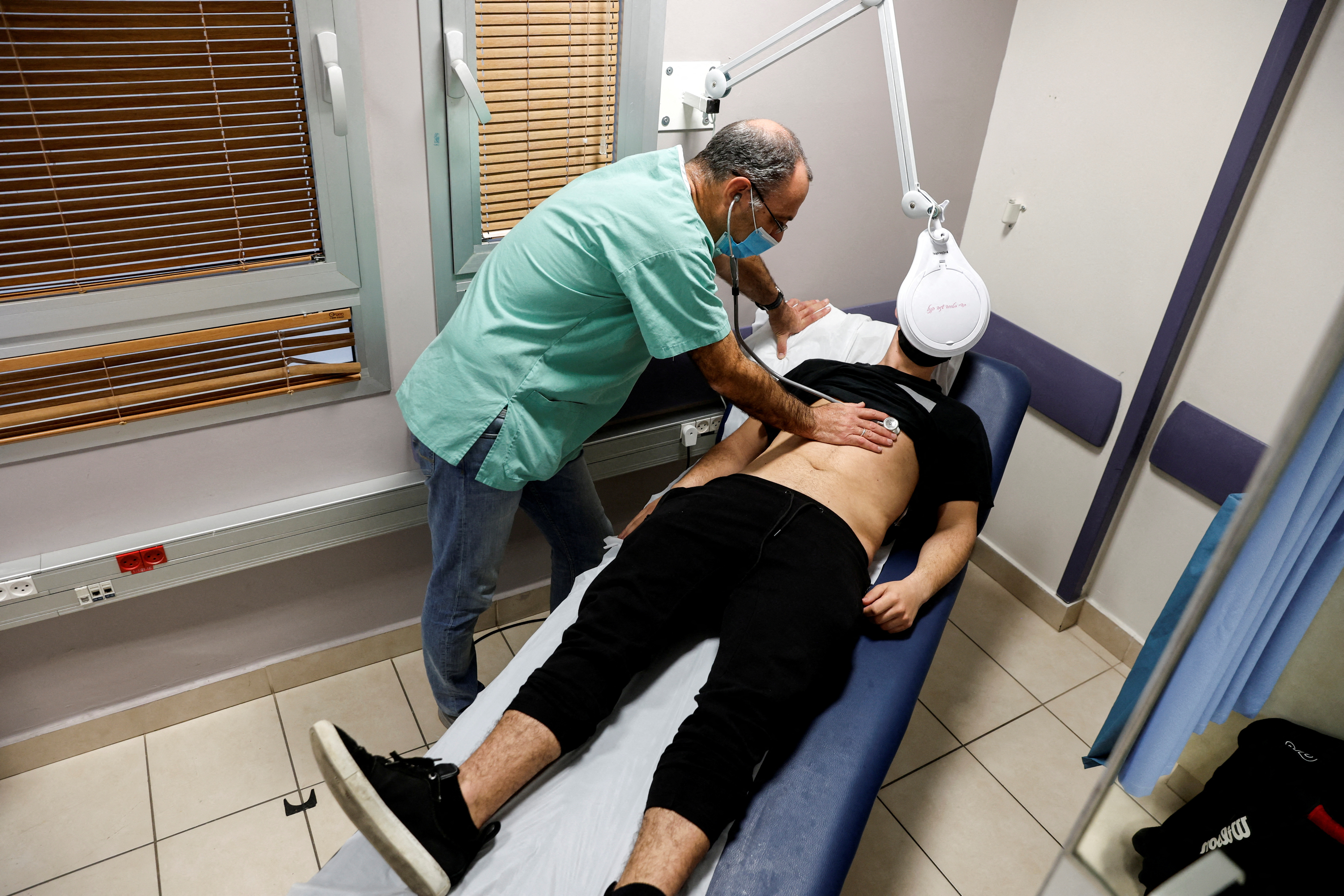
A patient suffering from Long COVID is examined in the post-coronavirus disease (COVID-19) clinic of Ichilov Hospital in Tel Aviv
A patient suffering from Long COVID is examined in the post-coronavirus disease (COVID-19) clinic of Ichilov Hospital in Tel Aviv, Israel, February 21, 2022.  REUTERS/Amir Cohen/File Photo

A new coalition of scientists from academic centres of excellent have decided to work together for a search answering the question relating to the root cause of Long COVID. To determine first, whether the theory is correct, that fragments of the coronavirus persist in the tissues of some people long after their 'recovery' from a SARS-CoV-2 infection. Only to discover their 'recovery' is incomplete, that symptoms of COVID remain long after the virus is assumed to have left their bodily tissues.
 
Known as the Long Covid Research Initiative, the effort looks toward streamline research to move quickly to clinical trials of potential treatments as the study progresses. The sharing of diverse scientific skill sets amid researchers is envisioned as a potential for the scientists to reveal the as-yet-hidden details of the disease in hopes of using what they uncover to design evidence-based trials.
 
A syndrome that can last for many months, Long COVID is a complex and to the present mysterious disabling condition. Many of its sufferers have been left unable to work, months following an initial COVID infection. The condition is recognized as impacting close to one in five U.S. adults who have been infected with COVID, according to the Centers for Disease Control and Infection.
 
An initial backing of $15 million raised by private investment from Balvi, a scientific investment fund formed by Vitalik Buterin, co-founder of the block-chain platform Ethereum has inaugurated the enterprise. At its peak, a total of $100 million invested in the research is anticipated. Scientists from Harvard, Stanford, the University of California, San Francisco, Yale and the J.Craig Venter Institute are among those included in the joint research group. 

Dr. Amy Proal of the non-profit PolyBio Reserch Foundation, who is an expert in infection-associated chronic disease, is set to act as chief scientific officer of the emerging initiative. No proven treatments for Long COVID exist at the present time. Over 150 million people are estimated worldwide to be affected by Long COVID.

Dr. Proal speaks of a growing body of evidence that human tissues continue to host vestiges of the virus,  provoking a response from the immune system which, if so, may go far in explaining the large numbers of symptoms -- up to 200 -- associated with COVID, which includes pain, fever, headaches, cognitive impairment, shortage of breath and exhaustion, following modest outputs of activity. 

Advanced imaging and gene-sequencing techniques will be used by the researchers in search of evidence of the virus remaining in tissues, going on from there,  to analyze affects on the immune system.
 
Lilly Downs pets facility dog Posey at Rocky Mountain Hospital for Children
An 18-year-old hospitalized with Long Covid is one of millions of people struggling with the syndrome.   Hyoung Chang/The Denver Post
 

Labels: , , , ,

Thursday, October 14, 2021

Alzheimer's Disease, COVID-19 Links

"While Alzheimer's is primarily characterized by harmful buildup of amyloid protein and tangles in the brain there is also extensive inflammation in the brain that highlights the importance of the immune system in Alzheimer's."
We have found that some of the same immune system changes can occur in both Alzheimer's disease and COVID-19."
"In patients with severe COVID-19 infection, there can also be inflammatory changes in the brain. Here we have identified a gene that can contribute to an exaggerated immune response to increase risks of both Alzheimer's and COVID-19."
“If we could develop a simple way of testing for these genetic variants when someone tests positive for COVID -19, then it might be possible to identify who is at greater risk of needing critical care but there is plenty more work to be done to get us there. Similarly, we hope that our research could feed into the development of a blood test to identify whether someone is at risk of developing Alzheimer’s before they show memory problems."
"We are also continuing to research what happens once this immune network has been activated in response to an infection like COVID -19, to see whether it leads to any lasting effects or vulnerabilities or if understanding the brain’s immune response to COVID -19 involving the OAS1gene, may help to explain some of the neurological effects of COVID -19."
Dervis Salih, lead author, study, UCL Queen Square Institute of Neurology, U.K. Dementia Research Institute, UCL
Dementia
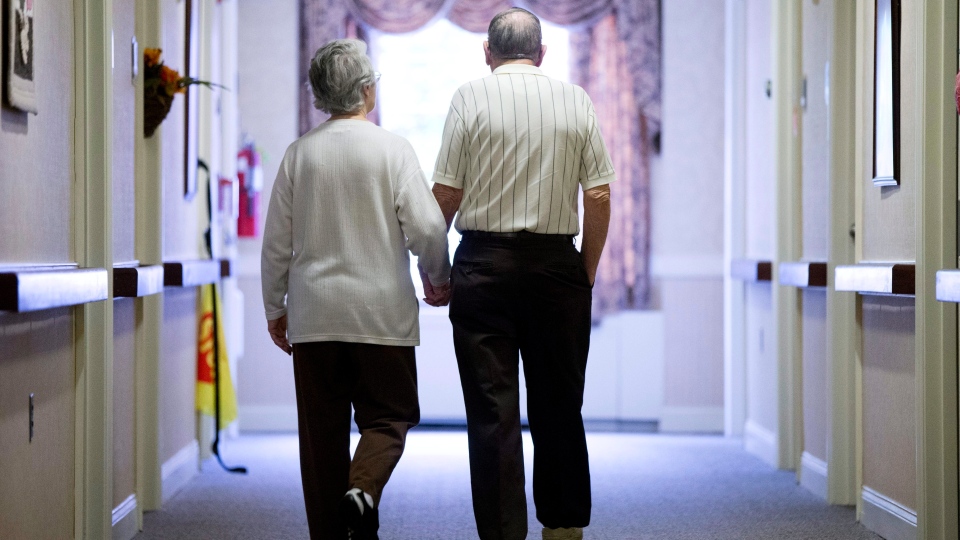
An elderly couple walks down a hall in Easton, Pa. (AP Photo/Matt Rourke)

Alzheimer's disease represents dementia's most common cause, a degenerative condition believed to result from the accumulation of certain proteins in the brain leading to the slow death of neurons. Eventually the process produces symptoms of memory loss, difficulty in thinking, or problems in solving exercises, along with changes in mood and behaviour. 

When COVID-19 began to strike worldwide, it was seen by researchers that the enduring brain fog associated with cases of Long COVID, along with other symptoms of the vial infection had similarities of note to the symptoms suffered by Alzheimer's patients. Researchers have now identified a genetic link between Alzheimer's and severe COVID-19 cases, with the potential of driving new insights into the treatment of both these diseases.

Published in the journal Brain, the study found that a variant of the OAS1 gene increases risk of developing Alzheimer's disease by three to six percent. Similar variants of the same gene are seen to increase odds of contracting severe COVID. There is hope among researchers that this overlap has the potential to inform scientists on other infectious diseases, and dementia.

Work produced previously by the researchers revealed a link between the degenerative disease and the OAS1 gene, expressed in microglia, a type of immune cell making up roughly ten percent of all brain cells. On further investigation it was found that a variation of this gene -- rs1131454 -- increased a baseline risk for the carrier of Alzheimer's disease. by 11 to 22 percent. The variant is carried by about half the population of Europe.

Four variants of OAS1 were investigated and the team found -- in addition to lessening the gene activity while increasing Alzheimer's risk -- the variants were linked -- or inherited together -- raising the risk of severe COVID by up to 20 percent.
 
Network-based multimodal omics analytic methodology

Labels: ,

Monday, September 27, 2021

Move Over, mRNA Vaccines, Here Comes Llama Nanobodies!

"These are among the most effective SARS=CoV-2 neutralizing agents we  have ever tested at PHE [Public Health England]."
"We believe the unique structure and strength of the nanobodies contribute to their significant potential for both the prevention and treatment of COVID-19 and look forward to working collaboratively to press this work into clinical studies."
Miles Carroll, deputy director, National Infection Service, Public Health England

"Nanobodies have a number of advantages over human antibodies."
"They are cheaper to produce and can be delivered directly to the airways through a nebulizer or nasal spray, so can be self-administered at home rather than needing an injection."
Ray Owens, Rosalind Franklin Institute, Oxfordshire, Great Britain
Llamas and other camelid mammals naturally produce tiny nanobodies against infections. Scientists are testing whether these small, stable antibodies might be an effective treatment against COVID-19. (Image by Shutterstock/Roger de la Harpe.)
 
Scientists at Public Health England discovered that nanobodies -- a smaller, simple form of antibody generated by llamas and camels -- can target with great effect the virus that causes COVID-19, to the extent that the coronavirus treatment they have devised produced from llama antibodies represents one of the most effective tested ever at the National Infection Service, PHE. The nanobodies were generated by injecting a portion of the spike protein at the University of Reading, into a llama research subject.
 
The llama's immune system quickly responded to protect the animal against the virus, and the llama as a result failed to become ill with the virus. Its production of nanobodies had the researchers extract them through blood samples. Laboratory tests then found the use of nanobodies in treatment reduced the severity of the disease dramatically in infected hamsters. Three nanobody chains were successful in neutralizing both the original variants of the COVID virus and the alpha variant.

The study also found that a fourth chain succeeded in neutralizing the beta variant, laying at rest the scientists' apprehension that the strain might have avoided the antibodies produced through vaccination. During the pandemic, extracted human antibodies had been in use with serious cases, requiring in-hospital injections. The nanobody treatment extracted from llamas, however can be administered through use of a nasal spray.The research results were published in the journal Nature Communication.
 
Llamas
Llamas, alpacas and other camelids produce a special kind of antibody called nanobodies, which may be used to treat and prevent the spread of COVID-19. image via Peakpx
"This is thousands of times better than the current technology, specifically in its selecting properties. We want nanobodies that bind tightly to SARS-CoV-2, and with this method we can get a drug-quality nanobody that is up to 10,000 times more potent."
"With this method we can discover thousands of distinct, ultrahigh-affinity nanobodies for specific antigen binding."
"These nanobodies may or may not provide a treatment for COVID-19, but the technology used to isolate them will be important in the future."
Yi Shi, professor of cell biology, University of Pittsburgh

Labels: , , , , ,

Tuesday, January 05, 2021

COVID Complications in a South African Variant

"These two additional mutations may interfere more with vaccine effectiveness in the South African variant than in the U.K. variant."
"This does not mean the existing COVID-19 vaccines will not work at all, just that the antibodies induced by the current vaccines may not bind and neutralize the South African variant as well as it would the other circulating viruses -- including the U.K. variant."
Dr.Julian W.Tang, clinical virologist, University of Leicester

"It is not anticipated that this mutation is sufficient for the 'South African;' variant to bypass the protection provided by current vaccines."
"It's possible new variants will affect the efficacy of the COVID vaccines, but we shouldn't make that assumption yet about the South African one."
Francois Baloux, professor of computational systems biology, University College London
A member of medical staff attends to a COVID-19 patient at a special ward at Arwyp Medical Centre in Kempton Park, South Africa, last month. Scientists comparing the variant of the coronavirus found in South Africa to one first discovered in Britain have found concerning mutations in the one that emerged in South Africa. (Shafiek Tassiem/Reuters)
"Fortunately, should further modifications of the vaccine be required to address the new variants, some of the vaccine technologies under development could allow this to be done relatively rapidly."
"As the new variants are already spreading to other countries, the importance of ensuring that vaccines remain effective against new variants is a global imperative."
Professor Helen Rees, vaccine expert , Wits University, South Africa
Some scientists in the U.K. and elsewhere admit to feeling fairly trepidatious over the appearance of a SARS-CoV-2 variant that is markedly different from the myriad of other mutations of COVID-19 that have emerged over time. The Medicines and Healthcare Products Regulatory Agency anticipates some work will have to be done on vaccines developed to stop COVID in its tracks. It has focused on how soon an altered vaccine might be ready to take on the task of controlling the newly-identified South African variant of COVID. 

This version of the virus has mutated  in a troubling way, though variants of coronavirus have appeared from the beginning of the pandemic, representing a naturally-evolving process through which viruses tend to adapt to their hosts while replicating. These mutations for the most part have no discernible effect beyond that of the original viral contagion though occasionally they may develop improvements enabling the virus to become more infectious, as is being seen in the U.K. variant.

It is when they have the potential to become more threatening, through resistance to the body's immune response that concern is raised. There are three mutations identified in important genes in the South African variants, one of which -- the N501Y mutation -- appears to have infiltrated the U.K. variant and could be seen as responsible for its enhanced infectiousness. There are two more mutations carried by the South African version of COVID -- E484K and K417N -- both absent in the British version.

The South African variant has mutated in a gene building spike proteins; the structures on the exterior of the virus enabling it to attach to human cells. These spike proteins are produced by vaccines to inform the body what to search for and what to resist. It is conceivable that any significant alterations to the spike protein could impact to the extent that the body's recognition of the virus is impaired, including once vaccinations take place; or in the event of a previous infection. The antibodies then produced in anticipation may be impacted, no longer capable of properly attaching to destroy the virus.

The possibility exists that the mutations may result in making it more difficult to detect COVID cases by means of the normal polymerase chain reaction testing, meaning the strain might have spread widely already. As it did in South Africa when it swiftly represented the dominant variant in the Eastern and Western Cape provinces of the country. 

Prime Minister Boris Johnson is believed to have been briefed by the U.K. Chief Medical Officer and Britain's Chief Scientific Officer that the presence of the new variant does not leave them overly concerned. Should the South African variant become more widespread and dominant, available vaccines, including the two the U.K. just authorized can be appropriately modified for greater effectiveness against the variant in six weeks' time.

That existing vaccines will still be effective to some extent is a shared belief among most scientists. Researchers, already diligently at work, have now been spurred to work around the clock, determined to discover how dangerous the new variant is, relying on new lockdown measures to aid in stemming the tide, offering scientists time to devise a new solution.

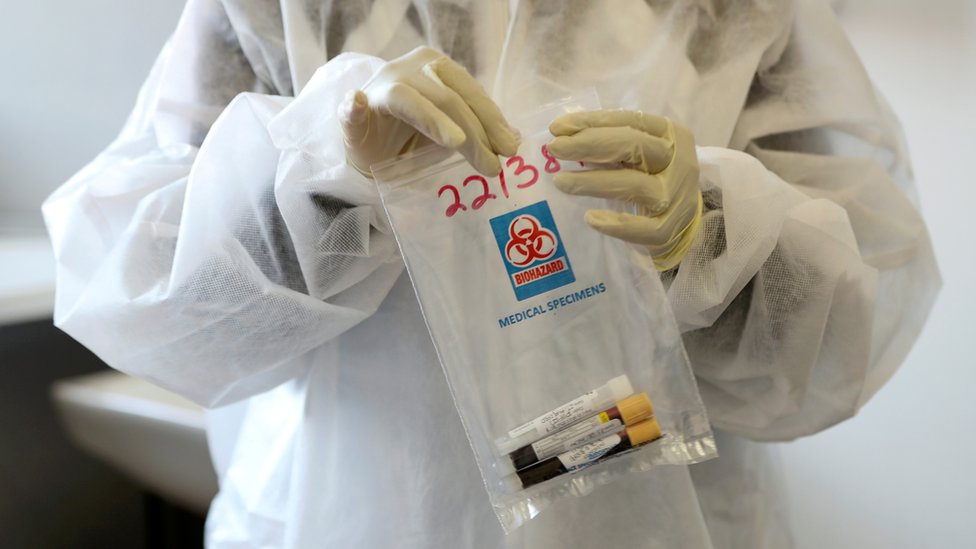
A health worker holds a Covid-19 sample collection kit of a vaccine in Johannesburg, South Africa
There are concerns that the new Covid-19 variant in South Africa could "weaken the impact" of vaccines   Reuters


"We can all help if we redouble our efforts to wash our hands, wear a mask and socially distance."
"The faster and further the vaccine is rolled out, the quicker the end to this nightmare."
James Naismith, director, Rosalind Franklin Institute, professor of structural biology, University of Oxford

Labels: , , ,

Saturday, September 19, 2020

The Case for COVID Mask-Wearing

"SARS-CoV-2 has the protean ability to cause myriad clinical manifestations, ranging from a complete lack of symptoms to pneumonia, acute respiratory distress syndrome, and death. Recent virologic, epidemiologic, and ecologic data have led to the hypothesis that facial masking may also reduce the severity of disease among people who do become infected. This possibility is consistent with a long-standing theory of viral pathogenesis, which holds that the severity of disease is proportionate to the viral inoculum received. Since 1938, researchers have explored, primarily in animal models, the concept of the lethal dose of a virus — or the dose at which 50% of exposed hosts die (LD50). With viral infections in which host immune responses play a predominant role in viral pathogenesis, such as SARS-CoV-2, high doses of viral inoculum can overwhelm and dysregulate innate immune defenses, increasing the severity of disease. Indeed, down-regulating immunopathology is one mechanism by which dexamethasone improves outcomes in severe Covid-19 infection. As proof of concept of viral inocula influencing disease manifestations, higher doses of administered virus led to more severe manifestations of Covid-19 in a Syrian hamster model of SARS-CoV-2 infection."
Monica Gandhi, M.D., M.P.H., George W. Rutherford, M.D. The New England Journal of Medicine
Law enforcement trainees wearing protective face masks as they take notes while being trained on how to handle civil disputes during class at San Bernardino County Sheriff’s Frank Bland Regional Training Center in San Bernardino on Wednesday, July 29, 2020. (Photo by Watchara Phomicinda, The Press-Enterprise/SCNG)

"If facial coverings decrease the amount of virus a person is infected with, they can provide a way of tilting towards infections that result in minimal or no symptoms, yet induce some degree of immunity."
Dr. Amesh Adalja, infectious disease expert, senior scholar, Johns Hopkins Center for Health Security, Baltimore
 
"If this theory bears out, population-wide masking, with any type of mask that increases acceptability and adherence, might contribute to increasing the proportion of SARS-CoV-2 infections that are asymptomatic."
Dr. Monica Gandhi, Dr. George Rutherford, University of California, San Francisco
 
"Covering mouths and noses with filtering materials serves 2 purposes: personal protection against inhalation of harmful pathogens and particulates, and source control to prevent exposing others to infectious microbes that may be expelled during respiration. When asked to wear face coverings, many people think in terms of personal protection. But face coverings are also widely and routinely used as source control. For instance, if given the choice between having surgery performed by a team not wearing some covering over their mouths and noses vs a team that does, almost all patients would reject the former. This option seems absurd because it is known that use of face coverings under these circumstances reduces the risk of surgical site infection caused by microbes generated during the surgical team’s conversations or breathing. Face coverings do the same in blocking transmission of SARS-CoV-2."
John T.Brooks, M.D., Jay C.Butler, M.D., Robert R.Redfield, M.D. Jama 
Masks -- the public is informed by authorities urging the use of facial coverings in this time of SARS-
CoV-2 disease roiling the world order -- are essential to protect others in the event you harbour the virus and have not displayed symptoms of COVID-19. There is also, health experts inform us, a good measure of protection for the mask-wearer from contracting the virus. On the other hand, a recent paper reflecting research published in The New England Journal of Medicine posits that mask wearing may have another residual and very important outcome.

Within communities where infection is widespread and many have yet to be diagnosed while shedding infectious droplets, mask-wearing which cannot entirely prevent some degree of infection penetration, by allowing a small amount of the virus to infect in essence acts as a vaccine. Allowing one's immune system to respond to trace amounts of infection without becoming overwhelmed by a large dose of infection. This is called variolation and its effect on a broad scale is to produce a kind of community 'herd effect'.

Masks, by limiting the amount of viral particles reaching tissues of those newly infected are then serving to inoculate more than massively infecting. In virology, the authors of this new paper explain, there is a tradition called the "LD-50" of a virus; the amount of an infection scaled to body mass that will produce great harm to those exposed to a full load. Viral disease toxicity may be dependent on "dose"; the lesser the dose the lesser the damage, enhancing opportunity for the body's immune system to adapt and fight the intruder.

Verification through research and observation appears as indirect evidence that SARS-CoV-2 doses if moderated through the preventive use of masks could produce a far less harmful outcome. A Japanese-led study that found "higher doses of administered virus led to more severe manifestations of COVID-19 in a Syrian hamster model of SARS-CoV-2 infection", appears to bear out the two authors' contentions.

On a busy street in a city in South Korea, people stand in line, several feet apart, with masks on, going about their daily lives.
Mask-wearing is now the norm in South Korea.Photo: Wonseok Jang 

Countries practising high-masking compliance are seen to have considerably lower rates of severe COVID-19 and consequent death numbers while resulting in fewer hospital admissions. The authors suggest that since being taken up as a first line of defence, (social isolation and mask-wearing), the result has been a mass protocol of "mask variolation". The original method of vaccination where fluids from smallpox patients were collected, to expose the non-infected to harmless amounts of diseased matter to induce mild infection providing immunity; hence variolation.

Health authorities early in the first wave of COVID believed that non-symptomatic people would not significantly shed as an infection source, until experience proved otherwise and then there arose an urgency to cope with the reality that asymptomatic carriers of the virus were indeed shedding infectious particles to the same degree as those infected with the virus who exhibited a wide range of symptoms. 

The message that the latest published research is delivering is that the eventual agreement that mask-wearing represented an integral approach to prevention ended up making far more of an impression in avoidance than might have been anticipated. The wearing of masks has proven successful in shielding the wearer from heavy infection doses, while the small amount of viral infection that did penetrate the shields has proven to have far-reaching consequences in making the wider public less susceptible to serious infections requiring hospitalization, while serving to reduce the death rate.
 
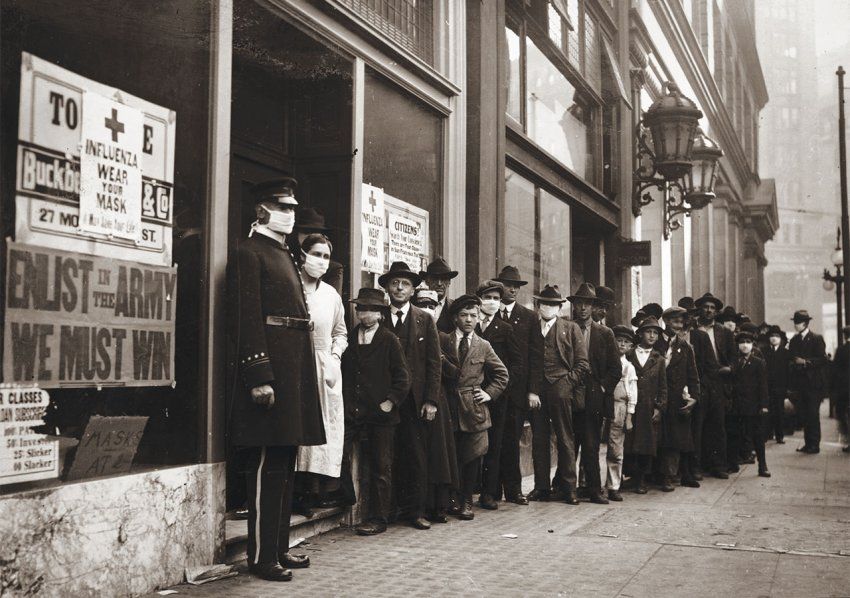
Line of people waiting for flu masks at 30 Montgomery Street, San Francisco, 1918. The man in uniform and the nurse in the doorway are wearing masks, as are a few of those in line. A sign on the window bearing the Red Cross logo reads: “Influenza. Wear Your Mask.” A sign underneath reads: “Enlist in the Army. We Must Win.”
A line of people on Montgomery Street in San Francisco waits to get masks during the 1918 flu pandemic. Failure to wear a mask was punishable by imprisonment or a fine. Photo courtesy of the California History Room, California State Library, Sacramento.


Labels: , , , , ,

Thursday, September 10, 2020

The Mental Health Burden Associated With COVID

Smartphone
(Pexels/Adrianna Calvo) 
"It definitely was a surprise. The elderly ... were thought to be most at risk of contracting COVID and having severe complications ... "
"They certainly are more likely to have built some level of resilience, and are not expecting the very worst-case scenarios."
Dr.Vincent Agyapong, psychiatry professor, University of Alberta
 

"Young people are doing especially badly, probably related to loneliness and maladaptive coping strategies." 
"Although older people are more prone to virus infection/complications, I would not expect them to be worse off psychosocially."
"The link between economic/employment security and mental health -- which is a powerful hazard at this time -- is not generally applicable to older people."
Dr.Roger McIntyre, psychiatry professor, University of Toronto
Published in the International Journal of Environmental Research and Public Health, the Alberta study led by Dr.Agyapong surveyed 8,300 individuals who had downloaded the province's Text4Hope app which sends out text messages to users with the designed purpose of offsetting negative feelings during the time of the global pandemic -- in the population at large among whom some choose to make use of the app for that very specific purpose.

Of the 9,011 Canadians who had lost their lives as a direct or indirect result of COVID-19 to date, close to 97 percent were aged 60 and over. The Alberta research study suggests that it is in fact, people under age 25 who are most at risk of becoming seriously anxious, depressed or stressed over the coronavirus and its fallout, affecting their lives negatively.

Text4Hope
The survey respondents admittedly represent a 'snapshot', failing to statistically reflect the makeup of Canada's general population, according to Dr.Agyapong, but the apparently counterintuitive findings do match the type of young patients he has been exposed to at a drop-in mental-health clinic in Edmonton. There are, he suggests, a number of logical explanations for the research findings.

For one thing, older people build up over a long life greater psychological firmness to the economic uncertainly individuals everywhere are facing, particularly those entering adulthood at a time of deep recession. The study was interesting, but not completely surprising to another expert studying the mental-health fallout of the pandemic and lockdown.

According to Dr.McIntyre those under 40 years of age and students are at high risk for depressive symptoms, reflected by a recent 'meta-analysis' of pandemic studies published by himself and colleagues in another study which was recently published. Along with Chinese researchers, Dr.McIntyre found an increase in depressive symptoms among Wuhan residents, depending on the amount of time spent on social media during the pandemic.

The authors of the second study hold the spread of COVID-19 misinformation over online platforms at fault; possibly amplifying panic and resulting in risky behaviours. In the Alberta study of the 823 respondents age 25 and under, 96 percent demonstrated moderate or high stress, 66 percent signs of anxiety disorder, and 67 percent major depressive disorder; representing the highest levels of four age groups.

Of the 475 respondents in the 60-and-over group, rates were 68 percent for stress, 23 percent for anxiety and 26 percent for depression --  the lowest affected levels of the groups. It can be generally acknowledged that younger people struggle with the fact that their more mobile active lives have been disrupted by the virus and lockdowns; schools closing, part-time work evaporating and gyms shuttered, notes Dr.Agyapong.

Whereas for older people, in particular those who have retired from the active workforce, they have less economic uncertainty to face, and have acquired experience in dealing with adversity at various levels.The Text4Hope app appears to be helping to generate positive feedback that Dr.Agyapong and his colleagues plan to mine for content in forthcoming journal papers.


The Text4Hope program has drawn attention from other quarters facing the very same dilemma of downward spiralling mental health leading to two states in Australia discussing how they might also set up their own version. As a result of the study and its publication, Dr.Agyapont has been receiving calls and emails expressing interest from the United States as well.

The positive feed back for the Text4Hope app appears to be helping people, on the evidence of the positive feedback that Dr.Agyapong and his colleagues have been receiving, and which has inspired them to plan to report on it in additional journal papers for publication.

"We can be unhappy about many things, but joy can still be there. It is important to know that at every stage of our life, we have an opportunity to choose joy", read one recent app-generated message.

Labels: , , , , , ,

 
()() Follow @rheytah Tweet