Ruminations

Blog dedicated primarily to randomly selected news items; comments reflecting personal perceptions

Wednesday, March 15, 2023

Long COVID = Diminishing Workforce

"Post-COVID-19 condition [PCC] has the potential to create] significant impacts on the labour market and the Gross Domestic Product [GDP] ."
"PCC has the potential to become a mass-disabling event."
"PCC affects the ability to work and perform daily tasks, creating considerable consequences for individuals and communities. The economic burden of PCC and the implications of the labour market in Canada could be profound."
Mona Nerner, chief science adviser, Canada, task-force report
 
"The annual cost of those lost wages alone is around US$170 billion a year [and potentially as high as US$230 billion]."
World Economic Forum

"People who are going to work are not able to produce at their previous level."
"The brain in a knowledge-based economy is our asset. If that asset is compromised, it absolutely has an impact on our ability at the workplace to be creative, to be resilient, to contribute our full brain function."
Inez Jabalpurwala, global director, VineX
A patient is wheeled through the automatic doors of a hospital entrance by her mother, both of whom are wearing face masks.
A long Covid patient entering a hospital in Sacramento in 2021. The Government Accountability Office estimates that the illness has affected 7.7 million to 23 million people in the United States.   Credit...Jim Wilson/The New York Times
Three years after the SARS-CoV-2 virus that causes COVID-19 made its debut on the world stage, we're still licking our wounds and will continue to do so for as long as it's around, and it seems to have no intention of leaving; here to stay. And for many who have survived its impact on their bodies, its symptoms appear also there to stay. Temporarily for many, possibly permanently for some more susceptible to its ravages. 
 
The pandemic has changed everything about how humanity lives, works and plays.

It is becoming increasingly evident that its effects have resulted in a decreased labour force, and that will impact on the immediate condition of many countries' GDP. COVID continues to threaten its impact on the world's workforce to the detriment of economies everywhere. Over 1.4 million people with symptoms lasting for three months or longer in Canada alone have been left bruised as of August 2022.

Canada is now short 4.6 percent of its workforce aged 18 and older, with women likelier to develop Long COVID (PCC) than men. Numbers of people affected is expected to grow with the continued circulation of the coronavirus. And people's lives have changed to a degree beyond belief. Long COVID is debilitating, including crushing fatigue, cough, shortness of breath, pain and cognitive dysfunction (such as brain fog or memory loss, anxiety and depression).
  Number of Americans out of the labor force due to long Covid

Long COVID can mimic immune system disorders like chronic fatigue syndrome and fibromyalgia and while some people recover completely, others will not -- with no way to foresee who will be affected in the long term. Although symptoms can last from four months to years, doctors believe that some PCC sufferers may never recover. As it is, symptoms may appear, disappear, then return. Those lingering symptoms can be exacerbated by exercise, stress or undue mental effort. Which has a deleterious effect on holding a job.

Data from the United States and United Kingdom show that disability claims are on the rise, particularly among women. Labour shortages are expected to become dire in sectors traditionally employing mostly women; education, health care and hospitality. Researchers estimate that millions of Americans have been forced out of work. Some 15 million people between 18 to 65 years of age in the U.S. had Long COVID, two to four million stopped working, according to the World Economic Forum.
Annual lost wages due to long Covid
 
Harvard University researcher David Cutler feels the economic impact could become staggering. As an  economist he believes that Long COVID could take US$3.7 trillion from the U.S. economy as a result of lost wages, decreasing quality of life and medical costs. A 'conservative' estimate, he believes. In December 600,000 working age people became inactive in the labour market in the U.K. since 2020, due to long-term illness.

Beyond the issue of disappearing staff there is lost productivity from workers with PCC who remain n the labour force. Employers are already dealing with staffing shortages and disengaged workers and adding to that, employers face additional costs from increases in long-term disability and medical benefit claims resulting from COVID-19. 
 
Researchers feel that people who have had COVID-19 could be at higher risk of developing chronic health conditions like diabetes, high blood pressure, stroke and other conditions. Research shows that while the virus and its variants circulate -- and the scientific consensus is that it will continue to indefinitely, a 'forever' virus -- Long COVID will remain a credible threat.
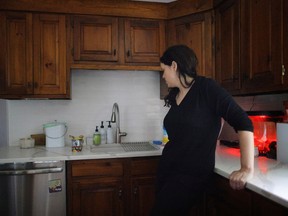
A woman who suffers from long COVID in her home in Massachusetts.

Labels: , , , , , ,

Monday, January 30, 2023

Dealing With Stress and Anxiety

The determinants of our mental well-being go beyond our genes and brain chemistry to include inflammation, gut health, sleep, nutrition, hormones, chronic limbic hyperarousal due to  unresolved trauma, and even having our basic needs for community, nature, meaning and purpose going unmet. If we do have a chemical imbalance, it is probably a downstream effect of these other states of imbalance."
"In other words, anxiety is not all in your head; it's largely based in the body, and that's where it should first be addressed."
"While our cultural attitude toward mental health is to regard it as a genetic destiny and a matter of troubled brain chemistry, much of our anxiety is rooted in the body and is mostly avoidable. Eliminating unnecessary stress responses can make us more resilient in the face of unavoidable stressors."
Dr. Ellen Vora, holistic and board-certified psychiatrist, acupuncturist, and yoga teacher
What’s the Difference Between Stress and Anxiety?
 
An inventory of avoidable anxiety could include:
  • Hunger
  • Sleep deprivation
  • Being over-caffeinated
  • A Hangover (what is now spoken of as "hang-xiety")
  • Gut issues
  • Inflammation
  • Long stretches of being sedentary
  • Chemical fallout after consuming highly processed food
  • Late luteal phase (the days before the bleeding phase of the menstrual cycle)
  • Inter-dose withdrawal (the pharmacologic low-point when  you're due for your next dose of a psychiatric medication)
During the first year that the coronavirus pandemic struck the globe, according to the World Health Organization, global cases of anxiety and depression rose by 25 percent. Among mental health professionals the consensus appears to be that mental health struggles relate to chemical imbalance in our DNA implying that anxiety is chemical, determined by serotonin levels, leading to the belief that the issue reflects genetic destiny.  Applicable therapies and medications are prescribed accordingly.

There may, however be other available options, according to Dr. Ellen Vora. Therapy sessions are becoming more difficult to accommodate given the stressors and shortfalls of late on the health care system, and medications sometimes don't work for everyone. On the other  hand, much of what has an impact on our moods and body is another issue playing a critical role in mental  health. Dr. Vora speaks of two types of anxiety: true anxiety (or purposeful anxiety), and avoidable anxiety.

True anxiety symptoms, she points out, tell the individual that something is awry that should be paid attention to. Some introspection is required to analyze what certain symptoms may indicate as links to anxiety symptoms. Consultation with a health professional is a start. Avoidable anxiety, on the other hand, may represent the body reacting to a stress response. We live in a distracting world that presents us with issues that can be disturbing, both personally and in sympathy with occurrences elsewhere.

What occupies our minds and our thoughts can often bring on stress from information overload or constant exposure to events that are clearly upsetting on a macro level, but which we can do nothing about, ourselves. A solution can be found in focusing on the stress with a mind to addressing the locus of anxiety to  help lift the stress level of the body to eliminate unnecessary stress responses.

Identifying when anxiety has a physical basis can help in the recognition that life feels\somewhat overwhelmed than it is in actuality and that recognition alone can help lift the level of stress. Making it a practise to study how we react to external triggers arousing anxiety levels can help take steps to eliminate avoidable anxiety, as a heightened awareness helps to take charge of moods that stress, making us more resilient as we balance mood and anxiety.
"Experiencing occasional anxiety is a normal part of life. However, people with anxiety disorders frequently have intense, excessive and persistent worry and fear about everyday situations. Often, anxiety disorders involve repeated episodes of sudden feelings of intense anxiety and fear or terror that reach a peak within minutes (panic attacks)."
"These feelings of anxiety and panic interfere with daily activities, are difficult to control, are out of proportion to the actual danger and can last a long time. You may avoid places or situations to prevent these feelings."
"Examples of anxiety disorders include generalized anxiety disorder, social anxiety disorder (social phobia), specific phobias and separation anxiety disorder. You can have more than one anxiety disorder. Sometimes anxiety results from a medical condition that needs treatment."
"Whatever form of anxiety you have, treatment can help."
Mayo Clinic
img-banner - Betterhelp_mnt_fq_anxiety_imgbanner_39965

Labels: , , , , , ,

Sunday, September 11, 2022

Searching Out the Cause and Function of Long COVID

"[LCRI -- Long COVID Research Initiative -- was born after several patient advocates with Long Covid and a professional background in technology startups approached Proal early this year]: They were like, 'We want to get better, we want to get better soon'."
"The first thing you need to understand in long COVID is if patients still have the virus in them or not."
"We really think there are tangible outcome measures [that will make assessing therapies more straightforward. These could include certain immune signatures or other measures in blood. A working group is considering which drugs or supplements might be tested first]."
"[The first $15 million is committed for basic research and will be spread among participating scientists to focus on one key issue: whether SARS-CoV-2 persists in Long Covid patients and drives their symptoms. That is] the trend we see the most evidence for."
Microbiologist Amy Proal, Washington state–based nonprofit PolyBio Research Foundation
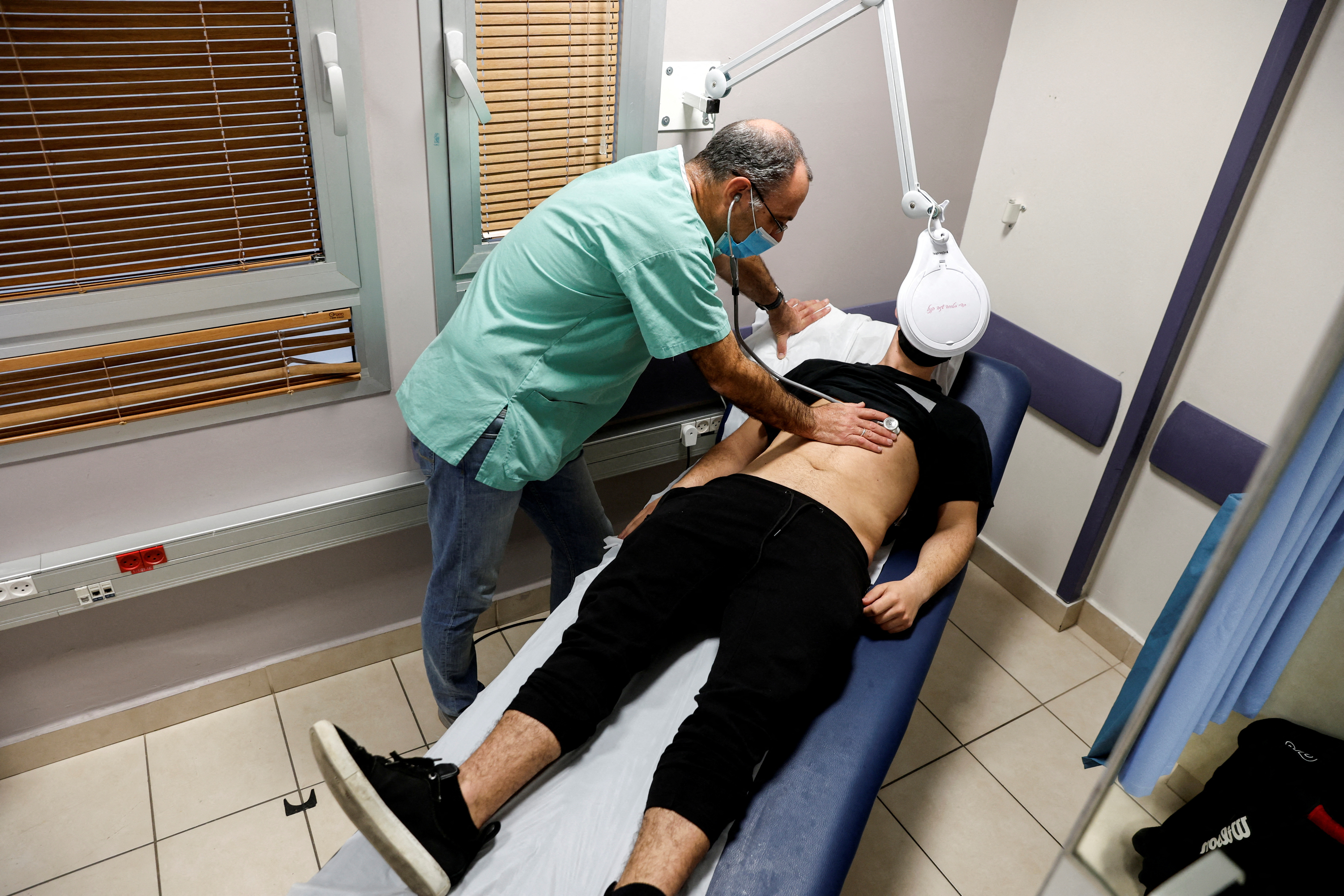
A patient suffering from Long COVID is examined in the post-coronavirus disease (COVID-19) clinic of Ichilov Hospital in Tel Aviv
A patient suffering from Long COVID is examined in the post-coronavirus disease (COVID-19) clinic of Ichilov Hospital in Tel Aviv, Israel, February 21, 2022.  REUTERS/Amir Cohen/File Photo

A new coalition of scientists from academic centres of excellent have decided to work together for a search answering the question relating to the root cause of Long COVID. To determine first, whether the theory is correct, that fragments of the coronavirus persist in the tissues of some people long after their 'recovery' from a SARS-CoV-2 infection. Only to discover their 'recovery' is incomplete, that symptoms of COVID remain long after the virus is assumed to have left their bodily tissues.
 
Known as the Long Covid Research Initiative, the effort looks toward streamline research to move quickly to clinical trials of potential treatments as the study progresses. The sharing of diverse scientific skill sets amid researchers is envisioned as a potential for the scientists to reveal the as-yet-hidden details of the disease in hopes of using what they uncover to design evidence-based trials.
 
A syndrome that can last for many months, Long COVID is a complex and to the present mysterious disabling condition. Many of its sufferers have been left unable to work, months following an initial COVID infection. The condition is recognized as impacting close to one in five U.S. adults who have been infected with COVID, according to the Centers for Disease Control and Infection.
 
An initial backing of $15 million raised by private investment from Balvi, a scientific investment fund formed by Vitalik Buterin, co-founder of the block-chain platform Ethereum has inaugurated the enterprise. At its peak, a total of $100 million invested in the research is anticipated. Scientists from Harvard, Stanford, the University of California, San Francisco, Yale and the J.Craig Venter Institute are among those included in the joint research group. 

Dr. Amy Proal of the non-profit PolyBio Reserch Foundation, who is an expert in infection-associated chronic disease, is set to act as chief scientific officer of the emerging initiative. No proven treatments for Long COVID exist at the present time. Over 150 million people are estimated worldwide to be affected by Long COVID.

Dr. Proal speaks of a growing body of evidence that human tissues continue to host vestiges of the virus,  provoking a response from the immune system which, if so, may go far in explaining the large numbers of symptoms -- up to 200 -- associated with COVID, which includes pain, fever, headaches, cognitive impairment, shortage of breath and exhaustion, following modest outputs of activity. 

Advanced imaging and gene-sequencing techniques will be used by the researchers in search of evidence of the virus remaining in tissues, going on from there,  to analyze affects on the immune system.
 
Lilly Downs pets facility dog Posey at Rocky Mountain Hospital for Children
An 18-year-old hospitalized with Long Covid is one of millions of people struggling with the syndrome.   Hyoung Chang/The Denver Post
 

Labels: , , , ,

Thursday, January 13, 2022

Double Virus Load : Flu and COVID-19 : "Flurona"

"Many regions are seeing higher flu activity and at the same time seeing high COVID activity. This leads to more co-infections with both pathogens."
"People working in the health-care system have always warned about the risk of having flu and COVID circulate at the same time."
"The flu is still at a very, very, very low activity at this point of time. Usually, we see a peak in January to February and currently we hardly see any flu."
"[If at risk of exposure, take precautions just as you would during any flu season or through the pandemic]; beyond that, I would say there's no need to be any more worried."
"The bottom line is simply get vaccinated against both. We have a flu vaccine and a COVID-19 vaccine that will protect from both."
Dominik Mertz, infectious disease specialist, professor, McMaster University
Health care workers take test samples in COVID-19 testing complex in Ma'ale Adumim, on December 30, 2021. (Yonatan Sindel/Flash90)
 
The term "flurona" originated from the Israeli Association of Public Health Physicians when in December 2020 an article on the vaccination rate for flu shots was published by the Association and the word "flurona" was used to describe "the potential for parallel outbreaks of influenza and COVID, and the resulting burden on the health system", according to Yitzah Cohen of the Corona Israel Information Headquarters.

At the end of 2021 there was a confirmed case of flurona in a 29-year-old pregnant woman who tested positive for both COVID-19 and flu. Israel's confirmed case was by no means the first such case. In June 2020 a study focused on doctors from Medilife Health Group in Istanbul, Turkey who reported six cases of co-infection in patients between March and May. Another study by doctors from Hospital Clinic Barcelona in Spain had four cases of "flurona" found in May 2020.

Flu cases are starting to rise across parts of the U.S. And that's concerning because fewer people are vaccinated for flu, compared to last year, according to the Centers for Disease Control and Prevention (CDC).
 
Co-infection incidents because they are still so rare, are needful of further study to more fully grasp such co-infections and determine what the best possible treatment might be comprised of, particularly for the elderly and the immunocompromised. The issue of flurona is now coming top of mind to medical experts in view of the  highly contagious nature of the Omicron variant, along with the new loosening of pandemic restrictions.
 
There were only 69 confirmed cases of flu in Canada during the 2020-2021 flu season. And while influenza activity remains low, a total of 158 detected cases of influenza were identified between December 12, 2021 and January 1, 2022.

Social distancing, masking, handwashing restrictions have been successful in helping to curb the spread of COVID-19, and they have been useful as well in helping to limit the transmission of the flu virus. Cases of the flu have risen, at the same time that these restrictions have been loosened. The concern is that people working in the overworked health-care system will be faced with growing numbers of patients to care for while they are stretched to the limits with COVID cases.

To the present, flurona has been documented in many countries, among them the United States, Israel, Turkey, Spain, Iran, Brazil, the Philippines and Hungary. Those most at risk of co-infection have been exposed to respiratory viruses frequently, as historically these viruses are active in daycare and school settings. Those who should be practising the greatest care in infection avoidance however, remain the elderly and immunocompromised, at high risk for both COVID and flu.

Both the flu and COVID-19 have similar symptoms. Those who are co-infected may not be able to distinguish which virus is causing which symptoms, as a result. Public Health advises that the most common flu symptoms are fever, cough and muscle aches and pains. Additional symptoms are those of headache, chills, fatigue, loss of appetite, sore threat and runny nose.

COVID symptoms on the other hand, are most frequently that of coughing, difficulty in breathing, fever, chills, fatigue, muscle aches and headaches. "I think the only exception is those who have a loss of taste and smell. That's very, very likely COVID-19", added Professor Mertz. On the other hand, the most ubiquitous coronavirus now in circulation worldwide is the Omicron variant, and loss of taste and smell appears not to be symptomatic for that mutated strain.

Given the current state of knowledge about co-infection it is not yet understood whether someone with a co-infection will experience more severe symptoms; sufficient information on the combination of the two viruses to support a clear understanding is as yet absent. Both flu and COVID own different treatments but with both, treatment will have to be coordinated with the prescription drugs used to treat each, particularly high-risk patients.

Both viruses are known to spread in similar ways facilitated by coughing, sneezing and talking in close quarters. Best avoidance practise with COVID is remaining isolated when ill, improving ventilation, wearing a mask, practising social distancing, washing hands, and disinfecting surfaces. Flu-specific preventive measures are similar, including hand washing, avoiding touching nose and mouth, coughing into bend of arm, disinfecting surfaces and remaining sheltered at home when ill.

Flu and COVID? 'Flurona' is real, and doctors expect to see more of it

Health experts expect to see more “flurona” as flu cases rise and coronavirus cases continue to surge due to the omicron variant   USA Today

Labels: , , , , ,

Thursday, November 18, 2021

Identifying Symptoms of Pancreatic Cancer

"When pancreatic cancer is diagnosed earlier, patients have a higher chance of survival."
"Ir is possible to diagnose patients when they visit their GP [general practitioner], but both patients and GPs need to be aware of the symptoms associated with pancreatic cancer." 
"These new findings enable us to conduct further work on understanding symptoms that could suggest pancreatic cancer."
"This will help GPs to make decisions about who to refer for urgent tests, especially when patients have several seemingly non-spoecific symptoms." 
Weiqi Liao, data scientist, University of Oxford, United Kingdom
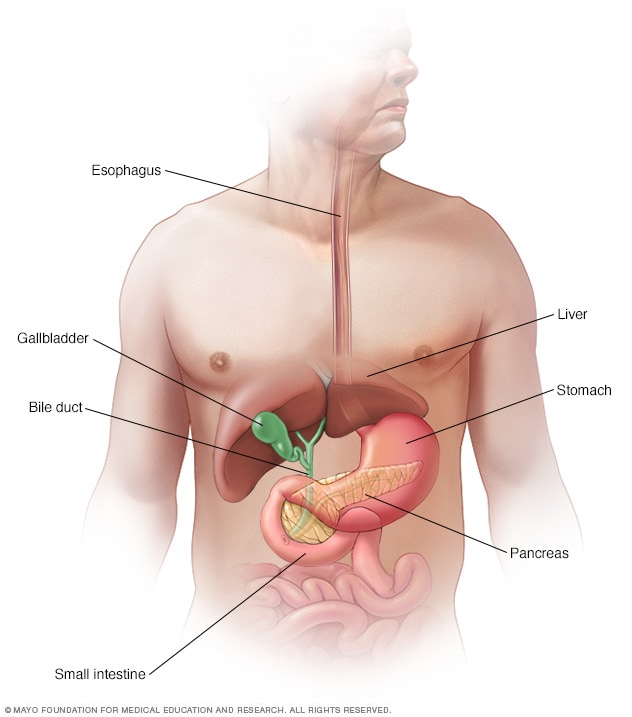
The pancreas is in the digestive system
Two previously unrecognized symptoms of pancreatic cancer have been isolated and identified by researchers as part of their efforts to improve early detection of the presence of the deadly disease. A feeling of thirst and emitting dark urine now join the list of symptoms enabling medical practitioners to identify the early warning presence of pancreatic cancer. This is research that also corroborated 21 other known disease symptoms, some appearing a year prior to diagnosis.
 
Pancreatic cancer is a disease that presents identification difficulties since many of its symptoms are not found in the cancer's early stages, arriving only when tumours begin to effect the host body. Depending on the precise location of the tumours, signs of the aggressive cancer can vary, once again making the process a frustrating exercise in diagnosis. The research aimed to gain an improved understanding of the symptoms, leading Dr.Liao and colleagues to consult health data of 24,236 patients diagnosed with pancreatic cancer in Britain from 2000 to 2017.
 
The researchers compared the symptoms appearing over the years to the symptoms of patients not diagnosed with the disease. Two symptoms that stood out as most commonly identified associated with a pancreatic ductal adenocarcinoma diagnosis (PDAC) -- which is the most common type of pancreatic cancer -- were jaundice and bleeding in the stomach or intestines. A rarer form of pancreatic cancer known as pancreatic neuroendocrine neoplasms (PNEN) was also identified with jaundice and bleeding.

The full list of symptoms associated with PDAC and confirmed by the researchers were:
  • Yellowing of the skin
  • Bleeding in the stomach or intestine
  • Problems swallowing
  • Diarrhea
  • Change in bowel habits
  • Vomiting
  • Indigestion
  • Abdominal mass
  • Abdominal pain
  • Weight loss
  • Constipation
  • Fat in stool
  • Abdominal swelling'
  • Nausea
  • Flatulence
  • Heartburn
  • Fever
  • Tiredness
  • Appetite loss
  • Itching and back pain
Of these symptoms; yellowing of the skin, blood in stool, diarrhea, changes in bowel habits, vomiting, indigestion, abdominal mass, abdominal pain and weight loss, were associated with PNEN. Not necessarily specific to pancreatic cancer, many of these symptoms found in diagnosed patients held an increased likelihood of experiencing some of them up to a year prior to diagnosis, thus giving hope for enhanced early detection efforts.
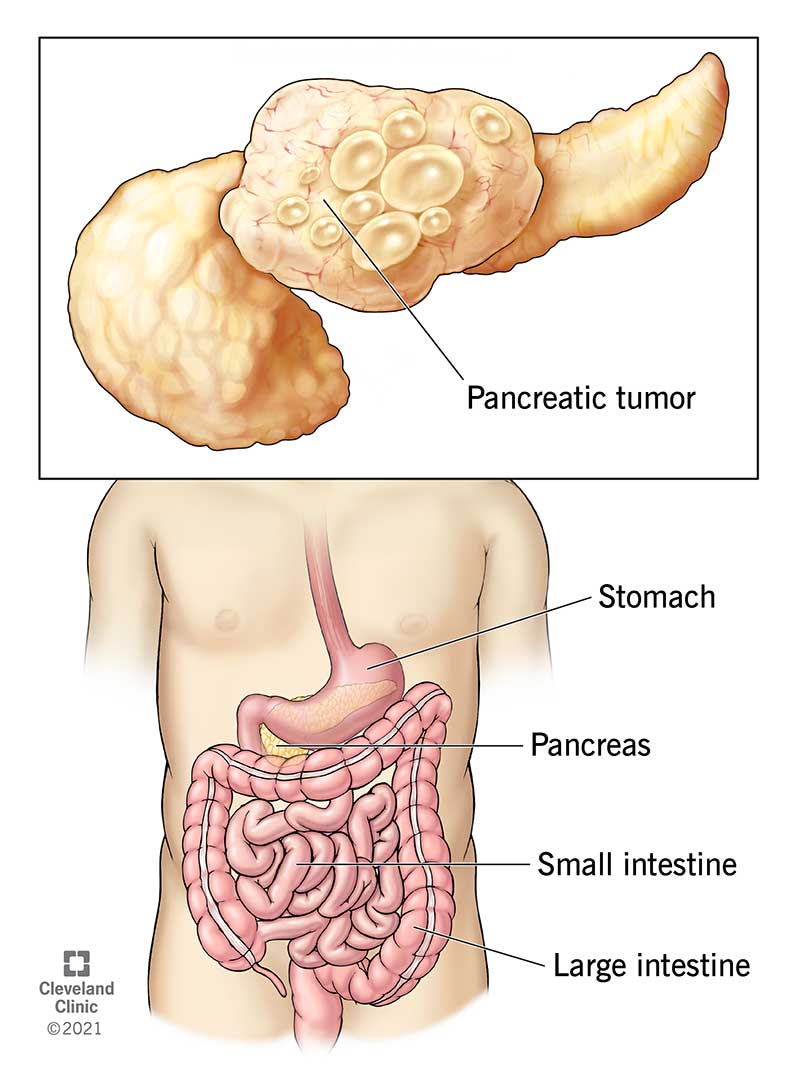
Cancer in the pancreas occurs when the cells in the pancreas multiply out of control.
"Being aware of the early symptoms of pancreatic cancer is crucial if we are to diagnose patients earlier and improve pancreatic cancer survival."
"This research could help GPs and their patients know more about the signs of pancreatic cancer. It's vital that people speak to their GP if they notice these symptoms."
"Future research could help us develop tools for GPs to help them make referrals, especially when patients present with several non-specific symptoms."
Pippa Corrie, chair, pancreatic workstream of the NCRI Upper Gastrointestinal Group/ Consultant Medical Oncologist, Addenbrooke Hospital, Cambridge, U.K.

Labels: , , ,

Friday, July 16, 2021

Inexplicable Long COVID

woman with headache
UCL News
"While there has been a lot of public discussion around long COVID, there are few systematic studies investigating this population."
"Hence relatively little is known about its range of symptoms and their progression over time, the severity and expected clinical course, its impact on daily functioning and expected return to baseline health."
"In this unique approach, we have gone directly to 'long haulers' around the world in order to establish a foundation of evidence for medical investigation, improvement of care, and advocacy for the long COVID population. This is the most comprehensive characterization of long COVID symptoms so far."
"For the first time, this study shines a light on the vast spectrum of symptoms, particularly neurological, prevalent and persistent in patients with long COVID."
Dr.Athena Akrami, University College London
"In those who recovered in less than 90 days, the average number of symptoms (11.4 out of 66 symptoms that were measured over time) peaked at week two, and for those who did not recover in 90 days, the average number of symptoms (17.2) peaked at month two. Respondents with symptoms over six months experienced an average of 13.8 symptoms in month seven. During their illness, participants experienced an average of 55.9 symptoms (out of the longer list of 203 measured in the study), across an average of 9.1 organ systems."
University College London Long Hauler Study
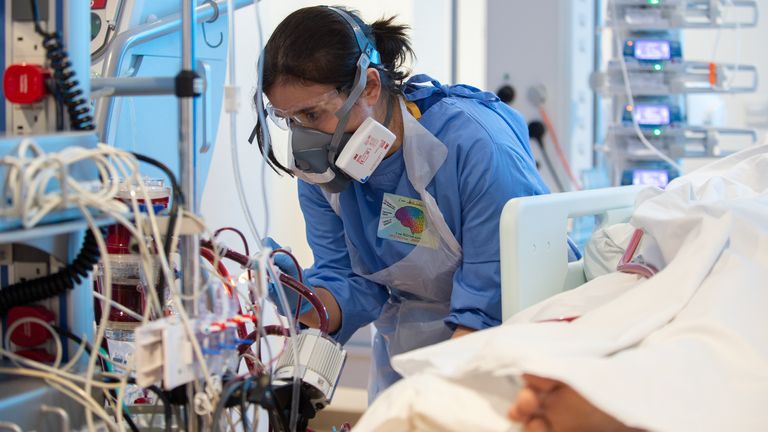
A specialist nurse checks on a COVID-19 patient at the Royal Papworth Hospital, Cambridge
Long COVID patients suffered 56 symptoms on average. File pic

After a thorough investigation, a research team gathered sufficient feedback from victims to confidently assess that over 200 symptoms are associated with Long COVID. Symptoms include hallucinations, shingles and bladder control loss, along with a whole spectrum of other life-affecting symptoms. Roughly one individual in seven who have been diagnosed with COVID-19 experience symptoms persisting for over 12 weeks, according to the latest figures from Britain's Office for National Statistics. 

Conclusive data has been difficult to gather, given the long-term nature of the condition, so precisely what the cause is of these long-lasting effects is unknown as is how the condition manifests. A questionnaire was presented by a team of academics led by University College London to over 3,700     COVID "long haulers" out of 56 countries. The questionnaire posed 257 questions asking the subjects to list and describe their symptoms. The study was published in the Lancet’s EClinicalMedicine

According to the synthesized results there are 203 individual symptoms that affect ten different internal organ systems with fatigue turning out to be the most common, and post-exertional malaise and brain fog following. Visual hallucinations, tremors, itchy skin, changes to the menstrual cycle, sexual dysfunction, heart palpitations, bladder control issues, shingles, memory loss, blurred vision, diarrhea and tinnitus round out the list of the most common symptoms. 

With the exception of the study lead, Dr.Akrami, all other study authors had themselves either had a COVID infection or they were continuing to grapple with debilitating symptoms. Of those people who have had long COVID for over three months, the average number of symptoms turned out to be 17, with most people adding that their recovery was replete with relapses.

Close to half of those completing the questionnaire -- 45.2 percent -- still had not been able to work the same number of hours that they had been accustomed to ordinarily, prior to becoming ill with the virus. At the time of the survey, 22.3 percent of those involved in the study were not yet returned to the workforce. The Office for National Statistics characterized the condition as "an emerging phenomenon that is not yet fully understood."

The estimation by the ONS, however, is that approximately one million people in the United Kingdom have Long COVID.
"Memory and cognitive dysfunction, experienced by over 85 percent of respondents, were the most pervasive and persisting neurological symptoms, equally common across all ages, and with a substantial impact on work."
"We now believe a national program could be rolled out into communities able to screen, diagnose and treat all those suspected of having long COVID symptoms."
Dr.Athena Akrami, University College London
 
 
Woman doctor in medical face mask.
Long COVID symptoms include fatigue, breathlessness and ‘brain fog’.
Image: Unsplash/ Bermix Studio
 

Labels: , , ,

Friday, February 26, 2021

The Mysterious COVID 'Long Haul'

Act Now! Wear a mask. Stay 6 feet apart. Avoid crowds.
"The Government of Canada is increasingly adopting the term 'resolved' ... as this better describes the public health implications of the case status, while allowing for the fact that the individual may not be recovered in terms of symptoms or longer-term health effects."
Health Canada

"A large percentage of this cohort of 'recovered' people are still suffering, and calling them 'recovered' is inaccurate, misleading and insensitive."
"We need to start counting long-haul COVID cases."
"We are not recognized and there seems to be no real urgency in dealing with us. We don't qualify for financial support because we're not actively looking for work and our EI sickness benefits are dried up."
"We're being forced to start selling homes and other assets. I haven't had benefits since before Christmas."
Susie Goulding, founder, COVID Long-Haulers Support Group Canada, Oakville, Ontario

"You actually have to be able to define it [before any decisions can be reached whether a disease should be prioritized and resources mobilized against it]."
The first step is going to be to say, OK, what precisely is this long COVID syndrome we're talking about. Are there actually several different conditions, or a single condition?"
"What's really interesting to me about long COVID is that it's clearly different from the consequence of simply having been gravely ill."
"[Changing] recovered [to] non-infectious [is a] great suggestion."
Dr.John Marshall, trauma surgeon, St.Michael's Hospital, Toronto
https://i.ytimg.com/vi/tsUG_AKIkpE/maxresdefault.jpg
Novel coronavirus (COVID-19) symptoms can last weeks or months for some people. These patients, given the name "long haulers", have in theory recovered from the worst impacts of COVID-19 and have tested negative. However, they still have symptoms. There seems to be no consistent reason for this to happen.
 
British and U.S. researchers conducted a web-based survey involving over 3,700 people who had suspected or confirmed COVID-19 -- the effects of which were seen to be prolonged over more than 28 days. And out of that survey no fewer than 205 symptoms were categorized in ten organ systems.One-third of respondents with lab-confirmed COVID-19, part of a study published this week in JAMA Network Open involving 177 people, experienced lingering symptoms persistently continuing for a median of six months. This, even among those people who had experienced mild illness.
 
Professor Daniel Altmann specializing in immunology at Imperial College London, estimated the number of those affected by long COVID in the United Kingdom "is  roughly equivalent" to the number of people in the U.K. with rheumatoid arthritis. Professor Altmann and Rosemary Boyton stated that at least ten percent of people with symptomatic COVID-19 can leave a "lingering trail" of changes visible on CT scans of the lungs. The virus causing inflammation of the heart muscle, by attacking the same receptors in the heart, they wrote in the British Medical Journal.
 
Drs. Altmannn and Boyton wrote that gastrointestinal biopsies taken four months following an infection "show persistent live virus in about a third of individuals", in line with some studies that suggest SARS-CoV-2 virus can persist in the liver and spleen. What puzzles them is whether this indicates that people haven't managed to clear the virus, or some other underlying cause yet to be determined is involved. 
 
Dr.Marshall, on the other hand, theorizes that in most long-haul instances symptoms may be consistent with an autoimmune disorder -- itself caused by the body's widespread inflammatory response to the virus when someone's immune system goes completely out-of-whack, over-compensating harmfully to the viral intruder.
 
Act Now! Wear a mask. Stay 6 feet apart. Avoid crowds.
An international effort is now underway for doctors to explore the situation rigorously in an effort to arrive at a global consensus regarding what "long COVID" represents in an effort to explicate its cause. The lingering effects of COVID-19 has been afflicting quite a large number of post-COVID individuals left anxious and depressed; even while the medical community considers them to be 'recovered', they suffer from lingering effects of the virus, post-infection.

Most people undergo mild and short-lived effects from the coronavirus yet increasing numbers of other people report a puzzling array of symptoms, including breathlessness, exhaustion, tingling throughout the body, anxiety, brain fog and memory problems going on for weeks, even months after what appeared to be a mild infection. Health Canada considers 'recovery' to be consistent with the passage of at least ten days since the start of symptoms at which point infectiousness has passed, there is no longer fever, and "their symptoms have improved (even if not yet fully resolved)".

"It's a whitewash that conceals the fact that a large percentage of people are not recovering in 14 days", scoffs Susie Goulding. To which Dr.Marshal, a trauma surgeon, responds "You have to be able to define it". Recently Dr.Marshall co-chaired a World Health Organization group tasked with developing criteria for a working diagnosis for what the WHO calls the Post COVID-19 condition". And what Dr.Marshall looks for, is answers to:What's the epidemiology -- how common are the different symptoms: How many who've had COVID get it? Are there risk factors for acquiring it?
 
https://healthydebate.ca/wp-content/uploads/2020/12/pexels-edward-jenner-4033152-scaled-e1608316138569g.jpg
 Canadian Researchers looking into COVID "long-haul" effects.  Maeve Gamble

Older people and people with many serious medical conditions are the most likely to experience lingering COVID-19 symptoms, but even young, otherwise healthy people can feel unwell for weeks to months after infection. The most common signs and symptoms that linger over time include:

  • Fatigue
  • Shortness of breath
  • Cough
  • Joint pain
  • Chest pain

Other long-term signs and symptoms may include:

  • Muscle pain or headache
  • Fast or pounding heartbeat
  • Loss of smell or taste
  • Memory, concentration or sleep problems
  • Rash or hair loss
Mayo Clinic

Labels: , , , ,

Thursday, May 07, 2020

More Worrying COVID Symptoms : Blood Clots

"We hope to get some understanding of how much these blood clots have been contributing and try to prevent them."
"We hope to achieve the development of a much lower rate of blood clots and potentially affect mortality, which is the ultimate goal."
"That [prevention of strokes] is one reason we wanted to get on this right away."
Dr.Philip Wells, head, department of medicine, The Ottawa Hospital
A patient in bed surrounded by doctors.
Clotting may be a major factor in organ damage from COVID-19, according to new findings.(AP: Zhang Yuwei via Xinhua)

The "this" that Dr.Wells refers to is the discovery of yet another complication racked up by the SARS-CoV-2 virus in its rampage through the human community; the identified connection between blood clotting and COVID-19. First noted by doctors in China, alerting researchers and physicians everywhere, including at The Ottawa Hospital deciding to take the lead to attempt reducing the risk to patients, through a deeper understanding of the connection between COVID and blood clots.

When it became evident that blood clots were a key factor in COVID-19, doctors at The Ottawa Hospital wasted no time in implementing new protocols and at the same time studying the impact of a menace that proves continually there is much to learn about the novel coronavirus, including the realized reality that COVID patients become at higher risk of blood clots. The issue here for the doctors is how these patients can be protected.

Dr.Wells is head of one of the leading research units in blood clots, and researchers at the hospital acknowledged their facility had to "take the lead" in finding answers to these vexing problems. At the present time, patients with risk factors for blood clots are routinely injected with anticoagulants on admission to hospitals throughout Canada. It soon became evident the routine dose was insufficient for patients with COVID-19, Dr.Wells stated.

'COVID toes,' patches on the feet, a rare inflammatory syndrome in children.
The Canadian Press

In some centres rates of blood clots have been reported among COVID patients that were "shockingly high", leading The Ottawa Hospital to increase the amount of anticoagulant administered to COVID patients, based on their physical weight. Preventive diagnostic imaging is also being used in monitoring for blood clits on COVID patients as well as regular tests to monitor the prevalence of blood clots and whether the new protocol makes a difference in patient outcome.

Unknown as yet, is whether and to what extent these blood clots have contributed to deaths from COVID-19. Similar to other COVID-19 symptoms, those of blood clots include chest pain and rapid respiratory failure, indicating an urgent requirement for research to better understand the virus and its many complications. More aggressive treatment to prevent blood clots may aid in preventing strokes, yet another related complication of COVID.

COVID-19

Some of the papers written about blood clotting in COVID patients suggest between one-quarter and one-third of patients admitted to hospital might have the complications, points out Dr.Marc Carrier, head of hematology at The Ottawa Hospital, although rates seen in Ottawa have been substantially lower. Evidence also exists that blood clots could be a factor in the mysterious "COVIDtoes" complication most commonly seen in children and young people.

These peculiar symptoms turn up as purple or blue lesions on a patient's feet or toes, typically painful to touch. Patients describe experiencing a hot or burning sensation related to them. Patients with COVIDtoes, according to experts who made a study of the condition, usually have no other symptoms associated with the virus; no cough, fever, or shortness of breath, and they tend as well to test negative.

Dr.Carrier noted that the earliest report out of China linking COVID to blood clots led to the awareness that blood clots could be very important in COVID patients "and also, that there might be something we can do about it. It is still a moving target. We are still learning", he said.

A masked health practitioner holds a thermometer.
Treatment guidelines are changing to more aggressively target blood clotting in COVID-19 patients.(AAP: David Mariuz)

Labels: , , ,

 
()() Follow @rheytah Tweet