Ruminations

Blog dedicated primarily to randomly selected news items; comments reflecting personal perceptions

Tuesday, September 19, 2023

Breathing Easy

"We found that cell transplantation not only improved the lung function of patients with with COPD [obstructive pulmonary disease], but also relieved their symptoms, such as shortness of breath, loss of exercise ability and persistent coughing."
"This means that the patients could live a better life, and usually with longer life expectancy."
"If emphysema progresses, it increases the risk of death. In this trial, we found that cell transplantation could repair mild emphysema, making the lung damage disappear."
"However, we cannot repair severe emphysema yet."
Professor Wei Zuo, Tongji University, Shanghai
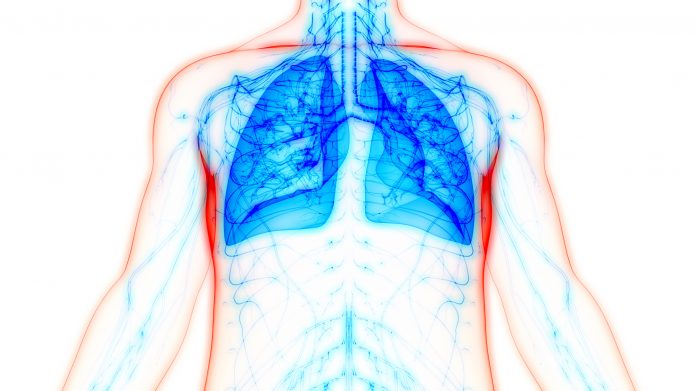
Human Respiratory System Lungs Anatomy
Getty Images
 
For the very first time lung damage resulting from the medical condition of emphysema has been reversed with the experimental use of stem calls culled from patients' own organs. A success story that lends hope to sufferers that science might be on the cusp of an imminent breakthrough for a cure. Damage to the lungs of two patients with mild emphysema had lung damage repaired in a Chinese trial to determine whether the treatment was safe.

Patients with chronic obstructive pulmonary disease were able to walk for longer distances after having the stem cell transplants, resulting in an improvement in their lung function. Scientists from Tongji University in Shanghai feel immensely encouraged by the results of two conditions that are generally viewed as irreversible. They now anticipate moving on to larger trials in the hope that a treatment will be available to COPD and emphysema sufferers within the next three years.
"In our trial, 35% of the patients had severe COPD and 53% had extremely severe COPD. Usually, many patients with such severe COPD will die quite quickly if their disease progresses. We used a tiny catheter that contains a brush to collect the progenitor cells from the patients' own airways. We cloned the cells to create up to a thousand million more, and then we transplanted them back into the patients' lungs via bronchoscopy in order to repair the damaged lung tissue."
Professor Wei Zuo
The general term of chronic obstructive pulmonary disease (COPD) includes people with emphysema as an umbrella term with the understanding their irreversible lung damage is often attributable to smoking, air pollution or chemicals. Both conditions at present, have symptoms that can only be alleviated with the use of drugs.
 
Scientists during the trials made use of a tiny brush to collect stem cells from the lungs of 17 patients, then cloned the cells to create up to a thousand million more of them, before transplanting the cells into the patients' lungs through a bronchoscopy; a tube inserted down the patients' throats. 24 weeks later, the lungs' reaction to the procedure was an increased capacity of one third, enabling the lungs to exchange air in the bloodstream.
 
Three million people globally, succumb prematurely to death brought on by COPD, a severe respiratory disease that involves progressive damage to lung tissue. The affected tissue cannot be repaired with currently available treatments, medicines are able only to alleviate the condition, through prescribed drugs that expand the airways to improve airflow, known as bronchodilators.
"Stem cell and progenitor cell-based regenerative medicine may be the biggest, if not the only, hope to cure COPD."
"We are going to test the treatment's efficacy in larger groups of people with more lung diseases."
"We hope to develop the treatment for clinical use within about two to three years."
Professor Wei Zuo, School of Medicine, Tongji University
Stem-Cell-Treatment-for-COPD-in-Mexico

Labels: , , ,

Monday, September 23, 2019

Boosting An Unproven Treatment

"It sends a signal to all the fans out there that stem cells have more value than they really do."
"The risk from the stem-cell procedure is that it could give someone a false sense of confidence, and they could go back to play too early [and re-injure themselves]." 
"It’s extremely good PR for the people selling this kind of thing. But there’s no question that this is an unproven treatment."
James Rickert, president, Society for Patient Centered Orthopedics

"There's really not much evidence that it's going to help him [Max Scherzer, Washington Nationals], other than as a psychological boost or as a placebo effect."
Paul Knoepfler, professor of cell biology and human anatomy, David School of Medicine, University of California
max scherzer nationals
Max Scherzer. Image: CBS


"These are the richest, most highly paid athletes around. So anything you can think of, they're getting."
"But I wouldn't use them as a role model for how to treat injuries."
Arthur Caplan, director, Division of Medical Ethics, School of Medicine, New York University

"Clinics provide free stem-cell treatments or offer procedures at a discounted rate, and in return they can generate YouTube testimonials, press releases and positive media coverage."
Leigh Turner, associate professor, Center for Bioethics, University of Minnesota
Survey of Stem Cell Clinics Reveals Cause for Concern

Stem-cell therapeutic injections have become the go-to solution for a growing number of super-athletes whose injuries on the playing field threaten to keep them from fulfilling their contracts and disappointing fans through lengthy recovery periods. Leading them to seek out almost instant relief in the belief that unproven stem-cell injections will greatly accelerate recovery. All the while doctors and ethicists admit to concerns that professional athletes are falling into a public relations trap benefiting clinics offering the injections they insist have no practical health value whatever.

Not only do these clinics which are proliferating in numbers and informing potential clients that their injuries are readily and swiftly certain to mend-on-the-quick with stem-cell injections when there is no scientific proof whatever that this is true, but their proffering false hope of quick recovery for the obvious purpose of making a killing -- so to speak -- is on the squeaky edge of malpractise. Platelet injections and stem cells have attracted athletes like Tiger Woods, Rafael Nadal, Gordie Hower, Kobe Bryant and Peyton Manning.

All highly respected top-performing athletes in their field of popular sports, their trust in therapies whose functional success has never been proven goes a long way to convincing the public that these are legitimate strategies for quick injury healing processes. That stem cells are on offer at a thousand clinics and even at some of the most highly respected hospitals lends legitimacy to the enterprise far beyond its perceived value. Cost of treatment ranges from hundreds to thousands of dollars for a type of treatment which, unproven, insurance will not cover.

Lots of hype and trust in the efficacy of the process, but proof of usefulness totally absent. The Major League Baseball website reported that Max Scherzer of the Washington Nationals had stem-cell injection treatment for a thumb injury. Then went on for additional treatment in response to a mild strain in his upper back and shoulder. According to Mr. Rickert, the diagnosed injury that Mr. Scherzer sought instant treatment for, would have healed itself following ten days of rest without the stem cell injection.

Injections for stem-cell treatments are prepared by withdrawing fat or bone marrow from the individual, which then sees the cells processed and injected back into the joints, tendons or muscles causing problems. The platelets that help blood to clot can be concentrated to be used in another popular sport injury treatment, used in a manner similar to the stem-cell injections. Human psychology is also at play here, where injections can act as powerful placebos alleviating pain, a result of patients placing faith in treatment.

Over 80 percent of patients with knee arthritis perceived a noted improvement in pain following a placebo of simple saltwater shots according to a recent analysis. Ethicist Dr. Caplan wonders: "Would the inflammation or problems have just gone away on its own?", after hearing of athletes speaking of the success of their stem cell treatments. Athletes are known to recover more rapidly from injuries than other people, owing to the fact that they are young and fit to begin with.

Safety Concerns for Unproven Stem Cell Treatments

All medical treatments have benefits and risks. But unproven stem cell therapies can be particularly unsafe.
For instance, attendees at a 2016 FDA public workshop discussed several cases of severe adverse events. One patient became blind due to an injection of stem cells into the eye. Another patient received a spinal cord injection that caused the growth of a spinal tumor.
Other potential safety concerns for unproven treatments include:
  • Administration site reactions,
  • The ability of cells to move from placement sites and change into inappropriate cell types or multiply,
  • Failure of cells to work as expected, and
  • The growth of tumors.
Note: Even if stem cells are your own cells, there are still safety risks such as those noted above. In addition, if cells are manipulated after removal, there is a risk of contamination of the cells.
U.S. Food and Drug Administration

Labels: , , ,

Sunday, August 18, 2019

More Hope for Stroke Victims

"If we can expand the treatment window to 36 hours, that's a time frame that could be relevant to 90 to 95 percent of stroke patients."
"This could really change stroke medicine as we know it. That's a big deal, because stroke is one of the leading causes of disability in most countries around the world."
Gil Van Bokkelen, head, Athersys, therapy development

"If they develop a treatment that improves outcomes for stroke patients and is effective and safe to give within a longer time window, that would be extremely welcome."
Professor Keith Muir, consultant neurologist Queen Elizabeth University Hospital

"This research shows that this new type of stem-cell treatment shows some promise in aiding stroke recovery."
"However, this was a small study and we're looking forward to seeing a larger trial."
Dr.Kate Holmes, assistant director, research, Stroke Association, United Kingdom
stem cell therapy
Image ©ElenaPavlovich/Shutterstock.com

When someone suffers a stroke and ideally they recognize the symptoms, they must take themselves as soon as possible to a specialist hospital. They are given the space of four hours to begin blood clot-busting treatment. In the event that treatment is undertaken in the first hour post-stroke, the best outcomes can be expected. But most people aren't able to make it to a hospital within the given time frame for optimum results. As a result close to two-thirds of stroke survivors inherit a disability by the time they leave hospital.

That may soon change. Thanks to a stem-cell injection that ideal of a single hour to seek remediation may now be extended, if all goes well, to a full day and a half for most patients of stroke. British patients who were subjects in a trial, receiving treatment 36 hours after a stroke, were able to emerge from the event without permanent disability. A new intravenous solution developed in the United States has proven to simultaneously regenerate damaged tissues while reducing harmful inflammation, stimulating nerve cells aiding in the brain's recovery.

The first trial took place for a number of patients across the United Kingdom and United States, resulting in a 15 percent greater opportunity of a full recovery after 90 days in comparison to subjects placed on a placebo. A year following the stroke, the likelihood of full recovery rose to 25 percent. Those given the stem cells a day and a half following the appearance of first symptoms following a stroke were among those making an "excellent" recovery.

Caution is expressed by independent experts hoping for additional convincing data before celebrating a "miracle" treatment. Even so, the U.S. Food and Drug Administration awarded the new technology the status of fast-tracking, leading the way to a larger study to commence expeditiously. For the new Masters 2 trial, doctors are in the process of enrolling 300 stroke victims to take part. The expectation is that the drug may be licensed by 2021.

The 36 hour window is critical, given that the new stem-cell treatment is not expected to produce a good outcome after that period of time. Damaging immune cells will have left the spleen and begin their journey to the brain after 36 hours, where considerable damage can be anticipated.

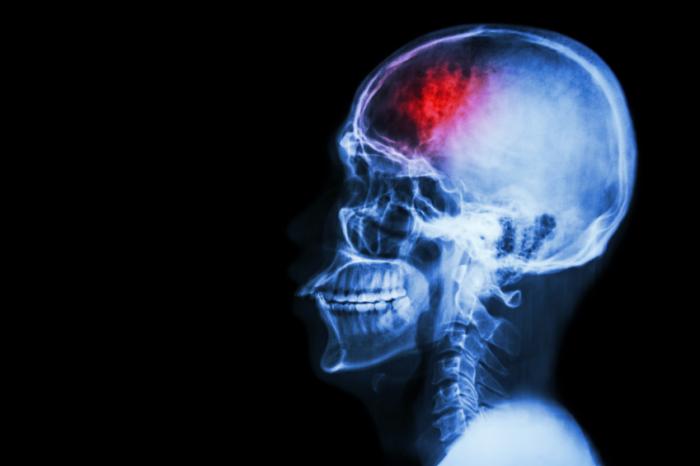
x-ray of brain after stroke
Stroke interrupts blood flow to the brain and could produce paralysis and speech problems, among other disabilities. MedicalNewsToday


"Stroke is the second leading cause of death worldwide and the major cause of disability in Europe. A stroke happens when the blood supply to part of the brain is severely reduced, often with severe effects on the body. Depending on the extent of stroke and where it occurs, about a third of stroke sufferers recover quite well, but most still experience some permanent effects and some strokes cause severe disability. Could stem cell treatments help?"
"A stroke happens when the blood supply to one or more parts of the brain is reduced or completely blocked. The blockage may be temporary or permanent and it can be caused in two different ways:
  1. In ischaemic stroke a blood clot obstructs the supply of blood to the brain
  2. In hemorrhagic stroke a blood vessel bursts and bleeds into the brain
"All parts of the brain need to have a good blood supply to work properly. When the flow of blood is restricted or stopped, vital nutrients and oxygen cannot reach the cells in the brain and they are damaged or die. The effects on the body depend on which part of the brain is damaged and how long the blockage remains. A stroke can affect movement, speech, thought processes and memory. It can cause paralysis in one or more parts of the body, or loss of control of bodily functions. About 40% of people affected by stroke will have permanent symptoms that result in them needing special care. Many people’s symptoms improve significantly following a stroke, but only about 10% of patients recover fully."
"Anyone of any age can have a stroke, but there are some important risk factors. The chance of having a stroke increases with age, for example. Certain ethnic groups are more at risk and a family history of stroke increases the chance that you may be affected. There are also risk factors that we may reduce through lifestyle changes, such as making sure any high blood pressure is treated, eating a healthy diet low in fat and salt, stopping smoking and staying physically active." EuroStemCell

Labels: , , , , ,

Saturday, August 10, 2019

Medical Professional Malfeasance

"What we need now is regulatory action -- we need Health Canada to be actually taking steps to shut down clinics that are providing unproven therapies."
"These are mostly for-profit clinics. I really think we need careful oversight by the regulatory bodies, like the colleges of physicians and surgeons."
"[Medical licensing colleges have a mandate to protect the public, and doctors seem to be common] purveyors [of unproven stem cell therapies so that] if it's not the colleges' obligation to stop doctors from misrepresenting the science, then whose responsibility is it?"
Timothy Caulfield, professor, health law and policy, Canada Research Chair, University of Alberta
A person injects something into a petri dish. Canada is doing less to protect Canadians from junk science — in this case, trendy, expensive and unproven stem cell therapies — than the U.S., a new paper argues.
A lab technician injects something into a petri dish. Canada is doing less to protect Canadians from junk science — in this case, trendy, expensive and unproven stem cell therapies — than the U.S., a new paper argues.

Everyone is eager to make a 'killing'. Where there's huge profits to be had, don't discount the flexible morals of professionals in the health field succumbing to the allure that their credentials can be leveraged into a hot business opportunity. And so it is that for-profit clinics are now proudly promoting unauthorized stem cell therapies to those who feel the risk is worth the money in the hopes that these therapies will offer them much in exchange.

A new study has linked such clinics to some results of these therapies ranging from blindness, serious blood infections, tumour development and even death as outcomes of some of these therapies. Clearly a threat to public health to say the very least. And Canada's health authority appears to be doing very little to protect Canadians from the conduct of doctors lacking professional ethics, preferring instead to portray themselves as what they evidently are not; healers. Whose primary interest is amassing wealth.

Dr. Mark Berman injects a patient with a solution he says is rich in adult stem cells at his practice in Beverly Hills, Calif., in this December 2014 file photo. (Raquel Maria Dillon/Associated Press)

In contrast, American regulators in recent years have worked toward permanent injunctions against clinics operating in Florida and California. Others have been fined for deceptive advertising in their aggressive enforcement efforts. New York Attorney General Letitia James in April filed a lawsuit against a Manhattan-based stem cell clinic. The response from Canadian regulators has been by comparison, "relatively mute", according to the paper published in BMO Medical Ethics.

Neither Health Canada nor the Competition Bureau have acted with determination to protect the public against unscrupulous clinics. Canadian medical colleges appear disinterested in instructing doctors to put a stop to their "evidence-free" therapies. The study authors point to what they consider a "simple lack of political will". The simple fact is that little scientific evidence exists to support such therapies beyond a few procedures like bone marrow transplants in treatment of specific cancers.

In 2018 a study identified 43 such clinics, 17 of which were located in the Greater Toronto Area. The clinics are obviously profitable, charging upwards of $3,500 per injection site. With multiple injection sites involved, discounts are available. Cells are harvested from an individual's belly fat or bone marrow, and after manipulation or processing "reintroduced" or injected back into the patient as purported treatment for arthritis, fractures, ligament or tendon injuries, tennis or golf elbow, rotator cuff tears and pitcher's elbow.


At some clinics stem cell therapy is promised as a healing solution for such conditions as ALS and Parkinson's disease, while at others wrinkles and "face/neck" sagging are treated, with any potential risks inherent in the process failing to be mentioned, or simply shrugged off as inconsequential. True, Health Canada issued a warning in May that unproven stem cell therapies might cause life-threatening or "life-altering" risks. Unauthorized "autologous" therapies making use of a person's own cells, despite marketing claims, have never been proven safe or effective, stressed the agency.

According to Blake Murdoch, a research associate at University of Alberta's Health Law Institute, the Competition Bureau would do well to isolate statements unsupported by science. Drs. Murdoch and Caulfield, authors of the new study had previously jointly filed a complaint with the Competition Bureau in August 2017 against a clinic claiming stem cell therapy "is the medical technique best approximating perfection" in the treatment of backaches and various sports and joint injuries. Nothing whatever came of it.

Referred to as the body's "master" cells, stem cells differentiate into many kinds of cells, useful for growing or regenerating tissue damaged by disease or injury, but few treatments, however hypothetically promising have yet been proven effective through scientific research.

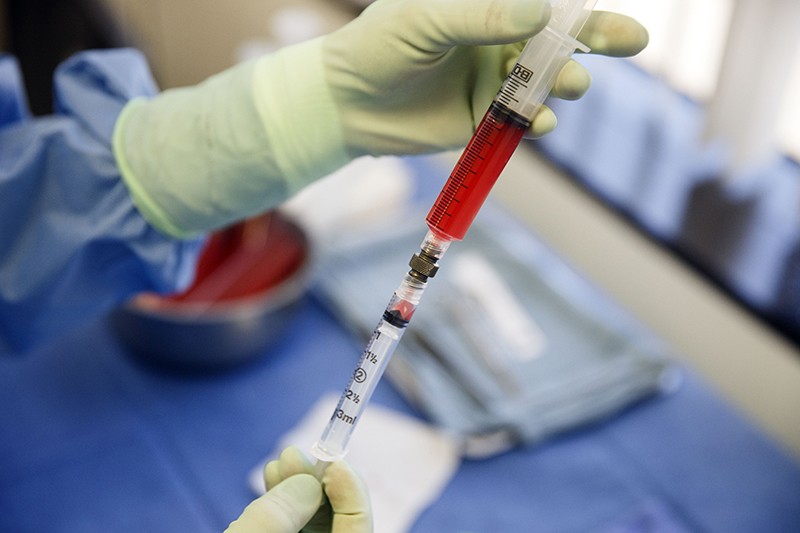
Photo of a syringe containing cells prepared for stem cell therapies for a patient
A clinician prepares a syringe containing stem cells used for therapy.   Credit: Patrick T. Fallon/Getty

Labels: , , , ,

Monday, February 06, 2017

Beware Medical Tourism Charlatans

"We have seen that patients actually start improving clinically -- they become almost at par for their age."
"[The infant receiving embryonic stem cells injected into muscles and bloodstream had] delayed milestones, lack of speech, subnormal understanding and subnormal motor skills."
"The child became almost as near normal as possible cognitively [now at three years of age]. He's talking; he's walking. He was at par with normal children on analysis."
Geeta Shroff, medical director, Nutech Mediworld

“As far as we know, it’s the first time that stem cells have been used to treat Down’s syndrome."
"He [3-month-old infant patient] started babbling and crawling, and his facial features underwent a change. He continues to develop age-appropriate skills."
"Stem cells have an innate ability to repair and regenerate, and that is how the baby’s condition improved,."
Jyoti Titus, manager, Nutech Mediworld clinic, New Delhi, India

"There’s no obvious way in which this treatment would have worked. [To have any effect, neural stem cells would need to be injected into the brain]."
"I expect the most likely outcome of the injections would have been that they were recognised as foreign and eliminated by the immune system."
Victor Tybulewicz, Francis Crick Institute, London

"There’s no comparison to similar individuals with Down’s syndrome, and no indication this therapy had any effect whatsoever, so the author has no basis at all for saying the injections were beneficial."                                                           Elizabeth Fisher, University College, London.

"The use of these cells does not make biological sense and may place the babies at considerable risk of side effects."
John Rasko, International Society for Cellular Therapy


Terminology

Down's syndrome is recognized as one of the most common chromosomal disorders seen globally; where the syndrome is generally a result of a random error in cell division. Three copies of chromosome 21 results, rather than the usual two apportioned to each human being during fetal development. There is no 'cure' for the syndrome. There are various manifestations of it, varying in different people, from relatively moderate to severe. Down's syndrome children generally become adept at learning lifeskills and become fairly capable of living a life as close to normal as possible.

Now, a clinic in New Delhi is lauding its ability to help paralyzed people walk again, as well as promising that with injections of stem cells it can alter a multitude of life-limiting impacts on the human body from inherited or acquired complications. Children with Down's syndrome are also on their 'help-line' list where their special, trademarked injections can make them "almost near normal". It has already given treatment to 15 newborns, toddlers and older children with Down's, they crow.

Experts believe otherwise, and view this outfit as a threat to the well-being of those they claim to be aiding. They deplore the fact that Nutech Mediworld of New Delhi, India has gone about raising expectations with no foundation in medical scientific research and evaluation, let alone a stamp of official approval from any government or medical-scientific regulatory source. Yet this clinic is only one among many which have cropped up internationally, seeking profit to be made by posing as a legitimate source of medical expertise in the emerging era of stem-cell medicine.

According to the clinic's public relations outreach it has treated incurable conditions such as spinal cord injury and cerebral palsy. Treatment at the clinic runs around $48,000 for a bout that is advertised capable of solving the unsolvable. Yet Dr. Shroff, at one time a practising infertility specialist, claims that some of her patients have regained mobility, able to walk with the help of walkers.  And she insists that human embryonic stem cells directly injected into a child's muscles and bloodstream function to regenerate and repair the damaged brain in Down's syndrome.

She points to her published report in New Scientist, in treating a two-month-old infant diagnosed with Down's at birth. Two stem cell therapy sessions succeeded in altering the baby's state to a remarkable degree. He was seen to have improved muscle tone, he began babbling and crawling "He was social and was able to recognize near ones", she insists. And three years on, he is now near-normal, proving that her protocol works efficiently and positively.

Labels: , , , ,

Monday, January 30, 2017

Brave New World of Bioscience and Application

"We are still in the early stages [of stem cell research/application]. In 2014, [scientists] at the Riken Center for Developmental Biology [Japan] had great success using iPS cells to treat macular degeneration. They took skin cells from a 70-year-old patient and derived iPS cells from them. They then differentiated the stem cells [directed them 'back down' the normal developmental path] to become adult retinal cells. These were transplanted into the patient's eye. That was a huge success."
Shinya Yamanaka, scientist, director, Kyoto University Center for iPS Cell Research and Application
Dr. Shinya Yamanaka, CiRA Director, Kyoto University

A decade ago at Kyoto University, scientist Shinya Yamanaka pioneered a technique whereby adult cells could be "reprogrammed" back to their "pluripotent" condition at which point they had the potential to become any body cell ranging from a heart muscle cell to a neuron in the brain. This scientific process made it possible to bypass the controversy raging over the kind of research that made use of human embryos, offending the moral susceptibility of many.

And at the same time, presenting a method by which there would be no shortage of stem cells.

For this groundbreaking work, Dr. Yamanaka took his share of the 2012 Nobel Prize in Physiology or Medicine for his work in setting the stage for science to reprogram mature cells back into their former earliest stage now known as induced pluripotent stem cells [iPS cells]. Dr. Yamanaka now directs the Center for iPS Cell Research and applications at Kyoto University, Tokyo, Japan.

This internationally renowned Laureate explained in an interview some of the roadblocks encountered along the way to simply assuming that these iPS cells could be used, once successfully altered using an individual patient's cells, to be placed back into that patient's body to correct a condition related to age or chronic disease. It had been discovered through investigating the genome sequence of a patient's iPS cells that a mutation existed.

And that discovery put a stop to a process that was planned to get underway similar to the one Dr. Yamanaka spoke of in the treatment of macular degeneration for a 70-year-old patient. The realization that the pluripotent stem cells, having the capability of rapid proliferation ad infinitum posed a risk, after multiple cell cycles of mutations increasing and in the process possibly causing cancer posed a risk too great to proceed as planned.

Because of this realization Dr. Yamanaka's research laboratory addressed the issue by developing allogenic stem cell lines from donors, which would be compatible cells ready for transplantation into a patient, similar to a blood transfusion. Rigorous quality tests must be performed, with the inclusion of sequencing the stem cells' genomes to ensure the cells would be free from the presence of cancer-causing mutations.

Crudely put, stem cell treatments, originally imagined as in theory representing the kind of "personalized" medicine where the patient's own stem cells would be used in the generation of adult cells to bypass the risk of the body's immune system springing into action to reject cells other than those recognized as their own, solving an everpresent problem in transplantation.  While that personalized track could still be pursued, it would be both time-consuming and hugely expensive.
CiRA - Center for iPS Cell Research and Application

Dr. Yamanaka also explained that the exciting prospect of stem cell therapy solving all ills had been initially rather overstated. Pointing out the limitations where roughly ten conditions only could be treated by stem cell therapy; which included Parkinson's, retinal and corneal diseases, heart and liver failure, diabetes and spinal cord injury, joint disorders and some blood disorders.

Even limited to those conditions, however, it is more than obvious that much good could come of its use, since those ten encompass quite a panoply of body malfunctions hugely impacting quality of life  and for most, leading to early death.

And the reason ascribed to stem cell application limits seems simple enough, that those diseases are typically caused by loss of function of one type of cell, whereas other diseases are the result of multiple types of cell failures and thus cannot be treated with stem cell therapy. Direct cellular reprogramming describes a new strategy reprogramming adult cells back to a state specific to the organ the cells were derived from.

If, for example all the cartilage in an elderly patient's knee required replacement that is the kind of process that may improve prospects over iPSC [induced pluripotent stem cells], even while iPS would represent the first choice when treating a younger patient with only a small lesion where good cartilage could be produced from iPSCs then transplanted the purified cartilage to that small lesion.

This is most definitely an evolving, time-consuming and costly process to be fully understood and reliable before it becomes mainstream.

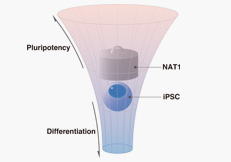
  • Induced pluripotent stem cells (iPSCs) are a new type of pluripotent stem cells first generated in 2006 in mouse. They represent a potentially important resource for applications in regenerative medicine;
  • PS cells generated from patient cells can be used to create cells that replicate the tissue affected by disease. This technique offers the prospect of using iPS cells to test drug efficacy, side effects, and toxicity and to develop new drugs and therapies.

Labels: , , ,

 
()() Follow @rheytah Tweet