Ruminations

Blog dedicated primarily to randomly selected news items; comments reflecting personal perceptions

Tuesday, May 02, 2023

Experimental New Control Therapy for PTSD

"When I see a procedure like this, I almost consider it a no-brainer to make it accessible to other people."
"It doesn't involve any extra training and is already done in pain clinics."
"If we can make this accessible, it would be very beneficial."
Psychiatrist Dr. Rebecca Gomez, Royal Ottawa Hospital
Can a Single Injection Conquer PTSD? The Army Wants to Find Out - WSJ

There is a procedure called stellate ganglion block (SGB) which involves injecting local anesthetic into a cluster of nerve cell bodies near the base of the neck. The slender needle used to inject the anesthetic is guided by ultrasound. It is a procedure performed routinely in hospitals across Canada in the treatment of complex nerve pain. The treatment is being used in the United States as a therapeutic protocol for veterans affected by PTSD.
 
Dr. Dan James, medical director of the pain clinic at The Ottawa Hospital was persuaded by psychiatrist Dr. Gomez, to experimentally use the process on one of her patients suffering from PTSD who had himself researched the use of SGB. Dr. James had himself heard of the SGB therapy used to treat symptoms of PTSD and was interested. "The stars sort of aligned and the timing was quite perfect", he said.

The procedure took only fifteen minutes to complete, and for the patient who had suffered the symptoms of PTSD for years, its effect was close to immediate. "It was like the volume on the world had been turned down. I had been listening to white noise for years and the white noise was gone. It was this weird sense of peace."
 
The drug wears off after a few hours, but its effect on PTSD symptoms lasts for months. Local anesthesia is injected into the structures providing most of the sympathetic nerve signals to head, neck, arms and part of the upper chest. When the patient displays signs of a condition named Horner syndrome (a patient's face droops on one side) doctors realize the target has been hit.
 
Dr. Gomez speaks of the theory behind the treatment; the local anesthetic acts as a reset button through blocking nerves temporarily that travel from the stellate ganglion to parts of the brain more active in PTSD, decreasing release of stress hormones like norepinephrine or adrenalin. The stellate ganglion is part of the sympathetic nervous system affecting a person's fight or fight response.
 
There is a theory of PTSD being a syndrome where the fight or flight nervous system sticks in the ON position. SGB appears to act like an OFF switch, resetting that response. Dr. Gomez and her colleagues from the Operational Stress Injury Clinic at the University of Ottawa Institute for Mental Health Research and the Royal Hospital were recognized with an award for their case study on SGB involving 30 patients who received the procedure. Survey results received from ten of the participants indicated a significant decrease in symptoms such as sleep disturbances, intrusive thoughts and flashbacks, with patients also reporting a significant decrease in symptoms of depression.
 
About eight percent of Canadians experience symptoms of PTSD, according to a 2021 Survey on Mental Health and Stressful Events from Statistics Canada. First responders and the military are often associated with PTSD, but the syndrome affects a broad segment of society. Symptoms can include unwanted thoughts or dreams, strong physical reactions when reminded of an event, strong negative emotions, and a loss of interest in activities once enjoyed. In addition, PTSD is more common among women than men. Compared to eight percent of men, one in ten Canadian women have symptoms of PTSD.
 
The anesthetic used in the procedure -- bupivacaine -- costs roughly $18 for each injection. Not every patient experiences profound remedial results, however. Of nine patients who undergo SGB, about three will see a significant improvement; three or four will realize some benefit, but not as notable. About two will experience no noticeable benefit. However, up to 80 percent of patients report a 50 percent reduction in symptoms.
 
https://assets2.cbsnewsstatic.com/hub/i/r/2019/06/16/65af1622-c01b-459b-baae-9e72f46d6cb5/thumbnail/1280x720/04162226314b91beee3c5478561d4c9e/sgbvideo-1874806-640x360.jpg
Possible breakthrough treatment for PTSD   CBS News

Labels: , , , ,

Saturday, April 29, 2023

AI Chatbot Medical-Educational Toolbox

"Patients with cirrhosis and/or liver cancer and their caregivers often have unmet needs and insufficient knowledge about managing and preventing complications of their disease."
"We found ChatGPT -- while it has limitations -- can help empower patients and improve health literacy for different populations."
"More research is still needed to better examine the tool in patient education, but we believe ChatGPT to be a very useful adjunctive tool for physicians -- not a replacement -- but adjunctive tool that provides access to reliable and accurate health information that is easy for many to understand."
"We hope that this can help physicians to empower patients and improve health literacy for patients facing challenging conditions such as cirrhosis and liver cancer."
Brennan Spiegel, director of Health Services Research, Cedars-Sinai Medical Center, Los Angeles

"The complexity of care required for this patient population makes patient empowerment with knowledge about their disease crucial for optimal outcomes."
"While there are currently online resources for patients and caregivers, the literature available is often lengthy and difficult for many to understanding, highlighting the limited options for this group."
Alexander Kuo, medical director, Liver Transplantation Medicine, Cedars-Sinai

"ChatGPT has [been] shown able to provide professional, yet highly comprehensible responses."
"However, this is one of the first studies to examine the ability of ChatGPT to answer clinically oriented, disease-specific questions correctly and compare its performance to [that of] physicians and trainees."
Yee Hui Yeo, clinical fellow, Karsh Division of Gastroenterology and Hepatology, Cedars-Sinai
A new Cedars-Sinai study found ChatGPT—while it has limitations—can help empower patients and improve health literacy for different populations. Photo by Getty.
 
According to a new study reflecting research out of Cedars-Sinai Medical Center in Los Angeles, published in the journal Clinical and Molecular Hepatology, ChatGPT, an artificial intelligence platform, has the potential of improving the prognosis of patients suffering from cirrhosis and liver cancer. The chatbot as controversial as it has been to date, could become a valuable tool, providing patients with knowledge of lifestyle and treatment information, conveyed in easily understood terms.
 
A photo of a woman accessing the ChatGPT program on her laptop.
MedPageToday
Of the 3,500 Canadians diagnosed with liver cancer in 2022, approximately 1,650 of the total are thought to have died of the disease in that same year. Liver cancer's five-year net survival rate is just 22 percent. Representing the end-stage form of liver disease, Cirrhosis is a major risk factor for liver cancer; and both conditions require an extensive litany of therapies, difficult for some patients to manage on their own.

ChatGPT (chat generative pre-trained transformer) are becoming popular for personalized education purposes resulting from their capacity to respond to user prompts with human-quality responses that are drawn from vast databases. The health-care industry has already understood the usefulness of the software through its ability to compose basic medical reports and respond correctly to questions commonly appearing on medical school exams.

The research team in testing ChatGPT's cirrhosis and liver cancer knowledge, presented the chatbot with 164 frequently asked questions divided into five categories: basic knowledge, diagnosis, treatment, lifestyle or preventive medicine. The results were studied and graded by two liver transplant specialists, according to whom ChatGPT answered roughly 77 percent of questions correctly, with high accuracy levels in over 90 percent of questions of varying categories.

The liver specialists who graded the answers however, found that 75 percent of responses relating to basic knowledge, treatment and lifestyle categories were correct, yet fell short in adequacy. In that the proportion of responses "mixed with correct and incorrect data", worked out to: basic knowledge (22 percent); diagnosis (33 percent); diagnosis (33 percent); treatment (25 percent); lifestyle (18 percent); and preventive medicine (50 percent). 
 
It was established that while the software succeeded in offering useful advice to patients and caregivers dealing with cirrhosis and liver cancer, the study clarified that superior information is given from a doctor directly. Peter Lee, corporate vice president at Microsoft had an essay published in The New England Journal of Medicine, addressing the issue. He contended that society faced a choice whether to use ChatGPT in the health-care industry. 

ChatGPT has been mired in controversy
The software has already demonstrated its value to the health-care industry with its ability to compose basic medical reports. GETTY
"We can try to slow down or shut down this technology, because we don't understand the risks completely."
"A second argument is more fatalist, saying: 'It's unstoppable. We might as well give it a try."
"A third choice, which I think is the only rational one, but it has to be made intentionally, is to think hard about how to integrate this technology into our lives so that we can be accomplishing things that neither humans nor AI alone can do."
"I'm hoping the medical community and the public will choose that third option."
Peter Lee, Microsoft corporate vice-president, research and incubation

Labels: , , , , , ,

Monday, January 30, 2023

Dealing With Stress and Anxiety

The determinants of our mental well-being go beyond our genes and brain chemistry to include inflammation, gut health, sleep, nutrition, hormones, chronic limbic hyperarousal due to  unresolved trauma, and even having our basic needs for community, nature, meaning and purpose going unmet. If we do have a chemical imbalance, it is probably a downstream effect of these other states of imbalance."
"In other words, anxiety is not all in your head; it's largely based in the body, and that's where it should first be addressed."
"While our cultural attitude toward mental health is to regard it as a genetic destiny and a matter of troubled brain chemistry, much of our anxiety is rooted in the body and is mostly avoidable. Eliminating unnecessary stress responses can make us more resilient in the face of unavoidable stressors."
Dr. Ellen Vora, holistic and board-certified psychiatrist, acupuncturist, and yoga teacher
What’s the Difference Between Stress and Anxiety?
 
An inventory of avoidable anxiety could include:
  • Hunger
  • Sleep deprivation
  • Being over-caffeinated
  • A Hangover (what is now spoken of as "hang-xiety")
  • Gut issues
  • Inflammation
  • Long stretches of being sedentary
  • Chemical fallout after consuming highly processed food
  • Late luteal phase (the days before the bleeding phase of the menstrual cycle)
  • Inter-dose withdrawal (the pharmacologic low-point when  you're due for your next dose of a psychiatric medication)
During the first year that the coronavirus pandemic struck the globe, according to the World Health Organization, global cases of anxiety and depression rose by 25 percent. Among mental health professionals the consensus appears to be that mental health struggles relate to chemical imbalance in our DNA implying that anxiety is chemical, determined by serotonin levels, leading to the belief that the issue reflects genetic destiny.  Applicable therapies and medications are prescribed accordingly.

There may, however be other available options, according to Dr. Ellen Vora. Therapy sessions are becoming more difficult to accommodate given the stressors and shortfalls of late on the health care system, and medications sometimes don't work for everyone. On the other  hand, much of what has an impact on our moods and body is another issue playing a critical role in mental  health. Dr. Vora speaks of two types of anxiety: true anxiety (or purposeful anxiety), and avoidable anxiety.

True anxiety symptoms, she points out, tell the individual that something is awry that should be paid attention to. Some introspection is required to analyze what certain symptoms may indicate as links to anxiety symptoms. Consultation with a health professional is a start. Avoidable anxiety, on the other hand, may represent the body reacting to a stress response. We live in a distracting world that presents us with issues that can be disturbing, both personally and in sympathy with occurrences elsewhere.

What occupies our minds and our thoughts can often bring on stress from information overload or constant exposure to events that are clearly upsetting on a macro level, but which we can do nothing about, ourselves. A solution can be found in focusing on the stress with a mind to addressing the locus of anxiety to  help lift the stress level of the body to eliminate unnecessary stress responses.

Identifying when anxiety has a physical basis can help in the recognition that life feels\somewhat overwhelmed than it is in actuality and that recognition alone can help lift the level of stress. Making it a practise to study how we react to external triggers arousing anxiety levels can help take steps to eliminate avoidable anxiety, as a heightened awareness helps to take charge of moods that stress, making us more resilient as we balance mood and anxiety.
"Experiencing occasional anxiety is a normal part of life. However, people with anxiety disorders frequently have intense, excessive and persistent worry and fear about everyday situations. Often, anxiety disorders involve repeated episodes of sudden feelings of intense anxiety and fear or terror that reach a peak within minutes (panic attacks)."
"These feelings of anxiety and panic interfere with daily activities, are difficult to control, are out of proportion to the actual danger and can last a long time. You may avoid places or situations to prevent these feelings."
"Examples of anxiety disorders include generalized anxiety disorder, social anxiety disorder (social phobia), specific phobias and separation anxiety disorder. You can have more than one anxiety disorder. Sometimes anxiety results from a medical condition that needs treatment."
"Whatever form of anxiety you have, treatment can help."
Mayo Clinic
img-banner - Betterhelp_mnt_fq_anxiety_imgbanner_39965

Labels: , , , , , ,

Sunday, November 14, 2021

The Final Chapter Well Lived

"One of the best predictors of successful aging is the ability to disengage from unattainable goals."
"While grit and perseverance might be most important for younger people, the elderly with the best psychological outcomes let go of things they can't do any more and shift toward things they can still do that are purposeful."
Carsten Wrosch, psychology professor, Concordia University, Montreal
Addressing mental health needs of older adults 
"In my work with older patients, we often engage with the question 'What has it all been about?"
"It is powerful to help them construct their life stories and to witness how this leads to a sense of peace and acceptance of whatever comes next."
"Significant transition or change can lead to an existential crisis, a chance to re-evaluate life and to eventually align it more with  your values."
Herbert Rappaport, clinical psychologist, Philadelphia

"I fear that this just adds more pressure [when popular psychology urges the discovery or to create meaning in life] for people that this can become another reason to feel guilty and ashamed -- 'I've failed because I haven[t found the meaning of my life."
Joel Vos, psychologist, author, Meaning in Life

"Numerous studies show that people who have high death anxiety suffer from psychological problems and disorders."
"In general, death anxiety subsides later in life. But for some elderly, it can be very  high and contribute to their depression and anxiety."
Rachel Menzies, clinical psychology post-doctoral research fellow, University of Sydney
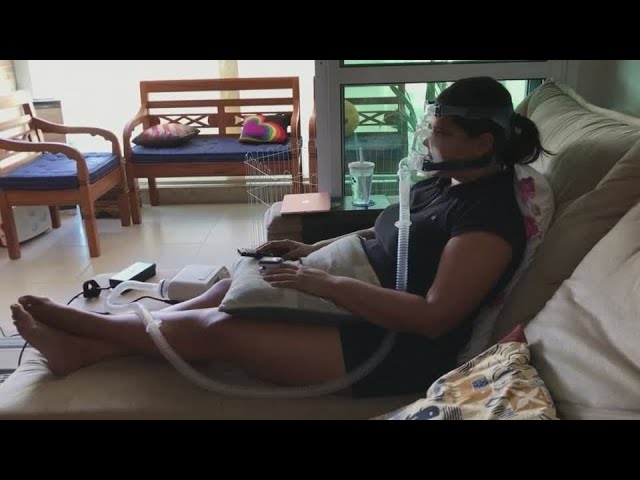
Elderly man drinking coffeeLate-life depression, researchers have found, increases self-neglect, cardiovascular problems, morbidity and risk of suicide while it also leads to worse social and cognitive functioning, compromising quality of life. Heart problems and high blood pressure among other health concerns have been linked to geriatric anxiety.
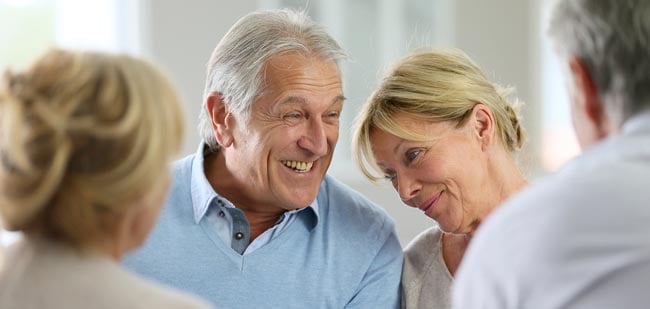
 Risk factors for geriatric depression and anxiety have been illuminated through studies. Those elderly are more likely to experience psychological problems, particularly depression when they are among those who deal with serious age-related physical handicaps as well as cognitive decline. They tend to be lonely; often they are in a state of grieving or dealing with loses.

They have much in common in depression outcomes with elderly people who bear regret mourning a life they consider not to have been well lived, and who struggle to find meaning in their lives. As people reach into their declining years a host of existential concerns loom foremost in their minds. Taken for granted that the older people become the more they reminisce over long-ago events, psychologists find value for them in recalling those events.

Erik Eriksons photograph.
Erikson: feeling a sense of accomplishment
Erik Erikson, one of the most influential psychologists of the 20th century, thought the final stage of life focused on reviewing life, integrating positive and negative memories and ending with a coherent sense of  a purposeful life; in other words, one of satisfaction. People who experienced a particularly difficult time with the process might feel despair at the conclusion of their personal processing of the past, he postulated.

According to research, thoughtful reviews of a life from the perspective of the past to the present has the effect of improving mental health, an affirmation of a life lived. Individuals who are depressed find the process difficult in recalling positive events or reflecting backward as their lives progressed in ways neither negative nor self-critical. These people tend to recall events generally, as abstract events lacking detail. 

They are guided toward a strategy to emphasize the positive in situations past, recalling good times in their lives and in so doing sketching in their minds a recall of details in concrete and sensory mode, as much as possible. During the period of the pandemic many people appear to have gained clarity surrounding what really matters in life, centering on thinking beyond oneself to connect with others.
 
9 Reasons Why Reminiscing Can Benefit Seniors
 
Transcending the dour appeal of negative thought and conclusions can be achieved through other means such as focusing on creating something worthwhile. Lending one's support to charitable groups, tending a garden, indulging in expressing one's aesthetic through painting or a hobby, can all elevate mood and create a sense of satisfaction. As can re-connecting with religious devotion.

The presence of a worldwide catastrophic event such as the global pandemic which has exacted a death toll of 750,000 in the United States and close to 30,000 in Canada has turned many people toward contemplating illness, incapacity and death. The end of life becomes more immediate and more acutely imagined than at any other time in recent history. Its impact carries a grim toll on everyone.

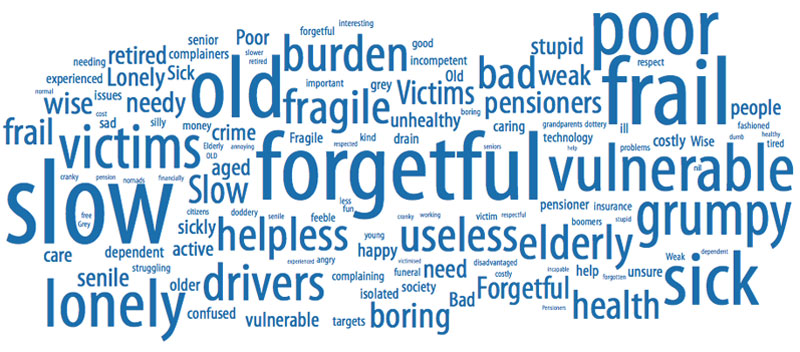
Word cloud showing large words life slow, forgetful, vulnerable, grumpy, frail, old, poor, sick, lonely, and medium-sized words like useless, helpless, drivers, boring, burden, victims, bad. Smaller words are wise, retired, senior, costly, help, need, and active.
Avoidance of negativity

Labels: , ,

Wednesday, May 26, 2021

Will The Spirit Molecule Aid Recovery from Ischemic Stroke?

"The idea is can we stimulate neurogenesis without being psychedelic? And I think that's a really clever idea. No one knows. But if it works, it's very exciting."
"How you keep it [N-Dimethyltryptamine] a sub-psychedelic dose is going to be challenging, and we've got some ideas about that, but also if people are conscious, they can talk to you. If they start to say 'I don't like the side effects I'm seeing, I'm thinking funny thoughts', you can just turn it off and literally within a minute the effect dissipates."
"The barriers are still immense [to testing psychedelic drugs]. But we're hoping that the more research is done and the more clinical utility is demonstrated that the barriers begin to come down. At present they're enormous and they add vast costs but also time. Getting import-export licenses for these drugs is a pain in the butt. It can take months to get permission to move the source compound across to another country to do the testing."
"Before I was sacked, no scientists in Britain would actually tell the truth about drugs, they didn't ever want to confront the fact that the biggest killer in Britain is alcohol. And after I was sacked everyone said, 'Of course it is. It's obvious. So why do we care about these psychedelics that aren't very harmful at all?' So the public completely swung around to us."
"The fact that Oregon is now legalizing mushrooms, against federal law, against the UN Convention, tells us we won the argument in the public. But we've still got to win it with the politicians."
Dr.David Nutt, psychiatrist, neuropsychopharmacology professor, Imperial College London
In February, Algernon Pharmaceuticals announced it was planning to be the first company in the world to test DMT in human clinical trials for stroke.
When Dr. Nutt was the top drug adviser to the U.K. government his condemnation of alcohol as the drug responsible for untold deaths, along with tobacco, as opposed to mild-to-moderate psychedelic drug use that was in contrast relatively harmless, landed him in hot water. His candid assessment ran counter to political views and he was fired from his position with the government of the U.K. ten years ago for his opinion expressed publicly that alcohol and tobacco were more harmful to individuals and society than LSD, ecstasy or cannabis.

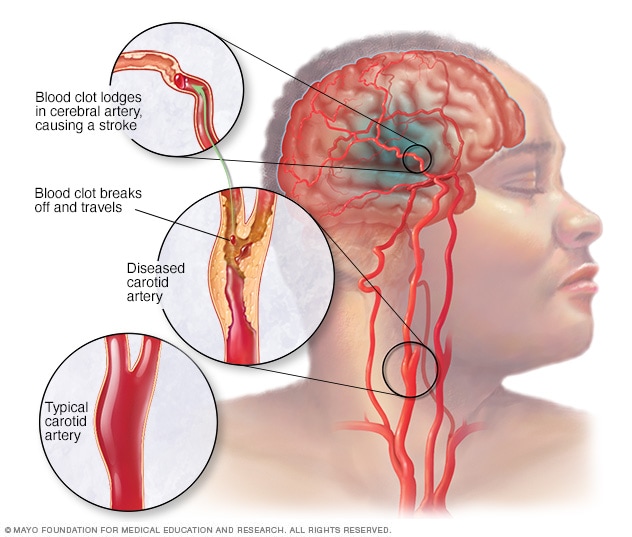
While the learned professor, now 70, is still teaching and doing research at Imperial College and remains involved in trials with psychedelic medicines, he is also a consultant on a new trial that may bring hope to the treatment of ischemic stroke. Most strokes are ischemic, occurring when blood flow to the brain becomes obstructed. Options for treatment remain limited. A study published in the Annals of Neurology documented over a thousand drugs thought of as potential neuroprotective therapies tested from 1957 to 2003, none of which tested as viable options for effective treatment.

Stroke - Symptoms and causes - Mayo ClinicA clot-clearing drug, tissue plasminogen activator (tPA) was approved by Health Canada in 1999 for the treatment of ischemic strokes, but for the drug to be effective, it requires administration within several hours of the onset of stroke symptoms. Since tPA can also be deadly administered to someone who has experienced a hemorrhagic stroke, patients must wait for a CT scan before receiving treatment, a delay whose outcome can be devastating.

Billions of dollars and decades have been spent while researchers searched for alternative drugs capable of preserving neurons and which in the best of all possible scenarios could be administered to patients without a scan being required. Algernon Pharmaceuticals based in Vancouver announced its plans to test the psychedelic compound recognized as belonging to the tryptamine family which includes substances like psilocybin, ketamine and LSD. DMT is familiarly known as "the spirit molecule". It occurs naturally in varieties of vegetation, some made use of in South America for religious ceremonies for centuries.

The pharmaceutical company anticipates that the drug will prove able to promote neurogenesis and neural plasticity to initiate new synaptic connections, and if it succeeds, stroke victims would be enabled toward faster recovery, with less ensuing damage. Continuous intravenous injection is visualized at a sub-psychedelic level so patients would not be exposed to hallucinations in its administration. Algernon submitted a proposal to the U.S. Food and Drug Administration respecting the design and scope of its preclinical and early phase stroke clinical programs.

Phase 1 of the trials purposes to establish dosages and the safety of the treatment, with the next phase to focus on recovery and rehabilitation. There is an existing foundation of pre-clinical studies demonstrating that DMT is capable of promoting neuroplasticity. The neuroprotective effect of DMT was demonstrated in a study published a year ago in the journal Experimental Neurology, with the use of an animal model. Once blood flow to the brain in rats was restricted, those treated with DMT suffered fewer lesions on the brain and recovered faster, with fewer severe effects.

Acute Ischemic Stroke Diagnosis and Treatment Market AnalysisAlgernon which harbours the expectation that its microdosing approach may serve to encourage a wider review and acceptance of the therapeutic potential of DMT, introducing the opportunity for further research, believes its approach could have the potential to lead to a Breakthrough Therapy Designation from the FDA, enabling priority review and fast-tracking of the clinical trial process. Dr.Nutt notes that these types of substances require rescheduling for real progress to occur. "If the schedules don't change, they're not going to be medicines, that's a fact."
"[I'm] hanging on to see sanity eventually prevail over the drug policy."
"It is buzzing at present and I think that even if only half of the hope comes to fruition [it] is still going to be a hell of an event."
"I hope I live long enough to see it all sorted."
Dr.David Nutt, psychiatrist, neuropsychopharmacology professor, Imperial College London

Labels: , , , , ,

Wednesday, January 27, 2021

Hope for Spinal Cord-Injured Patients

A hand picking up a tiny bead
Marcus Donner/Center for Neurotechnology
"As a rehabilitation physician, my experience was that there was always a limit to how much people would recover."
"But now it looks like that's changing. It's so rewarding to see these results."
Dr.Fatma Inanici, lead author, research, University of Washington 

"Both people [in the study] who had no hand movement at the beginning of the study started moving their hands again during stimulation, and were able to produce a measurable force between their fingers and thumb."
We're seeing a common theme across universities -- stimulating the spinal cord electrically is making people better."
Chet Moritz, associate professor of electrical and computer engineering, rehabilitation medicine and physiology and biophysics, University of Washington
A timeline blocking out the treatment plan for each month of the study
 
Participants in a new study out of the University of Washington have seen significant improvements in their mobility with a five-month exposure to physical therapy and spinal cord electrical stimulation. The complete mobility impairment that results from spinal cord injury devastates lives; victims are unable to engage in simple taken-for-granted tasks like eating or drinking on their own; they become completely dependent physically on vital daily assistance to aid in ordinary life-tasks.

Spinal Cord Injury B.C. estimates there are 85,556 people in Canada whose physical decline has resulted from spinal cord injury, with no cure for the condition. Typically, patients take part in exercise therapy in hopes of improving motor function, while previous research has indicated that implanting a stimulator to deliver electric current to a damaged spinal cord could offer help to paralyzed patients in their goal to recover mobility.
 
Two researchers watch as a participant squeezes a device to test his grip strength
Chet Moritz (left) and Fatma Inanici (center) observe as a participant (right) measures grip strength (by squeezing the device in his hand). The participant has sensors on his arms (black cases) to measure his arm muscle activity during the task. Note: This photo was taken in 2019.  Marcus Donner/Center for Neurotechnology
 
Researchers at University of Washington have gone one step further in a bid to accelerate the drive toward success in restoration of a measure of mobility for those with spinal cord injuries. A non-surgical therapy with the use of patches to stick to the skin like a Band-Aid delivers electrical pulses to the injured area. Their study, operational for five months, recruited six people with spinal cord injuries among whom some were able to move fingers and thumbs, and others possessed no mobility at all.

Researchers monitored baseline limb movement in the first four weeks of the study, moving on to include intensive physical therapy for the second month, training three times weekly for two hours. In the third month physical therapy was combined with Transcutaneous Electrical Spinal Cord Stimulation. The last two months of the study saw participants grouped in the severity of injuries where those with less severe injuries received an additional month of training followed by a month of training in combination with stimulation.
 
The participants with more severe injuries saw their training combined with stimulation followed by training alone, and while some participants regained some level of hand function during training alone, all six participants realized improvements when stimulation was combined with training. Participants moreover, maintained improvements, able to resume hobbies some three to six months following treatment. 

What turned out to be equally if not more encouraging was that some participants saw improvements in other health areas including achieving normal heart rate, improved body temperature regulation and in bladder function.

A researcher attaches small round patches to the back of a participant's neck
Fatma Inanici applies small patches that will deliver electrical currents to the injured area on a participant’s neck.    Marcus Donner/Center for Neurotechnology

Labels: , , , , ,

Friday, August 14, 2020

Health Professionals, Learning First-Hand What COVID Recovery Is Like

"This disease -- I've never seen something that destroys the lungs in the same way. There's no point of comparison. Even talking can become a struggle."            "It feels like the air is never going to fill up in your lungs again."                            "To understand what the patient is feeling, it changed me."                                      Ana Carolina Xavier, 33, physical therapist

"One thing we have begun to notice is a fatigue syndrome that patients apparently cannot overcome, even a while after recovering from COVID-19."                        "I've had patients who a month-and-a-half after recovering, still feel tired."          Lucia Viola, pulmonologist, Fundacion Neumologica, Colombia

https://s4.reutersmedia.net/resources/r/?m=02&d=20200805&t=2&i=1528483203&r=LYNXNPEG741GU&w=1175
Physiotherapist Ana Carolina Xavier of FamilyCare, a group specialising in mobile physiotherapy care, and who also works at the ICU of Lagoa-Barra field hospital for COVID-19 patients, is treated by a colleague with the Brazilian physiotherapy method called RTA (Re-Balancing Thoracic-Abdominal), after being diagnosed with coronavirus disease (COVID-19), at her house in Rio de Janeiro, Brazil June 25, 2020. REUTERS/Ricardo Moraes

Working as a physical therapist in a Rio de Janeiro field hospital, Ana Carolina Xavier ended up with a throbbing head, her lungs attempting to expand to take in air, while her heart pumped strenuously. She had been giving physiotherapy to up to six patients recovering from coronavirus daily, aiding them to gradually recover lung capacity, giving little thought to her exposure and the possibility of contracting the disease herself. But she did.

https://i.ytimg.com/vi/Hpo1irpl0SI/sddefault.jpg
Ana Carolina Xavier, therapist, became a patient in June  Still from video

And in so doing, became a COVID-19 patient herself. She had become familiar with the type of damage wreaking havoc on patients she helped; young and otherwise healthy, but under the influence of the disease, struggling to catch their breath.

Then, a scan of her lungs indicated the very same kind of damage. She has recovered, but her condition remains anything but normal, necessitating that she pause frequently from whatever she is doing, to take the time to rest and recover. 

She suffers frequent headaches. Blood oxygen levels occasionally descend, weeks after her recovery. Ms. Xavier and other frontline health workers who tend to the needs of COVID patients are increasingly warning of lingering respiratory issues. Issues that may in time be recognized as long lasting and even perhaps permanent damage done to the lungs of COVID-19 patients.

They speak of young or middle-age adults who had experienced symptoms seen to be moderate, never having to enter emergency, much less be placed on ventilators, despite which their daily lives have been altered beyond recognition by symptoms that appear to have become chronic. Irrespective of these events impacting people presumed to have recovered from the novel coronavirus, these same patients show up in government statistics as "recovered".

A "call to arms" appeared in The Lancet medical journal in May, written by experts hoping to raise awareness of recovered coronavirus patients who have, despite their assumed recovery, gone on to develop pulmonary fibrosis -- irreversible scarring of the lungs, causing fatigue and shortness of breath. Two such patients have had to undergo coronavirus-related lung transplants in the United States; one of them 28 years of age.

Ms. Xavier confirmed that several of her own patients also developed fibrosis. Feeling out of breath merely from making coffee or taking a shower, she now knows directly and personally just how her patients feel, some of whom had described to her feelings of exhaustion after walking  up stairs, even turning around in bed.

She had been inspired to become a physical therapist when she saw her grandfather, suffering from Parkinson's Disease, aided through therapy. When she initially began working with COVID-19 patients she thought of herself as analogous to an athletic coach, striving to persuade patients work through their exhaustion. With her newfound experience she understands when they require rest, before carrying on.

Ana Carolina Xavier, treating a patient as a physiotherapist, in the Rio field hospital

Labels: , ,

 
()() Follow @rheytah Tweet