Blog dedicated primarily to randomly selected news items; comments reflecting personal perceptions
Saturday, May 22, 2021
The Dread Lyme Disease
"What we see a lot -- both with pain and Lyme disease -- is that when we can't provide a good explanation about what's going on, we act like it's somehow the patient's fault. Like it must be all in their head."
"Imagine if you had these terrible symptoms and they occurred every day and they got in the way of your ability to socialize, to work, to enjoy your family -- and people kept telling you that you were making ti all up. That's a terrible way to live. It's a challenging problem and one that we would like to reverse."
"We're starting from the idea that people's symptoms are real and we want to hear about them. Sometimes in these studies we treat variations and individual differences as 'noise'. We'll say, 'This person doesn't really fit the profile of what we're looking at. Maybe we should study someone else who fits better'. What we're saying with this study is 'We've got you'."
"There's been lots of good research on Lyme disease and we've got some good treatments now, but a lot of people are being left behind. We're hoping to narrow that gap."
Dr.Tim Salomons, professor of psychology, pain research, Queen's University, Kingston, Ontario
"I told my daughter the other day that living and dealing with colon cancer is so much easier than living with Lyme."
"Doctors believe you and they're willing to treat you [with cancer], whereas with Lyme disease it's so painful trying to find a doctor who is actually willing to listen to you and treat you."
"Most doctors are afraid. There's so much backlash against Lyme."
Fourteen years ago while on a job site in Virginia, environmental engineer Julie Konzuk contracted Lyme disease through tick bites. Usually in the spring months deer ticks, also called black-legged ticks, fasten themselves to any exposed flesh when people (or animals) walk through forests or tall grasses. Once a tick latches on it begins to engorge itself with its victim's blood over a period of time, and this can be overlooked by the afflicted person, feeling nothing, oblivious to the presence of the tick. At the point of entry before drawing blood, the tick injects an anesthetic; little wonder people are unaware they're bitten and the tiny tick is drawing blood. And at the same time conferring on its victim a miserable affliction that can entirely change their lives.
In that fourteen years since Ms.Konzuk was diagnosed with Lyme disease, as a result of her exposure to black-legged ticks infected with the bacteria that cause Lyme disease, she has been prescribed countless regimens of antibiotics, and she has tried naturopathic remedies, but the fatigue, headaches and muscle pain always return. Shortly after she was exposed to the tick bites she suffered searing headaches, face and joint pain, severe fatigue sapping her energy and "brain fog", leaving her forgetful of her normal vocabulary. It took a matter of weeks and she lost 10 kilograms of weight.
She underwent round after round of therapeutic antibiotics, resulting in brief temporary respite, but her symptoms always returned. Some doctors refused her treatment, citing the many she had already undergone. Simultaneously she also suffers from Stage 4 colon cancer, the treatment of which she is better able to accept than the frustration and pain of living with Lyme disease. It is precisely her experience, mirroring that of many other people who have contracted Lyme disease that the new research project headed by Dr.Salomons hopes to address.
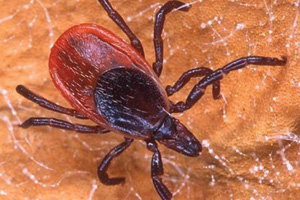
Lyme-bacteria-carrying ticks slowly made their way from the south-eastern United States into Canada over the years. Now, in the Ottawa area the last five years has seen these ticks become well established. There were 22 recorded cases of Lyme disease in 2014; by 2019 that number had risen to 181, and last year the number reached 120. In some areas of the city, of the ticks collected, two-thirds tested positive for the Lyme-causing bacteria. The surveillance has been placed on temporary hold while all attention has been focused on the coronavirus pandemic. Strangely enough symptoms of both COVID-19 and Lyme overlap.
The research team from Queen's University partners with experts in genetics, antibiotic resistance, biochemistry, pain research, and environmental and ecological factors. Their focus is analyzing the collection of experiences people living with Lyme disease relate to them, in hopes they can more fully understand more about the various ways the disease can manifest its presence. "There may be one person whose symptoms perhaps seem atypical, but if you put them all together then maybe there's a bunch of people in the Ottawa area that have similar symptoms.
"And people in Vancouver might have different symptoms. Once we have a lot of data, we can cluster those people together and have a basis for our other studies", explained Dr. Salomons.
"He had been touched and licked, but not bitten or injured, by his dog,
his only pet, in previous weeks." "Pet owners with banal, for instance flu-like, symptoms should urgently seek medical advice when symptoms are unusual." Paper produced by doctors from the Red Cross Hospital, Bremen, Germany
"[The type of bacterium, capnocytophaga canimorsus, is] completely normal
flora of a dog's mouth and usually doesn't cause any sort of significant
disease." "However, in the wrong place, at the wrong time, in the wrong
patient ... it can lead to severe infections -- but very, very rarely." Dr. Stephen Cole, lecturer, veterinary microbiology,
University of Pennsylvania School of Veterinary Medicine
Many studies show the health benefits of dog ownership. Dogs not only
provide comfort and companionship, but several studies have found that
dogs decrease stress and promote relaxation. Dogs have positive impacts
on nearly all life stages. They influence social, emotional, and
cognitive development in children, promote an active lifestyle, and have
even been able to detect oncoming epileptic seizures or the presence of
certain cancers. But for all the positive benefits of keeping dogs, pet
owners should be aware that dogs can carry germs that make people sick. Although germs from dogs rarely spread to people, they might cause a
variety of illnesses, ranging from minor skin infections to serious
disease. To protect yourself and your family from getting sick:
Seek routine veterinary care for your pet and
Always wash your hands and the hands of children with running water and soap after contact with dogs, their stool, and their food.
By providing your pet with routine veterinary care and some simple
health tips, you are less likely to get sick from touching, petting, or
owning dogs. Centers for Disease Control and Prevention (CDC)
He was 63 years old, a German dog owner living in Bremen, and circumstances conspired to rob him of future years, a hugely unusual occurrence, when the man's dog transferred to him through a simple 'lick' that most dog owners interpret as a 'kiss', a common bacterium that most dogs carry. The bacterium transfer rarely results in an infection, but this time it did, on steroids. The man had severe symptoms usually associated with flu, along with laboured breathing, round skin spots like rashes from bleeding capillaries.
When he was admitted to hospital doctors found a stable heartbeat, but an internal temperature of 39C. Because of his laboured breathing an inadequate supply of oxygen reached his tissues, and his kidneys failed to produce urine. Everything about the man's presentation puzzled the doctors who suspected bacteria, but the puzzle continued with a lack of open wounds and no sign of meningitis. By his fourth hospital day a blood test revealed the presence of bacteria commonly found in healthy dogs' saliva, transmitted most commonly through bites.
Details of the man's experience, and his rapid deterioration despite all that medical science could offer in a modern, well-equipped and highly professionally-staffed hospital were published in the European Journal of Case Reports in Internal Medicine. It became clear to doctors that the man had severe kidney injury and a deterioration of muscle tissue resulting from kidney failure, as well as a lactic acid buildup in his bloodstream.
Transferred to an intensive care unit, diagnosed with severe sepsis with skin death and blood clotting, he was treated with antibiotics but his condition continued to grow graver in the following 30 hours. By then doctors were able to diagnose brain disease, paralysis-caused intestinal blockage, blood clotting and kidney failure, all destroying his body. On entering cardiac arrest he was resuscitated, intubated, placed on a breathing machine, and treated for low blood pressure.
Doctors added another antibiotic and an anti-fungal treatment to his regimen following a test that indicated C.canimorsus infection, while some symptoms waned and others became more compromised, and in the end, no amount or type of treatment worked to save the man's life. All his extremities had gangrene; a CT scan showed severe brain swelling caused by lack of oxygen. He lived for 16 agonizing days following his hospital admission.
Researchers caution the public that C.canimorsus infections are blessedly rare, typified by a range of symptoms. And that most people who have contracted severe or fatal infections from the bacteria did so as a result of having had immune, spleen or alcohol abuse issues. Soberingly, this patient's medical history lacked any such conditions.
"The Capnocytophaga canimorsus
bacteria is well known to infectious disease specialists as being part
of the normal bacterial population that exists in the mouth of dogs, but
not in cats or humans."
"Dogs represent a 'peculiar ecological niche for this
bacterium [but it] doesn’t cause illness in dogs, and it usually
doesn’t cause illnesses in anyone else, either."
"[On
occasion, dog bites can be] complicated by this bacteria, but even then
it’s rare. This case in unusual in the extreme. This man’s ‘best friend’
was simply being friendly, doing what thousands of other dogs do every
day, slurping or licking their masters on their noses, mouths, and
lips—it happens all the time." "[There’s nothing wrong with immunodeficient people having dogs, they] just shouldn’t get that intimate with them." William Schaffner, infectious diseases specialist, Vanderbilt University Medical Center, Nashville, Tennessee
"We've developed a technique that we could see how the antibiotics are trying to stab the bacterial cells." "The big challenge that we are facing is that the drugs we used to treat diseases with are in the process of not working anymore because bacteria are becoming more and more resistant to these drugs." "The idea we had is every disease and bacteria is treated differently so we tried the opposite -- to see if there are common properties of all bacteria, if there is a general mechanism for this bacterial resistance that one could tackle." "The antibiotics kind of poke into that membrane [surrounding the bacteria] and stab the cell to death. But the bacteria found a mechanism to reduce the [electrical] charge they have, which makes them less attractive to antibiotics, and they made their membranes tougher." "There are many, many bacteria out there, and so many antibiotics, but
by proposing a basic model that applies to many of them, we can have a
much better understanding on how to tackle and predict resistance
better." Maikel Rheinstadter, physics professor, McMaster University, Hamilton
"For the drug, it's like going from cutting Jell-O to cutting through rock." "We wanted to find out how this bacteria, specifically, was stopping
this drug in this particular case. If we can
understand that, we can design better antibiotics." "If you take the bacterial cell and add this drug, holes will form in
the wall, acting like a hole-puncher, and killing the cell. But there
was much debate on how these holes were formed in the first place." Andree Khondker, undergraduate bio-chemistry student, McMaster University
Maikel Rheinstädter (left) and Andree Khondker. (Photo by JD Howell)
Two researchers out of McMaster University in Toronto, one a professor of physics, the other an undergraduate in bio-chemistry, have recently published a research paper in Nature Communications Biology outlining and explaining their finding, that bacteria fight off antibiotics through stiffening their cell membranes, altering the electrical charge in the barrier, thus appearing a less inviting target to the drugs.
Their focus was on polymyxin B, used when all other antibiotics have failed. Chinese researchers had earlier discovered the presence of a gene permitting some bacteria to evolve resistance to this most powerful of drugs. Dr. Rheinstadter explained how his team made use of X-ray imaging, alongside computer simulations, to achieve molecular-level resolution to enable them to view the polymyxin B interacting with the antibiotic-resistant bacteria.
Using this technique they were able to view bacteria at a resolution one-millionth the diameter of a human hair. The application from a physics perspective with the use of techniques most frequently found in materials research succeeded admirably. There is a membrane wrapped around bacterial cells often negatively charged -- while many antibiotics have a slightly positive charge and so they become attracted to the soft membrane.
By hardening the membrane, that attraction is no longer viable. About 700,000 people die annually around the world as a result of drug resistance to illnesses, according to the World Health Organization. With this knowledge of how bacteria resist antibiotics, researchers will be more geared toward designing drugs to circumvent this bacterial defence strategy.
"We also think we can use it to screen through potential antibiotic drug candidates", explained Dr. Rehinstadter. "If researchers come up with new ideas, we can quickly test them [to determine whether they will work]."
"[The goal is to produce water] that is ultra high quality and secure, totally disconnected from all infrastructure." "Just take a breath of air. Take a deep breath. No matter how wealthy or poor you are, you can take a breath and own that air that you breathe." "And yet water -- the government brings it to you." Cody Friesen, founder, CEO Zero Mass Water, California
"You're going to get 99 percent of the bad stuff out. But now you have dead water." "Real water should expire after a few months.] It stays most fresh within one lunar cycle of delivery." "If it sits around too long, it'll turn green. People don't even realize that because all their water's dead, so they never see it turn green." "Tap water? You're drinking toilet water with birth control drugs in them." "On top of that they're putting in fluoride. Call me a conspiracy theorist, but it's a mind-control drug that has no benefit to our dental health." Mukhande Singh, founder, Live Water
Live Water
"Without water treatment, there's acute and then chronic risks." "There's evidence all over the world of this, and the reason we don't have those conditions is because of our very efficient water treatment." Dr. Donald Hensrud, director, Healthy Living Program, Mayo Clinic, Rochester, Minnesota
"The natural food industry has been in the dark ages when it comes to water." "Now there is a renaissance [in the sale of untreated water]." Seth Pruzansky, CEO, Tourmaline Spring
"It has a vaguely mild sweetness, a nice smooth mouth feel, nothing that overwhelms the flavor profile." Kevin Freeman, shift manager, Rainbow Grocery cooperative, San Francisco
Catherynne ValenteVerified account@catvalente
I need you to understand that in this article the Raw Water people are talking about the flavor profile & “mouth feel” of untreated, unfiltered water they found somewhere, for which they charge $36.99 per 2.5 gallons.
Spoiler: the mouth feel is giardia, the flavor is dysentery.
8:57 PM - 30 Dec 2017
It's the hugely popular next-to-the-Earth-and-Mother-Nature experience, spurning tap water that has been filtered and treated to remove minute particles of effluent and bacterial content, in the process producing potable liquid safe to drink that modern technology has made possible allowing us to bypass pathogens waiting to pounce and make us ill from their contaminating influences playing havoc with our immune system and bodily defences.
Getting off the water grid complements removing one's lifestyle from all the 'grids' that make modern life secure and comfortable. No end of start-ups have been popping up in the United States promising "raw water" will rejuvenate your taste and your lifestyle, and they will deliver the goods; unfiltered, untreated, unsterilized spring water. Yours to be had for $36.00 each 10 liters, and a mere $14.99 for refills. Rush right over to Live Water.
There's Tourmaline Spring in Maine, Live Water in Oregon, Zero Mass Water in Silicon Valley. With it, you can evade that ubiquitous chemical, fluoride; nor will you be drinking water that has passed through lead pipes. The beneficial minerals that have been filtered out will be yours to imbibe with 'raw' water. Millions of dollars have gone into funding this fringe phenomenon heading for mainstream culture, thanks to the influence and investment from Berkeley California's Silicon Valley.
You too can have installed a Source system retailing for a mere $4,500 (including installation), that works by drawing moisture from the air to filter it, and produce ten liters of water daily, storing up to 60 liters. Alternately, make your at-home-produced pure water through the use of a reverse osmosis filter. Yet bear in mind, your goal is not to achieve the production of pristine water. You do want to have all the benefits, according to Mukhande Singh, founder of Live Water, of "real water" containing the richness of natural minerals.
On the other hand, Dr. Hensrud points out that E.coli bacteria, viruses, parasites and carcinogenic compounds can all be present in untreated water. As for fluoride, in point of fact science has never identified it with mind-control capabilities, but there is ample scientific evidence through research that it does a bang-up job in aiding dental health. It is, perhaps, mental health that comes top of mind when ruminating over the propensity of people to equate 'natural' with good and 'treated' with threats to health.
"Our hope is that by correcting bacteria on the skin, [eczema] patients won’t
have to do constant treatment." "Those bacteria [colonizing the skin of eczema patients] are deficient compared to the same bacteria taken
from a healthy volunteer." "We have done some genetic testing that tells us definitively that those bacteria are different. We took the bacteria from healthy people and we saw that the bacteria
does everything you would want it to do to improve atopic dermatitis in a
petri dish and in mice. In mice, we can actually make their disease go away with this bacteria." Dr. Ian Myles, National
Institute of Allergy and Infectious Diseases, National Institutes of Health
Most eczema drugs are creams or lotions designed to soothe the inflammation that makes eczema so uncomfortable. aniaostudio / Getty Images
The human skin’s microbiome — the collection of bacteria,
fungi and other microorganisms that live on the skin are there to protect us. New research appears to indicate that people suffering from eczema have faulty microbiome, which fail to do the work they have been assigned, to protect those whose skin they colonize. Now, it seems that a promising new treatment is on the horizon, and its cost, when proven beyond a doubt to represent the solution scientists hope it will, is estimated to be around $100 for treatment for a year.
That certainly compares most favourably with, for example, a new eczema drug which the Food and Drug Administration has recently approved called Dupixent, an injectable drug that comes with a $37,000 yearly price tag to help ease the intolerable itch, swelling, redness and crusting (typical of the most sever cases of eczema) that comes with eczema. And while most such medications come in the form of creams or lotions whose purpose is to soothe eczema inflammation (atopic dermatitis), this new drug alters the immune system response underlying inflammation, as a monoclonal antibody.
That's the old way of treatment, and Dr. Myles and his colleagues feel that they are on to something simpler and possibly far more 'natural', and useful in its capacity to overturn the disharmony of skin microbiota whose faulty presence promotes the presence of eczema. Dr. Myles and his researchers appear to have validated in their research that the species of bacteria populating the skin of people with eczema while appearing the same as those of healthy people, are in reality weak and incapable of guarding against harmful bacteria like Staphylococcus aureus.
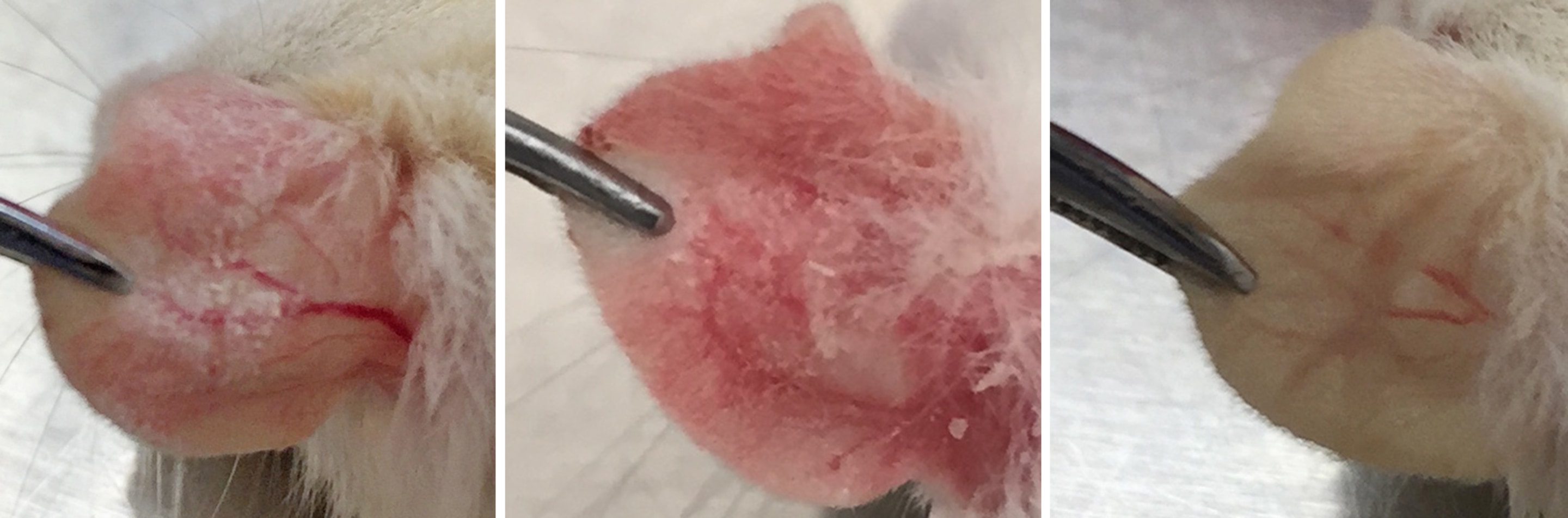
From
left, a mouse with ordinary eczema, a mouse treated with Roseomonas
bacteria from an eczema patient and a mouse treated with healthy
Roseomonas. Dr. Ian Myles, national Institute for Allergy and Infectious Diseases
Their laboratory results have been encouraging in the growth of bacteria resourced from healthy volunteers and those with a topic dermatitis, both. With the focus on one species in particular, Roseomonas mucosa, human skin cells in lab dishes and on mice render test results showing that healthy versions of R.mucosa are capable of eradicating eczema, producing healthier skin cells.
Theirs is not the only research team attempting to prove that good bacteria can help treat eczema.
The National Institutes of Health is also funding research whereby Dr. Richard Gallo of the University of California, San Diego and his colleagues are working on producing a lotion with two benign staph bacteria -- Staphylococcus hominis and Staphylococcus epidermidis -- to challenge the harmful effects of the Staphylococcus aureus.Dermatologist and biologist Dr. Gallo has concocted with his colleagues what is considered an innovative microbial eczema treatment.
The discovery that Dr. Gallo made was that Staphylococcus hominis and Staphococcus epidermis have the capacity as friendly microbiome, to kill Staphylococcus aureus, known to be involved in eczema production. S. hominis and S. epidermidis were swabbed from volunteers' skin with eczema to grow the bacteria in the laboratory, then to produce a lotion incorporating the microbes. Following which the balm was applied experimentally to the forearms of volunteers, vastly increasing their own helpful skin bacteria.
The results were seen in 24 hours when the probiotic lotion succeeded in almost eliminating S.aureus from the volunteers' skin. Enabling the researchers to identify compounds used by the beneficial bacteria to deter S.aureus. Their results were published in Science Translational Medicine. Last year another study had Dr. Gallo and other researchers inject a beneficial strain of Staphylococcus epidermidis with food it digested into mice ears, thus encouraging the growth of S.epidermidis, in turn reducing both the number of P.acnes and the level of inflammation.
A team in South Korea and the United States demonstrated that an extraction from Heliocobacter pylori, commonly found in the human stomach, also can inhibit P.acnes, decreasing skin inflammation in mice, in 2014. It was demonstrated by scientists in Canada that people who take both probiotics and antibiotics result in significantly fewer acne lesions in the space of 12 weeks, in comparison with others taking only one or the other.
These promising new treatments' potential have alerted private companies to the obvious, that they want to be next in line to capitalize on a growing market for consumers prepared to switch their preferences to probiotic cosmetics, toiletries and topical treatments, even to the point where one enterprising biotech company now promotes a "live probiotic spray", to replenish beneficial skin bacteria.
As far as Dr. Gallo is concerned, his experimental lotion represents an "evolutionarily honed" treatment. "There are so many new potent medicines right under our nose", he stated.
"There are a lot of ticks now that carry the bacteria that cause Lyme disease so we have to be able to provide some answers on how to better prevent infection and treat the disease." "There are pockets of excellence in Canada on Lyme disease research but we want to bring them together to have more impact." Dr. Mark Ouellette, scientific director, Institute of Infection and Immunity, Canadian Institutes of Health Research
"It's a complicated disease that is quite difficult to understand -- and it's turning out to be more complex than people originally thought." Dr. Tara Moriarty, infectious disease researcher, University of Toronto
This is the two-year life cycle of ticks. (Centers for Disease Control and Prevention)
Awareness of Lyme disease spread through infected deer ticks has been an issue for decades. Less of an issue in Canada than it has been in the United States, until the blacklegged ticks, aka deer ticks, began spreading into Canada. And now that they have, and continue to spread more widely it is not only Canadians visiting deer-tick-vulnerable places in the United States that contract Lyme disease, but those being exposed to the ticks increasingly right in Canada.
It isn't of course, only humans that are susceptible to Lyme disease, but animals as well. And just as people are cautioned to be aware when they are in wooded areas, of the presence of deer ticks, and to check for ticks clinging to clothing or to human skin, veterinarians warn dog owners of the risks to animals, and that anyone spending time in forested areas would do well to check their dogs for ticks as well. For dogs there is an oral medication to protect against ticks.
For humans, avoidance is the key for the present time. Which is to be alert to the presence of these tiny ticks and if they are found, to remove them as expeditiously as possible, within a 24-hour window representing the time it takes for bacterial transmission once the tick has latched on to human skin. Those troublesome ticks can appear anywhere in an outdoor environment, but mostly in forests and tall grasses.
They don't fly, and depend on animals or people passing by so that when they brush past where the ticks are perched with their front legs outstretched on grasses or leaves, they find their victims. Insect repellent is recommended, containing DEET, as is wearing long sleeves and long pants whenever in wooded areas. If a companion animal picks up an infected tick (not all deer ticks are infected with the Lyme bacteria) it can be easily transferable to a human.
Health authorities have found an increase in cases of Lyme disease and
blacklegged ticks. A tick bite can leave a bull's-eye-shaped rash on the
skin. (CBC)
And nor do all people who have been bitten by an infected tick suffer Lyme symptoms. It is a small minority of people who develop the hard-to-treat and painful form of the disease. Scientists do not yet know whether Lyme disease leaves biomarkers in the bloodstream representing an opportunity for doctors to diagnose Lyme while yet in its earliest, treatable stages. There is more not known about Lyme disease and its threatening effects than is yet known.
And it is precisely the need to know what it is about the bacteria Borellia burgdorferi that makes people so ill when it spreads within the human body. Dr. Moriarty's laboratory has discovered that in laboratory test mice, obesity and diabetes cause greater susceptibility to the bacteria and it can be the cause of bone loss as well, in mice.
The federal government has just announced a new initiative to spur Lyme disease research to create a network to establish a nation-wide cohort of patients for the purpose of studying and tracking their experiences with Lyme disease to better understand how the disease manifests itself in those it infects, how to best diagnose and treat it, and how it persists even in people who have received treatment.
Lyme disease cases in Canada saw 144 diagnoses in 2009. An increase in prevalence and diagnoses raised that number to 917 in 2015, and growing nationwide. Estimates by public-health researchers now posit that 80 percent of Eastern Canada's population will live in areas where the ticks have established themselves by 2020, as opposed to the 18 percent represented in 2010 living in areas at risk of Lyme disease exposure.
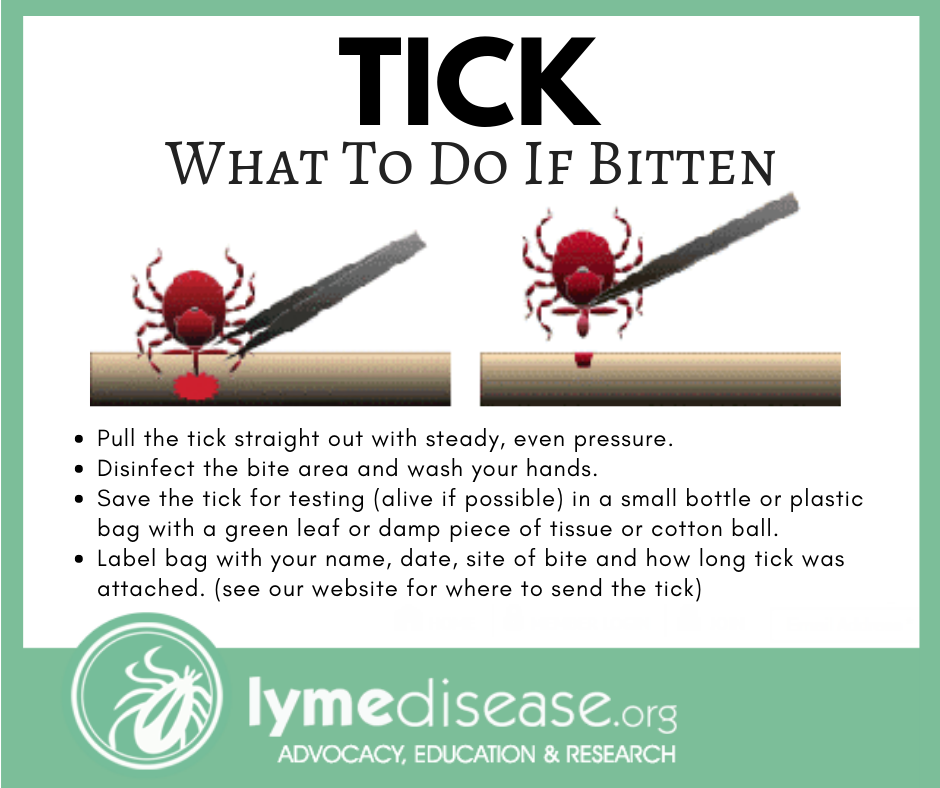
Authorities caution people that ticks should be removed with tweezers grasping the head, to ensure that the entire tick, a member of the arachnid family, is removed. Discovered in its early stages, the illness the disease creates with flu-like symptoms generally is successfully treated with antibiotics. Untreated, arthritis can ensue, along with numbness, paralysis, heart disorders and neurological problems.
How to avoid tick bites
The best way to prevent Lyme disease is to prevent tick bites by:
covering up
using insect repellent
double-checking yourself
washing and drying thoroughly
checking your pets
Cover up
Your clothing gives you an important layer of protection. Make sure to wear:
light-coloured clothing so you can spot ticks and remove them before they bite
a long-sleeved shirt or jacket tucked into long pants
tuck the pants into your socks for extra protection
socks and closed footwear
Use insect repellent
Use an insect repellent, or bug spray, containing DEET or Icaridin on clothes and exposed skin. Always read the label for directions on how to use it.
Double-check yourself
When you go to an area where blacklegged ticks live, check – and recheck – yourself by:
paying close attention to areas such as your scalp, ankles, armpits, groin, naval and behind your ears and knees
using a mirror to check the back of your body or having someone else check for you
When you’ve double-checked yourself, don’t forget to do the same for children in your care.
How to remove a tick
Removing a tick is the same for humans and animals. Follow these steps to remove ticks:
If the tick is attached to you, use fine-tipped tweezers or tick
removal tool to grasp the tick as close to your skin as possible. Do not use your fingers.
Pull the tick straight out, gently but firmly making sure to remove the entire tick (including the head). Don't squeeze it – avoid crushing the tick’s body.
After removing the tick, place it in a secure container, such as a screw-top bottle used for medication.
Give the tick to your health care professional or local health unit.
Thoroughly clean the bite site with rubbing alcohol and/or soap and water.
Lyme disease symptoms
Common symptoms include:
fever
headache
muscle and joint pain
spasms, numbness or tingling
facial paralysis
fatigue
swollen glands
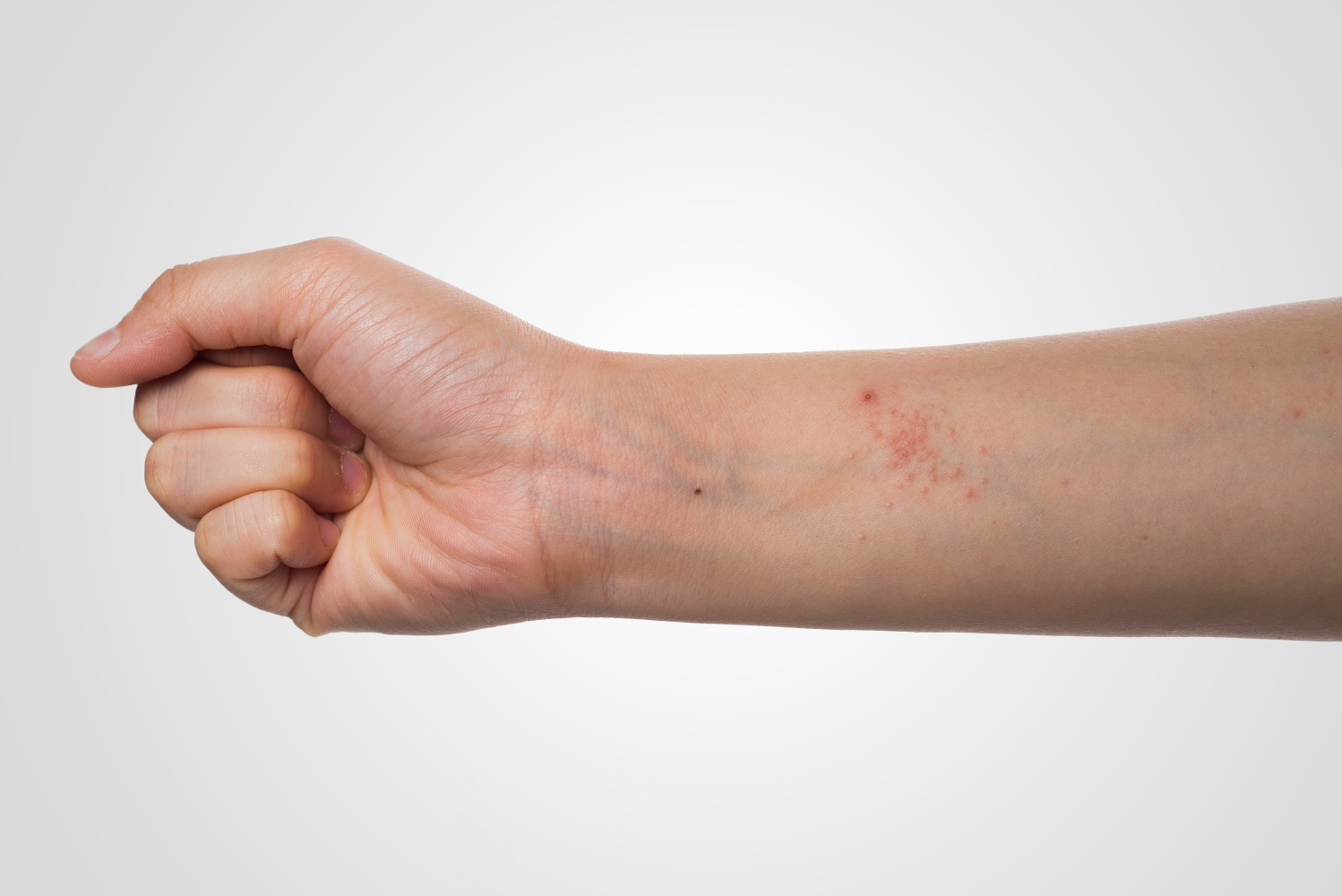
expanding skin rash
People with Lyme disease often see symptoms within 1-2 weeks. But
symptoms can appear as early as 3 to 30 days after a bite from an
infected blacklegged tick. Province of Ontario website