Ruminations

Blog dedicated primarily to randomly selected news items; comments reflecting personal perceptions

Tuesday, July 04, 2023

If You Go Out In The Woods Today

"We can now count and track when these illnesses are occurring, map it for a risk map and be able to inform the public when these diseases become more prevalent."
"It's absolutely expected that we'll have greater incidence over the next several years because this is a known wave of infections that we've seen migrate up the coastline of northeast North America and anticipate them affecting Ontarians."
"It is simply from the ability of these ticks, that are now able to survive our winters and stay and breed over their two-year life cycle."
"We've seen them migrate from the mid-eastern United States and now that wave of migration we've seen go through Connecticut and New York and these diseases are following in the footsteps of Lyme disease and we anticipate that we'll have more cases of these."
Ontario Chief Medical Officer of Health Dr. Kieran Moore 
Three types of tick-borne illness in addition to the well-known Lyme disease threat have been identified in Ontario, with an expected growth in the incidence of these diseases in the near future. Health-care providers, in view of the seriousness of the anticipated dangers to people's health, are now expected to recognize a new regulation requiring them to report cases of anaplasmosis, babesiosis and Powassan virus to their local medical officers of health.

So far, anecdotal reports and publications addressing the issue of the three illnesses being discovered in recent years in Ontario represent the need to begin their formal tracking. There has been a rise over the past twenty years in the incidence of Lyme disease, now that ticks, and in particular black-legged ticks are capable of surviving Ontario's still-harsh winters. Waves of anaplasmosis, babesiosis and Powassan virus have been seen in the United States, giving Ontario's chief medical officer of health ample reason to expect the same to begin occurring in the province.

Bacteria able to enter the human bloodstream through a tick bite causes anaplasmosis which causes fever and chills, but is also able to suppress bone marrow and the creation of white and red blood cells, as well as platelets. Ticks transmit intracellular parasites with babesiosis, which invade a person's red blood cells and burst them so that people can present with anemia, fever and chills, similar to malaria.
 
A black and white photo of a little boy.
Lincoln Byers had the first recorded case of Powassan virus in 1958. He died of complications from the virus at the age of five. (Submitted by Sue Cossar)

With Powassan virus, most infections are asymptomatic, yet some people can experience fever, headache, nausea, vomiting, weakness or aches and pains. At a later date following an acute phase and a period of remission, an infected person may become confused, have loss of coordination, difficulty speaking, paralysis, seizures or coma. Lincoln Byers was five years old when he died of complications from what is now known as Powassan virus, a tick-borne illness which can lead to infection of the brain (encephalitis) or the membranes around the brain and spinal cord (meningitis) in severe cases.

No specific treatment exists for Powassan virus disease, according to the Centers for Disease Control; patients' symptoms are managed, instead. Anaplasmosis and babesiosis can be treated with antibiotics for cases that are symptomatic. 
"Approximately 50 per cent of people who survive severe disease have long-term health problems, such as recurring headaches, loss of muscle mass and strength, and memory problems."
Associate Chief Medical Officer of Health Dr. Michelle Murti
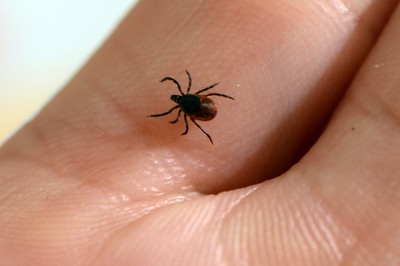
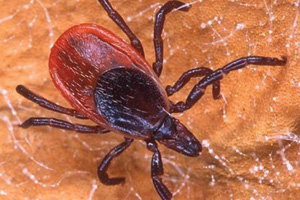
A picture of a tick with a brown body and black legs.
Photo provided by the U.S. Centers for Disease Control and Prevention (CDC) shows a black-legged tick, which is also known as a deer tick. (AP via CDC/The Canadian Press)

Labels: , , , , ,

Monday, January 09, 2023

Coping With Brain Fog, Looking for Answers

"It's a moment where the public and the medical community are realizing that this is real."
"This is what happens after certain infections."
Akiko Iwasaki, professor of immunobiology, Yale University

"'Am I like the others? Are  you seeing people like me?' I get that question every time."
"I say, nearly always 'Yes. You're not alone'."
Dennis Kolson, neurologist, Penn Neuro COVID Clinic, University of Pennsylvania
GettyImages-1205852013
Harvard Health Blog
 
During the summer of 2021, 65-uear-old Navy veteran, Edwin Hall from Fulton, Mo., spent twelve days in a medically induced coma with COVID. He needed help breathing from a ventilator. While in ICU doctors discovered probable stroke signs. Now, a year and a half later, he tries to cope with brain fog. A condition that makes him feel, he said, "lost". He was forced to retire early, as a result of the recurring symptoms.

Another victim of long-COVID, 52-year-old Colorado Springs resident Dave Nothstein, is still capable of working, but he does so remotely, for an automobile dealership. He is able to work only sufficient hours weekly to pay for his insurance. He was diagnosed with long-COVID in March, at a time when his brain was so fogged he was making carefully detailed lists to enable him to get through the day.

"As silly as it sounds, it included 'make sure to eat breakfast', 'make sure to feed the dogs', 'get the mail', 'do the laundry', 'do the dishes', he said ruefully. 

People suffering from chronic fatigue (myalgic encephalomyelitis), fibromyalgia, postural orthostatic tachycardia syndrome, Lyme disease and depression can also be affected with brain fog, according to experts. Patients after undergoing  chemotherapy may also report brain fog, described often as "chemo brain".
 
Symptoms can have "an adverse effect on occupational, familial and social lives and can result in diminished quality of life", even while the severity and duration vary from person to person, explained Jeffrey Wefel, professor and chief of neuropsychology, at University of Texas MD Anderson Cancer Center. 

After four rounds of chemotherapy for ovarian cancer Angela Hernandez, 36, of Houston, fought through months of brain fog in 2018. "You know when you dream and then you wake up and you can almost remember what you were dreaming about, but then as the seconds pass, the dream gets further and further away. That's kind of what it felt like all the time."

What Is It?
Some people suffering brain fog use words like haze, slow, drunk, lost, in describing the brain fog they experience. Certain chronic illnesses have plagued people for years with brain fog. Joined now by a new wave of people with long-COVID. 
 
According to research, a majority of people experiencing long-COVID symptoms reporting brain fog, are beset with a collection of symptoms, including impaired attention, concentration, memory and processing speed, explained Dr. Iwasaki, co-author of a review article on COVID-19-related cognitive impairment.

Dr.Iwasaki and Michelle Monje, a professor of neurology at Stanford University, examined over 100 studies relevant to cognitive dysfunction following COVID, concluding that a likely common cause is lung inflammation causing inflammation in the brain moving on subsequently to dysfunction of neural cells.

Kelsey Botti's experience began with a concussion from a snowboarding accident in 2012. A 32-year-old physical therapist from Pittsburgh, Botti was diagnosed with POTS, a syndrome characterized often by a fast heart rate, low blood pressure, and frequent dizziness, light-headedness and fainting and in some instances, brain fog.

"I wanted to cry because I was so thankful someone was helping me, and I had a diagnosis and a direction, and then I also wanted to cry because the person that I was, was completely gone", she said. She had undergone months of treatment including medication and a controlled exercise regimen to build her tolerance.Despite bumps and emergency-room visits, her symptoms have improved.

Women touches forehead while holding a mug in her other hand.
"If they don't find the right medical team to understand them, [in their search for a health professional who recognizes that even while the patient looks healthy, they feel terrible], they will pull away from health care and access health care less, so there are less opportunities for them."
Robert Wilson, neurologist, Cleveland Clinic Neurological Institute


Labels: , , , , ,

Wednesday, November 30, 2022

Diagnosing Lyme Disease

"There still remains a critical unmet need, as this disease so often goes undiagnosed or misdiagnosed."
"A diagnostic for Lyme disease may not be a panacea but could represent meaningful progress toward a more reliable diagnosis and, as a result, potentially better management of this disease."
Avi Ma'ayan, director, Mount Sinai Center for Bionformatics, New York
Lyme disease tick
Published in Cell Reports Medicine, researchers explain their method of success in pinpointing a specific set of genes activated in people with long-term Lyme disease. Close to 20 percent of patients diagnosed with Lyme disease suffer from symptoms on a long-term basis.
 
Research that led to the discovery of a significant biomarker was conduced by scientists from the Icahn School of Medicine at Mount Sinai in New York, and the Johns Hopkins University School of Medicine. The expectation now, is that a genetic test would be an improvement on current FDA-approved tests to identify antibodies, tests that can take weeks to emerge.
 
According to the researchers involved int he study, their identification of biomarkers could make early diagnosis of Lyme disease more accurate and quicker. Potentially leading to more effective treatment of the estimated 476,000 individuals in the United States alone who are diagnosed with and treated for the tick-borne illness.
 
Symptoms of Lyme disease can include fatigue, brain fog and pain, for people who have been treated with antibiotics. For the study, the researchers compared data with RNA sequenced from 72 patients with acute Lyme disease -- early symptoms such as a rash or facial paralysis -- alongside 44 control subjects not infected.
 
Differences in gene expression in those with acute and chronic Lyme disease became apparent. The list was further pared down by researchers, in comparing the gene expression of those with Lyme disease with that observed in patients with other infectious diseases. AI machine learning was then made use of to shorten the list even further.
 
The research team feel confident they have identified 35 biomarkers that distinguish people with either type of Lyme disease from those not infected with the disease. The plan is to use the biomarkers to develop a diagnostic test. Such a genetic rest would represent an improvement over current tests.
 
Earlier in the year several of the researchers from Johns Hopkins published a study in tandem with scientists from the University of California at San Francisco with the announcement they had developed a panel of 31 biomarkers, allowing them to accurately identify Lyme disease in 95.2 percent of presenting patients.
 
Diagnosing Lyme disease
Diagnosing Lyme disease remains a challenge, but the discovery of a set of 35 biomarkers may enable scientists to develop a better test for the tick-borne illness. James Gathany/CDC


Labels: , , ,

Friday, July 23, 2021

Beware Blacklegged Ticks ... Transmitting Lyme Disease and Anaplasmosis

"There has been a rise in cases. Anecdotally, my colleagues and I are seeing a larger number than in past years."
"This is the first year I can remember that we have seen multiple cases in a relatively short period of time."
"They both [Lyme disease and Anaplasmosis] make people feel pretty dreadful."
Dr.Gerald Evans, infectious disease specialist, Kingston Health Sciences Centre, Queen's University
what is Anaplasmosis
  • Although cases of anaplasmosis can occur during any month of the year, the majority of cases reported to the CDC have an illness onset during the summer months and a peak in cases typically occurs in June and July.
  • This period is the season for nymphal blacklegged ticks. Nymphal blacklegged ticks bite people and can spread the pathogen.
  • A second, smaller peak occurs in October and November when adult blacklegged ticks are most active.
Health officials in upper New York State are seeing a spike in cases of anaplasmosis; from early July cases had quadrupled from a year earlier in Warren County, New York, not far from the Canadian border. Authorities caution this to be yet another reason for precautions to avoid tick bites. For Lyme disease transmission ticks generally must be attached to human skin for over 24 hours to transmit the pathogen, but evidence exists that faster transmission of anaplasmosis takes place, with no telltale rash left, as occurs with Lyme disease.
 
pet human Anaplasmosis
Facty Health
 
The poppy-seed-size and slightly larger ticks are difficult to notice, making it imperative that when people are in wooded areas where wildlife abound, particularly mice and deer, that they carefully scrutinize themselves and their pets after exposure, to detect the presence of these tiny creatures and to take careful steps to extract them, particularly the head, from adhesion to the skin. 

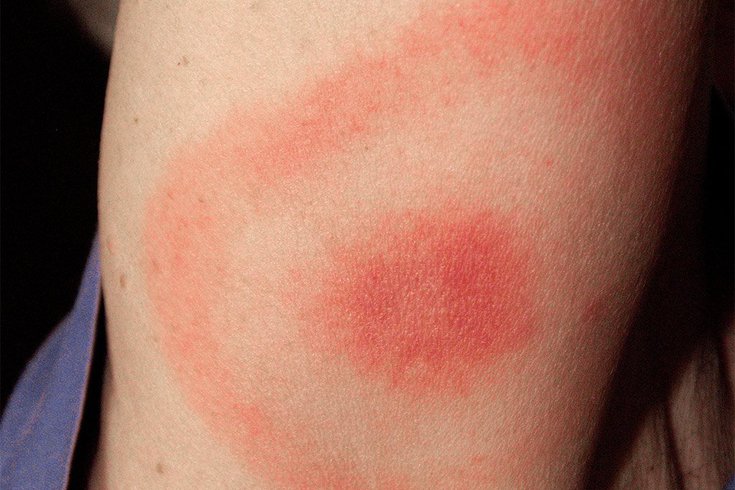
Lyme disease has a more gradual, subtle presence, generally starting with a rash in a bullseye shape. Following symptoms are inclusive of joint and muscle aches, fatigue, headache and low fever. Later stages of Lyme can lead to cardiac and neurological problems. Anaplasmosis, on the other hand, usually causes fever, chills, severe headache, nausea, vomiting and muscle aches. An enlarged liver and spleen as well as low white-blood-cell and platelet counts can also result.
 
symptoms of Anaplasmosis
Facty Health
 
Anaplasmosis is rarer than Lyme disease, and can be treated with doxycycline, the antibiotic prescribed for treatment of Lyme. Warmer winter seasons have encouraged a rise in the presence of bacterium Borrelia burgdorferi in ticks carrying Lyme disease but those same ticks are also vectors of the bacterium carrying anaplasmosis. The result is increased numbers of anaplasmosis are being seen among the public.

The bactrerium Anaplasma phagocytophilum is transferred by tick bite to cause anaplasmosis in people and livestock. And now it is arriving in Ontario with researchers reporting the first known human case in 2018, acquired from a blacklegged tick, whereas the first cases reported in the United States go back to 1994, in Minnesota and Wisconsin. Doctors had seen the disease in people who had travelled to the U.S. where cases were fairly common, but never before acquired in Ontario.

Now, despite the fact that borders between the two countries have been closed to travel during the global pandemic, and few Canadians are travelling to the United States, cases among Ontarians have arisen indicating that they were acquired through tick bites near home. Recent research from the University of Ottawa found one in three blacklegged ticks tested positive for Lyme disease.

Anaplasmosis prevention
Facty Health

In roughly one percent of cases of this tick-borne illness, it can be fatal, according to the U.S. Centres for Disease Control. Those over age 60 and people who fail to get treatment  quickly are most at risk for severe outcomes. The best possible course of ideal action is, of course, avoidance. Wearing clothing that covers the skin, and vigilance to the presence of ticks on return from an outdoor hike in a forested area.
 
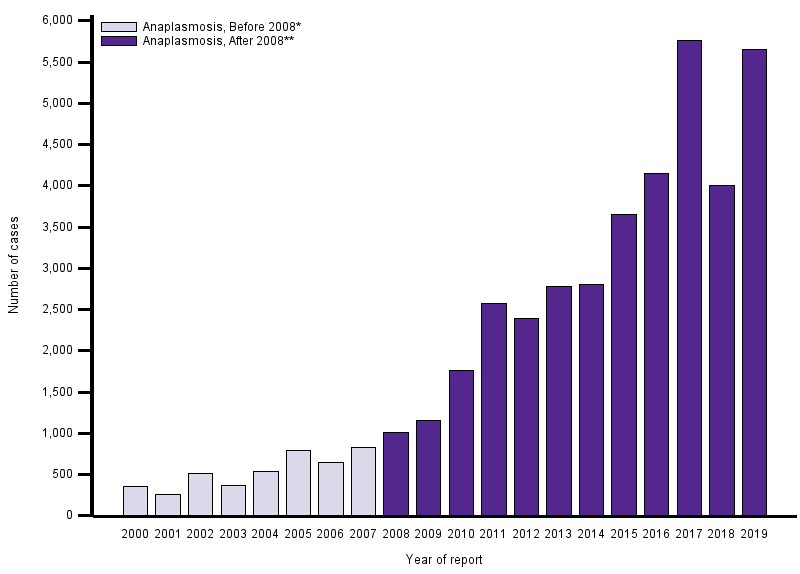
The graph displays the number of human cases of anaplasmosis reported to CDC annually from 2000 through 2018.  See table below for data.


Labels: , ,

Saturday, May 22, 2021

The Dread Lyme Disease

"What we see a lot -- both with pain and Lyme disease -- is that when we can't provide a good explanation about what's going on, we act like it's somehow the patient's fault. Like it must be all in their head."
"Imagine if you had these terrible symptoms and they occurred every day and they got in the way of your ability to socialize, to work, to enjoy your family -- and people kept telling you that you were making ti all up. That's a terrible way to live. It's a challenging problem and one that we would like to reverse."
"We're starting from the idea that people's symptoms are real and we want to hear about them. Sometimes in these studies we treat variations and individual differences as 'noise'. We'll say, 'This person doesn't really fit the profile of what we're looking at. Maybe we should study someone else who fits better'. What we're saying with this study is 'We've got you'."
"There's been lots of good research on Lyme disease and we've got some good treatments now, but a lot of people are being left behind. We're hoping to narrow that gap."
Dr.Tim Salomons, professor of psychology, pain research, Queen's University, Kingston, Ontario

"I told my daughter the other day that living and dealing with colon cancer is so much easier than living with Lyme."
"Doctors believe you and they're willing to treat you [with cancer], whereas with Lyme disease it's so painful trying to find a doctor who is actually willing to listen to you and treat you."
"Most doctors are afraid. There's so much backlash against Lyme."
Julie Konzuk, environmental engineer, Brampton, Ontario
How to Keep Kids Safe From Ticks
Fourteen years ago while on a job site in Virginia, environmental engineer Julie Konzuk contracted Lyme disease through tick bites. Usually in the spring months deer ticks, also called black-legged ticks, fasten themselves to any exposed flesh when people (or animals) walk through forests or tall grasses. Once a tick latches on it begins to engorge itself with its victim's blood over a period of time, and this can be overlooked by the afflicted person, feeling nothing, oblivious to the presence of the tick. At the point of entry before drawing blood, the tick injects an anesthetic; little wonder people are unaware they're bitten and the tiny tick is drawing blood. And at the same time conferring on its victim a miserable affliction that can entirely change their lives.

In that fourteen years since Ms.Konzuk was diagnosed with Lyme disease, as a result of her exposure to black-legged ticks infected with the bacteria that cause Lyme disease, she has been prescribed countless regimens of antibiotics, and she has tried naturopathic remedies, but the fatigue, headaches and muscle pain always return. Shortly after she was exposed to the tick bites she suffered searing headaches, face and joint pain, severe fatigue sapping her energy and "brain fog", leaving her forgetful of her normal vocabulary. It took a matter of weeks and she lost 10 kilograms of weight.

She underwent round after round of therapeutic antibiotics, resulting in brief temporary respite, but her symptoms always returned. Some doctors refused her treatment, citing the many she had already undergone. Simultaneously she also suffers from Stage 4 colon cancer, the treatment of which she is better able to accept than the frustration and pain of living with Lyme disease. It is precisely her experience, mirroring that of many other people who have contracted Lyme disease that the new research project headed by Dr.Salomons hopes to address.
 
How to Identify Tick Bites | IGeneX Tick Talk
Lyme-bacteria-carrying ticks slowly made their way from the south-eastern United States into Canada over the years. Now, in the Ottawa area the last five years has seen these ticks become well established. There were 22 recorded cases of Lyme disease in 2014; by 2019 that number had risen to 181, and last year the number reached 120. In some areas of the city, of the ticks collected, two-thirds tested positive for the Lyme-causing bacteria. The surveillance has been placed on temporary hold while all attention has been focused on the coronavirus pandemic. Strangely enough symptoms of both COVID-19 and Lyme overlap.

The research team from Queen's University partners with experts in genetics, antibiotic resistance, biochemistry, pain research, and environmental and ecological factors. Their focus is analyzing the collection of experiences people living with Lyme disease relate to them, in hopes they can more fully understand more about the various ways the disease can manifest its presence. "There may be one person whose symptoms perhaps seem atypical, but if you put them all together then maybe there's a bunch of people in the Ottawa area that have similar symptoms. 
 
"And people in Vancouver might have different symptoms. Once we have a lot of data, we can cluster those people together and have a basis for our other studies", explained Dr. Salomons.

Help! I've gotten a tick bite. Now what do I do?

Labels: , , , , , , , , ,

Friday, July 19, 2019

Avoiding Lyme-Bacteria-Carrying Deer Ticks

"That's a threshold. Once you know that more than twenty percent of the ticks in your area carry Lyme disease bacteria then we don't need to check in on that [by testing ticks to ascertain whether they're carrying the Lyme bacteria]."
"That is what we now call an 'at-risk area'."
"It's a good-news story, actually, that there is antibiotics that work to treat Lyme disease."
Dr. Vera Etches, Medical Officer of Health, Ottawa Public Health
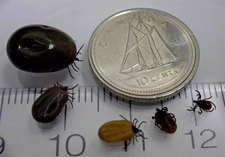
5 ticks on a ruler and surrounding a dime. They range in size from about 3 millimeters long to about half the size of the dime.
Adult female blacklegged tick at various stages of feeding. Photo: Government of Canada

"So it's really important to take precautions when you're out walking on recreational trails, in wooded areas, particularly those areas with deciduous forests or where you might encounter some deer."
"By understanding some of the driving forces and factors, whether they be environmental or sociological, we can really get a better grasp on how to prevent and control disease."
Manisha Kulkarni, assistant professor, School of Epidemiology and Public Health, University of Ottawa, faculty of medicine
Researchers from the University of Ottawa hunt for ticks at the Mer Bleue conservation area as they collect data for a three-year tick population study. (Robyn Miller)

Lyme-carrying ticks are expanding the territory they move into and colonize at the rate of about 46 km annually, according to a 2014 study carried out by the National Collaborating Centre for Infectious Diseases, University of Manitoba. In 2017, over 1,400 cases of Lyme disease were confirmed across Canada with more than two-thirds of those cases in Ontario, assumed to have been locally contracted.

Prior to the last decade, most diagnosed cases in Canada happened in people who were bitten by ticks while travelling in the United States. The ticks' incursions into Canada has been facilitated by changing climate conditions leading to a warming atmosphere. The deer ticks which carry Lyme disease are less likely now to be destroyed by cold winters; they are surviving the moderated cold and more of them are found to be carrying the Lyme bacteria.

Many public health units in Canada make the assumption currently, that if someone is bitten by a tick, they should be treated for Lyme disease, bypassing the past protocol which called for testing ticks in specific areas to determine whether the bacteria causing Lyme disease is present. Public health units have now set aside the testing protocol in the assurance that the bacteria is present on area ticks acting as vectors spreading the disease.

According to Dr. Vera Etches, over a fifth of black-legged (or deer) ticks that were tested registered positive for Lyme. Once an individual finds a tick attached to themselves and has the impression it has been there for over 24 hours, a prescription for antibiotics should be sought to prevent being infected by Lyme -- no testing required. Bacteria in the tick's gut move to its salivary glands and become transferred to a person after a period of 24 hours.

Preventive treatment is ineffective after a lapse of three days. Patients are advised to wait for the appearance of symptoms or to allow sufficient time to elapse for antibodies to evolve that can be detected in a test. Symptoms can take over a month to appear and when they do they can be mistaken for the effects of influenza onset; fever and aches and sometimes a telltale rash. It takes as long for the immune system's antibodies to appear on a lab test.

Untreated, Lyme disease has the potential to cause serious illness such as meningitis. On the good news side, because the condition is bacterial-caused, it is treatable with drugs. Lyme is caused by bacteria traded among black-legged ticks and migratory birds and small mammals such as mice and chipmunks. When birds and small mammals that are infected with the bacteria are bitten by ticks, the ticks become infected and transmit that infection when they in turn bite humans or their pets.
In Ottawa, where more than two-thirds of the ticks tested in some neighbourhoods carry the bacteria that causes Lyme disease, the public-health unit no longer bothers to test ticks at all.

There are many health benefits from being active and enjoying the outdoors; however, if you are in outdoor areas suitable for ticks, for example, wooded areas or areas with tall grasses, you need to be aware of the risk of Lyme disease. To help prevent Lyme disease, Ottawa Public Health monitors ticks and human illness trends and increases awareness of Ottawa residents of the risks posed by ticks and educates on how to prevent Lyme disease. Preventing tick bites is key to the prevention of Lyme disease, you can do this by:
  • Applying an approved insect repellent containing DEET or icaridin
  • Doing a tick check on yourself, your children, and pets
  • Checking your pet daily for ticks, especially if it spends time in wooded or overgrown areas
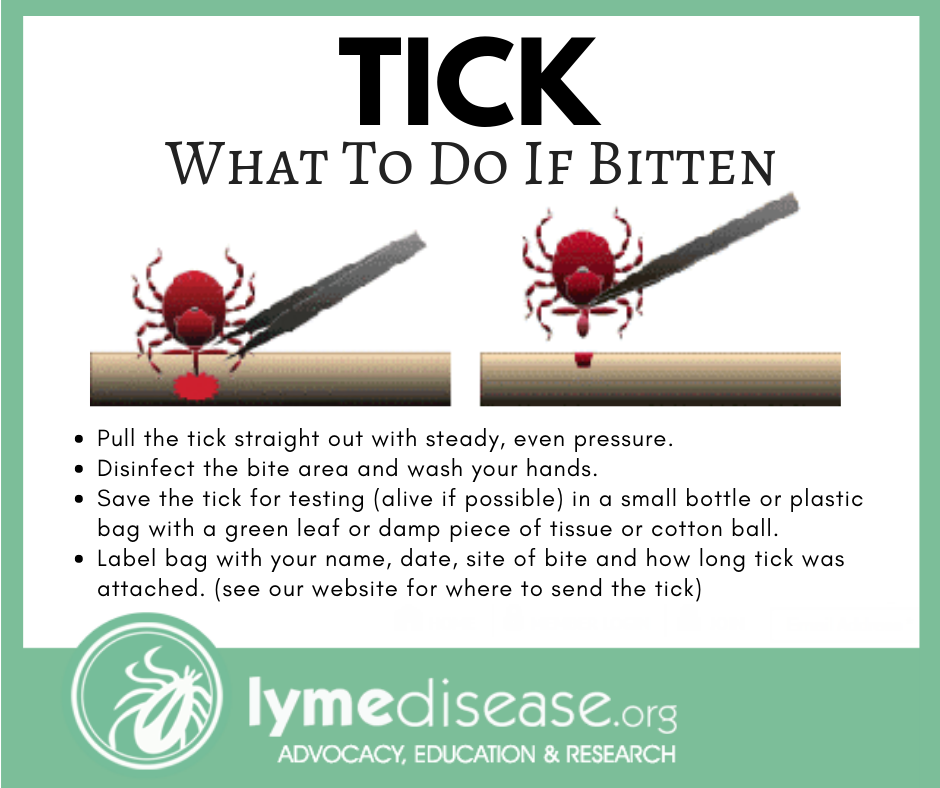
  • Removing ticks as soon as possible. If you find a tick on your body, using fine-pointed tweezers, grasp the tick's head as close to the skin as possible and pull slowly until the tick is removed. Do not twist or rotate the tick. Do not use a match, lotion or anything else on the tick.
Ottawa Public Health

Labels: , , ,

Friday, October 19, 2018

Lyme Disease in Canada Hosted by White-Tailed Deer

"So it's a multi-pronged approach to recruit patients across Canada to increase our knowledge of the natural progression of this disease and how it's resolved, as well as improved diagnostics."
"We want to follow patients who get Lyme disease, from their initial diagnosis all the way through for the first two years after their diagnosis and treatment. We want to look for any complications or failure in the treatment."
"By doing that, we're going to be able to detect, for the first time in Canada, what are the circulating strains of Lyme disease in humans and is there a change in the severity of the strains between what's in the United States and Canada?"
"It's a benefit to the patient [who agrees to help in the research] because we'll follow them closely to make sure their symptoms are resolved and the patient will be helping the community to understand this disease."
"Are there methods that we can create in our environment that we can reduce the presence of ticks?"
Dr. Kieran Moore, professor of emergency and family medicine, regional medical officer of health, Queen's University
Blacklegged or deer ticks, which can carry Lyme disease, are increasingly surviving Canada's warming winters. (CDC/Associated Press)

A team of researchers led by Dr. Moore and including Dr. Richard Resnick, dean of health sciences at Queen's University who had previously established a multidisciplinary team to investigate the disease now so prevalent (as an adjunct fallout linked to the phenomenon of Climate Change) throughout Canada has received a $4-million grant through the Pan-Canadian Research Network on Lyme disease, funded by the Canadian Institutes of Health Research and the federal government.

Included in the network to focus on gaps in the protocol currently used in prevention, control, diagnosis and treatment of Lyme disease will be scientists, clinicians and patients. Blacklegged ticks, carried by deer, transmit the infectious disease to people when a tick in its immature nymph stage bites. Most people are left with an expanding red rash at the tick-bite site accompanied by fever, chills and symptoms similar to those of the flu.

Other people, however may experience far more serious symptoms affecting heart, joint and resulting neurological disorders. If a diagnosis is not made correctly identifying the infection and remedial action taken, lifelong effects can haunt and diminish people's health. The intention of the team is to collect data from patients where tick bites and Lyme disease are rife. Southeastern Ontario, the south shore of Nova Scotia and the St.Lawrence River close by Sherbrooke, Quebec, and Manitoba have been identified as prime Lyme disease sites.
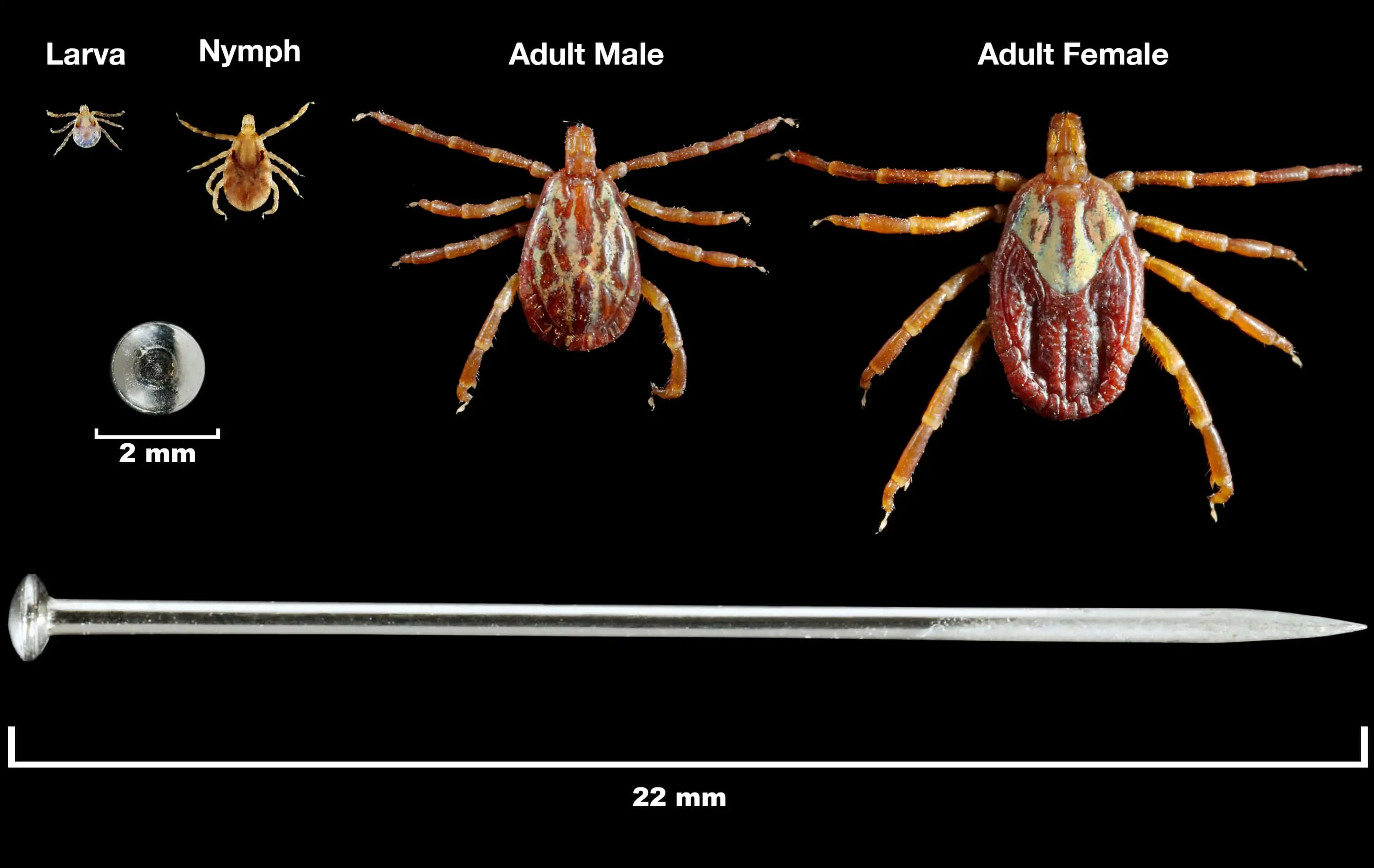
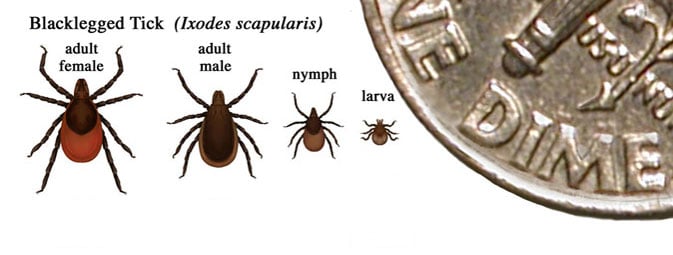
Relative sizes of several ticks at different life stages. In general, adult ticks are approximately the size of a sesame seed and nymphal ticks are approximately the size of a poppy seed.
In general, adult ticks are approximately the size of a sesame seed and nymphal ticks are approximately the size of a poppy seed. Centers for Disease Control and Prevention

Canada has seen previous efforts on an ongoing basis through surveillance, research, best-practise sharing, laboratory diagnostics and testing, along with prevention education and public awareness through education, but this latest concerted effort is meant to tie everything together with an enhanced focus on better understanding the transmission of the infection and how best to both avoid and treat the infection, alerting the general public in the process,

The first step in launching the research study is to convince patients with Lyme disease that it is in their best interests and that of the public at large to agree to allowing researchers to extract biological samples: blood, urine and skin scrapes surrounding the rash that appears after a tick bite. Dr. Moore anticipates that the tests that will ensue will turn out to be sufficiently sensitive to isolate strains of the infection seen to be particular to Canada.


He foresees the potential of between 500 to a thousand people who have been tick-bitten will agree to become involved in the research over the following four years, after its April 2019 initiation (the bites occur in spring primarily, followed closely by infection symptoms). The  ultimate goal is to succeed in improving diagnosis and treatment of Lyme disease, and at the same time increase the efficacy of public education as well as alerting health-care providers.

Reducing the risk of Lyme disease transmission by somehow altering the environment that nurtures it is yet another hoped-for result.

Ticks live in some of our favourite outdoor places; like grassy fields, the woods, gardens, beaches and nature parks. Ticks need blood to survive, so they choose to live in habitats frequented by potential mammal hosts. Areas with dense deer populations are often Lyme disease hotspots.
Lyme-carrying ticks can be found across the country, yet eastern Canada consistently reports the highest rate of infection. There are several contributing factors, but a major one is eastern Canada’s large population of White-Tailed Deer – the deer tick’s preferred host.Eastern and central Canadian provinces also share borders with Lyme “hotspots’ in the United States and are within flight distance for ticks catching rides on migratory birds.
Despite the frequency of infection, Lyme disease awareness is still relatively low in the east.
CanLyme – Canadian Lyme Disease Foundation - Lyme education & research fundraising in Canada

Labels: , , , ,

Friday, July 21, 2017

Living With Blacklegged Ticks

"There are a lot of ticks now that carry the bacteria that cause Lyme disease so we have to be able to provide some answers on how to better prevent infection and treat the disease."
"There are pockets of excellence in Canada on Lyme disease research but we want to bring them together to have more impact."
Dr. Mark Ouellette, scientific director, Institute of Infection and Immunity, Canadian Institutes of Health Research

"It's a complicated disease that is quite difficult to understand -- and it's turning out to be more complex than people originally thought."
Dr. Tara Moriarty, infectious disease researcher, University of Toronto
Lyme Disease
This is the two-year life cycle of ticks. (Centers for Disease Control and Prevention)

Awareness of Lyme disease spread through infected deer ticks has been an issue for decades. Less of an issue in Canada than it has been in the United States, until the blacklegged ticks, aka deer ticks, began spreading into Canada. And now that they have, and continue to spread more widely it is not only Canadians visiting deer-tick-vulnerable places in the United States that contract Lyme disease, but those being exposed to the ticks increasingly right in Canada.

It isn't of course, only humans that are susceptible to Lyme disease, but animals as well. And just as people are cautioned to be aware when they are in wooded areas, of the presence of deer ticks, and to check for ticks clinging to clothing or to human skin, veterinarians warn dog owners of the risks to animals, and that anyone spending time in forested areas would do well to check their dogs for ticks as well. For dogs there is an oral medication to protect against ticks.

For humans, avoidance is the key for the present time. Which is to be alert to the presence of these tiny ticks and if they are found, to remove them as expeditiously as possible, within a 24-hour window representing the time it takes for bacterial transmission once the tick has latched on to human skin. Those troublesome ticks can appear anywhere in an outdoor environment, but mostly in forests and tall grasses.

They don't fly, and depend on animals or people passing by so that when they brush past where the ticks are perched with their front legs outstretched on grasses or leaves, they find their victims. Insect repellent is recommended, containing DEET, as is wearing long sleeves and long pants whenever in wooded areas. If a companion animal picks up an infected tick (not all deer ticks are infected with the Lyme bacteria) it can be easily transferable to a human.
Tick bite
Health authorities have found an increase in cases of Lyme disease and blacklegged ticks. A tick bite can leave a bull's-eye-shaped rash on the skin. (CBC)

And nor do all people who have been bitten by an infected tick suffer Lyme symptoms. It is a small minority of people who develop the hard-to-treat and painful form of the disease. Scientists do not yet know whether Lyme disease leaves biomarkers in the bloodstream representing an opportunity for doctors to diagnose Lyme while yet in its earliest, treatable stages. There is more not known about Lyme disease and its threatening effects than is yet known.

And it is precisely the need to know what it is about the bacteria Borellia burgdorferi that makes people so ill when it spreads within the human body. Dr. Moriarty's laboratory has discovered that in laboratory test mice, obesity and diabetes cause greater susceptibility to the bacteria and it can be the cause of bone loss as well, in mice.

The federal government has just announced a new initiative to spur Lyme disease research to create a network  to establish a nation-wide cohort of patients for the purpose of studying and tracking their experiences with Lyme disease to better understand how the disease manifests itself in those it infects, how to best diagnose and treat it, and how it persists even in people who have received treatment.

Lyme disease cases in Canada saw 144 diagnoses in 2009. An increase in prevalence and diagnoses raised that number to 917 in 2015, and growing nationwide. Estimates by public-health researchers now posit that 80 percent of Eastern Canada's population will live in areas where the ticks have established themselves by 2020, as opposed to the 18 percent represented in 2010 living in areas at risk of Lyme disease exposure.

Authorities caution people that ticks should be removed with tweezers grasping the head, to ensure that the entire tick, a member of the arachnid family, is removed. Discovered in its early stages, the illness the disease creates with flu-like symptoms generally is successfully treated with antibiotics. Untreated, arthritis can ensue, along with numbness, paralysis, heart disorders and neurological problems.

How to avoid tick bites

The best way to prevent Lyme disease is to prevent tick bites by:
  • covering up
  • using insect repellent
  • double-checking yourself
  • washing and drying thoroughly
  • checking your pets

Cover up

Your clothing gives you an important layer of protection. Make sure to wear:
  • light-coloured clothing so you can spot ticks and remove them before they bite
  • a long-sleeved shirt or jacket tucked into long pants
    • tuck the pants into your socks for extra protection
  • socks and closed footwear

Use insect repellent

Use an insect repellent, or bug spray, containing DEET or Icaridin on clothes and exposed skin. Always read the label for directions on how to use it.

Double-check yourself

When you go to an area where blacklegged ticks live, check – and recheck – yourself by:
  • paying close attention to areas such as your scalp, ankles, armpits, groin, naval and behind your ears and knees
  • using a mirror to check the back of your body or having someone else check for you
When you’ve double-checked yourself, don’t forget to do the same for children in your care.

How to remove a tick

Removing a tick is the same for humans and animals. Follow these steps to remove ticks:
  1. If the tick is attached to you, use fine-tipped tweezers or tick removal tool to grasp the tick as close to your skin as possible. Do not use your fingers.
  2. Pull the tick straight out, gently but firmly making sure to remove the entire tick (including the head). Don't squeeze it – avoid crushing the tick’s body.
  3. After removing the tick, place it in a secure container, such as a screw-top bottle used for medication.
  4. Give the tick to your health care professional or local health unit.
  5. Thoroughly clean the bite site with rubbing alcohol and/or soap and water.

Lyme disease symptoms

Common symptoms include:
  • fever
  • headache
  • muscle and joint pain
  • spasms, numbness or tingling
  • facial paralysis
  • fatigue
  • swollen glands
  • expanding skin rash
People with Lyme disease often see symptoms within 1-2 weeks. But symptoms can appear as early as 3 to 30 days after a bite from an infected blacklegged tick.
Province of Ontario website

Labels: , , ,

 
()() Follow @rheytah Tweet