Ruminations

Blog dedicated primarily to randomly selected news items; comments reflecting personal perceptions

Friday, March 10, 2023

The Three-year Vaporization of Daily Life in COVID
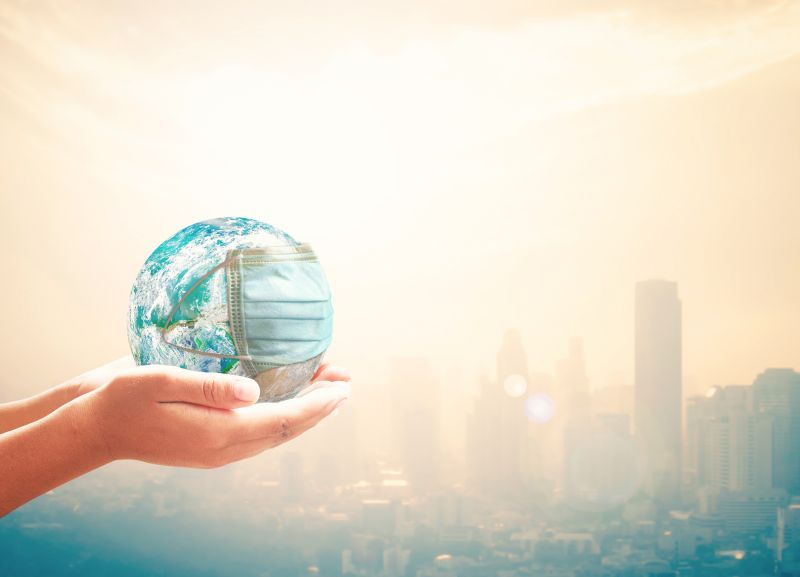
covid
"We've been through a three year global crisis. It would be really hard not to have this play on the psyche of most individuals."
"Humans are inherently social creatures, and [social distancing guidelines] involve thwarting this natural urge to socialize."
"All of a sudden, everybody's life  has changed."
"We're locked in our houses ... our homes became our workplaces, our source of recreation, our cages."
"We were getting information almost as it came out of the petri dish."
"It gets to a point where people start to desensitize, dissociate, turn off."
"But there hasn't been any encouragement, in fact, we could even say there's been a subversive, an unconscious or unintentional discouragement, of a larger public dialogue on what it's like to live through this."
"It's almost as if the world should be given a six-month stress leave to convalesce, to get over this."
Dr. Marnie Wedlake, psychotherpist, assistant professor, Faculty of Health Sciences, Western University
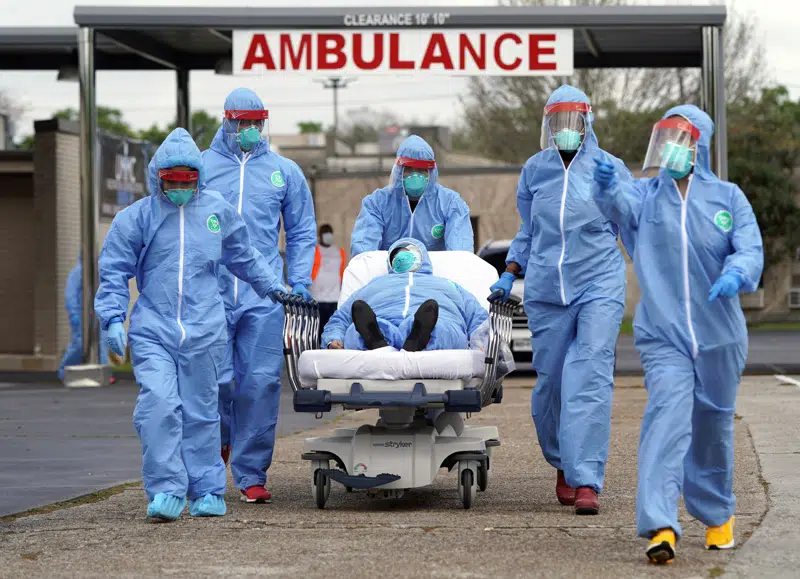
FILE - A person is taken on a stretcher into the United Memorial Medical Center after going through testing for COVID-19 Thursday, March 19, 2020, in Houston. On the third anniversary of the COVID-19 pandemic in 2023, the virus is still spreading and the death toll is nearing 7 million worldwide. Yet most people have resumed their normal lives, thanks to a wall of immunity built from infections and vaccines. (AP Photo/David J. Phillip, File)
Associated Press
 
This is a three-year anniversary that no one individual, group, institution, authority, or nation is eager to celebrate. On March 11, 2020, the World Health Organization issued a declaration that the novel coronavirus that emerged in Wuhan, China, represented a global pandemic. Three years on, the SARS-CoV-2 virus that is responsible for COVID-19 in all its varied manifestations is still hovering about the world, more intensely viral than in its infancy, but causing fewer deaths. Those most vulnerable to its rapacious appetite for replication and its inevitable damage to the human respiratory tract and major organs have left life for those proving less susceptible to its raging appetite.

What was once a dire emergency on a global scale, has become an acknowledgement that human medical intervention has done all it could, in this situation, to forestall and to diminish the ravages of the virus. Tedium, alert fatigue and resignation have led to an accommodation of the realization that the virus is here to stay, leading the world community to resign themselves to its predations in the hope that the exposure to its appetite has led to at the very least, population semi-immunity to its most serious excesses.
 
Over the past three years, the pandemic has succeeded in infecting 759 million people; a confirmed number of cases, but by no means the actual total number of those infected by COVID. Of the most seriously injurious of those infections, over 6.8 million people failed to survive. The earliest months of the pandemic were the fiercest, weighted with fear and uncertainty as hundreds of thousands in any country were felled, and new infectious waves swept through a bewildered and frightened world community.
 
COVID is till in circulation, it always will be, for there are no expectations that a cure will ever be found. In the past 28 days, global reports put close to 4.5 million new cases having occurred, along with 32,000 deaths attributable directly to COVID, according to the World Health Organization. After three years of panic, fear and mourning, COVID remains an international threat to population health although WHO Director General Tedros Adhanom Ghebreyesus states the pandemic is "probably at a transition point. We remain hopeful that in the coming year, the world will transition to a new phase in which we reduce hospitalizations and deaths to the lowest possible level." 
 
Researchers at McGill University studying the pandemic's psychological footprints published a study in the British Medical Journal this week, finding little evidence of a "large scale decline in mental health so far" attributable to COVID-19.  Mental health in the general population overall was either "unchanged or worsened by minimal to small amounts", a reflection of he capacity of human resilience.
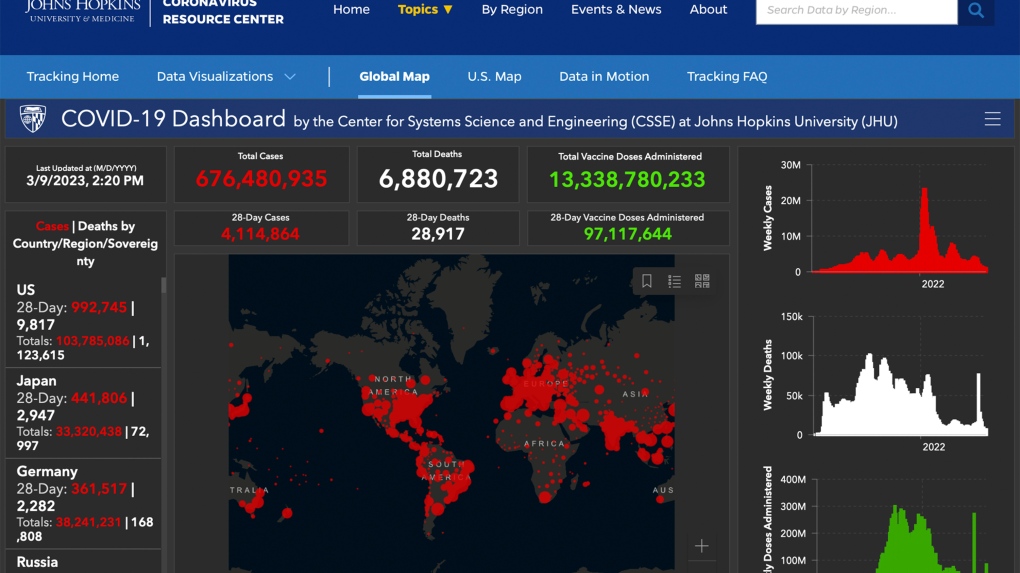
This image made from the John Hopkins University COVID-19 tracking website shows global coronavirus statistics on Thursday, March 9, 2023. With information sources drying up, the university is shutting down its pandemic tracker on Friday, March 10, 2023. (John Hopkins University via AP)

Labels: , , , , ,

Tuesday, March 09, 2021

COVID-Inspired Baby Bust

"Being stuck at home with a partner doesn't meet the necessary ingredients for increased fertility rates."
"More sex is insufficient for a baby boom to occur."
Dr.Liz Allen, population expert, Australia
 
"We certainly anticipate there to be a rebound [in the post-COVID birthrate]." 
"But we're not so sure about an overshoot - a boom that helps to offset the bust."
Dr.Emily Smith-Greenaway, University of Southern California
 
"So what we did was we looked back at what happened to birth rates after the Great Recession. There’s a link of about a 1 percentage point increase in the unemployment rate leads to about a 1% reduction in the birth rate. And then we also look back at what happened during the Spanish flu. And what’s really interesting to think about is back then people didn’t even have access to modern contraceptive technology. Nor did the Spanish flu lead to a recession. So that was really just a public health crisis. But it led to a sizable reduction in births. And so based on what we see in the data from those two previous periods, we predict that there’s going to be something like an 8% to 10% drop in births on account of this current pandemic."
Melissa Kearney, professor of economics, University of Maryland
Melissa Kearney, professor of economics at the University of Maryland, says when it comes to the COVID baby bust, "one of the big questions is, how many of these missing births are going to be delayed versus never happened." Sean Gallup/Getty Images
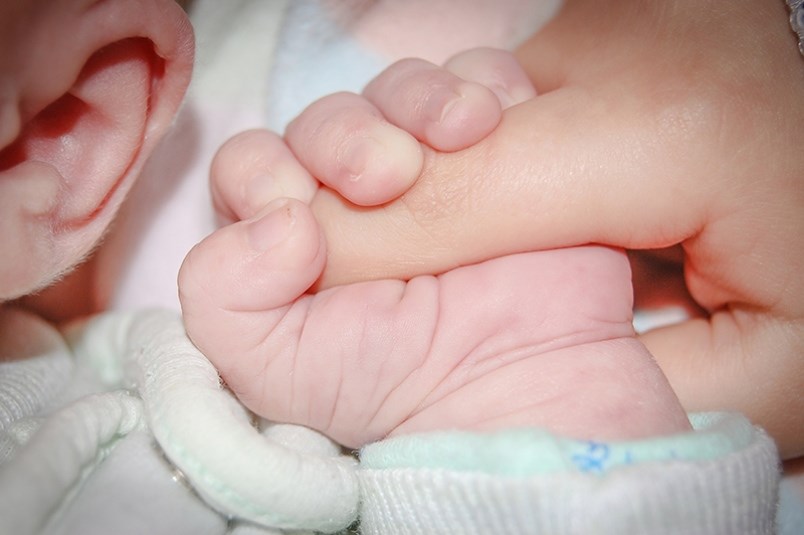
baby
Photo: Baby/Pixabay
A CBS News gathering of annual data from 32 states indicated 95,000 fewer births in 2020 than in 2019; equivalent to a four percent drop nationally. Statistics in Europe appear to point to a similar situation. France, known as the "baby-making champion of Europe" has seen its high fertility rate declining even further during the pandemic. France's National Institute of Statistics and Economic Studies claims the birthrate fell precipitously at the beginning of the year with a shortfall of 13 percent in comparison to the January 2020 rate.

Fertility plans in Germany and France showed a slight downward change in a study of women aged 18 to 34 conducted between March and April, early in the pandemic. Close to one-third of those planning a birth for 2020 in Italy and Spain set the project aside for the year. Italy, where COVID-19 hit particularly hard saw its birthrate fall 21.6 percent from the same month the previous year. In Germany, France, Spain and the U.K.,half or more respondents stated they remain dedicated to having a child, but were inclined to wait...

In Italy, France and Spain during physical distancing rules where extended family members could no longer act as care-givers, child-bearing decisions were impacted by delay. Australia has seen its country's birthrate below population replacement levels, though this situation dates back to 1957. In the Nordic countries apart from Denmark, a decline in fertility is also markedly high. "The fertility figures in Finland, Norway and Iceland are lower than they have ever been", stated Gunnar Andersson, professor of demography at Stockholm University.

Some would-be parents are waiting until more is known about the vaccines for COVID-19 before they conceive.
Some would-be parents are waiting until more is known about the vaccines for COVID-19 before they conceive


Labels: , , ,

Sunday, February 28, 2021

Snapping Back to Cultural Normatives Post-COVID

"We're social creatures from birth. There's no other animal that needs to be with others of its kind for as long and as closely as we do. It is our go-to strategy when we're feeling stress or danger or threat. We go to another human being and connect with them emotionally."
"Emotion wins. Our core, basic, reptilian kind of brain often dominates everything else."
"We're always talking to the frontal lobes of everybody. We're giving them data and facts and projections and rules. But it's our emotional centres that really dictate how we behave, and I'm surprised more of the messaging isn't talking to our emotional centres."
"As soon as we do all feel safe -- in fact I think we've jumped the gun a few times and we're seeing people jump the gun in various places -- we do want to be together and I think we will be together. If people thought it could safely happen a week from now, I think it would happen a week from now."
"Part of the great snapback will be this relaxation, that we can stop inhibiting and we can just be who we are or who we feel like we are. I wouldn't be surprised to go back to Holland two years from now and see them close talking again."
Steve Joordans, professor of psychology, University of Toronto
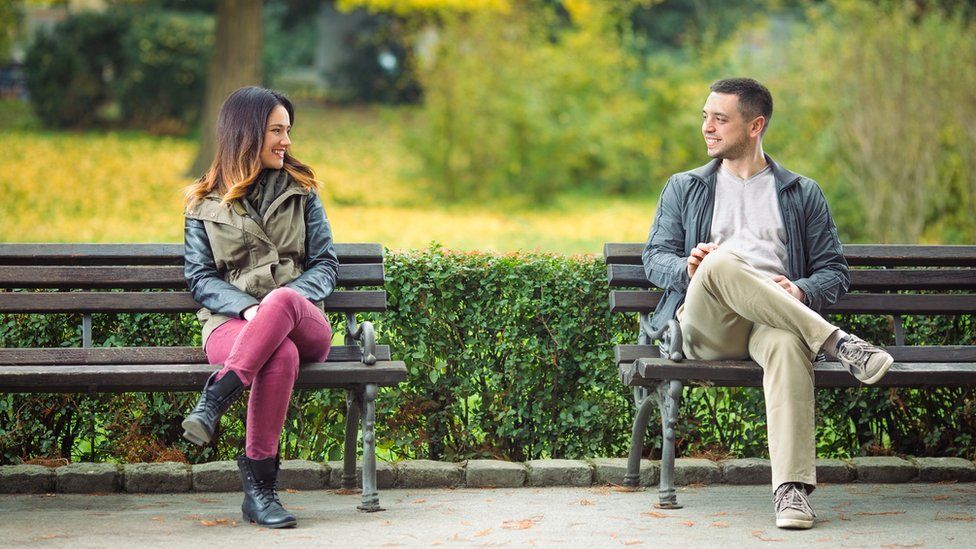
Two people on a bench
Getty Images
"[We're all aware] when that personal space is violated -- in many western cultures it's about four feet -- then you start feeling uncomfortable."
"Personal space has multiple functions. One is control -- you control threats. And that's something that is very relevant in the context of the COVID pandemic."
"You have this awkward interaction. You try to avoid this person because they're waking toward you, and they're wearing a mask or maybe they don't wear a mask and they just don't care. And so they just walk straight toward you and you really feel uncomfortable, and you're probably cursing inside."
"For it to become habitual and enduring [to return to the old normal before COVID] depends on how long the state we're in will last. If it will last just a few more months we are more likely to bounce back than if it lasts a few more years."
"If we start building sidewalks wider, if we provide in public spaces greater opportunities for separation, then that may again create greater distance that then becomes the norm."
Igor Grossmann, professor, Department of Psychology, University of Waterloo; director, Wisdom and Culture Laboratory
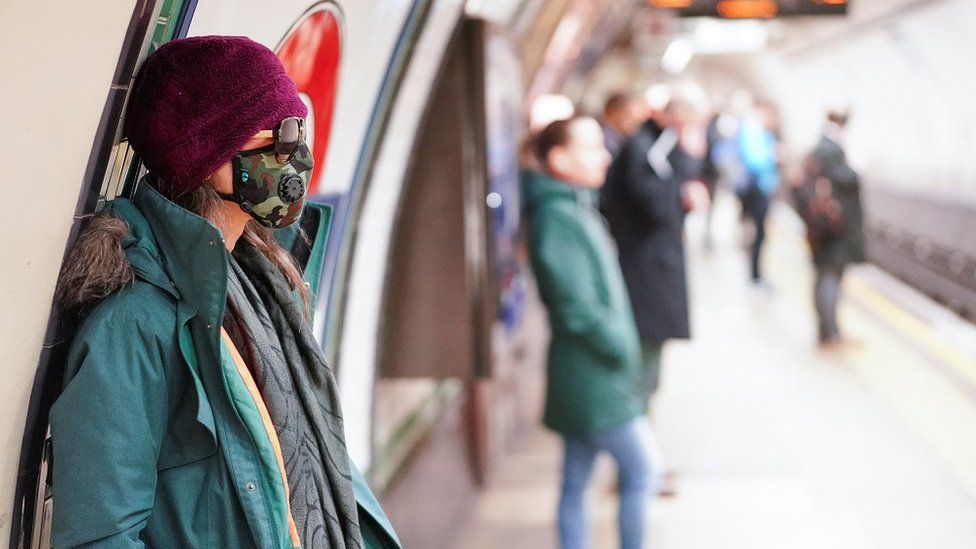
People social distancing on a tube platform
Reuters
 
We've become wary of close physical contact with anyone, over the space of this last year of the SARS-CoV-2 virus that has caused the COVID-19 global pandemic. It has become one of the cardinal rules of self-defence against contracting the pathogen, and also in prevention of passing the disease on to others if one happens to be non-symptomatic and infectious. Experts have hypothesized that social distancing will become ingrained and habitual, part of the routine of social interaction -- at a safe remove.

Pointing out that once COVID has been neutralized through mass vaccination it will have taught us a lesson in viral transmission avoidance, one that will come in handy in future years because, we have been warned, there will be other viruses that emerge to cross the species barrier from animal carriers to humans and the world will be assailed time and again, and better become accustomed to one of the most vital protective elements in warding off the virus. But wait ... viral pandemics aren't new to human experience, and in the past social distancing was also practised during these times ... guess we kind of forgot...

Now, other voices have lately been taking exception to that message. Not necessarily that we won't have to remain vigilant and prepared to re-enact social distancing rules, but that when at some not-too-distant point -- if all goes well -- COVID has been tamed, society will make a fluid move back to closer physical contact; not only as we are accustomed to doing, but in response to our natural draw toward one another as naturally gregarious creatures.

Dr. Joordans for example, from his professional standpoint recounts his reaction at the start of the pandemic that distancing would inevitably become the social norm and remain there. As time went on, he began to have second thoughts, and he now feels convinced that once the danger of infection has passed, our physical responses will revert to what has been the social norm. In his interviews with people who frequently travel in their profession, he noted the concern voiced of the potential danger of the virus spread. Those same people, however, professed a deep desire to remain in close contact with their loved ones.
 
Physical distancing
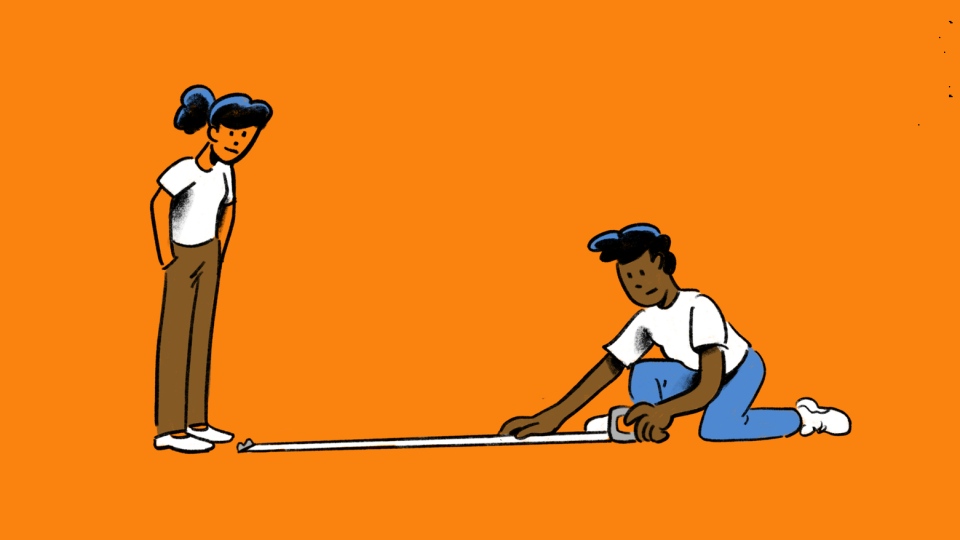
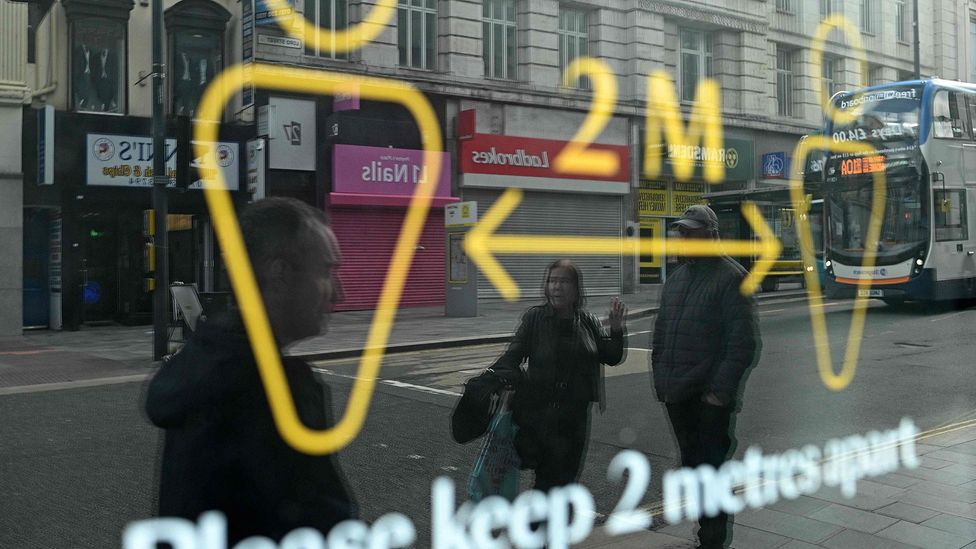
We've been advised to stand six feet apart from others to lower our risk of getting infected with the coronavirus. But how can we tell whether we're standing just far away enough from people, or if we need to tell them to back up a little bit more? (Max Pepper, CNN)
 
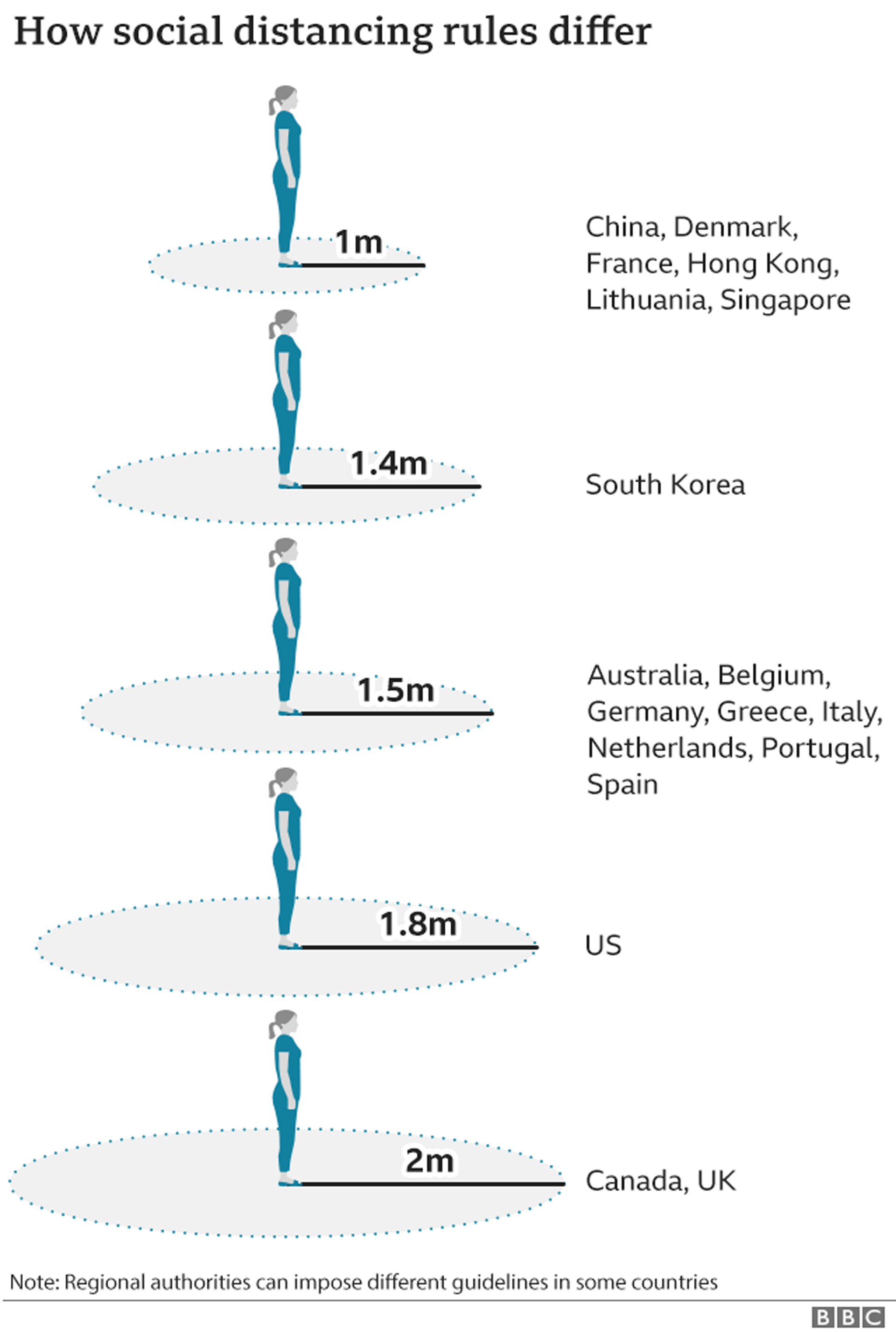
These conflicting emotions and attitudes are hardly surprising. That we are aware of distancing in the presence of strangers, but chafe at the need to distance when we're in proximity to friends and family. The government best-practise instructions to remain two metres-distant from one another is targeted to our rational intelligence which intellectually understands the need to practise awareness and distancing. Dr. Joordans' argument is that those messages connect only to our rational brains, bypassing our emotional brain, failing to make a vital contact.

Epidemiological data is important to make note of, as is an edict in the public weal by an national administration -- but personal space is a very personal matter. On the other hand, Professor Joordans points out the cultural element in distancing, where in some areas of the world close distancing is more common than in others. A survey of people from 42 countries undertaken in 2017 found two extremes, in that Saudi Arabians prefer extended space between themselves and others, while people in Argentina tend to observe a more intimate distance between close persons and a wider one between strangers.

Everyone, however has experienced the personal discomfort of compromising circumstances when being too close to another person has been extremely uncomfortable. In the age of COVID, just about everyone recognizes that discomfiting feeling of circumstantial physical closing-in while attempting to maintain a requisite social distancing. Shared cultural normatives in observing physical spaces between people whether strangers, acquaintances or family, have been upended by the appearance of the pandemic.

Professor McIntyre recently wrote a paper titled "The Effect of Loneliness on Distinct Health Outcomes", outlining that people who tend to report feeling lonely tended as well to report poor physical and mental health. Loneliness and social distancing, he points out, do not of necessity go  hand-in-hand. Society has become accustomed to spreading itself: "It seemed a little awkward initially, now it's feeling a little less awkward. As animals, the distance you're creating is a balance between the need for attachment to your herd or your group, and perceived or real threats. This is why we generally walk closer to our families than we do to strangers."

Dr.Joordans, of Dutch derivation, describes his first visit to the Netherlands to deliver a lecture. The cultural difference in social distancing pre-pandemic struck him: "It would really freak me out. People would walk right up so close to me. In Canada, that would be the beginning of an embrace or a kiss or something like that. Whereas in this country that's just the way they chat. Every conversation I had in the back of my mind this desire to step back, but which makes you feel like you're being rude."
"Social isolation is often equated with loneliness, but it's not the same thing. Social distancing is not in itself hazardous to your emotional health."
"The more social distancing you have, the more likely it is that people will report loneliness. There's a mismatch between what you truly desire and what society allows for you."
Roger S. McIntyre, professor of psychiatry and pharmacology, University of Toronto
Graphic of social distancing rules around the world

Labels: , , ,

Monday, February 01, 2021

Microbial Avoidance in COVID-19 Protocols and Human Microbiome

"The COVID-19 pandemic has the potential to affect the human microbiome in infected and uninfected individuals, having a substantial impact on human health over the long term."
Canadian Institute For Advanced Research, humans and microbiome program study
 
"It gives us an experiment that you can't normally do: If you lock people up for a year, does it have long-term consequences?"
"We know, based on history, that there are consequences."
"A child born today in a COVID world, who is that kid interacting with? They are not getting the microbes they are normally exposed to. We know in early life it is really important to have diverse microbial exposure, and that is just not happening in COVID, so I think there is some significant concern about what goes on there."
"We have really drastically changed society in the last year and we know these often result in significant changes in the microbiome. It is a wonderful experiment."
"We are in a position to look at these things, so we need to use this opportunity to really examine this and learn from it."
Brett Finlay, microbiologist, University of British Columbia
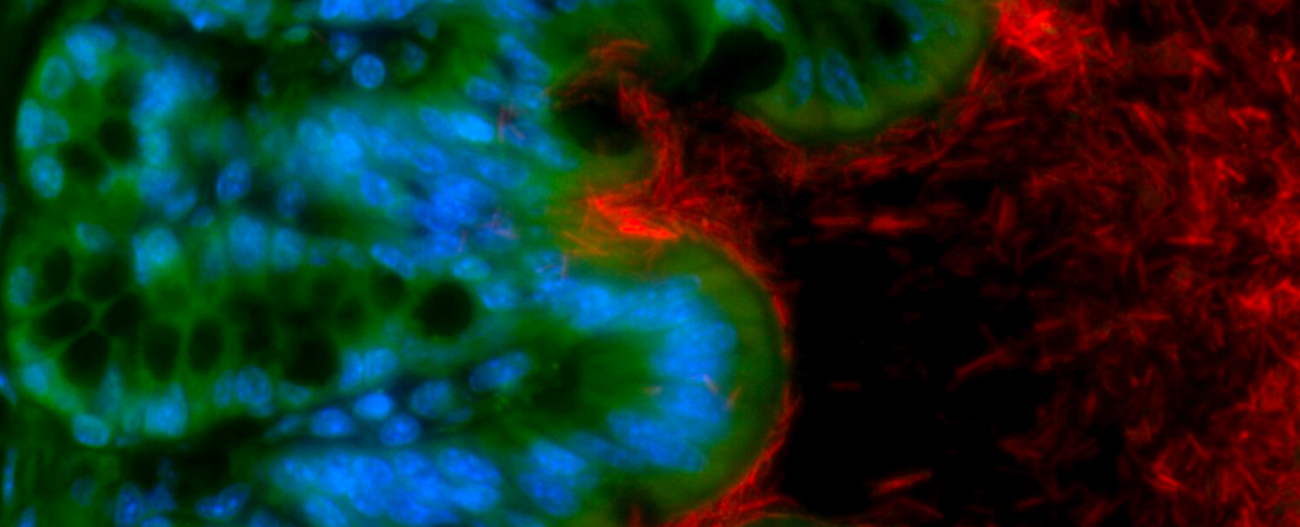
https://www.pasteur.fr/sites/default/files/styles/tetiere_1300x527/public/microbiote_intestinal.png?itok=ggIj4HbT&c=139640
Institut Pasteur

Lead author of the study published in the journal Proceedings of the National Academy of Science, Dr.Finlay considers the pandemic a real-time experiment on the impact of public health measures brought to the fore as a required protocol in the time of a global pandemic to avoid contracting the virus associated with SARS-CoV-2 that causes COVID-19, whose longer-term consequences can be anticipated in deleteriously affecting the microorganisms living within human bodies whose role is to contribute to overall health.
 
Undeniably, measures that have been identified by health authorities and which have been urged on the public in an effort to control the coronavirus succeed in contributing to prevention of viral infection. The wearing of protective face masks to screen out the pathogen, maintaining distance, frequent handwashing -- all contribute positively to public measures meant to contain COVID. At the same time there is a growing recognition that scrupulous attention to hygiene has its downside in potential health consequences for the future.
 
The recently published study raised the possibility of profound changes in the human microbiome resulting from these COVID-protective measures. Changes that will invariably ensure that some people become more susceptible to chronic conditions and diseases which would include obesity and asthma.  Human microbiome is comprised of microbes existing on and within the human body whose function in protecting human health and staving off disease is well known.
 
https://www.sapiens.org/wp-content/uploads/2020/04/01_GettyImages-1087470118-1920x1080.jpg
Sapiens
Changes in the microbiome are inevitable, with the use of antibiotics or alternately through limiting contact with microorganisms and particularly in early childhood with foreseeable health consequences. Early-childhood exposure to certain microorganisms protects against allergic diseases and contributes to the immune system's development, a well-recognized hygiene hypothesis in medicine. While sanitary precautions along with distancing whose aim is to prevent the spread of COVID are recognized preventives, people should be prepared for microbiome changes, as a result.
 
hand hygiene
Some hand sanitizers may negatively impact a person’s microbiome, a suite of microbes that support human health. U.S. Food and Drug Administration

Allergic responses, asthma, obesity and diabetes are all linked to alterations in the human microbiome, resulting from less exposure to microorganisms. Dr.Finlay points out that research demonstrates consequences occur as a result of a "hyperhygienic" society, and he laid it all out in the book Let Them Eat Dirt, that he wrote. Increased rates of obesity, asthma, inflammatory bowel disease and allied conditions, particularly in children, have all been linked to less exposure to microbes. Such that children who are raised on farms, suffer lower incidences of asthma and allergies.
 
The use of antibiotics with infant care has been reduced in British Columbia in the last several decades, and Dr.Finlay has focused on British Columbia in his research to conclude that significantly higher risk of asthma is tied to the use of antibiotics exposure in infancy. What has been seen is that a reduction in rates of asthma resulted when antibiotics use was diminished with infants in the province. Dr.Finlay points out as well that physical distancing itself produces a variance in people's exposure to microbes.
 
He also prescribes a living  formula that can help offset alterations in microbiome as a result of scrupulous hygiene practices in COVID avoidance countered through a diet rich in the kind of fibre found in grains, fruits, nuts and vegetables, along with a regular exercise regimen, and close contact with family pets as well as ensuring outdoor quality time remains a priority. Children in particular benefit hugely from outdoor play "in the environmental microbes", rather than playing indoors.
 

During the 19th-century Crimean War, Florence Nightingale, who transformed the field of nursing, initiated handwashing practices in British army hospitals. J.A. Benwell/Wikimedia


Labels: , , , ,

Monday, January 11, 2021

COVID 'Lines of Fracture'

"Anything that lasts this long is going to create a sense of fatigue with people in terms of staying vigilant and doing what they were doing really well in the early days of this."
"But it's a lot harder to get people to continue to do it. And, when you see that many of the folks who make the rules aren't following them themselves, it makes it harder to justify continuing doing it."
David Coletto, professor of political management, Carleton University, CEO, Abacus Data 

"People are exhausted emotionally, physically, and many people are suffering economically. That weighs on an entire community, and we're now seeing some real lines of fracture that are quite different from what we saw in the first stage of the pandemic. There was a real united front then; everybody in this together, little questioning of decision-making, little questioning of the authorities and certainly what I would call a consensus among our political elites."
"But now, with the economic consequences and fallout, and just the length of the pandemic, we're seeing that it's starting to wear on everybody. And so now we're starting to see cracks in that sphere of consensus."
Josh Greenberg, professor, director School of Journalism and communication, Carleton University
In the previous 24 hours, the province of Ontario reported 61 additional deaths caused by the coronavirus and a one-day total, escalating day-by-day, of 3,945 new reported cases. In the capital Ottawa, 90 cases representing half of those identified, occurred among those aged 29 and under, 18 in children nine years of age and under, 28 occurring in ten-to-19-year-olds and 44 in people aged in their 20s. Dispelling the popular conception that only the elderly and immune-impaired are susceptible.
"Why are so many people living in, with such concern, in such dread, and taking such precautions for something, for a virus, a coronavirus, that is more like the common cold than it isn't?"
"I will not be silenced."
“I will always remain free, it is my life to enjoy not at the whim or discretion of others, it is my home to welcome those I choose. Never will the government determine who I can welcome into MY home, it is mine not theirs.”
Randy Hillier, independent MPP, Lanark-Frontenac-Kingston
Randy Hillier gathering
Randy Hillier posted this photo to social media showing a large holiday gathering.
 
Back in November MPP Hillier was charged under the Reopening Ontario Act for organizing an anti-COVID-19-lockdown rally outside Queen's Park, the provincial legislature in Toronto. On December 17 he posted a family photograph with himself at home in his dining room surrounded by extended family members, irrespective of lockdown regulations promulgated earlier in the week. Just a jolly, happy family holiday gathering. He's not alone. Medical heads of hospitals, government legislators, people in authority have been jetting off to holiday locations, lockdown be damned.

Mr. Hillier's provocative messaging, arguing democracy is on trial with leaders avoiding debate and ruling by edict while he states his belief that risks the COVID virus poses have been overstated and measures to combat it have been the cause of infinitely more damage than the virus itself has elicited a response. While he is busy citing the economy, people's mental health, faulty testing, asymptomatic cases and deaths occurring for the most part among the elderly and those with chronic health conditions, a local physician in his riding has taken remedial action to dispel Mr. Hillier's contention that the virus is comparable to the common cold, or the flu.
 
A family practitioner in Sydenham, north of Kingston, Ontario in Mr. Hillier's riding -- Dr.Jeanette Dietrich -- has an online petition in circulation, now bearing close to 4,000 signatures. Among the signatures are those from numerous medical professionals. Dr.Dietrich accuses MPP Hillier of spreading misinformation, misusing scientific references, while urging others in the community and beyond to ignore what he has to say. 
 
"It's frustrating for all of us in health care who are working very hard to try to get the message out. I have patients saying to me all the time that they are doing their utmost to protect themselves and they do not want to get this disease -- so, yes, it's frustrating when you're trying to care for these people and you feel you're fighting against this other tide of misinformation, instead of everyone working together to encourage people to do the best they can to follow the guidelines and recommendations." 

On December 23, Ottawa had just 19 cases and was heading toward a zone that would have lifted the current lockdown imposed just before Christmas. Those restrictions, however, failed to persuade people to continue self-isolating, and during the holidays many followed Mr. Hillier's example, with the predictable result that new cases began popping up and Ontario began veering into the kind of case-heavy territory that would mandate even stronger responses, including following Quebec's example of enacting a curfew. 

Toronto saw 2,260 new cases, 641 in Peel Region, 357 in York Region, with a total of 4,983 people having died from COVID-19 effects in Ontario, and 215,782 testing positive for the virus throughout the pandemic's course. An alarming increase in hospitalization is taking place, with 1,483 COVID patients requiring treatment in hospital, and 388 in intensive care units province-wide.

Vaccine
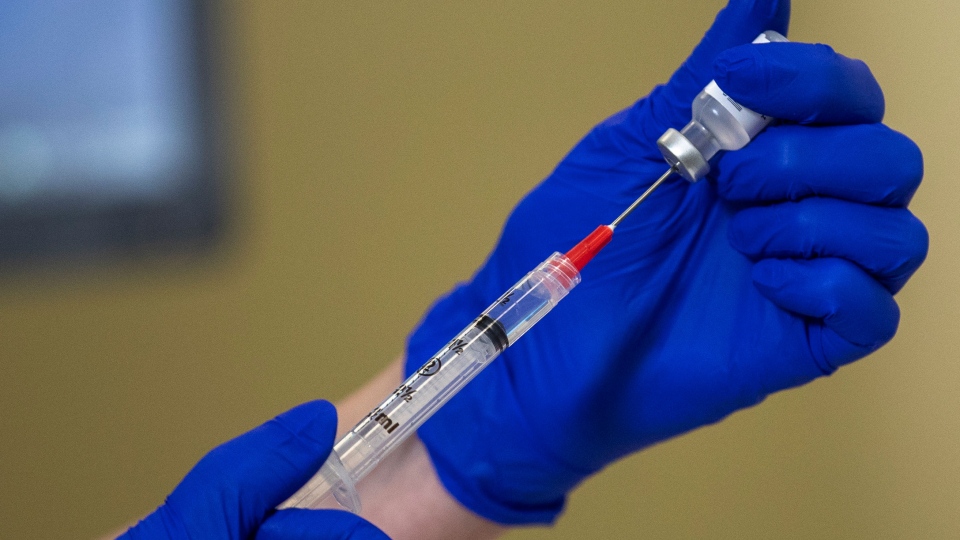
Pfizer Vaccine   (Shawn Thew/Pool via AP)
"If we do not reduce the number of close contacts that enable COVID-19 transmission, our hospitals will not be able to maintain services, and the number of deaths will increase. This is a collective task, one where we need to support not blame each other through this darkest time", stated Dr.Vera Etches, Ottawa's medical officer of health. Grey being the highest tier of the province's colour-coded COVID-19 framework, involving full lockdown as opposed to 'control' measures in Red zones.

Labels: , , , ,

Thursday, December 10, 2020

The Depressing Trauma of COVID Oppression

Amid the COVID-19 pandemic, psychologists are worried about the mental health toll of rising cases and tightened restrictions during the winter ahead. (Evan Mitsui/CBC) 

"When we saw that everything we were doing was having an effect and the numbers were dropping, that empowered us. It made us feel like we're beating this thing, And that is great until the numbers start to go up and we start hearing that more restrictions are going to be in place and ... we might start to feel like everything we did didn't matter. It came back anyway."
"It requires a much quicker step towards getting somebody that really knows what they're doing to help. So if we're heading into winter with less sunshine, less ability to get social interaction, less opportunity for aerobic activity, less job security for some ... I worry we might see depression rates increase."
"It does feel like we're heading into a long, dark winter."
"[Physical signs of depression include very low levels of energy. Anxiety, meanwhile, can cause elevations in heart rate, breathing and sweating as it] basically makes our muscles ready to fight or flee. But we don't know how to fight, and we can't flee. So we're left with this feeling that's becoming chronic, it's engaged all the time." 
"Mental health is not something somebody else struggles with anymore — it's something we're all struggling with now, The critical point to remember is that it certainly will get better. It's a matter of persevering through the dark days and coming out to a better spring and a better summer next year." 
Steve Joordens, psychology professor, University of Toronto

The news, the news. Not very inspiring at the best of times and these are not the best of times. On the one hand we have the almost-imminent appearance of a vaccine that it is hoped will obliterate the presence of the horrible novel coronavirus that has afflicted the global community for almost a year.  The world economy has suffered, but above all, there is now one-and-a-half million dead whose family members will never come to terms with their loss.

But there appears to be another type of affliction that people suffer under, apart from the physical distress, apart from the disabling physical effects of the SARS-CoV-2 virus that so mysteriously entered the pantheon of deadly diseases preying on the animal kingdom, and that has relentlessly stalked the world in such a sinister manner. 

People have been doubly victimized, their organs succumbing to the dire destructive effects of the virus on the respiratory system and other vital organs, and aside from and together with that there is the psychological affect. People already suffering mental insecurity, and those newly introduced to the intensity of fear and loneliness are experiencing a greater loss of equilibrium; debilitating mental illness.
 
A new poll just released by the Mental Health Commission of Canada and the Canadian Centre on Substance Abuse has revealed that respondents who claim to be in "strong mental health" has realized a fall in numbers by 23 percent over the time the global pandemic was set loose on humanity. In 2019, 67 percent of Canadians felt themselves to be in a condition of strong mental health, and that number has now declined to 44 percent. Over half of Canadians now think of themselves as being at a perilous level of mental health. 
Suicide help lines have been beleaguered by a wholesale increase in calls of desperation, vastly outstretching their ability to effectively cope with a mental health crisis that has afflicted youth in particular with one in five seen to be acquiring or worsening a mental health disorder, according to the Canadian Institute for Health Information. Emergency department visits and hospitalizations for mental health disorders among young people rose in the last decade by 60 percent even as hospitalizations for other issues fell by 26 percent. And the numbers are rising, thanks to COVID.

In effect, this disaster that the public has been warned about for years has been realized at a time when no one appeared to take the warning seriously, that a global pandemic was due to appear, and would have to be dealt with. Governments ignored the warning, health authorities took heed but did little to prepare, since it takes financing to do so and public health is financed by the public through taxation, a dirty word when it is suggested that more taxes need to be forthcoming to handle an immense problem that might or might not appear in the near-to-distant future.

Well, it appeared in the near-enough future and that future is now, and we are living through the disaster that just about everyone found too difficult to assimilate into their unreceptive minds as being something that had to be prepared for. That lack of preparation has resulted in horrendous consequences. On the other hand, it's difficult to imagine  how matters could have turned out differently. There are simply so many issues of vital importance that have to be seen to and dealt with, even absent the appearance of a global pandemic.

Things have certainly changed for youth everywhere, from toddlers at day care to elementary-school children, through to high school and university. How comfortable and 'child friendly' would it seem to a child looking around and seeing everyone wearing masks? Conformity may make it appear non-threatening, but it is also, undeniably, off-putting not to be able to see peoples' faces, their smiles the kind of facial language that we learn to read so effortlessly from birth to adulthood. Now denied the young.

Close physical contact another denial, when this is precisely what the human psyche thrives on. And to explain to a child the necessity of distancing is to introduce to that child the concept of an evil, unseen threat waiting to pounce. Which may be true but would be of no comfort to a child being informed that life has its dangers. Teens have seen their casual world of pairing up, joining groups, sport activities suddenly disappear in the interests of health safety. Strictures of caution are introducing them to a solitary existence.

University students, masked and distancing are as exposed to the feeling of suspicion of the 'other' as a potential vector of a disease that may merely inconvenience them, or that may, under certain physical conditions of receptivity when their particular immune system goes amok may alternately result in internal organ disruptions that can be pretty serious, and in rare circumstances lead to life-long impairment, and possibly an early death.

Not very reassuring to those setting out on what should be a long, 'normal' trajectory toward adulthood and aspirational lifestyles. Now, the new normal is isolation and loneliness, confusion and resentment. And mental illness, newly arrived or lingering in the background and newly exacerbated. And there is this kind of whistling-in-the dark:
"Being alone doesn't have to mean being in isolation, We're going to be finding more creative ways of [interacting] again — having game night over Zoom, having a movie night where you're both watching the same movie separately."
"So it's [about] being cautious, but still continuing to do the same activities that we normally use to ground us." 
Noreen Sibanda, registered provisional psychologist, Edmonton

covid canada
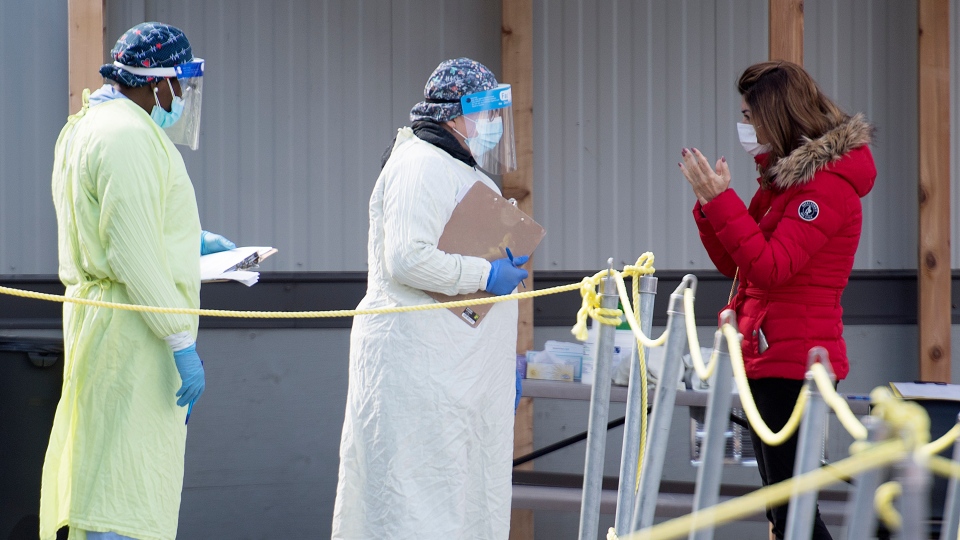
Healthcare workers talk to a woman at a COVID-19 testing clinic Montreal, Sunday, October 11, 2020, as the COVID-19 pandemic continues in Canada and around the world.THE CANADIAN PRESS/Graham Hughes

Labels: , , , , , ,

Tuesday, December 01, 2020

Flout Masking Rules -- Get to the Back of the Health Service Lineup

"We're not saying don't treat. We're saying, if you're going to run around and claim exemption to endorsed and established behavioural policy, you should volunteer, if  you get sick, to go to the end of the line."
"[Should people wilfully engage in behaviours known to potentially harm others], then if you get sick, you have an obligation to think about saying, 'let others go before me, because I wasn't responsible'."
"If you are a real believer in liberty, then you have to say, 'I'll pay the price'."
"Patrick Henry's famous proclamation, carried by many protesters, is 'give me liberty or give me death', not 'give me liberty and if that doesn't work out so well give me a scarce ventilator'."
"I think it's more consistent with what the anti-mask, anti-social distancing, anti-quarantine crowd wants. As soon as they understand they can get on a plane or go on a cruise if they get vaccinated, I think they'll shift their attitudes."
Arthur Caplan, founder, division of medical ethics, New York University School of Medicine

"[A basic principle in medical ethics, all the more so in a country like Canada, is that] you get medical care, if and when you need it, and need is really the only criterion that we should use."
"[Sanctions should be applied to people who break laws]. Certainly that assault on the Walmart employee would seem to qualify, but that doesn't disqualify them from receiving care."
"I think everybody is kind of operating at a level of anxiety and fear that has polarized societies."
"Even though it might be tempting when seeing people flouting common sense public health directives to say 'you guys, back of the line' ... I think it really behooves the medical establishment to look beyond the crisis."
"We're all going to have to live in society together and avoid any acts that may exacerbate polarizations or fractures in society."
Daniel Weinstock, professor of law, Katherine A.Pearson chair in civil society and public policy, McGill University
There are some ethicists, in the face of the public spectacle of vociferous protests against imposed lockdowns, against mandated wearing of face masks, against quarantining and social distancing, who are of the opinion that if you endanger society as well as your own future health prospects by damning and refusing to align your public behaviour with public health guidelines, you automatically distance yourself from the use of the public health care system; which is to say you should do so voluntarily, since your actions have gone against the established grain.

People who flout or publicly make clear they have no use for the new rules and regulations imposed on society by governments in consultation with health experts in the face of a public health threat of singular proportions, place themselves at risk of contracting the COVID disease, with its unknown, haphazard consequences, but worse, endanger the health of others around them -- yet they are entitled to the same health care services as the countless other people who, though inconvenient, practise safe distancing and mask-wearing.

The prospect of steadily rising COVID cases beginning to overwhelm the health care system has raised concerns over whether the system will be able to operate efficiently and effectively as it should, under the strain of coping with high numbers of patients. And while health experts are beginning to mull over the morals of selecting who will be the recipient of extraordinary measures and will who be excluded due primarily to age and/or existing health complications, the thought has been extended to include withholding service in some measure from those to refuse to abide by common sense prevention rules.

New York University's Dr.Arthur Caplan clearly places himself in the school of thought believing that those refusing to lend themselves to the effort of community responsibility have no moral right to then demand treatment equal in measure and timeliness to those who have taken their community responsibility seriously. Dr.Caplan, with his medical peers, co-authored a study arguing that while most individuals diligently adhere to public health recommendations, thousands of others fail to understand the gravity of the situation, exhibit skepticism and act accordingly.

The most commonly used argument in support of denying the need of all citizens to equally make sacrifices in the greater cause of the struggle to starve the SARS-CoV-2 virus of victims, nay-sayers invoke the cry that the demands to mask and limit social gatherings violate their Charter rights inclusive that of freedom of peaceful assembly and freedom of association. To this, Dr. Caplan responds that in a "plague" situation a threat to others  justifies limitations on individual civil liberties.

As far as he is concerned, protesters should be agreeable to signing a personal pledge stating their willingness to forego medical care should emergency rooms or intensive care units become inundated by numbers of COVID cases requiring urgent care. In his opinion, vaccines should be treated differently, "because if you get vaccinated, you may stop infecting other people. I think the thing that motivates people to not wear a mask, to go where they want to go, oddly enough that's what a vaccine will let them do."

And while Dr.Weinstock, on the other hand at McGill University doesn't believe that treatment should be withheld or that protesters should be forced to the back of the line, he does agree that people who break laws should face sanctions for their anti-social acts, citing a 30-year-old man charged with assault after attacking an employee at a British Columbia Walmart -- where store policy holds that mask wearing is mandatory -- for requesting that the customer wear a mask on entering the establishment in a province where mask wear is a requirement.

People protest against measures taken by public health authorities to curb the spread of COVID-19, in Montreal, Saturday, November 28, 2020. Photo by Graham Hughes/The Canadian Press/File
"I can just imagine the level of despair people are feeling. Absolute despair."
"One of the great things about a vaccine is that at least people see there may be an end to this despair -- 'I can get hopefully through the next three months, or the next five months'."
"We think there is actually a finite end."
Dr.Peter Goldberg, critical care physician, Montreal

Labels: , , , ,

Monday, November 30, 2020

COVID's Life Disruptions

People's daily routines have been severely disrupted by the pandemic, which over time can lead to new ideas of what is normal (Credit: Alamy)
People's daily routines have been severely disrupted by the pandemic, which over time can lead to new ideas of what is normal
"When the only stories you hear [are] about the people that aren't doing what they're supposed to do, and are constantly messing up and making things worse and so on, it makes people forget that that's a very small proportion of the actual populace, and that actually they are the exceptional cases rather than the norm."
"People don't get enough recognition for that [their adherence to distancing, mask-wearing, etc.], and I think that's a bit of a problem."
Simon Bacon, professor, Concordia University, co-director Montreal Behavioural Medicine Centre 

"This [trust in state institutions associated with fewer COVID-19 deaths; social trust and group belonging linked to more fatalities] is likely because trust and affiliation with others are incongruent with physical distancing measures. So you can't see COVID-19."
"And trusting that your neighbour, trusting that your best friend, trusting that your family members are engaging in behaviours that reduce the risk of transmission may increase virus transmission."
Michael Wohl, psychology professor, Carleton University

"I explain what happens to me through circumstances and I explain what happens to you through character. That could lead you to chalk up someone else's failure to wear a mask to their being lazy, for example, while excusing your own decision not to wear one as a one-off, resulting from pandemic-related exhaustion."
"We have to be so careful of this kind of storytelling where the non-compliance gets told as a personal deficiency."
"It's not just disseminating knowledge or instructions, but asking the tough questions about how realistic it is for people to follow advice."
"In our planning, we have to anticipate that this is going to happen with a pandemic this long. The instructions that make sense early in the pandemic when people see this as a big threat and a scary thing, and people are energized to fight it, we're going to need different resources and different supports as it drags on."
"We need to acknowledge that everyone's going to get tired, and figure out how our interventions can account for and accommodate for that fatigue." 
Eric Kennedy, associate professor of disaster and emergency management, York University
Loneliness might be expected high among those who have been forced to spend lockdown in isolation by themselves, but early research suggests otherwise (Credit: Alamy)
 
The percentage of Canadians reporting wearing face masks outside their homes between March and July most of the time, rose from two percent to 54 percent. Simon Bacon is at work on an international study of COVID-19-related attitudes and behaviours based on data from close to 14,000 Canadians who participated in a study between March and mid-September -- over 80 percent have been consistently handwashing and physical distancing since the beginning of the pandemic.

A fairly high ratio of compliance. And Dr. Bacon feels that 80 percent should be recognized for their steady reliability as a functional base of people who engage not only in safeguarding their own health but that of their community. As opposed to the quite small number of people comparatively speaking, who appear to believe that rules are made for others to follow and they have no obligation, social or ethical to be a part of that compliant majority. Many among them believe that the pandemic represents a scare-tactic on the part of government to bring people to heel.

Messaging focused on most people dedicating their efforts to sound virus-aversion practices is seen by Dr.Bacon as a reinforcing tool that validates the morality of continued behaviour that becomes normalized. Rather than risk people beginning to question why they should continue making an effort when others fail to. He speaks of consistent policy as a byword for public acceptance. In Quebec, he says as an example, people are not permitted visitors in their home from another address in the province's COVID red zones. On the other hand, up to 25 people are able to gather at places of worship.
 
Social distancing has meant that people have had to get along without the usual daily face-to-face contact with friends, family and colleagues (Credit: AFP/Getty Images)
Social distancing has meant that people have had to get along without the usual daily face-to-face contact with friends, family and colleagues
 
"What people then invariably do is they start defaulting to their personal perspective, their personal values. Do they think this is important? Do they think they should be doing this?" 
 
Researchers at McGill and Carleton universities examined data from dozens of countries, to discover that while trust in state institutions was associated with fewer COVID deaths, social trust and group belonging were linked with greater numbers of fatalities.

And according to Dr.Wohl, one of the study's authors, with COVID-19 case and death numbers -- the anonymity behind the numbers, the de-personalization of the sheer numbers of victims -- growing steadily in numbers results in insensitivity within the population formerly personally empathizing; they become too distanced from the reality that simply overwhelms them. 
 
Dr. Kennedy speaks of the necessity of clarity and consistency in messaging along with the importance of transparent explanations why messaging may change, when it does, along with modelling oneself the very behaviour being asked for the public. The message is more advantageously received when a service is more readily accessed. As for example asking people to get themselves out to testing facilities when symptoms arise, but testing centres have limited operating hours or fail to be conveniently located for easy access, taking a prolonged time to complete. 
 
Another critical issue is the tendency of people to begin to succumb to COVID-inspired fatigue. Acclimatizing to threats that become incorporated as part of routine environment.Those new routines can become difficult after time has passed, to continue along with, given their inconvenience and become life-stressors. 
 
Changed work conditions, childcare disturbances, all take a psychological toll to match the physical toll. In current conditions what people once thought of as routine and predictable has undergone a complete transition, a crisis-forced change, one that disturbs their sense of resilient accommodation because it is unrelenting and intrusive in their lives. People despair over that elusive 'light at the end of the tunnel'.

COVID-19 Articles

Labels: , , , , , ,

Friday, May 29, 2020

Abandoning Liturgical Music

"Some parishes may not have music at all, some parishes may just have a single singer."
"It would be rare to see large choirs singing because the challenges to ensure the physical distancing amongst the instrumentalists and the choir members is very difficult and not practical in most parishes."
"It's going to be strange. Music is part of it [church attendance] for many people."
"Parishes will be encouraging people to come in, participate in mass and then head out because we're going to have to clean and sanitize the churches between masses."
"It's going to be very different from what people are accustomed to."
Neil MacCarthy, director, public relations and communications, Archdiocese of Toronto
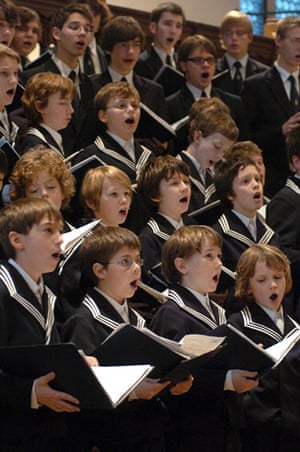
Vicar's Choral, Wells Cathedral Choir
People's accustomed habits, the way business is conducted, school and work attendance, urban transit, entertainment, sport events, all that the modern world has known and taken for granted, in one fell swoop, with the introduction to an unready world of a viral and deadly infectious pathogen, has suddenly become unfeasible. Civil life, humanity itself has had to undergo a massive transition from trust to distrust. We can no longer safely be spontaneous in our reactions, we can no longer assume ourselves to be safe from a destructive virus.

It stands to reason that the globe's most fundamentally important ritual to an immense segment of any population; gathering in a house of worship to give praise to an Almighty Spirit of Creation, and in the process plead with that omnipotent being to remove the most recent destabilizing curse that an evil force has wrought, must now, given the circumstances of lockdown and social distancing government orders worldwide cautioning care against infection, think of church attendance in a different way.

Choir Painting - Christ with Singing and Music-Making Angels - Panel 3 by Hans Memling
Hans Memling  Christ with Singing and Music-Making Angels
Churches, like business enterprises and manufacturing and social service groups must now re-imagine its openness and presentation to worshippers. No longer can it be feasible, in the absence of a safe and viable antidote to the SARS-CoV-2 virus causing COVID-19, for people to innocently gather in large groups to share their faith. No longer will the celebration of faith include the sublime music that has traditionally lifted hearts and souls.

In Canada, churches are struggling to inform their parishioners how they may continue to worship that Supreme Being somewhat traditionally, but with quite profound differences to minimize physical contact with a view of protecting people from bodily contamination by the novel coronavirus. In Ontario, according to Mr. MacCarthy, the distribution of a limited number of seats in a fair manner now challenges the coordinators of church activities.

Being considered are various scenarios, including online reservation systems. Yet worryingly, if some churchgoers are not comfortable with modern technology they will be excluded. Tellingly, that would be the older church-going demographic, unfamiliar with computers and the Internet, while at the same time representing the most infection-susceptible group in the public to the novel coronavirus, and suffering the absolute worse consequences in greater numbers.

There have been incidents to forewarn of what can occur with the gathering of worshippers in the first wave of COVID with outbreaks in church choirs and in the church congregations themselves. In early March in Washington State, dozens of choir members contracted the virus and two among them died. In another instance, 59 people in a 78-member choir in a Berlin cathedral contracted COVID-19. 

Monteverdi Choir, Beethoven
The National Association of Teachers of Singing in the U.S. gave a webinar on "the near-term future of singing", outlining just how bleak that future appears. The reasons are obvious enough; as when singing droplets are emitted from the mouth and nose. Large groups of people practise in a choir in limited spaces, while sheet music and file folders are passed from person-to-person. Singing in a group when members of that group are likely to touch their faces, hits all the wrong notes.

Hereafter, church-goers will have to accustom themselves to wearing face masks at church, where after a mass is celebrated and the church emptied of worshippers, the entire interior of the church must be cleansed and sanitized before another service is held. California urges churches to no longer feature choirs and to hold shorter services where places of worship will limit themselves to 25 percent capacity or 100 people attending, whichever is the lesser number.

10 best: choral blockbusters

Catholic churches represent a full range of capacities, from intimate with no more than a hundred seats, to massive cathedrals such as St.Michael's in Toronto, where 1,200 can be seated. Weddings in Ontario are now restricted to five attendees, inclusive of the officiant, while funerals are permitted no more than ten people in attendance. And nor may church-goers gather in parking lots or church lobbies, for the safe distance from one another must be upheld.

As for the collection plate; no longer will they be distributed at the finalization of a sermon before people leave the pews. Other means of supporting the church financially are to be explored, and all roads appear to converge on the Internet.

Labels: , , ,

 
()() Follow @rheytah Tweet