Ruminations

Blog dedicated primarily to randomly selected news items; comments reflecting personal perceptions

Monday, August 24, 2026

The Openly-Acknowledged Black Market in MOTS-c Peptide

https://desertbodycontour.com/wp-content/uploads/elementor/thumbs/exercise--rroethtyyalpalvnga7hvkqadjpqt4sny03jitm9gk.png
"Turns out that tens of thousand of people are injecting themselves with MOTS-c. [That's] black market, illegal, from unknown sources, unknown purity,  unknown sterility, and I strongly object to that."
"We can't stop the black market. So I think it's a better choice to at least guarantee the quality, the sterility and require that real doctors are part of the process. I really think this is a better choice than just letting it go on the way it is." 
"Certain groups of people -- for example the fitness enthusiasts, which is the kind way to refer to gym rats -- those people take one figure from one paper done on mice and take it to become gospel." 
Dr. Pinchas Cohen, dean, USC Leonard Davis School of Gerontology
 
"My impression is that the 'lesser of two evils' argument is a minority perspective. While it's true that most [pharmaceutical] compounders can likely [produce] purer versions of these peptides than what's in the grey market, that doesn't address potential inherent risks of the peptides themselves." 
"There's no special reason they should be allowed to bypass the standard clinical trial system just because there's a peptide fad driven by wellness influencers and telehealth firms." 
Professor Paul Knoepfler,  cell biology and human anatomy, UC Davis School of Medicine
 https://substackcdn.com/image/fetch/$s_!nNpg!,w_1456,c_limit,f_webp,q_auto:good,fl_progressive:steep/https%3A%2F%2Fsubstack-post-media.s3.amazonaws.com%2Fpublic%2Fimages%2F3f15b7f2-af0e-4290-91b2-0e80be67f038_971x622.png
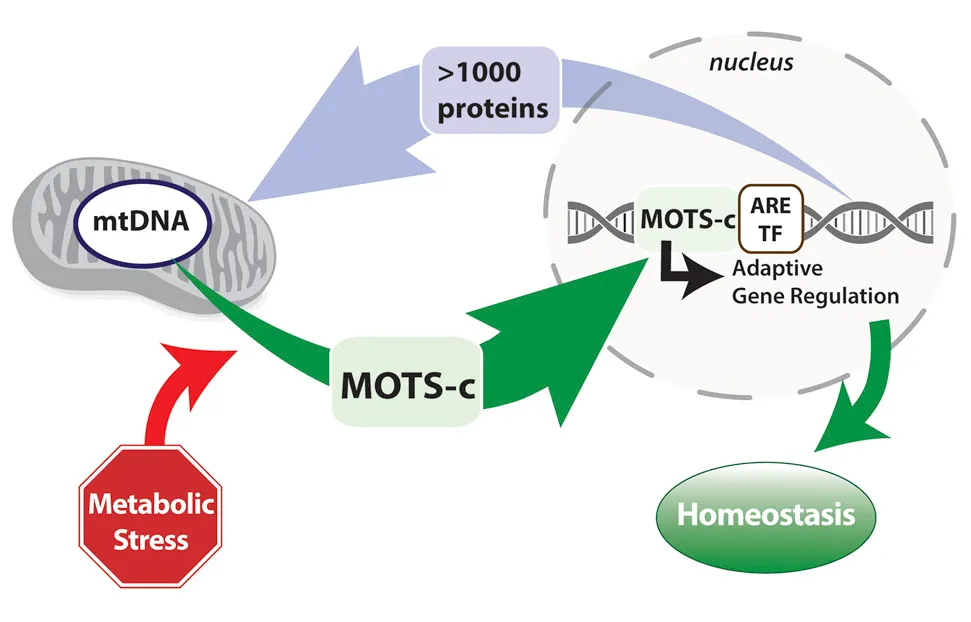
Dr. Pinchas Cohen's laboratory at the School of Gerontology, USC Leonard Davis identified the MOTS-c peptide  as one of the thousands of peptides acting as chemical messengers in the human body. It was discovered when Dr. Cohen combed through the 97 percent of human DNA that does not encode for genes. Once dismissed as "junk DNA", or the "Dark genome", this biological hoard has been recognized as being full of hormones and microproteins playing vital roles in directing systems and processes in the body.
 
When he became aware his discovery was being promoted by longevity seekers, fitness enthusiasts and wellness influencers as "exercise in a bottle", he felt dismayed. While not approved by the U.S. Food and Drug Administration, the peptide was available widely online, frequently found in vials marked "for research use only". Social media hype and a public consumer zest for experimental peptides has overwhelmed the public seeking magical fountains of youth and energy, and unregulated peptides now fuels a high-stakes federal government policy conflict.
 
Unsurprisingly, U.S. Health and Human Services Secretary Robert F. Kennedy Jr. is a self-confessed "big fan" of peptide use personally, pledging to put an end to government's "aggressive suppression" of the peptides. Some of which, like insulin, human growth hormone and glucon-like peptide-1 have seen transformational therapeutic effects to humans. However, every one of these peptides (think Ozempic) on a pharmacy shelf has undergone decades of clinical trials and testing for safety.
 
https://innerbody.imgix.net/mot-c-peptide-upper.jpg?auto=format,compress&fit=max&w=826&q=75&dpr=1
Photo by Innerbody Research
 
The same cannot be said for MOTS-c and a host of other peptides now widely available online. Those wedded to their use claim the substances' effectiveness in aiding weight loss, boosting energy and muscle mass, frequently citing research conducted only on animals, or with a very limited number of humans. Leading to the situation where it is unknown how or when the peptides should be used for humans; no data exists that can attest to their safety and effectiveness.
 
An FDA committee was recently struck to vote whether to recommend compounding pharmacies be permitted to manufacture six different peptides currently available online: BPC-157, TB-500, KPV, epitalon Semax and MOTS-c. Last month, Health Canada announced that a Canadian court had approved their request to permanently ban a Quebec-based online store from selling unauthorized injectable peptides in Canada. 
 
Many of the members comprising the FDA committee work for telehealth, longevity and wellness companies that will profit from the regulation of peptides. Dr. Cohen arrived in Washington to speak before the committee; stating that he believed "quality-controlled, prescriber-supervised" compounding was the safest way forward. FDA staff who also spoke at the meeting advised against peptide compounding on the reasonable basis that insufficient safety data exists to justify the move.
 
It is unknown how long-term use of these peptides would affect humans. Claims by influencers that peptides have a positive effect on human weight loss, muscle mass, longevity and energy have been taken from effects seen on laboratory animals. Nor is it known what formula or dosage might be effective for human use. Molecules are viewed by scientists as a promising area of research where significant health breakthroughs could result. Rigorous science on the other hand takes time; guesswork is just that; unproven assumptions.   
 
https://hips.hearstapps.com/hmg-prod/images/213e3186-5f88-41a9-a011-3db4b7397abd.jpg?crop=1xw:1xh;center,top
viviana loza//Getty Images
 
"Peptides are neither miracle cures nor snake oil. They are signalling molecules. Some have strong evidence. Some have intriguing or early data. Some are wildly overhyped, and some probably should never leave the laboratory."
"Patients are looking for alternatives, and they are looking not at physicians. They're looking at this grey market source." 
Dr. Ben Gonzales, former emergency medicine physician, Walter Reed Army Medical Center 
 
"The big picture is that we're transitioning as a nation from the 20th-century model [in which] all health care was dictated by physicians and insurance companies to a new 21st-century model where consumers are demanding and receiving health and wellness services and products that they pay for in cash."
"I'm not saying that's a better model. But it's the model we're transitioning into."
Dr. Pinchas Cohen 
https://desertbodycontour.com/wp-content/uploads/2026/07/Screen-Shot-2026-07-31-at-9.27.00-AM.png
MOTS-c peptide hype


Labels: , , , , , , , , ,

Saturday, December 13, 2025

Risking Children's Health Consuming Energy Drinks

https://www.torrancememorial.org/app/files/public/e5953858-fc86-4836-aad9-ba96b07bcc48/1.png
“We’re seeing more teenage patients come in with symptoms like anxiety, palpitations, and elevated heart rates” TorranceMemorial.org
"[Energy drinks can lead to extra heartbeats and while that's not necessarily a major health risk], it does show that even small doses affect the heart rate and rhythm of young people and children." 
"Why do these drinks have these effects? Probably because of the enormous amounts of caffeine they contain."
Dr. Felix Oberhoffer, clinician scientist and pediatric resident, Munich
 
"We have warnings on cigarette products and we still have four million people who smoke. [Supplemental labels are vague].
"When we use the word 'supplement', most often people think, 'Oh, that's a nutritional supplement. That's good for me. That's what we do for old folks and little kids, and infants."
"What it's meant to do is flag things that are in such high concentrations they could be harmful, but most folks aren't picking up on that."
David Hammond, professor, university research chair, School of Public Health Sciences, University of Waterloo
 
"Member companies adhere to several voluntary marketing commitments, including a commitment] to not engage in any direct commercial activity [with respect to K-12 schools and not to advertise energy drinks] in programming/advertising whose primary target audience is children."
"[Sales restriction on energy drinks is] arbitrary, discriminatory, ineffective and not justified." 
Krista Scaldwall, president, Canadian Beverage Association 
 
"Seeing my daughter on the floor not being able to move or speak properly was the scariest thing I've been through. I've never condoned buying energy drinks for her, ever."
"We've told her plenty of times that they can be dangerous. It wasn't just that she was able to buy them. It was the amount -- it was  how she was able to purchase such an excessive amount."
"At the hospital, we got her blood tested,  urine tested -- everything possible to make sure that's why she had the seizure."
"Eventually she got her mobility back, within about an hour. But she was moving around like a sloth because her muscles were so seized up."
"They double-checked her kidneys, to make sure there was no kidney failure They did an ECG when she was on the ground, in the ambulance and at the hospital."
"All the kids are drinking energy drinks. They all want to be like their older siblings. They all want to be like everybody they see on TikTok."
Kayla Duguay, of Miramichi, N.B. 
England is moving to ban energy drink sales to kids under 16, citing health risks and rising youth consumption. Canada’s public health agency says its current rules, like warning labels and marketing limits, are enough. CBC
 
The issue of health risks posed by caffeinated energy drinks to children is one of growing concern. In England energy drinks with over 150 mg of caffeine per litre, exceeded by many popular brands, are likely to be banned in Britain for under-16s. A special committee of the European Parliament is studying a potential EU-wide ban on energy drink sales to minors, with ten member states currently limiting their sale by age. A special committee of the European Parliament listened to medical researchers speak of "high acute consumers" referring to young people consuming at least a litre in a sitting, the equivalent of five espressos plus 150 grams (a cup) of sugar. 
 
An increasing number of children are being seen by pediatricians, with heart palpitations and chest pains; teachers reporting an increase in restless, irritable or zoned-out students suffering from insufficient sleep. The potential of "undesirable cardiac consequences" has been noted emerging, inclusive of arterial stiffness, and stiffening of the heart's blood vessels in young people and children, according to Dr.  Felix Oberhoffer of Munich. 
 
 Dr. Oberhoffer and colleagues conducted a small study involving 27 healthy children and teens between the ages of ten and 18, finding that one energy drink in the morning was associated with higher blood pressure throughout the day and into the night. He explained that, while caffeine is the major troubling component in energy drinks they also contain other stimulants like taurine and guarana seed extract. With their lower body weight, children and teens are more sensitive to stimulants, making them more vulnerable to the effects of excess consumption.
 
In Canada, Health Canada and the Canadian Food Inspection Agency require that energy drinks must contain no greater amount than 180 mg of caffeine per serving; their labels containing "a cautionary statement" aimed at pregnant or breastfeeding women and people sensitive to caffeine, while the products are not recommended for children under 14 years of age. Children, according to the Canadian Paediatric Society, should have no caffeine whatever, though chocolate and chocolate milk do contain caffeine.
 
An expert panel convened by Health Canada in 2011 recommended energy drinks be sold under direct supervision of a pharmacist, limiting to people 18 and older and labelled "stimulant drug-containing beverage".  The recommendations were never implemented. Two years later, a Health Canada risk assessment concluded that for adolescents 12 to 18, a typical energy drink's caffeine content would be unlikely to pose a health hazard, taken in the recommended maximum daily levels.  
"At moderate levels there are minimal risks. But there are lots of people, including kids, who don't consume at moderate levels."
"[Risks are greater when used in conjunction with sports or alcohol] which, again, are some of the most common patterns of use."
"I'm not a medical doctor, but they're stimulants. They increase blood pressure and heart rate."
"When you're doing sports or vigorous activities, you're already stressing your cardiovascular system. Your heart rate and blood pressure is [sic] already up and you're adding additional stress on top of that."
David Hammond, School of Public Health Sciences, University of Waterloo  
https://www.mayoclinichealthsystem.org/-/media/national-files/images/hometown-health/2022/drinking-an-energy-drink.jpg?sc_lang=en&hash=B7FBBA513C7E96E9AEF99A2F6ECB8A28
About 90% of adults consume caffeine every day, making it the most common stimulant in the world. Widely available sources of caffeine include coffee, green and black tea, soft drinks, "energy shots," over-the-counter supplements, energy or protein bars, sports and energy drinks, chocolate, chewing gum and even ice cream.  Mayo Clinic
 

Labels: , , , , , , ,

Saturday, April 22, 2023

Health Report for Canada's Chief Public Health Officer

"Fundamental changes in our socioeconomic structures are needed to rebuild our relationships with each other and with our planet."
"Collectively, we have a deep appreciation for Indigenous Peoples' close and continuing relationship to the land and waters that we live upon and we are committed to a lifelong learning journey toward becoming good guests here."
"Canadian public health actions should focus on] decolonization, justice and equity [above all]."
"Health systems should be independently governed or at least arm's length from government structures to be free of fear of repercussions."
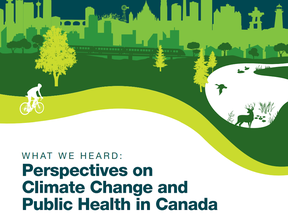
What We Heard: Perspectives on Climate Change and Public Health in Canada
Dr.Theresa Tam, Chief Public Health officer, Health Canada

Health Canada commissioned a report and what emerged was a paper written by three individuals, identifying as "white settlers", some 72 pages in length. It was commissioned for the purpose of studying and detailing "impacts of climate change on the health and well-being of people living in Canada". For their report the three authors surveyed thirty public health experts and academics for inclusion and perspective.
 
Warming climate does in fact have an impact on health in Canada; an example of which is an expanded range for disease-carrying mosquitoes increasing potentially the number of people who may be exposed to diseases normally associated with more tropical climates than Canada's; as example, malaria, dengue fever and West Nile virus. Despite which the report lists no condition or infectious illness that might pose a risk in Canada, with linkage to climate change.

The report features instead disparate opinions by Canadian public health professionals focusing on "less tangible determinants", equating with "legal, colonial and racist factors". Which led the report to include opinions and explanations and recommendations such as these:
  • "If we don't address capitalism, if we don't address colonialism, racism, the patriarchy, etcetera, we're going to tread water for a long time until we eventually drown."
  • "It's really about the foundations of our society, the capitalist system, the culture of extraction -- and we need to change that. How do we do that?"
  • "[The concept of] liberty and individualism advances the individual over the collective; it says 'as long as I get what I want, bugger you', and it leads to a huge number of problems, and it undermines the collective process."
The views of 30 Canadian public health officials and academics considered to "have some understanding of the role of public health systems", were distilled in the report. Many of these individuals exist at top levels in the Canadian public health establishment and include three Canada Research chairs. All of the 30 representatives were asked in focus groups or one-on-one interviews: "What roles should the public health system play and why?"

Climate change and poor public health, the report concludes, are caused by many of the same issues: "White supremacy, capitalism, colonialism and racism". Yet another theme posited that public health officials should be more "courageous" to insist on policy typically considered outside their purview be included, which would encompass the promotion of "low meat" diets, designs of housing projects and advocating against extraction and use of fossil fuels.

One respondent stated: "Practically speaking, a lot of public health people want to be making the connections, but they are literally not given the mandate or the permission to because it's not seen to be within their box." There is an admission in the report that public or official pushback to this manner of "speaking out" may result from health agencies, recommending these bodies be insulated against avenues of accountability.

One report respondent stated a belief that "Public health is under attack in some provinces ... and there's this climate change denial that we all know is being fuelled by the fossil fuel sector. So, my worry is that with public health that we won't actually be able to get out there and do what we need to do."

There was a near-unanimous pronouncement in the report that public health agencies should receive increased funding, even at the expense of the primary heath care system; if public health has more money to improve society and fight climate change, the rational goes, fewer people would be going to hospital. "Not only would the primary health-care system require less funding but staff would be less overwhelmed in their duties, especially as health issues related to climate change intensify", reads the report.

NOTICE: This is not a chapter of Lewis Carroll's "Through The Looking Glass".

The report concludes that climate change and poor public health are caused by many of the same things: “White supremacy, capitalism, colonialism, and racism.”


Labels: , , , , , , ,

Thursday, February 02, 2023

Cleansing the Body From the Inside-Out

"Websites selling Miracle Mineral Solution describe the product as a liquid that is 28 percent sodium chlorite in distilled water. Product directions instruct people to mix the sodium chlorite solution with a citric acid, such as lemon or lime juice, or another acid before drinking. In many instances, the sodium chlorite is sold with a citric acid “activator.” When the acid is added, the mixture becomes chlorine dioxide, a powerful bleaching agent."
?Both sodium chlorite and chlorine dioxide are the active ingredients in disinfectants and have additional industrial uses. They are not meant to be swallowed by people."
U.S. Food & Drug Administration
Five plastic bottles labeled with "Miracle Mineral Solution" and similar product names followed by an equal sign and a bottle labeled "Chlorine Dioxide - Powerful Bleaching Agent"
 
"In Health Canada's most recent warning about the sale of a sodium chlorite-related product called Aerobic Oxygen, the agency said ingesting sodium chlorite can cause poisoning, kidney failure and harm to red blood cells."
"This in turn reduces the ability of the blood to carry oxygen, among other effects," the agency said in an advisory. "Ingesting sodium chlorite can also cause abdominal pain, nausea, vomiting and diarrhea."
Canadian Broadcasting Corporation 

"It is designed to kill bacteria, pathogens, germs."
"It will do that to human tissue."
Richard Parsons, toxicologist, King's College London
 
"We have proactive measures in place to prevent this product from being sold, and we continuously monitor our store."
Amazon

 
Not closely enough, it would seem: "Miracle Mineral Solution", touted by its makers and purveyors to cure all ails from asthma to arthritis as a cure-all potion referred to commonly as MMS, but which is in actual fact, industrial grade bleach can readily be found online for sale at sites like Amazon, Etsy eBay and Poshmark where it is openly boasted to be a failsafe cure-all.
 
The product was popularized infamously in 2020 when former president Donald Trump recommended disinfectant as a potential COVID treatment. Science took no time debunking this startling disinformation, but global attention pivoted to it and sellers seized the opportunity to bring a fringe product into big business. They had no trouble finding an audience. After all, the president of the United States of America praised the product, used it himself.

What could go wrong?

The solution is comprised of one part sodium chlorite, a chemical disinfectant, and one part acid; a combination that dates from the 1990s. In 2018 it came to the attention of government agencies in Canada, he United Kingdom  and the United States which then took steps to warn their publics against its use, stressing the harmful effects and consequences of ingesting an industrial cleaner.

The product inspired the Genesis II Church of Health and Healing, operated by a family which made use of social media to market the bleach solution, available through their church, where it was treated as a type of religious sacrament. The family's monthly sales soared when the product more than tripled orders following the Trump endorsement.

The bleaching agent was produced out of the family home, the solution was sold through their website. Sales went sky-high past $1 million, according to a federal indictment of the Grenom family against whom criminal charges were laid. They are scheduled to go to trial later this year, but incarceration hasn't stopped the Grenons from continuing to advertise the benefits of MMS through Telegram.


Labels: , , , , , , , ,

Wednesday, November 23, 2022

Evading Vitamin B12 Deficiency in the Elderly

Vitamin B12
Food source of B12 vitamins
"We wanted to see what association there is between what people eat and the risk of developing a Vitamin B12 deficiency."
"The 2.4 level [B12 intake recommended by Health Canada] is really too weak, everyone is pretty much in agreement on that."
"We think that the needs increase, precisely as we age, because absorption is less and less efficient, So maybe 2.4 micrograms is okay when you're 30, but not when you're 70."
"If we look at studies and work done around the world, the recommendation is often between 5 to 10 micrograms." 
"A large glass of milk is 1.6 micrograms. So it's easy [to procure sufficient B12 from diet alone]."
Nancy Presse, professor of community health sciences, University of Sherbrooke, Quebec
A new study published in the November edition of the Journal of Nutrition points out that a significant number of seniors may be seriously deficient in Vitamin B12 intake. This is a problem with health consequences yet one that can be readily addressed through an increase of dairy products consumption over and above the amounts Health Canada recommends in their published food guides for maximum nutrition and health.
 
Vitamin B12 has an important role in some enzyme reactions in the body, essential for normal red blood cell formation and neurological function. Anemia can be caused by a deficiency in Vitamin B12 intake, potentially leading to irreversible neurological damage. 
 
An examination of blood and urine samples taken through a four-year study conducted with 1,750- seniors in good health led to this revelation. The samples found ten to 13 percent of study participants had a B12 deficiency. The recommendation on VitaminB12 intake by Health Canada is 2.4 micrograms daily. However, Dr. Presse and her colleagues found a daily intake of  4.8 micrograms represented the level required to significantly reduce risk of deficiency.
 
Seniors, according to Health Canada's recommendation, should make use of a vitamin supplement or eat foods rich in B12; for example soya drinks. The problem, points out Dr. Presse, is that foods such as this are not readily obtainable in Canada, as well as the fact that in her opinion, with an adequate diet providing the required levels of Vitamin B12, supplements are redundant. 

Good sources of Vitamin B12 are meat, poultry, fish, seafood, eggs and dairy products. The absorption of B12 requires calcium. As dairy products are rich in calcium, they represent the perfect source for both. Therefore consumption of dairy products could produce a greater impact on avoidance of deficiencies "and that is indeed what we saw", stated Dr. Presse.

It was found by the researchers involved in the study, the linkage between eating habits and deficiency rates that consuming an additional 1.5 micrograms of B12 in the form of dairy products is enough to create a 50- to 60-percent reduction in the risk of insufficient Vitamin B12. 

Factors, they acknowledge, from the use of prescribed medications to the aging of the stomach lining could explain as well, the increased risk of a deficiency among the elderly.
Health Canada recommends that seniors consume 2.4 micrograms of vitamin B12 daily. But that might not be enough.

The most common problems related to low vitamin B12 levels include:

  • Anemia. This means the red blood cell count is low. Red blood cells carry oxygen in the blood, so anemia can cause fatigue or shortness of breath. The breakdown of faulty red blood cells can also cause jaundice. (Learn more about anemia here: Anemia in the Older Adult: 10 Common Causes & What to Ask.)
  • Neuropathy. This means that nerves in the body are not working well. This can cause a variety of symptoms, including tingling, numbness, burning, poor balance, and walking difficulties.
  • Cognitive impairment. This means that nerve cells in the brain are not working well. This can cause memory problems, irritability, and even dementia

Labels: , , , ,

Sunday, November 13, 2022

Canada's Universal Health Care System in Collapse

"What we're seeing is that the health-care system isn't just getting worse, it's getting worse faster. The rate of deterioration, on so many different metrics, is actually accelerating."
"They [health authorities[ should be providing regular reports and providing operational leadership explaining to us what is being done to address regional shortages or crises as they appear in different parts of our province [Ontario]."
"[The public deserves] transparency and accountability [on the state of the province's health-care system and should not have to rely on leaked reports]."
Dr. Adil Shamji, emergency room physician, Liberal MPP 
 
"There's been issues with emergency overcrowding for years. The pandemic didn't cause these problems, it just really put a lot of stress on the fractures, and it led to open breaks in the system."
"I'm seeing patients in my urgent care side, who I should be examining in a stretcher. It's not good care for them, and it also increases the wait time for everyone else."
"There's very little privacy. Confidentiality concerns occur and there are sometimes questions of 'Am I able to fully and properly assess the patient'?"
Atul Kapur, emergency room Physician, co-chair Public Affairs Committee for the Canadian Association of Emergency Physicians
 
"To ensure that patients and caregivers understand what medication they are consuming, if manufacturers get foreign supply, work will be done in partnership with providers to add information in both official languages."
Health Canada
 
"We have already seen [labelling] exceptions that were made during the pandemic."
"I think this was a mistake. This mistake should not be repeated. We must respect the francophone minority and it is also a matter of health and safety."
NDP deputy leader Alexandre Boulerice
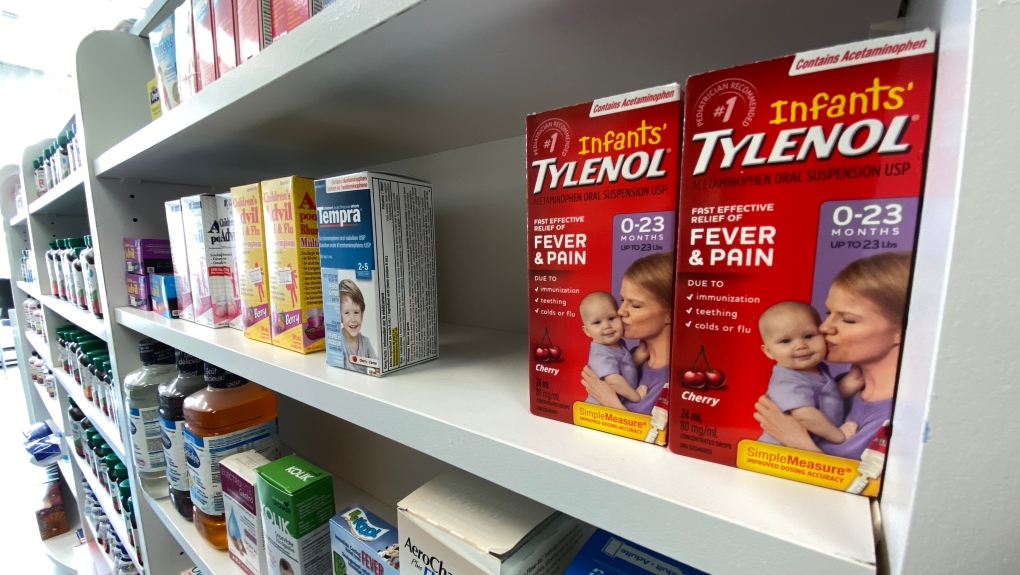
Children's pain relief medicine are seen at a Toronto pharmacy Wednesday, August 17, 2022. Two Ontario pediatric hospitals say they're facing shortages of common pain relievers amid supply disruptions in some parts of the country. THE CANADIAN PRESS/Joe O'Connal
Children's pain relief medicine are seen at a Toronto pharmacy Wednesday, August 17, 2022. Two Ontario pediatric hospitals say they're facing shortages of common pain relievers amid supply disruptions in some parts of the country. THE CANADIAN PRESS/Joe O'Connor

A leaked Ontario Health five-page report on "access to care" in the province of Ontario up to September indicates that emergency room wait for in-patient bed and ambulance off-load times to be at their worst levels in over ten years with nine of ten patients waiting up to 45 hours for a hospital bed. Patient length of stay was up 12 hours, patient offload time increased 17 percent from a year earlier at 90 minutes -- resulting from longer processing times.

Children's hospitals in Ontario are similarly overstretched, the pressure so great on them from the incoming volume of children and infants infected with respiratory illnesses they have asked other hospi8tals to absorb patient care for those over 14 years of age  Pediatric viral illnesses, in particular respiratory synctial virus (RSV) and flu hitting the  young earlier in the season and more seriously than ever before.
 
At the very same time that children have been flocking to hospital emergency rooms in droves awaiting admission with few beds available and overworked staff tending to their needs, children's acetaminophen and ibuprofen is entirely unavailable to help parents treat their children at home. Some desperate parents have taken to driving to U.S. border points to access those medications available there in abundance.

The formulation of adult acetaminophen for both adult and children versions is the same. A compounding pharmacist would be able to produce child doses and preparations should they be given clearance to do so, or at the very least given leave to advise parents how they could transpose one to the other in correct crushed-pill dosages. Assuredly, however, parents would have more confidence in being able to access the correct dosage directly.

The problem with importing the products into Canada from international sources where it is plentiful is compounded by Canada's bilingual labelling policies. Health Canada hesitates to waive rules around bilingual labelling leading them to disallow importation of pharmaceuticals labelled unilingually. "Canada's children's Tylonol shortage is getting worse -- and bilingual labels are part of the problem" reported the Toronto Star, quoting the head of the Ontario Pharmacists Association urging action to avoid "a precarious position throughout the winter".

Under these circumstances it might seem reasonable to most people that the bilingual labelling requirements be suspended temporarily to spell relief from the situation. The very suggestion of which has rallied Quebecois to huff and puff with indignation: "Bilingualism harms children's health -- haven't heard that one before", sniped a columnist with La Presse.
 
Pharmacies across Canada have been grappling with a shortage of pain relievers since the spring, while countries such as the U.S. and Australia appear to have a greater supply.

"[Health Canada is] obviously concerned about the supply of this essential medicine [and officials are in touch with manufacturers, pharmacists, as well as provinces and territories about the issue.]."
"Let’s be very clear. The situation is under relative control. No one needs to, you know, be so afraid as to rush and accumulate tons of drugs and medicines."
"Our system in Canada is a very solid one, supported by appropriate regulatory and monitoring activities within the federal government… This being said, we – and I have shared that very clearly with Health Canada – we need to be in touch with provinces and territories to see how they can use their own network, because they are the ones with physicians and pharmacists that have the greatest control."
Federal Minister of Health Jean-Ybes Duclos


Labels: , , , , ,

Saturday, August 06, 2022

"If It Works I Will Use It"

"This is the landmark case that is going to legalize psychedelics in Canada."
"The hoops that patients with cancer need to jump through to get access to their medicine is barbaric."
"For two years, we've done absolutely everything in our power to play nicely with the government. If we get this, nobody in Canada will ever have to go to court again for access to psilocybin. No more people will be dying waiting for access. This is what we've been working toward."
"The outright prohibition of psilocybin is against our Charter and that was made evident with cannabis."
Spencer Hawkswell, CEO, TheraPsil

"If it works, I will use it."
"That's my whole litmus test. Cannabis, I felt, was a very effective tool. I believe that psilocybin will also be an effective tool."
"I have had anxiety for so long, I had sort of forgotten what it feels like to not have it."
"To experience the lack of anxiety I have had this week is beyond words [2020]. It's amazing. I have no idea how long this particular benefit will last, but so long as it's here, it's really, really amazing and good."
Thomas Hartle, stage four cancer patient
Samples of mushrooms and a small pill capsule.
Psilocybin can be extracted from psychedelic mushrooms and then processed into pill form. (Camille Vernet/Radio-Canada)
 
IT professional from Saskatoon, Thomas Hartle. shortly following being diagnosed with cancer became a medical cannabis consumer at age 46. Now, he is among a group of eight Canadians who have filed a challenge against the Government of Canada and the minister of health for denying them access to magic mushrooms, psilocybin. The group is comprised of seven patients and a health-care practitioner.

Their Charter-based argument is that current modes of accessing psilocybin fail their needs -- thus representing a violation of Section 7 of the Canadian Charter of Rights and Freedoms, guaranteeing the right to life, liberty and security of the person. The situation has a parallel in the landmark court case, R v Parker whose outcome led to the first medical cannabis laws in Canada.

The current challenge sees support from a British Columbia based non-profit, TheraPsil, whose fundraising covers legal fees. Their support of the plaintiffs has also extended toward aiding them in securing legal access to psilocybin. Their Charter challenge argues that the three existing pathways to legal access of psilocybin for medical purposes fail to adequately serve patients' needs.

The three pathways -- obtaining a personal exemption from the Minister of Health under the Controlled Drugs and Substances Act; working with a doctor to obtain an authorization through a Special Access Program; or enrolling in a clinical trial, are all cumbersome, time-consuming and give no guarantees of success. 
Hartle was granted the CDSA exemption for one year on Aug. 2020.
Hartle was granted the CDSA exemption for one year on Aug. 2020. Photo by Michelle Berg /Saskatoon StarPhoenix
 
Mr. Hartle's experience with the use of the existing protocols itself, proves the point. With guidance from TheraPsil, Hartle applied for the exemption in 2020 and by August the exemption for a one-year period was granted, enabling Hartle to undergo psilocybin-assisted psychotherapy, becoming the first person in Canada to legally use psilocybin for medical purposes. This resulted in a significant decrease in his distress and anxiety, with no side effects typical of pharmaceuticals.

Then the exemption expired, just as his cancer spread throughout his abdominal cavity. The months of relief he experienced following psilocybin therapy sessions have evaporated. Since his exemption period expired, he no longer can access psilocybin. In October of 2021 he submitted an application for a n extension of the exemption, and to the present there has been no response.

As for the other plaintiffs wishing to pursue psilocybin therapy, they have been forced to do so illegally after having been denied exemptions, or having had to wait for over a year with no response to their applications. Several of whom also bear terminal cancer diagnoses; others suffer major depression disorder, anxiety and addiction. One plaintiff suffered four separate bouts of sepsis and lives in constant pain.

The CEO of TheraPsil notes that his non-profit has been overwhelmed by applications over the past two years from Canadians needing help in accessing medical care. Their wait list stands at over 800 patients. To manage the situation they have focused mostly on patients with terminal cancer. Their statement of claim sent to Health Canada argues a framework for constitutionally viable access to psilocybin exists within the cannabis law.

In 2020 an Ontario court agreed that the prohibition of cannabis by the Controlled Drugs and Substances Act contravenes section 7 of the Charter, leading to the creation of Canada's first medical cannabis laws. The belief is that the current Charter challenge should logically be channeled in a similar pathway. "This is a near replica of Parker. The outright prohibition of psilocybin is against our Charter and that was made evident with cannabis", points out Hawkswell.

Close-up of a person pouring mushrooms into a zip-top bag.
Some health-care providers are treating certain mental health conditions with psilocybin, an active ingredient in magic mushrooms, in a clinical setting as part of more traditional psychotherapy. Other drugs could include ketamine, LSD or MDMA, the active ingredient in ecstasy. (Richard Vogel/The Associated Press)

Labels: , , , , , ,

Saturday, March 13, 2021

AstraZeneca-Oxford Vaccine's Bad Press

"It's very important to understand that, yes, we should continue to be using the AstraZeneca vaccine."
"[The vaccine is] excellent."
"All that we look at is what we always look at: Any safety signal must be investigated."
Margaret Harris, spokeswoman, World Health Organization

"[Of the ten million patients who received the vaccine AstraZenec Canada's review has uncovered] no evidence of an increased risk of pulmonary embolism or deep vein thrombosis in any defined age group, gender, batch or in any particular country."
"In fact, the observed number of these types of events are significantly lower in those vaccinated than what would be expected among the general population."
Carlo Mastrangelo, head, corporate affairs, communications and sustainability, AstraZeneca Canada
Empty vials of the AstraZeneca-Oxford COVID-19 vaccine at a vaccination centre in western France. Some countries have temporarily halted use of the vaccine while clotting reports are investigated. Canada is among the countries continuing to use it. (Fred Tanneau/AFP/Getty)
 
According to Dr.Zain Chagla, infectious disease physician at St.Joseph Hospital in Hamilton, Ontario, the normal incidence of blood clots is roughly one in 1,000 patients over the course of a year and when millions of people are being vaccinated, the development of clots is not unusual. Whether those developing clots might have done so without the inoculation however, is perhaps the crux of the matter.

Nine countries in Europe along with Thailand have put a pause on use of AstraZenca's vaccine doses. Some permanently, others targeting only certain batches -- awaiting further investigation of the occurrence of blood clots which some have linked to the use of the AstraZeneca-Oxford vaccine. In actual fact no experts have suggested a link exists between the vaccine and the development of blood clots.

On Friday, the World Health Organization emphasized what they've been saying since rumours of a link surfaced, by unequivocally endorsing AstraZeneca's vaccine for its efficacy and safety. It has been pointed out that the WHO views the shot as the least expensive, most high-volume of the vaccines launched to date, identifying it as the mainstay of the developing world's vaccination programs.

In Canada, its initial 500,000 doses of AstraZeneca are being used in inoculating target groups -- with the exception of anyone over age 65 until such time as further research clarifies its usefulness for an older demographic. Health Canada announced its authorization of the vaccine based on a thorough, independent review of the evidence presented by the pharmaceutical company, determining the vaccine meets Canada's stringent safety, efficacy and quality standards.

As far as Canadian health authorities are concerned, while maintaining a vigilance over the European investigations of the Oxford-AstraZeneca vaccine following reports of blood clots post-inoculation, there appears no evidence the vaccine caused the clots. "To date, no adverse events related to the AstraZeneca COVID -19 vaccine or the version manufactured by the Serum Institute of India (where the Canada-destined vaccine is sourced) have been reported to Health Canada or the Public Health Agency of Canada".

It would be well to bear in mind that Israel, the country which has outstripped all others around the globe in swiftly and successfully administering the AstraZeneca vaccine to a majority of its population has seen no problems arise there. Its success has been celebrated and the country's initiative and efficiency in administering the vaccine so widely is held as an astounding success story the rest of the world aspires to emulate.

In Denmark which halted AstraZeneca vaccine after an undisclosed number of blood clots were reported and a patient died, health authorities explained they halted the use of the vaccine in a spirit of caution and not because there were any suspicions that a connection existed between the vaccine and the blood clot development.

The issue is under study by the EU regulator European Medicines Agency which observes that 30 blood clots in over five million patients who received the vaccine is not unusual nor out of step with what is considered the normal rate of blood clots in the general population.  So while Denmark, Iceland, Norway and a handful of other European countries have suspended use of the vaccine, other countries including Germany, France, Poland, Nigeria, the United Kingdom and Canada continue its use in view of a lack of evidence it poses a health risk.

Health Canada's chief medical adviser Dr. Supriya Sharma, adds that with no scientific basis for a link between blood clots and the AstraZeneca shot there is no reason to discontinue or pause its use: "There's not a good biological explanation about why a vaccine of this type, injected into a muscle, would cause that kind of adverse event ."

Image
The available data suggest that among 5 million people who received the AZ vaccine, 30 developed a blood clot. So, 30 in 5 million. Our research team has shown that among those with COVID about 2% developed a blood clot. So about 100,000 in 5 million. cmaj.ca/content/193/1/


Labels: , , , , , ,

Sunday, January 26, 2020

Vaping Advertisements and Anti-Vaping Campaigns

"The FDA campaign on social media, it's great that it's there, but it's not changing the trend of high prevalence of pro-vaping content [on Instagram]."
"The FDA campaign just becomes a drop in the ocean, practically, because it's so hard to compete with the enormous volume of pro-vaping advertisements."
"That's one of the dangerous things, youth are very susceptible to any type of influence that is so well advertised. Their brains are still developing, it's hard to resist. They want to fit in and they want to be cool. All the marketing strategies are so well crafted in the pro-cigarette message."
Julia Vassey, researcher, UC Berkeley Center for Integrative Research on Childhood Leukemia and the Environment

"It's really concerning because we're worried about a new generation of young people who could become addicted to nicotine."
"We have faith that society and government overall will put the health of young people ahead of the interests of corporation and we'll see regulation in the near future to protect young people."
Lesley James, senior manager, policy, Heart and Stroke Foundation of Canada
A post from British e-cigarette Instagram influencer @elysiaalessia on the #vapenation hashtag page. elysiaalessia/ Instagram

E-cigarettes were originally marketed as a novel invention whose purpose was to help smokers break their addiction to cigarettes. It was advertised as a successful mechanism that, though using nicotine, was less harmful and would help smokers succeed in weaning themselves away from the infinitely more threatening habit of cigarette smoking. Since its introduction to the consumer market its popularity has risen exponentially, particularly among an audience not initially targeted; teens and young adults.

When manufacturers began flavouring e-cigarettes, their audience was definitely not mature adults. Teens were attracted to the fruit flavours, the catchy names and the attractive containers. And Instagram, a popular social web-posting platform, is rife with marketing advertisements, many of which show models and some celebrity figures soft-peddling vaping products. Awareness campaigns launched to warn young people and particularly teens of the injurious aspects of vaping languish in relative obscurity, against the huge proliferation of vaping advertisements.

The products still contain nicotine, a highly addictive substance known for its negative health consequences. The number of high-school students who responded to a recent U.S. National Youth Tobacco Survey, revealed their use of e-cigarettes over-doubled from 12 percent in 2017 to 28 percent in 2019. Repeated e-cigarette use has been shown through research to lead to lung and brain damage, spurring the U.S. Food and Drug Administration to launch a youth-oriented awareness campaign, The Real Cost.

Researchers from the University of California's new study published in Frontiers in Communication, analyzed hundreds of thousands of Instagram posts between 2017 and 2019 to determine whether the FDA campaign made an impact on social interactions with vaping. Lead author Julia Vassey explained that the study discovered the average amount of likes on pro-vaping Instagram posts rose in fact, since the FDA campaign began.

The UC Berkley team placed their focus on Instagram when they were informed from e-cigarette 'influencers' of their growing followers, with some of the influencers sharing their analytics data with the research team which then understood that around 15 percent of followers of pro-vaping accounts were of the ages between 13 to 17. Each pro-vaping hashtag published over 500,000 new posts monthly while #The Real Cost published a mere 50 a month in a like time frame.

Using a "deep learning" software, the research team analyzed over 40,000 vaping posts on Instagram enabling the identification of each image's contents, to discover that the most popular e-cigarette marketing posts featured female models using vapes or alternatively, male models doing tricks with the vaping products.


Add caption

In Canada, Health Canada advertises risks related to vaping on their own website, but in addition hosts seminars in high schools, engaging with teens aged 13 to 18 through activities. Where, since 2018, their advertisements on the dangers in vaping have also appeared on social media sites like Facebook, Snapchat and Twitch. After viewing ads from Health Canada's outreach program, 26 percent of youth responded they would stop vaping, while 72 percent of teens who took part in the in-person school activities stated they were less likely to start using vapes and more likely to stop if they were already vaping.

Its a steep uphill battle in a social media world inhabited by teens, where 11 million posts confront them on line, produced by e-cigarette marketing teams and influencers, purposed to lure them into the vaping market, when posts published to inform the same demographic of the dangers and risks inherent in vaping number 3,000. The odds are 10,000 to one, which goes quite a way to explaining how marketing has made such inroads in the youth population, while health regulators continue to explore avenues to counteract their advertising successes and help teens realize the larger picture and their choices, gambling with their health.


Labels: , , , , , ,

Friday, April 05, 2019

Suggestibility Vs Reality : "Placentophagy"

"We were getting lots of questions about it . Women usually ask me if I've heard of this 'eating your placenta' thing, and whether I think there's any benefit to it."
"There is no trial that shows a significant benefit for women for consumption of the placenta after delivery. It's very clear that there is no clear-cut benefit at this point."
"There's not a tonne of literature out there. There is no large, randomized trials to look at the things that are being talked about as being beneficial."
"We support maternal choice. So, if women choose to consume their placenta, what I ask them to do is to tell us, so that we can talk about signs and symptoms of infection, the potential risks and what they should watch out for."
"[It's important women know that] you're taking on a risk of harm, in a context where you don't actually have any benefit for consuming your placenta."
Dr. Chelsea Elwood, reproductive infectious diseases specialist, University of British Columbia
The Society of Obstetricians and Gynaecologists of Canada has found no evidence of benefit from women consuming their placenta after birth, but potential risks of harm, including the transfer of serious bacterial infections from mother to newborn.
The Society of Obstetricians and Gynaecologists of Canada has found no evidence of benefit from women consuming their placenta after birth, but potential risks of harm, including the transfer of serious bacterial infections from mother to newborn. - 123RF Stock Photo

"Health Canada has taken action to address non-compliance with the Food and Drugs Act or its regulations, including issuing compliance letters and verifying that misleading health claims related to placenta pills have been removed from websites and other advertisements."
"[Health Canada has followed up on over 90 instances involving human placenta encapsulation service providers following an alert issued last November] the majority of which were proactively identified by Health Canada."
Health Canada
A placenta is encapsulated for remedial purposes in a 2012 file photo. Health Canada is cautioning mothers and others who may be consuming human placenta preparations about potential risks for themselves and their babies. (Megan May/AP via Canadian Press)

The Society of Obstetricians and Gynaecologists of Canada, in finding no evidence of any benefit to be accrued from the popular-among-new-mothers "placentophagy" has prepared a statement to be published in May in the Journal of Obstetrics and Gynaecology Canada, advising against the ingestion by new mothers of their placenta. Women have been bombarded through social media endorsements  and those in the alternative medicine system extolling the health virtues of placentophagy.

The placenta is an organ that develops int he uterus during pregnancy, enabling the foetus to receive nutrients and oxygen. The 500 gram organ, rich with blood and containing protein, fat, minerals and hormones, is touted as a means by which new mothers can avoid hormonal crashes, post-partum bleeding, enhance milk flow and improve mood, energy and mother-child bonding. Claims which have no basis whatever in fact, never proven by any research.

A ritual whereby the placenta can be consumed raw, heated, dried and pulverized into capsules was once monopolized by home-birthers, but has since spread to hospital births, where new mothers can request their placenta be returned to them for the purpose of consuming it. Private placenta preparers, many of whom do their work in their own kitchens, levy a charge of about $400 preparing supplement capsules for 'easy ingestion'.

The new position statement endorsed by the Society of Obstetricians board of directors has resulted from a recent review article where researchers argue that any presumed benefit through placentophagy are potentially "species specific", that even though over four thousand mammalian species consume their placenta, any benefits that may accrue are not translatable to the human species. Despite which, the practice of placentophagy is spreading in popularity.

Over five thousand clicks accessed a survey when University of Toronto researchers placed messages on Facebook along with other social media to recruit women who were pregnant or who had given birth in the past year, to enlist in a study on placentophagy. A total of 1,088 agreed to participate in the study and of that number 25 percent had consumed their placentas post childbirth. The vast majority of those women -- 92 percent -- said they were prepared to do the same again.

Despite that a 2017 study concluded that no significant difference in symptoms of depression resulted between women who self-dosed with placenta capsules and those who took a placebo, the study authors reported "Improved mood was the most common cited benefit". Health Canada warns that despite this fundamental matter of personal choice it has never authorized a single product containing human placenta for human consumption.

Dr. Elwood's concern as a member of the society of obstetricians; infectious diseases committee, is that a placenta can possibly contain bacteria, viruses, fungi and other infectious diseases. As well, there is always the danger that the commercial preparation process can pose a threat of infections, along with the risk of someone ingesting the placenta of another person entirely, should the organs become switched accidentally.


Labels: , , , , , ,

 
()() Follow @rheytah Tweet