Ruminations

Blog dedicated primarily to randomly selected news items; comments reflecting personal perceptions

Saturday, March 13, 2021

AstraZeneca-Oxford Vaccine's Bad Press

"It's very important to understand that, yes, we should continue to be using the AstraZeneca vaccine."
"[The vaccine is] excellent."
"All that we look at is what we always look at: Any safety signal must be investigated."
Margaret Harris, spokeswoman, World Health Organization

"[Of the ten million patients who received the vaccine AstraZenec Canada's review has uncovered] no evidence of an increased risk of pulmonary embolism or deep vein thrombosis in any defined age group, gender, batch or in any particular country."
"In fact, the observed number of these types of events are significantly lower in those vaccinated than what would be expected among the general population."
Carlo Mastrangelo, head, corporate affairs, communications and sustainability, AstraZeneca Canada
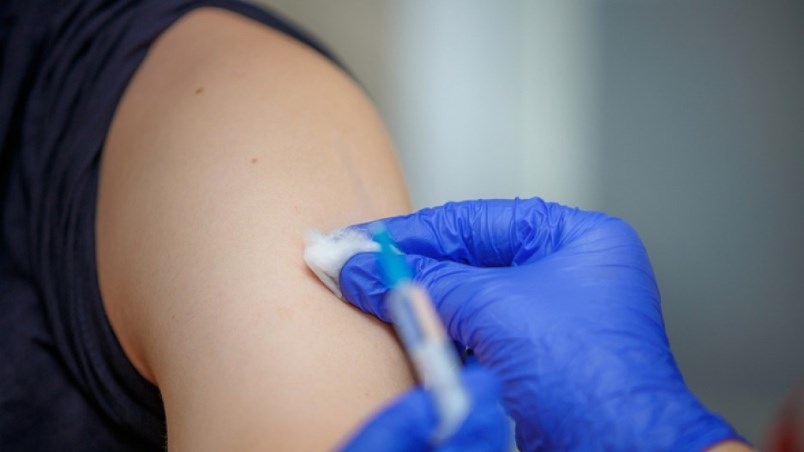
Empty vials of the AstraZeneca-Oxford COVID-19 vaccine at a vaccination centre in western France. Some countries have temporarily halted use of the vaccine while clotting reports are investigated. Canada is among the countries continuing to use it. (Fred Tanneau/AFP/Getty)
 
According to Dr.Zain Chagla, infectious disease physician at St.Joseph Hospital in Hamilton, Ontario, the normal incidence of blood clots is roughly one in 1,000 patients over the course of a year and when millions of people are being vaccinated, the development of clots is not unusual. Whether those developing clots might have done so without the inoculation however, is perhaps the crux of the matter.

Nine countries in Europe along with Thailand have put a pause on use of AstraZenca's vaccine doses. Some permanently, others targeting only certain batches -- awaiting further investigation of the occurrence of blood clots which some have linked to the use of the AstraZeneca-Oxford vaccine. In actual fact no experts have suggested a link exists between the vaccine and the development of blood clots.

On Friday, the World Health Organization emphasized what they've been saying since rumours of a link surfaced, by unequivocally endorsing AstraZeneca's vaccine for its efficacy and safety. It has been pointed out that the WHO views the shot as the least expensive, most high-volume of the vaccines launched to date, identifying it as the mainstay of the developing world's vaccination programs.

In Canada, its initial 500,000 doses of AstraZeneca are being used in inoculating target groups -- with the exception of anyone over age 65 until such time as further research clarifies its usefulness for an older demographic. Health Canada announced its authorization of the vaccine based on a thorough, independent review of the evidence presented by the pharmaceutical company, determining the vaccine meets Canada's stringent safety, efficacy and quality standards.

As far as Canadian health authorities are concerned, while maintaining a vigilance over the European investigations of the Oxford-AstraZeneca vaccine following reports of blood clots post-inoculation, there appears no evidence the vaccine caused the clots. "To date, no adverse events related to the AstraZeneca COVID -19 vaccine or the version manufactured by the Serum Institute of India (where the Canada-destined vaccine is sourced) have been reported to Health Canada or the Public Health Agency of Canada".

It would be well to bear in mind that Israel, the country which has outstripped all others around the globe in swiftly and successfully administering the AstraZeneca vaccine to a majority of its population has seen no problems arise there. Its success has been celebrated and the country's initiative and efficiency in administering the vaccine so widely is held as an astounding success story the rest of the world aspires to emulate.

In Denmark which halted AstraZeneca vaccine after an undisclosed number of blood clots were reported and a patient died, health authorities explained they halted the use of the vaccine in a spirit of caution and not because there were any suspicions that a connection existed between the vaccine and the blood clot development.

The issue is under study by the EU regulator European Medicines Agency which observes that 30 blood clots in over five million patients who received the vaccine is not unusual nor out of step with what is considered the normal rate of blood clots in the general population.  So while Denmark, Iceland, Norway and a handful of other European countries have suspended use of the vaccine, other countries including Germany, France, Poland, Nigeria, the United Kingdom and Canada continue its use in view of a lack of evidence it poses a health risk.

Health Canada's chief medical adviser Dr. Supriya Sharma, adds that with no scientific basis for a link between blood clots and the AstraZeneca shot there is no reason to discontinue or pause its use: "There's not a good biological explanation about why a vaccine of this type, injected into a muscle, would cause that kind of adverse event ."
Image
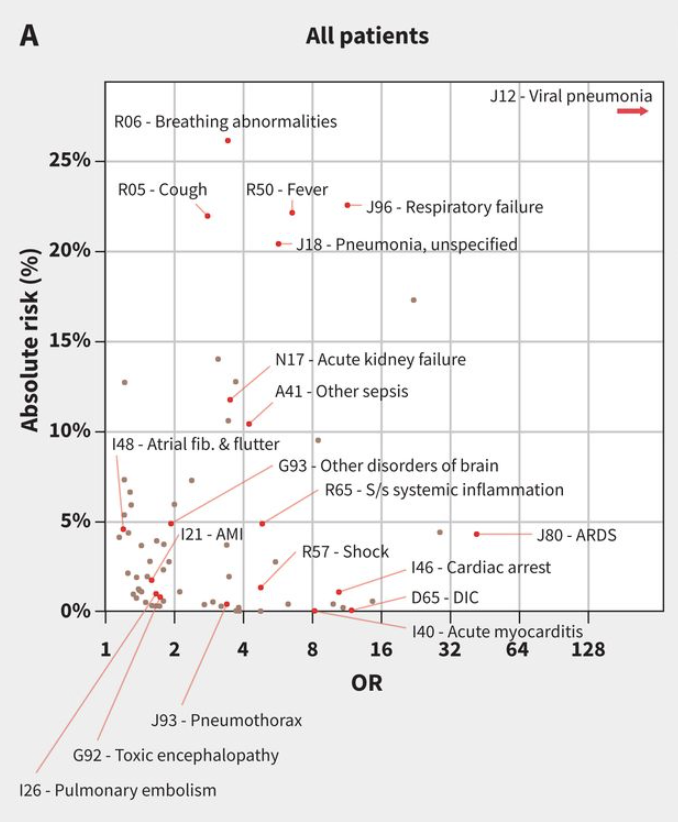
The available data suggest that among 5 million people who received the AZ vaccine, 30 developed a blood clot. So, 30 in 5 million. Our research team has shown that among those with COVID about 2% developed a blood clot. So about 100,000 in 5 million. cmaj.ca/content/193/1/


Labels: , , , , , ,

Wednesday, March 03, 2021

The Holy Grail of COVID Vaccination

"We have to put away that idea that our value to society has anything to do with where we are on the priority list. If you're in a priority group for whatever reason, you can't say 'Skip me for now and give my dose to someone who needs it more."
"[There's a constant refrain from young and middle aged staff members] don't vaccinate me. Give it to my 77-year-old mother." 
"[Providing inoculation to essential caregivers as priority groups means an [iron ring] is developed protecting long-term care residents and personal care workers]."
"There's a lot of consistent data that vaccination prevents you from getting sick and dying of COVID. And there's a substantial drop -- about 75 percent -- in  your ability to transmit the virus."
Dr.Gerald Evans, chair, division of infectious disease, Queen's University
Anil Reddi has been allowed back inside his mother's care home to help feed her but only because she stopped eating. (Submitted by Anil Reddi)
"[Getting vaccinated was] emotionally complicated. I wonder if my acceptance of the vaccine takes it away from someone who would have worse outcomes if they contracted the virus."
"My main role on the hotline was advising callers about when and where to seek care. The guidance and protocols we’d been given were simple. Given capacity constraints in New York City, covid-19 tests were only being offered to people sick enough to need hospital admission. Thus, in guiding the callers, we were to screen people for dyspnea over the phone. I would listen to the story of each caller and assess their breathing, and tell them: if you ever feel short of breath, seek medical care immediately. Otherwise, stay home."
"But, as more evidence has emerged on covid-19, it appears that hypoxia caused by the virus doesn’t necessarily make people feel short of breath even if their oxygen saturations are dangerously low. People who may need medical intervention may not actually be dyspneic."
"In retrospect, I can’t help but wonder: did the advice I and other volunteers gave—to stay home unless severely symptomatic—cause unintended morbidity and mortality? Were there people I spoke to who should have presented to a hospital earlier, and would they have had better outcomes if they had? What about the other symptoms I didn’t discuss with them: how many patients had electrolyte derangements from diarrhea? Or strokes with neurological features I never warned them to look out for? Data suggest that many people in New York died at home —and that they were disproportionately from black and minority ethnic groups. I was following guidelines, but even so, did I ever inadvertently exacerbate these inequalities by telling some of the most vulnerable people not to seek care?"
Dr.Eric Kutscher, New York ICU physician, opinion piece, British Medical Journal

Regrets, guilt, second-guessing, overwhelming emotions; feelings of helplessness. Emotions felt by everyone for a variety of reasons; from people in the medical profession checking back on their recent memories and wondering why or if they could have or should have done things differently with the limited information on hand in trying to cope with the fallout from a new, voracious, threatening and harmful virus about which very little was known.

To the ordinary person feeling afflicted and fearful over the spread of the SARS-CoV-2 virus that news stories focus on, particularly the unknowns and those unfortunates who died in droves and others, post-COVID still suffering symptoms, much less the findings of its destructive capability on the body's internal organs. Everyone wants to be vaccinated to augment their body's immune system resistance against the dread foreign invader. Vaccine rollouts reflect the amount of doses available through the few pharmaceuticals that have succeeded in creating a safe and effective COVID vaccine.

And those scarce doses are being carefully husbanded as medical committees and governments at every level consider which are the most vulnerable populations to be prioritized for early vaccinations. Front-line medical workers, of course. The elderly and health-compromised living in long-term care institutions and retirement 'residences'. Those with chronic diseases that make them more vulnerable to the effects of the virus. People in low-income, disadvantaged circumstances; ethnic groups known to be more vulnerable.
 
Naila Shah, 60, is a resident at Seven Oaks long-term care home. Before the pandemic, her family visited twice a day to help with her care. (Submitted by Shah Family)
 
And there are some groups who are surprised when they are informed they are considered to be priority. They are younger, healthier than the conventional target groups yet they are persuaded that they belong, through circumstances among those prioritized for inoculation against COVID. They know that there are many, many others awaiting the psychological relief and the physical protection awaiting them once they've been vaccinated; people whose age and health dictate logically that they be vaccinated before the younger, hale demographic.

Those making the decisions about who comes first and who can wait, know that lives hang in the balance, linked to how they decide and who they decide must be first in line. It is well enough known that vastly disproportionate numbers of deaths have occurred among elderly residents of long-term care homes and retirement residences -- about 70 percent of deaths. It is logical that they must be inoculated before others less needful of protection. Just imagine the surprise when family members of the elderly in long-term care homes are given consent forms to sign, not only on behalf of their elderly relative, but themselves.

Cannabis Q & A
They are considered to be essential caregivers. And essential caregivers; basically family members who were accustomed to attending the care facilities on a frequent basis to give personal touches of care to their elderly family members some of whom suffer from various forms of dementia and cannot recognize their sons and daughters, are 'essential caregivers', slated for early vaccination at the very same time their elderly relatives are. That too seems logical and needful, until the rest of the story is absorbed.

That since long-term care homes and residences became hotbeds of COVID-19 infections and highly contagious, all family members, those who visited only occasionally and those who devoted hours upon hours of personal care to their elderly in close personal contact, have not been permitted entry physically to the premises holding their parents. It has been a year since visits have been out of bounds. Although communication can be made waving hands at one another through closed windows. Or speaking on cellphones. Or personal care worker-assisted Zoom calls.

Labels: , , , , , , ,

Sunday, January 03, 2021

Canadians Awaiting Rescue

Here's what we know about Pfizer's vaccine -- including who could get it first
"It's going to be extremely profound to see those groups immunized, plus those people who have taken care of them."
"That's a big amount that's actually taken off the table. That essentially makes this much more of a manageable disease."
"There is an end to these restrictions. There's an end to this lifestyle, so holding on for longer just gives us time to get that vaccination out there."
"There's going to be a point where you cross where that risk starts settling down to something that's very tolerable."
Dr.Zain Chagla, infectious disease physician, professor, McMaster University, Hamilton 
When can I get a coronavirus vaccine?
"By protecting those in long-term care, and reducing the rate of infection in long-term care, you also have significant positive ripple effects in the general community."
"If you just have fewer people in long-term care sick with this infection, that will result in fewer people being transferred to hospitals."
"It's not going to be like a light switch. I don't think it's going to be one day they're going to say, 'OK, it's back to normal'."
"It's not going to be like summer of 2019. But it'll certainly be closer to summer of 2019 than summer of 2020."
Dr.Isaac Bogoch, infectious disease physician, member Ontario Task Force for the Rollout
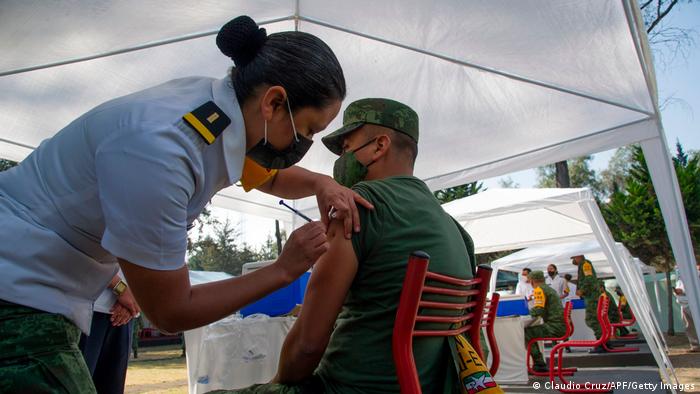
Medical personnel injects the vaccine to a military personnel in Mexico
 
The global community is in a hiatus period, waiting for rescue from the confines of a huge concentration camp that places firm strictures on the way we live, making near-recluses of us, hampering our freedoms so long taken for granted, giving us breathing room but just barely where some peoples' lives have been so afflicted with the worst excesses that the SARS-CoV-2 virus is capable of producing that their mental balance hovers on the edge of managing to cope, but barely.

But the first approved vaccines against COVID-19 are now in circulation, and governments are arranging for the most vulnerable among their populations to receive the initial doses, relieving them of the dangers that have ended the lives of so many others in those vulnerable groups. A just-in-time solution to a raging pandemic whose predations are nowhere near finished even as the frantic race to immunize as many people as possible trudges on. Rescue is there, somewhere on the tip of the horizon.

Research through the American Centers for Disease Control and Prevention certified that people over age 85 risk death from COVID-19 -- 630 times greater than anyone aged between 18 and 29. Roughly 70 percent of the virus death toll in Canada struck those over 80. The Canadian government has expectations of receiving four million doses of the Pfizer vaccine, available for injection into the arms of Canadians by the end of March. An additional two million doses of Moderna's vaccine is anticipated within the same time frame.
 
The provinces are behind targets of getting COVID-19 vaccine into Canadians' arms, and experts say logistical challenges are largely to blame but are hopeful the arrival of the Moderna vaccine will help speed things up.
 
But Canada's population is around 38 million people, and would need at the very least 74 million doses to ensure that the entire population could be vaccinated. Even if only 60 percent vaccination occurs, it should guarantee herd immunity, protecting that portion of the population for whom vaccinations are not recommended, or who refuse to be vaccinated, unwilling to place their trust in a new vaccine using a new bio-engineering technology that was produced in record-short time.

Both the Pfizer and Moderna vaccinations use similar cutting-edge biomedical techniques. And both require two doses be applied for full efficacy in which case with the incoming vaccines no more than three million people in Canada could be fully immunized by the end of March. April is forecasted as the soonest the vaccine will be available on a more widespread basis. As for the entire population to be immunized, the time frame stretches to the fall of 2021.

In the United States estimates projected by both the outgoing and the incoming administrations see the potential for a full third of the entire American population to be vaccinated by spring. Placing the U.S. well ahead of Canada. Most of the at-risk population is set to be vaccinated by March or April, in the United Kingdom. The estimate for Canada is for eight percent to be vaccinated in the first quarter of the year. Experts appear to agree, however, that the target population being vaccinated has a huge potential to alter the impact of the virus.

Generally speaking, immunizations are recommended for long-term care residents and workers, front-line hospital staff and Canadians over 80 to receive the first vaccine arrivals. To the present in Canada, about 100 deaths occur daily, a number anticipated to fall once the initial vaccinations have been completed. About 1.7 million Canadians are aged over 80, according to Statistics Canada. The 2015 census found 224,000 people live in long-term care or nursing homes, with an additional 127,000 housed in retirement residences of some kind.

It is estimated that the first three million doses should represent enough vaccine to inoculate most of the people in those three categories. Over a third of the COVID cases requiring hospitalization have been among people over age 80, and over half are over the age of 70, groups represented in the targeted rollout. Confirmed orders to date are expected to vaccinate 30 million Canadians with the Pfizer and Moderna vaccines.

AstraZeneca's vaccine was approved this week by Britain, along with Oxford University's homegrown U.K. vaccine requiring a booster after 12 weeks. A single-dose vaccine is expected from Johnson and Johnson, 38 million doses of which has also been ordered by Canada, with early trials showing an immune response in 98 percent of vaccine recipients. 
 
Dr.Bogoch pointed out that the summer of 2020 held a steady increase in infections concentrated among a younger cohort with few hospitalizations. And the summer of 2021 promises to be vastly different than its counterpart of a year earlier.

So yes, Virginia, Santa visited you last month and he probably confided in you that there is indeed 'light at the end of the tunnel'. Did you tell your mother to share the good news?

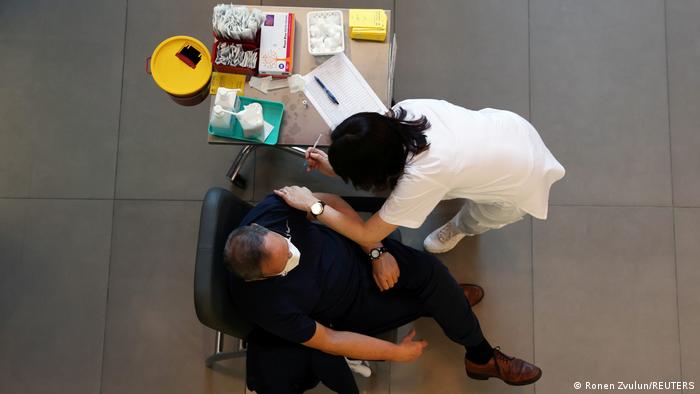
 A medical worker vaccinates a man against the coronavirus disease (COVID-19) as Israel kicks off a coronavirus vaccination drive, at Tel Aviv Sourasky Medical Center (Ichilov Hospital) in Tel Aviv, Israel
Countries around the world have started vaccination campaigns

Labels: , , , , ,

Friday, December 18, 2020

Prioritizing Inoculations

"The government [of Canada] has licensed this drug based on what is known in the clinical trial. So it would be considered a bit untoward to do anything that deviates from the testing procedure in the clinical trial. for example, it wasn't tested on children, so it would be very odd to now go and give it to children."
"It probably does work on kids, to be  honest, but we won't do it because that's not what we looked at."
"So probably it will work on a very high percentage of people who have autoimmune disorders. But we don't know. So it's a precautionary principle at this point, saying that because there's insufficient data, let's hold off, for at least a few months, until we assess the true safety profile."
Dr.Raywat Deonandan, epidemiologist, health sciences associate professor, University of Ottawa
 
"At first, I was thinking 'I'm immunosuppressed, and they talked about people who are immunosuppressed, saying they might be at the front of the line. So that's what I thought was going to happen,"
"I literally don't go out. There's the odd time to get some sanity. But someone' else's cold is my pneumonia."
"I don't think I'll feel comfortable going out knowing that 60 or 70 percent of people are [eventually going to be] vaccinated. That leaves at least another 30 percent out there, and I know that I'm at risk to get something."
"It would be nice to have more data. But I can wait my turn."
Tim Smith, 60, double-lung transplant recipient
Vaccine
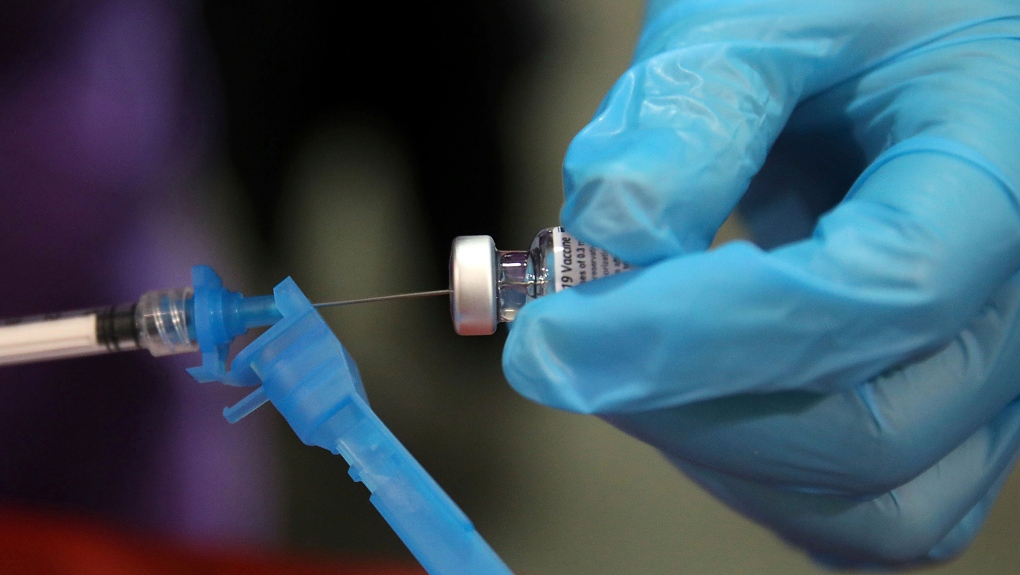
A Pfizer-BioNTech COVID-19 vaccine is prepared prior to being administered, Tuesday, Dec. 15, 2020, in Tulsa, Okla. (Mike Simons/Tulsa World via AP)

It's a dilemma. Transplant patients and there are plenty of them of all ages in society, face a conundrum. They are among the most needful among the general public of protection from the coronavirus stalking the world community, yet the vaccine trials that have taken place at such lightning speed to attain emergency approval to begin circulating the vaccines -- at the present time in the West, Pfizer and Moderna with more to follow -- did not include immunosuppressed volunteers among the trial subjects, so there is no safety data with respect to that demographic receiving these early inoculations against COVID-19.
 
A huge disappointment to those people most obviously in need of protection -- as are those with heart conditions, diabetes and respiratory-based illnesses -- who are told they won't be at the front of the line of vaccine recipients after all, they have to be patient and move back, well back, until data is available respecting efficacy and safety specifically reflecting their cases. Both immunologist Dr.Anthony Fauci in the United States, and Ontario's chief medical officer, Dr.Bonnie Henry cautioned that the COVID-19 vaccine is not recommended for people with compromised immune systems.

Canada's National Advisory Committee on Immunization has recommended that the Pfizer-BioNtech vaccine be withheld from people with autoimmune disorders, or people who are immunosuppressed. they also included pregnant women and people under age 16. "It's definitely a disappointment", 30-year-old Danny Norris, another double-lung recipient commented. Both he and is wife who is also a double-lung recipient were looking forward to fortifying their chances of escaping infection by the virus and at the same time being able to resume some semblance of normal life.

"But if everybody else is able to get vaccines, it will help control the spread, which means it will be safer for us in general. Some health officials have said get it, because the vaccine is probably safer than actually catching COVID. No one really knows. But if we're eligible, I'll try to get it as soon as possible", he mused.
 
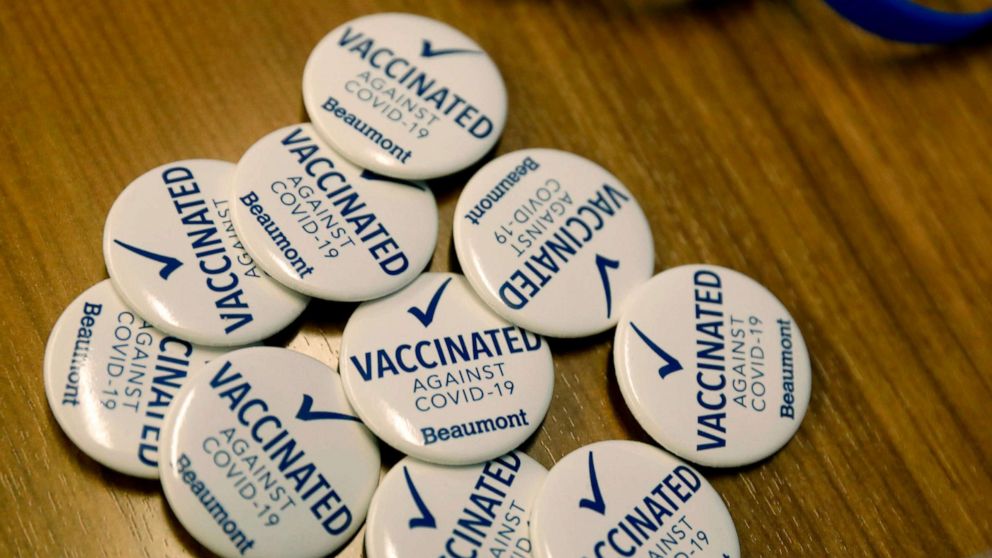
PHOTO: Pins for Beaumont Health Care workers after receiving their first dose of the Pfizer/BioNTech Covid-19 vaccine are seen at their service center in Southfield, Mich., Dec. 15, 2020.
Jeff Kowalsky/AFP via Getty Images
 
In the event, high-priority recipients on the list to receive inoculations the soonest as they roll out and become more available to a wider public, start with employees at long-term care homes, and their elderly health-compromised residents. Others are those in the general service industry who are at high risk of exposure, people such as bus drivers and a whole range of essential workers, including medical technicians, nurses and doctors.

Dr.Deonandan points out that there is good news among the doubtful, that the vaccine appears to work effectively on older people; typically they have less responsive immune systems. Additional trials and their resultant evaluations are critical to fully understanding the possible set-backs in expectations. More information is required before the vaccine can be routinely used with special groups like the immunosuppressed. At the very least they will be sheltered by the very fact that others around them are being inoculated, serving to halt the currently-thriving virus.

vaccine
A person gets vaccinated. - Photograph via Getty Images
 
Using the measles vaccine as an example, Dr. Wilson points out that it is a live vaccine, unlike the COVID vaccine and so it cannot be administered to the immunocompromised. "That's why everyone else gets vaccinated, to protect those who can't get the vaccine."
 
"That's where we need to focus."
"We call that shielding of the vulnerable, where we vaccinate those who might come in contact with the immunosuppressed."
Dr.Kumanan Wilson, physician/scientist, The Ottawa Hospital


Labels: , , ,

Friday, December 11, 2020

What's The Rush? Lives Depend On It

"For the initial stages of vaccination, I can confirm that we are asking for vaccines to be administered only at the first vaccination points."
Christina Antoniou, spokeswoman, Pfizer

"Whatever storage and transportation conditions are used for the vaccine, studies have to have been conducted in advance to demonstrate that the quality of the vaccine is maintained under those conditions."
"The challenge is that you have a limited amount of time to run those studies, which are relatively complicated."
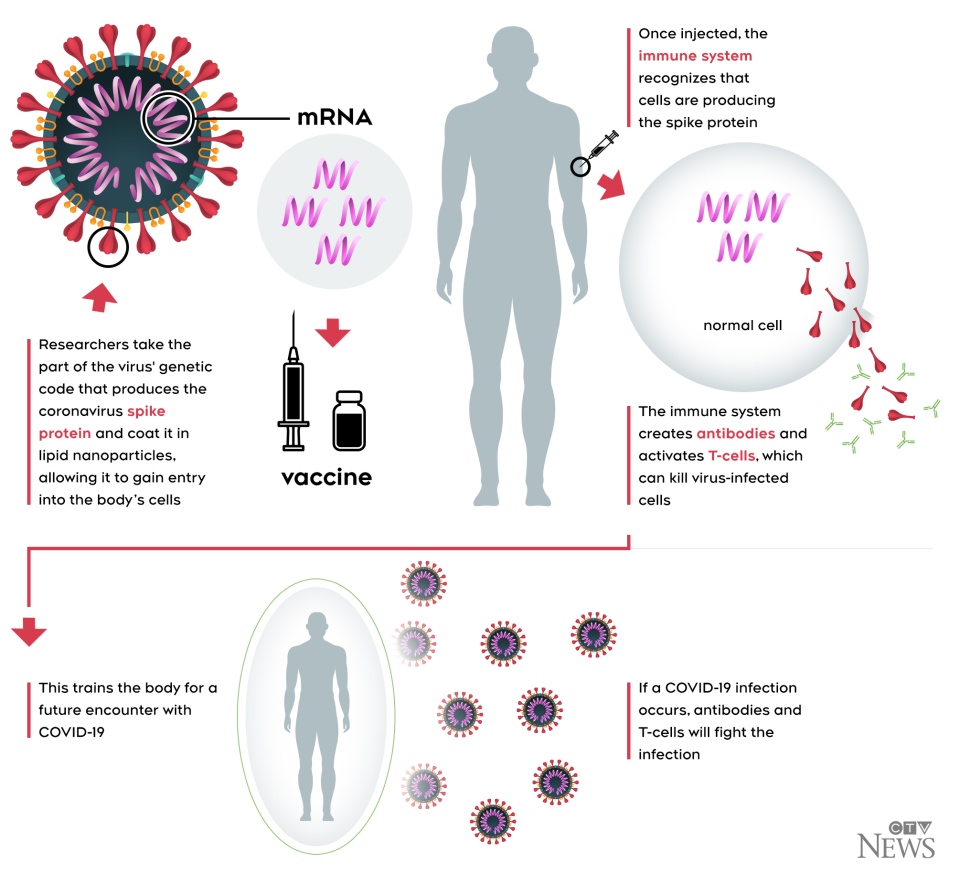
"The messenger RNA is very fragile after it’s been administered, it’s broken down very quickly in the body, and it also can’t get into our cells where it needs to be to work. So we provide a delivery technology [to Pfizer] that protects the messenger RNA after it’s administered and carries it into the cells and then releases it in the cells so that it can work."
"We don’t have the ability to do long stability studies to establish a shelf life for the vaccine at a more convenient temperature."
Thomas Madden, chief executive, BioNTech partner Acuitas Therapeutics, Vancouver

"So if you do have an urgent situation such as this, you can have this rapid approval process that’s not technically a full approval process."
"[It] really says, you know what, we’re still going to do the full look, we’re still going to do the full approach [the difference between the normal vaccine approval process and the fast-tracked process] to ensure that this is a safe and effective product."
Infectious diseases specialist Dr. Isaac Bogoch, University of Toronto
Approved by Health Canada, the initial batch of the Pfizer/BioNTech vaccine would be enough for nearly 125,000 Canadians. (Carlo Allegri/Reuters)

Two days ago, Health Canada, under obvious pressure took the step of clearing Pfizer and BioNTech's COVID-19 vaccine for public use; this extraordinary step even before the U.S.'s regulatory body made their decision for the U.S./German-produced vaccine. It is highly unusual for Health Canada to take such an accelerated approach to approving any new drug; it usually drags on through the approval process long after the U.S. Food and Drug Administration has arrived at its approval status.

Canada's experience with COVID-19 has been that the vast majority of seriously complicated COVID cases and 80% of COVID-related deaths have been within the elderly demographic, residents of retirement homes and long-term care facilities. An advisory panel to the government recommended that long-term care home residents and health-care workers be prioritized for early vaccinations. And that was to be the plan going forward.

With the imminent arrival of Canada's first modest-in-numbers batch of the Pfizer vaccine, the realization of the simple fact that to remain stable, the vaccine's fragility which requires extreme refrigeration from -70 to -80C, would make it not only a logistical nightmare to inoculate the elderly in these institutions, but aboriginals -- also declared priorities for vaccination -- living in remote, isolated communities would have to await a different type of vaccine; one produced for example by Moderna which can be stored at a moderate -20C.

 
Despite the urgency to vaccinate the elderly, the health-and-immunity-compromised, the health-frail indigenous populations, the vaccine originally designated in principle for them, will only be available for those able to take themselves to central designated vaccine-administrating stations to receive inoculations of the first deliveries expected to arrive in the next few days. Advice of a restrictive nature from the drugmaker has altered the best laid plans of health and government agencies.
 
Pfizer advising that early doses of the vaccine be administered solely at the sites where they have been delivered originally in large batches. This, given an absence of complete data on the vaccine's transportability safety. Nor, in  he absence of definitive data, will it be possible to break up batches to send smaller quantities of the vaccine to other locations. Depriving many long-term care residents of the first vaccination batches in Canada, in the very midst of an infection surge on the cusp of overwhelming hospitals.
 
This delay equates to the risk of increasing COVID deaths despite the vows taken by health and government authorities after the appalling death toll of susceptible seniors, that heaven and earth would be moved to protect them in future. There has been no secret of the need to store the vaccine at ultra-cold temperatures, despite which the newly-revealed restriction in transporting the vaccine further along the chain from its original destination has struck a blow to those plans. Even physical movement like shaking during vaccine handling has been cautioned against.
 
The Canadian government has identified 14 initial points of vaccination and only there is Pfizer prepared to deliver its batches destined for Canadians. No reason was given by the company for its imposed restriction. The challenge for administrators to ship vaccines from their original reception point to facilities elsewhere has been answered; it cannot, as yet be done. Dr.Madden, chief executive of Acuitas Therapeutics points to a lack of data due to the rapid rollout, not necessarily the actual durability of the vaccine. Simply put: not enough is known for complete confidence in the vaccine's stability.
 
Dr.Madden, an expert in lipid nanoparticles, a key ingredient in the vaccine, made note of the fact that  BioNTech offered less restrictive guidance in a presentation recently given during which it was stated that defrosted vials could be transported for up to six hours.
Explaining how a mRNA vaccine works

"But for now we’re going to do — I wouldn’t say a cursory look, but it’s not a complete look."

Labels: , , , , , ,

Wednesday, May 15, 2019

Anti-Vaccination Wretchedness

"To say this has upset our family is an understatement. Nevaeh loved social media, interviews and talking about her lemonade stand. She was so proud when someone stopped her and told her how her journey through treatment with cancer inspired them or helped them in their own battle with the disease."
"[For someone to] steal her image and use it in such a cruel way is heartbreaking to say the least. I don't know  how some people can be so heartless as to do something like this."
"I always feared it [her daughter's photograph] would be used for GoFundMe or something like that. So this really took me off guard."
"Children who go into treatment [for cancer or any other serious illness] are easy targets for people with their own agendas. And this happens far more often that people realize."
Holly Denine, St. John's, Newfoundland
Nevaeh Denine wanted to start a lemonade stand to help other families struggling with pediatric cancer.  CBC

Diagnosed with neuroblastoma at a very young age, Nevaeh Denine was a familiar figure to people living in Newfoundland and Labrador for her determination and her willingness to share with the public her struggles in undergoing cancer treatment. She began a lemonade stand for the express purpose of using it to raise funds in support of children with cancer. Newspapers across Canada picked up the story of the courageous little girl and her concern for others despite a life filled with health turmoil and invasive treatment.

Nevaeh lived with her cancer and the treatments from age three to nine years of age. Treatment had given her a respite, but at age six the cancer returned. She died of its effects on August 6, 2018, devastating her family and bringing sorrow to the people around her. She was a lively, happy little girl who nourished her consideration for the welfare of others by thinking of other pediatric cancer patients, children like herself, and attempting to do something that would benefit them and give them practical support.

A year following her death, her mother was made aware of Nevaeh's image appearing on a site devoted to an anti-vaccination mission. The image of her child was being used to promote the idea that the little girl's life was lost as a result of having been vaccinated. This, when in actual fact children like Nevaeh whose immune systems have been compromised are in deadly danger for contracting disease when others around them fail to be vaccinated.
Nevaeh with her grandfather, John Denine, Facebook

Celebrity figures have mounted their campaigns casting doubt and aspersion in the minds of the easily-led which has resulted in an anti-vaccination movement that has impacted on the number of children being vaccinated against diseases once thought to have been eradicated as a result of inoculations against their onset; decreased to the point where the diseases have once again become socially communicable, and vulnerable children like Nevaeh are often the victims of this ignorance.

People of the political and social stature of Robert F. Kennedy Jr., an avid environmentalist, influencer, scion of a famous American family, have become notorious anti-vaccination activists. Film stars with no more knowledge of medical science than the average person have taken it upon themselves to initiate their own uninformed and dangerous campaigns against vaccinations, warning parents that the ingredients in the vaccinating fluids are dangerous and the cause of autism, a claim that has been soundly disproved by science.

Religious authorities have gone out of their way to study the matter and to issue clearance for their religion's faithful to have their children inoculated against any number of potentially dangerous childhood diseases, which adults themselves are not immune to. In undeveloped countries of the world, World Health Organization campaigns are underway to vaccinate as many children as possible to achieve the 'herd effect' of maximizing inoculations to defend the population against infection.

And in wealthy developed countries of the world, Europe, the United States and Canada, there has been a renaissance of diseases like measles which can in worst-case scenarios lead to blindness and sometimes death, because of parental confusion and uncertainty brought about by these anti-vaccination campaigns.

That young Nevaeh, who before her death had managed to raise thousands of dollars for sick children could have been exploited in this way through her photograph being used, to give credence and to support the anti-vaccination movement is beyond despicable. Nevaeh's mother has asked her friends to assist her in searching to identify anyone using her daughter's image in this way and should anyone come across the image, to refuse to share it.

Lori-Lydia Loveless‏ @lorilydialove
My heart is so heavy today. Rest Easy, beautiful angel. Nevaeh, you were such an inspirational person in my life. You will never be forgotten 💜🍋 Thinking about Holly and the family at this time. Love to you all. 💔 You’re a champion and we heard you Roar 🐯 #roarfornevaeh

Labels: , , ,

Thursday, March 28, 2019

Penetrating Suspicion, Delivering Vaccines

"There is today a health zone called Vuhovi."
"We are having huge troubles to access it." 
"We need to really be able to join hands and work together on this [inoculating vulnerable isolated villagers in Democratic Republic of Congo]."
Dr. William Perea, incident manager, WHO

"I heard someone shouting, 'bring the matches'."
"And then I felt the heat of the fire from my bed."
Kavu Mate, Ebola patient, Butembo, Democratic Republic of Congo

"They hit me with wooden sticks and they broke the car."
Gilene Barati, epidemiologist, WHO
This health clinic, specialised in treating Ebola victims, was destroyed during an attack by armed militants. The photo on the right shows a burned out vehicle belonging to French medical charity MSF. (Photos by our Observers Bienvenu and Djiress Bakoli)

Ebola has proven resilient, adaptable and opportunistic, feeding on the ignorance of isolated tribes and a climate of suspicion from people who have suffered violent discrimination for as long as they can recall, and who are suspicious of government representatives purporting to be interested in preserving their lives. The contagious, deadly virus has broken out in what is virtually a conflict zone. Responding to the outbreak in such circumstances is doubly difficult, fraught with danger for those who enter.

An Ebola treatment centre in Butembo in the east of the DRC experienced first-hand the difficulties of tending to the needs of the medically fragile when rebels with machetes and guns ran amok in the medical centre and set fire to many of the tents. Hooked to drips, weak patients faced another deathly threat; if the virus didn't kill them the terrorists just might. Somehow it was the tents containing the pharmacy, archive room, washing station and cars that were set aflame, sparing tents with patients.

Research for Medecins Sans Frontieres (MSF) established that 43 percent of Ebola patients had no links to other cases, adding to the difficulty of following the infection's spread, though it is well established that Ebola spreads through contact with bodily fluid and the virus is alive and hugely contagious on the bodies of the dead which tribal custom dictates be washed and tended before burial. MSF pulled out of Butembo following attacks on two treatment centres by Mai Mai rebels.
This photo shows part of the burned out health center in Butembo. (Photo taken on February 28 by Bienvenu Lutsumbi.)

The rebels appear particularly incensed at the presence of health workers in the area, targeting them for attack. A WHO team of epidemiologists who had travelled to a nearby village hoping to trace a patient's contacts was attacked, just another in a long string of attacks targeting Ebola centres in North Kivu province in the past month alone in a region where, since the summer the disease has been infecting the population at a steady rate.

This is a volatile region where conflict erupted and continued for over two decades, where an estimated 120 armed groups prey on the population.The spread of the disease has been significantly halted thanks to a new vaccine. "If it weren't for the vaccine, the disease could have killed thousands by now" commented Dr. Oly Hunga, minister of health for the DRC. Over 80,000 people have been inoculated in a concerted effort between the ministry and the World Health Organization.

Because some of the villages in the region represent rebel strongholds they are impossible to enter. And when health teams appear in some of the villages hoping to trace patient contacts and vaccinate them, suspicion is raised to an even higher level when they're accompanied, for safety reasons, with police escorts. "For one ill person, ten cars come with the police and people in masks", observed Alexis Kasserka a skeptical villager.

One villager expressed the opinion that the government was responsible for deliberately spreading the disease; far-fetched paranoia at first listen, until the realization strikes that the people of his tribe have faced massacres over the years. "Ebola is a game bought by white people to make money from us", offers another villager, newborn baby on her lap. The struggle to convince these communities that prevention is key to battling Ebola faces many obstacles.
"Unfortunately, the safe method of burial doesn’t correspond with traditional practices and it ends up angering the many people who aren’t allowed to touch the body or take it out of its body bag." "Recently, the number of attacks has increased and grown more serious in Butembo-Katwa. There were two more attacks in February, aside from the tragedies in Vuhovi and Katwa. We hope to see the results of our efforts to raise awareness."
Dr Jacques Katshishi, supervisor, Red Cross Ebola program
DRC Ebola death toll reaches 385
Ebola crisis continues, but mistrust means some in DRC deny it’s real    Africa Times

Labels: , , , , ,

Tuesday, March 12, 2019

Prevention Is Better Than Cure

"I honestly never thought I would see this disease in the United States."
"It was difficult -- for many of us -- to see him [unvaccinated six-year-old boy who contracted tetanus] suffer."
Dr. Judith A. Guzman-Cottrill, pediatric infectious disease specialist, Oregon Health & Science University
Infographic: People of All Ages Need Tetanus Vaccines

A new report by the Centers for Disease Control and Prevention (CDC) outlined a case of the state of Oregon's first documented pediatric case of tetanus in over thirty years. The CDC's Morbidity and Mortality Weekly Report chronicled the instance of a child living on a farm playing as children do, and an accident occurred with the six-year-old coming away with a cut to his forehead. Slight enough not to raise any alarms in the child's parents' minds who simply cleaned it up and set the incident aside as a normal enough occurrence in a child's active lifestyle.

The story, however, does not end there. This was a child who had never been inoculated against anything; no vaccination ever, for any reason. The days passed and by the sixth day following the laceration the child's parents understood from symptoms their child was experiencing -- clenching his jaw, breathing problems, and involuntary muscle spasms -- that something was seriously, fearfully awry. They took him to Oregon Health Science University hospital where he was speedily diagnosed with tetanus.

The article in the Morbidity and Mortality Weekly Report described a prolonged period of hospitalization and treatment fraught with concern over the child's recovery. And it served as a warning of the potential dangers that could accrue in encountering a disease with a formidable affect on human health and mortality; a bout with tetanus readily preventable with the proper vaccination. It took 57 days being intensively hospital-treated at a cost of over $800,000 in medical bills, for the child to finally emerge from his ordeal.

The United States, like many other national jurisdictions across the world, is currently experiencing an outbreak of measles. Once considered a 'normal' childhood infection that children conventionally came down with and speedily recovered from, it does, nonetheless pose an extremely serious risk to health and even mortality in rare cases, for some unfortunates in any population. It is entirely preventable. Its roaring return is linked with a growing contingent of people refusing vaccinations.

One of the highest rates of unvaccinated residents in the country live in Oregon, with7.5 percent of kindergarten-age children unvaccinated for non-medical reasons, according to the CDC; exemptions are given when there are verifiable medical reasons to bypass certain impacted children whom the 'herd effect' of having a sufficient number of children vaccinated must reach critical numbers for protection of children who are medically vulnerable.

The problem has become so acute in parts of the world that Italy has seen fit to make it legally mandatory for children to be vaccinated before they may enter the public school system. Generally, parents who fail to have their children vaccinated express concerns relating to side effects, or over cost, over moral or religious objections, along with scientifically-discounted fears that vaccines result in autism. Health experts remind the public that such resistance or refusal to inoculate their children raises the chances of an outbreak.

As for the parents of that six-year-old child whose brush with an early mortality was described in the CDC report by Dr. Judith Guzman-Cottrill who assisted in the medical care of the boy and was lead author of the article, despite exposure to an "extensive review" of the risks and benefits of vaccination, they have decided to turn down the second tetanus vaccination, along with any other immunization for their child recommended by the medical community.
According to the Centers for Disease Control (CDC), the boy’s parents chose not to continue with his vaccination schedule after he received the first dose and did not give any other recommended immunizations. (Getty images)

Tetanus Can Cause Difficulty Swallowing and Breathing

Tetanus is an infection caused by bacteria. Inside the body, the bacteria produce a toxin, or poison. The toxin causes your muscles to tighten and cramp painfully and causes seizures. Tetanus is also called “lockjaw” because it often causes a person’s neck and jaw muscles to tighten. This can make it hard to open the mouth or swallow. The muscle spasms and seizures can be strong enough to break bones. Muscle spasms can also cause breathing problems. People with tetanus often have to spend several weeks in the hospital under intensive care. Complete recovery can take months. If left untreated, tetanus can be deadly.  Centers for Disease Control & Prevention

Labels: , , , , ,

Wednesday, January 24, 2018

Not Too Late for Flu Inoculation

"It's tragic whenever there is a death due to influenza in a child. No question about it, it's heartbreaking. Fortunately, it is a rare event."
"But that doesn't mean that deaths due to influenza in otherwise healthy people -- including children -- doesn't happen. They do. They're just rare."
"Most otherwise healthy individuals are going to fully recover from influenza with no intervention."
"We don't want to set off alarm bells. We need to put this into context."
Dr. Danuta Skowronski, influenza expert, B.C. Centre for Disease Control

"We have a tendency to think that because influenza is so common and because almost all of the time you get it, you feel miserable for a few days and then you get better."
"That's our view of influenza and we don't recognize that there are a small number of catastrophically serious cases in children and young, otherwise healthy adults."
Dr. Allison McGeer, director of infection control, Mount Sinai Hospital, Toronto

There are indeed shocking instances when a bout with influenza ends the lives of otherwise healthy and young people. That's what it did for 21-year-old Kyler Baughman of Pennsylvania who died as a result of septic shock related to the flu he was infected with. With flu it's possible, albeit rare, for a secondary bacterial infection to invade the lungs. Occasionally such a lung infection is capable of finding its way into the bloodstream, and that's where sepsis is introduced, when blood so infected can lead to septic shock.

With septic shock, the body's organs shut down, and death ensues. Infectious disease specialists caution that children and adults with pre-existing health conditions who develop the symptoms of flu, inclusive of high fever, chills, body aches, extreme fatigue, cough and sore throat, should seek out immediate medical attention. Treatment with an antiviral medication reduces the risk of complications. Flu can also exacerbate chronic underlying medical conditions such as asthma and cystic fibrosis both in children and adults.

Chronic obstructive pulmonary disease (COPD) and congestive heart failure in older adults produce a more vulnerable target for the flu virus to wreak its ill effects. Pneumonia rates among the most common complications arising from infection, brought on with one of the influenza viruses in circulation this season: A/H3N2 and B/Yamagata are the dominant strains of influenza in this 2017/18 flu season.
A nurse displays a flu vaccine at a free medical and dental health clinic in Los Angeles, California, U.S., April 27, 2016.
Making vaccines isn't always a straightforward process. (Reuters/Lucy Nicholson)

In the United States, thirty pediatric deaths have been recorded from influenza for this season. A ten-year-old boy in Connecticut developed pneumonia and sepsis in the days following his flu infection. His mother described the boy, Nico Mallozzi, as healthy and strong "as an ox", but that condition failed to protect him from death caused by the flu, just as being highly fit failed to protect aspiring personal trainer Kyler Baughman in Pennsylvania.
Nico Mallozzi.
Nico Mallozzi. Photo courtesy of Mimma Mallozzi

As of January 13, when the latest seasonal statistics became available, fewer than five flu-related pediatric deaths were reported in Canada (bearing in mind that Canada has one-tenth the population of he United States), yet 303 children under the age of 17 had been admitted to hospital in Canada, with 48 of them sufficiently ill with influenza that they were admitted to the ICU, according to the Public Health Agency of Canada, on its FluWatch website.

Even though the vaccine now in circulation -- and widely used to inoculate those who respond to public health agencies' urgent appeals to the public to protect themselves -- happens to have a lower-than-expected efficacy given the flu viruses's confounding ability to transform itself into various strains and combinations of strains, making the vaccine formula as much informed guesswork as the occasion permits, health authorities insist it can still aid in reducing the severity of symptoms in those who may contract the flu.

Labels: , , , ,

Thursday, February 05, 2015

Reserve Judgement?

"Vaccines -- Good or Bad? ... No scientific evidence exists showing vaccines are NOT contributing to increased incidence of chronic illness and disability in children."
"Origin of AIDs: The Polio Vaccine .. especially watch these ... All of them! Going to be on the test!!!"
Lecture slides, Queen's University, faculty of kinesiology and health studies

"It reads like an anti-vaccine diatribe."
"I would be astonished to learn this was given in a university lecture."
Dr. Natasha Crowcroft, chief of infectious diseases, Public Health Ontario

"We're looking for some clear actions and some clear communication from the school."
"What we need to know from the school is, what are they going to do about this?"
Colin Zarzour, Alma Mater Society student government academic affairs commissioner

"The university is committed to the academic freedom of our faculty members. At the same time, the university expects that faculty members will present intellectually rigorous research and course materials."
Daniel Woof, Queen's principal

"I would find it very surprising that a small department like the school of kinesiology and health studies would not have been aware that this was an issue, given that they were the ones who hired her."
"I can now see this was something I should have pursued a bit further. I thought, 'At this stage it's absolutely ridiculous'."
"When lack of vaccination is becoming a huge problem, when we have a measles outbreak in Toronto ... it becomes not just a question of academic integrity, but a public health concern."
Isabelle Duchaine, Queen's alumna
Queen's University, Kingston, Ontario

Students attending one of the most prestigious post-secondary institutions in Canada, in Kingston, Ontario, have been exposed to pseudo-science posing as informed and rigorous scientific realities. Surely, one might reason, if someone was teaching a course and brought into that course highly discredited theories passing them off as legitimate scientific conclusions based on reproducible research results, there would be some oversight to bring that lecturer up sharply.

At Queen's, that doesn't appear to be so. Since this is by no means the first and only time that Adjunct Professor Melody Torcolacci has taught the questionable course: Physical Determinants of Health (HLTH 102), the absurdity of the situation is made all the more acute. Previously, students taking her course were struck by its retrograde content posing as up-to-date and reliable scientific conclusions on public health policies. On the university website the course is described to include "vaccines and health"; one of ten topics covered.

The purpose of the course is explained "to help you appreciate that it is cumulative, long-term exposures to seemly [seemingly?] harmless things that can ultimately affect your health". Is there no cautious oversight at the university? No normal vetting of content? The situation appears to be one of disinterested neglect on the part of the administration; too much of a bother to become involved with if a few students register their discomfort at a course teaching discredited bogus scientific versions unhelpful to the public weal.

Queen's principal, Daniel Woolf, cautions that those questioning the course content and the university's lack of oversight, to calm down and "reserve judgement" until administrators have completed their investigation of accusations that a health professor has been teaching anti-vaccine theories more likely to be taught by a medical/scientific ignoramus than an accredited professor-lecturer. Linking the polio vaccine to the onset of AIDs is fairly breathtaking in its spurious and harmful stupidity.

"Even if the slides might appear incriminating, I would really need to know much more about what was actually said by the professor in the class", cautioned Queen's provost Alan Harrison, itering he required confirmation that the slides were in fact shown in lecture or whether any verbal context that accompanied them might point to something gone awfully awry. "I’m gathering information. That information gathering will include attempting to determine whether others in the university have ever had any sorts of issues raised with them about similar matters."  

So as far as the university administration is concerned, there is no need to rush to judgement.

Of course there are other hugely questionable teaching tools such as a PowerPoint slide which states no scientific proof exists that vaccines do not contribute to increased opportunities for chronic illness and disability in children. While yet another references an alternative-medicine website that claims it is not known whether fetuses may be harmed when women in pregnancy receive flu shots, despite that a plethora of studies conclude that pregnant women require to be vaccinated against influenza, capable of causing severe illness during pregnancy.

Each and every one of the pieces of 'scientific evidence' brought into the lecture by Professor Torcolacci represents a theory that has been well and truly debunked for the nonsense that they represent. That these theories are being taught to mature students at the university level, at a university with the reputation of Queen's is mind-boggling.

If any proof of a lack of due diligence on the part of the university was required on this subject, the brief intervention of the local medical officer of health, Dr. Ian Gemmill, makes the university's lackadaisical attitude toward scientific rigour all the more acute.  Dr. Gemmill had occasion two years previously to review the material used by Professor Torcolacci when a friend's child had taken the class.

Concerned over what he had seen, he wrote to the head of the kinesiology and health services department. "The tone of it is clearly skewed to 'vaccine is bad'. It's got elements of truth to it, which make it slightly credible. But there are a lot of things in it which are not correct", he wrote at that time. He had also spoken at a later date with Jean Cote, the department head. "And I understood that this would be looked after." Obviously he understood incorrectly, and it would appear, so did Jean Cote.

By the end of the course, according to the university website claims, students will be in possession of sufficient exposure to valuable research results to enable them to understand what their "toxic load" would be, resulting from vaccinations, and how they may improve their physical health by reducing that load. They can also carry the knowledge they have gained from the course over into their later lives when they have families of their own and refuse to have their children vaccinated.

Many students, as so often happens, are more aware and informed than their professor in this particular case. On the Rate My Professor website many of the students have listed or alternately tweeted that Professor Torcolacci simply invents her own facts and conclusions, or they are selected by her from medically/scientifically unreliable online sources such as blog posts of questionable origin.

So much for the value of higher education. At Queen's, in any event.

Melody Torcolacci teaches a first-year class in the school of kinesiology and health studies called “HLTH: 102 Physical Determinants of Health.”
(Whig-Standard file photo)
Melody Torcolacci teaches a first-year class in the school of kinesiology and health studies called “HLTH: 102 Physical Determinants of Health.” (Whig-Standard file photo)

Labels: , , ,

 
()() Follow @rheytah Tweet