Ruminations

Blog dedicated primarily to randomly selected news items; comments reflecting personal perceptions

Monday, January 09, 2023

Coping With Brain Fog, Looking for Answers

"It's a moment where the public and the medical community are realizing that this is real."
"This is what happens after certain infections."
Akiko Iwasaki, professor of immunobiology, Yale University

"'Am I like the others? Are  you seeing people like me?' I get that question every time."
"I say, nearly always 'Yes. You're not alone'."
Dennis Kolson, neurologist, Penn Neuro COVID Clinic, University of Pennsylvania
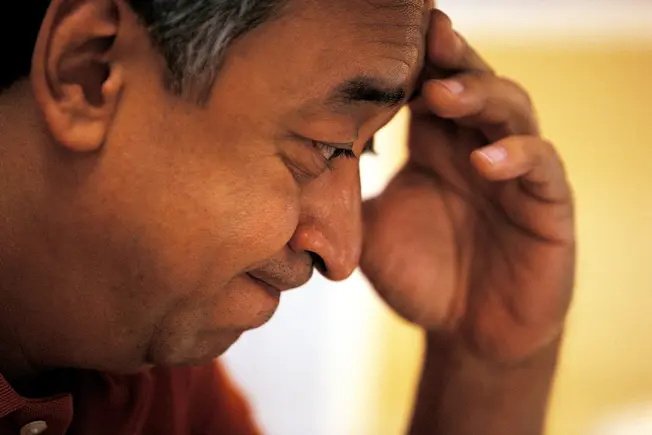
GettyImages-1205852013
Harvard Health Blog
 
During the summer of 2021, 65-uear-old Navy veteran, Edwin Hall from Fulton, Mo., spent twelve days in a medically induced coma with COVID. He needed help breathing from a ventilator. While in ICU doctors discovered probable stroke signs. Now, a year and a half later, he tries to cope with brain fog. A condition that makes him feel, he said, "lost". He was forced to retire early, as a result of the recurring symptoms.

Another victim of long-COVID, 52-year-old Colorado Springs resident Dave Nothstein, is still capable of working, but he does so remotely, for an automobile dealership. He is able to work only sufficient hours weekly to pay for his insurance. He was diagnosed with long-COVID in March, at a time when his brain was so fogged he was making carefully detailed lists to enable him to get through the day.

"As silly as it sounds, it included 'make sure to eat breakfast', 'make sure to feed the dogs', 'get the mail', 'do the laundry', 'do the dishes', he said ruefully. 

People suffering from chronic fatigue (myalgic encephalomyelitis), fibromyalgia, postural orthostatic tachycardia syndrome, Lyme disease and depression can also be affected with brain fog, according to experts. Patients after undergoing  chemotherapy may also report brain fog, described often as "chemo brain".
 
Symptoms can have "an adverse effect on occupational, familial and social lives and can result in diminished quality of life", even while the severity and duration vary from person to person, explained Jeffrey Wefel, professor and chief of neuropsychology, at University of Texas MD Anderson Cancer Center. 

After four rounds of chemotherapy for ovarian cancer Angela Hernandez, 36, of Houston, fought through months of brain fog in 2018. "You know when you dream and then you wake up and you can almost remember what you were dreaming about, but then as the seconds pass, the dream gets further and further away. That's kind of what it felt like all the time."
What Is It?
Some people suffering brain fog use words like haze, slow, drunk, lost, in describing the brain fog they experience. Certain chronic illnesses have plagued people for years with brain fog. Joined now by a new wave of people with long-COVID. 
 
According to research, a majority of people experiencing long-COVID symptoms reporting brain fog, are beset with a collection of symptoms, including impaired attention, concentration, memory and processing speed, explained Dr. Iwasaki, co-author of a review article on COVID-19-related cognitive impairment.

Dr.Iwasaki and Michelle Monje, a professor of neurology at Stanford University, examined over 100 studies relevant to cognitive dysfunction following COVID, concluding that a likely common cause is lung inflammation causing inflammation in the brain moving on subsequently to dysfunction of neural cells.

Kelsey Botti's experience began with a concussion from a snowboarding accident in 2012. A 32-year-old physical therapist from Pittsburgh, Botti was diagnosed with POTS, a syndrome characterized often by a fast heart rate, low blood pressure, and frequent dizziness, light-headedness and fainting and in some instances, brain fog.

"I wanted to cry because I was so thankful someone was helping me, and I had a diagnosis and a direction, and then I also wanted to cry because the person that I was, was completely gone", she said. She had undergone months of treatment including medication and a controlled exercise regimen to build her tolerance.Despite bumps and emergency-room visits, her symptoms have improved.

Women touches forehead while holding a mug in her other hand.
"If they don't find the right medical team to understand them, [in their search for a health professional who recognizes that even while the patient looks healthy, they feel terrible], they will pull away from health care and access health care less, so there are less opportunities for them."
Robert Wilson, neurologist, Cleveland Clinic Neurological Institute


Labels: , , , , ,

Tuesday, May 24, 2022

Cancer Radiation : Hit Or Miss

"When I started training, we basically laid someone down on the bed, put a plastic mask on them and took some X-rays from the front and the side."
"We would then blast away at them every day for six or seven weeks, treating the same area irrespective of the fact that during the treatment the patient would lose up to ten percent of their body weight."
"Their body would shrink, the shape of the area we were radiating would shrink and, as they subsided and lost weight, the position of their head would slightly change and we wouldn't adjust one iota to that, we just carried on the way we were."
"The new technique cuts out a very laborious, time-consuming step without any detriment to our ability to target the cancer, as we found it to be 99.9 percent as good as a fully bespoke [patient-individualized] program."
Kevin Harrington, head, radiotherapy and imaging, Institute of Cancer Research, U.K.
Head and Neck Cancers: Symptoms, Causes and Treatments
 
Medical science progresses rapidly, as in a newly revealed cancer tool with the potential to dramatically reduce the time that patients require in radiotherapy for head and neck tumours, developed by British researchers. A machine combining MRI imaging and X-rays for a swift and accurate view of the tumour's location is revolutionizing this type of specific cancer treatment by adjusting the aim of the treatment, with an accuracy of 99.9 percent.

Time spent administering radiotherapy can be reduced from two hours to 30 minutes, according to the team of researchers representing the Institute of Cancer Research and The Royal Marsden NHS Foundation Trust, in London, England. Over 12,000 people are diagnosed with head or neck cancer annually in the United Kingdom, with treatment involving radiation to shrink a tumour while the patient lies motionless within a mask protecting healthy tissues.

In the most ideal of treatment situations, scans would be an every day occurrence in the creation of a bespoke program supervised by a doctor. Such an individually tailored and infinitely more accurate protocol however, is both time=consuming and labour-intensive. With the use of the MRI-Linac machine, the scientific team arrived at a middle ground between customizing the treatment, and the older, inflexible, prone-to-inaccuracy approach.

The method was used on two patients in a study published in the journal Clinical and Translational Radiation Oncology, and was found to be highly accurate. In over 50 doses of radiation delivered, one case only exceeded the acceptable threshold. The previous approach, in contrast, scored just 92.4 percent.
"The failure rate of the old approach was as high as seven percent which means that there was a significant risk of either missing the tumour target, and therefore reducing the chance of curing the disease, or overdosing the normal organs and increasing the risk of toxicity."
Kevin Harrington, Institute of Cancer Research
Cancers | Free Full-Text | Development and Validation of a Clinically  Relevant Workflow for MR-Guided Volumetric Arc Therapy in a Rabbit Model of  Head and Neck Cancer | HTML

Labels: , , ,

Saturday, September 07, 2019

When the Cure Represents Another Threat

"...We can't eliminate use of these [cardio-toxic] treatments completely because they are needed to cure cancer."
"While anthracycline chemotherapy may induce heart disease, many patients require these treatments to survive."
"[It's important to] make sure survivors and their doctors are aware of the risks and [know] what to look out for."
"The close connections between lifestyle, metabolic disorders and cardiac disease warrant careful follow-up and monitoring of the childhood cancer survivor population."
Dr.Paul Nathan, professor of pediatrics and health policy, management and evaluation, University of Toronto

"There are half a million childhood cancer survivors in the U.S. and that number continues to grow as treatments get better."
"[The good news is that this is] something we can actually affect."
Dr.Kirsten Rose-Felker, pediatric cardiologist, UPMC Children's Hospital of Pittsburgh
Heart Failure in children and adolescents, American Heart Association

Research is now pointing in the direction of suspected survivors of childhood cancer future risks for heart problems associated with the treatment protocols -- a problem already in the realm of medical knowledge -- is actually far more urgent than suspected. A new study of over 43,000 children led Canadian researchers to the insight that young cancer survivors in actual fact have up to a three-fold increased risk of developing other cardiovascular problems, according to the report published in Circulation.

Study co-author, staff oncologist at The Hospital for Sick Children Dr. Paul Nathan, stresses that these new conclusions should compel survivors of childhood cancers to focus on identifying and improving risk factors for modifiable heart disease. Particular attention must be paid to high blood pressure and diabetes until the evolution of cancer treatments lead to less toxic treatments to the heart. Dr. Nathan points out that the newly-identified increased risk should ensure that survivors of childhood cancer be regularly screened to identify at an early stage symptoms of heart disease.

Dr. Nathan and his research colleagues made use of a cancer registry named the Pediatric Oncology Group of Ontario Network Information System to enable them to closer scrutinize the impact of childhood cancer therapies on the heart. Health data from the general public collected by The Institute for Clinical Evaluative Sciences was also made use of.

The focus was on the 7,289 cancer survivors diagnosed before the age of 18 who were treated between 1987 and 2010 at a pediatric cancer centre, and who survived for at least five years, where the study was designed for each of those survivors to be matched in age, gender and postal code to five cancer-free people from the general public; a total of over 36,000 individuals representing the control group.

For over a decade, 50 percent of the patients were tracked and during followup 203 survivors representing 2.8 percent of the total experienced one or more cardiac events, in comparison to 331 such events that the control group experienced (0.9 percent). It was discovered that even at relatively young ages, cancer survivors ended with a three-fold increased risk for any type of heart event; as great as a ten-fold increased risk for heart failure compared to their peers, once the researchers analyzed their data.

According to Dr.Kirsten Rose-Felker of the Children's Hospital of Pittsburgh, many pediatric cancer centres follow survivors of childhood cancers for possible heart damage. A protocol based on previous knowledge of links between the drugs used to battle childhood cancers, and their deleterious effects on the heart. The difference being that this new study establishes that those heart risks are even greater than what had been perceived, making the urgency of follow-up and swift remedial action more acutely required.
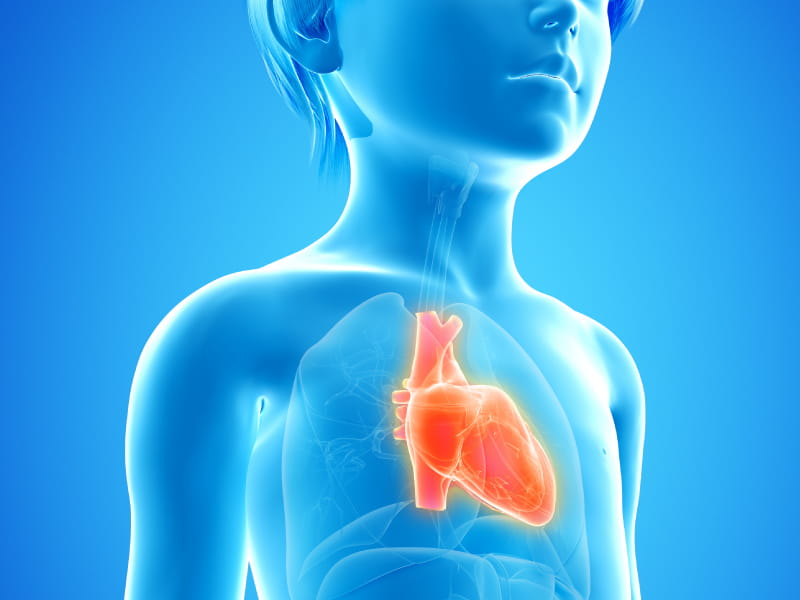
Sebastian Kaulitzki, Adobe Stock
(Sebastian Kaulitzki, Adobe Stock)


Labels: , , , , ,

Tuesday, May 28, 2019

Pancreatic Cancer: Prognosis, Treatment

"We have better chemotherapy drugs [for pancreatic cancer] than in the past, but those standards of care aren't reaching patients.Spreading the reach of the standards of care, starting with a consultation with a medical oncologist, would have a big impact."
Dr. Natalie Coburn, surgical oncologist, Sunnybrook Health Sciences Centre, Toronto

"I'm going to fight this [pancreatic cancer diagnosis]."
"That stuff [chemotherapy] really kicks the slats out of you.. [I suffered bouts of] deep sadness [following chemotherapy sessions]."
Alex Trebek, Jeopardy host

"[By the time tumours are diagnosed, 80 percent are inoperable] and have spread beyond what we can offer for cure."
"The outlook has drastically changed, but the stigma still remains that this is a  highly fatal cancer and it probably isn't worth treating."
"But everyone should have the opportunity for treatment. We could achieve better results by getting more people to an oncologist and better access to best practice treatments right now than with new and often expensive experimental drugs in the future."                                                                                                "We also want to raise awareness amongst policy-makers about gaps in the health care system -- how can we ensure people are accessing the standard of care? How can we make it easier to reach a specialist in a timely manner?"     Dr. Julie Hallet, surgical oncologist, Sunnybrook Health Sciences Centre
Host of Jeopardy Alex Trebek is only the latest celebrity to be diagnosed with pancreatic cancer. (Ben Hider/Getty Images)

A new study  recently published in the Canadian Medical Association Journal, and authored by University of Toronto-associated surgical oncologist Natalie Coburn, co-authored by Julie Hallet, explores the reality that most people diagnosed with pancreatic cancer fail to be offered the opportunity to extend their lives, a reflection of attitudes within the medical community that the disease, usually diagnosed when it has gone beyond mediation, is no longer worth the effort of treatment.

Over ten thousand people diagnosed with advanced pancreatic cancer over an eleven-year period in Ontario saw only 38 percent receiving chemotherapy or were given the option of a combination of chemo and radiation. Of the total number, one-third weren't referred to a medical oncologist specializing in chemotherapy, contrasting sharply with the high rates of treatment offered for other advanced cancers.

Patients with colorectal cancer, for example see a 90 percent opportunity of being treated by a medical oncologist while the majority receive chemotherapy. The diagnosis of advanced (metastatic) pancreatic cancer, with its spread to other parts of the body, has a particularly grim prognosis. This reflects the fact that the disease has a tendency to spread without the appearance of obvious symptoms such as upper abdominal pain or jaundice which occurs when the tumour blocks the bile ducts.

That there is no screening for pancreatic cancer, only exacerbates the situation. This form of cancer represents the fourth leading cause of cancer deaths in Canada, striking men and women equally. The reality currently is, however, that more up-to-date chemotherapy regimens have the capacity to extend mean survival rates for up to a year. Half the patients receiving chemo are able to survive for a year, while the other half can realize a longer survival time. Without therapy, survival is three to six months.

The study used records of 10,881 patients diagnosed with advanced pancreatic adenocarcinoma, accounting for about 80 percent of all cases, between the years 2005 to 2016. Of that number, roughly 27 percent received chemotherapy, while 11 percent benefited from both chemo and radiation. A third of the diagnosed patients were not referred to an oncologist; of those that were, about 60 percent were not given therapy.

Some people refuse chemotherapy because of the toxic side-effects, and the researchers involved in the study did not set out to identify why it was that people weren't given assessments or failed to be treated. And Dr. Hallet, who understands why some people might decide to forego treatment, feels everyone should have the opportunity to opt for it, or decline it.

Pancreatic cancer
Axial CT image with i.v. contrast. Macrocystic adenocarcinoma of the pancreatic head. Credit: public domain

Labels: , , , , , , ,

Sunday, June 17, 2018

Deficits in the Healing Arts

"We need an infusion of new ideas. Cognitive neuroscience would help us characterize the deficits people have and allow us to connect them to particular brain systems."
"Patients and their families want to know what to expect during and after treatment [chemotherapy following cancer surgery]."
"Cancer-related cognitive impairment is real. And those of us in the field are intent on figuring it out."
Todd S. Horowitz, cognitive psychologist, program director, Division of Cancer Control and Population Sciences, National Cancer Institute, U.S.
[Woman undergoing chemotherapy]
Chemotherapy is known to interfere with cognitive abilities, but for how long? MedicalNewsToday
 
For every action there is a corresponding reaction. Pharmaceutical and medical science has allowed us to live longer and ostensibly better. When we have the misfortune to acquire a chronic illness, or when any untoward medical condition of however long a duration assails us, there is a formulaic therapy, a specific drug that will minimize symptoms, or 'cure' the illness, or enable us to live with the inconvenience to our daily health outcomes. Far from ideal, however, since even though the medication addresses the illness itself, the prescription will invariably impact not only on the condition it is engineered to target, but create another condition in the process, minor or major.

Dr. Horowitz and two other researchers at the institute they all represent produced a paper published in the journal Trends in Neurosciences, last week addressing a puzzling and important issue with the hope that they can influence an outcome where specialists in brain science can put their expertise to work to figure out why it is that so many cancer patients suffer from a condition known officially as cancer-related cognitive impairment, and which people who suffer from the condition and their doctors more familiarly term "chemobrain".

The estimates are that between 17 to 75 percent of cancer patients suffer from this condition where sufferers mention a range of impairments. And then to make it even more complicated patients with various types of cancers or those who have been put through a different set of therapeutic protocols speak of a wide range of disabilities in a malfunctioning brain. Researchers, to date, are stumped. There are theories but nothing has been proven. Some believe that chemobrain owes its presence to treatment for cancer destabilizing the immune system, so a toxic flood of inflammatory agents is unleashed on the central nervous system.

The condition is more commonly compared to living with a mental fog. Long after the recovery period from surgery and chemotherapy has passed and medical check-ups post-surgery have been lifted patients are exposed to a "new normal" situation that includes concentration difficulties, inability to recall words, short-term memory, and the end of multi-tasking. The onset of these symptoms lumped together as foggy brain syndrome or chemobrain is as mysterious as its presence. No one knows if it will eventuate, how long it will last, and what precisely is involved, let alone whether it can be treated, or, best case scenario, avoided altogether.

Not much is known about the mechanics involved in the phenomenon which experts attempt to use standard neuropsychological tests for, to determine the extent of cognitive impairment in various "domains", inclusive of attention, processing speed, visuospatial skill and various types of memory with clinical measures devised for the purpose of diagnosing or assessing injury caused through severe brain diseases like Alzheimer's, traumatic brain injury, or stroke. What works for those conditions seems unhelpful in the detection, measurement or explanation of the subtle impairment that stalls the return to normalcy for many cancer survivors.

Return to a normal lifestyle is stalled, temporarily or permanently. That mentally demanding work role for an employee suffering the after effects of cancer treatment becomes an impossibility. Some people are unable to resume driving, much less plan for their future. Experts speak of the possibility that chemotherapy may be responsible for brain inflammation, and DNA scrambling in the brain, or that chemotherapy promotes an acceleration of the aging process, or disables the brain's normal repair mechanisms. A simpler explanation might be that chemotherapy designed to eliminate certain cells, manages to breach the blood-brain barrier, attacking neurons directly.

Confoundedly MRI scans capable of capturing portions of the brain's more elusive structures have shown before patients undergo treatment, breast cancer patients, as an example are seen with reduced volumes of white matter, the brain's vital connective tissue. The scans reveal that paying attention exacts more of an effort on the part of the patient with chemobrain, that their cortical structures show both early- and long-term brain volume losses.

And then, MRI studies capturing activation in particular brain regions have shown a reduction in connectivity in a neural circuit named the default mode network with its central role in diseases of aging, along with those involving inflammation and cell stress. The hope is to be able to achieve a more accurate, dependable understanding of the aspects of chemobrain to give hope to cancer patients, to enable their brain to work as well as their medical-protocol-healed body. The hope is to be able to select specific treatments as strategies in the hopes of reducing the effects of chemobrain, or eliminating it entirely.
Signs and symptoms of chemo brain may include the following:
  • Being unusually disorganized
  • Confusion
  • Difficulty concentrating
  • Difficulty finding the right word
  • Difficulty learning new skills
  • Difficulty multitasking
  • Fatigue
  • Feeling of mental fogginess
  • Short attention span
  • Short-term memory problems
  • Taking longer than usual to complete routine tasks
  • Trouble with verbal memory, such as remembering a conversation
  • Trouble with visual memory, such as recalling an image or list of words
Mayo Clinic

Labels: , , , , , ,

 
()() Follow @rheytah Tweet