Ruminations

Blog dedicated primarily to randomly selected news items; comments reflecting personal perceptions

Saturday, June 11, 2022

Notch Up Another Win for Successful New Cancer Therapies

"I don't think anyone has seen this before, where every single patient has had the tumour disappear."
"All fourteen patients? The odds are exceedingly low and really unheard of in oncology."
Dr.Andrea Cercek, oncologist, Memorial Sloan Kettering Cancer Center, New York
 
"This new treatment is a type of immunotherapy, a treatment that blocks the 'don't eat me' signal on cancer cells enabling the immune system to eliminate them."
"The treatment targets a subtype of rectal cancer that has the DNA repair system not working. When this system isn't working there are more errors in proteins and the immune system recognizes these and kills the cancer cells."
CBS News medical contributor Dr. David Agus
msk-cereck-220511-417-rt-1200x800.png
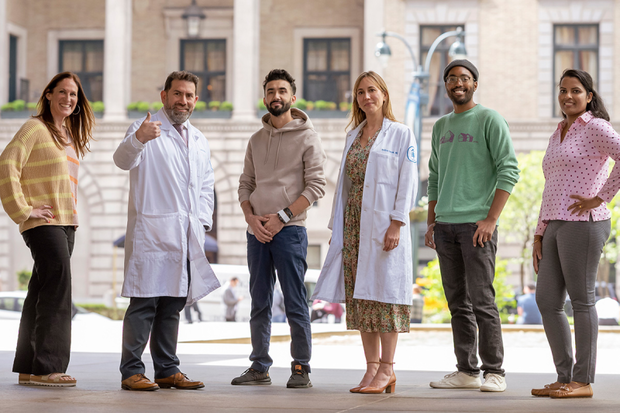
Four people who were successfully treated for rectal cancer in a clinical trial at Memorial Sloan Kettering join the trial's two main investigators.  Memorial Sloan Kettering

A six-month experimental treatment undertaken at Memorial Sloan Kettering Cancer Center in New York has excited the medical world of colorectal cancer, with researchers hailing the study as groundbreaking, a development that has the potential to lead to new treatment for a range of cancers. The study and its results has just been published in the New England Journal of Medicine to great acclaim.

The study was small, but the fourteen patients whose course had been completed come from diverse backgrounds; age, race and ethnicity. All of the patients shared a genetic instability in their rectal cancer; none had undergone treatment. Following the six months' course where once scans indicated knotty, discoloured tumours, at the conclusion of the course, instead they showed smooth, pink, tumour-less tissue with no traces of cancer detected by scans, biopsies or physical examinations.

Each of the patients whose course was completed was given nine doses of intravenous dostarlimab, a fairly new drug meant to block a specific cancer cell protein that could cause the immune system to withhold cancer-fighting response. None of the 14 patients who completed the trial, given its success, required planned followup treatment of chemo-radiation or surgery. None of the study participants experienced significant complications from the drug.

The trial still has an additional four patients undergoing treatment, all to this point indicating the same promising results that pertained with the original 14 participants. Some issues have been highlighted with the trial, in that the patients must undergo several additional years of observation meant to ensure the tumours do not re-emerge or metastasize elsewhere in the body. 

The successful results pertain only to people who carry specific abnormality in their rectal cancer, identified as mismatch repair-deficiency, a condition impeding the body's function to normalize or 'repair' abnormalities when cells instead of dividing as they should, instead result in mutations.


Labels: , , ,

Friday, November 13, 2020

Inspired to Discovery and Medical Treatments

"The value of my stake doesn't interest me." 
"We wanted to build up a firm similar to biotech giants like Amgen or Genentech. We want to create long-term value."
"That's what interests me."
BioNTech CEO Ugur Sahin, 55, Turkish-German biotech entrepreneur
Dr Özlem Türeci and Dr Uğur Şahin, who both have parents who came to Germany from Turkey in the late 1960s. Photograph: Biontech

The behind-the-scenes story of a married pair of bioengineers backstops the sensational report that Pfizer has announced an astounding 90% success rate in the early stages of its Third Stage human trials for their anti-COVID vaccine. Theirs is an immigrant-success story of quite considerable proportions. The pair is devoted to discovering whatever can be found to support the human immune system against dire threats to human life. Their primary focus has been to discover new drugs and therapeutic protocols in the battle against cancer.

They turned their focus temporarily to finding possible solutions to the enigma of the SARS-CoV-2 virus that causes COVID-19 whose complexity of assaults against the human body has caused great consternation among epidemiologists as it continues to sweep through the world community, wreaking unstoppable havoc. Unstoppable until such time as an effective, efficient and safe vaccine can be produced, distributed and inoculate as much of the world's population as possible with, to achieve that vaunted herd effect.

Pfizer and BioNTech, the first drugmakers to indicate that initial data from their large study spells success for a novel coronavirus vaccine have up to the present seen no indications of any serious safety concerns, and are confident that U.S. emergency use authorization will be on an early horizon.
 
BioNTech chief executive Ugur Sahin is the son of a Turkish immigrant who worked in Cologne, Germany at a Ford factory. The offspring of that factory worker in Germany is now among the 100 wealthiest Germans, along with his wife and BioNTech board member, Oezlem Tuereci, 53, who is also the firm's chief medical officer. 
 
Nasdaq-listed BioNTech, co-founded by the pair now stands at $21billion. A year ago its market value was $4.6 billion. BioNTech employs a workforce exceeding 1,300 people from over 60 countries, more than half of them science-qualified women

Matthias Kromayer, board member of venture capital firm MIG AG, backers of BioNTech since its 2008 inception, describes Ugur Sahin as a modest man: "Despite his achievements, he never changed from being incredibly humble and personable". Professor Sahin, he continued, typically attended business meetings in jeans, carrying his bicycle helmet and backpack.

The Turkish-German entrepreneur was faithful to his childhood dream to become a physician. His experience includes working at teaching hospitals in Cologne and the south-western city of Homburg, and it was there that he met his future wife during his early academic career. They were both wedded to medical research and oncology, as well as to one another.

For her part, Oezlem Tuereci's father is a Turkish physician who migrated to Germany. She and her husband have consistently focused on the human immune system hoping to be able to harness it in the fight against cancer as they attempted to address each tumour's unique genetic makeup. In 2001 they launched themselves as entrepreneurs, setting up Ganymed Pharmaceuticals for the purpose of developing cancer-fighting antibodies.

Professor Sahin never surrendered interest in research and teaching and served as a professor at Mainz University. MIG AG provided the funding they needed along with Thomas and Andreas Struengmann when Novartis bought out their generic drugs company in 2005. The couple looked to the future, building BioNTech in 2008 in pursuit of a broader range of cancer immuno-therapy tools.

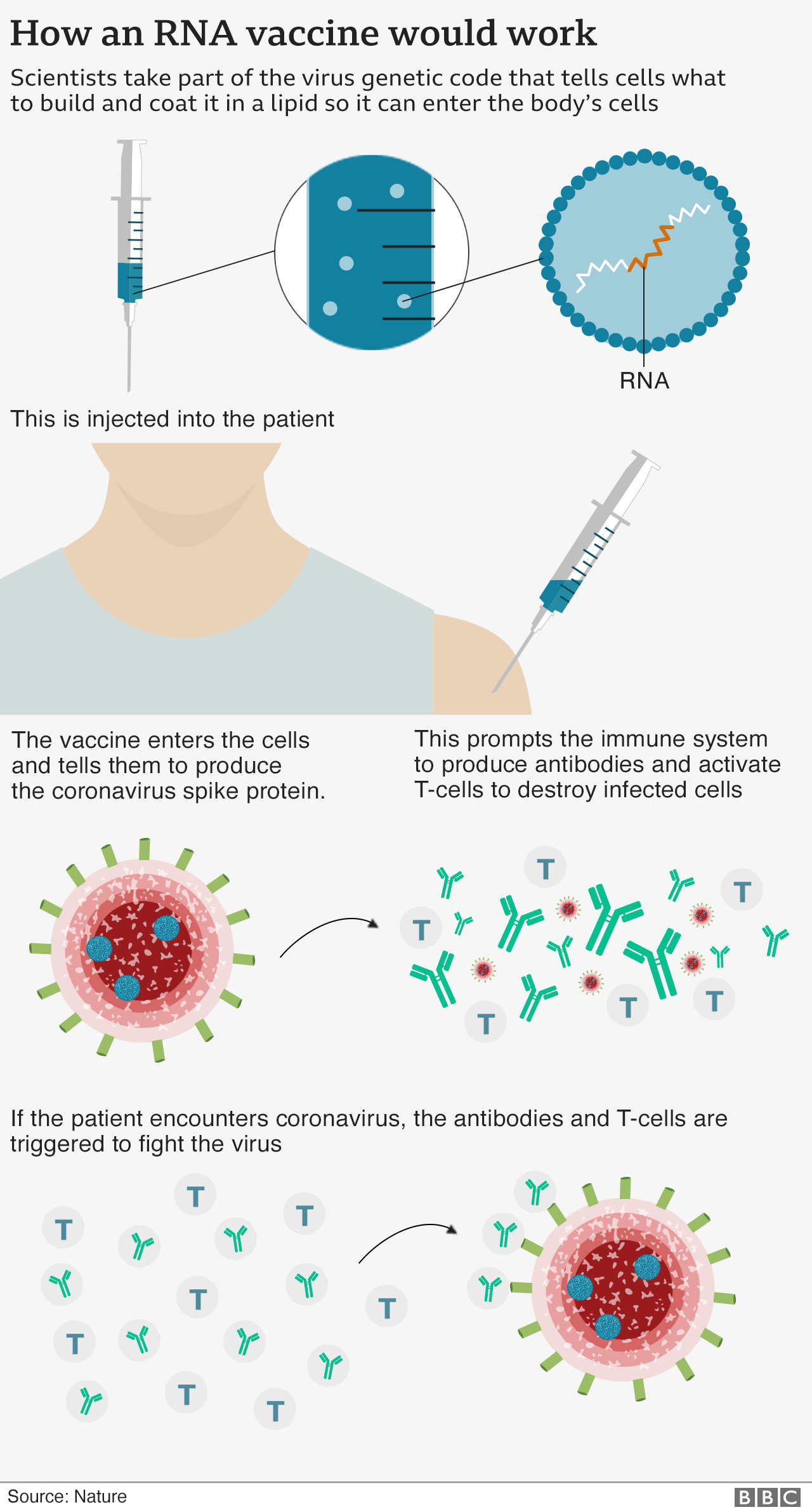
 BBC graphic


Labels: , , , ,

Friday, September 04, 2020

Home Cooking Vs Processed Food Products

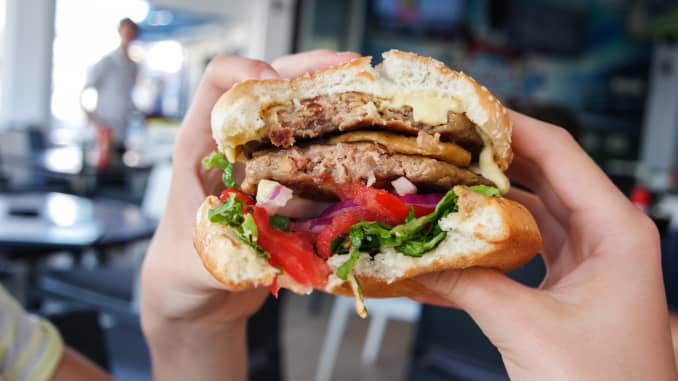
Lina Bruins | EyeEm | Getty Images

"While the telomeres do not contain genetic information themselves, they are vital for preserving the stability and integrity of chromosomes, and by extension, the DNA that every cell in our body relies on to function. As we get older, our telomeres get shorter since each time a cell divides, part of the telomere is lost, thus telomere length is considered to be a marker of biological age. In this cross-sectional study of elderly Spanish subjects, we showed a robust association between ultra-processed food consumption and telomere length."                                                                 "Further research in larger longitudinal studies with baseline and repeated measures of telomere length is needed to confirm these observations."                   Research, University of Navarra, Pamplona, Spain

Canadians get nearly half of their total calories from ultra-processed foods, according to previous research from Heart & Stroke.

A year ago, Spanish researchers published findings -- after following 19,899 people over a two-decade period -- that appeared in the British Medical Journal. Researchers from Navarra University sorted processed foods into categories ranging from unprocessed to ultra-processed, four groups in all, to discover that the latter group linked people to early deaths. Five or more servings of ultra-processed foods consumed daily had the result of increasing mortality risk by 62 percent, each additional serving increasing mortality risk by 18 percent. Cancer was seen as the major cause of death, at an average age 58.

According to the May 2019 report: “Processed meats, sugar sweetened beverages, dairy products, and French fries were the main foods contributing to the ultra-processed food consumed". The study pinpointed a wide range of processed foods covering all categories, including chocolate, cookies, potato chips, pizza, meatballs, doughnuts, mayonnaise, margarine, breakfast cereals, milkshakes, soda and sweetened drinks, chicken nuggets, croissants and pastries, processed meats, instant soups, ice cream, and distillation-produced alcohol. 

Researchers at the University of Paris and the University of Montpellier also published the results of a study monitoring dietary habits of 105,159 people over age 18 between the years 2009 and 2018. The conclusion of this study resulted in the finding of a clear link between ultra-processed food consumption and cardiovascular disease. Cardiovascular disease is known to be the main cause of worldwide deaths. "This report is based on an associative study which would normally lead to or be the start of more detailed research. Health professionals continue to promote a combination of a healthy lifestyle and meat has its place in a balanced diet", commented a spokesperson for the Agriculture and Horticulture Development Board, a UK farming body.

More latterly, researchers from the University of Navarra presented a more recent study at the online European and International Conference on Obesity, the study published in the American Journal of Clinical Nutrition, where researchers concluded that those who consume over three servings of ultra-processed foods each day are twice as likely to have shortened telomeres, the protein structure at each end of a chromosome, acting as protection for the chromosome, which researchers recognize as an indicator of aging.

Ultra-processed foods could be linked to agining cells, a study suggests. (iStock). 
Ultra-processed foods could be linked to ageing cells. (iStock). 

The research analyzed 645 men and 241 women with an average age of 67.7 years, to discover that as consumption of ultra-processed foods increased. the likelihood of having shortened telomeres did as well. "Medium-low" consumption with 2-2.5 servings daily held an increased risk of 29 percent, while "medium-high", with 2-5.3 daily servings saw that risk rise to 40 percent. "High", with over 3 servings daily, saw the consequential risk rise to 82 percent.

As well, an association between consumption of ultra-processed foods and depression, hypertension, overweight/obesity and premature mortality were all identified by the researchers. The Heart & Stroke Association has advice for those concerned enough to avoid frequent ultra-processed foods consumption; to cook at home more frequently, to eat with others and become more wary of food marketing ploys. Items marketed as "wholesome", "nourishing", and "organic", may be anything but.

Labels: , , , , , ,

Tuesday, July 21, 2020

How Important is Good Dental Hygiene?

"The authors point to possible reasons for an association between oral bacteria (oral microbiota) and oesophageal and gastric cancer, with evidence from other studies suggesting that tannerella forsythia and porphyromonas gingivalis - members of the 'red complex' of periodontal pathogens - were associated with the presence or risk of oesophageal cancer."
"Another possible reason is that poor oral hygiene and periodontal disease could promote the formation of endogenous nitrosamines known to cause gastric cancer through nitrate-reducing bacteria."
"This was an observational study, so no firm conclusions can be drawn about cause and effect, and the researchers cannot rule out the possibility that some of the observed risk may be due to other unmeasured (confounding) factors."
"However, they conclude: "Together, these data support the importance of oral microbiome in oesophageal and gastric cancer. Further prospective studies that directly assess oral microbiome are warranted to identify specific oral bacteria responsible for this relationship. The additional findings may serve as readily accessible, non-invasive biomarkers and help identify individuals at high risk for these cancers."
EurekAlert
Image: © Glayan/Thinkstock
"The study authors who found the link between cancer and oral health came to their conclusions using self-reported information from questionnaires given to some 65,869 older women as part of the Women's Health Initiative Observational Study, which began collecting information in 1994. The women in the study were asked if a dentist or dental hygienist had ever told them they had gum disease."
"Study authors followed these women for an average of eight years to see who went on to develop cancer. More than 7,000 cancers occurred among the women during the study period, and researchers found that women with periodontal disease had a 14% higher overall cancer risk than women without gum disease — and a higher risk specifically of breast, lung, and esophageal cancers, and melanoma."
Harvard Health Publishing, Harvard Medical School

"The link between oral health and heart health may seem an unlikely one. But proper care for your teeth and gums may help lower your risk for developing heart disease.
Gum disease leads to inflammation, the immune system's response to infection and injury. The chemicals produced by inflammation of the gums get into the blood. When they reach the heart, those chemicals may increase inflammation inside plaques of atherosclerosis in the arteries of the heart, thereby increasing the risk of heart attacks and strokes."
"That association is controversial, however. 'That's because people with severe gum disease have many of the usual risk factors for coronary artery disease, such as age, diabetes, poor diet, and untreated diseases', says cardiologist Dr. Peter Zimetbaum, an associate professor at Harvard Medical School."
"While some studies have shown that cleaning and flossing result in lower levels of inflammatory markers and other improvements in known risk factors for heart disease, it's not yet clear if good oral care will prevent heart attacks, stroke, or death from heart disease, says Dr. Harvey White, a member of a Harvard affiliated academic research group that studies cardiovascular disease. Even so, it will certainly help protect your dental health."
Harvard Health Publishing, Harvard Medical School
Gum disease may up mouth, stomach cancer risk: Study
Representational Image (Source: Internet)

A new study published in the journal Gut, a specialist periodical by the British Medical Journal, suggests that gum disease has a part to play in risking throat and stomach cancer. The Harvard University study emphasized that the risk, calculated at 50 percent, was higher among people who had experienced tooth loss given that gum disease becomes an entry point for bacteria to proliferate through blood. On the good news side, mild instances of gum disease are readily treatable with practising good oral hygiene.

The research studied 98,459 women and 49,685 men over a period of more than twenty years for rates of throat and stomach cancer. The study assessed dental measures, demographics, lifestyle and diet. The link between bacteria commonly found in the mouth and esophageal cancer was validated in previous studies which results this more recent one confirms given its large sample size, long-term followup and "rigorous control" for lifestyle impacts.

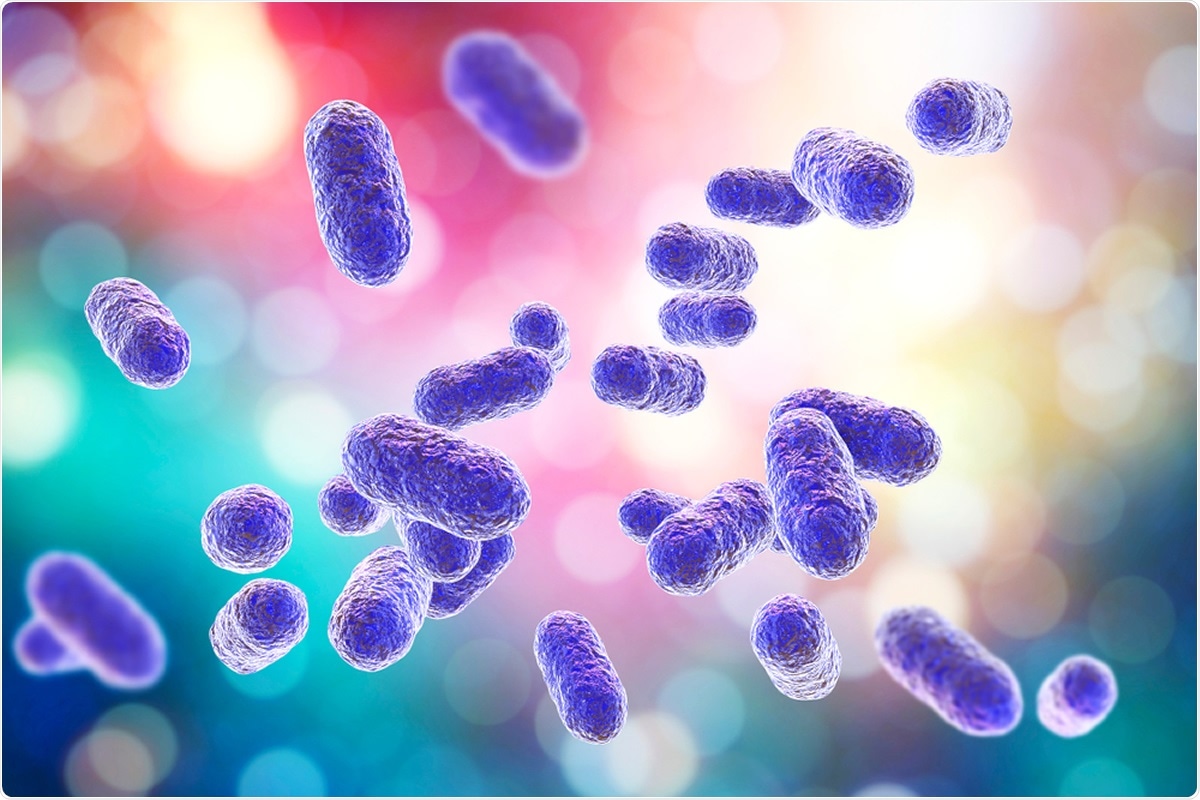
Porphyromonas gingivalis bacteria, 3D illustration.  Image Credit: Kateryna Kon / Shutterstock
Porphyromonas gingivalis bacteria, Credit:Kateryna Kon / Shutterstock

During the 22 to 28 followup years 199 cases of esophageal cancer and 238 cases of gastric cancer occurred. A related history of gum disease was seen to be associated with a 43 percent and 52 percent increased risk of esophageal cancer and gastric cancer respectively.  Risk of esophageal and gastric cancer for people who lost two or more teeth were  higher as well, compared to people with no tooth loss experience; 42 percent and 33 percent respectively.

A history of gum disease and who may or may not have had tooth loss were linked with a 59 percent increased risk of esophageal cancer in comparison to people lacking a history of periodontal disease, and no loss of teeth. Periodontal disease results in abnormal gum conditions reflecting decreased health of gums which recede to expose the roots of teeth, resulting in vulnerability of tooth stability, and eventually tooth loss.

Finally, a history of gum disease resulting in no loss of teeth gave people a 50 percent increased risk of gastric cancer, rising to 68 percent when people have a history of both gum disease and tooth loss, in comparison to others with no history and no loss of teeth.

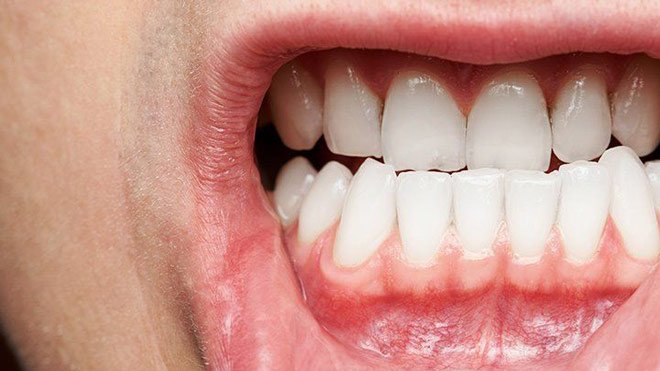
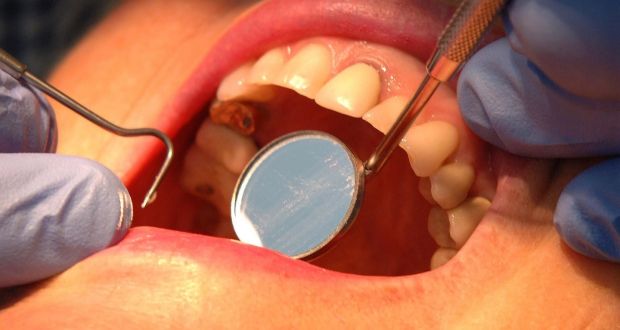
Mouth health often reflects general health, according to  Prof Leo Stassen, president of the Irish Dental Association. Photograph: John Giles/PA Wire
Mouth health often reflects general health, according to Prof Leo Stassen, president of the Irish Dental Association. Photograph: John Giles/PA Wire


Labels: , , , ,

Friday, July 17, 2020

Boosting Immunity to Battle COVID-19 in High-Risk People

"We think harnessing innate immunity could be one of our best weapons for fighting COVID-19 -- and could easily be adapted to tackle future pandemics."
"An effective vaccine against COVID-19 could take another year or more to develop, test and implement."
"In the meantime, there is an urgent need to protect people with cancer from severe COVID-19 infection, and we think this immune stimulator, IMM-101, may be able to do this."
"It's like sending your innate immune system to the gym for a while. So when it comes back to attack the next pathogen, it's much stronger and better."
"I imagine that if this trial was positive, this would be something you could have in your back pocket when the next pandemic came. You'd be able to say, 'We have something that works and can protect high-risk people'."
Dr.Rebecca Auer, director of cancer research, The Ottawa Hospital
https://ohfoundation.ca/wp-content/uploads/2020/07/Dr.-Auer-Hero1.jpg
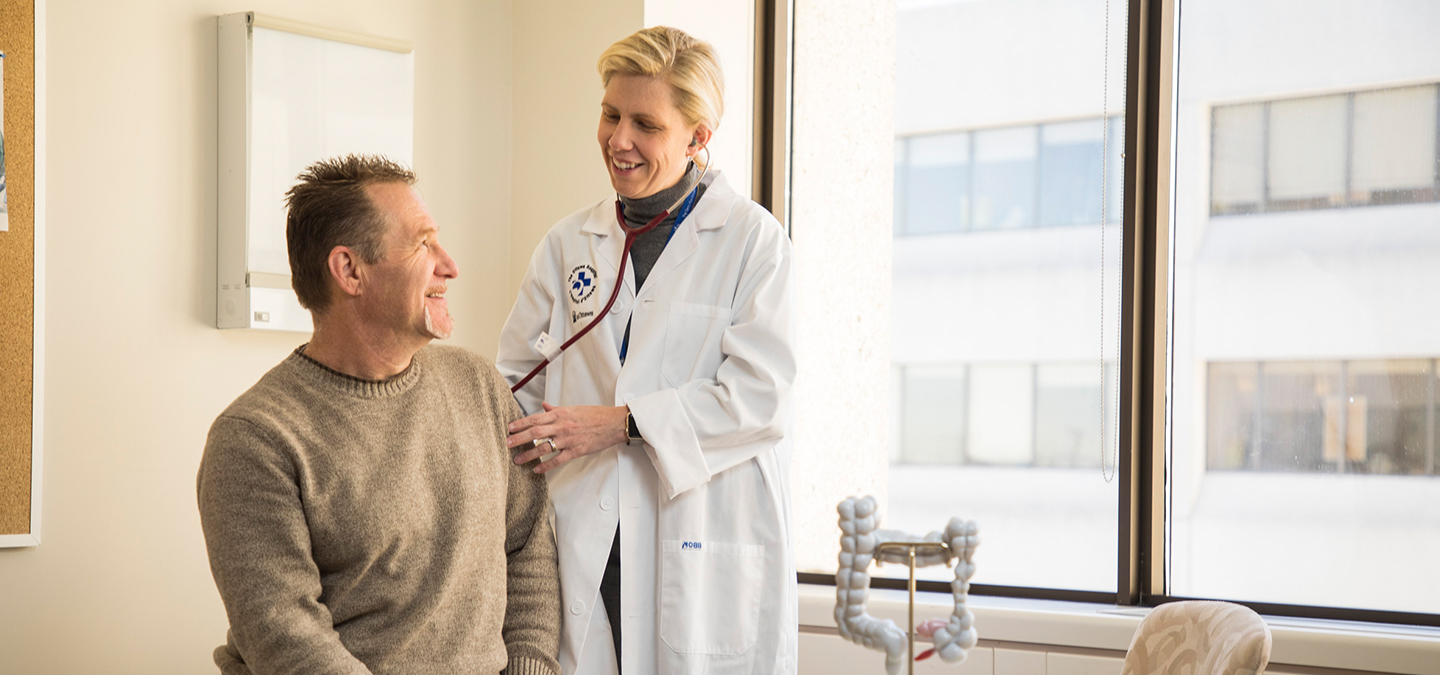
Surgeon-scientist Dr. Rebecca Auer is leading a world-first clinical trial that she hopes will protect cancer patients from COVID-19 and other respiratory infections by boosting their immune systems during treatment.The Ottawa Hospital
A new Canada-wide clinical trial is set to proceed whose purpose is to find a way to protect cancer patients -- whose immune system has been compromised by the presence of cancer, and through protocols such as chemotherapy -- from COVID-19 through fortifying their immune systems. Should the trial prove successful, it would represent a methodology that could assist not only cancer patients, but others with weakened immune systems where age or illness has played a role in making them vulnerable to COVID infection.

An immune-boosting bio-therapeutic called IMM-101 comprised of heat-destroyed bacteirum Mycobacterium obuense, which can be found in soil and water, is involved in the clinical trial. IMM-101, originally developed as an immunotherapy cancer treatment, has the demonstrated capability to activate the body's first line of defence, inclusive of NK (natural killer) cells responsible for guarding against viral and bacterial infections; safely used in other clinical trials with cancer patients.

The point of the trial is to determine whether boosting cancer patients' immune systems with IMM-101 will succeed in protecting them from contracting COVID-19, including other respiratory illnesses such as flu, whose presence can complicate and delay cancer treatment. Chemotherapy indiscriminately targets the fast-dividing cells characterized by cancer, or immune cells. Over 90,000 people in Ontario last year received radiation treatments or chemotherapy, their care complicated by COVID-19.

The clinical trial will enroll 1,500 patients at nine cancer centres country-wide, where study patients will be randomly assigned to either a group receiving regular care, or the one that IMM-101 has been added to. The IMM-101 group will receive three doses of IMM-101 over a 45-day period, following which they will be observed for COVID-19 or other respiratory-type illnesses.

In the past, immune boosters have been used successfully for years in veterinary medicine, in the prevention of respiratory virus transmission in cattle, horses and other animals. In Europe, clinical trials are now testing the BCG vaccine -- a tuberculosis vaccine containing a live, weakened strain of Mycobacterium bovis, to prime the immune system against COVID 19.  BCG is responsible for training the immune system to fight off respiratory infections.

A similar process has been used for years in patients with bladder cancer, with huge success,

OTTAWA - July 16, 2020 - Dr. Rebecca Auer, surgical oncologist and director of cancer research at The Ottawa Hospital, will lead a $2.8 million clinical trial that seeks to protect cancer patients from COVID-19 by strengthening their depleted immune systems. If it proves successful, the immunotherapy approach could help many of the people most vulnerable to COVID-19. Photo courtesy of The Ottawa Hospital.
Dr. Rebecca Auer, surgical oncologist Photo courtesy The Ottawa Hospital. 

The mystery of why it is that some people become severely ill with COVID-19 even as others exhibit only mild symptoms, is believed by researchers to relate to an individual's innate immune system response. Innate immune cells recognize and attack a broad spectrum of infectious agents.

Live vaccines such as BCG cannot be administered to cancer patients, leading Dr.Auer and her research colleagues to search for an alternative, and that was IMM-101.

Though not a live vaccine, IMM-101 elicits a response when the innate immune system recognizes it as a foreign invader to which it reacts to protect the body.


Labels: , , , ,

Monday, March 09, 2020

Colour Me Grey - Oh Wait! How About Silver?

"With influential people like Billie Eilish dyeing their hair grey, people of all ages are incorporating the look, and many who are naturally grey are no longer trying to cover it up."
Swasti Sarna, insights manager, Pinterest
Getty Images

"[The study's new findings are] concerning [but not quite definitive]."
"We wouldn't make any recommendations off these findings. We need more evidence [of heightened risk of breast cancer linked to hair dye]."
"Researchers have been studying the possible link between hair dye and cancer for a long time, but results have been inconsistent."
"In our study, we see a higher breast cancer risk associated with hair dye use, and the effect is stronger in African American women, particularly those who are frequent users." 
"For the chemical straighteners, one of the big concerns there is formaldehyde, which is a known carcinogen."
Alexandra White, epidemiologist, head, National Institutes of Environmental Health and Cancer Epidemiology Group
main article image
sciencealert

The latest in hair fashion for elegant woman of the celebrity variety of a certain age appears to be acceptance of the inevitable; being newly relaxed about a head full of grey locks. It has become au courant in casual elegance to defy the years and allow nature to take its course in one's coiffure. Grey is in. Hair dye is out. Oh, perhaps not universally, but the trend is there, and proudly alive. Grey and silver. White? A shade too far, no doubt. It even has a stamp of approval from L'Oreal Paris and Vogue where silver was announced the hair colour of the year.

Now younger women not willing to be left behind though the years have yet to catch up, bleach and colour their youthful dark or blonde hair in such wan shades as titanium, blue steel, smoky grey and gunmetal even as many older women commit to continuing covering their grey/silver hair with artificial colouring, belying their newly acquired wrinkles. There is no one, single track. Facebook groups have sprung up naming themselves Gray and Proud, Going Gorgeously Gray and Silver Revolution, tips and photos included.


For years it has been bruited about that hair colour, particularly the very dark colours, have been linked to increased chances of acquiring dread cancer. When the panache of style and personal ego are concerned such 'urban legends' fail to make much of an impact; women have continued to use temporary, semi-permanent and permanent dyes to make themselves look more sensuously alluring. To themselves presumably, and anyone else looking to be impressed by the results.

Now, new research asks the question, is there indeed a risk inherent in the use of hair dye chemicals? Recently the International Journal of Cancer published the results of a study that reported African-American women who colour their hair with permanent dye every five to eight weeks become 60 percent likelier to be diagnosed with breast cancer than other women who don't colour their hair. All women included in the study had a family history of breast cancer.

For white women though, risk of contracting cancer was far less, though the risk was indeed elevated, even while no cause and effect had been established for either group. White women who dyed their hair every five to eight weeks were eight percent more likely, according to researchers, to be diagnosed with breast cancer. Over an average of eight years, researchers studied 46,709 women aged between 35 and 74. Though none of the participants had been diagnosed with cancer, all had at least one relative diagnosed with breast cancer.

Glamour

And of those women in the study, fully 55 percent used permanent hair dye. Throughout the study period 2,794 African-American and white women were diagnosed with beast cancer, with black women 45 percent more likely to be diagnosed, while white women were seven percent more likely. Study co-author Alexandra White estimated heightened risk as five additional cases of breast cancer for every one hundred black women, and one additional case for every one hundred white women.

Black women tend to be diagnosed with more aggressive forms of cancer, the end result that they are likelier to die from their cancer. According to the American Cancer Society, some doctors advise women to refrain from colouring their hair while pregnant; at the very least, not to colour their hair during the critical first trimester of pregnancy. Permanent dye causes lasting changes to the hair shaft, remaining in the hair until it grows out. Temporary dye washes out after a shampoo or two, while semi-permanent tends to need up to ten shampoos to wash away.


Labels: , , , , , ,

Thursday, January 30, 2020

Getting Past the Patent-Profit-Problem in Favour of Repurposing Drugs for Effective anti-Cancer Therapies

"We found that a surprising number of non-oncology drugs are able to kill cancer cell lines in the lab."
"We tested 4,518 compounds in this experiment in total."
"We found 49 non-oncology drugs that were able to selectively kill cancer cell lines -- killing some but not other cancers, which is an ideal property."
Dr.Steven Corsello, Dana-Farber Cancer Institute, Broad Institute of MIT, Harvard University

"[The newly-published paper] highlights the struggle to balance transparency and sharing of discoveries, with heavily patent-dependent commercialization requirements for therapies to make it to market."
Dr.Bruce Bloom, Healx, Cambridge, U.K.
Cancer in newspaper clipping
Scientists at the Broad Institute and the Dana-Farber Cancer Institute identified 49 existing drugs that hold anti-cancer potential and uncovered novel targets that could direct the development of new oncology drugs. (Pixabay)

American researchers have published a paper in Nature Cancer representing research work seen to be the largest to use the Broad Institute's Drug Repurposing Hub of which Dr.Corsello is the director and who led the research. Comprising a collection of over 6,000 sample drugs and compounds either approved by the U.S. Food and Drug Administration or they have been through early-stage clinical trials to prove they are safe for use in people.

In the testing carried out by the researchers to determine whether there are cancer-fighting properties in the drugs, close to 50 drugs meant to treat conditions other than cancer, out of a total of 4,500 non-cancer drugs were found to have some cancer-killing capabilities. The drugs were tested by the researchers on over 550 different cancer cell lines. This type of testing was previously done at a time when researchers grew cell lines one at a time to test each drug individually.

Thanks to new research and technical advances in the use of DNA bar codes -- introducing unique snippets of DNA with a virus to label the cell lines -- used, a technique that enabled the researchers to pool the cell lines with the effect of cutting short the time required to screen, the process was vastly expedited. Four of the drugs were selected for the purpose of more testing, in an effort to fully understand just how they are able to attack and destroy cancer cells.


Of the drugs, one included a diabetes treatment drug, another for inflammation, and a treatment for alcohol abuse, and finally, one for treating canine arthritic pain. The drugs proved to attack cancer in various ways; with the drug tepoxalin developed for use in people but later approved for treating osteoarthritis in dogs attacking a target called MDR1 expressed on the surface of cells that protects them from the effects of chemotherapy.

High levels of this protein often show up in cancer patients who develop resistance to chemotherapy. Chromosome 16, which commonly occurs in some breast cancers showed activity in cancers lacking a portion of chromosome 16 when exposed to Antabuse, a drug approved for the treatment of alcohol dependence. A compound originally developed for the treatment of diabetes, vanadium -- and levonorgestrel, a  hormone used in contraceptives also showed anti-cancer properties.

Animal studies on some of the drugs to determine which have the best chances of success in a clinical trial are being planned by Dr.Corsello's research team. An even greater number of drugs are bent for future testing for possible anti-cancer properties. In limited instances where the drug appears sufficiently promising, the treatment could be brought speedily into clinical trials on cancer patients, suggests Dr.Corsello, but he believes it likelier that identification of new and unexpected molecular targets leading to cancer treatments will be revealed.

Dr.Bloom, representing Cambridge, U.K.-based Healx, a company using artificial intelligence to discover drugs for rare diseases, agrees that new drug targets and the mechanisms of action identified by the researchers in their paper published in Nature Cancer, could be valuable, both for new treatment approaches and for repurposing older drugs.

There is a reminder in all of this of the patent-protection and profit side of researching and producing new drugs, according to Dr.Bloom, that while the data support non-oncology drugs to be repurposed to oncology and even more discoveries could result, the disclosure of specific drug names and targets might complicate pharmaceutical companies in protecting future repurposed and new treatment discoveries.

Illustration of a tumour cell being obliterated by drug therapy. Researchers found diabetes medicine is a cancer killer. Photo: Getty

Labels: , , , , ,

Friday, December 20, 2019

Alcohol -- a Controlled Risk

"We recommend that healthy men and women reduce the risk of harm by drinking no more than ten standard drinks per week and no more than four standard drinks on any one day."
"[Additionally there is now] greater certainty about links between alcohol and a number of different cancers."
"Drinking above this level increases this risk [of dying from alcohol-related disease or injury], while drinking less frequently and drinking less on each occasion reduces this lifetime risk of alcohol-related harm."
National Health and Medical Research Council, Australia

"We are not saying this is a level that completely eliminates risk."
"The less you choose to drink, the lower your risk of alcohol related harm."
"[The guidelines are] not telling Australians how much to drink. We’re providing advice about the health risks from drinking alcohol so that we can all make informed decisions in our daily lives – for ourselves and for our children." 
"It’s ten years since our last review of the guidelines and we now know more about the effects of alcohol. We know that alcohol continues to have significant direct health consequences for many Australians."
Anne Kelso, report author, Medical Research Council chief executive
Drinking
A new study suggests you may want to stop after this drink
Yutacar / Unsplash

For the first time in ten years Australia has altered its guidelines for alcohol consumption, releasing a study containing consumer guidelines, updating them from previous such advice of two drinks each day being safe, for a total of 14 weekly. That total is now reduced to no more than ten drinks weekly. A standard drink is epitomized by approximately ten grams of alcohol, the equivalent of one glass of wine. Typically a pint of beer has an alcohol volume of around 5.5 percent, or 15 grams of alcohol.

Under these new guideli8nes, 1-1/2 pint-sized beers is seen as the outer limit for an adult. The type of beer is also to be taken into account such that drinking a stronger beer or increasing the amount poured into a mug should also be taken into account accordingly, since without taking these points into consideration, a drinker could wind up consuming more than a standard serving, requiring some self discipline in limiting themselves.

Further evidence has accumulated in the past decade since the last guidelines. (Syda Productions/Shtterstock)

Australia's move is not that far off guidelines issued by the Center for Disease Control in the United States which defines moderate drinking as one drink daily for women and "up to two" drinks for men. Statistics from the CDC note furthermore that "excessive" alcohol consumption was known to have led to 88,000 alcohol-associated deaths yearly, taking an average 30 years off life expectancy for those affected, according to its latest findings dating back to 2010.
"Young people in the emergency department with alcohol poisoning, having drunk so much they can’t keep themselves safe. Some at risk of their breathing stopping. I also see the smashed up faces, young and old."
"On the other hand, I also see people who used to drink too much but who have now cut back or stopped. Their sleep has improved, their mood has improved, their blood pressure has returned to normal. So working out what amount of drinking is OK for health is so important."
Kate Conigrave, chair, NHMRC alcohol working committee -- professor of addiction medicine, Royal Prince Alfred Hospital, Sydney
The National Health and Medical Research Council’s new guidelines on drinking alcohol say adults should have no more than 10 standard drinks a week – or roughly 1.4 a day – to reduce health risks. Photograph: Caiaimage/Paul Bradbury/Getty Images
The Medical Research Council spent three years in studied research in updating the risks or benefits in relation to consuming alcohol. Pointing out in their report that the risk of alcohol-related diseases like heart and liver disease, high blood pressure and digestive problems drops significantly when alcohol consumption is reduced. The report stops just short of claiming two drinks daily represents a safe level =- rather, that it represents an acceptable risk.

In addition to which the report took pains to recommend that adolescents under 18 years of age should ideally consume no alcohol whatever, since it is well known to harm brain development and increase the risk of injury.

Labels: , , , , , , , ,

Thursday, December 19, 2019

Saving Lives, a Costly Enterprise

"We can now save children we couldn't save before. In 2019, in a first-world country like Canada, about 90 percent of those children will be cured. But ten percent won't, and since ALL [acute lymphoblastic leukemia] is the most common of children's cancers, even ten percent of children who relapse represents a substantial population of patients."
"We want to believe, although I think it's probably too early to say for sure, that those children [treated with CAR-T cell therapy] are cured."
Dr. Jim Whitlock, division head, hematology and oncology, Hospital for Sick Children, Toronto

"[While its] scientific ingenuity is marvellous [at potentially hundreds of thousands of dollars per dose, the therapy is also raising] the age-old question; what is the price of a human life?"
"[While it's a one-time infusion], it's not something you give at home and overnight the person has full remission from cancer."
"How much are we willing to pay to survive disease, and how much are governments willing to pay?"
"The ones [cancer drugs and therapies] that were easy to find, we found them. It's going to be harder to discover new therapies."
"[Though CAR-T therapy should be recognized as a] fantastic achievement [it fails some cancers, and both side effects and cost involved are complicating factors]. But when  your disease is a death sentence, less than perfect solutions are not to be dismissed."
Jonathan Jarry, biological scientist McGill University, Hamilton
Kymriah
Kymriah is a personalised cancer immunotherapy Novartis

"[Novartis] worked collaboratively with Cancer Care Ontario on behalf of all provinces to reach a mutually agreed-upon confidential negotiated price where the clinical value [of the drug] Kymriah and health-system sustainability were taken into consideration."
Novartis Canada

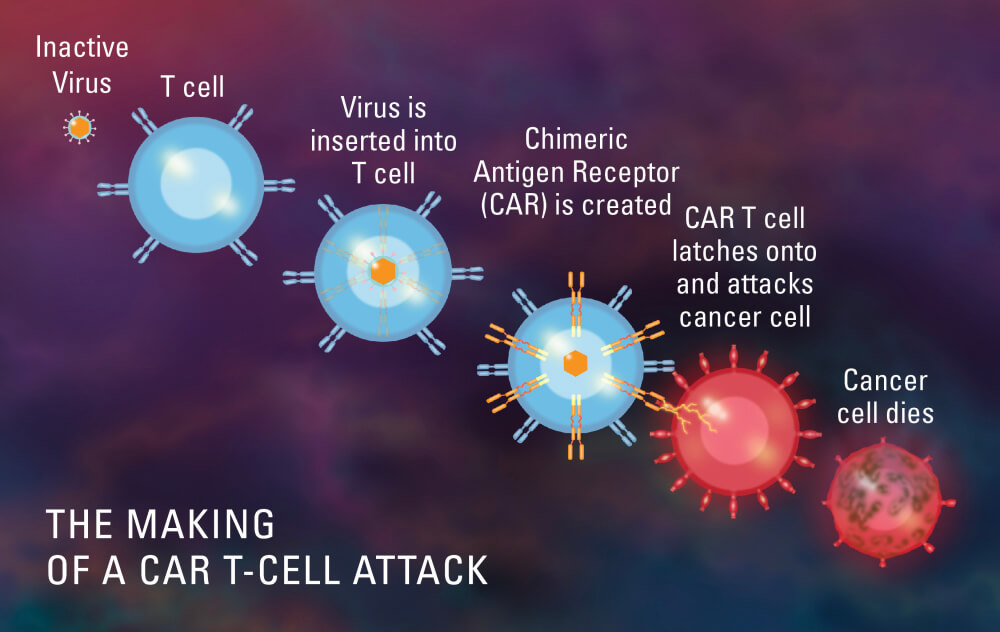
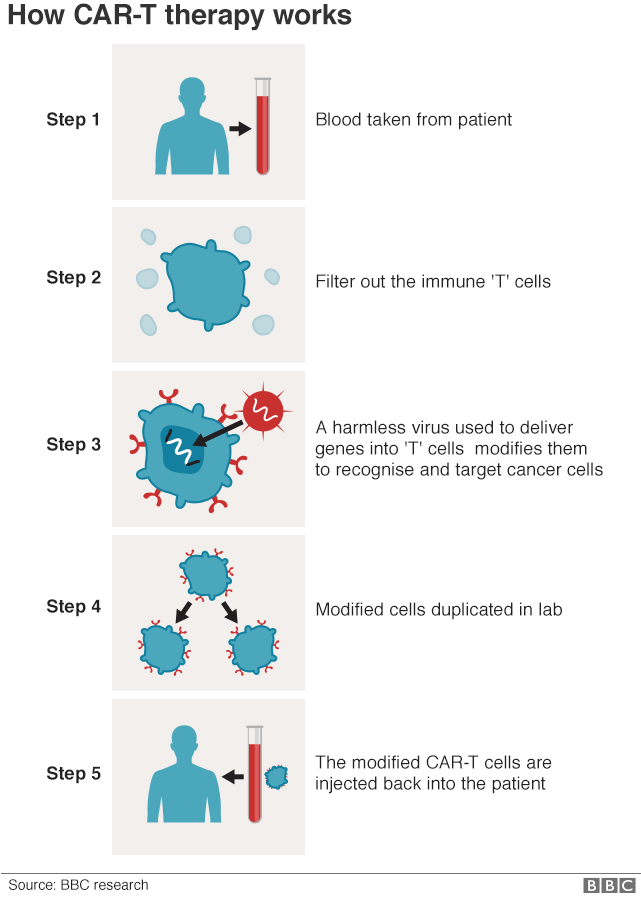
A ground-breaking new therapy has been introduced that seems to be successful in destroying the most common childhood cancer. The new therapy extracts T-cells (white blood cells in the bloodstream) to genetically modify the cells which are forwarded to a specific laboratory for DNA to be added to the cells, programming them to target and kill cancer cells expressing a particular protein. The T cells after having undergone genetic engineering then are infused back into the person from whom the cells have been taken. They multiply rapidly, able to survive for years in the donor/recipient body.

Toronto's Hospital for Sick Children and Sainte-Justine hospital in Montreal took part in a global trial whose outcome was published in the New England Journal of Medicine last year. The trial reported an overall rate of 80 percent remission; on a three-month followup in children and adults given a single infusion of tisagenlecleucel (Kymriah's generic name), representing test subjects who would have no hope for a cure other than for the life-saving effects of the CAR-T cell therapy.

There are, as with the potential of complications in any kind of drug infused into a body in hopes of combating the ravages of deadly diseases, a number of issues. A phenomenon identified as cytokine release syndrome "which is basically your immune system freaking out", explains Dr. Jarry, can be launched with the application of the therapy. High fever, nausea, rapid heartbeat, low blood pressure and problems breathing can occur, requiring an ICU admission. To respond to any such reactions, hospitals must stock an anti-body to reverse the effects.

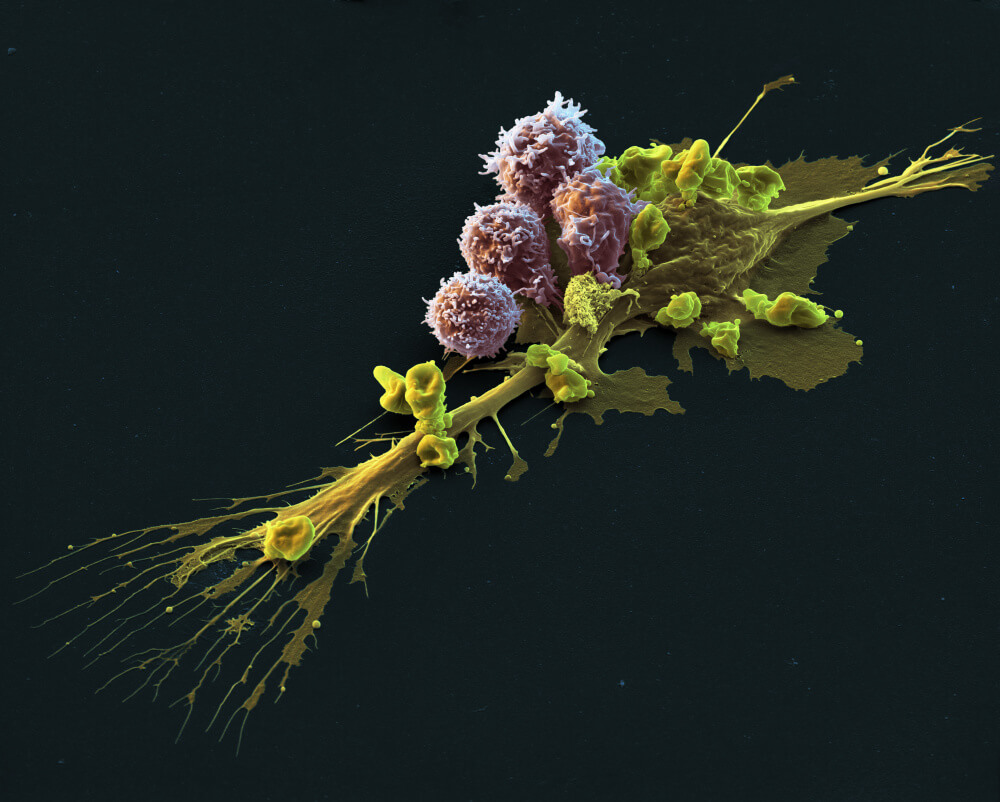
A ependymoma cell attacked and killed by CAR T cells (red)

While this vital CAR-T cell therapy is in use in Ontario at both Hospital for Sick Children in Toronto and at Hamilton Health Sciences, both Princess Margaret Cancer Centre and the Ottawa Hospital are planning to be able to provide the therapy in 2020. Ontario became the second province following Quebec to cover the cost of Kymriah for eligible patients, for the chimeric antigen receptor-
T-cell (CAR-T), approved by Health Canada in the treatment of acute lymphoblastic leukemia (ALL) in children, and a form of non-Hodgkins' lymphoma in adults.

The discounted price to be paid by the provinces after negotiations with Novartis "improves the cost effectiveness of Kymriah and helps support cancer0system sustainability", the province of Ontario announced. For some children with ALL, conventional chemotherapy works the first time around. It is for the estimated ten percent of children with ALL that standard intensive chemotherapy fails, that the CAR-T therapy is aimed toward. Chemotherapy's effectiveness comes with side-effects; short- and long-term toxicities; low blood counts requiring transfusions, nausea, vomiting, hair loss, mouth sores: "The list goes on", said Dr. Whitlock.

The drug is expensive, reflecting that newer drugs are more complex than were older ones. And the pharmaceutical companies are not in business to rescue humankind from the end effects of dread diseases shortening human life. They are enterprising business relying on profit to motivate their continued industry in research and development. Dr. Jarry explained that industry must recoup research and development costs of failed drugs "which is most drugs" in light of the fact that with drugs to fight cancer the low-hanging fruit has been picked.

Infographic explaining how CAR-t works

Labels: , , , ,

Tuesday, October 01, 2019

Mired in Continued Controversy

"We suggest that individuals continue their current consumption. We cannot say with any certainty that eating red or processed meat causes cancer, diabetes or heart disease."
"This is not just another study of red and processed meat, but a series of high quality systematic reviews resulting in recommendations we think are far more transparent, robust and reliable."
"However, any health benefits from staying away from meat are uncertain, and, if they exist at all, are very small."
"[With cancer, for example], we see risk reductions of anywhere from one to 13 cases per 1,000 people followed over a lifetime. So, that's 0.1 percent to 1.3 percent. That's our best estimate."
"Our approach has been there is a possible reduction, that's true. But what's also true is that we're uncertain whether we can make a causal inference."
"And if that's the case people should know what their possible risk reduction is, if it exists at all, and be informed of that so they can make their own decisions."
Dr.Bradley Johnson, associate professor, community health and epidemiology, Dalhousie University, Halifax

"We have saturated the market with warnings about the dangers of red meat. It would be hard to find someone who doesn't 'know' that experts think we should all eat less."
"[However], continuing to broadcast that fact, with more and more shaky studies touting potential small relative risks, is not changing anyone's mind."
Dr. Aaron Carroll, author, The Bad Food Bible, Indiana University School of Medicine

"They should not be making recommendations on this highly connected and sensitive issue, namely, meat consumption, linked as it is to GHGE [greenhouse gas emissions], climate change, our whole attitude to other life forms -- in short, connected to existential issues for life on this planet."
Dr.David Jenkins, nutrition scientist, University of Toronto

Red meat.
Image: © Shutterstock)

Heresy, nothing less, and perhaps much more. After all the prevailing advice has been dispensed, urged upon, validated, warned, and assured that red meat consumption, and processed meats in particular, will inevitably lead to a dismal health end in flirting with cardiovascular disease, stroke, heart attack, cancer, diabetes or death from any cause whatever, along comes a new team of health scientists to present us with alternate findings. A panel of international scientists led by researchers at Dalhousie and McMaster universities in Canada has published their study results in the reputable journal Annals of Internal Medicine.

And their conclusion, that lowering red or processed meat consumption turned out to have little, perhaps trivial effects in reducing the risk of serious health malfunctions goes against the popular grain with a tremendous 'thud!'. The researchers engaged in four systematic reviews to assess risk inherent in red and processed meat consumption and their conclusion is, more or less, don't bother with this concentrated avoidance, it's hardly worth the effort. They looked at the situation purely from a medical standpoint, not taking into account environmental or animal-humane impacts.

They focused on the health aspect of eating red and processed meat since most people choosing to eat otherwise such as vegetarians self-report their reasons as personal health, along with secondary influences. As far as they are concerned, blaming red and processed meat consumption with premature death is vastly overblown. In other words, the 2015 panel of experts assembled by the World Health Organization through the International Agency for Research on Cancer were precipitate in attributing bacon, sausages, biltong, beef jerky and an assortment of salted, cured, smoked meats as carcinogenic; red meat 'probably' in the same category.
Most people who understand the magnitude of the risks would say, 'Thanks very much, but I'm going to keep eating my meat,' said co-author Dr. Gordon Guyatt of McMaster University in Hamilton. (Erin Collins/CBC)
The oft-stated advice from government health agencies to select a diet high in plant proteins, not animal protein more frequently, along with the American dietary guidelines recommending red meat limits to about one weekly serving, in one fell swoop, overturned. By no means are other food scientists prepared to accept the magnitude of reversal inherent in the conclusion of this new study, citing the authors' recommendations accompanied by a "low certainty of evidence". "Because the studies themselves have low certainty of evidence", points out Dr.Joe Schwarcz of McGill.

And this rests in the face of the very unscientific aspect of observational testimonials on which nutritional studies are mostly based, since they are unable to prove cause-and-effect, relying on people's accurate reports on what they have eaten and the amounts. Researchers follow participants over time and observe what happens, but, as Dr. Schwarcz, director of McGill's Office for Science in Society observed, "People tend to claim that they eat more of what they think they should have eaten instead of what they ate".

Estimates are that North American and European populations consume red and processed meat roughly three to four times weekly on average. Researchers from Poland and Spain were also involved in the performance of five systematic reviews, one including over 100 studies involving more than six million people. Differences in red and processed meat consumption resulted in small differences in risk of dying from cardiovascular disease, stroke, heart attack or type 2 diabetes according to their analyses.

They found again a small link when another meta-analysis, specifically studying the risk of developing or dying from prostate esophageal, colorectal, breast or other cancers and the consumption of meat. On the other hand, it was found that people who ate three fewer servings of red or processed meat weekly did slightly reduce their risk of  heart disease, cancer and diabetes, with an uncertain association for validation.

Processed meats, such as salami, have been on the World Health Organization’s hit list as being carcinogenic.

Labels: , , , , , ,

Sunday, July 07, 2019

Search for a Cure But Not For a Cold

"We are very excited about it. The virus gets into the cancer and replicates, like a little factory of viruses. It heats up the tumour environment, and is very specific in targeting the cancer -- it had the least toxicity I have seen for years."
"It's almost like a universal agent -- once it gets in, it kills the cancer. It could be combined with lots of other treatments."
"[Use of the virus could] revolutionize [treatment for the disease]."
"Non-muscle invasive bladder cancer is a highly prevalent illness that requires an intrusive and often lengthy treatment plan. Current treatment is ineffective and toxic in a proportion of patients and there is an urgent need for new therapies."
"Coxsackievirus could help revolutionize treatment for this type of cancer. Reduction of tumour burden and increased cancer cell death was observed in all patients and removed all trace of the disease in one patient following just one week of treatment, showing its potential effectiveness. Notably, no significant side effects were observed in any patient."
Professor Hardev Pandha, professor of Medical Oncology, University of Surrey
Dividing bladder cancer cells
A virus of the common cold infected and killed bladder cancer cells in the study    Science Photo Library

A new British trial linking the University of Surrey, Guildford, United Kingdom with the Royal Surrey County Hospital has pioneered a new "revolutionary" treatment which succeeded in eradicating cancer in 15 patients in the unbelievable space of a week. In each of the patients cancer cells had been destroyed. In one of the cases, all traces of the disease had disappeared, according to the study, a conclusion the scientists involved were "very excited" about for these patients with bladder cancer.

The hope is that the treatment -- consisting of the common cold virus -- could become a "universal agent" in the fight against cancer, making conventional treatments such as chemotherapy completely redundant. The hope against hope is that this success could lead to further such findings on a much broader applicable scale, covering all types of cancers; in the final analysis succeeding where all other therapies have failed, to combat cancer.

Such news is always embraced. But it often turns out that triumphant perceptions of a "cure" being just around the next laboratory test, gaining huge public attention and acclaim for the scientists involved have been somewhat precipitate. Which hasn't dissuaded Professor Pandha and his colleagues  from expressing buoyant optimism that cancer sufferers will find relief in their battle against the dread disease once this therapy goes mainstream.

The fifteen patients who took part in the study, given an infusion of the common cold virus before undergoing surgery to remove and examine tumours had reason to celebrate. Beyond reducing the size of all the tumours in the study patients, the treatment, applied through a catheter to the bladder, expressed no side-effects of any note in any of the patients, according to the researchers.

Further study and experimental research is always required before any form of therapeutic medicine becomes mainstream, and this one is no different. Euphoria at success and what it might mean for the future of humankind in treatment of cancer aside, the researchers expressed the hope that this treatment could be available in the next three years.

The study suggests an infusion of a strain of the common cold virus, named coxsackievirus (CVA21) had succeeded in inflaming the tumour to cause immune cells to react by streaming into the cancer environment to target and destroy the cancer cells established as a tumour in the bladder where immune cells do not exist. Once the virus targeted the cancer the virus began replicating, leading to a more powerful effect.

The particular type of cancer the study revolved around was non-muscle invasive bladder cancer, found in the tissue of the inner surface of the bladder. Post-surgery, when tissue samples were examined only the cancerous cells had been targeted, with other cells left intact, according to the researcher who had examined them. The virus infected cancerous cells, replicating itself and in the process causing the cells to rupture and die.

A just fate for a deadly disease. "Traditionally viruses have been associated with illness, however, in the right situation they can improve our overall health and well-being by destroying cancerous cells. Oncolytic viruses such as the coxsackievirus could transform the way we treat cancer and could signal a move away from more established treatments such as chemotherapy", explained Dr. Nicola Annels, research fellow, University of Surrey.

A strain of the common cold virus has been used to treat people with bladder cancer in the U.K., with impressive early results. Photo credit: Getty royalty-free

Labels: , , , ,

Sunday, May 12, 2019

Vitamin D Supplementation

"Numerous studies within the last twenty years have linked vitamin D deficiency or insufficiency to various types of cancer, Alzheimer's disease, Type 2 diabetes, heart disease, pregnancy complications and more."
Dan NEwton, molecular biologist, research scientist, Medical University of South Carolina

"We are starting to see some studies show that vitamin D doesn't have a benefit, even for bone health. However, these studies are in people who have generally good vitamin D blood levels."
"It's not surprising that giving them more of a nutrient they already have enough of doesn't lead to better health outcomes."
James Fleet, professor, nutrition science, Purdue University

"Overall, the clinical trial research has shown that there are some benefits of vitamin D supplementation, but they are more limited than what was originally proposed."
"A few years ago, people believed that vitamin D was a panacea that could prevent every major chronic disease."
"This may be [why the VITAL trial failed to link vitamin D supplementation to a reduction in heart disease or stroke risk] because the amount of vitamin D needed for heart health is relatively modest to moderate, similar to the amount needed for bone health and already achieved by many without taking supplements. For cancer reduction, there may be benefits with larger doses."
"We found a strongly significant reduction in cancer death of 13 percent across the five trials, which included VITAL."
JoAnn Manson, chief, division of preventive medicine at Brigham and Women's Hospital, Harvard Medical School professor, lead author, VITAL study
vitamin d

According to a 2015 report published in the Journal of the American Medical Association, 2012 saw a fourfold increase in vitamin D supplementation by American adults as compared to a decade earlier. This, in recognition of the generally low dietary intake of vitamin D linked to studies widely publicized during that time suggesting its intake could prevent a large and varied types of chronic diseases.

More latterly, uncertainty relating to vitamin D's usefulness based on two recently published studies, has arisen; the first a meta-analysis published in The Lancet Diabetes & Endocrinology, suggesting that vitamin D supplemental intake has not been seen to reduce the risk of falls and fractures, nor has it be understood to have led to clinically significant improvement in bone mineral density.

The Vitamin D and Omega-3 Trial, also referred to as VITAL, represents the second study which focused on whether taking 2,000 international units (IU) of vitamin D daily for men over 40 and women over 55 might prevent cancer and cardiovascular disease over five years. This was a randomized control trial of over 25,000 American participants.

The finding of the report was that "supplementation with vitamin D did not result in a lower incidence of invasive cancer or cardiovascular events than did a placebo". Vitamin D is required for absorption of calcium and phosphorus into bones and teeth, which made it a recognized hormone promoted for its bone health facilitation -- since with a lack of sufficient vitamin D, calcium leaches from bones, resulting in loss of bone strength which can in turn lead to rickets in children and osteomalacia (softening of the bones) or osteoporosis in mature people.

In the Lancet study, only six percent of the 81 trials the analysis depended upon for its conclusion represented people with vitamin D deficiency. The conclusion in view of this fact represents an oversimplification of the trial results. Dr. Manson points out that the reasons her VITAL trial failed to link vitamin D supplementation clearly to a reduction heart disease or stroke risk may be attributable to many causes. She and her colleagues published a meta-analysis of vitamin D supplements linked to health outcomes in the Annals of Oncology. In the studies they interpreted, the dosages of vitamin D went from 833 to 2,000 IU daily.

Cancer develops over several decades, and many of the studies had fewer than five years of followup, pointed out Dr. Manson. It was therefore not to be expected that their study demonstrated that the development of cancer was not statistically at variance for the vitamin D group, versus the control group in their meta-analysis.  The recommended amount of vitamin D from diet and supplements based on bone health search has yet to be set by the National Academy of Medicine.

Should anyone consume three ounces of salmon twice weekly, have a cup of milk and two eggs daily, that would amount to 330 IU of vitamin D each day. Whereas the current recommendations are 400 IU of vitamin D for infants, 600 IU for men and women ages one to 70 years, and 800 IU for adults 71 or older. The human body can synthesize vitamin D with exposure to sun, but the Dietary Reference Intakes for vitamin D make the assumption that most people limit their direct exposure to the sun.

Aside from the fact that sun exposure is mostly seasonal, most people spend most of their time indoors; many people live at northern latitudes and see less sun in their daily lives; and those that do experience frequent sun exposure, most likely use sun protection lotions or clothing cover-ups to reduce skin cancer risks.

illustration of Vitamin D with list of benefits

Labels: , , , , , , ,

Sunday, March 17, 2019

Breast Implant Alert : Again

"We're certainly aware of the increased risk for women who have got textured implants."
"We have been in contact with our plastic surgery content experts to determine what our best approach is to provide guidance to clinicians who have treated patients with textured implants."
Dr. Frances Wright, surgeon, surgical oncology program, Cancer Care Ontario
On March 5 surgeons and breast cancer reconstruction specialists received a notice from Cancer Care Ontario warning that textured implants -- coated with a light sandpaper-type exterior -- have been linked to anaplastic large-cell lymphoma (BIA-ALCL) in the case of breast implants. "Recent media publications regarding these implants", referring to a study from 2017 was cited by the agency now advising that women who have worn the implants for over a year, and who have been assailed with swelling or fluid build-up are candidates for tests for BIA-ALCL.
Those who have the implants and scar capsules removed can make a full recovery, but if left untreated the cancer can spread. Photograph: The Guardian design team for the Guardian
"This is the biggest controversy in plastic surgery."
"The companies have a lot of money invested in the development and propagation of these implants. And there are surgeons who have staked their reputations on the advantages of these implants."
Dr. Frank Lista, plastic surgeon, Toronto

"[Patient safety is the company's] highest priority [the safety of its breast implants is supported by] extensive pre-clinical device testing, more than a decade of worldwide clinical use, as well as a large number of peer-reviewed and published studies."
"Breast implant patients should consult their health-care professional if they are experiencing unusual changes to their breasts, including breast pain, sudden swelling, or a lump."
Allergan pharmaceutical company

"[By contacting the estimated 15,000 patients (in Quebec) the minister] is taking an additional step to ensure that women with textured implants are aware of the situation, know if they are affected by it, and know the symptoms to watch for."
Quebec Ministry of Health

"[Plastic surgeons] are aware of this issue and have received information on what to look for and how to care for these patients."
"They share that information with their patients to provide details of any potential risks associated with the specific breast implant."
Manitoba Ministry of Health
BIA-ALCL is a kind of non-Hodgkin's lymphoma. (Photo: BranislavP, Getty Images/iStockphoto)
Across Canada provincial health ministries and their associated cancer agencies are actively urging vigilance while awaiting clear guidelines from Health Canada, according to a survey of provinces responding to the latest data linking these textured breast implants with a very specific type of breast cancer. Health Canada has assured that it is studying the issue and working with international partners in gathering information to "inform any regulatory actions", with the safety review's completion anticipated in spring.

News organizations globally have published a joint investigation respecting medical devices, along with the International Consortium of Investigative Journalists. An expose of lax oversight of medical devices in Canada was reported pointing out that Biocell implants by Allergan have been blacklisted by a number of Canadian plastic surgeons whose attention has turned to high rates of health issues including BIA-ALCL linked with the textured breast implants.

There have been calls for the devices' removal from the market entirely. The Allergan Biocell textured implants have been implicated in all cases reported to Cancer Care Ontario. Even so, the implants remain on the market, apart from the fact that they have been implanted in millions of women continent-wide. It has been revealed that many studies available in the medical literature were written by industry-paid researchers.

Terri McGregor underwent eight rounds of chemotherapy after being diagnosed with a rare form of cancer known as breast implant-associated anaplastic large cell lymphoma, or BIA-ALCL. (Terri McGregor)

As a result of the growing number of stories relating BIA-ALCL with the textured implants Health Canada announced its intention to institute sweeping reforms in its regulation of the medical device industry, announcing its intention to update its safety review of BIA-ALCL post 22 confirmed cases and an additional 22 suspected cases where previously the agency had considered no inquiry to be required.

As far as the manufacturer, Allergan is concerned, the rise in Canadian cases of BIA-ALCL may be the result of an increased awareness among doctors; that there "has been no new clinical evidence" with respect to the safety of textured breast implants. A month following the initial investigation in November and its publication, Brazil, which represents the world's second-largest beast implant market, suspended Allergan textured implants.

The U.S. Food and Drug Administration in February warned American doctors about the association between the cancer and the implants and the agency plans to hold hearings on breast implant safety in late March.
Europe halts sales of textured breast implants as more studies demonstrate a link between this type
The physical properties of breast implants are thought to influence tissue morphology in the patients who receive them.

Labels: , , , ,

 
()() Follow @rheytah Tweet