Ruminations

Blog dedicated primarily to randomly selected news items; comments reflecting personal perceptions

Saturday, June 20, 2020

COVID Mutation: Positive, Negative, Unknown

"I am not saying it's [COVID-19] gone away -- the message isn't to declare victory, or say that we have this beaten. But it's fair to say that the experience with the virus is changing."
"[People in this region -- 40 hospitals across western and central Pennsylvania, New York State and Maryland] don't seem to have the same level of sickness as a few weeks ago."
"It's just a general, crude observation. Perhaps we're better at treating patients."
"This particular virus doesn't look like it's changing a lot. But it's a possibility to think about. There are probably six different factors at play and we won't understand all of this. This is a virus that no one knew anything about eight months ago."
Dr.Donald Yealy, chief, emergency medicine, University of Pittsburgh Medical Centre

"We ourselves have seen the D614G gene in sequences of our own. So it's here."
"What's hard to tease out is, when you do see changes -- you might see anywhere between half a dozen and a dozen changes in any given virus -- is to really understand what the significance is."
"[The virus that finally reached us in Canada] would have been passed so many more times in humans than it did at the beginning of the outbreak [in Wuhan]. We have a lot of blind spots as far as the genome goes."
Dr.Samira Mubareka, medical microbiologist, Toronto Sunnybrook Hospital

"We have to make sure that whatever statements we make are backed up by good, hard science, so it's reproducible."
"Because the downside is really bad if you mislead the public to think that the virus is no longer as potent as it once was. People will of course relax their vigilance and succumb to a disease they probably could have avoided."
David Kelvin, immunologist, Dalhousie University

"I'll just be honest and upfront. We don't know. We just don't know if it's weakening."
"We don't have data on this; we haven't tested this. But who knows, maybe the coronaviruses that cause mild cold-like symptoms could have been lethal in human populations many, many years ago."
The virus and the host learned to co-adapt."
Arinjay Banerjee, Institute of Infectious Diseases, McMaster University
While there are some subtle genetic changes in COVID-19 around the world, none have resulted in differences in the way the virus spreads or the type of disease it causes, the WHO has said. AAMIR QURESHI/AFP via Getty Images

Wishing won't make it so; the world has been horribly overwhelmed by the dramatic, sudden incursion of a global threat to human health and longevity, and everyone, from government, the medical/health community, and the ordinary person on the street, entertains hope that it will depart as suddenly (and mysteriously) as it arrived. Leaving us to pick up the pieces of a word turned upside- down and inside-out. Eight million people who were infected to various degrees before stabilization and perhaps left with unknown after-effects; almost a half-million dead of its effects, the world economy in tatters, and confidence in the future shaken to the essential core.

So when anecdotal 'evidence' of a possible change for the better in the effects of the SARS-CoV-2 virus brings a wave of fresh air and hope for an end to this universal nightmare through the auspices of a handful of doctors in northern Italy claiming the virus causing COVID-19 seems to be less affective, no longer appears to be the "biological bomb" it appeared when it first raged onto the world stage the public grasps it for relief. And then the medical chief of a $21 billion health complex spanning a range of hospitals in a handful of U.S. states held a press briefing stating the impression that COVID cases latterly seen appear less severe than those of a mere few weeks earlier.

Dr. Yealy explained that viral pandemics are complicated, volatile, dynamic, they come and they go, they wax and they wane. A multitude of factors could be involved; and he was not attributing the observations "solely or even predominantly" to the outcome of possible mutations. Yet, at a time when the world in the West, while expressing relief that the lockdown that was imposed is gradually being lifted, are being informed that it is too early to lift all restrictions, and that an anticipated second wave may be on the horizon, the balloon of hope is gently pricked and deflated.

Dr.Yealy spoke of observations in a particular part of the United States. No such lifting of the effects of the virus have been in evidence in Canada, on the other hand. So even while Dr.Yealy claims that people in the region he represents "don't seem to have the same level of sickness as a few weeks ago", Canadian doctors respond that nothing of the sort has been seen in Canda; no evidence of lost potency: "In short, no", Dr.Alan Drummond representing the Canadian Association of Emergency Physicians remarked.

"In the last ten days, we still put five patients on extracorporeal life support, the most extreme support that we have for people who are failing mechanical ventilation", explained Dr.Niall Ferguson, who has observed no sign of "weakening" or a lesser need of Toronto General Hospital's life support program known as ECMO, of the most severe cases of COVID received for extraordinary efforts at resuscitation.

Scientists at Scripps Research in Florida this week reported in a pre-print paper that a genetic mutation seen in the virus now circulating through Europe and the U.S., no increases of "infectivity" of a significant nature have been seen. The D614G mutation quadrupled the number of spikes on the virus, used to grab onto human cells, making them more effective in breaking into them and infecting them, and then begin the massive reproduction of new viruses that will be shed, looking for additional human interiors to nurture and continue breeding the virus.
Coffee is served in the Caffe Peru bar in Rome, Wednesday, where a large plexiglass division was mounted over the counter to protect bartenders and customers from Covid-19 as they enjoy their drinks. (AP Photo/Andrew Medichini)

Over 40,000 genomic sequences have been uploaded to websites that are publicly available and scientists scour the genetic codes to read the 30,000 chemical letters searching for changes, then comparing sequences from other countries. Some subtle alterations have been seen, but none have yet resulted in differences in the manner in which the virus spreads, much less the type of disease it causes, according to the World Health Organization.

On entering a host, a virus replicates by the thousands and RNA viruses like the novel coronavirus are capable of accumulating small, random mutations, a result of the molecular protocol used by the virus to copy itself sometimes going awry. "It makes errors, and sometimes if those errors benefit the virus they'll be selected for -- they'll persist and get passed on and on because there is some kind of fitness advantage", explained Dr.Mubareka.

On occasion less potent versions of a virus emerge, however. Arizona State University researchers found a single sample missing a piece of its genome where 81 of the letters were missing, after sampling nasal swab samples from 382 COVID-positive patients. In 2003 the SARS outbreak saw a similar mutation, one that scientists believe was the causal effect of a much less severe disease emerging, later in the outbreak.

Patients suffering from the coronavirus disease (COVID-19) are seen in the intensive care unit at the Papa Giovanni XXIII hospital in Bergamo, Italy, May 12, 2020.
Intensive care unit, Papa Giovanni XXIII Hospital, Bergamo, Italy

Dr. Banerjee of McMaster University explained that ideally a pathogen is a clever virus, one that learns to coexcist with its host "because if a host dies, if the individual dies, the virus dies with it". A virus has every reason to protect its own survival by ensuring its presence in a  human body doesn't result in that human body expiring, and with its death its own aspirations to continue replicating and spreading is destroyed. Its purpose is to make the leap from the infected to the uninfected; spreading its replicated version to the next victim, and thus sustain the virus population.

A patient is carried on a stretcher from a nursing home to a hospital, as the spread of the coronavirus disease (COVID-19) continues, in Rome, Italy, May 2, 2020.
Rome, Italy, May 2, 2020: Patient carried from LTC home to hospital
"[Italy has suffered some of the world's worst death tolls from COVID-19, but fewer people are now admitted to hospital in comparison to three months earlier; while in some regions] even the patients that are admitted, especially in emergency, are less severe."
"They have fever, some respiratory symptoms. They have cough. But even in similar ages, they don't have the same aggressive picture they had three months ago."
"I am not suggesting not to use the masks, or not to wash the hands or not stay one metre away from the other."
"I am just giving the clinical impression, and the clinical impression is the disease is different. I am more optimistic than I was three months ago."
Dr.Matteo Bassetti, director, infectious disease clinic, San Martino Hospital, Genoa, Italy

"In reality, the virus clinically no longer exists in Italy,"
"The swabs that were performed over the last ten days showed a viral load in quantitative terms that was absolutely infinitesimal compared to the ones carried out a month or two months ago."
Alberto Zangrillo, head, San Raffaele Hospital, Milan, northern region of Lombardy

Labels: , , , , , , ,

Friday, June 19, 2020

Beijing's Hostile World Presence

"The pandemic was really generated by the CCP's suppression of the truth, by the arrest and disappearances of those who sought to tell the truth -- be they medical doctors or dissidents -- and by a global campaign of disinformation to cover up the truth and blame others for what has occurred."
"The main thing is that we stand in support with the Chinese people."
"[The global pandemic is the most recent symptom of the deep-seated] culture of corruption and criminality [within the Chinese Communist Party]."
Irwin Cotler, former Canadian Minister of Justice

"If the global system had insisted on transparency and accountability in dealing with organ transplant abuse, and China had come to global pressure for transparency and accountability in its health system in dealing with organ transplant abuse, we wouldn't have this coronavirus now."
"We are suffering the consequences now of turning a blind eye."
"We have to be on our alert about the Chinese government's health system, the Chinese government's narrative -- that we can't rely on their data, we can't rely on their pronouncements."
"The CCP is throwing its weight around globally to propagandize, to pressure, to intimidate, using economic and political leverage to cover up, deny, obfuscate, and present a counter-factual narrative."
"And for too many people around the world, it's just been politically and economically convenient to go along."
David Matas, Canadian human rights lawyer
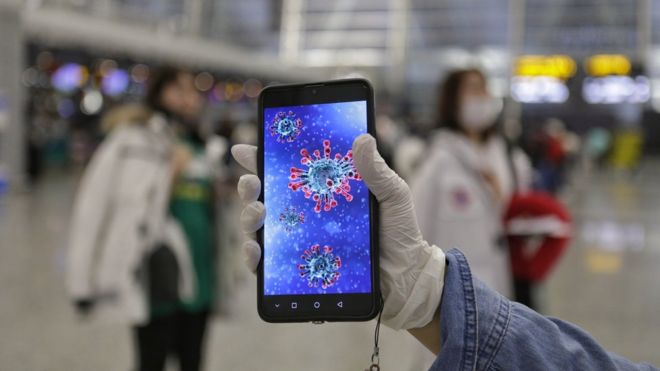
A passenger shows an illustration of the coronavirus on his mobile phone at Guangzhou airport in Guangzhou, Guangdong Province, China, 23 January 2020
EPA
Globally, questions have been circulating over the lack of transparency and reliability of official data emanating from Beijing on COVID-related infections, the numbers given, the expert advice shared, and the staggering number of deaths that have resulted from the new coronavirus. This issue is yet another piled atop earlier ones of human rights abuses committed by the Chinese Communist Party, against the people of Tibet, followers of Falun Gong as prisoners of conscience, and the rigid repression of Uighur Muslims.

Beijing's decision to step up its campaign to divest Hong Kong of its special status and absorb it into the total and final ambit of Beijing's repressive regime, despite an agreement reached with the withdrawal of Great Britain's administrative colonial rule, against the popular will of the democracy-seeking people of Hong Kong, has made Taiwan very nervous indeed. Beijing's hostile aggression against its geographic neighbours in the South China Seas as it seeks to expand its land, sea and air hegemony in disputed areas has created an aura of fear and trepidation over China's next moves.

Viruses

Nothing, none of Beijing's previous hostile undertakings, its cyber-espionage, its uneven and predatory trade relations with other countries, prepared the world for or presaged a situation where a deadly virus would erupt out of Wuhan to sweep across the world, infecting millions of people and leaving a half million dead from its dire uncontrollable effects, storming vulnerable populations and devastating health care systems globally.

Had correct information been given immediately to the World Health Organization which would have declared a timely status of a global pandemic over the newly emerged SARS-CoV-2 virus causing COVID-19 occurred, an unready world might have profited from an earlier notice of its incursion and its effects, in the process conceivably responding more expeditiously and cautiously than it did, in the final analysis saving countless lives. But closing borders was something Beijing called 'racist' in intent.

The perceived association of trust between the leaders of the Chinese Communist Party and the hierarchy of the World Health Organization, appeared to make the WHO complicit in China's initial efforts to cover up the seriousness of the novel pandemic and its viral effects. The disaster that befell the world community, with the worst-hit geographic areas; Italy, Spain, Iran, the United States might have been preventable, but was inevitable given China's obvious reluctance to admit that it had once again incubated a deadly virus as a gift to the world community.

An attendant wearing a face mask refills a cup next to Chinese President Xi Jinping during the opening session of China's National People's Congress (NPC) in Beijing, Friday, May 22, 2020. (Ng Han Guan/The Associated Press)


Labels: , , , , ,

Monday, June 08, 2020

Safeguarding the COVID-Struck Food Supply

"We've had people contact us for our hogs from Colorado, western Nebraska, way up in South Dakota, and we tell them 'Listen, there are other hog farmers like us. Go talk to your local guy and help them out, we're not the only ones hurting."
"We're either going to get on top of this or we're going to lose."
Shelly Pinkleman, hog farmer, Nebraska
"[Changing the model], it helped keep the company alive."
"I'm not saying it's as much as before, there's still an after-shock, but we're adjusting better and better."
Alexandere Aubin, Gaspor Farms, Saint Jerome, Quebec
Ernie Hardeman, Minister of Agriculture, Food and Rural Affairs visits the Woodstock Farmers’ Market and talks with vendors from RedBarn Berries & Veggies about the importance of direct sales opportunities.
RedBarn Berries & Veggies
"I tried selling papaya in nearby areas but nobody was willing to buy [with people concerned over virus transmission in hand-to-hand sales]."
"[An estimate of thousands in rupees lost from his papaya crop this year, equal to the profit seen from the crop last year]."
Vinod Patidar, fruit and soybean farmer, Madhya Prades, India
India's Ninjacart buys directly from farmers to sell to retailers and restaurants. According to co-founder Vasudevan Chinnathambi, producers look for multiple channels to enable connection with customers, leading the company to add 120 farmers to its platform, with a "huge backlog" of other farmers hoping to join, in the face of India's coronavirus lockdown restrictions.
Hard times call for flexibility and innovation; both beat hand-wringing, deploring a situation no one could have anticipated and no one knows the final outcome of. Two months ago when Quebec went into lockdown Gaspor Farms saw their market do an overnight meltdown. As a family business, 95 percent of its milk-fed piglet products went to high-end restaurants. The lockdown forced them to look elsewhere for new customers and they began to offer boxes of assorted sausages, ribs and ham direct to consumers. 
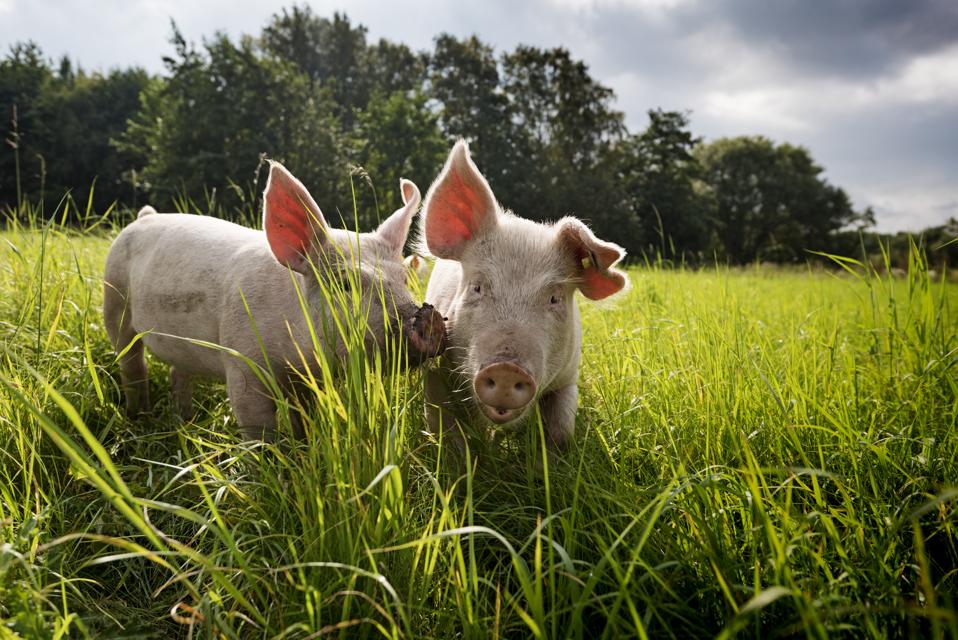
Young Outdoor Raised Organic Pigs
Getty
In May, Gaspor Farms sold 300 to 400 boxes weekly, inspired to begin working on a new e-commerce platform. But as Vinod Patidar in the central Indian state of Madhya Pradesh discovered, the search for new buyers can be an aggravating bust. Mr. Patidar planted four acres of papayas, but unable to sell them he plowed close to half of his crop into the ground, the rest he's attempting to sell directly to consumers, but customers are frustratingly wary. 
Farmers across the globe have been left with unsold food as a result of broken supply chains which could never have been anticipated until the arrival of the SARS-CoV-2 pandemic. Clint and Shelly Pinkelman, faced with the choice of euthanizing pigs they couldn't sell or feeding them with no sale and profit possible under the reliable old system, have chosen to sell their wares directly to consumers. 
Their usual buyer was the closed-down Smjthfield Foods Inc. But through connections linking friends and family, spots were booked at meat processors that handle individual animals. Half of their 600 market-ready hogs have now been sold and many brought in above-market prices. Watermelon growers in India loaded up tractors to sell their fruit in nearby villages, while wholesalers in the U.K. have taken to redirecting supplies meant for restaurants, as roadside stands in Florida are now selling blueberries producers are unable to ship out to their usual customers.
Farmers markets throughout the spring and summer can often be crowded social gatherings, though close to 160,000 farmers rely on sales at nearly 9,000 farmers markets nationally. While some farmers markets have been allowed to remain open so far this spring, challenges combatting COVID-19 could limit both vendors and customers. The Windmill Farm and Craft Market operates in the Finger Lakes region of New York State. (DTN file photo by Chris Clayton)
Windmill Farm  Finger Lakes, New York State. (photo by Chris Clayton)
The novel coronavirus and the immediate response to place everything on hold with focusing on managing the viral threat  had resulted in snarled transportation, labour difficulties, restaurant closures and plant shutdowns, forcing farmers to smash eggs, dump milk and cull hogs. Direct-to-consumer sales is time-consuming and limited in its reach, but it's an aid to creating another avenue for people to have access to food when grocery stores struggle to keep their shelves well stocked.
Online start-ups have been featuring online marketplaces helping to connect growers directly to buyers, and producers are now waiting, anxious to buy onto the lists, relaxed restrictions or not. Because this is a situation, simply put, where no one knows what comes next; whether opening will result in renewed infection rates, giving the virus the opportunity to mount a second and perhaps more severe wave of infections, or whether the virus will weaken, die out and everything return to normal.
Fresh organic root vegetables at a local farmers market

Experts in agriculture forecast that these new selling innovations will remain, once plants are back in normal operation and grocery shelves are completely stocked. Consumers, having faced the trauma of dwindling food stocks and empty grocery shelves, are now more cautious and curious about where their food comes from, many among them willing to commit to direct-to-consumer services by farmers prepared to deliver individual, varied vegetable boxes on a weekly basis through the harvest season.

Labels: , ,

Saturday, June 06, 2020

The Post-COVID Workplace/City

"If pandemics become the new normal, then tens of millions of urban service jobs will disappear."
"The only chance to prevent this labour market Armageddon is to invest billions of dollars intelligently in anti-pandemic health care infrastructure so that this terrible outbreak can remain a one-time aberration."
Edward Glaeser, professor of economics, Harvard University

"Public transit agencies in many cities face extraordinary dual crises of both confidence and financial sustainability."
"[After the pandemic cities] will remain vibrant and dynamic centres of economic and cultural activity."
Jennifer Keesmaat, former chief planner, municipality of TorontoThe US jobs most vulnerable to COVID-19
"The Spanish Flu of 1918 killed as many as 50 million people worldwide, and yet New York, London, and Paris all boomed in its wake."
"In fact, history shows that people often moved to cities after pandemics because of the better job opportunities and the higher wages they offered after the sudden drop in population."
"Ambitious young people will continue to flock to cities in search of personal and professional opportunities. Artists and musicians may be drawn back by lower rents, thanks to the economic fallout from the virus."
"The crisis may provide a short window for our unaffordable hypergentrified cities to reset and re-energize their creative scenes."
Richard Florida, urban theorist, Toronto
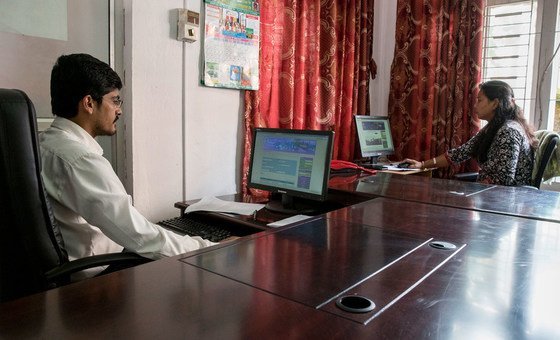
World Bank/Peter Kapuscinski

"There's going to be a forced evolution at the office."
"I think we're going to see a change there, where you're going to have employees spaced out, they won't maybe be facing each other in the office."
"Keyboards, mice, headsets, those things are going to be personal accessories now. So you'll have either a locker at the office that  you can lock yourself or you're hauling it back and forth every day."
Evan Hardie, researcher, future of work

Companies will be challenged to redesign work spaces to allow for new COVID-infection-aware physical and social distancing rules. The SARS-CoV-2 virus threat will be seen as a harbinger for things to come; other threatening types of viruses will begin to come onto the scene once the current epidemic subsides, either naturally as the world learns to deal with it, or through an effective vaccine eliminating its threat. But COVID-19 will not be the last such threat, and the world and society will be adjusting to this new, permanent reality.

The open office trend that became familiar everywhere is now set for a complete reversal. Beginning with spaced desks, personal lockers, voice-automated technology, staged elevators and one-way hallways, with new protocols like varying shifts, cleaning surfaces after use and the wearing of personal protective equipment to the office, according to the expert forewarning of Evan Hardie, forecasting what the new workplace will resemble.

This, in a world that suddenly became quiet and shut down, where great cities' central squares and main streets reversed swiftly from busy thoroughfares, noisy and roiled with activity, giving way to still urban landscapes, absent vehicles of any description, as people huddled in their homes in social isolation, as ordered by frantic governments, anxious to ensure their suddenly-inadequate hospitals and health care systems weren't overwhelmed as critical care patients flooded ICUs and undertakers struggled to cope with corpses of those who succumbed to the virus.

Subway systems and elevators in corporate real estate were transformed into epidemiological hot-spots in the new global pandemic environment. City dwellers and downtown workers swiftly adjusted to the new reality of working from home, while small businesses, hotels, restaurants and bars, gyms and child-care services went on hold, and many were shuttered for good. No more tourists, business travellers, conference groups to keep hotels and restaurants flourishing, putting the service industry on notice that they'd be hard hit.

The sleeping city and the business accommodated in it traditionally will have to be nudged awake, however. Discussions emerged revolving around new types of social etiquette, including widespread masking. "Until recently, work happened in the office. We've always had some people remote, but they used the Internet as a bridge to the office. This will reverse now. The future of the office is to act as an on-ramp to the same digital workplace that you can access from your [working from home] setup", elaborated Tobias Lutke, Shopify CEO.

The Economist, in the United Kingdom, reported firms are now in the process of reconsidering "what offices are for, and many are concluding that a lot of tasks are better done from home", quoting a real estate firm, that "the days of people taking a 74-minute average commute into town to process email, and then 74 minutes back out -- they're gone". A different future now awaits workplaces and city landscapes.

Working from home is teaching us new skills - and can give us time to learn new ones, too
Image: DarkWorkX on Unsplash


Labels: , , , ,

Friday, April 03, 2020

Hospitals Gearing Up for COVID Rush, Emergency Admissions Decrease

"Before that trip [visit to New York] we were obviously all hearing about COVID, but everything was mostly business as usual. Now, going into the hospital, COVID is everywhere."
"I am hearing this is fairly similar across other emergency rooms in the Toronto area. We are seeing way, way, lower volumes of admissions overall."
"We're certainly hearing stories of people with abdominal pains and chest pains and all sorts of bad symptoms, like stroke symptoms, who are just not coming to the hospital because they're too afraid. It's actually somewhat of a tragedy."
Dr.Brett Belchetz, Emergency Room doctor, Scarborough, Ontario
An emergency department in Toronto prepared to screen patients who could be infected with COVID-19 earlier this month. (Craig Chivers/CBC)

"Emergency volumes have plummeted all over the country. People are so fearful of hospitals, understandably, they just aren't coming in."
"I'd be scared as a lay person to come in to the hospital with something unrelated to COVID. I'm very concerned that there are people who are having heart attacks and strokes and significant injuries at  home -- deep cuts that aren't getting sutured."
"I think this crisis is going to [cause] huge collateral damage to the medical system for non-COVID-positive patients."
"Very fortunately, we haven't seen this big surge in the super sick, which we were prepared for, and have been expecting. God willing, we'll never see it, but the next two weeks will tell."
Dr.Daniel Kalla, head, emergency department, St.Paul's Hospital, Vancouver

"There are less heart attacks coming to the emergency department now."
"And I don't know why, but I presume that some of the people who are having heart attacks are just not coming in."
"We can't help you with your heart attack if you stay home. Similarly, if you'r ehaving your severe abdominal pain, you're vomiting, you [have] shortness of breath, and you stay at home, we're not going to be able to help you."
Dr.Ari Greenwald, emergency medicine, Toronto and Hamilton
'We just know we have to be ready,' said Dr. Carolyn Snider, medical director of the emergency department at Toronto's St. Michael's Hospital. (Michael Wilson/CBC)

There is plenty of fallout and to spare, from the sudden emergency situation that hospitals and their medical staff are now facing. Although hospitals are any society's first line of defence against the onset of an epidemic, this global pandemic has proven an arduously, mysteriously difficult one to handle; too much is as yet unknown about it, and its indomitably sinister spread alongside the novel coronavirus's death rate has shaken both the confidence of the medical community and the trust of the public.

A disease of this virulent nature ensures a hospital setting will have an even greater teeming of communicable pathogens than usual. And where hospitals' vital role in diagnosing and treating calamitous maladies is acknowledged, entering one in a medically vulnerable condition, and thus exposing oneself to a potentially deadly infection on top of the medical condition that might have spurred a visit to a hospital emergency room becomes infinitely less palatable as a first choice, even at the cost of self-harm, the fear is that great.

The health community has made no secret of its trepidation and concern over a firestorm of emergency admissions with people suffering grievous consequences of having contracted COVID-19. and nor have their concerns over a shortfall of essential medical equipment such as ventilators and personal protection equipment for medical staff been kept from the public, much less the health communities' own fears respecting their personal safety, given that quite a number have now been diagnosed with the coronavirus.

Dr.Belchetz had been away to New York on a trip before COVID-19 had fully descended on the city to mark it out as the central point of infections in the U.S. He had gone into self-isolation at home following his two-week trip, and in the interim the hospital he works an emergency shift in had undergone a sea change, where reworked triage procedures had been designed, and his colleagues were in a state of deep anxiety. Yet, to his astonishment, he discovered that the emergency department itself was uncharacteristically quiet.
Quiet ERs could be a sign that social isolation is working. But doctors warn it could also foreshadow a significant problem to come. Getty Images

All over the country -- and this phenomenon could fairly be considered representative of hospitals globally, given similar conditions prevailing -- hospitals have been seeing a significant decrease in emergency admissions. Word of mouth between emergency room physicians appears to validate that startling new situation where, with the arrival of the pandemic, as in Seattle, Washington State, admissions to emergency rooms have fallen between ten and 20 percent at six large hospitals. In one there was a 40 percent drop while the pandemic savaged the region.

There could be several interpretations; the good-news optimistic one is that fewer admissions reflect people diligently practising social distancing, as required to stem the tide of infection. Fewer people out and about equates with fewer vehicle accidents, drunken fights and other social dysfunctions that often bring victims to a hospital ER. Most doctors, however, attribute the drop in admissions to stark fear of contracting the coronavirus; that in the current climate, the last thing anyone wants to do is go to a hospital.

With serious health collapses such as heart attack, stroke and appendicitis, early intervention is critical to a hoped-for outcome. Hospitals have done their best to separate COVID treatment areas from low-risk treatment areas, to lower chances of an opportunistic virus rampaging through hospital departments, infecting the already ill and vulnerable. On the other hand, quieter emergency rooms translates as a respite and the chance for medical personnel to breathe a little easier before the anticipated flood begins to overwhelm the system everyone depends upon.

A B.C. ambulance paramedic is seen outside the Lions Gate Hospital in North Vancouver on Monday. Contrary to what one might think, several emergency room doctors report relatively quiet ERs these days. (Jonathan Hayward/The Canadian Press)

Labels: , , , ,

Thursday, April 02, 2020

The SARS/CoV-19 China Backstory

"Far from admitting its own culpability in trying to cover up the initial spread of COVID-19, China is busy fostering conspiracy theories about the origins of the virus [that it began outside China] and attack Western leaders for blaming the pandemic on a deliberate effort by China to destabilize Western economies."
David J.Bercuson, fellow, Canadian Global Affairs Institute, director emeritus, Centre for Military, Security and Strategic Studies, University of Calgary
Masks are seen on a production line manufacturing masks at a factory in Shanghai, China on Jan. 31, 2020. Aly Song / REUTERS
China became a beacon of low-wage, efficient production, scalped-cost goods, attractive to American, Canadian and European production with an eagle-eye set on profit through outsourcing to China's vast factories. That manufacturing in the West sidled off to China, leaving millions of people who once had their living wage guaranteed by strong union demands, looking for other means of employment failed to register, even when products leaving China for points west were found to be substandard, dangerously adulterated and a threat to human health, it left little impression on the quest to lower production cost and raise the bottom line.

The world became hugely dependent on Chinese production lines for an immense spread of medicines, for the supply of medical equipment the world is now finding itself in perilously low supply of. In the face of a pathogen that emerged from a 'wet' wild animal market in Hubei Province and inevitably spread outward from China when millions of Chinese, focused on traditional travel for Chinese New Year streamed out of Wuhan -- the city that became the epicentre of the epidemic because Beijing failed to take action -- the world also became indebted to China to provide it with the equipment it had trusted China to produce.

China had become the major producer of ventilators and respirators at the very time when the novel coronavirus had begun surfacing in Wuhan last December. Half of the medical masks dispersed around the world in normal times, before the advent of SARS-CoV02, are produced in China. The United States became reliant on China for 97 percent of its antibiotics by 2018, according to Yanzhong Huang, senior fellow, global health, at the U.S. Council on Foreign Relations.

At the same time China had captured between 70 and 95 percent of the American market for vitamin C, ibuprofen, hydro-cortisone and acetaminophen, according to U.S. Commerce Department records. The United States sourced its surgical gowns and blood oxygen level measuring equipment through Chinese factories, along with magnetic resonance imaging (MRI) scanners. And then, Chinese officials authorized Wuhan's lockdown along with other cities in Hubei, leading Beijing to enforce official bans on export of medical equipment. From U.S.-owned manufacturers stationed in China.

The European Commission closed down the export of personal protective equipment (PPE) supplies so that the European Union and over 50 countries banned outright or imposed strict restrictions on the export of a range of medical equipment and PPEs, inclusive of masks, visors, hazmat suits and gloves. Canada, along with Australia, Brunei, Chile, Myanmar, New Zealand and Singapore signed a commitment to "maintaining open and connected supply chains", to oppose "trade restrictive measures on essential goods, especially medical supplies".

That, when the Canadian company Medicom was producing three million medical masks daily at its Shanghai factory, but was prohibited from exporting its masks out of China, to Canada. And nor was Canada only hit in this 'nationalization' of a foreign company's production; the very same situation impacted on American companies whose production facilities were located in China; American they might be, but shipping their products back to the United States at a time of desperate need was out of the question.

Suddenly and swiftly, companies whose exports out of China were forbidden, saw a light bulb explode in the realization that they owed it to their country of origin to return to producing badly needed goods right at home. Canada, like the United States, is facing a dramatically critical shortage of medical equipment, and in Canada, Medicom is among the firms enlisted to begin producing to make up a dangerous shortfall, poised now to open its first permanent factory in Canada, to help supply the country with the millions of masks and thousands of ventilators in short supply

Ottawa had sent along 16,000 tonnes of gear in February to aid China in its struggle to control their zoonotic outbreak; 1,101 masks, 50,118 face shields, 36,426 medical coveralls, 200,000 pairs of gloves and more; representing a tiny fraction of what China would require to quell the virus. Last month, a New York Times investigator discovered China had imported 56 million respirators and masks in just the first week of the Wuhan shutdown. Affiliates of the United Front Works Department, China's overseas propaganda and influence-peddling arm of the Chinese Communist Party are suspected to have been engaged in forwarding that critical bulk cargo.
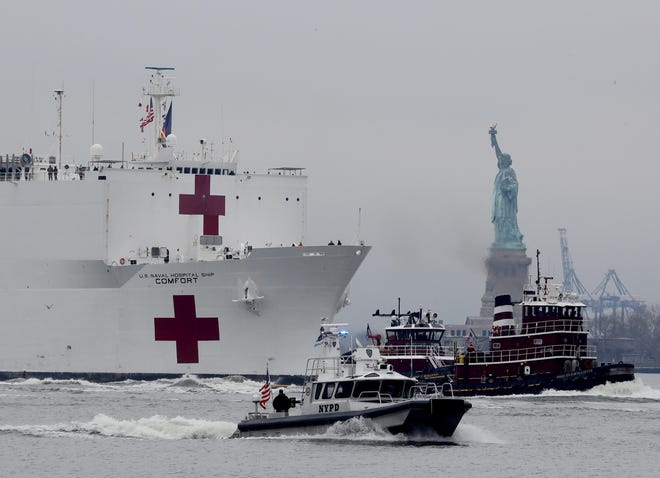
The USNS Comfort passes the Statue of Liberty as it enters New York Harbor during the outbreak of the coronavirus disease (COVID-19) in New York City, U.S., March 30, 2020. The United States, like other western countries, is scrambling for medical supplies. ANDREW KELLY / REUTERS

Out of the goodness of their hearts, now that China has more or less subdued the galloping infection rate internally, Beijing has been busy ingratiating itself as a benefactor to countries all over the world, themselves now attempting to cope with the firestorm of infection rates they're experiencing. The Bank of China donated 30,000 masks and PPEs to Canada, and has forwarded supplies in a gesture of humanitarian forgiveness to the United States, briefly overlooking President Trump's insistence on naming the coronavirus the 'Wuhan virus'.

A fierce bidding war for desperately-needed medical supplies is breaking out all over the world, with hard-hit nations hoping to acquire sufficient supplies to enable their medical community to cope with the expected surge of hospital admissions due to the respiratory illness afflicting communities. The U.S. Federal Emergency Management Agency is alert to the dire state of U.S. medical supplies and the instructions that FEMA has been given is to lock down any and all supply it can locate, anywhere in the world.

Last Sunday's planeload of medical equipment landing at JFK airport, New York where America's premier city is struggling to cope with its current status as number one hotspot for viral infections, came courtesy of China, the country that is now busy burnishing its credentials as the saviour of the world, despite its purported conspiracy theory of having had the virus deliberately planted through a biological war bid, by the very country it is now attempting so nobly, to aid.

Reuters
FDNY Emergency Medical Technicians (EMT) secure a patient that was identified to have coronavirus disease (COVID-19) into an ambulance while wearing protective gear, as the outbreak of coronavirus disease (COVID-19) continues, in New York City, New York, U.S., March 24, 2020. REUTERS/Stefan Jeremiah/File Photo

Labels: , , , , , , ,

Wednesday, April 01, 2020

New York's Borrowed Military Hospital Ship

"Our nation has heard our plea for help here in New York City."
"There could not be a better example of all of America pulling for New York City than the arrival of the USNS Comfort."
"We needed this boost. We needed this hope, this beacon of hope. [To see the ship entering city waters and] coming here to save the lives of New Yorkers in our hour of need."
"It's a wartime atmosphere and we all have to pull together."
New York City Mayor Bill de Blasio
The U.S. Navy Hospital Ship Comfort makes its way past the Statue of Liberty as it sails into New York City March 30, 2020 to aid in the city's battle with the coronavirus. The ship will provide 1000 hospital beds to make room in city hospitals for COVID-19 patients.
Seth Harrison, The Journal News    Navy hospital ship USNS Comfort sails past the Statue of Liberty, entering New York Harbour on Monday.

Monday saw a large continent of New Yorkers head out to New York Harbour, against all cautions urged by their mayor, local government and health authorities, to witness first-hand a historical event; the arrival of an immense floating hospital to give hope and a large helping hand to a metropolis whose medical community has been put to an arduous test of determination and professional over-capacity struggling to cope with an emergency brought on by the emergence of a pathogen that has visited and devastated many countries of the world, with no evident signs of slowing down.

The gleaming white ship arrived with the intention of giving respite to an over-extended hospital system with insufficient ICU units to handle the breathtakingly onerous and too-deadly zoonotic that first made its appearance in Wuhan, China, resulting from Chinese traditional cuisine using live wild animals for special dinnertable dishes and pharmaceuticals. Animals that host viruses that managed to make the leap from species such as bats, civet cats and pangolins to find homes in human bodies where they replicate unceasingly as unbelievably infectious agents.

The USNS Comfort, sailing up the Hudson River to dock at a midtown Manhattan pier, spells both relief for the New York medical community and hope for the city's eight-and-a-half million population. The thousand-bed hospital is scheduled to begin treating non-coronavirus patients, as well as those requiring surgery and critical care, according to the navy. The novel coronavirus that has devastated the city with respiratory illness will now have the full focus of its medical community, with the USNS Comfort assuming care for all other patients.

Almost half of the country's more than 144,000 coronavirus illness and over a third of 2,500 deaths in the U.S. are accounted for in New York City. In a revolving cycle of incidents of the COVID-19 virus, the epicentre went from China to Italy and Spain, and now the United States. The dubious distinction of being the country with the most cases in the world now falls to the U.S. Construction of a 68-bed field hospital in Central Park has been initiated with plans to commence its use almost immediately.

"If we do things together well -- almost perfectly -- we could get in the range of 100,000 to 200,000 fatalities", stated Dr.Deborah Birx, coordinating the White House coronavirus task force, in a 'best case' scenario that is in and of itself mind-boggling in scope. The U.S. Centers for Disease Control and Prevention had projected that 200,000 to 1.7 million people could die, and between 160 million and 214 million could be infected, according to a report in The New York Times.
New Yorkers peer through a fence at Pier 90, recording the moment on their cell phones, during the arrival of the USNS Comfort, Monday, March 30, 2020.
Kathy Willens, AP   New Yorkers peer through a fence at Pier 90 as navy hospital ship USNS enter New York Harbour


Labels: , , , ,

Friday, March 27, 2020

Evolutionarily COVIDIOTS

"We are wired by evolution to respond to immediate threats."
"We have this kind of general bias that things will be okay, that I'm smarter than most people, that I'm better looking than most people. Things will work out."
"[Throughout normal life that attitude can be useful in self-esteem and getting ahead] but if it's a matter of transmitting a disease, it's not such a good idea."
Robert Gifford, professor of psychology and environmental studies, University of Victoria

"My concern right now is that the way we report on [new] cases is flawed. We keep talking about 400 new cases or 500 [new] confirmed cases with limited testing and 10,000 tests backlogged and testing restricted to a very specific population. There's tens of thousands of cases likely in Ontario right now. We should be leading with that."
"Obviously, that false sense of security is going to get dashed to hell in a week or two when we expect to see more of the surge coming. But perhaps with more accurate or more responsible discussion of case numbers, even at the tweet level or the bullet point level or the headline level, more people might be taking this more seriously."
Yoni Freedhoff, associate professor of family medicine, University of Ottawa

"The messaging we've had here [has been] 80 percent of COVID-19 cases are mild and it generally only affects older people."
"So a lot of younger people are therefore assuming that they're immune to it. They think it's not going to affect them so they don't see it as a major issue."
Lee Ashton, post-doctoral researcher, University of Newcastle, Australia
As hundreds of doctors and nurses prepared their emergency rooms for the influx of coronavirus patients this weekend, hordes of Vancouverites flocked outside to enjoy the sunny 13C weather.
Social distancing in Vancouver : The Star

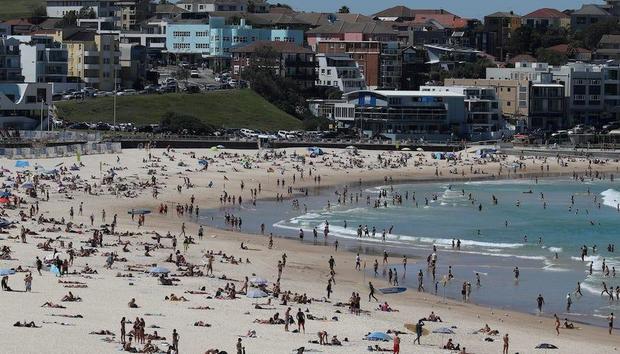
Who hasn't seen the photographs of young men and women disporting themselves on beaches in Miami and Australia, as though nothing can possibly displace the importance of seeing and being seen in venues popular with the young and the audacious for whom there cannot possibly exist any threats to their well-being. The world as we know it is shuddering with trepidation, wincing at the stream of bad news coming out of China, Europe, North America and Oceania, and just beginning to emerge in Africa and the Middle East, but that's of little concern to youth.

It's spring, and young men's fancies turn to showing off, hoping to attract the attention of young women. The world may be on lockdown but life is to be enjoyed, since you only live once and the future stretches ahead, irresistible and exciting. Older people shake their heads, as they always do anyway, when regarding the behaviour of the young. In this particular instance, at this particular time, however, they speak of the "COVIDIOTS" in society; young, self-absorbed, disinterested in the news and for whom self-isolation and social distancing is akin to death.

On the other hand, they are programmed as young people by evolutionary biology to do just that; flirt with danger, exhibit themselves, invite fortune to reward them. So it could be that though the young are scorned for their lack of attention and rational choices where danger looms large and they are exposed to doomsday scenarios that they reject and prefer to ignore, there are those who instead point the finger of accountability at the messengers and their flawed reasoning.

5e75e3532d41c128823b9414.jpg
A view of the crowds at Bondi Beach on March 21 as beachgoers ignore social distancing guidelines during the coronavirus outbreak.  REUTERS/Loren Elliott

In an age of mass communication and social media transmitting the news canted to their particular social demographics the public is not being entrusted with enough reliable news to impress the young. For one thing, low numbers are being expressed publicly for those inflicted with the virus. Out of concern that a violent reactive panic be avoided, out of a lag of real data likely at least a week old before it is disseminated.

When people are advised through the news media that 400 new cases have emerged in a province with a population of close to 15 million, the threat being conveyed is minimized, even though the chief medical officer of health of the province advised that the true figure is likely closer to ten times that number and steadily growing. The true nature of the swiftly-growing threat to human health is suppressed. People absorb that news and interpret in their minds that it isn't all that serious, after all.

And what the general public perceives is vastly expanded in the perception of young people, and all the more so for young men. This is a universal problem, anywhere disaster looms, the impression it makes on the minds of the young is depressed. "...A lot of younger people are therefore assuming that they're immune to it [in the assumption that it strikes only the elderly and health-impaired]", stresses Lee Ashton in Australia whose research involves young men, messaging and nutrition.

He has a solution to the problem of delivering sober messages to the young: stop focusing on "social distancing" and "flattening the curve. I would just be as clear as possible. Three words: stay at home. And only leave to shop ... once a week. And that's it", he stressed. Clear, consistent, uncomplicated messaging, critical to ensure that the impression of danger is not only threatening others but the young as well, emphasized Spanish researcher Elias Fernandez Comingos, who studies collective risk. "This is a big problem".

Florida spring-breakers test positive for coronavirus
Florida, msn.com

Labels: , , , ,

Wednesday, March 18, 2020

Righteous Rage Overcoming Fear

"The coronavirus epidemic has revealed the rotten core of Chinese governance. The level of popular fury is volcanic, and a people thus enraged may, in the end, also cast aside their fear."
"I cannot remain silent."
"Faced with this virus, the Leader has flailed about. Although everyone looks to The One for the nod of approval, The One himself is clueless."
"Regardless of how good they are at controlling the Internet, they can't keep all 1.4 billion mouths in China shut." 
"I can now all too easily predict that I will be subjected to new punishments; indeed, this may well even be the last piece I write."
Xu Zhangrun, law professor, Beijing
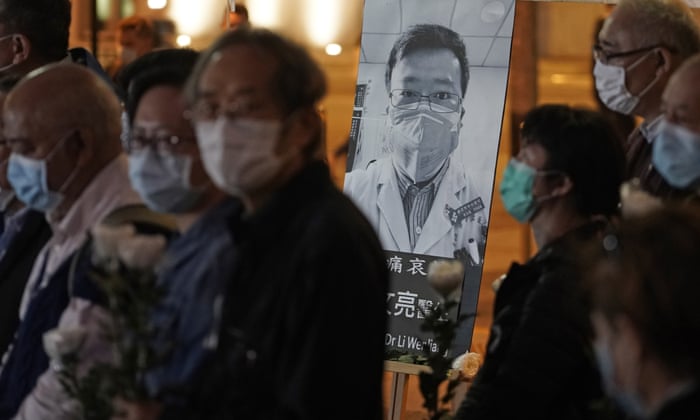
People attend a vigil for Chinese doctor and whistleblower Li Wenliang, in Hong Kong, on 7 February. Photograph: Kin Cheung/AP
The Communist Party of China bridles with indignation that anyone should blame The Peoples Republic for the global threat to human health and longevity that is striding through one country after another, wreaking havoc, destroying public trust in their governments, laying waste to the world economy, striking down the elderly and health-compromised and instilling the terror of fearful uncertainty everywhere. This mysterious zoonotic coronavirus is most certainly a Chinese curse on the world. Indeed we live in 'interesting times'.

And thanks to an arcane, mystical Chinese alimentary and pharmacopeia heritage and custom a viral plague has been released upon humanity, identified as a global pandemic. In its great wisdom, Beijing first responded to initial reports of the mysterious pneumonia that appeared so suddenly, with denial and refusal to take serious action to stifle the emerging threat. Chinese scholars themselves appear to have predicted that it was "highly likely" there would arise coronavirus outbreaks in an article in the journal Viruses a year earlier. 

Other Chinese scientists identified the virus and sequenced its DNA once the outbreak occurred, and then posted that sequence on a virology website on January 10, mere weeks after the virus erupted to make it accessible to scientists around the world. Their rapid sequencing and worldwide release enabled researchers all over the globe to use that data to begin looking for and testing all possible potential vaccines.

The while, the CPC was busy organizing its coverup, denying that anything was amiss, threatening doctors and scientists with punishment for spreading harmful false rumours injurious to China, when they began divulging the facts on the ground to the outside world. Chinese police were ordered to crack down on eight doctors accused of alerting others within the medical community of the rising risks related to this new virus. The doctors were denounced as rumor-mongers on national media.
Xi Jinping, coronavirus and the new cold war
Disinfecting an 'open market' in China

The Chinese public was horrified and then disgusted and then infuriated when they learned that Li Wenliang, a doctor who contacted his colleagues to alert and advise them of the presence of a new viral threat, and been singled out and threatened by police, forced to recant and apologize, later contracted the novel coronavirus himself, and ultimately died of it; had his warning been heeded, countless lives might have been saved.

Now Professor Xu has called on the Chinese public to demand free speech and free elections: "Rage against injustice; let your lives burn with a flame of decency; break through stultifying darkness and welcome the dawn". These sentiments will not be thought of kindly by the Chinese regime led by President Xi Jinping -- of the man denouncing their inaction and incompetence who is now incommunicado.

The government propaganda is transparent and most Chinese understand that the coronavirus was horribly mishandled, yet another example of ineptitude on the part of the regime where Xi's government mishandled a swine fever outbreak beginning in 2018 as well, which has killed one-quarter of the world's pigs. Before that, there was SARS, yet another viral agent that leapt from animals to humans by way of infected bats and civet cats, high on the culinary banquet list.

Chinese doctors and scientists can rival the world's best. Normal life expectancy in China now stands at 82, higher than the United States. For many years, China's technocrats, doctors and scientists led a push to open a new university every week, for years. In the same token, the Communist Party of China has taken great steps in another direction, stifling social media and journalism while the cult of 'Xi' dominated.

Doctors have worked themselves unstintingly in China, improvising when medical supplies became limited and to the present over 3,300 medical workers were infected with coronavirus (which they likely would never themselves have hesitated to call Wuhanvirus) and of that number at least eight have died. Professor Xu's condemnatory essay is vibrating around China, through the surreptitious distribution of copies.

Tsinghua University Xu Zhangrun blames Chinese Communist Party leaders for putting politics ahead of the people. Photo: Sohu
Tsinghua University Xu Zhangrun  Photo: Sohu

"The political system has collapsed under the tyranny, and a governance system [made up] of bureaucrats, which has taken [the party] more than 30 years to build has floundered", he wrote scathingly. He had written an article in 2018 criticizing Communist Party leaders for agreeing to lift the two-year term limit for presidents to allow Xi Jinping to remain in office beyond his 2023 second term. His punishment then was to be suspended from teaching at Tsinghua University. With his latest broadside targeting President Xi and the CPC, his friends feared he would be arrested and never heard from again.

Labels: , , , , ,

Sunday, March 15, 2020

For Your Own Good : Self-Isolation 

"Depriving people of their liberty for the wider good] needs to be orchestrated carefully."
"If quarantine is essential, then our results suggest that officials should take every measure to ensure that this experience is as tolerable as possible."
"Confinement, loss of usual routine and reduced social and physical contact with others were frequently shown to cause boredom, frustration and a sense of isolation from the world."
"They also became particularly worried if they experienced any physical symptoms potentially related to the infection."
Researchers, King's College London
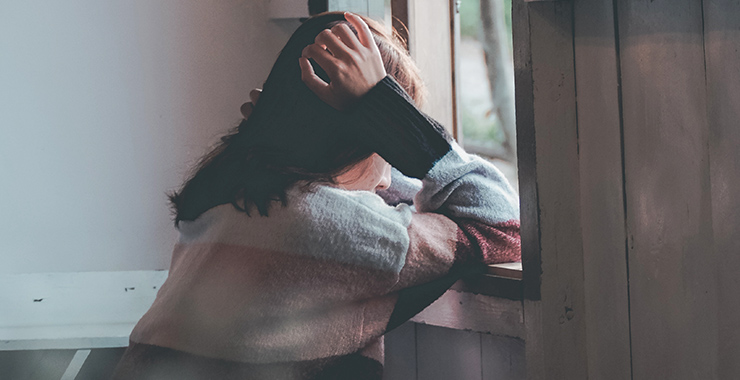
Young woman alone looking out window

Researchers whose study was printed in The Lancet, wrote of the psychological impacts of isolation when people are placed in quarantine as substantial and "long-lasting". This, at a time when three-quarters of the globe's countries are diagnosing ever-growing numbers of their nationals with the novel coronavirus, and advising people to self-isolate to wait out the outcome if symptoms are not severe, and others to do so to protect themselves from the scourge increasingly infecting people.

The researchers drew their conclusions from a study they undertook, where 15,000 residents of Toronto agreed to take part in their study by voluntarily self-quarantining for a ten-day period during the earlier outbreak of severe acute respiratory syndrome (SARS) almost 20 years ago, yet another virus that had come out of China, and which had struck Toronto particularly hard, given its large Chinese-Canadian population where the virus was brought back to Canada from trips to China.

Their findings are timely in anticipating large segments of the North American, European and Asian population under COVID-19 watch and containment, as self-isolation has become a very familiar term. A study undertaken in 2004 found symptoms of depression and PTSD in Toronto residents who had been quarantined during SARS, a more lethal disease than the pandemic novel coronavirus now making its way across the globe. SARS killed ten percent of those infected, over double COVID-19's estimated fatality rate.
"It was very much an isolating type of experience [causing people to become hyper-vigilant."
"It it [going to strike] going to be today? Tomorrow? How many more days do I have left in isolation before something happens?"
Dr.Rima Styra, associate professor of psychiatry, University of Toronto
"[People who are isolated or quarantined need to be told [if they can walk their dogs, go out to the barn to care for animals, go for a run or a hike in their local park as long as they stay six feet away from other people and wear a mask, or, is it indoors always, end of story?"
"What about roommates if you've still got to share a bedroom and a bathroom, can your partner still go to the store for you, let in workmen, accept deliveries? Few seem to know what to do if they are advised or ordered to stay home. And if they don't...Tasered, arrested, fined or cited?"
Dr.Arthur Caplan, medical ethicist, NYU School of Medicine

"On the plus side, people can learn how much they don't really need in order to be happy and what is really most meaningful in their lives."
"Being socially isolated in our homes can also paradoxically bring us closer together as a community. We are all in this together and the crisis reminds us how interdependent we are on this tiny pebble of a planet."
"Dangers have always reflected part of the human condition and we adapt, yet the outbreak must be taken seriously] and requires much more competent responses than those so far managed by our leaders."
Dr.Allen Frances, professor emeritus, former chair, department of psychiatry, Duke University

"It's a little unfortunate that some places tend to be moving toward too much isolation and really drastic measures. [It increases panic, worry and] fear of the other [where anyone is regarded as a possible disease vector]." 
"Conditions of extreme danger and disruption of public order -- like natural disasters -- typically trigger a lot of solidarity, co-operation, care and spontaneous help between strangers."
Samuel Veissiere, anthropologist, cognitive scientist, McGill University

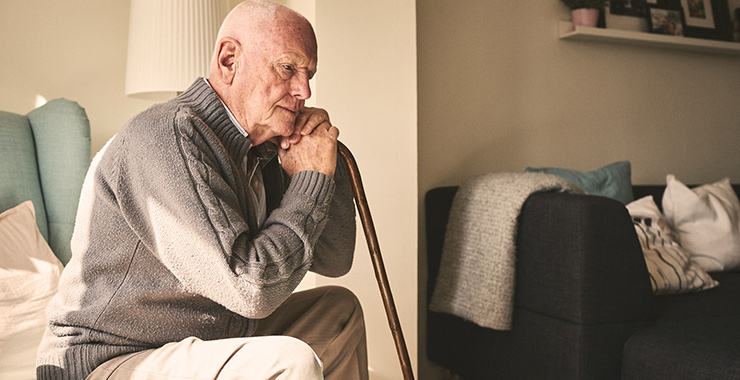
Older man sitting and leaning on a cane

Labels: , , ,

 
()() Follow @rheytah Tweet