Ruminations

Blog dedicated primarily to randomly selected news items; comments reflecting personal perceptions

Wednesday, March 29, 2023

Drug-Resistant , Hospital Acquired Fungal Pathogen

"[They're not] thermo-tolerant. They don't grow well in hot conditions and by hot, I mean body temperatures, like us. Like, 37 degrees [Celsius]."
"Fungi are an entire kingdom of life of their own. They're quite distinct from other organisms."
"[They're microscopic, in many cases] except when they come up as mushrooms." 
"They consist of everything from yeast that raise bread and make beer, to moulds and mildews and all the terrible things that affect our crop plants."
"[But they're also] fantastic chemists. They make such amazing molecules. [Penicillin comes from a fungus; the antibiotic era was launched out of the discovery of penicillin]."
"It probably jumps onto your skin first. You can imagine, especially if you're in a hospital, where there's lots of lines into you, and you're being poked and prodded a lot, it creates an opportunity for the skin to break and the fungus to get in."
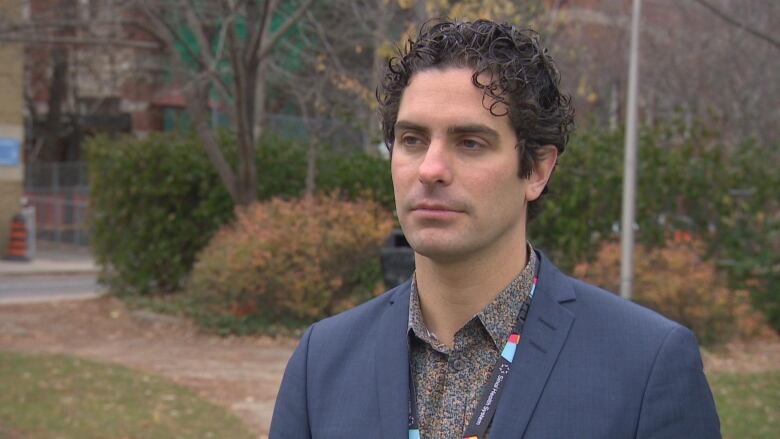
Professor Gerry Wright, Department of Biochemistry and Biomedical Sciences, McMaster University

a strain of Candida auris cultured in a petri dish at a CDC laboratory.
Also concerning was a tripling in 2021 of drug-resistant cases. Photograph: Shawn Lockhart/AP
 
The name of the fungus that is causing such consternation for its lethality and its future spread considered a new and burgeoning "urgent threat" to humans is candida auris. Unlike most fungi that affect humans this one is able to reproduce in warm-blooded bodies and it is "intrinsically resistant" to multi antifungal drugs. Candida auris has alarmed American hospitals where it has been spreading at an alarming rate. According to the U.S. Centers for Disease Control and Prevention, candida auris cases tripled between 2020 and 2021,

People who are extremely ill or who are immunocompromised represent those at increased risk of acquiring C. auris; generally it does not represent a health threat to healthy people. Its death rate is 28 to 53 percent, According to the World Health Organization. Canada's Public Health Agency has reported a total of 43 cases. In the U.S. the total is 4,041.

Professor Wright has focused on the study of fungi for the past 40 years, beginning when the HIV crisis was peaking. "Folks were dying", because their collapsing immune systems were unable to fend off "opportunistic" infections such as fungal infections.  Candida Auris is a form of yeast first discovered in 2009 in Japan, when a 70-year-old-woman's ear canal was found to be hosting the fungus. Infections of the blood, heart, central nervous system, eyes, bones and internal organs can be caused by the organism.

CDC issues warning about increase of drug-resistant Candida ...
Candida auris, CDC
Candida Auris has been found on sinks in hospitals, on bed rails, on curtains and floors "where it can persist for up to a month", according to the University of Minnesota Centers for Infectious Disease Research and Policy. "Right now this is not something that people walking down the street should be frightened of", cautions Professor Wright. Those with weak immune systems and hospital patients with "indwelling" medical devices such as ventilators and catheters are the most vulnerable.

"We really didn't know anything about candida auris until the first report [in 2009]. But almost simultaneously, it was discovered pretty much all around the world, and it sort of emerged all at once", explained Professor Wright. According to one hypothesis, as the world's temperature increased, the fungus adapted to survive in warmer environments "and that provided it with an opportunity to infect humans", stated Dr. Wright. In the mid-1980s once antiretroviral drug cocktails became "groundbreakingly" effective against HIV, invasive fungal infections were reduced in number to a dramatic extent.

And now, Professor Wright believes the time is right to take infectious diseases as seriously as medical science takes chronic diseases like diabetes and cancer. Complacency surrounding infectious diseases because of vaccines and antibiotics has led medical science to neglect the need to focus on research that will prepare the world for ever greater numbers of emerging pathogens and the steps needed to deal with their presence either through cures, new vaccines or therapies that can prolong life, not the pathogens.

https://images.theconversation.com/files/517909/original/file-20230328-22-th38o.jpg?ixlib=rb-1.1.0&rect=0%2C738%2C6016%2C3008&q=45&auto=format&w=1356&h=668&fit=crop
dpa picture alliance/Alamy Stock Photo
"This is like the genie out of the bottle. These bugs are here,they're in our hospital systems, they're in our long-term care facilities. They're not going to get any easier to treat."
"We don't know how bad it's going to be, but people are going to die, and we need to be aware of it and find ways to detect it in the first place, but also to treat it."
"...If you're in a long-term care facility it's unlikey that you're going to be able to detect it until there's an outbreak. It's not routinely looked for. It might be in the future, as this starts to grow."
"[The result:] You have this sort of almost perfect storm. You don't have a lot of drugs available to treat a fungal infection in the first place, you've got a pathogen that has evolved the ability to infect us because it's learned how to live at higher temperatures, and that fungus happens to be intrinsically drug-resistant to begin with."
Professor Gerry Wright

Labels: , , , , , ,

Friday, January 15, 2021

Antipsychotic Medication As an Answer to Elderly Depression, Loneliness

"In the days before nursing homes became so highly regulated, many facilities used medications to chemically sedate their residents. Elders who were calm and slept a lot were easier to manage and required less attention from staff members. Therefore, many homes considered drugging patients to be both efficient and cost effective."
"Anti-psychotics and sedatives were frequently prescribed to calm patients, especially those who had Alzheimer’s disease or other forms of dementia. In some cases, a low dose may have been beneficial for residents and staff alike, but these medications are very powerful. They can affect seniors and dementia patients differently compared to the general population, and some even carry black box warnings, indicating that adverse reactions may cause injury or death."
Carol Bradley Bursack, Minding Our Elders, AgingCare 

"[An] additional 1,000 residents are being prescribed antipsychotics who were not on the medication before the pandemic."
"[Such] knee-jerk reactions to try and medicate the distress of residents in nursing homes [during the COVID-19 pandemic] are a serious concern."
"[Antipsychotics come with a] black-box warning [for the elderly. They increase the] risk of stroke, falls and all-cause mortality, and are not recommended for frail, older adults [such as those with dementia, who make up about 70 per cent of nursing-home residents in Ontario]."
Toronto geriatrician Dr. Nathan Stall
Long-term care homes
 

During the pandemic, nursing homes have seen fit for safety reasons during a time of high viral contagion, to restrict visits from outside sources to elderly residents of long-term care homes. In some instances, residents have been confined to their rooms in a contagion-preventive measures, and see no one but the personal care worker assigned to them, on an irregular basis. They fall into a state of confusion and depression, and are consequentially drugged to make them more complacent, less aware, the drugs leading them to long periods of sleep when overworked and/or insufficient staff haven't the time to look after their needs.

This, at a time when nursing and long-term care institutions lack modern upgrades in hygiene practices, where in many homes, they place their residents in double-, triple- and more -occupied rooms with shared bathrooms where it is difficult to maintain distancing, much less adequate hygiene. Nursing homes throughout Ontario, throughout Canada, account for fully 80 percent of the national deaths attributed to COVID-19, among their frail, elderly residents. They are badly understaffed, unequipped and trained to be able to handle their patients at this critical time of a global pandemic.

The practise of dispensing drugs in this manner has been criticized in the past for using drugs to pacify elderly patients so that they require less care and fewer concerns, and the practise, given bad publicity, was seen to abate. Since the SARS-CoV-2 epidemic has entered country after country, threatening the elderly and the health-compromised, psychotropic medications prescribed for older people has once again entered the scene. Care homes see older people's emotional turmoil, a lapse in cognitive abilities, and have once again turned to drugging patients.

Antipsychotics, antidepressants and benzodiazepines like Valium or Klonopin are in increasing use. Scientific research shows links between social isolation and loneliness, contributing to physical and mental health deterioration and often contributing to the development of dementia -- including Alzheimer's. Above all, when the elderly are confused and isolated and the opportunity to see and touch those who love them is removed, a critical element of human need is denied them.

Lenora Cline, 88, has lived in a nursing home for years. She has Alzheimer’s disease.
Lenora Cline, 88, Alzheimer’s  Ed Kashi/Human Rights Watch
Seeing the use of these drugs as a remedy for the acute state of disequilibrium in the elderly, may keep them quiet, but its deleterious effects on the elderly can be just as devastating as contracting COVID-19. A dramatic increase in the use of medications to older people was found through a study of care homes in Ontario. In the United States, clinical studies have pointed to serious side-effects of antipsychotics; nervous system problems, cognitive decline, strokes and an increased risk of death in those with dementia. Benzodiazepine is associated with increased falls, pneumonia and death in the elderly.

"The effects of prolonged social isolation during lockdowns", including restrictions on visits from loved ones and suspension of social activities and group dining is linked to the increase of harm to the elderly in long-term care homes, according to the Ontario study. Similar findings were reached in the United Kingdom when it was noted increased loneliness and human touch deprivation during the pandemic led to an increase in drug use "probably in response to worsened agitation and psychosis" associated with restrictions due to COVID-19.

Research from 2017-18 in the United States and 2018-19 in Australia discovered psychotropic medications to be overused in nursing homes, according to documentation by Human Rights Watch. Typically, the medication comes into use when residents become more of a burden of care, the drugs leading to more compliant behaviour, the patients more easily handled. "Chemical restraint" is what medication used for the purpose of behaviour control lacking a therapeutic purpose, is referred as.

Photo of people sitting outside a nursing home.

Labels: , , , , , , ,

Saturday, December 19, 2020

Elder Neglect : COVID Onset

Revera, one of the largest operators of Canadian seniors' residences and long-term care homes in the country, is calling for provinces to adopt widespread surveillance testing as part of an internal review. (Ivanoh Demers/Radio-Canada)
"[The homes' doctors wee often] unfamiliar with the online platforms needed to run appointments remotely [while elderly residents] found it difficult to participate in virtual consultations."
"[The grim toll has caused a] national reckoning."
Revera expert panel report
 
"Managing an insidious virus that spread often asymptomatically, both in the communities where personal care staff lived, and in the four-bedded rooms where some residents slept, was an impossible task."
"In wave two, that number has generally been below 20 [as opposed to the first wave when up to 40 deaths a day occurred in long term care in Ontario]." 
"[Caring for the poor and the aged originated in the context of the poor house]. That has changed dramatically in terms of what we expect for our parents and grandparents, but has our thinking caught up -- the thinking that allows for four people to be in the same room?"
"It's nobody's fault this happening. It was a perfect storm of features that came together to put residents at risk."
Dr.Bob Bell, chair, Revera panel
Nathan Stall, geriatrician, Mt. Sinai Hospital, Toronto  (CBC)
"[Often there is a lack of eyes to identify who is sick and who is not, and] there is still a lot of winter ahead."
"It's probably a bad idea to have a lot of people sharing a room and a bathroom, especially when you're in the middle of a pandemic with a highly transmissible infection."
"It's predictable you're going to have outbreaks [in long-term care] in spite of trying to create an iron ring. Really what you're left with is more like an iron sieve."
Dr.Nathan Stall, geriatrician, Mount Sinai Hospital, Toronto
Late February of 2020 saw COVID-19 begin to make its mark in Canada and in the face of the oncoming, unstoppable threat to human health, hospitals assessing the situation of European nations struggling to cope with a massive infection rate and hospitalization and resulting deaths, anticipated much the same for Canada. Hospital officials visualized their facilities being overwhelmed and people would be left as vulnerable as those playing out in Italy, Spain and New York. 'Elective' surgeries were put off for some future date.

Non-urgent surgical procedures were cancelled, hospital storage units yielded whatever ventilators were available, wards were emptied as the push to 'decant' as many patients as possible into alternate places such as nursing homes was carried out on an urgent basis. And hospitals awaited the inevitable 'crush' of incoming patients in critical need of urgent care. But it was in the places where the patients were 'decanted' to that patients died of insufficient attention, poor training, inadequate worker numbers, dehydration and abandonment.

As of December 17, there were 9,771 deaths in Canada all told due to COVID; the vast majority of which took place in Ontario and Quebec for a 73 percent tally out of the country's COVID-related casualties. And 82 percent of that total represented deaths due to maladministration of the elderly and health-compromised residents of long-term care homes and retirement homes as the contagion quietly infiltrated and circulated to produce outbreaks in 1,300 sites across ten provinces in the spring.

In the early onset of the coronavirus there was little realization what the symptoms might look like in the elderly. Rather than fever and cough -- delirium, fatigue and anorexia became the initial symptoms of infection. Those infected seemed other than their usual selves; they were fatigued, they slept more, and they had little interest in consuming food. And doctors under contract with homes for the provision of medical care absented themselves, choosing to remain away rather than to visit such sites breeding infection.
 
In Winnipeg, 49 people linked to the Revera-owned Maples Long Term Care Home have died from COVID-19 as of Nov. 30. (Lyzaville Sale/CBC)
 
Some doctors were concerned they lacked proper training in infection control evidently, and while family doctors were urged by their governing bodies to provide as much virtual care as possible, they had little idea how to begin. Now begins the second wave, after government heads and their agencies at every level swore that more help was on the way and the virus sweep through those homes would never again occur. It is, however, playing out a second round. In Ontario alone over 700 residents have perished since the second wave arrived the end of August.

Outdated homes with four-bed wards and communal bathrooms, a workforce that is short-staffed, underpaid, mostly unregulated with a high rate of burnout. Added to overcrowding, poor infection control which though documented time and again even predating the virus remains as it was. No changes. "Not really, not fundamentally" wrote the expert panel examining the situation. "We failed them", the elderly who, the panel stated, deserved a better end.

Fully 60 percent of long-term care home residents have dementia, 70 percent heart and circulatory system issues. A typical resident is 84 years of age, with a remaining median life expectancy of 18 months, according to statistics. The elderly in these homes suffer health problems, are generally older and certainly more frail than their counterpart seniors still living in their own homes. Some families of such residents were informed that treatment in hospital would be futile since no proven therapies exist for COVID.

The province announced Saturday that the management of two more long-term care homes battling outbreaks  — Rockcliffe Care Community in Toronto and Langstaff Square in Richmond Hill — is being temporarily handed to local hospitals. (Frank Gunn/The Canadian Press)
"[Even as we're living longer, and medicine has] transformed the trajectory of our lives, the bottom eventually falls out."
"We reduce the blood pressure here, beat back the osteoporosis there, control this disease, track that one, [until eventually, frail and weak], managing without help is no longer feasible."
Atul Gawande, author, In Being Mortal

Labels: , , ,

Friday, December 11, 2020

What's The Rush? Lives Depend On It

"For the initial stages of vaccination, I can confirm that we are asking for vaccines to be administered only at the first vaccination points."
Christina Antoniou, spokeswoman, Pfizer

"Whatever storage and transportation conditions are used for the vaccine, studies have to have been conducted in advance to demonstrate that the quality of the vaccine is maintained under those conditions."
"The challenge is that you have a limited amount of time to run those studies, which are relatively complicated."
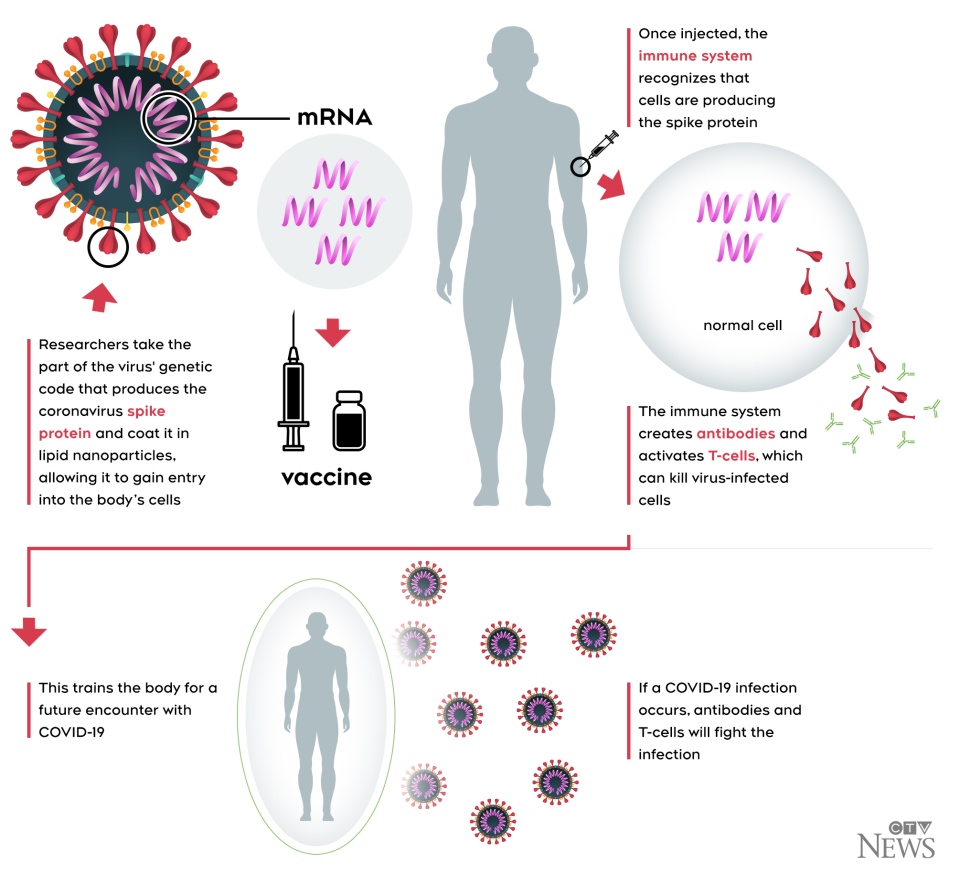
"The messenger RNA is very fragile after it’s been administered, it’s broken down very quickly in the body, and it also can’t get into our cells where it needs to be to work. So we provide a delivery technology [to Pfizer] that protects the messenger RNA after it’s administered and carries it into the cells and then releases it in the cells so that it can work."
"We don’t have the ability to do long stability studies to establish a shelf life for the vaccine at a more convenient temperature."
Thomas Madden, chief executive, BioNTech partner Acuitas Therapeutics, Vancouver

"So if you do have an urgent situation such as this, you can have this rapid approval process that’s not technically a full approval process."
"[It] really says, you know what, we’re still going to do the full look, we’re still going to do the full approach [the difference between the normal vaccine approval process and the fast-tracked process] to ensure that this is a safe and effective product."
Infectious diseases specialist Dr. Isaac Bogoch, University of Toronto
Approved by Health Canada, the initial batch of the Pfizer/BioNTech vaccine would be enough for nearly 125,000 Canadians. (Carlo Allegri/Reuters)

Two days ago, Health Canada, under obvious pressure took the step of clearing Pfizer and BioNTech's COVID-19 vaccine for public use; this extraordinary step even before the U.S.'s regulatory body made their decision for the U.S./German-produced vaccine. It is highly unusual for Health Canada to take such an accelerated approach to approving any new drug; it usually drags on through the approval process long after the U.S. Food and Drug Administration has arrived at its approval status.

Canada's experience with COVID-19 has been that the vast majority of seriously complicated COVID cases and 80% of COVID-related deaths have been within the elderly demographic, residents of retirement homes and long-term care facilities. An advisory panel to the government recommended that long-term care home residents and health-care workers be prioritized for early vaccinations. And that was to be the plan going forward.

With the imminent arrival of Canada's first modest-in-numbers batch of the Pfizer vaccine, the realization of the simple fact that to remain stable, the vaccine's fragility which requires extreme refrigeration from -70 to -80C, would make it not only a logistical nightmare to inoculate the elderly in these institutions, but aboriginals -- also declared priorities for vaccination -- living in remote, isolated communities would have to await a different type of vaccine; one produced for example by Moderna which can be stored at a moderate -20C.

 
Despite the urgency to vaccinate the elderly, the health-and-immunity-compromised, the health-frail indigenous populations, the vaccine originally designated in principle for them, will only be available for those able to take themselves to central designated vaccine-administrating stations to receive inoculations of the first deliveries expected to arrive in the next few days. Advice of a restrictive nature from the drugmaker has altered the best laid plans of health and government agencies.
 
Pfizer advising that early doses of the vaccine be administered solely at the sites where they have been delivered originally in large batches. This, given an absence of complete data on the vaccine's transportability safety. Nor, in  he absence of definitive data, will it be possible to break up batches to send smaller quantities of the vaccine to other locations. Depriving many long-term care residents of the first vaccination batches in Canada, in the very midst of an infection surge on the cusp of overwhelming hospitals.
 
This delay equates to the risk of increasing COVID deaths despite the vows taken by health and government authorities after the appalling death toll of susceptible seniors, that heaven and earth would be moved to protect them in future. There has been no secret of the need to store the vaccine at ultra-cold temperatures, despite which the newly-revealed restriction in transporting the vaccine further along the chain from its original destination has struck a blow to those plans. Even physical movement like shaking during vaccine handling has been cautioned against.
 
The Canadian government has identified 14 initial points of vaccination and only there is Pfizer prepared to deliver its batches destined for Canadians. No reason was given by the company for its imposed restriction. The challenge for administrators to ship vaccines from their original reception point to facilities elsewhere has been answered; it cannot, as yet be done. Dr.Madden, chief executive of Acuitas Therapeutics points to a lack of data due to the rapid rollout, not necessarily the actual durability of the vaccine. Simply put: not enough is known for complete confidence in the vaccine's stability.
 
Dr.Madden, an expert in lipid nanoparticles, a key ingredient in the vaccine, made note of the fact that  BioNTech offered less restrictive guidance in a presentation recently given during which it was stated that defrosted vials could be transported for up to six hours.
Explaining how a mRNA vaccine works

"But for now we’re going to do — I wouldn’t say a cursory look, but it’s not a complete look."

Labels: , , , , , ,

Tuesday, April 14, 2020

COVID-19 Cutting Its Deadly Path in Canada Through Long-Term Care Facilities Housing the Elderly and Health-Impaired

"All the provinces and territories are trying to do the best they can to strengthen the response in that area [long-term care facilities country-wide]."
"Because that is driving the severe outcomes in Canada. That is absolutely a key feature of this epidemic."
Dr.Theresa Tam, Chief Public Health Officer, Canada

"Providing consistent guidance for long-term care homes across the country will save lives. But it will take much more than these guidelines to keep our seniors and vulnerable Canadians safe."
"It would be impossible to keep them safe without individual Canadians practising social distancing."
Seniors Minister Deb Schulte, Ottawa

"We have to look after the most vulnerable. We have a duty to look after those who cannot look after themselves."
"I know it's difficult, but this virus is ruthless and it's deadly."
Ontario Premier Doug Ford
Funeral home workers remove a body from the Centre d'hébergement Sainte-Dorothée, on April 13, 2020, in Laval, Que. There have been 26 deaths related to the novel coronavirus at the Sainte-Dorothée centre.  Ryan Remiorz/The Canadian Press

The grim situation of rising case statistics in Canada and consequent deaths among those hardest hit by COVID-19, has been enormously exacerbated by the revelation of the carnage done to elderly, incapacitated individuals being cared for in long-term care facilities, most of which are not equipped to deal with a raging epidemic, are understaffed and under-managed. The recently revealed outbreaks in a number of long-term care homes have underlined their role in pushing up overall numbers of deaths in Canada.

A projection by the government of Canada released on April 9th conjectured between 400 to 700 deaths by April 16, caused by COVID-19, but by April 12 it was clear that the death total stood at 717, handily passing the presented worst-case scenario. It took another day for the total death number to rise to 734, and it is the impact of the outbreaks in those long-term care facilities countrywide that has expanded those death numbers.

In a facility in Bobcaygeon, Ontario alone 29 elderly residents died of the effects of COVID-19. There were 21 reported deaths earlier in the month in such facilities in Vancouver. And while the impact of the dread novel coronavirus on such elder-care, health-impaired facilities may vary from province to province, the end result is that this most vulnerable demographic has become a target of the deadly pathogen.

Not only are these frail elderly people dying, the end effect is that the virus has spread from the facilities to the greater public.

So that even while officially the country's confirmed COVID-19 cases are tracking in a positive direction, it is the fatality rate among the elderly frail that is increasing with continuing outbreaks in the facilities housing them and caring for them. In Dorval, Quebec last month 31 residents of a private seniors' residence died. Many in the residence were neglected, people found dead in their beds, others unfed and unwashed, some lying on floors where they fell.

Residence Herron, Dorval, Quebec, April 13, 2020. REUTERS/Christinne Muschi

Untrained staff had been unable to cope, were frightened for their personal well-being, and had simply abandoned their charges, leaving only four attendants to try to cope with 60 patients in yet another long-term for-profit care home in Quebec. In the Dorval facility there were 150 residents 'abandoned' by the staff, leaving the elderly lying in soiled beds, requiring immediate assistance to be fed, leading to the tragic outcome.

Infection prevention and control were entirely missing in the facilities. Some were crowded with multiple residents in one room, sharing common spaces, making it impossible to impose social distancing. Attendants in many of the residences did not wear masks for the duration of their shifts. Added to the dangers inherent in crowded facilities with overworked attendants improperly trained to rise to the occasion of an epidemic, that many health-care providers and other staff work at multiple facilities.

Vital recommendations have been reached that include visitor restriction to admit only those essential for medical or compassionate care. All staff to be screened along with visitors to ensure that anyone entering the premises, including staff with questionable symptoms be forbidden from entrance, sent home to self-isolate to recovery. Training on infection-control measures, routine cleaning of trafficked areas and limiting employees to work in a single facility are critical guidelines to be implemented.

Former federal cabinet minister Jane Philpott, a medical doctor herself and formerly Canadian Minister of Health, has volunteered to work at a facility in Markham, Ontario housing residents with developmental and physical disabilities. The facility, Participation House, is caught in a staff crisis, struggling to cope with the pandemic, reflecting what is happening all over the country.

Exterior of Anson Place
Anson Place in Hagersville, Ontario, wHere 55 residents and 30 staff members have tested positive for COVID-19, seen here on April 2, 2020. (Dan Lauckner / CTV Kitchener)

Labels: , , , ,

 
()() Follow @rheytah Tweet