Ruminations

Blog dedicated primarily to randomly selected news items; comments reflecting personal perceptions

Saturday, January 25, 2025

Major Uncertainties in the Use of Puberty Blockers -- Canadian Research

"[Doctors should] clearly communicate [the major uncertainties that remain with children and parents and check] whose values they are prioritizing [when prescribing puberty blockers and masculinizing or feminizing hormones to youth]."
"We are very uncertain about the causal effect of the [drugs] on depression. Most studies provided very low certainty of evidence about the outcomes of interest, thus we cannot exclude the possibility of benefit or harm."
"Since the current best evidence, including our systematic review and meta-analysis, is predominantly very low quality, clinicians must clearly communicate this evidence to patients and caregivers."
"[Guideline developers and policymakers should also be transparent] about which and whose values they are prioritizing when making recommendations and policy decisions."
Report: Canadian research
https://macdonaldlaurier.ca/wp-content/uploads/2025/01/20250117_Gender-distressed-youth-Moruzi-COMMENTARY-774x429-1.jpg
 
According to a team of researchers in Canada, an absence of evidence on the efficacious use of puberty blockers and cross-sex hormones that have been increasingly seeing use on children presenting with gender dysphoria along with teens self-identifying as transgender amounts to medical dysfunction, potentially harming the futures of many of these children. Whether, for the time being, their use is helpful or harmful, cannot be discerned given the low certainty surrounding the issue and absence of research. 

When in doubt -- abstain, or make it quite clear that the prevalent use of cross-sex hormones and puberty blockers on the very young is fraught with uncertainty regarding future impact. A major British review that had been commissioned by the National Health Services of England found evidence questioning the safety and efficacy of puberty blockers for children with gender dysphoria to be weak, "built on shaky foundations".

As a result of the Cass Review's conclusion of doubt, doctors in the United Kingdom were instructed to stop routinely prescribing puberty blockers temporarily, to children and  youth under 18 years of age. More latterly, after independent expert advice concluded such drugs pose an "unacceptable safety risk" the ban became indefinite.

In Canada, however, no impact from the Cass Review has been seen in its gender-affirming approach, with the Canadian Paedriatric Society expressing criticism of what it terms "significant limitations, biases and inaccuracies" in the review, the result of a four-year enquiry. The CPS writing in its journal "The model of gender-affirming care in Canada differs in many ways from the approach that had been in place in the U.K".

According to a federally funded study, however, 174 children under 16 referred to one of ten gender-identity clinics in Canada saw 74 percent placed on puberty blockers, with close to two-thirds progressing to masculinizing or feminizing hormones.
"There's not enough reliable information."
"We really don't have enough evidence to say that these procedures are beneficial."
"Few studies have looked at physical harm, so we have really no evidence of harm as well."
"There's not a lot that we can say with certainty, based on the evidence."
Chan Kulatunga-Moruzi, an author of the review
Those who begin puberty blockers for the most part tend to progress to gender-affirming hormones which induce sex characteristics such as facial hair or breast enlargement. Giving children identifying as transgender time to decide whether to proceed to transition, while relaxing their feelings of distress over body changes that disturb them. Concerns relate to whether the drugs are locking in a gender identity --their transition becoming an inevitable expectation.

Although the process was initially thought to be fully reversible,  the potential seems to augur for long-term and irreversible effects -- according to the Canadian research team -- in their finding published in the journal Archives of Disease in Childhood. Screening 6,736 research titles involving puberty blockers, the study found low certainty of evidence on the effects of puberty blockers on depression, an oft-cited argument for their use on distressed youth.

https://smartcdn.gprod.postmedia.digital/nationalpost/wp-content/uploads/2025/01/doctor-patient-1.jpg?quality=90&strip=all&w=1128&h=846&type=webp&sig=0jfREYwhUxccd1QmcmhELg
"Since the current best evidence, including our systematic review and meta-analysis, is predominantly very low quality, clinicians must clearly communicate this evidence to patients and caregivers," researchers wrote. Photo by Getty Images

Labels: , , , ,

Thursday, April 27, 2023

Love Fried Foods? Feeling Anxious?

"Here we revealed that fried food consumption, especially fried potato consumption, is strongly associated with a higher risk of anxiety and depression symptoms."
"Western dietary patterns have been unfavourably linked with mental health."
"However, the long-term effects of habitual fried food consumption on anxiety and depression and underlying mechanisms remain unclear."
Study Researchers, Hangzhou, China 

"[The research] irritates me in many ways. To suggest that there is one single cause of depression is absolute nonsense."
"[A very legitimate study was used to collect data] and then the researchers take this data and they analyze it to see what they can squeeze out of it."
"The takeaway is that if you raise zebra fish, don't let them swim in acrylamide-laced water."
McGill University chemistry Professor Joe Schwarcz

"It's an interesting study, but it doesn't change what was already known -- that a diet based on plenty of vegetables, fruit, nuts, seeds, pulses and moderate amounts of other foods is associated with better mental and physical health."
"Caution should be used when using animal models which only show 'anxiety-like' symptoms."
"[Toasted bread and coffee are also significant sources of acrylamide]."
Dr. Duane Mellor, senior lecturer, registered dietitian, Aston University, Birmingham, England 

"I've worked in a hospital setting for over a decade  helping people who experience severe depression."
"French fries don't land people in hospital."
Professor Jonathan Stea, clinical psychologist, University of Calgary adjunct assistant professor
Go ahead, eat that french fry.
It isn't entirely unusual for research papers to be published, as was this study that saw publication in peer-reviewed journal, PNAS (the Proceedings of the National Academy of Sciences) conducted by researchers from Hangzhou, China, whose results face criticism. Where 140,728 subjects who took part in  he U.K. Biobank, a biomedical database and research resource replete with genetic, health and lifestyle information from a half-million U.K. participants, which gained critical and often controversial rebuttals from other scientists.
 
And this study seemed to hit all the right buttons for unfavourable feedback in its contention that the study concludes with that consumption of too many fried foods could lead to depression. "It may be that depressed people are more likely to eat French fries as a comfort food", responded Dr. Joel Shulkin. Yet this is a widely circulated study purporting to reveal that those who consume a plenitude of French fires face a higher risk of anxiety and depression.
 
Males, according to the study results, were seen to be particularly susceptible. The working hypothesis of the study is that enthusiasts of fried foods are exposed to acrylamide, a chemical which forms through a chemical reaction when plant-based and other foods are fried, roasted or baked, and most particularly at high temperatures. During frying, amino acids and sugars in the food react, giving foods a toasty crust and flavour -- the entire point of the process -- that appeals to the human palate.
 
The researchers focused on whether an association between frequent fried food ingestion and depression existed. Their study first looked at humans, then zebra fish. Biobank humans were followed for an average of 11 years. Those who reported eating more than one serving a day of fried foods had a 12 percent higher risk of anxiety and a seven percent higher risk of depression, compared to those who did not indulge.
 
The browner the surface of the food being fried, the higher the level of acrylamide will be present.  It is not entirely clear what risk acrylamide poses to humans, according to the U.S. Food and Drug Administration. However, it is classified as "likely to be carcinogenic to humans", by the U.S. Environmental Protection Agency.

The Chinese study authors in another, separate study reported long-term exposure to acrylamide led to anxiety-and depressive-like behaviours in adult zebra fish. Exposure made the fish less sociable, spending more time in dark zones and more time at the bottom of the tank, an indication of anxiety. The researchers identified symptoms of oxidative stress, a condition caused by an overabundance of tissue-damaging free radicals, along with cerebral inflammation in the fish.

The study subjects who consumed fried foods were likelier to be smokers, to have a higher body mass index and lower income and education levels: "Factors that are likely affecting mental health and that cannot be completely excluded in the analysis", stated Gunger Kihnie, professor of nutrition and food science at University of Reading.

According to Professor Schwarcz, it is possible that acrylamide is neurotoxic, since anything causing inflammation can affect all cells, including neurons. In view of cancer risks, people should reduce their intake of acrylamide. The level present in fries, suggests the professor, can be reduced by soaking the potatoes first in water, draining, then frying.

French Fries (Getty Images / Mark Tan / EyeEm)
French Fries   Getty Images

Labels: , , ,

Sunday, November 14, 2021

The Final Chapter Well Lived

"One of the best predictors of successful aging is the ability to disengage from unattainable goals."
"While grit and perseverance might be most important for younger people, the elderly with the best psychological outcomes let go of things they can't do any more and shift toward things they can still do that are purposeful."
Carsten Wrosch, psychology professor, Concordia University, Montreal
Addressing mental health needs of older adults 
"In my work with older patients, we often engage with the question 'What has it all been about?"
"It is powerful to help them construct their life stories and to witness how this leads to a sense of peace and acceptance of whatever comes next."
"Significant transition or change can lead to an existential crisis, a chance to re-evaluate life and to eventually align it more with  your values."
Herbert Rappaport, clinical psychologist, Philadelphia

"I fear that this just adds more pressure [when popular psychology urges the discovery or to create meaning in life] for people that this can become another reason to feel guilty and ashamed -- 'I've failed because I haven[t found the meaning of my life."
Joel Vos, psychologist, author, Meaning in Life

"Numerous studies show that people who have high death anxiety suffer from psychological problems and disorders."
"In general, death anxiety subsides later in life. But for some elderly, it can be very  high and contribute to their depression and anxiety."
Rachel Menzies, clinical psychology post-doctoral research fellow, University of Sydney
Elderly man drinking coffeeLate-life depression, researchers have found, increases self-neglect, cardiovascular problems, morbidity and risk of suicide while it also leads to worse social and cognitive functioning, compromising quality of life. Heart problems and high blood pressure among other health concerns have been linked to geriatric anxiety.

 Risk factors for geriatric depression and anxiety have been illuminated through studies. Those elderly are more likely to experience psychological problems, particularly depression when they are among those who deal with serious age-related physical handicaps as well as cognitive decline. They tend to be lonely; often they are in a state of grieving or dealing with loses.

They have much in common in depression outcomes with elderly people who bear regret mourning a life they consider not to have been well lived, and who struggle to find meaning in their lives. As people reach into their declining years a host of existential concerns loom foremost in their minds. Taken for granted that the older people become the more they reminisce over long-ago events, psychologists find value for them in recalling those events.

Erik Eriksons photograph.
Erikson: feeling a sense of accomplishment
Erik Erikson, one of the most influential psychologists of the 20th century, thought the final stage of life focused on reviewing life, integrating positive and negative memories and ending with a coherent sense of  a purposeful life; in other words, one of satisfaction. People who experienced a particularly difficult time with the process might feel despair at the conclusion of their personal processing of the past, he postulated.

According to research, thoughtful reviews of a life from the perspective of the past to the present has the effect of improving mental health, an affirmation of a life lived. Individuals who are depressed find the process difficult in recalling positive events or reflecting backward as their lives progressed in ways neither negative nor self-critical. These people tend to recall events generally, as abstract events lacking detail. 

They are guided toward a strategy to emphasize the positive in situations past, recalling good times in their lives and in so doing sketching in their minds a recall of details in concrete and sensory mode, as much as possible. During the period of the pandemic many people appear to have gained clarity surrounding what really matters in life, centering on thinking beyond oneself to connect with others.
 
9 Reasons Why Reminiscing Can Benefit Seniors
 
Transcending the dour appeal of negative thought and conclusions can be achieved through other means such as focusing on creating something worthwhile. Lending one's support to charitable groups, tending a garden, indulging in expressing one's aesthetic through painting or a hobby, can all elevate mood and create a sense of satisfaction. As can re-connecting with religious devotion.

The presence of a worldwide catastrophic event such as the global pandemic which has exacted a death toll of 750,000 in the United States and close to 30,000 in Canada has turned many people toward contemplating illness, incapacity and death. The end of life becomes more immediate and more acutely imagined than at any other time in recent history. Its impact carries a grim toll on everyone.

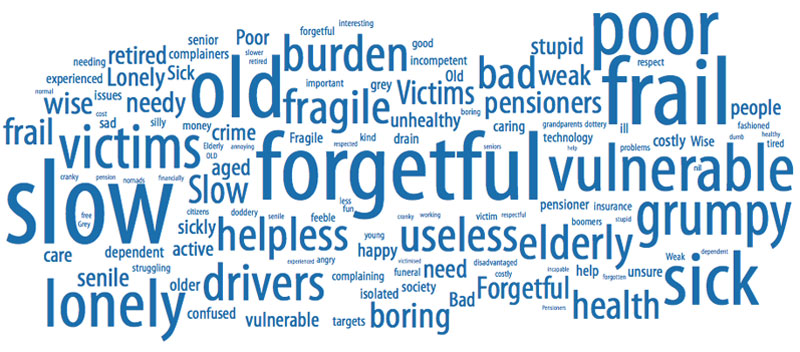
Word cloud showing large words life slow, forgetful, vulnerable, grumpy, frail, old, poor, sick, lonely, and medium-sized words like useless, helpless, drivers, boring, burden, victims, bad. Smaller words are wise, retired, senior, costly, help, need, and active.
Avoidance of negativity

Labels: , ,

Saturday, October 30, 2021

Losing Daylight, Gaining SAD

Academic research shows that losing an hour of daylight can be linked to negative effects on both the mind and body, including disturbed sleep patterns, seasonal depression and obesity. (iStock)
"When we admitted the first cohort, it was in the summer-time, and they were really quite well."
"Some skeptical people said, 'Well, what will happen if they don't get depressed? You'll look pretty stupid. And I thought, well, that's OK, I'll take that chance. It's not such a bad thing to look stupid."
"[And then, on schedule the majority of the test subjects became depressed; people went] down [at different times reflecting their sensitivity to lack of light']. We  exposed them to light and it was really quite one of the most exciting things. ... It was, in some cases, very transformational."
"If you've got SAD [seasonal affective disorder] and COVID anxiety, it's just a double whammy."
"If people aren't operating at their best, they should be treated or they should be helped."
"It's an unfortunate term, because it's got a kind of Freudian feel about it -- 'Oh these people are neurotic, they're just complaining about nothing'."
Dr.Norman Rosenthal, professor of psychiatry, Georgetown University School of Medicine

"We don't know what the trigger is, and it may be different for different people."
"What makes this unique is that there are very few sub-types of depression that we know when they're going to come on [most frequently between November and December] and when they're going to get better."
"Certain hormone levels, certain basic building blocks of proteins -- these all shift with the seasons."
Dr.Anthony Levitt, psychiatrist, chief, Hurvitz Brain Sciences Program, Sunnybrook Health Sciences Centre, Toronto
Young woman looking out through rain covered window, depressed
Seasonal Affective Disorder   HelpGuide
 
Dr.Rosenthal, back in the winter of 1981 began a study ti determine the extent of a depression that would affect peoples' moods in the late fall months, when those affected tended to go to sleep earlier, sleep for longer periods and awaken later. By late afternoon their energy levels failed, they felt unmotivated, lethargic and depressed. People who travelled south reported mood improvement days after their arrival "and a deterioration in mood a few days after returning North again".

He was a pioneer in the study of a syndrome newly named as seasonal affective disorder (SAD). He worked out of the National Institute of Mental Health in Bethesda then and had his work cut out persuading colleagues of the legitimacy of the phenomenon. "Some made a joke out of it", he recalled. Forty years later, there are still skeptics, but the reality is that when clocks are turned back by an hour at 2 a.m. on November 7 with the end of daylight saving time, society in general reacts unhappily.

An event shown to correlate with seasonal depression onset.  Now, with COVID still bedeviling the globe, the situation has become more acute for many people. In the official psychiatry catalogue of mental illness SAD is recognized as a major depressive disorder, with its "seasonal pattern", as a sub-type of major depression. It has long been associated with a lack of environmental light; once people were submitted to supplemental light, their symptoms eased; "the more light, the better".

Unknown is what it is that causes the shift of critical biological molecules; length of day? amount of light exposure? Temperature; wind velocity; barometric pressure? Some people get by without getting SAD completely; they feel the effects but not severely, in "subsyndromal SAD", while others go into full-blown depression interfering with their ability to function adequately day to day. 
 
Ten percent of any population report SAD or subsyndromal SAD, but fewer than one percent meet the criteria for a "seasonal pattern of major depressive episodes", according to Dr.Raymond Lam, associate head, department of psychiatry, University of British Columbia. The symptoms of SAD are well enough recognized in the general public to encourage people to invest in SAD lamps (which filter out UV rays), and green and blue glow glasses.

Some scientists argue the theory behind SAD that major depression can be influenced by the seasons is rooted in "folk psychology", more than objective data. A Canadian study making use of data from Statistics Canada surveys from 1996 to 2013 amounting to over half a million Canadians, found the proportion of those reporting major depressive episodes in January to be 70 percent higher than in August.

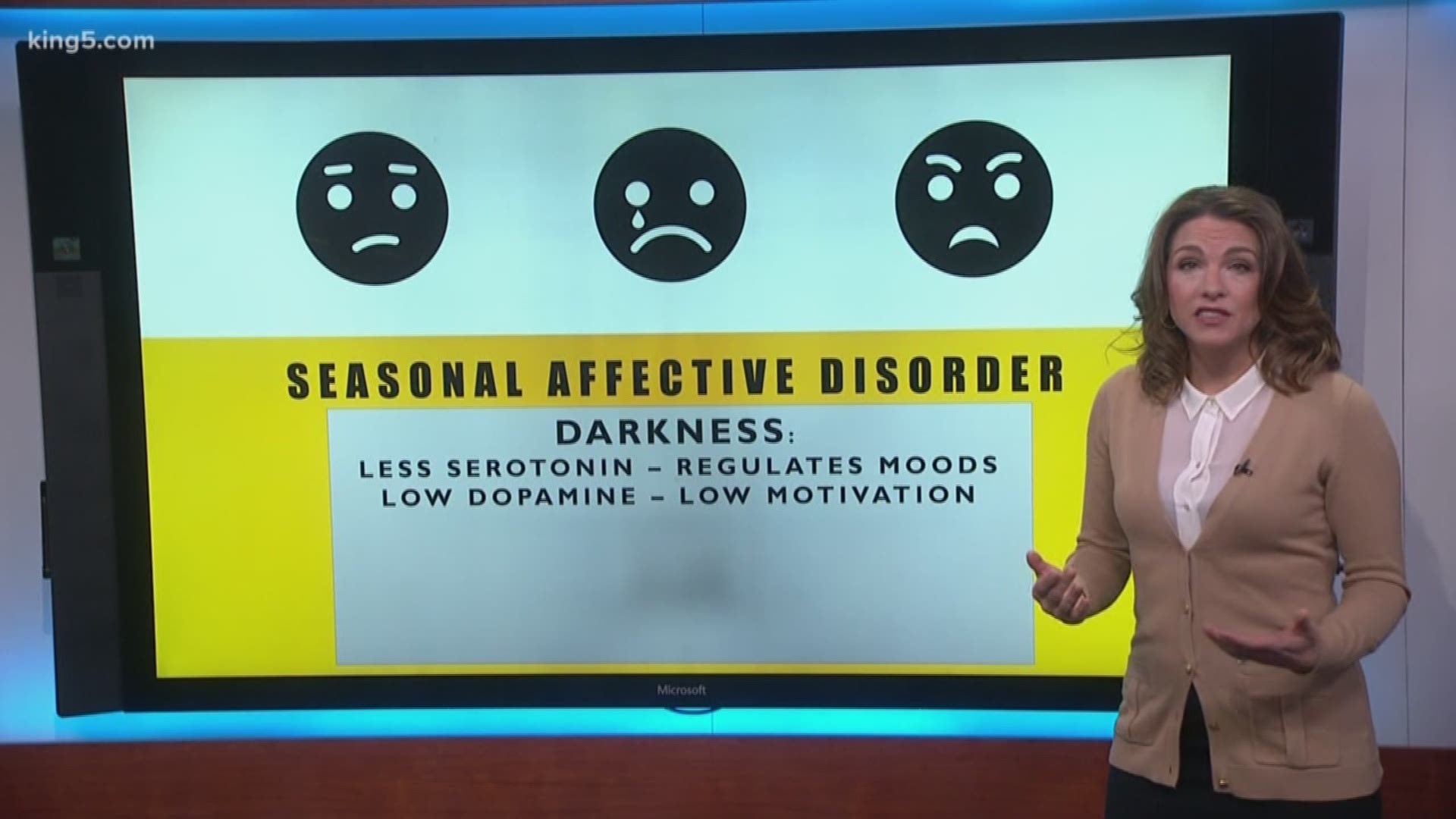
Several hypotheses are current; one that shorter winter days impact on the body's internal clock to cause "chrono-biological" disturbances. Decreased exposure to daylight hours impairs the regulation of serotonin, dopamine and noradrenaline, the three major neurotransmitters that scientists believe to be disturbed in depression. Nighttime secretion of melatonin, the body's natural sleep hormone is disrupted by reduced light exposure, leaving people to waken feeling exhausted and drained rather than refreshed and rested.

So how does exposure to increased light from specialized light-emitting lamps work to relieve the symptoms of SAD? "The retina is being impacted by the extra light and signals are going back through neural connections to the hypothalamus and various nuclei that are connected to emotional centres in the brain", explains Dr.Rosenthal. What can be  helpful is regular morning walks, looking at the sky,  cognitive behavioural therapy, stress reduction and maintaining social activities.

Labels: , , , ,

Saturday, February 20, 2021

Selfie-Letter to Future Self to Alleviate COVID Depression

"[Giving people a broader temporal perspective removes them from distress at the present time, but also enables them to identify] the reasonable expectation of it [the cause of the stress] coming to an end, all of which are (sic) good for brain health and emotional well-being."
Dr.Roger McIntyre, psychiatry professor, University of Toronto

"It [a psychological therapeutic device to distract people from their state of anxiety and propel their thoughts in a hopeful arc toward the future] activates that sense that, 'this too shall pass, that this may be a really difficult time right now but I can get through difficult times'."
"'There will be a time after this'."
Professor of psychology Anne Wilson, Wilfred Laurier University, Waterloo

"I'm worried about my income now because I have less work, but I think I'll be able to live in peace in a year."
"I don't think the hard times will last forever, so I will do my best to prevent COVID-19 so I can laugh a year later."
Self-consoling letter sample
Young man writing at desk
Image by rawpixel.com
 
A study published in the journal Health and Well-being, authored by researchers at Wilfrid Laurier and the Ritsumeikan University in Japan represents a timely and likely useful experiment in lifting peoples' spirits by altering their perspective on the seeming dismal view of life under COVID-19 that just doesn't appear as though it will come to a positive conclusion. It's purpose is meant to lift people away from depression, in an effort to avoid the kind of deep psychological distress people are experiencing from impositions upon their normal lifestyles.

The study was launched for the purpose of recommending to people an approach that they could take as a psychological intervention to help themselves; validating preliminary evidence of the effectiveness of the approach. The idea was to persuade study participants that through the simple medium of addressing their current selves as giving solace and advice to their future selves, a release of tension could ensue. The device, not intrusive while it is at the same time intimate, was seen to have significant benefits.
 
It would rely, however, on the ability of the study participants to exert a considerable degree of imagination to see themselves in the future and how their current selves could act as mentor and guide to their future selves. Mounting evidence of the psychological impact of the pandemic on people's psyches sending them into a spiral of anxiety and depression spurred the researchers to undertake the study. 
 
According to a survey by the Canadian Mental Health Association and University of British Columbia, 40 percent of respondents felt a deterioration in their emotional well-being in the past year. One in ten admitted having contemplated suicide, as opposed to 2.5 percent having done so prior to the advent of the global pandemic. Mental Health Research Canada released the results of another poll in January which suggested that 22 percent of Canadians were diagnosed with depression while another 20 percent with anxiety; each representing four percentage points steeper than than pre-pandemic time.

Millions have been invested in expanding virtual mental-heatlth care by governments, according to the CMHA survey, yet a mere 11 percent of respondents had taken steps to access the treatment, and 20 percent stated that to cope with pandemic stress they had committed themselves to greater use of alcohol for emotional release of stress. Professor Wilson's post-doctoral fellow, Yuta Chishima led the research, with the use of online crowdsourcing platforms, recruiting roughly750 people in Japan to join the experiment.
image

Temporal distancing during the COVID‐19 pandemic: Letter writing with future self can mitigate negative affect

Each of the participants was instructed to write a letter of encouragement to themselves as they would imagine themselves to be a year from the present ... alternately from that future person they would become, backward in time to the individual they were at the present time. Assigned to a control group, others wrote simply of the situation they were faced with at the present time. The researchers then measured psychological 'affect' through the emotions of fear, anger, sadness, disgust and happiness.

The analysis published in the journal Health and Well-being highlighted the study result, that those who wrote to the future and those who wrote back from the future both experienced a positive affect increase while the control group saw no improvement in positive affect and  heightened negative feelings.
 

Research suggests writing letters to future self can reduce stress of COVID pandemic

Labels: , , , ,

Friday, January 15, 2021

Antipsychotic Medication As an Answer to Elderly Depression, Loneliness

"In the days before nursing homes became so highly regulated, many facilities used medications to chemically sedate their residents. Elders who were calm and slept a lot were easier to manage and required less attention from staff members. Therefore, many homes considered drugging patients to be both efficient and cost effective."
"Anti-psychotics and sedatives were frequently prescribed to calm patients, especially those who had Alzheimer’s disease or other forms of dementia. In some cases, a low dose may have been beneficial for residents and staff alike, but these medications are very powerful. They can affect seniors and dementia patients differently compared to the general population, and some even carry black box warnings, indicating that adverse reactions may cause injury or death."
Carol Bradley Bursack, Minding Our Elders, AgingCare 

"[An] additional 1,000 residents are being prescribed antipsychotics who were not on the medication before the pandemic."
"[Such] knee-jerk reactions to try and medicate the distress of residents in nursing homes [during the COVID-19 pandemic] are a serious concern."
"[Antipsychotics come with a] black-box warning [for the elderly. They increase the] risk of stroke, falls and all-cause mortality, and are not recommended for frail, older adults [such as those with dementia, who make up about 70 per cent of nursing-home residents in Ontario]."
Toronto geriatrician Dr. Nathan Stall
Long-term care homes
 

During the pandemic, nursing homes have seen fit for safety reasons during a time of high viral contagion, to restrict visits from outside sources to elderly residents of long-term care homes. In some instances, residents have been confined to their rooms in a contagion-preventive measures, and see no one but the personal care worker assigned to them, on an irregular basis. They fall into a state of confusion and depression, and are consequentially drugged to make them more complacent, less aware, the drugs leading them to long periods of sleep when overworked and/or insufficient staff haven't the time to look after their needs.

This, at a time when nursing and long-term care institutions lack modern upgrades in hygiene practices, where in many homes, they place their residents in double-, triple- and more -occupied rooms with shared bathrooms where it is difficult to maintain distancing, much less adequate hygiene. Nursing homes throughout Ontario, throughout Canada, account for fully 80 percent of the national deaths attributed to COVID-19, among their frail, elderly residents. They are badly understaffed, unequipped and trained to be able to handle their patients at this critical time of a global pandemic.

The practise of dispensing drugs in this manner has been criticized in the past for using drugs to pacify elderly patients so that they require less care and fewer concerns, and the practise, given bad publicity, was seen to abate. Since the SARS-CoV-2 epidemic has entered country after country, threatening the elderly and the health-compromised, psychotropic medications prescribed for older people has once again entered the scene. Care homes see older people's emotional turmoil, a lapse in cognitive abilities, and have once again turned to drugging patients.

Antipsychotics, antidepressants and benzodiazepines like Valium or Klonopin are in increasing use. Scientific research shows links between social isolation and loneliness, contributing to physical and mental health deterioration and often contributing to the development of dementia -- including Alzheimer's. Above all, when the elderly are confused and isolated and the opportunity to see and touch those who love them is removed, a critical element of human need is denied them.

Lenora Cline, 88, has lived in a nursing home for years. She has Alzheimer’s disease.
Lenora Cline, 88, Alzheimer’s  Ed Kashi/Human Rights Watch
Seeing the use of these drugs as a remedy for the acute state of disequilibrium in the elderly, may keep them quiet, but its deleterious effects on the elderly can be just as devastating as contracting COVID-19. A dramatic increase in the use of medications to older people was found through a study of care homes in Ontario. In the United States, clinical studies have pointed to serious side-effects of antipsychotics; nervous system problems, cognitive decline, strokes and an increased risk of death in those with dementia. Benzodiazepine is associated with increased falls, pneumonia and death in the elderly.

"The effects of prolonged social isolation during lockdowns", including restrictions on visits from loved ones and suspension of social activities and group dining is linked to the increase of harm to the elderly in long-term care homes, according to the Ontario study. Similar findings were reached in the United Kingdom when it was noted increased loneliness and human touch deprivation during the pandemic led to an increase in drug use "probably in response to worsened agitation and psychosis" associated with restrictions due to COVID-19.

Research from 2017-18 in the United States and 2018-19 in Australia discovered psychotropic medications to be overused in nursing homes, according to documentation by Human Rights Watch. Typically, the medication comes into use when residents become more of a burden of care, the drugs leading to more compliant behaviour, the patients more easily handled. "Chemical restraint" is what medication used for the purpose of behaviour control lacking a therapeutic purpose, is referred as.

Photo of people sitting outside a nursing home.

Labels: , , , , , , ,

Sunday, October 18, 2020

Mental Health Fallout from COVID Stress

"[Though women are likelier to admit to anxiety], my suspicion is there are more men who are anxious but they chose not to say so. [Even as people are searching out different ways to deal with coronavirus stress, alcohol as a choice is] deeply problematic and could haunt people in the future."
"[During the summer months, COVID declined and so did peoples' anxiety but now] more COVID, more problems. We need to get our game up."
Dr.David Gratzer, psychiatrist, Centre for Addiction and Mental Health (CAMH), Toronto 

"It's even left the people who don't trend into the territory of clinical diagnosis with a sense of impermanence and fragility that I think there is no comparison for."
"[The pandemic] has given us the sense that there can be something not which is immediate and horrifying, like 9/11 or a hurricane, but something that is sustained and completely changes the way that we interact and socialize with one another."
"[Our struggle is between uber-caution and under-caution] and we have to balance all the time the sense of the terrible physical risk attached to seeing people, and the sense of mental or psychological risk that is attached to not seeing people."
Andrew Solomon, writer, lecturer, professor of clinical psychology, Columbia University

"Until we have a better understanding of this virus, its behaviour and a vaccine, many people are going to experience stress."
"The psychological footprint of the pandemic is likely as big, if not bigger, than the medical footprint."
Dr.Gordon Asmundson, professor of psychology, University of Regina
The pandemic has brought with it numerous stressors, including health issues, financial issues, relationship issues, isolation and changes in home and work responsibilities. (Pixabay)
It was recognized early on in the global pandemic that the most critical change in people's lives requiring social isolation, distancing, mask-wearing, cautionary messages to refrain from undue exposure as protection against contracting the SARS-CoV-2 virus, with the accompanying lock-downs of schools, businesses, gyms, restaurants, people would react to the burden of fear and isolation in a manner that would do them great psychological harm. 

That focus on mental health problems scarring people's lives has led to surveys and research, all of which simply validate the initial concern, as health experts see a marked decline in mental stability in patient presentations. Simply put COVID-19 stress is taking its heavy toll on  populations wherever it strikes. A new study and the polls it produced from a collaborative undertaking between Toronto's Centre for Addiction and Mental Health and the Angus Reid Institute along with human resources firm Morneau Shepell, bring up a vision of a worrying issue of strained emotions.

The big question being asked and answers sought is how much of what people experience is to be considered normal human reaction to an absolutely abnormal situation? CAMH's national survey, still ongoing, conducted along with Delvinia, established that 24 percent of women experience higher levels of anxiety than men, at 18 percent; 29 percent of parents with children under age 18 at home are likelier to feel depressed, compared to 19 percent of adults with no offspring at home in the same age group.

The pandemic has increased stress levels (Piqsels)
In addition, 25 percent both of women and men stress over becoming infected with COVID-19; 29 percent of men and 23 percent of women cope with that stress by engaging in episodic heavy drinking. Seven months following the incursion of the first wave of the coronavirus, people are seen to be emotionally exhausted, reflecting the mental health index produced in the latest report by Morneau Shepell based on an online survey of 3,000 people in late August.

People are seen to be less work-motivated, are struggling to concentrate, have concerns over job security and their dwindling emergency savings. Juggling multiple 'mental and situational distractions added to work' has been a draining experience. Angus Reid finds the percentage of Canadians with the potential of being categorized as "The Desolate" -- people suffering from both loneliness and social isolation -- has increased from 23 percent of the population a year earlier to 33 percent at the present time.

"Most made an effort to mitigate the spread of COVID-19 by avoiding personal contact with others", the pollster revealed, even over the summer, in spite of reopened patios and beaches and opportunities to expand social 'bubbles'. The strain on many people represented by too much time alone took its toll, while for others alone-time is hard to find. Days spent confined to homes, the strain of lost employment, the missing physical connection with family and friends, all has been overwhelming to people who had never manifested mental illness, but now try to cope with anxiety and depression. 

Frontline workers like nurses, doctors, personal support workers, first responders, retail clerks, all have been exposed to relentless stress, according to a Royal Society of Canada policy brief published this week. Those who experienced symptoms awaiting test results are full of anticipatory angst. People have been hospitalized, some placed on ventilators and over 9,700 Canadians died from the effects of COVID. Continual health warnings and the daily case counts have become numbing. According to the survey, 20 to 25 percent of Canadians experience "moderate or severe COVID-29-related mental health problems".

Indigenous groups, people living in poverty, some racialized groups and those with pre-existing mental health problems are seen to be particularly vulnerable to worsening mental health strain. Dr.Gordon Asmundson, one of the authors of the Royal Society paper, admonishes that roughly 15 percent may not be capable of adapting, and stand a good chance of becoming "functionally impaired" consequentially. He is only too aware that the country's mental health system pre-pandemic was stretched to its hilt.

Fear, sadness, grief, loneliness, frustration, irritability are all common responses and completely normal in view of the pandemic, states Dr.Allen Frances. He advises that psychotherapy, available now through virtual care, is able to assist people to cope with abnormal stressors. He draws the line, however, at the increase in the use of antidepressants. "This is terrible, but it's not as bad as being in the blitz in [wartime] London", he says.
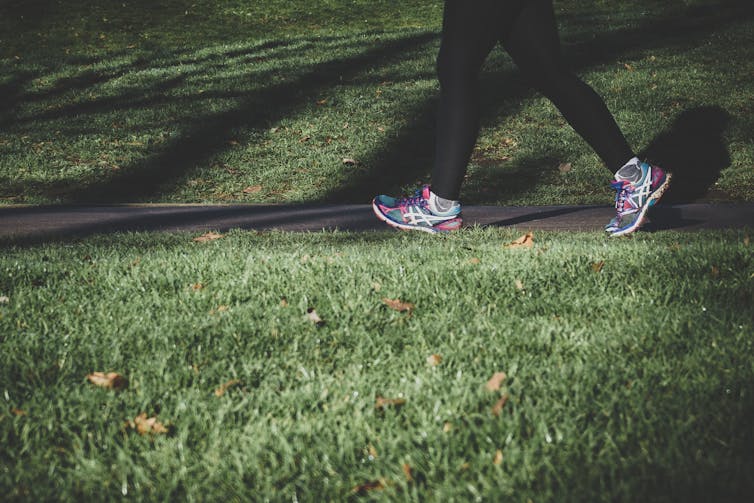
  Exercise when we need it most. (Unsplash)
"The increased rates of painful emotions in the general population do not necessarily mean an increase in rates of clinical mental disorder, and it doesn't mean you're going to have a chronic mental illness."
"I think we have to normalize this as the new normal -- the idea that we're going to face tremendous stressors from pandemics, and even more from climate change."
"And so people have to start thinking long term, not waiting, 'oh, I'll be OK', or the world will be OK next month, or even next year."
"People have to start planning their next several years in a way that doesn't have them constantly anxious and sad and regrettng what's been lost, but rather finds the most in each day under these new circumstances."
"Find things you enjoy the most, and fill your day with as many good minutes as possible. Find the people who matter the most to you and the things that matter the most to you, the things that make life worth living, most of them can be preserved even in -- a pandemic."
"So a rational person should be cautious and fearful for probably the next several years, especially if they are in high-risk groups."
Dr.Allen Frances, professor emeritus, former chair, department of psychiatry, Duke University
https://images.theconversation.com/files/336797/original/file-20200521-102642-102vz8q.jpg?ixlib=rb-1.1.0&rect=0%2C305%2C5802%2C2901&q=45&auto=format&w=1356&h=668&fit=crop
A brisk 30-minute walk three times a week is enough to prevent stress-induced depression. (Shutterstock)

Labels: , , ,

Tuesday, September 22, 2020

The Psychological Stress of Coping With COVID Avoidance

"Even in the 'average Joe', if you want to call them that, the pandemic has taken a really serious toll. Even for those without pre-existing mental disorders, half of them had major signs of depression and a third had signs of anxiety disorder. And those with pre-existing mental disorders, they're getting worse. And significantly worse. Anxiety is worse, depression is worse, suicidal ideations."
"It's a pretty concerning situation. What our results actually show is that regardless of where they started with a specific diagnosis, everyone seems to be getting worse in terms of their depression and anxiety. It affects nearly everyone."
Rebecca Robillard, director, clinical sleep research, The Royal Ottawa Mental Health Centre

"Treatment centres have had their capacity dramatically cut because of the need for physical distancing. Outpatient clinics have been reduced, capacity for withdrawal [treatment] has been reduced, and now even asking for help has become more problematic because there's a belief that there simply isn't any."
"I've had quite a few inquiries from people asking, 'Where do I go now?' And as much as the professional community has tried to address that, the message often doesn't get to the people who need the help."
Gord Garner, executive director, Community Addictions Peer Support Association

"This has really heightened my anxiety. Hunter [her son] is close to three years of sobriety, but I'm really watching to see that he's coping and managing, and that none of the red flags are going off."
"Luckily, most doctors have pivoted and gone virtual, so he's able to access his therapist and know that he's doing OK. But we see it at the centre; the anxiety is going through the roof."
Cindy Manor, senior director of philanthropy, Dave Smith Youth Treatment Centre
Wear a mask. Protect Others.
  
Matthew Young, senior research and policy analyst, Canadian Centre on Substance Use and Addiction
Since the SARS-CoV-2 virus roared onto the world stage and was soon declared a global pandemic public messages of self-isolation, mask-wearing, personal hygiene, no-touch surfaces and hand-washing have all conspired to create a fearful and troubled public, one unaccustomed to socially isolating and for whom the go-it-alone self-protection against a sometimes-deadly disease has extracted a heavy price in confidence and mood. The result has been a predictable rise in depression and anxiety.

Those conditions have been exacerbated in people already struggling with mental health issues, but those in the general public who had never previously been troubled with isolating depression and heightened anxiety have also felt its grievous numbing effect. Research carried out at the Royal Ottawa Mental Health Centre has underscored those issues. Dr.Robillard, who spearheaded the recently published study based her research on an online survey of six thousand Canadians.

The survey is incomplete in the sense that it covered the period between April 3 and June 23, quite early in the pandemic. Questions posed to survey respondents saw the youngest participant at age 16 and the oldest 99 years of age. The rise in anxiety and depression was largely spurred by fear of contracting COVID-19, but respondents feared as well becoming more ill from existing illnesses as a result of cancelled or delayed medical appointments.

Lost income resulting from the economic lockdown, along with troublesome family and personal relationships also played into the heightened anxiety. The pandemic resulted in fewer appointments for people in treatment for mental issues, with their doctors or counsellors. Online counselling eventually up and in operation filled the gap to a certain degree, almost reflecting the effectiveness of previous face-to-face interactions.
Mental Health Guide
Dr.Robillard assessed alcohol and cannabis use, finding it increased by up to 15 percent, but on the other hand, some respondents reported declining personal use, so "it's a bit of a mixed bag", she declared. While COVID spares none, young or old, healthy or health-impaired, wealthy or struggling to get by, women and younger people in particular appear to be most affected. Dr.Robillard points out that younger women mostly deal with child care stress during the pandemic, while young people are most likely to be stressed over front-line workplaces, dealing with the public.

"And we know that sometimes the general public isn't very compliant with social distancing measures. Also, even though you're working, you may not be sure you'll be working next month or that you'll have the hours you need to support yourself." Some of the participants in the study agreed to remain with the research longer term, to determine how their mental health would be impacted over time. 
 
Because of the time line of the study, the second wave of infections wasn't included. What was clear, however, was that more resources will be required to handle mental health needs as the pandemic progresses.

"As time goes along, we're seeing some decrease in the anxiety level. People are starting to get a tiny bit less anxious because they're starting to adapt to the situation, it's a bit less of a shock. But for a lot of people, that is still a prolonged period of anxiety and stress, and in the longer term, it can sustain some degree of depression. While anxiety was going down, the depression is going up", Dr.Robillard pointed out.
anxiety
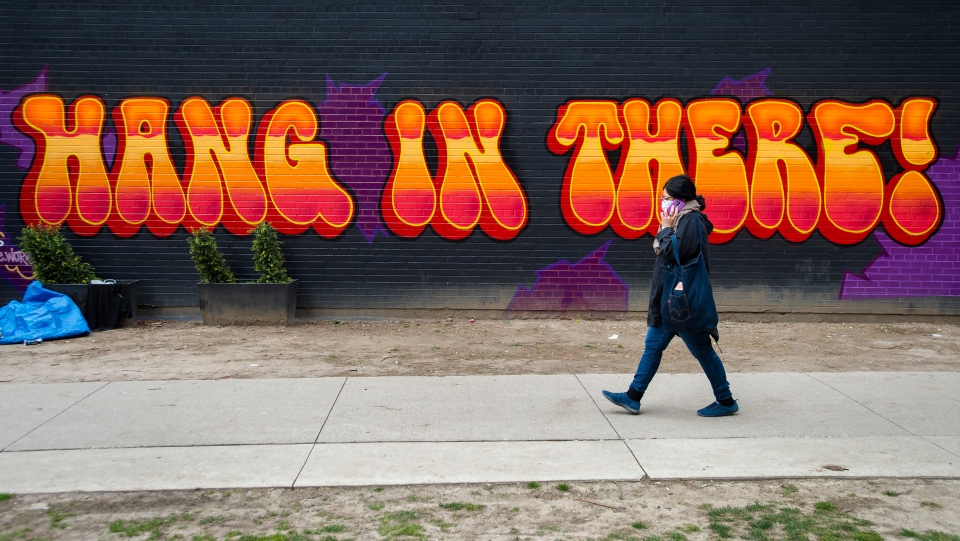
A woman wearing a mask talks on her phone during the COVID-19 pandemic in Toronto. THE CANADIAN PRESS/Nathan Denette

Labels: , , , ,

Wednesday, July 22, 2020

Double Duty : Oral Contraceptives and Depression

"The women who started contraception during puberty don't show that stress response that they should when they're presented with a stressor. And that is worrisome because that means that, first, they're not reacting to the stressor, and secondly, they're not bringing their system back to homeostasis. So, objectively, they're telling us that they're stressed, but their body is not reacting to it."
"It points to a mechanism that could explain why many women suffer depression once they start oral contraceptives."
"Women's health research has been lacking because we've given priority to issues related more to men's health, or those affecting most of the population, and we've kind of forgotten that 50 percent of the population has unique problems. But it's worth investigation, and it needs investigation."
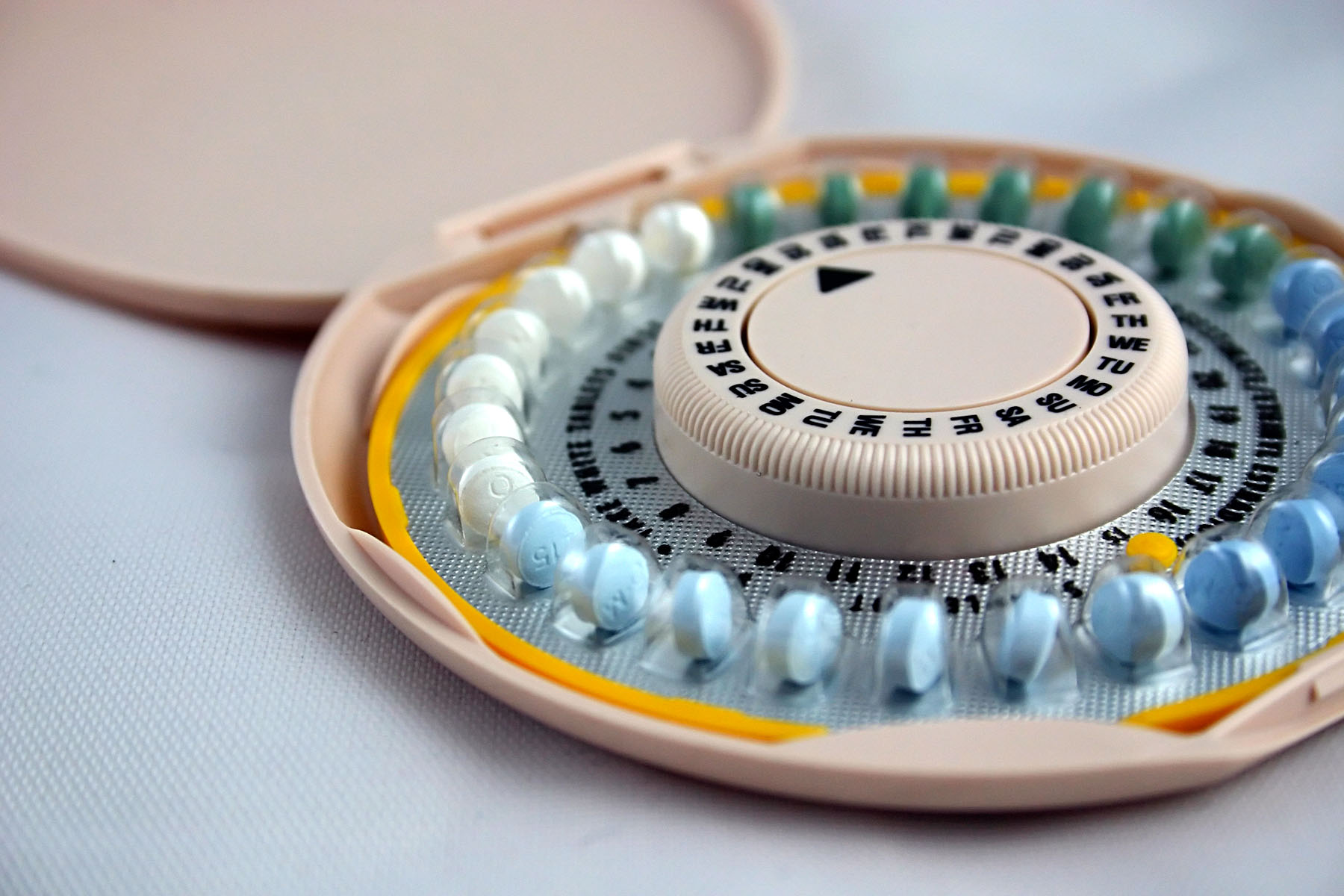
Oral Contraceptive Pill and Depression
"We want to find out the impact that it has on these young women, too. And we want to find the mechanism that would help us understand why some women are more susceptible than others to developing mood disorders, and whether the birth-control pill is a contributing factor, and if there is any way to predict, before a woman even starts to take the pill, whether it will be the right fit for her, or if there might be injuring consequences that we could prevent by using an alternate method."
"We don't want to discourage women or girls from taking oral contraceptives. We just want them to be informed, to be able to weigh the pros and cons, and then make an informed decision."
Nafissa Ismail, associate psychology professor, University of Ottawa
http://womensmentalhealth.org/wp-content/uploads/2018/05/blog_posts.jpg

With the use of stress tests and magnetic resonance imaging, Dr. Ismail, research chair in stress and mental health at University of Ottawa, along with Andra Smith, psychology professor at University of Ottawa, are involved in a research team that graduate student Rupali Sharma is heading. The issue is the synthetic hormones in birth control pills affecting women's health, in particular women young enough that their brains are still in development. The purpose of the research is to determine how the hormones interact with the brain.

The research involving MRIs and stress tests reveals that women using oral contraceptives display more activity in their prefrontal cortices, while engaged in the performance of memory tasks. This increased activity requires additional investigation to verify the implications, but the suggestion is that their brains are working overtime to arrive at similar outcomes in comparison to women not on the pill.

The first phase of the research results are pending publication in the journal Hormones and Behavior. What is of concern to Dr.Ismail is the dulled response to social stress since it suggests the brains of youthful users of the pill have developed differently than what is considered normal, as a result of the chemicals present in the oral contraceptive, resulting in an inability to react to stress; that condition ensuring that the stress is never resolved.


Birth Control and Depression
Women diagnosed with mental-health issues were deliberately excluded from the study but even so definitive causal relationship remains inconclusive. A blunted stress response is common in women suffering from depression, points out Dr.Ismail. Part of the problem of this grey area where use of the contraceptive pill and depression in users -- though a casual link has long been noted, is the relative paucity of research devoted to the potential of neural development linked to the use of oral contraceptives.

Oral contraceptives work by inhibiting ovulation, preventing sperm from entering the Fallopian tubes, deterring fertilized eggs from attaching to the uterine wall. And they are prescribed and used by young women to control acne problems, heavy menstrual flow, and premenstrual syndrome. 
Birth control pills contain hormones. These hormones change how your reproductive organs work in order to prevent pregnancy. Combination pills contain man-made versions of the female hormones estrogen and progesterone. These hormones prevent the release of an egg from the ovary, or ovulation. They also thicken your cervical mucus, which makes it hard for sperm to travel to your uterus and fertilize an egg.
healthline
 

Labels: , , , ,

Monday, June 15, 2020

What Emergence From COVID Lockdown May Hold for Child Psychological Development

"To get child care back up and running, governments must find ways to bring employees back to the sector."
"This means addressing the problem of low wages and inadequate compensation, and putting in place special funding to make sure that child care facilities are safe for both children and staff."
Don Giesbrecht, chief executive officer, Canadian Child Care Federation

"Children who were isolated or quarantined during pandemic diseases were more likely to develop acute stress disorder, adjustment disorder and grief."
"Thirty percent of the children who were isolated or quarantined met the clinical criteria for post-traumatic stress disorder. Furthermore, separation from parents or parental loss during childhood also has long-term adverse effects on mental health, including a higher risk of developing mood disorders and psychosis, and 'death by suicide' in adulthood."
"Adults need to be vigilant that children are not inappropriately blaming themselves or feeling that the illness is a punishment for previous bad behaviour."
The Lancet Child & Adolescent Health 
Amparo Aguilera puts a protective face mask on her grandchild Kilian, 6, after restrictions were partially lifted for children, during the coronavirus disease (COVID-19) outbreak, in Igualada, Spain April 26, 2020. REUTERS/Nacho Doce - RC2GCG90NK6P
Amparo Aguilera puts a protective face mask on her grandchild Kilian in Igualada, Spain April 26, 2020
Image: REUTERS/Nacho Doce - RC2GCG90NK6P
There is no question that most children would have reacted initially to school closures with triumphant pleasure that their time would be their own to do with as they pleased. Until the realization set in that though they had ample time, they were unable to do as they pleased with it. All normal channels of pleasure, physical expression, entertainment were closed off. And it was explained to them by exasperated, fearful parents that the family had to remain indoors together to tough out the spread of a serious disease.

Children are sensitive to dangers impacting on their family, threatening their security with their guardian parents, and they can be sensitive to unspoken fears that communicate to their comprehension of a total turn-about in the way their world has operated to the present. All the old familiar routines were to be abandoned, and new ones take their place, more rigid, protective, alien to their familiar way of life; claustrophobic in type and character.

And if those children are within a family unit further stressed by a lack of employment, of tight physical living conditions, of food shortage, and short-tempered parents stressed to the limit, an overwhelming sense of insecurity and fear for the future tempers their discomfort with the new reality. Child anxiety, depression, loneliness and despair are the perfect breeding grounds for mental illness.

Boy looking out of the window (posed by model)
Photograph: Photofusion/REX/Shutterstock

Kids Help Phone reported that in the early lockdown period the service reported a 350 percent increase in calls received by the national help line geared toward responding to children's needs. Each day an average of 2,000 calls, texts and chats were anticipated from young people in the ongoing lockdown; children who were looking for explanations, for empathy, for reassurance that all would turn out well.

A Spanish survey reported that close to nine in ten parents had noticed alterations in their children's expressed emotions and behaviours, with many suffering concentration difficulties, irritability and profound anxiety. In Canada, 72 percent of child care centres closed, making living arrangements more acute for parents, unprepared to look after their children full-time.

Clinical psychologists in the United Kingdom published some useful advice for parents in The Lancet Child & Adolescent Health, urging parents to be aware their children needed appropriate, age-centric information about the pandemic; to consider that between the ages of four and seven, children develop a sense of conscience, at the same time they have a poor understanding of the science of disease.
"Loneliness that may result from disease containment measures in the COVID-19 context could be associated with subsequent mental health problems in young people."
"Children and adolescents are probably more likely to experience high rates of depression and probably anxiety during and after enforced isolation ends."
"This may increase as enforced isolation continues. Clinical services should offer preventative support and early intervention where possible and be prepared for an increase in mental health problems."
British researchers, large-scale meta-analysis
A member of staff takes a child’s temperature at the Harris primary academy Shortlands, London, on 4 June.
The truth is children’s lives are not really back to normal, and will not be for some time.’ A member of staff takes a child’s temperature at the Harris primary academy Shortlands, London, on 4 June. Photograph: Dan Kitwood/Getty Image

Labels: , , , , ,

Tuesday, April 28, 2020

COVID Stress, Fear. Boredom and Alcohol

"At times of lockdown during the COVID-19 pandemic, alcohol consumption can exacerbate health vulnerability, risk-taking behaviours, mental health issues and violence."
"Alcohol consumption is associated with a range of communicable and noncommunicable diseases and mental health disorders, which can make a person more vulnerable to COVID-19."
"In particular, alcohol compromises the body’s immune system and increases the risk of adverse health outcomes."
"[Governments should consider] restricting access [during the COVID-19 pandemic, complemented by] communicating with the public about the risks [and] maintaining and strengthening alcohol and drug services."
World Health Organization, Europe 

"People turn to substances to cope with stress and trauma."
"These substances offer an immediate source of control. Having a drink or smoking can make you feel better right away."
"But long-term, as you get into addiction, then really the substance itself is driving that cycle of coping and stress rather than the outside environment itself."
Michael Chaiton, associate professor, Dalla Lana School of Public Health
A shopper wears a mask and gloves at the liquor store. Alcohol sales across Canada increased in March as people stocked up to stay home. (Evan Mitsui/CBC)
Alcohol-related COVID-19 misinformation is not hard to find on various social media platforms. The public was informed by health experts early in the first wave of infections from SARS-CoV-2 that alcohol consumption plays an inimical role in the novel coronavirus, enabling the virus to stake a larger claim on the human body. At first people were just having fun about Corona beer, and then things began taking an uglier turn with the word, as in the name of a young boy in Australia with that given name being bullied.

Alcohol is viewed as a social good, as a relaxant, tempering moods during  times of high tension. Self-congratulating videos began appearing on Instagram and other platforms as people were eager to demonstrate how they were handling the new rules around self-segregation, having virtual on-line cocktail hours with friends. And then there were the supposedly reliable heads-up claims that alcohol would kill the virus, leading people to load up their systems with alcohol in the hopes of forestalling infection.


Leading the World Health Organization to issue a six-page instruction on COVID-19 and alcohol consumption in the public interest: "Under no circumstances should you drink any type of alcoholic product as a means of preventing or treatment COVID-19 infection." Irrespective of which Canadians, in a reflection of what is occurring on a global scale, have taken to drinking more and more frequently since the implementation of social distancing.

One quarter of Canadians aged 35 to 54 and one-fifth aged 18 to 34 respond that they have increased their alcohol consumption, even as 10 percent over age 54 report drinking more frequently, according to a Nanos poll commissioned by the Canadian Centre on Substance Use and Addiction. Rita Notarandrea, CEO of the addiction centre, points out the obvious; that stress and anxiety can lead to an increase in substance use.

View image on Twitter

"Disrupted routine may be accompanied by loneliness and anxiety about the current situation. With the possibility that people are stocking up and there is more alcohol in the home than usual, some might drink more than they typically do", added senior research and policy analyst at CCSA, Catherine Paradis.

Increased alcohol use has been recognized in many areas of the world, leaving some experts concerned that misinformation plays a role in the situation. "Consuming alcohol will not destroy the virus", the WHO urges on the public. It also addresses misconceptions about drinking and stress relief, pointing out that alcohol is known to amplify symptoms of anxiety, depression and other mental disorders.

And underlying the twin concerns of contracting COVID, and seeking relief from the pressures of stress and worry, a new survey shows half of Canadians who participated reporting their mental health situation has been exacerbated as a result of the global pandemic. The Angus Reid Institute set out to illuminate how economic uncertainty and social distancing measures caused by the pandemic affect the psychological balance of Canadians.

When asked to describe their primary emotions in recent weeks, 44 percent of respondents stated they are worried, 41 percent that they're anxious, and 30 percent that they are quite simply bored.

A liquor store lineup is 50 people deep in downtown Toronto as shoppers await their turn, CBC

Labels: , , , , ,

 
()() Follow @rheytah Tweet