Ruminations

Blog dedicated primarily to randomly selected news items; comments reflecting personal perceptions

Thursday, January 06, 2022

COVID-19 -- Age-Indifferent

"We have always expected that, if community rates went up, it would translate into the pediatric world. We talk a lot about COVID being mild in children. But, with increasing rates, we're seeing increasing hospitalizations in infants."
"There is a good transfer of antibodies to the newborn [when their mothers are vaccinated while pregnant]. We are extrapolating it will protect the baby for at least the first few months of life."
"I can understand the hesitancy, but I would like to assure [pregnant women] that it has been shown to be very safe."
"There is no doubt in our minds that this is beneficial. It's a vaccine-preventable illness. This is one thing that moms can do to protect their newborns."
Dr. Anne Pham-Huy, paediatric infections expert, Children's Hospital of Eastern Ontario (CHEO)

"All available COVID-19 vaccines approved in Canada can be used during pregnancy and breastfeeding, but the Society of Obstetricians and Gynaecologists of Canada [SOGC] recommends following provincial and territorial guidelines on type of vaccine to prioritize for pregnant and breast-feeding individuals."
Society of Obstetricians and Gynaecologists of Canada statement
American doctors are now treating over 500 kids a day for COVID-19. In Canada, admissions are also rising and pediatric hospitals are starting to see more infants with the virus.   CBC
 
The admission of four babies under a year of age to Ottawa's Children's Hospital of Eastern Ontario with COVID-19 infections in the past three weeks has raised alarms in the paedriatric medical community. That another two infants were admitted to the McMaster Children's Hospital in Hamilton aroused a desperate effort to persuade pregnant women to be vaccinated. Eight infants by comparison had been admitted to hospital with COVID during the entire two-year period of the pandemic.

Infant hospitalizations for COVID-19 infection prior to mid-December represented a rare event. A program at CHEO tracks vaccination status of mothers of infants admitted to the hospital. CHEO, along with the Hospital for Sick Children in Toronto, McMaster Children's Hospital and Kingston Health Sciences Centre formed a purposeful effort to urge pregnant women to be vaccinated -- not only for their babies' well-being but for their own protection against the pathogen stalking the world community.
 
A joint statement from the hospital group explained that "With the rise of Omicron, hospitals are starting to see a disturbing, potential new trend -- admissions of infants with COVID-19." Because infants have immature immune systems that make it difficult for them to combat infections, they are particularly at risk. Pregnant women who have been vaccinated mount excellent immune responses and that capacity is passed on to their newborns.

Absent a mother's vaccinated state, an infant has no protection of maternal antibodies that would be transferred during the third trimester of pregnancy, a reality that has been studied with other infectious diseases, like flu and whooping cough. CHEO's Better Outcomes Registry and Network (BORN) Ontario collects, interprets and shares data, and has been monitoring the impact of COVID in the provincial pregnant population. Research indicates no evidence that COVID-19 vaccines taken during pregnancy can be associated with adverse pregnancy outcomes.

Pregnant women infected with COVID-19 stand an increased risk of admission to hospital ending up needing critical care and invasive ventilation, in  comparison to their age-matched, non-pregnant peers. Almost 40,000 women received at least one dose of  COVID-19 vaccine during pregnancy between December 14, 2020 and June 30, 2021. 

Roughly seven to 11 percent of pregnant women are estimated to require hospitalization for COVID-related illness, while between one and four percent of pregnant women will require admission to intensive care units according to international and Canadian data. Being over 35 years of age, asthma, obesity, pre-existing diabetes, pre-existing hypertension and heart disease are factors associated with risk of severe illness.

An increased risk of preterm birth associated with COVID-19 has been identified in both Canadian and U.S. studies. Vaccine coverage in pregnant women has remained lower than within the general population, despite pregnant women having been prioritized for vaccinations, reports BORN Ontario.  
"The biggest difference is that Omicron is much more respiratory, so kids are presenting with cold-like symptoms, where before it was fever and maybe some gastrointestinal in the earlier waves."
"Now we're seeing kids, for example, with asthma. Their asthma is getting worse and bringing them into hospital."   
"We're way higher than we were previously. Part of that is because there are so many cases in the community that kids are coming in — some with COVID, some for other reasons — and we're screening COVID on admission."
"In previous waves, babies were essentially unaffected by COVID. But now we're seeing newborns. So in that first 30 days of life, significant disease."
Dr. Fatima Kakkar, paedriatic infectious diseases, specialist, Sainte-Justine Hospital, Montreal 
Multiple hospitals recently began seeing an uptick in young patients infected with the coronavirus, CBC News has learned, including some of the country's largest pediatric facilities in British Columbia, Ontario, and Quebec.  (Evan Mitsui/CBC)
 
According to figures from the U.S. Centers for Disease Control and Prevention, by the week ending January first, an average of over 570 children presenting with COVID were admitted to U.S. hospitals across the nation, daily. 
At the largest pediatric health care facility in the United States -- Texas Children's Hospital in Houston, over 700 children were treated in a single 24-hour period with COVID. The hospital reports an over four-fold increase in child hospitalization from COVID-19 just in the past two weeks, in lock-step with the emergence of the Omicron variant sweeping the world community.   
"As you're seeing a more transmissible variant plow through our communities, you are seeing more children get infected; primarily those who are unvaccinated."    
"Unfortunately, a subset of them are ending up in the hospital requiring, sometimes, ICU level care. So that certainly is alarming."    
Dr. Syra Madad, senior director, special pathogens, New York City Health System

Labels: , , , , , , ,

Monday, January 03, 2022

Israel's Tight Race Against Omicron

"The [infection] numbers will have to be very high in order to reach herd immunity."
"This is possible but we don't want to reach it by means of infections, we want it to happen as a result of many people vaccinating."
Nachman Ash, Director-General, Health Ministry, State of Israel
COVID 19 herd immunity news
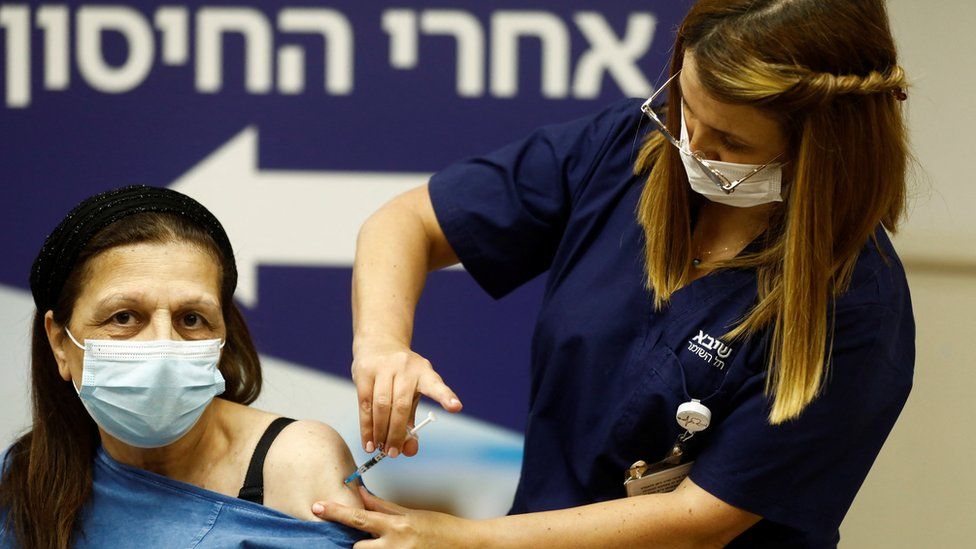
Sheba Medical Centre, Israel
 
In its ongoing battle to fend off the SARS-CoV-2 virus, Israeli government authorities and the country's top health official and medical authorizing body approved use of Merck & Co.'s antiviral pill for     COVID-19 patients -- molnupiravir -- as yet another arrow in its quiver of pharmaceuticals meant to counter the predatory effects of the coronavirus devastating the country.

The latest iteration of a COVID mutant has sent world health authorities into a scramble as the Omicron variant lives up to its early reputation as a potentially more transmissible virus than its predecessors. Infections keep hitting new world records, currently seeing an average of over a million cases each day between December 24 and December 30, as revealed by Reuters data.

The only bright spark in an otherwise endless dance of evasion with this often-deadly virus is that despite rising numbers of cases everywhere in the world, deaths have not risen proportionate to the infection numbers, reflecting a change in both the virus's modus operandi and final effects. Great relief, tempered by a 'wait-and-see' caution has resulted in a exhalation of bated breath with the realization of coping with a less lethal adversary.

And in Israel, which in the early months of the original COVID-19 sweep through the world community became a leader in swift remedial action in hopes of taming the untamable, daily cases with Omicron are anticipated in the coming three weeks to reach record high infection rates. Like other nations, Israel celebrated, congratulating the efficacy of its swift action in the first wave, thinking the virus was tamed only to learn soon afterward this was wishful thinking.

Salman Zarka, head of the Israeli health ministry's coronavirus task force, expressed his belief that herd immunity was far from guaranteed, given experience in the past two years that demonstrated some COVID-19 patients who had recovered from their intimate acquaintance with COVID had nonetheless later been reinfected.

Conventionally, herd immunity represents a population peaking at the top majority number of infections rendering its capacity to further infect those still vulnerable, less likely to occur. The population becomes protected either through vaccination or by individuals developing antibodies by contracting the disease, in large enough numbers to qualify as a situation of having achieved herd immunity.

Of Israel's 9.4 million population, approximately 60 percent have been fully vaccinated, mostly with the use of the Pfizer/BioNTech vaccine, meaning they have either received three doses or have recently secured their second dose. Yet a remaining hundreds of thousands eligible in the population for a third inoculation appear to have hesitated.

Director-General Ash of the Health Ministry is considering a fourth vaccine dose for those over 60, with severe morbidity avoidance in mind, following its approval a week earlier for those who are immune-compromised and for elderly people in congregate-care homes. The use of molnupiravir for COVID-19 patients over the age of 18 has been authorized by the country's Health Ministry which had signed a supply contract with Merck.

The pharmaceutical pill has been shown to reduce hospitalization and death by around 30 percent in a clinical trial, authorized in the U.S. last month for high-risk adult patients. Statistics that convinced Israel to order 100,000 units as well of Pfizer's Paxlovid antiviral pill for those aged 12 and older who are at risk of serious disease.

person receives 4th dose
Israel has approved a fourth vaccine dose for the immunocompromized and the elderly in care homes   Reuters

Labels: , , , ,

Friday, December 03, 2021

Omicron In Europe

Control
DPA
"Two years into the pandemic, we are not closer to knowing how it actually began. An independent investigation is impossible and key information is lacking. Leading publications are still debating the “lab leak theory” that posits that the virus actually came from a nearby lab."
"And then that very technology, like social media big-tech giants, was put into action to stop us asking questions about the 'lab', and doors were shut to us. Major organizations that were supposed to help stop a pandemic, like the World Health Organization, were telling people as late as January 14, 2020 that 'preliminary investigations conducted by the Chinese authorities have found no clear evidence of human-to-human transmission of the novel coronavirus (2019-nCoV) identified in Wuhan'."
"We’re still expected to believe, two years later, that we weren’t criminally misled regarding a preventable pandemic, and that basic information wasn’t denied the world in those key weeks in December 2019 and January 2020. Leading Western coronavirus researchers had been studying this exact threat in China in the years before the outbreak and yet, in January 2020, didn’t rush to warn the world or help provide insights into how to prevent a worse pandemic."
Seth J. Frantzman, Jerusalem Post 

"Based on mathematical modelling conducted by ECDC [European Centre for Disease Prevention and Control], there are indications that Omicron could cause over half of all SARS-CoV-2 infections in the EU/EEA [European Union/European Economic Area] within the next few months."
ECDC statement
https://www.schengenvisainfo.com/news/wp-content/uploads/2021/03/COVID-19-restrictions-quarantine-entry-ban.jpg
 
The world has changed in the last two years; entirely focused on a virus whose global effect has been to roil the world's economic status, alter the entire human social structure, challenge nature's own gifts to humanity, make recluses of gregarious creatures, send people into debt and insecurity, threaten food scarcity, effect a halt in the global distribution system, exhaust hospital resources and those who labour in them, destroy global cohesion even as another natural phenomenon known as climate change clangs another alarm to distract humanity from its preoccupation with the paltry issue of existence.

According to the European Union's public health agency the Omicron variant so recently emerged out of Africa may be responsible for over half of all COVID-19 infections on the continent within a few months. Even so, as yet no cases of severe disease have been identified in the region. Preliminary data relating to the high transmissibility of the Omicron variant is set to be demonstrated in real time, that its infectious rate is higher than that of the previous variant of interest, Delta, which has cut a swath through the world in its relentless wave.

The 27 EU member countries along with Iceland, Liechtenstein and Norway comprise the European Economic Area, where inflationary pressures related to the economic outcomes of the disease have presented as yet another challenge to be overcome. At the same time it is useful as a reminder that every time the world breathes a sigh of relief that the worst appears to have passed with COVID, leading to self-congratulations and openings to provide relief for  COVID-weary populations, COVID presents still more unwelcome surprises.

Omicron, according to the top French government scientific adviser, Jean-Francois Delfraissy, could replace Delta as the driving force of pathogenic infection by the end of January. To this point Europe has recorded just under one hundred cases of the new variant, half of which were asymptomatic, the other half with mild symptoms, with no cases featuring severe disease, hospitalization or death. Countries like Germany, Austria and Switzerland are in a parlous state of runaway infections.
Corona
 
As the  bloc's largest economy, Germany is on the cusp of launching stark restrictions on its unvaccinated population, a demographic that will not be permitted access to any but the most essential of businesses; grocery stores, pharmacies, bakeries. This in the hope of finally breaking the surge in coronavirus infections where Delta has been the culprit.  With the sudden appearance of a strain superior in its infectability rate, the weary state apparatus straining to protect its public, is pushed to the maximum. 

Hoping to skirt the ultimate solution of a complete lockdown that would impose a strain on the recovery of the German economy, businesses will be kept open to the 69 percent population fully vaccinated, along with those who have recovered from the virus. The fourth wave devastating Europe, risking the intensive care units being overwhelmed resulted in overwhelming numbers of new infections and deaths in Germany. With a vaccination rate standing at just under 70 percent Germany reflects the EU average.

Flirting with the potential of making vaccination mandatory and restricting the numbers of those in attendance at large events like sporting matches are among other dramatic measures being discussed. "How we can encourage and potentially think about mandatory vaccination within the European Union? This needs discussion. This needs a common approach, but it is a discussion that I think has to be led", said Ursula von der Leyen, head of the European Commission.

A sign that reads "Observe the obligation to cover your mouth and nose" is placed on Hohe Strasse shopping street as the spread of the coronavirus disease (COVID-19) continues in Cologne, Germany, December 1, 2021. REUTERS/Thilo Schmuelgen

Labels: , , ,

Saturday, November 27, 2021

Validating Confirmation in Vaccine Effectiveness

COVID-19 vaccine
"What  it shows is that if you're vaccinated you'll definitely be in the minority of people who end up with an infection, end up in hospital or end up dying."
"It 's the prevention of bad outcomes like death that the vaccine does an amazing job at, upwards of 90 to 95 percent."
"The rate of infections in vaccinated people is extraordinarily low ... and you're not taking into account that it was a much larger number that contributed to those infections."
"That leaves about 46 percent or so who are people who are eligible for the vaccine, but aren't vaccinated yet. Getting that population -- the ones who are eligible and easily vaccinated -- would go a long, long way [to reaching a state of herd immunity]."
"There's a strong argument that 50 and older is where we want to look as we have enough vaccine [to administer the third, 'booster' dose for maximum efficacy against COVID]."
"Obviously the most important thing is to get everyone vaccinated. That's No.1, but we're reaching a threshold where trying to [reach] that further bit is difficult."
Dr.Gerald Evans, infectious-disease specialist, Queen's University, Kingston
COVID-19 vaccine
Drive-thru clinic,Kingston.  CP/Lars Hagberg
According to a newly published study from Public Health Ontario, unvaccinated people account for 90.9 percent of all COVID-19 hospitalizations in the province, and 90.2 percent of all deaths due to the coronavirus. Fully vaccinated people in SARS-CoV-2 breakouts account for a mere 2.7 percent of hospitalizations and 3.3 percent of deaths, according to the report's data. The study represents the most detailed investigation yet of the effectiveness of the     COVID-19 vaccines, both at preventing infections and in limiting severe outcomes.

Data was examined from December 14, 2020 when the first vaccinations were rolled out in the province -- until November 14, including early stages of booster doses for the most vulnerable people in the province. Unvaccinated individuals, measured in the 30 days before the release of the study, were 4.8 times more likely to contract COVID than were fully vaccinated people, according to the study results.

Making up 91.7 percent of all COVID-19 cases in the province, those who remain unvaccinated obviously receive the brunt of the casualties of COVID infections. Infections that hit fully vaccinated individuals -- known as "breakthrough cases" account for only 3.8 percent of infections, with fewer than 0.2 percent of infections occurring in people having received a third dose of vaccine. 
 
Among people aged 60 and over, data are particularly alarming; in that age group those unvaccinated are over 16 times likelier to end up in hospital, as opposed to someone who is fully vaccinated. Seniors for the most part who have received a third dose -- which encompasses those over age 70, the immunocompromised and their caregivers at this juncture -- account for less than 0.2 percent of hospitalizations and under 0.1 percent of deaths.
 
"Yes, you could get infected if you're fully vaccinated, particularly if you're hanging out with someone who is infected and unvaccinated -- and that's what we're beginning to see because there is more soci8alizing going on since we're all desperate for it. But we know that the ultimate outcome is not going to be as bad", advised Dr.Evans. Of 11,154,162 Ontarians fully vaccinated by mid-November, 17.596 had undergone a breakthrough infection. 
 
Current vaccination rate in the province stands at about 78 percent of the entire population. Children aged five to 11 represent roughly 30 percent, with eligibility to receive pediatric doses of the Pfizer-BioNTech vaccine just ratified. Under age four children are not eligible for inoculation, accounting for about 15 percent of the unvaccinated.
 
Experience in Israel and some parts of the United States provide reliable evidence of the utility in expanding the third, booster dose of vaccine to the over-50 group: "Over age 50, you start to see a benefit to third doses", Dr.Evans explained.
 
page 1

Labels: , , , , ,

Wednesday, November 17, 2021

Pandemic Epicentre

"[With high levels of COVID immunity and a strong booster vaccination program, the UK is] unlikely [to experience a] catastrophic winter wave [of infections that would require a Christmas lockdown similar to last year]."
"[The UK is seeing a] hint of an uptick in the last few days [following weeks of declining case numbers and hospital admissions]. We've had very high case numbers - between 30,000 and 50,000 a day - really for the last four months, since the beginning of July.That has obviously had some downsides."
"It has also paradoxically had an upside of boosting the immunity of the population compared with countries like Germany, the Netherlands and France, which have had much lower case numbers and are only now seeing an uptick."
Professor Neil Ferguson, Scientific Advisory Group for Emergencies, U.K.
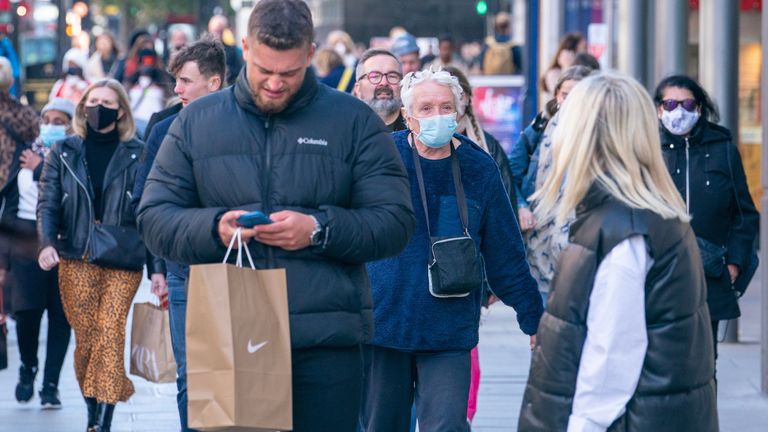
Shoppers wearing face masks on Oxford Street, in central London, as the Department of Health and Social Care is calling upon eligible people to get their covid-19 booster vaccinations. Picture date: Friday October 22, 2021.
The UK government is urging the public to get their booster shots   SkyNews
"Europe is back at the epicentre of the pandemic, where we were one year ago."
"[Countries in the region are at] varying stages of vaccination rollout [and region-wide an average of 47 percent of people are fully vaccinated."
"Only eight countries have fully vaccinated 70 percent of their population."
Dr.Hans Kluge, director, WHO 53-country Europe region

"We are clearly in another wave."
"The increased spread is entirely concentrated in Europe."
Anders Tegnell, chief epidemiologist, Sweden

"The epidemiological situation in Europe is very concerning now as we head into the winter with increases in infection rates [and] hospitalization." 
"And we can also see the increase in fatalities."
Fergus Sweeney, head of clinical studies/manufacturing task force, European Medicines Agency
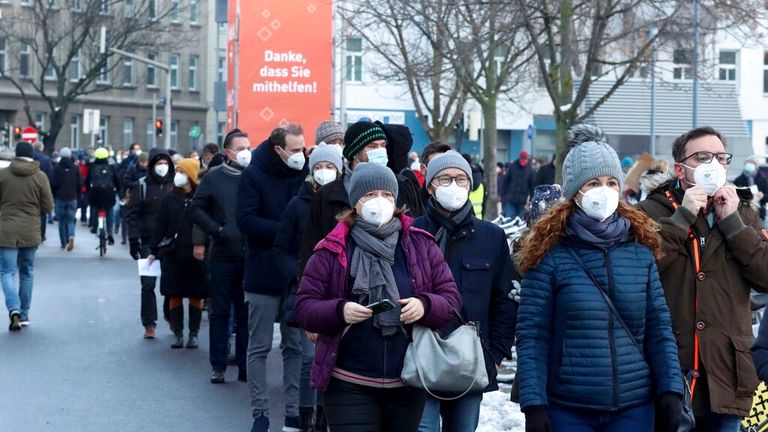
People waiting for a mass COVID-19 testing in Vienna, Austria
People waiting for a mass COVID-19 testing in Vienna, Austria   Sky News

Even as the WHO's director general declared Europe to now represent the global pandemic's epicentre, Austria took steps to place millions of its unvaccinated citizens under strict lockdown. Those over age 11 not double-vaccinated only permitted to leave their homes to attend school, work, for exercise or to secure essential supplies. Two million of the country's 8.9 million population were affected by the order. It is, in fact, similar in nature to Beijing's severe orders in response to COVID outbreaks.

A greater than 50 percent leap in coronavirus cases in the past month in Europe has made it the epicentre of the coronavirus pandemic; this irrespective of a more than ample supply of available vaccines. "There may be plenty of vaccine available, but uptake of vaccine has not been equal", observed WHO emergencies chief, Dr.Michael Ryan.

A woman wearing a mask looks at street art as she walks at the International Street Art Museum following the new social restrictions announced by the Dutch government, as the Netherlands battle to control the spread of the coronavirus disease (COVID-19), in Amsterdam, Netherlands 14 October 2020
The Dutch government has also announced new social restrictions for the Netherlands  Sky News
 
European authorities were urged to "close the gap" in the tempo and coverage of inoculation. Tedros Adhanom Ghebreyesus, the WHO director general, stated that those countries that immunized over 40 percent of their population should now take a halt in proceedings and donate doses to developing countries not yet able to offer their citizens a first dose of vaccine.

"No more boosters should be administered except to immunocompromised people", he said, calling for vaccine producers to prioritize the supplying of COVAX, a distribution agency developed by the UN to share vaccine doses on a global scale. Just one percent of Pfizer's supply of vaccines has ended up with COVAX, with Moderna providing a million doses to the developing world from late October. 

Although developing countries have to the present received fewer than one percent of the globe's     COVID-19 production of vaccines, in Africa and Southeast Asia cases fell by nine percent last week. In the meantime, over 60 countries began giving booster doses to combat weakening immunity before the onset of winter, which is when the latest wave of COVID-19 is anticipated.

Children ages five to 11 began receiving COVID-19 doses in the United States once authorities there made the decision of the benefits outweighing potential risks. Dr.Hans Kluge from Copenhagen's offices as director of the Europe region, warned that coronavirus hospitalization rates had more than doubled in one week alone, predicting that the trajectory would lead the region to see another half-million pandemic deaths by February.

The WHO Europe region stretches east as far as the former Soviet republics in Central Asia, tallying close to 1.8 million new cases weekly, representing an increase of some six percent from the week before, and 24,000 weekly deaths caused by COVID; a 12 percent gain.
 
A specialist wearing personal protective equipment (PPE) sprays disinfectant while sanitizing a chapel inside the building of the Leningradsky railway station amid the outbreak of the coronavirus disease (COVID-19) in Moscow, Russia October 19, 2021. REUTERS/Maxim Shemetov/File Photo
A specialist wearing personal protective equipment (PPE) sprays disinfectant while sanitizing a chapel inside the building of the Leningradsky railway station amid the outbreak of the coronavirus disease (COVID-19) in Moscow, Russia October 19, 2021. REUTERS/Maxim Shemetov

 Case increases of COVID-19 have risen across the continent, identifying it as the only region in the world where COVID-19 continues increasing. In Central and Eastern Europe there are several countries in particular seeing daily case numbers shoot skyward. The Amsterdam-based European Medicines Agency experts have urged people to get themselves vaccinated.

Labels: , , , , , ,

Monday, October 25, 2021

The Third Wave Pandemic in Europe

"There are two ways at this crossroads: vaccination or lockdown."
"Every day we face this challenge and this choice. I am totally against lockdown... because of the economy."
Ukraine's  President Volodymyr Zelensky
 
"Of course, not all that needed to be done was done for informing and explaining the inevitability and importance of vaccination." 
"But at the same time, citizens of our country need to take a more responsible position and get vaccinated."
Dmitry Peskove, spokesman, President Vladimir Putin 

"[In] the UK the strategy has been very much focused on letting vaccinations do all the work. And I don't think that's going to be enough."
"[It's a dangerous strategy that relies on the unvaccinated, like children, getting infected to create a] level of overall population immunity from natural infection and vaccination."
"The problem with that, of course, is that it not only allows for some unacceptably high level of hospitalization and death, but also that it may not work." 
'[Western Europe won't] reach the crisis levels that we saw in the past -- with field hospitals being set up -- [because] vaccines have definitely changed the game and in that sense there should be a lot of reason for optimism."
Dr. Peter Drobac, global health expert, University of Oxford's Saïd Business School, England
 
"[Europe needs to not] sleepwalk [its way to lockdowns and deaths of last winter]."
"We don't know what the epidemic period will be in two months, three months' time...we are going to have to be a little cautious ... a little careful."
Mike Ryan, executive director, health emergencies program, WHO
A health care and nursing assistant stands in the Covid-19 intensive care unit at Essen University Hospital, Germany.

Eastern Europe is soon to surpass coronavirus cases totalling 20 million, even as the region is trying to come to grips with the worst outbreak since the start of the pandemic, as their efforts at inoculating their populations fall steadily behind. Eastern Europe can reluctantly boast the lowest vaccination numbers in the whole of Europe, fewer than half the population to date receiving a single dose of COVID-19 vaccination.

At the top of the region's vaccination rates Hungary counts 62 percent of its population with at least one dose, while Ukraine's population has received a mere 19 percent of a first dose, according to Our World in Data. With the steady rise of new infections, the region now averages over 83,700 new cases daily. With 4 percent of the world's population, Eastern Europe has approximately 20 percent of all new global cases.
 
People protest against Covid-19 restrictions in Bulgaria on October 20 as cases skyrocket in the region.
 
And as sad and sorry statistics go, there's more, with Russia, Ukraine and Romania reporting the most deaths in the world. The rises are driven in many countries across Europe not only by low inoculation rates, but increasing measures to allow social gathering indoors when restrictions were being lifted and now that winter is setting in, that rise in COVID-19 infections will only keep increasing.

While infections continue their steady rise, social reaction has seen many people in the region increasingly insecure, uncertain whether to continue being defiant about refusing vaccines, and at the other end of the spectrum feeling profound regret for not having agreed to vaccination. In various cities, protests have arisen against mandatory certificates that limit access to indoor public spaces to those who have been fully vaccinated.

In the European Union, the bloc average of distrust of health systems stands at 18 percent, but in the eastern sector it is one in three people in the EU's east that express no trust, according to a European Commission Eurobarometer poll. Russia has over 40 percent of all new cases in the entire region, 120 people testing positive every five minutes, placing the nation's health care system through great strain. 
 
There, 36 percent of the population has received one dose of vaccine. Leading the government to declare that the capital Moscow will shut down all businesses next week with the exclusion of essential stores, in hopes of stemming the disease spread.

Medics work in the intensive care unit for Covid-19 patients in Moscow's Sklifosovsky emergency hospital on October 20.

Labels: , , , ,

Tuesday, August 10, 2021

Stress and Strain in the U.S. Medical System With the Delta Variant of COVID-19

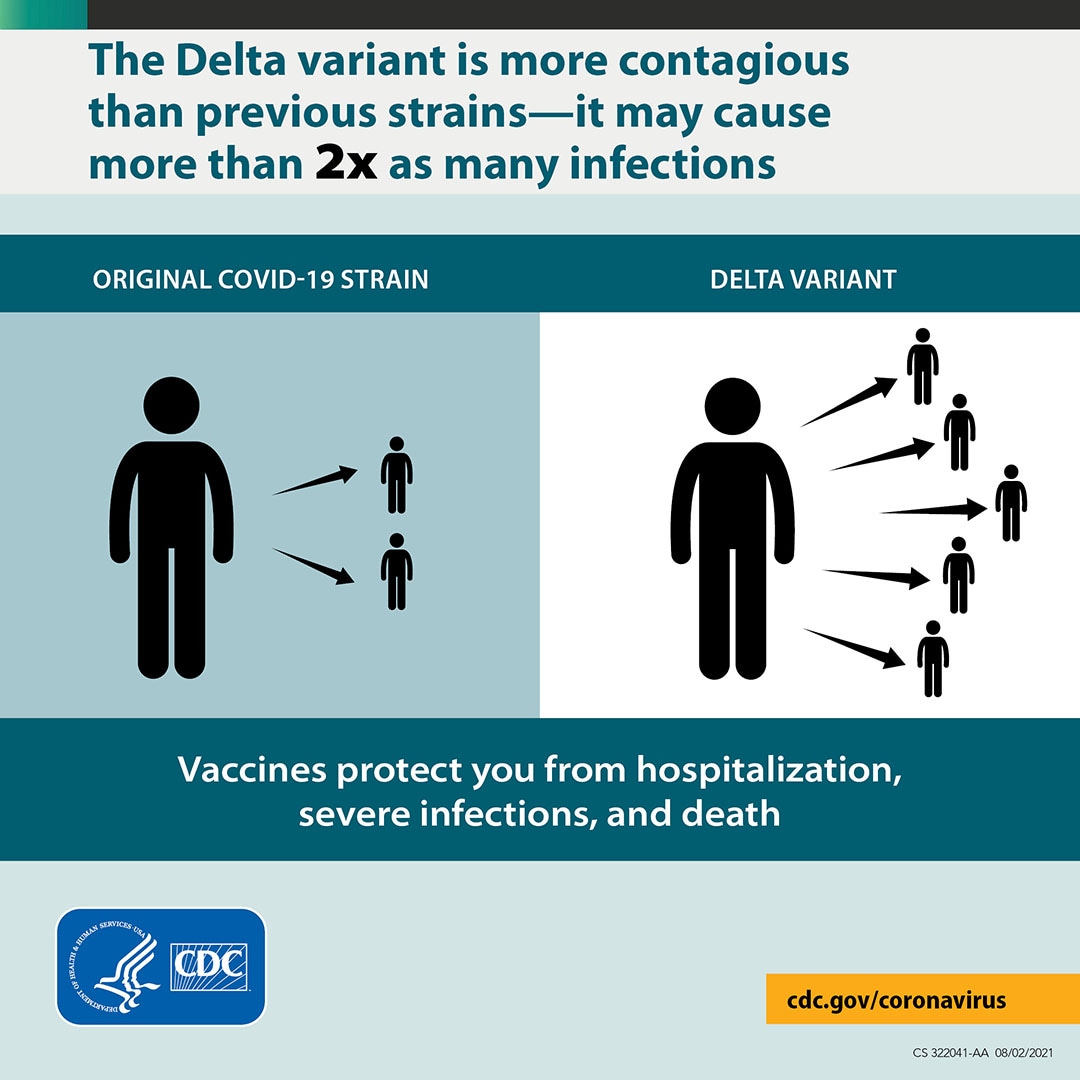
The Delta variant is more contagious than previous strains--it may cause more than two times as many infections. Vaccines protect you.

The Delta variant causes more infections and spreads faster than early forms of SARS-CoV-2

  • The Delta variant is more contagious: The Delta variant is highly contagious, nearly twice as contagious as previous variants.
  • Some data suggest the Delta variant might cause more severe illness than previous strains in unvaccinated persons. In two different studies from Canada and Scotland, patients infected with the Delta variant were more likely to be hospitalized than patients infected with Alpha or the original virus strains.
  • Unvaccinated people remain the greatest concern: Although breakthrough infections happen much less often than infections in unvaccinated people, individuals infected with the Delta variant, including fully vaccinated people with symptomatic breakthrough infections, can transmit it to others. CDC is continuing to assess data on whether fully vaccinated people with asymptomatic breakthrough infections can transmit. However, the greatest risk of transmission is among unvaccinated people who are much more likely to contract, and therefore transmit the virus.
  • Fully vaccinated people with Delta variant breakthrough infections can spread the virus to others. However, vaccinated people appear to be infectious for a shorter period: Previous variants typically produced less virus in the body of infected fully vaccinated people (breakthrough infections) than in unvaccinated people. In contrast, the Delta variant seems to produce the same high amount of virus in both unvaccinated and fully vaccinated people. However, like other variants, the amount of virus produced by Delta breakthrough infections in fully vaccinated people also goes down faster than infections in unvaccinated people. This means fully vaccinated people are likely infectious for less time than unvaccinated people.          Centers for Disease Control and Prevention

"We saw the largest single-day increase in hospitalizations and have eclipsed our previous high of COVID hospitalizations,"
"There are currently only eight ICU beds available in the state."
Arkansas Governor Asa Hutchinson
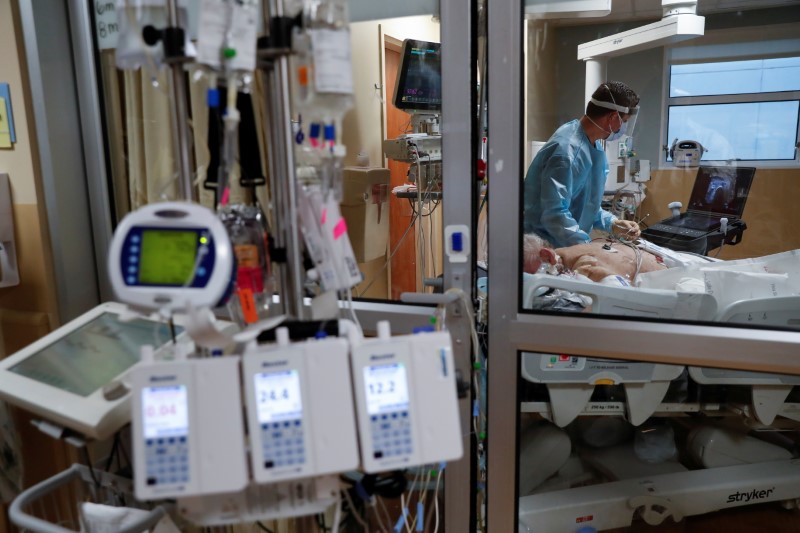
An intubated patient inside a negative pressure room in the Covid-19 ICU at a hospital in Joplin, Missouri, on Aug. 3.
An intubated patient inside a negative pressure room in the Covid-19 ICU at a hospital in Joplin, Missouri, on Aug. 3. Photographer: Angus Mordant/Bloomberg

The United States, which suffered the worst case load, hospitalization and death rates of any country, undertook a massive vaccination campaign to reduce the malignity of the SARS-CoV-2 virus and the first wave abated to the point where a sigh of collective relief relaxed the overall vigilance against the infectious and sometimes-deadly virus causing COVID-19. The horizon looked brighter everywhere until the virus began producing variants of the original strain that promised to be more infectious, slightly resistant to vaccines and producing more serious outcomes. 

One of those variants is the Delta strain which certainly turned out to be more communicable in a population and this is the strain that has been wreaking havoc in a return wave of COVID all over the world. In the U.S., a six-month high of new cases is being realized, thanks to the rapid spread of the variant, all the more in those areas of the country where low vaccination uptake has taken place. COVID cases now average 100,000 nationwide three days following each other, an increase of 35 percent over the week before. 

Arkansas Faces ICU Bed Shortage As Delta Variant Fuels Covid Surge
A nurse prepares to enter a room to treat a patient in the Covid-19 ICU ward at a hospital in Jonesboro, Arkansas, on Aug. 4.    Photographer: Houston Cofield/Bloomberg

The state of Arkansas has the misfortune of representing the greatest number of fatalities by population in a nation where a rise of 40 percent has been seen in hospitalizations -- and deaths registering an increase of 18 percent. Records for hospitalization were set in Florida over an eight-day period. The second-largest teaching union in the country announced it is backing mandated vaccinations for American teachers with a view to protecting students too young for inoculation.

The reason for that precaution is obvious enough, seeing that the number of children with COVID-19 being hospitalized is rising country-wide, representing a trend which, according to health experts recognizes the Delta variant as more likely to infect children, as opposed to the original Alpha strain of the virus. The reduction in cases overall in the country in late spring into summer led to pressure to ensure that parts of the population remaining uncertain or uneasy or reluctant to be vaccinated, is gaining momentum.

California, New York and Virginia have mandated vaccinations for their populations; failing that, that weekly testing be undertaken for state employees. Several cities have stood out for their firm position requiring municipal employees to be vaccinated for the public good. New rules were set out last month by the Biden administration that federal workers must provide proof of having been vaccinated, or alternately undertake regular testing, while a mask mandate has been reimposed, along with travel restrictions.

A critical care respiratory therapist works with a coronavirus disease (COVID-19) positive patient in the intensive care unit (ICU) at Sarasota Memorial Hospital in Sarasota, Florida, February 11, 2021. REUTERS/Shannon Stapleton
A critical care respiratory therapist works with a coronavirus disease (COVID-19) positive patient in the intensive care unit   Reuters

Private enterprise is also choosing to become involved, mandating COVID-19 vaccinations for their employees. Large national employers like United Airlines, Tyson Foods Inc. and Microsoft are among those corporations mandating vaccination for their employees. Large-scale events have been cancelled, although some events plan to carry on -- like the small town in South Dakota, where the annual Sturgis Motorcycle Rally is set to carry on as usual, preparing to welcome hundreds of thousands of motorcycle enthusiasts. 

Certain to become a super-spreader event.


Labels: , , , , , , ,

Sunday, July 11, 2021

When Success Turns to Desperate Need

"We cannot live with this variant. No place on Earth has unless they have their vaccination rates much, much higher than what we  have."
"Otherwise, it subjects the population to thousands and thousands of deaths."
Gladys Berejiklian, premier, New South Wales
A lone woman wearing a protective face mask pulls a suitcase through the city centre during a lockdown to curb the spread of a coronavirus disease (COVID-19) outbreak in Sydney, Australia, July 6, 2021.  REUTERS/Loren Elliott
A lone woman wearing a protective face mask pulls a suitcase through the city centre during a lockdown to curb the spread of a coronavirus disease (COVID-19) outbreak in Sydney, Australia, July 6, 2021. REUTERS/Loren Elliott
 
Celebrated internationally for their swift reactions that worked to suppress the global pandemic last year, the death toll in Australia and South Korea was comparatively low in comparison to the United Kingdom and the United States. One critical oversight: their vaccination rollouts have now placed them in a position of public vulnerability to COVID-19 outbreaks. And this, at a time when the Delta variant has been wreaking havoc world-wide.

On Friday, South Korea brought out its highest level of restrictions across Seoul and the surrounding area of virus-related restrictions, leaving half of the country's 52 million population affected. "We are facing the biggest crisis with our containment efforts with the daily new cases hitting a record every day", Prime Minister Kim Bookyun explained as he announced the new lockdown measures, including gatherings of over two people after 6 p.m. banned, and shutting school operations down.

The worst was yet to come for South Korea, warned head of the Korea Disease Control and Prevention Agency, even as the vaccine drive was strengthening. Gen.Paul LaCamera, leading 28,500 American troops stationed in South Korea, reintroduced tougher controls on military personnel movements. "While we have achieved a more than 80 percent vaccination rate, we are witnessing small clusters of the virus spread within select locations", he said.

In Japan, Prime Minister Yoshihide Suga was forced to declare a state of emergency in Tokyo with the additional statement that the Olympics will now be held for the most part in the absence of spectators. Across the Asia-Pacific governments have been forced to swiftly impose tougher lockdowns in the face of the highly contagious COVID-19 Delta variant's sudden resurgence, one that is straining health systems and creating anxiety among their public, with vaccination drives interrupted by delays and shortages.

Among the worst hit of the countries in the region, Indonesia's 270 million people are in the throes of its deadliest outbreak since the introduction of the pandemic; its medical system struggling to cope with record numbers of cases, and with a daily death toll that has doubled in the past week to over 2,000. Authorities warn the number of new infections may surge up to 70,00 after surpassing 34,000 in mid-week.
 
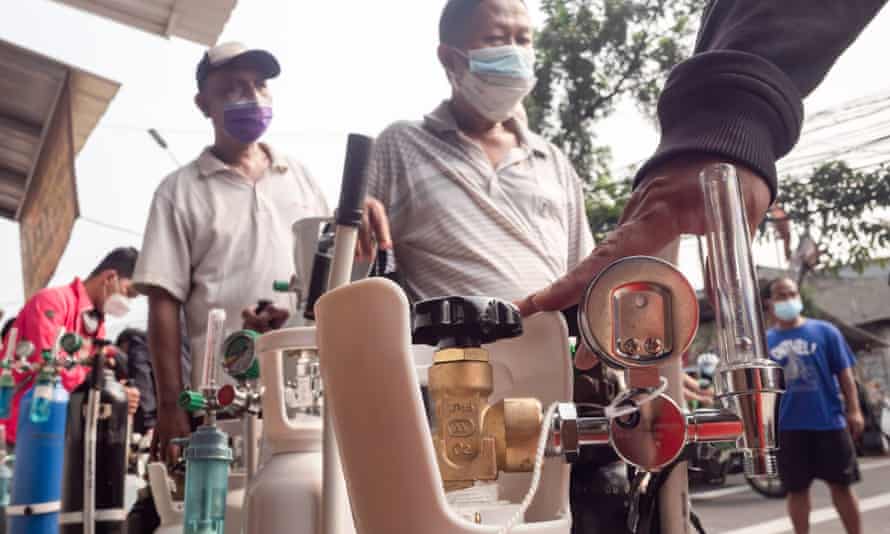
People wait in line to refill their oxygen tanks at a filling station in Jakarta
People wait in line to refill their oxygen tanks at a filling station in Jakarta. Indonesia is facing an oxygen crisis amid a surge in Covid-19 cases. Photograph: Wisnu Agung Prasetyo/SOPA Imag/Rex/Shutterstock
 
Hospitals are reaching capacity and turning patients away, with the government attempting to import oxygen tanks from neighbouring countries, their own supplies exhausted. Indonesia has been reliant on the Chinese Sinovac vaccines, but its rate of vaccination has been tardy, in the midst of supply shortages, apart  from its less-than-optimal efficacy rate, made all the more severe by the Delta strain.
 
Authorities in Australia warn thousands of people could die, taking into consideration the Sydney outbreak with its Delta variant link, should it not be brought under control. The city of 5 million has failed to quell active case clusters despite a two-week lockdown, requiring a tightened activation of restrictions in a desperate bid to block any further spread and to control the level of infection.

People wearing protective face masks sit before receiving a dose of the coronavirus disease (COVID-19) vaccine during the mass vaccination program at the Tangerang City Government Center, in Tangerang on the outskirts of Jakarta, Indonesia, June 30, 2021. REUTERS/Ajeng Dinar Ulfiana/File Photo
Mass Vaccination clinic, Seoul, South Korea -- Reuters

Labels: , , , , ,

Friday, June 11, 2021

Post-COVID Normalcy Spectacularly Uncertain

"Right now, most Delta cases are caught at border entry points and there has been relatively few cases within the country."
"[It's almost certain Delta will overtake Alpha in Canada], once lockdown and sanitary measures are eased."
"[Moreover another pandemic wave is possible, one that] will affect severely those not vaccinated, and mildly those vaccinated once."
"This is why there is a race against the clock for national double-vaccine coverage."
Dr.Marc Andrew Langlois, lead, Coronavirus Variants Rapid Response Network, University of Ottawa virologist

"I think having 90 percent of our population with two doses would put us in a really strong position."
"We don't know how transmissible any of these variants are really going to look in a fully reopened population, because none of them have ever seen a fully reopened population, really."
"So, we don't know. Do we need 95 percent protection, or 95 percent immunized? Do we need 85 percent? What do we really need?"
"We're going to need 80 plus percent of our population immune, which means more than that immunized. [The authorized vaccines are] awesome and wonderful and great and innovative [but they're not perfect]."
"Our best guess would be that if we just went for it, and reopened with only 75 percent of eligible people vaccinated, that's not enough. We would see so many infections in the rest."
"Now it's getting a little less predictable because we don't really know in a Canadian reopened population how transmissible these variants are. But we think it's going to be not great."
"I think it's probably a great starting point for starting to reopen. But I don't think it's going to get us there in terms of a completely fully back-to-normal life."
Dr.Caroline Colijn, COVID modeller, epidemiologist, Simon Fraser University
David Burga and his wife Jeanne Chai enjoy a breakfast made by someone else for a change. Cafe Diplomatico was open for breakfast as of 8 a.m. Friday morning.
The Star
 
Into the unknown. This is where the world is headed as it hopes to resume normalcy once it reckons the SARS-CoV-2 virus causing COVID-19 has been tamed. If it is ever tamed. Although expectations are there alongside the uncertainties. Insecurity of opinion exists because no one considered to be an expert in viruses and their behaviour based on past experiences, now faced with a virus that outdistances all others in unexpected effects and a whole host of confusing complications, vexes understanding even while the experts are forecasting events to come and hoping for the best.

On the surface it is beginning to look as though the COVID adventure that turned Canada upside down and inside out may be lingering, but is on its way to softening its presence before finally succumbing to medical science and the science of the herd effect. And then there is the wild card represented by a virus whose mutations have resulted in more devious, infectious, and effects-negative variants. Each of the recognized new variants appearing to be more threatening than the last. And with the literally thousands of mutations, the concern that a new variant may surface whose threat level may outdistance all others.

The hope that once enough numbers in any population are finally vaccinated with the recommended two first doses, their immunity level will serve to protect not only the individuals but the larger community, leaving COVID-19 to slink away, no longer posing the dire threat it represents today. Canada is preparing to reopen, socially, and structurally, in the hope that businesses will reopen, people return to work, the economy will pick up, and normalcy will resume.

And then there's the reminder from the country's chief public health officer, that there is a wild card over the horizon, the Delta variant causing greater infections in India and whose presence is now guaranteed to be "essentially across Canada". Not precisely widespread and dominant yet, but on the cusp of being so. Just awaiting the opportunity that reopening will present it with, so to speak. There is always the experience of the United Kingdom to use as an assessment tool of the opportunistic virus.

There, in the United Kingdom, Delta has succeeded in surpassing Alpha (formerly identified as the U.K. variant). Britain is a week away from its full reopening. An event that could quite possibly be cancelled or put on hold as the case may be, in the wake of runaway infections, thanks to Delta;s prevalence. Judging from Britain's experience, there is every expectation that Delta will succeed in overtaking Alpha as the primary virus in Canada. "Once lockdowns and sanitary measures are eased".
 
Cumulative UK Covid-19 vaccinations
 
The simple fact of the matter is that double-vaccinations offer up to 90 percent protection against Delta, whereas a single shot, which is where most Canadians are at this juncture, offers far less protection. Which is why provinces should be planning to achieve 90 percent vaccine coverage and not just the 75 percent threshold initially set, to ensure there will be a safe reopening situation. Another issue is that children under 12 are ineligible for inoculations, along with the fact that some people cannot be vaccinated for reasons medical. Leaving a potential third of the population still vulnerable.

All it takes is for every person infected with Delta to spread the infection to four or five others: "That's when we would start talking about waves, and fourth waves", said Dr.Colijn. People may have spoken about waves: "really the waves have just been, we've turned on and off our control measures, and then the cases have risen and fallen, and we've gone, 'Oh, look, a wave'. But it's not." It's been completely predictable, cautioned Dr.Colijn, holder of a Canada 150 Research Chair in Mathematics for evolution, infection and public health.

Early evidence suggests that three weeks following the first dose of either Pfizer-BioNTech or AstraZeneca, either provides 33 percent protection against symptomatic infections with the Delta variant with the second dose of Pfizer boosting that to 88 percent, and a double dose of AstraZeneca provides 60 percent protection against Delta. The variant of concern may also cause more severe disease, given early evidence from England and Scotland suggesting an increased risk of hospitaliztion compared to Alpha cases.
"[Higher infectivity means Delta could conceivably] rip through unvaccinated populations if life returns to normal in a fortnight."
Peter Openshaw, professor of experimental medicine, Imperial College, London

"If we have unvaccinated, or partially vaccinated pockets, if there are dense networks out there of people who are vaccine hesitant, the risk that they will eventually get infected between October and April 2022 is very high."
"That's the challenge here."
Dr.Peter Juni, scientific director, COVID-19 science advisory table, Ontario
Peel Region Medical Health Officer Dr. Lawrence Loh prepares to give an injection of the Pfizer-BioNTech COVID-19 vaccine in an overnight clinic at the International Centre in Mississauga, Ont., on May 16 and 17, 2021. (Evan Mitsui/CBC)

Labels: , , ,

Saturday, June 05, 2021

More COVID Vaccine Complications

"One can never be sure, but it is more than coincidental."
"We are learning more about this every day."
"The medical community is very concerned and parents of young folks are very concerned."
"While these symptoms might be concerning, the outcomes are usually very benign, and it is still pretty rare."
Dr.Peter Liu, cardiologist, chief scientific officer, University of Ottawa Heart Institute
 
"Based on reports received, Canada is not seeing higher rates [of heart muscle inflammation] than would be expected in the general population [outside of a vaccine context]."
"Health Canada, the Public Health Agency of Canada, and the provincial and territorial health authorities are aware of these cases and will continue to monitor closely."
Health Canada 
An Israeli health worker administers a dose of the Pfizer-BioNtech Covid-19 vaccine to a woman at Clalit Health Services in January in the Israeli coastal city of Netanya. (Jack Guez/AFP/Getty Images)
 
Concerns are being raised in the medical community by a recently published report when Israeli scientists this week focused on findings that between one in 3,000 and one in 6,000 men between the ages of 16 and 24 had developed myocarditis (heart muscle inflammation) following both doses of the Pfizer/BioNTech COVID-19 vaccine in Israel.Though most cases turned out to be mild the revelation nonetheless has elicited concern by both parents and doctors.

While the general rate of myocarditis in any population is between one in 10,000 and one in 20,000 the rate reported among young men in Israel was 25 times higher. The report out of Israel represents the first extensive study making a link between rare instances of heart inflammation with COVID-19 vaccines. Similar cases have been reported elsewhere globally. "Canada is not seeing higher rates than would be expected in the general population", assured a spokesperson for Health Canada.

Despite which, Dr.Peter Liu, a leading Ottawa myocarditis specialist has seen two cases in recent months he attributes to vaccination. While the cases are yet under investigation Dr.Liu's belief is that there is a distinct connection with mRNA COVID-19 vaccines, a category both Moderna and Pfizer represent. One of the cases was that of a health professional who developed severe symptoms four days following vaccination with a Pfizer vaccine.
 

A 16-year-old in Tel Aviv, Israel, receives a dose of the Pfizer-BioNtech COVID-19 vaccine on 23 January.    JACK GUEZ/AFP via Getty Images

While myocarditis has resulted, albeit rarely, with the use of both Pfizer and Moderna, higher rates have been associated with a second dose. The U.S. has launched an investigation into the link with mRNA-based vaccines. Dr.Liu emphasizes that cases of myocarditis linked to inoculations with the mRNA vaccines are quite rare, with mostly mild symptoms, noting however, that they can persist to cause long-term side effects in more severe cases.

Pfizer
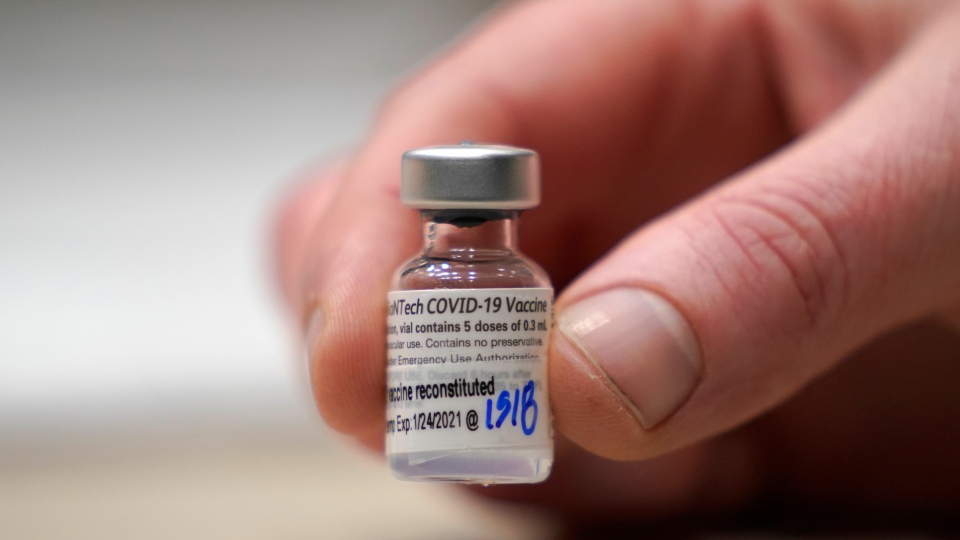
 Pfizer vaccine for COVID-19(AP Photo/Ted S. Warren)
The benefits, however, of vaccinating against COVID-19 vastly outweigh the minuscule likelihood of contracting myocarditis, he stresses, all the more so with the ongoing circulation of COVID-19 virus with more dangerous new variants beginning to take the lead in new outbreaks. Symptoms can include persistent chest pain, shortness of breath, dizziness or irregular heart rhythm, occurring within several days of being vaccinated. Symptoms which should prompt people to seek medical help.

"If untreated, severe cases can cause heart failure, stroke, rapid or abnormal heart rhythms, or sudden cardiac death", according to Health Canada. Dr.Liu was quoted stating that lowering the dose in young people might be "worth considering". The findings from Israel suggested the link between the Pfizer COVID-19 vaccination and heart muscle inflammation was at least statistically, a real phenomenon.

Labels: , , , ,

Thursday, May 27, 2021

Convincing the Unconvinced

"You want kids to get vaccinated not just for herd immunity, but [for] their own health."
"Parents may do a different kind of cost-benefit calculus when they are thinking about vaccinating their children."
"[Evidence from some jurisdictions show that] ethically justified legal mechanisms [have an impact on vaccination rates]."
"Get vaccinated and you have access to a 'public good' -- such as a school".
Timothy Caulfield, Canada research chair, health law and policy, University of Alberta
 
"What has changed is those that were unsure. Among those that were unsure in the early days of the pandemic, about half have said they now plan to vaccinate, while the other half remains unsure."
"So, we can expect that while acceptance may have improved somewhat since the early stages of the pandemic, it's likely that this is lower for children than [for] the general population."
Erin Hetherington, social epidemiologist, lead author of study
 
"We have a much more human-rights-based view of children as persons with value unto themselves who are afforded human rights [in Canada]."
"Most 12-year-olds really are quite well informed."
"Sometimes the answer is to say, 'Let's not do it this week. But let's think about it next week'."
"As far as kids are concerned, if it will get them back to normal life, then it's a good thing. We do know that children are struggling with loneliness, depression and anxiety."
Michelle Mullen, bioethicist, Children's Hospital of Eastern Ontario 
Mae Smith, 13, gets her first dose of the Pfizer-BioNTech COVID-19 vaccine at a clinic held at Don Bosco Catholic Secondary School in Toronto on Wednesday. (Evan Mitsui/CBC)
 
Now that anti-COVID vaccination doses are relatively flush in Canada, the gradual opening to age groups for inoculation has finally resulted in most provinces opening their vaccination clinics to all age groups, including children over age 12. Everyone is anxious to see life graduate back to the kind of social routine that is customary. Health professionals worry in particular about people's mental health, struggling with isolation and loneliness. And children are no exception. Schools closed to in-person learning, pivoting to remote learning has been a difficult transition for most children.

They miss the company of their peers, they miss the routine discipline, they miss the casual-by-comparison lives they left behind a year-and-a-half ago through no fault of their own. Other than the fact that transmission of the SARS-CoV-2 virus causing COVID-19, among the young gathered together in school classrooms, despite the exceptional care given to try to maintain distance and to remain in discrete bubbles and to wear masks and observe necessary hand-washing hygiene, remains high. And while children tend to become less ill with COVID, variants arise and transmission from schools to community accounts for a fairly high percentage of COVID cases.

Now that teens are being invited to make appointments for vaccinations, the question arises; how many will respond affirmatively. Initially there was a rush of those committed to gaining vaccine coverage making appointments as recommended. What remains open to speculation is how many teens, including the parents of those teens, will continue to book those appointments? Acknowledged as being key to prevention of the virus spread, plus the variants, it is of great importance that young people be vaccinated. It is also the very way that they will themselves benefit more directly by returning to school, to sports and to normal social activities, to ensure sound mental health.
 
Young people in the 12-16 age cohort got their first doses of the Pfizer vaccine at the vaccine clinic at Don Bosco Catholic Secondary School in Toronto this week. (Evan Mitsui/CBC)
 
While it's true that the COVID experience has demonstrated that children tend not to have serious symptoms of the virus, thus have far less reason to be hospitalized, much less die, if seriously infected, an estimated 83,000 young people under age 20 have tested positive for COVID in Ontario alone since the advent of the pandemic. Four of them have died of COVID-19. Some parents vacillate over vaccination for their children; many are prepared to have their children inoculated, others plan not to, but there is a middling number who remain uncommitted, preferring to 'wait and see'.

A survey was undertaken of 1,321 mothers in Alberta with children aged between nine and twelve who were asked whether they intended to vaccinate their children. Of the total, 60 percent stated their unhesitating intention to vaccinate, and nine percent that they had no intention of doing so, leaving 31 percent who felt uncertain. What did crop up as an anomaly was that only 60 percent of families whose children had complete infant routine vaccinations, agreeing they intended to vaccinate against COVID.

The Centers for Disease Control and Prevention in the United States recommended everyone over age 12 be vaccinated, leading to reports of teens who have been placed in the position of waiting until they turn 18 years of age when they are deemed legally able to make their own decisions independent of parents who will not agree to permit their children to be vaccinated. The legal position of teens in Canada is not the same. Under Ontario's Health Care Consent Act, no age of consent is stipulated; a presumption of capacity rules. The patient is held to understand the nature of the medical treatment under proposal in a way that is appropriate and accessible.

The patient is held to comprehend consequences, positive and negative; the vaccine will prevent serious illness and hospitalization, even while there may be some side-effects and rare reactions. Also understood must be the decision to accept a medical treatment be informed and voluntary. Even should parents reject vaccination, no young person seeking vaccination will be denied. On the other hand, any young person who clearly states they have no wish to be vaccinated, cannot be coerced into inoculation.

COVID-19 vaccine
In this Wednesday, March 24, 2021 image from video provided by Duke Health, Alejandra Gerardo, 9, looks up to her mom, Dr. Susanna Naggie, as she gets the first of two Pfizer COVID-19 vaccinations during a clinical trial for children at Duke Health in Durham, N.C. (Shawn Rocco/Duke Health via AP)

Labels: , , , ,

 
()() Follow @rheytah Tweet