Ruminations

Blog dedicated primarily to randomly selected news items; comments reflecting personal perceptions

Wednesday, October 04, 2023

Artificial Intelligence : Revolution In Health Care

"This is our strength, we have a deep understanding of what is takes to get algorithms into practise."
"It is in our DNA, we have been doing it for so long."
Dr. Doug Manuel, head, TD Artificial Intelligence in Medicine hub, The Ottawa Hospital

"The promise of what AI can deliver to the system is something that has galvanized people more than anything I have seen [in recent years]."
"The computer is able to take this huge amount of information. It can integrate it pretty quickly and be able to give us some sense of severity of the disease and help in terms of evaluation."
Dr. Fahad Razak, internist, Canada Research Chairperson in Healthcare Data and Analytics, University of Toronto

"[AI can also potentially be used to predict who will develop cancer, Parkinson's disease and other serious illnesses]."
"That is what we foresee this work is going to evolve into. We are very excited about what the next two to three years will bring."
"[AI should enable better planning and use of resources."
Dr. Ibukun Abejirinde, scientist, Women's College Hospital, Toronto

https://www.wsiworld.com/hs-fs/hubfs/pexels-artem-podrez-5726794%20%281%29.jpg?width=837&height=470&name=pexels-artem-podrez-5726794%20%281%29.jpg
 
Artificial intelligence is becoming an indispensable tool in medical science, from early detection of disease to reducing the burden carried by doctors' responsibilities, the essential methods of medical practise are changing. There are some elements that have already long been put into use, despite the excitement and emphasis just latterly being demonstrated over what can be accomplished with the use of artificial intelligence.

Researchers at The Ottawa Hospital pioneered predictive tools that are recognized as the foundation of AI, placing Ottawa-based researchers and health providers at the forefront of what is fast becoming an AI revolution in health care. An algorithm used by doctors around the world for the last three decades to accurately predict which patients appearing in emergency departments with injured ankles have broken bones and require X-rays, was developed in Ottawa.

Named the Ottawa Ankle Rules, published in 1992 by emergency department doctors of what was known back then as the Ottawa Civic Hospital, led by Dr. Ian Stiell, the predictive tool has become a mainstay globally. Over the years clinical testing confirmed the rules accurately assist doctors to separate the diagnosis of sprained ankles from broken ankles, resulting in a reduction of wait times and the required use of X-ray machines.

According to the rules, an X-ray is required only if pain is felt in one of two specific zones of the foot, and the patient is unable to bear weight. Not only is the development and use of the predictive algorithm a strength of researchers and clinicians in Ottawa, they represent as well foundations of artificial intelligence. What is undergoing change is data increasingly available now to create predictive algorithms and other AI forms to assist health-care providers in decision making and to predict which patients are most at risk.

Dr. Razak, at University of Toronto, spoke of AI's potential during a session on artificial intelligence, remarking that although AI has not yet significantly influenced care delivered at patient bedsides, he anticipates this to change within the next five years. Use of artificial intelligence to predict who will develop Type 2 diabetes and to predict which patients are at highest risk to be transferred to intensive care with deteriorating conditions are among projects already underway with AI.

At the University of Ottawa Heart Institute artificial intelligence is being used to guide doctors in making more accurate diagnoses more expeditiously based on information garnered from some diagnostic imaging of the heart. Huge amounts of information can be made available through imaging with a computer to determine whether a patient is in danger as a result of arteries narrowing, and the urgency involved when immediate treatment is required.

https://miro.medium.com/v2/resize:fit:2000/format:webp/0*nTszB0E5rNayqOKR.png

Labels: , ,

Friday, July 21, 2023

The Power of Conviction

"The number of personalized drugs on the market has doubled in the past five years. Understanding how a patient's beliefs may affect personalized treatments could encourage researchers to better control for them when developing new drugs."
"We wanted to see whether these treatments are more effective for something other than just their chemical components. Contextual factors [are important in determining a treatment's effectiveness]. This can be patient expectations. These can be the process of personalizing the treatment, the setting where people receive the treatment and what kind of communication they receive from the physician or from the clinician that they received the treatment from."
"If it is confirmed in clinical settings then it could suggest that at least a part of the personalized treatment's effectiveness is due to the placebo effect. So, researchers need to control for it more when developing personalized drugs, and clinicians could use it when delivering these drugs."
"Participants who scored high on wanting to feel unique benefited the most from the machine when it was presented to them as personalized to their genetics."
Dasha Sandra, master of science graduate, neuroscience program, McGill University

"Currently, clinicians delivering personalized treatments know little about how psychological factors can improve their patients' outcomes."
"Our findings, if confirmed in clinical studies, could help clinicians harness these factors to deliver personalized treatments more effectively."
Mathieu Roy, associate professor of psychology, McGill University
https://smartcdn.gprod.postmedia.digital/nationalpost/wp-content/uploads/2023/07/Untitled-design-1.jpg?quality=90&strip=all&w=1128&h=846&type=webp&sig=qNNLKAcZCd9f5o4V6gmiaQ
Researchers in the department of psychology at McGill University undertook a study with the enrolment of 102 adult subjects, finding early evidence that convincing someone verbally that a health remedy has been personalized just for them, can vastly increase effectiveness.  The study subjects received forearm heat stimuli causing pain after which they were given an electric current which it was explained would reduce the pain. The treatment in actual fact was a sham, but those in the study informed the treatment was personalized, found it to be more effective than the rest of the subjects who received the placebo.
 
The results concluded that patients informed their treatments were personalized reported an 11 percent reduction in pain intensity, with the pain that was experienced being 15 percent less unpleasant in comparison to a three percent reduction on both counts for those who were told the treatment was generally effective. Personalized medicine makes use of genetic information and physiology in tailoring treatments to an individual patient, with the intention of delivering more effective results. Its use is gaining in popularity. 

For the study, participants underwent a process mimicking that of patients who actually are the recipients of personalized treatments in reality. The participants were given a sham genetic test, then informed it would be analyzed by doctors. A fake psychological test was also administered. The study conductors made a pretense of adjusting a machine to reflect the personalization of what they claimed was based on the results of the sham tests. 

What the placebo effect represents is any effect from a treatment unrelated to its pharmaceutical compounds. "The effect of the treatment (is) based on the patient psychology rather than based on the context of the pill", explained Ms. Sandra. And while scientists are uncertain precisely how the placebo effect works, it is recognized for its potentially powerful effects. There are theories justifying the effectiveness of the placebo effect; that less anxiety may result, or that it could lead to a change in the state of a patient's brain, or the release of endorphins in the brain may occur when patients believe in the treatment's effectiveness.

A personality test was required of the study participants which led the researchers to the conclusion that people who value feeling unique could be more greatly influenced by the placebo effect. It was from among these study subjects that reports of greater pain relief emanated than from the sham personalized treatment.
 
McGill University


Labels: , , ,

Saturday, February 06, 2021

Brave New World of Robotic Aides

"Social robots like me can take care of the sick or elderly."
"I can help communicate, give therapy and provide social stimulation, even in difficult situations."
"Someone said, 'We have nothing to fear but fear itself'. What did he know?"
Sophia, humanoid robot, Hanson Robotics laboratory, Hong Kong 
https://static.reuters.com/resources/r/?d=20210125&i=OVDWPJHI3&r=OVDWPJHI3&t=2
Sophia's makers plan an 'army' of robots in 2021  Sophia: still from video
"The world of COVID-19 is going to need more and more automation to keep people safe."
"Sophia and Hanson robots are unique by being so humanlike. That can be so useful during these times where people a re terribly lonely and socially isolated."
David Hanson, founder, CEO, Hanson Robotics
https://static.reuters.com/resources/r/?m=02&d=20210125&t=2&i=1548913120&r=LYNXMPEH0O023&w=1600
Sophia, explaining her functionality at the Hanson laboratory in Hong Kong, China.  Tyrone Siu, Reuters

 First introduced to the public in 2016, humanoid robot Sophia's existence and proposed purpose has become a matter of great public interest. Motivating the company to envision a new, expanded role for their humanoid robots to enhance human existence; the mass-production of robots like her for greater acceptance in expanded roles to serve the public interest in a huge variety of ways by the end of this year of 2021. An obviously opportune time and a need in an era of a global pandemic shutting down human commercial enterprise at a time of great medical-health stress.

The company has produced four models of their robots with the inclusion of Sophia, and plans if all goes well to begin a rollout of these models in expansive numbers through their factories during the first half of the year. A clear response to researchers' prediction that the pandemic would open up new commercial opportunities for the industry of humanoid robotics. Hanson himself envisions robotic solutions to the presence of the epidemic to be unlimited, to go well beyond health care.

That the robots could readily be trained to service positions within the retail and airlines industry to name but a few, means limitless possibilities. He can foresee his company producing and distributing for sale "thousands" of the robots, whose sale and usefulness could conceivably become a bedrock industry in this new age of enhanced caution due to communicable diseases. 

https://static.reuters.com/resources/r/?m=02&d=20210125&t=2&i=1548913117&r=LYNXMPEH0O022&w=1600
Founder and CEO of Hanson Robotics, David Hanson in his robotics laboratory  Tyrone Siu, Reuters
 
 Johan Hoorn, social robotics professor at Hong Kong Polytechnic University, has worked with Sophia in his research. He feels that despite the fact that the robotics technology is in its relative initial stages, the pandemic could play the role of accelerating a human-robot relationship. "I can infer the pandemic will actually help us get robots earlier into the market because people start to realize that there is no other way", he explained.

Another robot named Grace is being launched by Hanson Robotics this year which has been developed specifically with the health-care sector in mind. But Hanson Robotics is not the only robotics firm with expansion ideas in mind. Soft Bank Robotics' Pepper robot was used in the fight against the pandemic to detect people who weren't following COVID safety rules by wearing face masks. Robotics company CloudMinds in China helped to set up a robot-operated field hospital during the novel coronavirus initial outbreak in Wuhan.

A report by the International Federation of Robotics stated that worldwide sales of professional-service robots had expanded by 32 percent to over $14 billion in sales between 2018 and 2019. Clearly, even prior to the current worldwide situation of grappling with the global pandemic, robot use was rising for any number of functions in a modernizing world of useful technology advances. 
 
https://static.reuters.com/resources/r/?m=02&d=20210125&t=2&i=1548913108&r=LYNXMPEH0O020&w=1600
Sophia, demonstrating a facial expression    Reuters

Labels: , , , ,

Sunday, August 23, 2020

The Health/Beauty Marketing Trap

Several bottles of shower gel, shampoo and other washing products
Perfumed, moisturized, exfoliated. Enviromantic/Getty Images

"I don't want to tell anyone they're wrong. Some people really love beauty. If someone has the money and time, and really enjoys those cleansing rituals, that's their right. But it's nothing to do with health or preventing anything."                                "We tend to be very susceptible to marketing and advertising that associates products and brands with health, when in fact many of us are spending time and money doing things that we could try doing without."                            "I take short, quick showers that aren't hot. It gives me a rinse, makes my hair lay down, and makes me feel like there's some divide between night and day in this pandemic time, especially."                                                                                        "I wash my hands because I don't want to have disease. I'm deliberate about why I'm doing what I'm doing."                                                                                   "Teeth whitening is a great example. It's very much social, and about beauty. But it doesn't actually have to do with hygiene, and it doesn't mean your teeth aren't free of bacteria and you don't have an oral infection."                                              "There was great social value in knowing you weren't part of the people living next to the open sewage piles that were in [pre industrial era] London and elsewhere. You were part of the washed class because you could afford soap and water."  Dr.James Hamblin, preventive medicine physician, lecturer in public health policy, Yale University

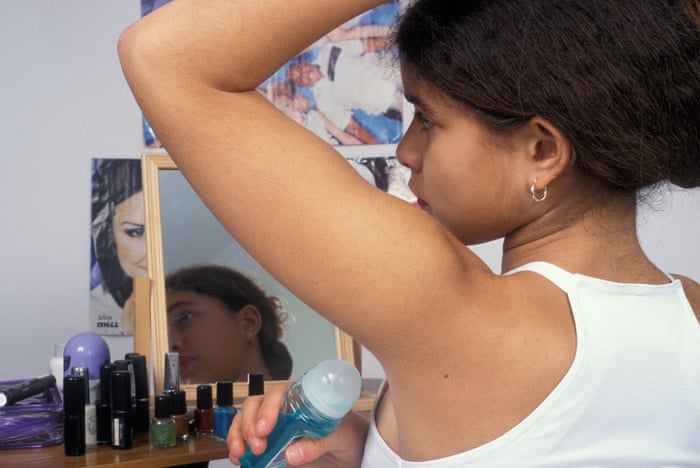
Research shows that Amish people – who live a rural lifestyle and embrace traditional agricultural methods – have optimally diverse microbiomes. Photograph: Bruce Burkhardt/Getty Images

Dr.Hamblin's argument is that the public has chosen to believe all the marketing and advertising geared to persuade them that cleanliness and optimum hygiene can only be obtained by purchasing and using the products crowding the market promising better health, improved appearance and an upgraded outlook on life come complete with the use of redundant products such as moisterizers, artificial ointments and lotions that smell good and promise the world. When, in fact, all that is required to attain both health and hygiene goals is a bar of soap and running water.

In point of fact, points out Dr.Hamblin in a newly published book, Clean: the New Science of Skin, the overuse of a tangle of products that are unneeded, fail to produce a positive outcome as promised, and in the long run often disturbs the natural cleansing process our bodies themselves have acquired as a result of evolution. Applying artificial ointments, lab-produced with an encyclopedia of chemicals makes it more difficult for the natural processes that have developed to nurture our skin, the largest organ of our body.

The Demodex mite as an example, a microscopic creature which teem in huge numbers over our skin feed off discarded and dead cells, in so doing act as a natural exfoliant, superior to the microbe-ads we are persuaded to scrub on our faces. Additional mites and microbes living on our skin consume sebum which works to apprehend oily skin from developing. "They're not hygiene practices. They're recreational and social practices", Dr.Hamblin notes of the products we use to shower, to scrub and salve skin with.

Stigmatism of body odour began as an advertising strategy that helped quadruple the sales of Lifebuoy soap in the 20s. Photograph: Angela Hampton Picture Library/Alamy

The hygiene, beauty and cosmetics industry has a value of $500billion. Dead cells disappear as our skin regenerates roughly every 27 days. Dust and particulate matter from the atmosphere can be washed away with the use of water. Dr.Hamblin insists that once your body reaches a steady state after returning to normal with the removal of all chemical products commonly seen on the market, problems with body odour tend to disappear. Soap, he contends, dries out the skin, which then requires the use of moisturizers.


Dr.Hamblin uses nothing but water when he takes his regular showers, using hand soap primarily for his hands alone. And he brushes his teeth for the singular purpose of sustaining their condition: "I don't want them to rot", he says. With the original production of soap in the pre-industrial area, soap was expensive, serving as a symbol that you were elevated over those who were unable to afford a bar of soap. With the Industrial Revolution soap, like most other products was produced more inexpensively, placing it in the realm of affordable for many more members of the general public.

Dr.Hamblin is also quick to point out that showering goes beyond its daily cleansing purpose; it is a normalcy measure, a reassuring routine that gives structure to the day. You awaken, you shower, you break your fast, you leave the house and arrive at your workplace. "This is an odd time, and at times like this, it becomes important to do things that ground you. These [ritualistic] markers are important to us to maintain the rhythms of how our minds and bodies are meant to function."

Labels: , , ,

Tuesday, July 28, 2020

Hunting Down and Curing Hepatitis C

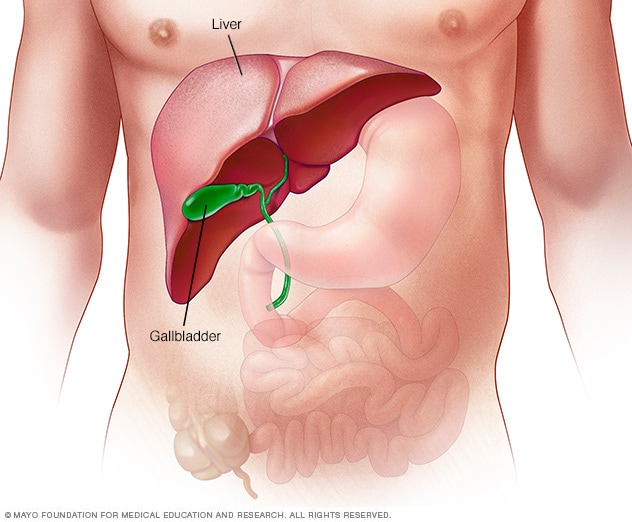
The Liver
"Hepatitis C is a viral infection that causes liver inflammation sometimes leading to serious liver damage. the hepatitis C virus [HCV] spreads through contaminated blood."
"Until recently hepatitis C treatment required weekly injections and oral medications that many hepatitis C -infected people couldn't take because of other health problems of unacceptable side effects."
"That's changing. Today, chronic HCV is usually curable with oral medications taken every day for two to six months."
Mayo Clinic
"It is fantastic to think of all the future misery that has been diminished and eliminated because of these efforts [new treatments for hepatitis C]."
"One of the key challenges we face is having accurate numbers about how many people are getting sick, getting diagnosed and starting on treatment. We need a better structure in place to provide those numbers and to know how we are doing as far as our elimination goals."
"This treatment is saving lives and preventing them from needing liver transplants."
Dr.Curtis Cooper, director, The Ottawa Hospital/regional hepatitis program
Targets have been set by various countries in collaboration with the World Health Organization to decrease new infections of hepatitis C by 80 percent, to diagnose 90 percent of new cases and to treat 80 percent of people living with hepatitis C within a ten-year span. It can be done and medical science has shown the way. A program to do all of the above and remove a morbid threat to health within society is well underway. But like all medical procedures that have hit a bump in their methods, purpose and attention to the public's needs, the entry of the global pandemic has complicated their plans.

A Canadian network of experts in the field of hepatitis C has a blueprint jointly developed to achieve elimination of the infection in the country. Policy recommendations include tracking progress and moving toward elimination of hepatitis C, despite the barriers to achieving the goal. Today, July 28, is in fact, World Hepatitis Day. A critical issue is that an estimated 40 percent of Canadians have the disease but are unaware that they are in fact infected with it.

While a large percentage of infections are unidentified, the pandemic slowed or apprehended referrals in the protocol of identifying cases which has resulted in fewer cases being identified and consequently treated. Virtual visits -- telemedicine -- has stepped in to fill the breach. The Ottawa hepatitis clinic which Dr.Cooper oversees is starting patients on therapy through telemedicine; nurses and social workers representing the clinic, are seeing greater numbers of people in the community.

Poster : Hepatitis C - Are you at risk?
This is, after all, a disease traditionally feared as a death sentence waiting to happen, in view of the fact that symptoms don't appear until the disease begins its mission of destroying the liver. The good news now is that treatments that take between eight and 12 weeks work for almost everyone. In the 2-1/2 years just passed, the Ottawa and regional clinic has cured over one thousand people.

As a result of this program's success to date, a steep decline in the frequency of liver cancers has been recognized as a fallout of hepatitis C treatment, even while hepatitis C itself no longer represents the major reason in Canada for liver transplants. Validation of the success of the new treatments.

High-risk groups are identified as injection drug users, and infections are continuing to expand within that group.


Long-term infection with the hepatitis C virus is known as chronic hepatitis C. Chronic hepatitis C is usually a "silent" infection for many years, until the virus damages the liver enough to cause the signs and symptoms of liver disease.

Signs and symptoms include:

  • Bleeding easily
  • Bruising easily
  • Fatigue
  • Poor appetite
  • Yellow discoloration of the skin and eyes (jaundice)
  • Dark-colored urine
  • Itchy skin
  • Fluid buildup in your abdomen (ascites)
  • Swelling in your legs
  • Weight loss
  • Confusion, drowsiness and slurred speech (hepatic encephalopathy)
  • Spiderlike blood vessels on your skin (spider angiomas)
Mayo Clinic

Labels: , ,

Thursday, March 12, 2020

Hello Doctor, This Is Me

"This was surprising and worrisome. For example, let's say someone comes into the ER with abdominal pain and they identify and present as male. If I assume that person is male and don't create a space for them to disclose that they have ovaries, I may not be able to provide the best medical care."
"Young people said they didn't know how to bring it up [transgender disclosure]."
"So, it can be a combination of both not having the language to start the conversation and not having a [medical] provider open the door for them."
"Young people I take care of have talked about negative experiences after disclosing their gender identity to a pediatrician or primary-care physician, so they were fearful about doing it again."
"I often also ask them to tell me if their gender is something they would like to talk about or have questions about."
"It is up to us as health care providers and health systems -- not transgender patients themselves -- to adapt and ensure healthcare environments are more welcoming for patients of all gender identities." 
Dr.Gina Sequeira, Children's Hospital of Pittsburgh

"People don't always volunteer all the information one needs as a medical provider, and it's important to ask. And if you start going to topics that are more uncomfortable to ask about, such as sexuality and gender identity, it's only going to be worse."
"Here, just in December, we finally got pronouns put into the computer system so we could collect that information at registration."
Dr.Joshua Safer, executive director, Mount Sinai Center for Transgender Medicine and Surgery, New York City
The most common reasons cited by respondents in a recent survey for not revealing their gender identity were feeling uncomfortable and not knowing how to bring it up. Photo by valelopardo/Pixabay
The most common reasons cited by respondents in a recent survey for not revealing their gender identity were "feeling uncomfortable" and "not knowing how to bring it up." Photo by valelopardo/Pixabay

According to findings from a recent U.S. study, survey results disclosed that close to half of transgender teenagers and young adults in the United States sometimes fail to disclose their gender identity from health-care providers. This was revealed through a survey of over two hundred transgender youth, that most tended to share their gender identity with some doctors, yet 46 percent admitted they had on occasion avoided such revelations irrespective of whether they felt that to do so could be important for the treatment they would be exposed to.

Dr.Sequira who led the study noted that the patient's pain could conceivably be a result of a problem with an ovary, and if a teen presenting as male failed to disclose that physical reality, significant health detriment could ensue should the attending doctor fail to recognize the underlying presentation. So the question arose, what would cause a transgender teen or young adult to fail to apprise a doctor of their gender identity? Though the researchers failed to ask that question straight up, they left opportunity for survey participants to add comments.

patient, doctor, hospital, stock, getty


It became clear that some were concerned of possible fallout resulting from disclosure. Which led Dr. Sequeira to recommend that physicians begin the session by introducing themselves with both given and surname, adding the pronoun appropriate to their personal situation, as a way of 'opening the door' to a frank disclosure on the part of the patient. There were two survey questions of particular interest to the researchers:
  • Have you ever chosen to tell a health-care provider outside of the gender clinic about your gender identity?
  • Have there been times you felt it could be important for your health-care provider to know your gender identity but you avoided telling them?
The takeaway from responses was that 78 percent of the young transgender people had informed someone not connected to the gender clinic of their gender identity, but at the same time, 46 percent had chosen to avoid disclosing their gender identity at some point. Close to half the young respondents -- 47 percent --  stated their preference, that the health-care provider be the one to initiate the discussion relating to gender as compared to 25 percent who said their preference would be to bring the issue up themselves.

These are findings that correlate to what is to be found in other areas of health care, pointed out Dr.Safer of Mount Sinai, who recommended a way for physicians to be enabled to initiate conversation; simply by including questions, such as preferred pronouns, on the registration sheet itself, relieving both patient and doctor of the initial face-to-face discomfort of revelation, should any exist.

Lily Curran (far right), who is transgender, plays with a group of friends, some of whom are also trans.  Barcroft Media / Getty Images

Labels: , , , ,

Thursday, December 07, 2017

Victimizing Health Care Workers

"We had no idea of the magnitude of the problem or  how serious it was. We actually ended up being quite disturbed."
"It is very hard to ignore the parallels of gender and violence against women in our society with what we were hearing. It mimicked in so many ways the way domestic violence has been treated."
"We do not believe in workplaces that employ mostly women that health and safety is being given the same priority that it is in industrial facilities that employ mostly men."
"There were terrible physical traumas, people whose lives have been changed forever, people with post-concussion syndrome, people whose faces had been smashed and they now are disfigured."
"We spoke to a nurse who had — all in separate incidents — a fractured leg, a fractured arm, a deep bite wound, a stab wound. And these were not unusual stories."
"Somehow people have been told in a lot of ways that they are to expect this sort of treatment. But what I see, looking at it in a broader way, is it’s very similar to what’s coming out now in Hollywood, that there’s this culture of silence and shame."
"One of the things that came out is they [workers reporting abuse] received so little support. It was really different from one community to another, one facility to another. There were some people who said they had had very sympathetic supervisors who helped to support them through that difficult post-incident period, but I would say the majority felt that they got no support and, in fact, it was the opposite."
Margaret Keith, occupational and environmental health researcher, University of Windsor, Windsor, Ontario

“Even when the incidents were reported, there was very little action taken to remediate the situation to prevent it from happening again."
"It’s a barometer of what is going on in the health-care system. And if we don’t want our mothers and fathers and our neighbours and ourselves being treated that way, then I think we really have to be seriously thinking about what the culture is that all that occurs in."
"In some of the facilities, it's a daily occurrence: women being grabbed, verbal harassment. It is hard to imagine having done this study that one could ignore the role of gender in this story."
"It's one of the reasons that this issue has been kept out of the public view because the victims are not allowed to speak, which is another parallel, I think, to violence against women."
Jim Brophy, occupational and environmental health researcher, University of Windsor
The study looked at 54 hospital workers across Ontario, according to Jim Brophy,  who co-authored the report, Assaulted and Unheard: Violence against Health-care Staff.
The study looked at 54 hospital workers across Ontario, according to Jim Brophy, who co-authored the report, Assaulted and Unheard: Violence against Health-care Staff.    CBC

Two researchers have produced a study, entitled Assaulted and Unheard: Violence Against Healthcare Staff, which sets out the impressions they gained from interviewing health-care workers across Ontario, with a focus on workplace violence in health-care settings. Their study was published in the Journal of Environmental and Occupational Health Policy. In their interviews about the research they conducted and those whom they interviewed, they point out that this is a topic that is seldom addressed because it is quite simply ignored, although the fallout is serious and health-care workers are in a state of perpetual concern and distress.

The two university researchers, James Brophy and Margaret Keith, both with the University of Windsor, both occupational and health researchers, were aided by the work of Michael Hurley, president of the Ontario Council of Hospital Unions, part of the research team. They reached the conclusion that vastly under-reported violence perpetrated upon health staff workers in Ontario is ubiquitous and although a primary concern to the workers, is concealed from public awareness reflecting a culture of silence in the health-care field.

All of the 54 health-care workers who were interviewed had witnessed violent events borne by health workers. Only one among them had not personally had similar experiences when they too were victims of violence. This was reflected in the results of another survey which concluded that 68 percent of health workers in Ontario spoke of having experienced violence in the year past, and for some of those workers not merely one occasion but on multiple occasions. It is worth considering whether the rise in opioid-related use causing health emergencies has had some impact in this respect.

Some of those whom the researchers interviewed spoke of having had teeth knocked out, their faces smashed, and having suffered concussions along with other serious injuries leaving them in a state of debilitation and traumatization. Many others described having been sexually assaulted, and though they may have reported these episodes of shocking violence, their complaints were brushed aside by superiors informing them that what they had experienced was simply to be regarded as part of the job they had committed to.

The impression overall that the three researchers gained through these interviews was that health workers are fearful of speaking about the issue, let alone reporting them in many instances. And as a result of that lapse of reporting because the victims know their concerns will not be taken seriously let alone expecting that anything might be done to remediate the situation, the problem remains unacknowledged. For speaking up about violence against nurses while at a conference, a nurse working in North Bay was fired.

The conclusion reached by the researchers was that an increase of resources could assist in reducing violence against  health workers, making a link between staffing cuts and a rise in such events, where the health-provision workplace has become a toxic environment for workers, dangerous to their physical and psychological well-being. Earlier in the year a clerk in a Smiths Falls hospital had been stabbed by a patient using scissors he snatched from a desk. The simple enough expedient of having a Plexiglas barrier would have avoided this attack.

Hospital
Researchers conducted focus-group interviews with more than 50 hospital staff members who had experienced verbal, physical or sexual assault, mostly perpetrated by patients.  CTVNews

Labels: , , ,

Monday, November 06, 2017

Hospital Staff: Under Workplace Stress

"Staggering [the number of hospital health workers as well as non-nursing staff reporting escalating violence]."
"The rate of assault against clerical staff, against cleaners, against dietary aides would be in the neighbourhood of about 34 percent."
"They [the assailants] may be people with mental illness, people high on opiates, people distressed about the quality of their care, or distressed about the length of time they've waited -- and they take that aggression out on the health-care staff that they meet."
"You've got in Canadian society, unfortunately, a very high degree of tolerance for violence against women. So you've got this general societal attitude and it doesn't stop at the door of the hospital. It comes right in and it's compounded by the fact that if you assault someone in a hospital, you may not face charges."
Michael Hurley, president, Ontario Council of Hospital Unions
An organization that represents heatlh care worker unions in Ontario argues there needs to be more accountability for violence perpetrated against health care providers.
An organization that represents health care worker unions in Ontario argues there needs to be more accountability for violence perpetrated against health care providers. (Shutterstock/John Panella)

"I've been kicked, spat on, bitten, pushed and had verbal abuse. Violence is really a daily occurrence at the hospital."
"In my opinion as a nurse, I am there to nurse, to nurture, to help people get well. It's become an expectation that I become part of the goon squad [those hospital personnel tasked with the need to deal with unruly patients due to the lack of trained crisis teams], so to speak."
"For me and my colleagues, we don't want to do that. We've been hurt, we've been thrown to the floor. I had my head banged against the wall."
Linda Clayborne, retired, forensic psychiatric nurse
Epidemic of Violence against Health Care Workers Plagues Hospitals
Emergency room and psychiatric nurses and workers involved in elder and in-home care are at an especially high risk.  Credit: COD Newsroom via flickr

"I've certainly not read anything like this. Has this changed socially accepted norms about what you can and cannot say to a health care professional?"
"Is this ... unmasking attitudes that have been there all along and now, in our polarized societies, people feel less constrained in expressing them? Probably."
"Why would patients allow their own irrational biases to get in the way of their health care? Clearly we need to learn more."
"Because of our sense of professionalism and our code of ethics, we're committed to letting that stuff roll off our backs, but meanwhile all your emotions are boiling inside, and you're thinking, 'Oh my God, what do I do now? What do I say? How do I behave?"                                                                                               Dr. Beth A. Lown, associate professor of medicine, Harvard Medical School
"Often we meet people at their lowest. Sometimes we can have primitive responses to stressful situations, and one of them can be targeting of the other when we're feeling cornered or vulnerable."
"It was like, 'Go back to where you came from; this is going to be our country again, you [expletive] raghead'. And things can be less insidious than that. Like 'Wow, your English is so good'. Yeah, not to be arrogant, but I went to grad school twice. But that's not the point. The conceptualization of me, as a bearded brown man, is of the other."
Dr. Nikhil Patel, psychiatry resident, Cambridge Health Alliance Massachusetts

The Ontario Council of Hospital Unions (OCHU)  has released a survey of about 2,000 health-care workers which concludes that nurses, personal support workers and other hospital staff have become targets of patients; emotional lack of civility in hospitals not only across the province of Ontario but throughout Canada. The survey reported that close to 70 percent of respondents report having experienced a minimum of one incident of physical violence in the year just pas.

On the other hand, 20 percent of those taking part in the survey described nine or more assaults against them in the past year perpetrated by patients. As for non-physical abuse, threatening gestures, intimidation, insults, 83 percent claimed to have been targeted with one incident and 35 percent reported at least nine. In the study group 42 percent of workers reported at least one incident of assault or sexual harassment, while six percent stated such assaults occurred to them nine times or more through the course of a year.

And it is not just nurses and other health-care employees, but also clerks. As an example, a mentally ill patient at a hospital in Smiths Falls took possession of a pair of blunt scissors from the desk of the admitting clerk and plunged the scissors into her neck. "Had she had a Plexiglas barrier completely around her, that couldn't have happened" stated OCHU president Michael Hurley. Budget constraints leave hospitals unable to commit to even minimal protective investments for their staff.

As well, the health-care sector is dominated by women, with 85 percent of the staff female, reflecting the fact that they are as vulnerable in a hospital setting as women can be in general society. Nurse Clayborne points out that in her experience incidents of violence began to manifest about the same time that staff cuts began taking place in an effort to reign in costs associated with maintaining hospitals, about 15 years ago, when the trained crisis teams who usually responded to such situations disappeared due to cost-cutting measures.

In the United States badly behaved patients have been cited as making life difficult for doctors as well, where racist, sexist and bigoted verbal patient attacks have become commonplace. Not only have African-American doctors been the subject of racial slurs, they're also asked to surrender care for white patients to white doctors. Cultural and racist stereotypes have complicated working arrangements for Asian-American physicians and for female doctors, sexually harassed by patients during physical exams.

WebMD and Medscape in collaboration with STAT conducted a wide-ranging survey of over 800 American doctors to discover that 59 percent report having had offensive remarks aimed at them in the past five years; a doctor's youthfulness, gender, race or ethnicity all represent fodder for discrimination. Of those affected, 47 percent reported having had a patient request another doctor look after them. Women physicians were more often bias victims than their male counterparts. Even the overweight had offensive remarks directed to them about their weight.

In the U.S., medical researchers have taken to studying unconscious biases from clinicians toward patients "But much less is known about patients' biases toward clinicians, and that is why the current study is important", pointed out Keith O'Brien, a social psychologist at Portland State University. Most physicians claimed their professional organizations provided no training, had no formal polices on how best to handle patient bias. Even colleagues failing to respond when witnessing harassment results in hurt feelings on the part of those who are discriminated against.

"I remember being surprised and embarrassed and humiliated as a medical student when people would say these things ... When it happens to you as a trainee, you tend to think it's your fault on some level. I know that's weird. You think, 'Maybe it's because I'm not competent or maybe I am less smart than a different doctor. Or maybe I shouldn't be here?' There's a lot of shame in being the target of racism, and I think that's part of it."
Dr. Esther Choo, associate professor, Center for Policy and Research in Emergency Medicine, Oregon Health & Science University
  • almost 75% of all workplace assaults between 2011 and 2013 happened in healthcare settings;
  • 80% of emergency medical workers will experience violence during their careers;
  • 78% of emergency department physicians nationwide report being the target of workplace violence in the past year;
  • 100% of emergency department nurses report verbal assault and 82.1% report physical assault during the last year;
  • 40% of psychiatrists report physical assault;
  • the rate of workplace violence among psychiatric aides is 69 times higher than the national rate of workplace violence;
  • 61% of home healthcare workers report violence annually; and
  • family physicians are also at high risk, although limited data exist in the outpatient setting.                                   Workplace violence, review article review article New England Journal of Medicine

Labels: , , , , ,

Friday, June 30, 2017

The Influence of "Big Pharma" in the Medical Community

"Multiple studies have shown that doctors have doubts about the ability of their colleagues to remain unaffected by gifts from drug companies, attending sponsored dinners or other interactions with company representatives, but believe that they themselves are immune from being influenced."
Dr. Joel Lexchin, professor emeritus, School of Health Policy and Management, York University, Toronto

"We thought we were providing a balanced educational message [through teaching a curriculum on safe and responsible prescribing of opioid drugs]."
"It is obvious that the benefits of opioid therapy were exaggerated, and the risks underplayed."
Dr. Brian Goldman, host, White Coat, Black Art, CBC Radio
Big Pharma releases data : CTV News

Dr. Lexchin has written a book out of his experience as a medical doctor and a professor of medicine, exploring and setting out what he has gleaned relating to the public relations campaigns that pharmaceutical corporations launch each time they release a new drug to the market, to influence medical practitioners of its efficacy and usefulness in their practise. Free samples pass between pharmaceutical salespeople and the medical community, and augmenting that simple expedient that allows doctors to hand out those samples 'free' to their patients, other emoluments impress doctors with the generosity of the drug firms, gaining their loyalty in response.

Not that this has suddenly become a new threat to physician neutrality in prescribing what he or she may be convinced is the best possible formula that may aid their patients' medical conditions. It is a situation that has been in common practise for as long as anyone can recall. And it has always been recognized for its pitfalls. That busy doctors are vulnerable to persuasion, and when gifts solidify a relationship the potential is there for unintended malfeasance. It merely becomes simpler for doctors to persuade themselves that a drug whose benefits they have been assured of will satisfy the need of the doctor-patient trust.

Dr. Lexchin's book once again raises concerns relating to those questionable ties between doctors and the pharmaceutical industry. Concurrently, a handful of drug companies have released information to the public declaring how much funding they make available to doctors. This was entirely voluntary in nature, reflecting an emerging movement to bring into law a need for pharmaceutical companies to disclose all and any money given to doctors. This disclosure requirement is common elsewhere, including in the United States, and Canada is preparing to join them in this legal requirement.

Of about 45 drug companies operating in and out of Canada, the ten that released data reported they had dispensed over $48-million to doctors in 2016, without divulging the amounts relating to individual doctors, added to the fact that some of the companies released numbers for only part of the year. No details, furthermore, were available of how that money had been spent; the lump sum figure was all that each of the ten companies provided for public consumption.

Dr. Lexchin's book goes into detail about the connections between pharmaceutical companies and medical students they seek to influence, along with organizations, and individual doctors. Out of the opioid epidemic now raging across North America came additional information about the influence drug companies can exert on individual doctors and the impact that influence can result in, relating to the proliferation of prescriptions. An example was the company that manufactures OxyContin, Purdue. It has been fined over $600-million in the United States on charges of misrepresenting how addictive its product is, but never fined in Canada.

Dr. Brian Goldman, a medical popularizer with a much-listened to program on CBC radio, wrote the forward to Dr. Lexchin's book. He had himself once been hired by Purdue with the understanding that he would develop and teach a curriculum on safe and responsible prescribing of opioid drugs to patients suffering from chronic pain. That curriculum urging caution and familiarity with the product's side effects effectively served to white-wash Purdue's responsibility; it had made the effort, if physicians still prescribed the product unheeding cautions, not its fault.

The trouble was Dr. Goldman witnessed first-hand that doctors continued prescribing large doses of opioids, not bothering in their busy practise to perform due diligence beforehand. For example, screening patients, or monitoring them for possible addiction. As a result, Dr. Goldman decided to distance himself from Purdue. He no longer gave lectures for Purdue, or for any other drug company, a collaboration that had tainted him as he concluded that he was being used and the cover he was giving to Purdue did nothing to offset their influence on how doctors viewed the addictive drug they had been assured was completely safe for patient use.

Doctors in Denial: Why Big Pharma and the Canadian medical profession are too close for comfort

Labels: , , , , ,

Sunday, May 14, 2017

A Revision Whose Time Has Time

"There is an altruistic element to it, but I've honestly in my career never met someone who is willing to do that for free for a stranger."
"But there may be a sizeable number willing to do it if at least they're compensated for wages and some of their time."
Dr. Jeff Roberts, president, Canadian Fertility and Andrology Society

"It sounds like the [society] would like to open the door to a sort of fee-for-service system, where money is promised and people line up to sell their eggs or sperm or gestational capacity."
"People who find themselves in difficult financial circumstances will do this ... for the purpose of defraying their debt or paying for university tuition."
Juliet Guichon, professor, University of Calgary

"The fact they're being paid under the table makes them feel guilty, makes them feel part of something clandestine and hidden."
"They may not feel free to claim their rights and receive the health care they may need."
Vardit Ravitsky, professor, University of Montreal
An employee at a clinic prepares a sample of sperm and an egg for the process of fertilization under the microscope on May 25, 2016 in Barcelona.
An employee at a clinic prepares a sample of sperm and an egg for the process of fertilization under the microscope on May 25, 2016 in Barcelona. LUIS GENE/AFP/Getty Images

Canada enacted a law in 2004 allowing surrogates and donors of eggs and sperm reimbursement for expenses related to their cooperation with people anxious for parenthood acting as surrogates or egg or sperm donors. It is, however, illegal for anyone to directly charge for these services; they must be voluntarily given without recompense. A Royal Commission had studied the complex issues involved and extensive debate in Parliament concluded that Canadians remained opposed to the "commodification" of human sperm, eggs and wombs.

Now, the Canadian Fertility and Andrology Society is interested in spurring the federal government to overtime that ban of compensating people for their contribution to the parenthood of others. Their contention is that at the time the law was passed, this was an emerging technology, one that people were uncertain of, and insisted on precautionary measures  being put in place. Since that time, women in Canada have gone to great lengths inconveniencing themselves by charitably carrying someone else's baby to term.

These women can legitimately claim expenses related to their voluntary pregnancies, but they may not receive payment for that service. But although it remains a criminal act to pay a fee for the acquisition of eggs or sperm, fertility brokers and others in the system beak the rules with a measure of impunity. That being the case, since it is illegal, donors and surrogates have no real self-interested incentive to become involved -- other than those rare individuals who charitably offer themselves regardless.

Many Canadians who are anxious to become parents, but cannot themselves through natural means acknowledge the indefinite wait that is imposed upon them by the criminalization of the means. And many visit other countries to hasten the process where it is not illegal to acquire sperm and eggs, and to rent out a womb, as it were. Sherry Levitan, a member of the society's board suggests that maximum allowable payments could be set by the government, reasonable rates that are not outrageous.

She points out the unfairness of Canadians' disadvantage "in terms of managing their own fertility care". One bio0ethicist who has studied the situation extensively and is viewed as an expert is in support of permitting payments to be made; but her perspective is that it should be done in a manner that is seen to be fair to the donors, the surrogates and the children that result; not particularly for the purpose of benefiting the parents per se.

As Professor Ravitsky points out, the criminal ban has led those transactions to take place within the atmosphere of a grey market. She points out how unfair it is that women are expected to provide eggs or to become surrogates out of a sense of charity for others, while lawyers and brokers and owners of clinics profit from the situation. The Assisted Human Reproduction Act which makes it a crime to buy the services of surrogates or donors remains in effect for the time being, administered by Health Canada.

In agitating for change, the Canadian Fertility and Andrology Society, while standing to gain if it does proceed, has failed to address one additional issue. And that is, quite simply, when pregnancies ensue the universal health care system in the country picks up the medical costs. At the present time there are Canadian women offering, at no charge to foreign prospective parents, to lend themselves to the enterprise of surrogacy. Those foreign parents-to-be get quite a bargain. They pay the surrogate mother only her expenses related to the pregnancy in recognition that this is the law in Canada.

The surrogate mother uses the universal health care system to look after all the medical requirements involved. And this is a medical cost that the Canadian taxpayer picks up. There should be a provision distinctly addressing this situation; that should foreign parents-to-be use the services of a Canadian surrogate, they should be financially liable for the health services given that surrogate during the course of her pregnancy, and the baby's delivery.

Labels: , , ,

 
()() Follow @rheytah Tweet