Blog dedicated primarily to randomly selected news items; comments reflecting personal perceptions
Friday, August 26, 2022
Cannabis + Edibles : Child Poisoning
"Our findings suggest that restrictions on the sale of visually attractive and palatable cannabis edible products are key policy considerations for the prevention of cannabis poisonings among children in the United States and other countries considering legalization."
"[Although edibles by law cannot be marketed as attractions for children and youth] they are still candy and when [an edible] comes out of packaging it is still a circular blue soft chew coated in powdered sugar -- that is candy."
"As more places around the world consider legalizing recreational
cannabis, we need to learn how to better protect children from cannabis
poisoning."
"We may need to consider other measures to reduce cannabis edibles'
appeal to young children, such as much stricter limits on what edibles
can look and taste like after they are removed from their packaging."
"These are serious medical emergency poisoning events, and whether they
have long-term impacts or whether they're an acute emergency, we
want to have as few or none of these as possible."
Dr.Daniel Myran, public health specialist, Ottawa
"Our data indicate that legalization was associated with marked increases in hospitalizations for cannabis poisoning in children."
"Most of the increase occurred after legalization of cannabis edibles and despite strict regulations aimed at reducing poisonings in children."
Research study authors
After flower-based cannabis products and oils were legalized in October 2018, the study reports an average of seven children visiting the ED for cannabis poisonings per
month. After cannabis edibles became available for sale in January 2020
that average jumped to 20-23 kids per month. CTV News
"Simple safety measures and talking to kids about the dangers of cannabis edibles can help reduce the number of children visiting the hospital for cannabis-related reasons."
"The children that I've seen have been primarily preschool to school
age, so six and under. Sometimes I've seen multiple children
even in the same shift coming in with cannabis exposure."
"It's really important to highlight that legal does not necessarily mean safe."
"Store your cannabis products much like you'd store your medication in a locked cabinet out of reach of kids and pets."
Dr. Melanie Bechard, pediatric emergency physician, Children's Hospital of Eastern Ontario
A study recently published in the New England Journal of Medicine points out the sharp increase in children being brought to hospital as a result of cannabis poisoning in Ontario and other Canadian provinces. These findings arrive at the very time, points out the study's lead author, that the cannabis industry is lobbying for fewer restrictions on some edible products, heightening his fear that further increases in child poisonings will result.
So as far as Dr. Daniel Myran is concerned, research, including that just published, demonstrates the need for increased, not fewer, restrictions. Restrictions on edible should be considered by countries considering their own legalization of cannabis, as Canada has done. The Children's Hospital of Eastern Ontario has been warning of the risk of cannabis poisoning since the legalization of edibles was permitted. CHEO has experienced a rate of hospitalization for children under ten with cannabis poisoning to have increased six-fold since legalization.
The research examined hospitalizations of children up to three years of age for cannabis poisoning in Alberta, British Columbia, Ontario and Quebec between the years 2015 and 2021. Edible products such as gummies, chocolates and baked goods with THC were legal for sale by January 2020, with strict restrictions on packaging, content and shape of product. All provinces required to permit cannabis flower sale, but given latitude to prohibit sale of edibles -- which Quebec chose to do.
Hospitalization in periods before cannabis flower legalization sales in the fall of 2018, before edibles were legalized and after edibles were approved in four of the five provinces went under study with researchers finding hospitalizations increased in all provinces following legalization yet before edibles became legal.
Hospitalization rates in provinces permitting the sale of edibles was 7.5 times higher than it was before legalization, while in Quebec which did not permit the sale of edibles, saw its hospitalization rate of minors increase to three times higher than prior to legalization. There were 561 hospitalizations for cannabis poisoning among the demographic studied, during the seven-year study period.
Limiting the amount of THC in an edible package, requirements for plain and child-resistant packaging and consumer education campaigns rate among restrictions on edibles which may not be specifically marketed in the shape of animals or cartoon characters, as example, to make them more attractive to the young. Where the sale of edibles was allowed, the number of hospitalizations turned markedly higher.
Dr. Myran spoke to a legally mandated review of cannabis legislation for the purpose of assessing health impacts of the government's cannabis policy, noting that hospitalizations represent "the most sever outcomes" among children who ingest edibles, including some children whose condition was serious enough to be placed on ventilators.
Legislation, he pointed out, with tight regulations to prevent 16-year-olds acquiring criminal records was fine, but what wasn't needed was "sugar-coated candy being sold in cannabis stores" to achieve that end.

Various edible cannabis
products are shown at The Bakery cannabis store on Thursday, May 12,
2022 in Regina. KAYLE NEIS / Regina Leader-Post
"If you are otherwise healthy and vaccinated, this will likely be a relatively minor illness and nuisance for you, from almost no symptoms, to a cold, to something that is more achy in nature."
Dr.Andrew Morris, infectious diseases physician, Toronto
"[Should symptoms worsen contact your doctor or health-care provider immediately]; some symptoms may be signals that more urgent medical care is needed."
"Adults may look dehydrated, have shortness of breath or chest pains. They may also complain of light-headedness."
"[With children], their face or lips may turn blue. Babies may be unable to breastfeed. These symptoms are warning signs that urgent care is needed."
World Health Organization
"We are seeing COVID [positive] babies of unvaccinated moms, who themselves are at increased risk of severe disease."
"It's hard to explain that their young infants would have had some protection against COVID if they had been vaccinated during pregnancy."
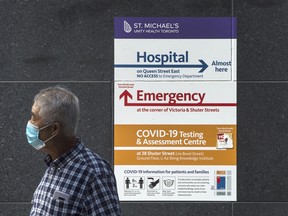
Toronto's St. Michael's Hospital.Photo by Peter J Thompson /National Post
There's a lot of both observation and speculation about the barely-two-week appearance of Omicron, the SARS-CoV-2 virus COVID variant that health experts are still trying to figure out, even while two years of COVID-19 haven't brought them to a full comprehension of the coronavirus and its potential mutations and affect on the post-infected for the future. What all health authorities want to do is pull the rug out from under the confusion leading to panic.
And they feel safe enough given real-life observations, to assure the public that this version of the mutated coronavirus appears far less willing to inflict heavy damage on the wild numbers of people it is infecting anywhere in the world it lands, turning an introduction into a full-scale invasion. The reality is that for any country's health-care system, the burden of dealing with Omicron goes well beyond is relatively mild symptoms as it bulldozes through populations.
The variant's very infectiousness itself, feeding omnivorously on the infection-susceptible, inevitably creates a huge wave of hospitalizations; in comparison to the growing numbers of infections, relatively few serious cases emerging still translates to more urgent need to meet the medical requirements guiding people back to health through heroic medical interventions at a time when health workers are themselves drained of energy and many have succumbed to the virus themselves.
Still the public should be aware that most people contracting Omicron will not be requiring hospital assistance since most with a COVID infection of the variant are able to recover in their own homes. Omicron's most common symptoms are mild, including fever, cough, congestion, muscle aches or fatigue -- symptoms common to many other relatively benign, fleeting illnesses from colds to mild flu. It was noted early on that tell-tale symptoms of COVID-19 such as taste and olfactory sense loss rarely occurs with Omicron.
Some symptoms of Omicron infection include fever, dry cough, runny nose,
aches and pains, nausea and diarrhea. You may not lose your sense of
taste or smell with this variant, however, according to infectious
diseases specialists. (Prostock-studio/Shutterstock)
When recovering at home the medical community recommends rest, remaining well hydrated, and should body aches be sufficiently severe, making use of over-the-counter medications like acetaminophen or iboprofen to treat fever or muscular and joint aches. The elderly with medical conditions; obesity, lung or liver disease, or diabetes, along with those who are immunocompromised may requir 9e early treatment in prevention of becoming more ill or requiring hospitalization.
"So getting a diagnosis is important, and you should seek medical attention", advises Dr. Morris. In which case some treatment options for those at increased risk of infection, with comorbidities include budesonide, an inhaled steroid and asthma drug that is commonly prescribed; the antidepressant fluvoxamine which has anti-inflammatory properties, and an IV infusion of monoclonal antibodies to prevent mild and moderate COVID from progressing to severe.
For those who experience distress, it is recommended that they attend the closest hospital emergency department, alternatively if too ill, contact 911 for assistance. Any signs that include difficulty breathing when standing or moving about, chest pain or pressure, increased and gradual feelings of being unwell or breathless, shaking, or shivering, loss of appetite, dizziness, collapsing or fainting, or feeling ill to the point of being unable to perform basic functions, call for immediate medical assistance.
In addition, there are other symptoms that give warning and require action, such as a significant or increasingly worse cough, confusion, sleepiness in the extreme, and low oxygen levels. Oxygen saturation (oxygen level in the blood) is measurable with the use of a pulse oximeter, a small device clipping to a finger. When levels dip to 92 percent in an otherwise healthy individual, that signals a need to be admitted to hospital.
And while it is considered a rare event for children or babies to develop severe illness out of COVID, pediatric hospitals are reporting having admitted babies under a year of age in reflection of COVID infections. Signs to watch for in children include sudden confusion, or refusal to eat. Babies in particular, can have issues revolving around feeding and hydration, or may require extra oxygen. Indications of respiratory distress -- where a child is breathing differently than normal and dehydration -- signal the need for medical attention.
A child that presents as abnormally sleepy and is difficult to arouse out of sleep, is yet another symptom to be aware of. Should a child have a fever extending to day five, assessment should be sought "to make sure there's no sign of anything else happening that's causing the fever to persist", advised Dr.Reid.
For many people who have two or three doses of a COVID
vaccine and who get Omicron, they'll find their symptoms can be managed
at home. Drink plenty of fluids, and stay warm
inside. (Shutterstock)
"We hover between three and four patients in the ICU with Omicron. Those who are recovered but still in the ICU are from the Delta wave."
David Jacobs, chair, Ontario Specialists Association, radiologist, Humber River Hospital, Toronto
"Due to the transmissibility of Omicron, the absolute number of hospitalizations and impact on the health-care system is likely to be significant, despite possible reduced severity."
Public Health Ontario
"There is a rise in hospitalization [including ICU] due to the Omicron surge, but this is nowhere near what we would have seen with similar numbers of Delta."
Isaac Bogoch, infectious disease specialist, University of Toronto
People queue up for their COVID-19 PCR test at Women's College Hospital,
as the latest Omicron variant emerges as a threat, in Toronto, Ontario,
Canada December 22, 2021. REUTERS/Cole Burston
A growing slate of epidemiological data indicating Omicron as a variant which is more infectious than its predecessors, but yet far less likely to severely injure much less kill the people it infects, is being reflected in the Canadian experience. Scottish data published prior to Christmas found numbers similar to those in Ontario, relating to shrinking hospitalization rates: "Omicron is associated with a two-third reduction in the risk of COVID-19 hospitalization when compared to Delta", read their report.
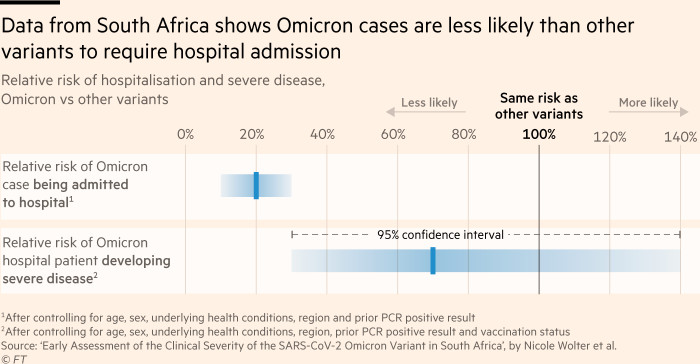
This week a study out of South Africa -- known as the initial country to identify Omicron and alert the world community -- discovered only 4.9 percent of COVID-19 cases were ending up in hospital in comparison to a 13.7 percent hospitalization rate experienced during the previous Delta wave.
Initial reports of the Omicron variant painted a picture of uncertainty, of dark fear that the mutated virus's insatiable appetite for infecting greater numbers of people, would result in unprecedented death and destruction. That early results with numbers indicating a milder virus in circulation has seen a great sigh of relief exhaled, tempered with a wait-and-see attitude.
Over the holidays, British Columbia had 100 people admitted to hospital during a period of up to 50,000 new cases being verified. Similar results are being seen in Ontario where a new Public Health Ontario study found Omicron to be 54 percent less likely to result in death or hospitalization than previous COVID variants. "Omicron appears to be the first dominant variant to demonstrate a decline in disease severity", the report read.
Earlier waves saw hospitals so badly hit they were left with little option but to send away up to 100 patients weekly for treatment at outside facilities. Dr.Jacobs, a radiologist at Toronto's Humber River Hospital, reported the Omicron wave was largely defined by COVID-19 patients appearing at the emergency room with coughs and sore throats, minus severe pulmonary complications seen in previous waves.
As an example, he described performing X-rays of just four suspected COVID-related pneumonias, compared to up to 60 during the most recent wave of Delta patients. Severe cases, found Dr. Jacobs, seemed reserved fairly exclusively within the unvaccinated population; an impression supported by province-level data. The rate of unvaccinated Ontarians admitted to intensive care reflecting COVID onset was over 20 times higher than for people with at least two doses of vaccine.
While those impressions are hugely reassuring the ghost at the back of the health community's mind is Omicron's capacity to overwhelm the health-care system where even an exceptionally mild virus, should too many people become infected at once, can send ICUs into crisis. However, thus far the Canadian experience appears to exhibit what epidemiologists refer to as a 'de-coupling'; where in previous waves a rise in confirmed cases seemed a harbinger of deaths and hospitalizations to come, this time cases have been 'decoupling' from those serious indicators, whereby the infections spike hugely without yielding surges of severe illness.
Of 76,992 active cases, 726 were in hospital in Ontario mid-week, last. The last record high for active cases in the province was 42,917 in April, with 2,335 in hospital; half the cases, three times the hospitalization. Quebec, which is experiencing its third-highest number of COVID-19 hospitalizations since the beginning of the pandemic appears as the Canadian epicentre of the Omicron wave; in a rate of new cases at least four times higher than has yet been seen.
It took 2,000 new cases per day in Quebec a year earlier to plunge the province into full-fledged hospitalization crisis with 1,500 beds occupied by COVID-19 patients at its height. Quebec at the present time has just 939 hospital beds occupied by COVID patients despite a daily rate of new cases far higher than 2,000 for the past two weeks where cases stood at a soaring 14,000 per day.
People wait in line at a COVID-19 testing and vaccination site in
Montreal, Wednesday, December 29, 2021, as the COVID-19 pandemic
continues in Canada. THE CANADIAN PRESS/Graham Hughes
"[The rodent studies show that Omicron] could be non-severe in the
right context. [However the results should be taken with a
grain a salt, given that these studies don’t focus on humans.]"
"[There's] some encouraging data at both the epidemiological and now in
the rodent models that suggest Omicron could have the potential to
cause disease less severe than Delta, for example. But it's not the same
thing as saying that it's benign."
Dr. Donald Vinh, infectious disease specialist, McGill University, Montreal
"There is something going on ... in terms of the difference in the immunological response for Omicron vs Delta."
"[Findings suggested breakthrough infections and reinfections from Omicron were] less severe [and that immune protection from T-cells and B-cells] mediated [Omicron's] progression to severe disease [despite diminished antibody protection]."
"It's about what [it] means in terms of absolute numbers as, if the numbers are so big it can still cause a substantial public health problem even if, per case, the risk of severe disease is less."
Professor Cheryl Cohen, epidemiologist, University of Witwatersrand, South Africa
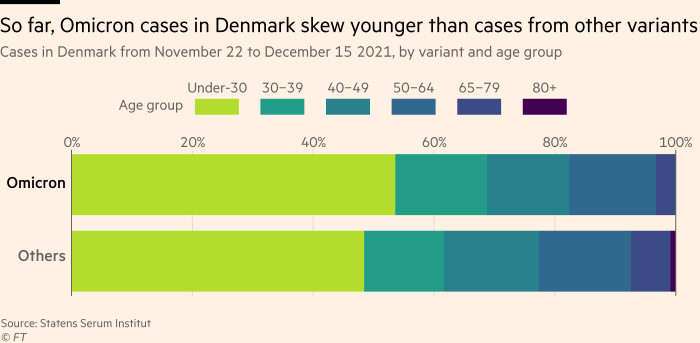
"It is primarily young and vaccinated people who are infected with Omicron, and when we adjust for this, we see no evidence that Omicron should result in milder disease."
Henrik Ullum, director, Statens Serum Institut, Denmark
According to health-care data out of South Africa, Denmark and the United Kingdom, findings appear to indicate by separate research teams that fewer cases of severe disease will erupt from Omicron, despite its higher rate of infectiousness, than the previous COVID-19 iteration, Delta. Despite that finding, there remains insecurity of knowledge about the ever-mutating, ever surprising SARS-CoV-2 virus to the point that these same researchers caution that health services can still be strained owing to the new variant's high degree of infectiousness.
All are in agreement that unvaccinated groups remain the most at-risk for infection. And that the proportion of all cases developing severe disease remains lower than with other variants, despite Omicrons breakthrough infections and reinfections causing mild symptoms. Omicron now accounts for a major proportion of COVID-19 cases in a growing number of countries, including the United States. The study carried out by South Africa's National Institute For Communicable Diseases found among those who tested positive in October and November, Omicron was 80 percent less likely to be admitted to hospital than Delta cases.
The same research team released a second analysis controlling for vaccination status, finding that once admitted to hospital Omicron and Delta cases from recent weeks held similar likelihood of progressing to a serious condition. Over 10,000 Omicron cases formed the basis for the analyses, including over 200 hospital admissions. Research out of Denmark indicated that among those who tested positive between November 12 and December 15, Omicron cases appeared three times less likely for hospital admission than cases with other variants, while cautioning that outbreaks among younger groups could skew data.
Omicron -- in the absence of evidence for any intrinsic reduction in severity -- is not precluded from resulting in less severe outcomes at the population level, given that a greater share of cases are among people with some protection against severe disease through prior infection or vaccination. "Due to Omicron's higher immune evasion, this pattern will persist in a population-level assessment", explained Professor Samir Bhatt, at University of Copenhagen.
The British study analyzed data from PCR-test confirmed cases in England between Dec.1 and Dec.14, concluding that "Overall, we find evidence of a reduction in the risk of hospitalization for Omicron relative to Delta infections, averaging over all cases in the study period". According to Imperial College researchers, risk of any visit to hospital with Omicron was between 20 and 25 percent lower than with the Delta strain. Britain reported over 100,000 new cases of COVID-19 on Wednesday, the first time since wide-spread testing was available.
People who had received at least two vaccine doses remained substantially protected against hospitalization, even if protection against infection has largely been lost against the Omicron variant, according to their estimates. Denmark on Sunday introduced a suite of measures to contain Omicron's spread; among which was theatre and museum closures and capacity limits in bars, restaurants and shopping centres.
A drop-off in severity could make the decision of countries like Britain and the United States not to impose restrictions "just about tenable", according to Professor Peter Garred, clinical immunologist at Copenhagen's Rigshospitalet, Denmark's largest hospital.
Technicians in Durban, South Africa, conduct antibody testing in a laboratory at the African Health Research Institute
Technicians conduct antibody testing at the African Health Research Institute in Durban, South Africa Waldo Swiegers/Bloomberg
"[Policymakers should be a] little careful about making the narrative that it's more mild [because it would be] some weeks [before the variant's impact on hospitals becomes clear]."
"I fear that because of the infectiousness of Omicron ... what we see right now will be very different n just about two weeks' time."
Professor Thea Kolsen Fischer, head, virus and microbiological specialist diagnostics, Staten Serum Institut, Denmark
"An oral antiviral that can impact hospitalization risk to such a degree would be game-changing."
"[Existing treatments are] cumbersome and logistically challenging to administer. A simple oral pill would be the opposite of that."
Amesh Adaija, senior scholar, John Hopkins Center for Health Security
"Most
people have heard of Tamiflu, and they've heard of acyclovir,. Acyclovir is a type of
antiviral used to treat chickenpox, herpes and shingles."
"We didn't develop a ton of other antivirals."
"Stop progression of disease, so you take them and you forget about it,
right? The second thing we'd like the pill to do, if you're
taking it for symptomatic disease, is stop long Covid, right? It's not
just 'Don't let me get progressed and die -- don't let me have lingering
cough, lingering headache.' "
"Treatment to serve as prevention], so someone with Covid-19 is less likely to transmit it to others. We'd like it to wipe out the SARS-CoV-2 replication in the nose so fast that your nose is no longer a danger to me."
Dr.
Myron Cohen, professor of medicine, microbiology, immunology and
epidemiology, University of North Carolina.
This undated image provided by Merck & Co. shows their new antiviral medication. (Merck & Co. via AP)
"This is going to change the dialogue around how to manage COVID-19", chief executive Robert Davis of Merck & Co. pharmaceuticals stated. In collaboration with partner Ridgeback Biotherapeutics both plan to apply for U.S. emergency use authorization in the shortest possible time-frame along with plans to make regulatory applications worldwide. Their antiviral pill has the potential to significantly decrease death or hospitalization for people most at risk of contracting serious COVID-19.
Experts in the field view the antiviral, named molnupiravir, as a true breakthrough in treating the SARS-CoV-2 virus haunting the world community and strangling economic development. The treatments currently in use representing infused antiviral remdesivir from Gilead Sciences Inc., and generic steroid dexamethasone are administered once a patient with COVID has been hospitalized
Critical Phase III trial results were positive enough for the antiviral to convince outside monitors to recommend an early halt to the trials; they had given sufficient proof of the efficacy of the treatment. Both Swiss drugmaker Roche Holding AG and Pfizer are focusing on the development of an easy-to-administer antiviral pill. Only antibody cocktails which must be given intravenously have been approved to the present for non-hospitalized patients.
In Merck's study, a planned interim analysis of 775 patients studied hospitalizations or deaths, finding that 7.3 percent of people given molnupiravir were hospitalized with none dying, for 29 days following treatment, in comparison with hospitalization of 14.1 percent of placebo patients among whom there were eight deaths. The trial involved international patients representing a wide spectrum of study entrants with molnupiravir taken every 12 hours for a period of five days.
Viral sequencing performed to date indicates molnupiravir to be effective against all variants inclusive of the highly transmissible Delta strain. Adverse events rates were similar for both molnupiravir and placebo patients, according to Merck. With the expectation that the potential new treatment may aid in preventing serious illness from COVID, scientists have broadly welcomed the new antiviral.
The worldwide assault on the human body by the SARS-Cov-2 virus through COVID-19, has succeeded in causing the death of close to five million people around the world.
"This is the most impactful result that I remember seeing of an orally
available drug in the treatment of a respiratory pathogen, perhaps
ever."
"I think getting
an oral pill that can inhibit viral replication -- that can inhibit this
virus -- is going to be a real game changer."
Dr. Scott Gottlieb, former commissioner, US Food and Drug
Administration
Identifying, Rehabilitating ICU COVID Patients at Risk of Self-Harm or Suicide
"The reason this has gotten so much attention is that for a lot of us it is a picture of the patient we are seeing through this third wave of COVID-19."
"These tend to be patients from relatively lower socio-economic status, who are essential workers who aren't afforded sick time off."
"When you now look at the profile of the patient in the ICU, these findings, I think, have really important implications for the patients that we are caring for even today."
'Unfortunately, we know this experience can be traumatic for patients and will define someone's health for a long time."
"While intuitively all these factors could lead to increased risks of self-harm and suicide we didn't have clear data until now."
Shannon Fernando, critical care fellow, The Ottawa Hospital, University of Ottawa
"This is a timely study that shows care should not end when patients leave the hospital, and should address both physical and mental-health needs."
"It shines a light on the importance of being aware which patients are at highest risk [and the need for screening]."
Dr. Peter Tanuseputro co-senior author, physician-scientist, The Ottawa Hospital
"This study can help us evaluate screening criteria for at-risk patients."
"Suicide is often preventable, and there are things we can do at all levels of health care to help."
Dr.Kwadwo Kyeremanteng, co-senior author, scientist, critical care physician, The Ottawa Hospital
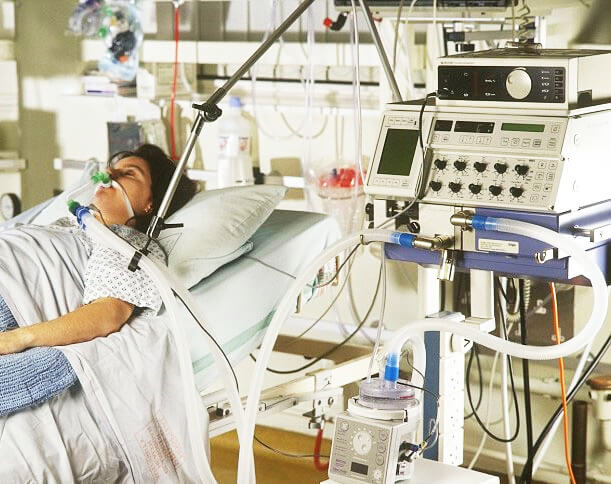
Patient in intensive care unit Science photo library
New data contained in a study published in the British Medical Journal this week, found ICU survivors to have a 22 percent higher risk of suicide in comparison to discharged hospital patients who had not been patients in intensive care units. ICU survivors were also found to have a 15 percent higher risk of self-harming than non-ICU patients. During a pandemic situation the findings come with important implications given the record number of people ending up in intensive care.
According to lead author Dr.Shannon Fernando, the research has drawn attention given the reality of the past year-and-a-half of unprecedented numbers of COVID-19 patients having been admitted to intensive care. Some of those surviving their harrowing ordeal of the past months will become at increased risk of harming themselves and -- worst-case scenario -- committing suicide.
Those whom the research has identified as being at the highest risk are people who are younger, who have undergone invasive treatment (such as being on a ventilator) and came of lower economic status. Additionally, there are those among them with a previous history of mental illness. Many patients now occupying ICU beds in Ontario fit that profile.
Lakeridge Health, located on the east side of Toronto, has been among the hardest-hit ICUs in the province. And it is where Dr.Fernando has been deployed recently, leading him to state that he has never in his career observed anything quite like the impact of COVID-19 that he has witnessed there. Intensive care units are seeing all-time high admission rates, and the patients being placed on ventilators in extreme duress are younger than those in previous pandemic waves.
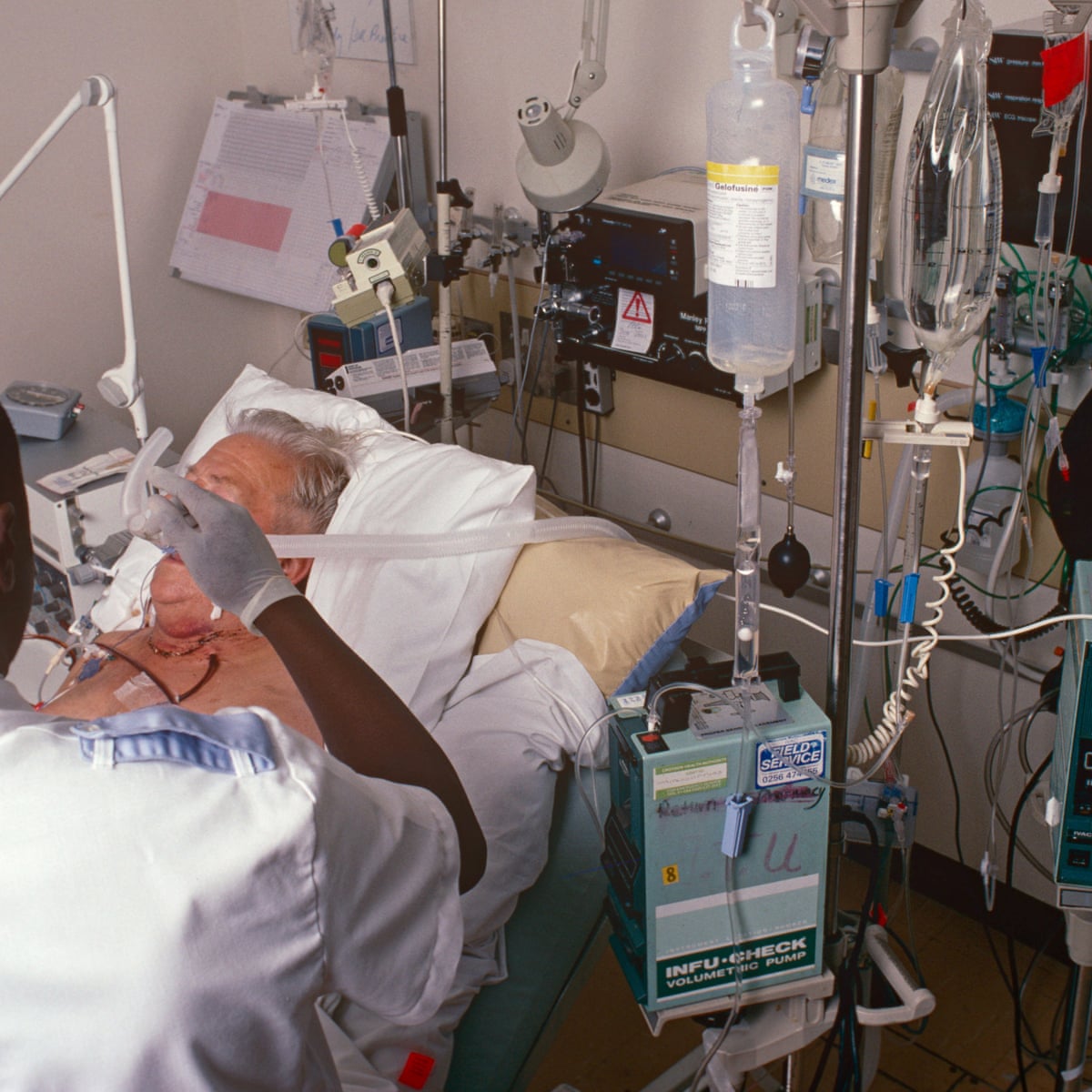
Intensive Care hotline
The research team was comprised of health professionals from The Ottawa Hospital, the Institut du Savoir Montfort, ICES and the University of Ottawa who scrutinized health records from all 423 ICU survivors in Ontario between 2009 and 2017, matching them with non-ICU hospitalized patients with similar risk factors. The highest rates of later suicide and self-harm among ICU survivors were patients between 18 and 34 years of age; those with pre-existing diagnoses of depression anxiety or PTSD; and those who were exposed to invasive procedures such as mechanical blood filtration due to kidney failure.
Intensive care unit physicians seeing younger patients discharged think of the situation as reflecting a best possible outcome. Yet identifying patients who fit the pattern of being most at risk for self-harm and potential suicide risks is critical in ensuring ongoing care to influence outcomes positively once they leave hospital. The point is to recognize the challenges ahead for vulnerable patients once they have been discharged, and to act in their favour.
In the interests of better understanding the health-care experience of higher-risk ICU patients once they leave hospital, the research team is committed to conducting further research, including how soon, for best results, discharged patients would receive outpatient mental health care, and whether they would gain by being rehospitalized.
The experience of the ICU leaves patients with many challenges, among the 70 to 870 percent of patients who survive. The mental health of people off work and in hospital for weeks or months on end, in the process requiring intense rehabilitation to regain their former health condition is another side of the same coin.
"A 1999 Institute of Medicine (IOM) report, found up to 98,000 people were dying in US hospitals each year from preventable medical errors." "In 2016, a review from Johns Hopkins hit on an unimaginably high
number. Looking at studies published since the IOM report, many of which
were based only on insurance claims, these researchers concluded that 251,454 hospitalized patients died from medical errors each year." "A recent and more rigorous study came up with a far more conservative number than either the IOM study or the Hopkins research." "Rather
than simply looking at 'medical errors', authors of this study examined
all adverse events and their link to patient mortality, whether a
mistake or not." "Using data from the Global Burden of Diseases, Injuries, and Risk Factors (GBD) between 1990 and 2016, instead of simply using insurance claims, the new study settles on a number 50 to nearly 80-fold smaller than the Hopkins review." "Across
the entire study period, the authors found 123,603 deaths in which
adverse events were determined to be the underlying cause of death. And
after controlling for population growth and ageing over those 26 years,
they found that those rates had actually fallen by over 20 percent." "Of all the deaths related to adverse events, the study found 8.5 percent could be attributed to misadventure, or medical errors such as accidental laceration or incorrect dosage, and 14 percent could be attributed to adverse events associated with medical management." "This
isn't to say that mistakes made by medical professionals are not a
problem, or that they shouldn't be fixed. Merely that grossly
exaggerating this number to the point of a crisis, where a huge number
of people who are hospitalized could die from a medical mistake, is
demonstrably false and dangerous." Science Alert
"Canadians place great trust in health-care organizations and are
generally satisfied with the health care they receive. In 2005, 85 per
cent of Canadians who received health care were 'very' or 'somewhat
satisfied' with the services they received."
"Additionally, in a recent Canadian Institute for Health Information
survey of patients accessing primary care, more than three-quarters (76
per cent) reported that the quality of the primary health care they
received in the past 12 months was either 'excellent' or 'very good'." "However,
a growing body of evidence over the past decade has demonstrated that
misadventures during surgical and other medical care are common around
the world, and Canada is no exception." "These misadventures are tragic
for individuals and costly for society, as they can result in
disability, death, or prolonged hospital stays. A Canadian study
estimated that about 7 per cent of adults seeking acute care in Canada
experience a misadventure; from these cases, close to 60,000 are
potentially preventable. The latest OECD figures show that about 150 deaths are caused by misadventures during medical care each year in Canada." The Conference Board of Canada
Auditor General Bonnie Lysyk released her annual report for 2019 on
Wednesday, and called for immediate action to reduce the number of
patients who are injured while receiving care in Ontario's hospitals
each year. (Paul Chiasson/Canadian Press)
"Each year, Ontario hospitals discharge one million people. Of those, about 67,000 people were harmed during their hospital stay." "Many [long-term care home residents] require assistance eating and drinking and rely on long-term-care home staff help to maintain their health." "Ontario has committed to spend $3.8 billion over ten years to 2026-2027 for mental health and addictions services, so it's important that funding is allocated appropriately to meet the needs of Ontarians." Ontario Auditor General Bonnie Lysyk, 2019 annual report
The audit found that hospitals are
currently not required to report so-called "never-events" - a medical
error that should never happen, such as leaving a foreign object inside a
patient - to the Ministry of Health.
File/Global News
Close to 70,000 patients receive injuries while in the process of receiving care in hospitals annually in Ontario, according to the province's auditor general who called for government action to help in reducing that number. The auditor general's team audit of acute-care centres resulted in the finding that six of every one hundred patients treated then discharged from hospitals in the province received harm during the process of health care provided to them.
Hospitals have no legal requirement to report to the Ministry of Health any medical error that should never happen, called "never-events". In that category would be leaving a foreign object inside a patient after surgery. The audit team visited six of thirteen hospitals that do track "never-events", finding that 214 incidents had occurred since 2015. Hospitals failed to comply with required safety practice standards on occasion, and what's more nurses repeatedly fired for reasons of incompetence often were re-hired by other hospitals.
Credit Ontario Ministry of Health and Long-Term Care
The audit recommended that hospitals and nursing agencies should be alert to and prepared to share information such as this with one another regarding poorly-performing nurses. Disciplining doctors was found to take years and in the process deleteriously impacted a hospital's budget; potentially making hospital administrations loathe to undertake needed disciplinary action. In one instance it cost a hospital $560,000, taking several years to finalize the discipline of a doctor with "practice issues".
Two other hospitals involved in disciplinary action against the very same physician laid out $1 million for their efforts to discipline the man. As legal costs for physicians in discipline matters are paid by taxpayers since government reimburses doctors for malpractice insurance fees, the auditor general felt the outcome is that doctors are willing to draw out disciplinary cases for years since there is little personal cost to themselves.
Food and nutrition in long-term care homes was another issue the auditors found is lacking to meet quality standards, when food is given patients that includes an excess of sugar and salt, and lacking sufficient fibre content. In three of five homes inspected by the audit team, patients were served food past their best-before date. Liquid whole eggs that were three months past best-before dating, was served in one of the homes, as an example.
iStock.com/Chinnapong
And as for addiction services, the audit team found wait times for treatment, opioid-related emergency department visits and death rates all rising, regardless of increased government funding. Adequate policies and procedures are lacking, to deliver timely addiction services, to monitor service providers, or to measure and report on effectiveness, according to the report's findings.
Another point of contention is that $40 million of the province's $134 million opioid strategy is equally distributed throughout all Ontario regions, and not preferentially based on need.