Ruminations

Blog dedicated primarily to randomly selected news items; comments reflecting personal perceptions

Saturday, July 23, 2022

Omicron's Endless Mutations to Sub-Variants

"What is happening is you have this large population now that has some significant amount of immune response to the virus, either through previous infections or vaccinations and boosting, or a combination of both."
"The virus is mutating in populations that have a fair amount of resistance to earlier forms."
"The virus is finding a new niche in humans -- a niche in highly vaccinated, boosted and previously infected people. These are very specific mutations."
"[Hospitalizations in Canada are increasing], but again we're not seeing a huge increase in requirement for ventilators or a significant increase in death. Knock on wood that continues."
"[A catastrophic variant can't be ruled out] but the way the virus is going, it has spent a lot of ammunition already in mutating its spike protein. I'm not an evolutionary biologist, but it may have gone down that path as far as it can go."
Dr.Terrance Snutch, professor, Michael Smith Laboratories, University of British Columbia/ chair, Canadian COVID-19 Genomics Network
 
"[We've treated COVID as the most important health issue of the day for the past two years], and maybe rightly so for a chunk of that. But we can't really be too focused on COVID at the expense of so many other things that we've just ignored over the years. [Delays in cancer surgery, a] humongous [wait list for medical care for just about anything]."
"None of us, in our lifetimes, have seen any virus that behaves this way. I don't think anybody can predict what we'll be facing in the future."
Dr. Sameer Elsayed, infectious diseases specialist, Western University

Long queue at the St Thomas’s Hospital Vaccination Center in London. The U.K. Government is urging all eligible people to get a booster vaccine as the Omicron variant spreads. Credit: Vuk Valcic/SOPA Images/LightRocket via Getty Images
 
Coronavirus cases are on a runaway upward trajectory across parts of Europe in the past two weeks. A "stunning" summer wave is slamming California, while Australians are urged to work from home while hospitals in the country are being swamped with COVID cases. Medical scientists have been stumped by a virus that has failed to reflect the predictable pattern of other viruses, in neat winter-centric waves like the flu. Instead multiple waves keep rolling in, each new variant entering before the previous one has completed its run; no lulls -- with peaks rising within months, one after another.

Even where populations have been vaccinated, boosted, and/or infected in one way or another, including combinations of all three, those surges keep rolling in. Still, scientists demur, it could be worse; given that our "immunity wall" has been useful in responding to each successive variant. BA.5-driven hospitalizations while rising, continue to remain below previous waves, with fewer ICU admissions and deaths.

And now, another sub-variant of Omicron has entered the scene known as BA.2.75 with its own wealth of mutations extending past the mutations first seen in the original version of Omicron BA.1 that lost no time ripping through global populations. According to Dr.Snutch, however, the virus remains essentially the same: "which is to be mutating at a certain rate in populations that are susceptible"; the mutation rate has not if at all, changed much, he contends.

No evidence has yet arisen that BA.4 and BA.5 are the source of more damaging disease outcomes. A study in hamsters, however, suggested that BA.5 can lodge deeper n the lungs. Antibodies neutralizing SARS-CoV-2, preventing infection wear out, but it has been found that the body's T-cells provide longer-lasting memory protection against the virus. Published in March, a study found COVID infection or vaccination produces sustained levels of T cells that can recognize the SARS-Cov-2 spike protein, lasting over a year.

"Even though some parts of the immune response wane, we can now see that T cells recognizing the virus are quite stable over time", explained the study's senior author, Dr.Jennifer Juno, immunologist at University of Melbourne. Following 15 months of monitoring, "they were still roughly ten-fold higher than someone who had never been exposed to the spike protein through infection of vaccination [which might explain why we're not seeing as many severe infections]."

People with Omicron frequently have reported relatively mild symptoms of sore throat, hoarse voice, cough and headache. "If that's the case moving forward, it's endemic as a nuisance more than anything", said Dr.Snutch. "Though a nuisance in older people can be deadly, just like the flu is deadly."

sSYDNEY, AUSTRALIA - JULY 08: A pedestrian walks through Pitt Street Mall on July 08, 2022 in Sydney, Australia. Residents in NSW are being encouraged to update their COVID-19 vaccinations, wear masks in enclosed spaces and practise good COVID-safe behaviours, as COVID-19 infections continue to rise across the state, driven by Omicron subvarians. The Australian Technical Advisory Group on Immunisation (ATAGI) on Thursday announced an expansion in eligibility for a fourth dose of a COVID-19 vaccine, with people aged 30 and over able to access the additional booster shots from Monday 11 July. (Photo by Lisa Maree Williams/Getty Images)
A pedestrian walks through Pitt Street Mall on July 8 in Sydney, Australia. Residents in NSW are being encouraged to update their COVID-19 vaccinations, wear masks in enclosed spaces, and practice good COVID-safe behaviors, as COVID-19 infections continue to rise across the state, driven by Omicron subvarians. The Australian Technical Advisory Group on Immunisation (ATAGI) announced an expansion in eligibility for a fourth dose of a COVID-19 vaccine, with people aged 30 and over able to access the additional booster shots from July 11
"What is the  core strategy that will allow Canadians to live as full a life as possible while protecting the things we value, including our elderly and most vulnerable?"
"The compromise may be that we accept that we have to invest in air quality, and we have to wear masks during periods of high viral spread and keep updated with vaccines to the best extent possible."
"People were saying this will be like a seasonal respiratory virus. 'We'll have a great summer and in the fall it will come back'. It's not acting like that. It has these cyclical waves. We're now in July!" 
Dr. Catherine Hankins, co-chair COVID-19 immunity task force, professor of public and population health, McGill University

Labels: , , ,

Thursday, April 07, 2022

To Boost or Not to Boost, That is the Question...

"If we'd been out of the worst of the pandemic now and we'd gone into a spring lull, we wouldn't be doing fourth doses."
"[Do we keep vaccinating every few months?] I suspect we're going to lean toward once a year soon, as we go into more of a steady state, we hope."
Tanis Watts, immunologist, University of Toronto

"In the meantime, there are many, many questions about whether the declining levels of antibodies [with current vaccines] are an indication of the entire potential immune system response."
"So, in the absence of that we're just looking at waning antibodies. How many people further out from their third dose are starting to show up with new infections?"
"[Priority for second boosters is being given to the most vulnerable], immunocompromised people for sure. People in long-term care for sure. And anybody who hasn't had their third shot [and who is eligible] should really get it." 
"But I think what's going to happen is we're going to watch over time and see if we can get through the spring and summer reasonably, so that then any kind of fourth dose strategy would be timed for when we go into the big respiratory season in fall."
Dr.Catherine Hankins, co-chair, Canada's COVID-19 immunity task force, professor of medicine, McGill University

"[Regardless of the dosing intervals], planning should take into account that vaccine deployment may be required for broader population groups in the fall of 2022 [depending on where the pandemic goes next]."
"[For now, with public health measures lifting and BA.2 spreading], there continues to be a high burden of disease."
National Advisory Committee on Immunization
Cartoon of four band-aids
The Atlantic
 
Omicron, the variant of Delta, which proved to be even more infectious than its predecessor, albeit without the grim consequences to the infected, has now mutated itself and its variant, BA.2 is beginning to replace Omicron as the new dominant sub-strain of SARS-CoV-2, plaguing the world community. In Ontario, just signed off on a fourth dose of COVID-19 vaccines for those over 60, the situation of an expanding infectiousness with up to 100,000 new infections daily, was foreseen when the province lifted its mask mandate.

By fall, speculation is that Canada in its entirety may realize a massive second booster rollout. Yet another booster in response to the ever-resurgent pathogen has many people concerned over how many rounds of booster shots will be required to gain some control over the threat of ever-more infectious virus strains? Facing a sixth wave of infections threatening to overwhelm hospital systems which have themselves seen a boost in their facilities and capabilities; with the BA.2 wave surging, populations have been left with a dire case of deja vu.

The not-quite surprising, but surely extremely disappointing situation which has led Canada's panel of vaccine advisers to recommend jurisdictions make preparations "for the rapid deployment" of a second booster over the coming weeks, giving priority to people 80 and older, residents of long-term care and seniors' homes has the sad ring of familiarity. Adults under 70 in or from First Nations, Metis or Inuit communities should also be added to second-booster priorities, noted the National Advisory Committee on Immunization.

A first booster; third dose of an mRNA vaccine, is roughly 60 percent protective against infection and symptomatic COVID, according to NACI; symptoms such as fever, headache and other physical issues signalling the presence of COVID. That third dose is also 78 percent protective against severe illness, a protection that, unfortunately wanes over time. At present limited evidence on the feasible efficacy of a second booster is available.

Most data arises from studies conducted in Israel, where one preprint indicated that seniors who received a second booster of Pfizer's vaccine experienced a 78 percent lower death rate than those who had just the initial booster. The New England Jouranal of Medicine recently published a second study which found the rate of severe COVID following a fourth dose to be lower than the three-dose group by a factor of 3.5; from a base of 1.2 million Israelis, aged 60 and over.

Fourth vaccine doses have been approved in the United States for Americans between the ages of 50 and up; a decision that has raised much controversy there among a population tired of the entire issue. In the Omicron strain the spike protein that sticks to and enters human cells is not as vulnerable to the immune system buildup of the original mRNA vaccines, as a result of the mutation that makes it far more transmissible. 
 
A pan-SARS-CoV-2 vaccine is in the works, one that would give better protection against all variants. 
According to the European Medicines Agency, no safety concerns have emerged from studies related to added boosters, though the Agency resisted recommendations of fourth doses universally. 

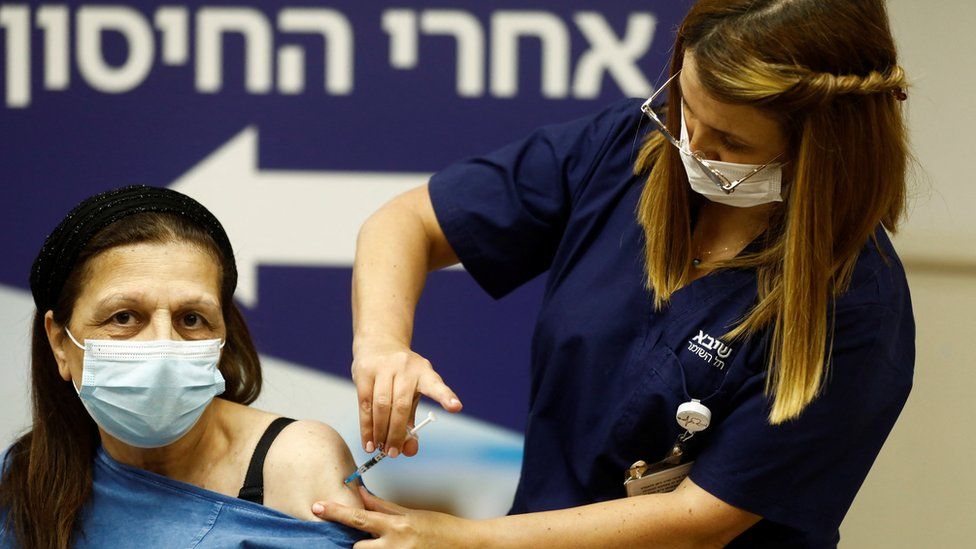
woman receiving a COVID-19 vaccine
Photo: Getty Images

Labels: , , , ,

Tuesday, February 08, 2022

Omicron, at Variance with Expectations

"No one wants to imagine what the scenario would have looked like if Omicron was at the beginning of the pandemic, just ripping through the population."
"We probably would have seen mass deaths, we probably would have seen long-term care facilities get destroyed."
"Three doses of vaccine in someone as medically frail as an 80-year-old, a mild illness can still take that person over the edge."
Dr.Zain Chaglia, infectious-disease professor, McMaster University 

"It's got so many mutations in the business part of the sticky protein that starts the infection -- that spike protein -- that the antibodies couldn't see it."
"So it was sort of ducking around our immunity."
Earl Brown, virologist, professor emeritus, University of Ottawa
A person lying on a bed checks the reading on a digital thermometer. A table with a bowl of oranges and various medications is in the background.
 
It seemed so mysteriously anomalous, so unexpected and bewildering, that a new strain of COVID-19, recognized as far more infectious, when it was first discovered in South Africa, and seemingly much less dangerous, would still be responsible as the sinister agent of a growing number of coronavirus-inspired deaths. After all, if the infection was less serious what might explain an explosion in death numbers? Bearing in mind that a vast number of Canadians have now been double-vaccinated against     COVID. And among the elderly the greater majority have received a third, booster-shot.

Yet the numbers of people in Canada dying as a result of having been infected by COVID-19, matches at the very least the first lethal wave of the coronavirus when it spiked in 2020 sweeping through a country that had no immunity to SARS-CoV-2. Yet a week ago the single-day death toll stood at 164. Who among those susceptible to the worst effects of the virus, might be succumbing to it? Given the presence of effective vaccines along with available useful treatments.

It is among the elderly that deaths occur largely, representing COVID's primary victims from its original emergence to the present time; that much has not changed at all. The contagious Omicron variant causes far greater numbers of infections than had previous waves done; the virus is still fatal for some, though the reality is that the rate of death among vaccinated Canadians is much lower than it had been thr0ughout previous surges.

However, the current state of the pandemic would have proven far more lethal in the absence of vaccines, along with immunity brought on as a result of past infections. Vaccines remain a powerful defence against serious illness even though they are not as effective in staving off Omicron infection as they had been with Delta. To the present, COVID has dispatched over 34,000 Canadians to an early death; about three-fold fewer per capita than in the United States, and two-and-a-half times lower than the United Kingdom. Seven times higher than the death toll seen in South Korea.

The daily death count rose and then rose again to 191 during the first COVID wave, according to Oxford University's Our World in Data. 82 percent of Canadians age five and older are fully vaccinated, while 37 percent have had three doses; higher rates seen in the most vulnerable age groups. Cases rose close to 60,000 daily recently representing over five times the highest volume seen during previous surges. Numbers that may be  higher since PCR-testing programs have been overwhelmed and no longer accept urgent requests for tests other than those in a specific category.

It is the greater spread of this Omicron variant that would have translated to much larger numbers of dead had people not been vaccinated. It is the sheer volume of infections resulting from Omicron's greater infectability that accounts for significant numbers of people dying; old and frail people who mount weaker immune responses to infection in general. Added to the fact that vaccines are less effective in the elderly.

Some treatments that had been effective in treating previous variants have been seen to fail against Omicron. Along with the fact that many of the promising monoclonal antibody drugs -- synthetic antibodies designed to fight particular viruses -- have proven to be far less effective against Omicron.

A long line of people wait to be tested for Covid-19 in New York City on December 22. With the rise of the omicron variant of the virus, testing to identify cases early has become more critical.
Spencer Platt/Getty Images

Labels: , , , , ,

Thursday, January 27, 2022

COVID-19 Antibodies No Protection Against Omicron

"It's therefore vital that we continue to monitor the situation closely to understand the impact of the Omicron variant, which now makes up almost all infections in the country."
"There is good news in our data in that infections had been rapidly dropping during January, but they are still extremely high and may have recently stalled at a very high prevalence."
"There is rapidly increasing prevalence among children now they are mixing more following the start of the school term and, compared with December, prevalence in older people, aged 65 plus, has increased... which may lead to increased hospitalizations."  
"It's therefore vital that we continue to monitor the situation closely." 
Professor Paul Elliott, director, Real Time Assessment of Community Transmission (REACT), Imperial School of Public Health, United Kingdom
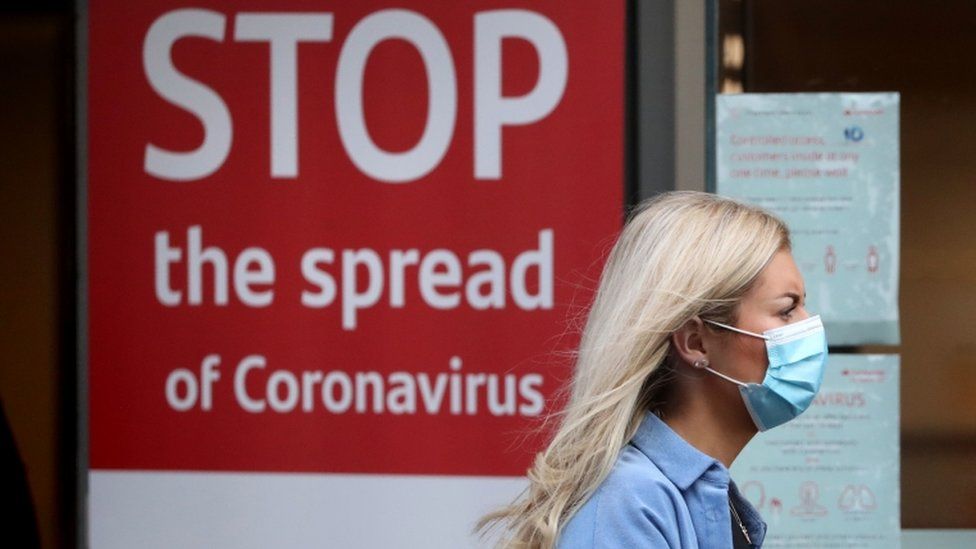
A woman wears a face mask and a sign says 'stop the spread of coronavirus'
PA Media

The "Plan B" COVID restrictions implemented across Britain this past December when Omicron was spreading at lightning speed through the population is being lifted. No longer is the public being instructed to work from home. Rules that meant people had to wear face masks in shopping interiors and on public transport are set to be suspended.

"It's reassuring to see COVID-19 infections beginning to slow across the country", leading to restrictions being lifted, said U.K. Health Secretary Sajid Javid. He did, however, acknowledge that case numbers remain elevated, recommending that people protect themselves and those around them by making certain they got their booster shots.

A large study in the U.K. on COVID19 revealed that approximately two-thirds of participants testing positive in January reported they had been infected previusly with the coronavirus. Researchers tested a selection of positive results with the intention of determining which variant was leading in infecting participants in the Real-Time Assessment of Community Transmission study.

99 percent of the samples analyzed were found to be Omicron infections, with a small number of the tests revealing themselves to be the BA.2 variant; a sub-type of Omicron, recently making its appearance, and under investigation. The remaining one percent of the infections were the Delta variant which, before Omicron came on the scene was the leading COVID variant infecting populations across the world.
 
Many research groups studying Omicron in animals have found that, compared with other variants, it causes much less damage to the lungs.
  Credit...Jerome Delay/Associated Press
Over 100,500 volunteers' infections were scrutinized by study scientists between January 5 to January 20. A record number of cases was reached in early January as Omicron was recognized as the dominant variant. Among the total number of participants infections rose steeply to about 4.41 percent as opposed to 1.40 percent a month in December. Evidence that Omicron can evade at least some of the defences generated by infection with previous variants was supported by the high proportion reporting earlier cases.
 
Despite much higher infection numbers, however, deaths and hospitalizations remained lower than with previous waves. The prevalence of the virus was elevated to its highest level since the study began in May of 2020, with the peak of infections occurring around January 5, before case numbers began declining and finally levelled off from the middle of the month.
 
Among children between the ages five to 11 the highest infection rate across all age groups was identified, at 7.81 percent; infections seen to be rising with the return to school in January. The concern among researchers is that the close to 12-fold increase for those over 65 may still end up leading to increased hospitalizations. 
 
https://image.cnbcfm.com/api/v1/image/107006383-16431560781643156074-21090385120-1080pnbcnews.jpg?v=1643156077&w=750&h=422

Labels: , , ,

Friday, January 07, 2022

Getting Over It -- Omicron At Home

"If you are otherwise healthy and vaccinated, this will likely be a relatively minor illness and nuisance for you, from almost no symptoms, to a cold, to something that is more achy in nature."
Dr.Andrew Morris, infectious diseases physician, Toronto
 
"[Should symptoms worsen contact your doctor or health-care provider immediately]; some symptoms may be signals that more urgent medical care is needed."
"Adults may look dehydrated, have shortness of breath or chest pains. They may also complain of light-headedness."
"[With children], their face or lips may turn blue. Babies may be unable to breastfeed. These symptoms are warning signs that urgent care is needed."
World Health Organization
 
"We are seeing COVID [positive] babies of unvaccinated moms, who themselves are at increased risk of severe disease."
"It's hard to explain that their young infants would have had some protection against COVID if they had been vaccinated during pregnancy."
Dr.Nisha Thampi, pediatric infectious diseases physician, Children's Hospital of Eastern Ontario
 
"It's rare to have to admit any child with COVID, and we are definitely seeing an uptick in admissions with Omicron."
"We still have a group of kids under the age of five who are unvaccinated, and so they remain vulnerable."
"Inflammation in the bronchi can cause respiratory disease where the child may need support."
"[With a highly contagious variant circulating], we just have a much higher load of COVID out in the community."
"A baby under the age of two should have at least four wet diapers in 24 hours; a child over that age should have three pees in 24 hours."
Dr.Sarah Reid, pediatric emergency physician, CHEO 
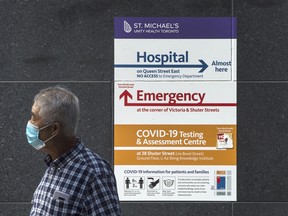
Toronto's St. Michael's Hospital.
There's a lot of both observation and speculation about the barely-two-week appearance of Omicron, the SARS-CoV-2 virus COVID variant that health experts are still trying to figure out, even while two years of COVID-19 haven't brought them to a full comprehension of the coronavirus and its potential mutations and affect on the post-infected for the future. What all health authorities want to do is pull the rug out from under the confusion leading to panic. 
 
And they feel safe enough given real-life observations, to assure the public that this version of the mutated coronavirus appears far less willing to inflict heavy damage on the wild numbers of people it is infecting anywhere in the world it lands, turning an introduction into a full-scale invasion. The reality is that for any country's health-care system, the burden of dealing with Omicron goes well beyond is relatively mild symptoms as it bulldozes through populations. 
 
The variant's very infectiousness itself, feeding omnivorously on the infection-susceptible, inevitably creates a huge wave of hospitalizations; in comparison to the growing numbers of infections, relatively few serious cases emerging still translates to more urgent need to meet the medical requirements guiding people back to health through heroic medical interventions at a time when health workers are themselves drained of energy and many have succumbed to the virus themselves.
 
Still the public should be aware that most people contracting Omicron will not be requiring hospital assistance since most with a COVID infection of the variant are able to recover in their own homes. Omicron's most common symptoms are mild, including fever, cough, congestion, muscle aches or fatigue -- symptoms common to many other relatively benign, fleeting illnesses from colds to mild flu. It was noted early on that tell-tale symptoms of COVID-19 such as taste and olfactory sense loss rarely occurs with Omicron.
Some symptoms of Omicron infection include fever, dry cough, runny nose, aches and pains, nausea and diarrhea. You may not lose your sense of taste or smell with this variant, however, according to infectious diseases specialists. (Prostock-studio/Shutterstock)

When recovering at home the medical community recommends rest, remaining well hydrated, and should body aches be sufficiently severe, making use of over-the-counter medications like acetaminophen or iboprofen to treat fever or muscular and joint aches. The elderly with medical conditions; obesity, lung or liver disease, or diabetes, along with those who are immunocompromised may requir 9e early treatment in prevention of becoming more ill or requiring hospitalization.
 
"So getting a diagnosis is important, and you should seek medical attention", advises Dr. Morris. In which case some treatment options for those at increased risk of infection, with comorbidities include budesonide, an inhaled steroid and asthma drug that is commonly prescribed; the antidepressant fluvoxamine which has anti-inflammatory properties, and an IV infusion of monoclonal antibodies to prevent mild and moderate COVID from progressing to severe. 
 
For those who experience distress, it is recommended that they attend the closest hospital emergency department, alternatively if too ill, contact 911 for assistance. Any signs that include difficulty breathing when standing or moving about, chest pain or pressure, increased and gradual feelings of being unwell or breathless, shaking, or shivering, loss of appetite, dizziness, collapsing or fainting, or feeling ill to the point of being unable to perform basic functions, call for immediate medical assistance.   
 
In addition, there are other symptoms that give warning and require action, such as a significant or increasingly worse cough, confusion, sleepiness in the extreme, and low oxygen levels. Oxygen saturation (oxygen level in the blood) is measurable with the use of a pulse oximeter, a small device clipping to a finger. When levels dip to 92 percent in an otherwise healthy individual, that signals a need to be admitted to hospital.
 
And while it is considered a rare event for children or babies to develop severe illness out of COVID, pediatric hospitals are reporting having admitted babies under a year of age in reflection of COVID infections. Signs to watch for in children include sudden confusion, or refusal to eat. Babies in particular, can have issues revolving around feeding and hydration, or may require extra oxygen.  Indications of respiratory distress -- where a child is breathing differently than normal and dehydration -- signal the need for medical attention.
 
A child that presents as abnormally sleepy and is difficult to arouse out of sleep, is yet another symptom to be aware of. Should a child have a fever extending to day five, assessment should be sought "to make sure there's no sign of anything else happening that's causing the fever to persist", advised Dr.Reid.     

For many people who have two or three doses of a COVID vaccine and who get Omicron, they'll find their symptoms can be managed at home. Drink plenty of fluids, and stay warm inside. (Shutterstock)

Labels: , , , ,

Thursday, January 06, 2022

COVID-19 -- Age-Indifferent

"We have always expected that, if community rates went up, it would translate into the pediatric world. We talk a lot about COVID being mild in children. But, with increasing rates, we're seeing increasing hospitalizations in infants."
"There is a good transfer of antibodies to the newborn [when their mothers are vaccinated while pregnant]. We are extrapolating it will protect the baby for at least the first few months of life."
"I can understand the hesitancy, but I would like to assure [pregnant women] that it has been shown to be very safe."
"There is no doubt in our minds that this is beneficial. It's a vaccine-preventable illness. This is one thing that moms can do to protect their newborns."
Dr. Anne Pham-Huy, paediatric infections expert, Children's Hospital of Eastern Ontario (CHEO)

"All available COVID-19 vaccines approved in Canada can be used during pregnancy and breastfeeding, but the Society of Obstetricians and Gynaecologists of Canada [SOGC] recommends following provincial and territorial guidelines on type of vaccine to prioritize for pregnant and breast-feeding individuals."
Society of Obstetricians and Gynaecologists of Canada statement
American doctors are now treating over 500 kids a day for COVID-19. In Canada, admissions are also rising and pediatric hospitals are starting to see more infants with the virus.   CBC
 
The admission of four babies under a year of age to Ottawa's Children's Hospital of Eastern Ontario with COVID-19 infections in the past three weeks has raised alarms in the paedriatric medical community. That another two infants were admitted to the McMaster Children's Hospital in Hamilton aroused a desperate effort to persuade pregnant women to be vaccinated. Eight infants by comparison had been admitted to hospital with COVID during the entire two-year period of the pandemic.

Infant hospitalizations for COVID-19 infection prior to mid-December represented a rare event. A program at CHEO tracks vaccination status of mothers of infants admitted to the hospital. CHEO, along with the Hospital for Sick Children in Toronto, McMaster Children's Hospital and Kingston Health Sciences Centre formed a purposeful effort to urge pregnant women to be vaccinated -- not only for their babies' well-being but for their own protection against the pathogen stalking the world community.
 
A joint statement from the hospital group explained that "With the rise of Omicron, hospitals are starting to see a disturbing, potential new trend -- admissions of infants with COVID-19." Because infants have immature immune systems that make it difficult for them to combat infections, they are particularly at risk. Pregnant women who have been vaccinated mount excellent immune responses and that capacity is passed on to their newborns.

Absent a mother's vaccinated state, an infant has no protection of maternal antibodies that would be transferred during the third trimester of pregnancy, a reality that has been studied with other infectious diseases, like flu and whooping cough. CHEO's Better Outcomes Registry and Network (BORN) Ontario collects, interprets and shares data, and has been monitoring the impact of COVID in the provincial pregnant population. Research indicates no evidence that COVID-19 vaccines taken during pregnancy can be associated with adverse pregnancy outcomes.

Pregnant women infected with COVID-19 stand an increased risk of admission to hospital ending up needing critical care and invasive ventilation, in  comparison to their age-matched, non-pregnant peers. Almost 40,000 women received at least one dose of  COVID-19 vaccine during pregnancy between December 14, 2020 and June 30, 2021. 

Roughly seven to 11 percent of pregnant women are estimated to require hospitalization for COVID-related illness, while between one and four percent of pregnant women will require admission to intensive care units according to international and Canadian data. Being over 35 years of age, asthma, obesity, pre-existing diabetes, pre-existing hypertension and heart disease are factors associated with risk of severe illness.

An increased risk of preterm birth associated with COVID-19 has been identified in both Canadian and U.S. studies. Vaccine coverage in pregnant women has remained lower than within the general population, despite pregnant women having been prioritized for vaccinations, reports BORN Ontario.  
"The biggest difference is that Omicron is much more respiratory, so kids are presenting with cold-like symptoms, where before it was fever and maybe some gastrointestinal in the earlier waves."
"Now we're seeing kids, for example, with asthma. Their asthma is getting worse and bringing them into hospital."   
"We're way higher than we were previously. Part of that is because there are so many cases in the community that kids are coming in — some with COVID, some for other reasons — and we're screening COVID on admission."
"In previous waves, babies were essentially unaffected by COVID. But now we're seeing newborns. So in that first 30 days of life, significant disease."
Dr. Fatima Kakkar, paedriatic infectious diseases, specialist, Sainte-Justine Hospital, Montreal 
Multiple hospitals recently began seeing an uptick in young patients infected with the coronavirus, CBC News has learned, including some of the country's largest pediatric facilities in British Columbia, Ontario, and Quebec.  (Evan Mitsui/CBC)
 
According to figures from the U.S. Centers for Disease Control and Prevention, by the week ending January first, an average of over 570 children presenting with COVID were admitted to U.S. hospitals across the nation, daily. 
At the largest pediatric health care facility in the United States -- Texas Children's Hospital in Houston, over 700 children were treated in a single 24-hour period with COVID. The hospital reports an over four-fold increase in child hospitalization from COVID-19 just in the past two weeks, in lock-step with the emergence of the Omicron variant sweeping the world community.   
"As you're seeing a more transmissible variant plow through our communities, you are seeing more children get infected; primarily those who are unvaccinated."    
"Unfortunately, a subset of them are ending up in the hospital requiring, sometimes, ICU level care. So that certainly is alarming."    
Dr. Syra Madad, senior director, special pathogens, New York City Health System

Labels: , , , , , , ,

Monday, January 03, 2022

Israel's Tight Race Against Omicron

"The [infection] numbers will have to be very high in order to reach herd immunity."
"This is possible but we don't want to reach it by means of infections, we want it to happen as a result of many people vaccinating."
Nachman Ash, Director-General, Health Ministry, State of Israel
COVID 19 herd immunity news
Sheba Medical Centre, Israel
 
In its ongoing battle to fend off the SARS-CoV-2 virus, Israeli government authorities and the country's top health official and medical authorizing body approved use of Merck & Co.'s antiviral pill for     COVID-19 patients -- molnupiravir -- as yet another arrow in its quiver of pharmaceuticals meant to counter the predatory effects of the coronavirus devastating the country.

The latest iteration of a COVID mutant has sent world health authorities into a scramble as the Omicron variant lives up to its early reputation as a potentially more transmissible virus than its predecessors. Infections keep hitting new world records, currently seeing an average of over a million cases each day between December 24 and December 30, as revealed by Reuters data.

The only bright spark in an otherwise endless dance of evasion with this often-deadly virus is that despite rising numbers of cases everywhere in the world, deaths have not risen proportionate to the infection numbers, reflecting a change in both the virus's modus operandi and final effects. Great relief, tempered by a 'wait-and-see' caution has resulted in a exhalation of bated breath with the realization of coping with a less lethal adversary.

And in Israel, which in the early months of the original COVID-19 sweep through the world community became a leader in swift remedial action in hopes of taming the untamable, daily cases with Omicron are anticipated in the coming three weeks to reach record high infection rates. Like other nations, Israel celebrated, congratulating the efficacy of its swift action in the first wave, thinking the virus was tamed only to learn soon afterward this was wishful thinking.

Salman Zarka, head of the Israeli health ministry's coronavirus task force, expressed his belief that herd immunity was far from guaranteed, given experience in the past two years that demonstrated some COVID-19 patients who had recovered from their intimate acquaintance with COVID had nonetheless later been reinfected.

Conventionally, herd immunity represents a population peaking at the top majority number of infections rendering its capacity to further infect those still vulnerable, less likely to occur. The population becomes protected either through vaccination or by individuals developing antibodies by contracting the disease, in large enough numbers to qualify as a situation of having achieved herd immunity.

Of Israel's 9.4 million population, approximately 60 percent have been fully vaccinated, mostly with the use of the Pfizer/BioNTech vaccine, meaning they have either received three doses or have recently secured their second dose. Yet a remaining hundreds of thousands eligible in the population for a third inoculation appear to have hesitated.

Director-General Ash of the Health Ministry is considering a fourth vaccine dose for those over 60, with severe morbidity avoidance in mind, following its approval a week earlier for those who are immune-compromised and for elderly people in congregate-care homes. The use of molnupiravir for COVID-19 patients over the age of 18 has been authorized by the country's Health Ministry which had signed a supply contract with Merck.

The pharmaceutical pill has been shown to reduce hospitalization and death by around 30 percent in a clinical trial, authorized in the U.S. last month for high-risk adult patients. Statistics that convinced Israel to order 100,000 units as well of Pfizer's Paxlovid antiviral pill for those aged 12 and older who are at risk of serious disease.

person receives 4th dose
Israel has approved a fourth vaccine dose for the immunocompromized and the elderly in care homes   Reuters

Labels: , , , ,

Sunday, January 02, 2022

At -Home COVID Recovery

iStock
"The most important thing is to keep your antennae up and get medical attention promptly if it starts behaving like a not-mild illness."
"Your immune system will get rid of this ... so the important thing there is, [is to] support your immune system. Eat sensibly, eat healthy food. Your body needs good nutrition to support your immune system.
This is not the time to skip your fruits and vegetables."
"It's not going to make you better, but it'll help you not suffer as much until your immune system makes you better [over-the-counter painkillers]."
Lee Green, chair, Department of Family Medicine, University of Alberta

"You don't want to miss it when somebody is getting to the point of needing oxygen or specific therapies for COVID that are only available in a hospital setting."
"And so there is value, particularly in the older and people that have comorbidities, to monitor their own health more closely in terms of temperature, maybe check your heart reate, your breathing rates, and seriously think about getting a pulse oximeter."
Noel Gibney, professor emeritus, School of Medicine, University of Alberta
 
The experience is different for everyone; depending on age, health condition, and all manner of variables. The latest surge of COVID-19 racing through Canada has resulted in record-breaking case counts in some provinces with 207,418 active cases in the country as a whole, mid-week; just over 1,201 admitted to hospital, while according to the Public Health Agency of Canada large numbers of people are isolating at home while recovering from an infection. 

No evidence exists, according to the U.S. National Institutes of Health, that vitamin C supplements are of any practical use as a home 'cure' for COVID. Insufficient evidence exists for vitamin D or zinc to be recommended as potentially curative supplements. So when people are infected with Omicron, they're left to their own devices and that usually boils down to methods used for most types of infection of the respiratory tract: rest and fluids.

Resting, exercising, and eating healthily while in isolation is highly recommended by the Public Health Agency of Canada, as well as making use of video calls in communication with friends and family. COVID-19 symptoms are not dissimilar from a whole host of other illnesses, although there are also those testing positive for the coronavirus who are asymptomatic. Legal requirements are to isolate if ill with COVID, including for those with exposure to others who are infected.

Symptoms such as coughing; 38 degrees Celsius temperature or higher; chills; body aches; weakness and fatigue and conceivably, shortness of breath. Symptoms that are similar to many other types of illness, and like them, the recommendations for home treatment and recovery are also similar. A closed, steamy environment  may help alleviate congestion. And balm on a nose exposed to too much wiping can be a relief.

Ibuprofen or acetaminophen can be used to alleviate discomfort according  to the National Health Service in the United Kingdom, while at the same time the PHAC recommends the avoidance of painkillers which "could hide an early symptom of COVID-19", if an individual is in quarantine from an exposure, but not yet confirmed to be COVID-positive.

"There is no scientific evidence that establishes a link between ibuprofen and the worsening of COVID-19 symptoms", read a Health Canada notice in response to early pandemic social media posts claiming the ove-the-counter medication had the potential to worsen COVID-19. "Water, soup, fruit juice and hot tea with lemon are all good choices", along with "extra rest to help feel better", a message from the government of Alberta.

The NHS suggests avoiding lying on one's back in bed, sitting upright or lying to one side, instead to facilitate easier breathing. Cough medicines not recommended for those under six years of age, can help alleviate symptoms in older people. Above all, "good advice anytime is the suggestion to abstain from smoking or breathing second-hand smoke while ill with COVID-19". "It's a good idea to take your temperature if  you feel badly ... if you're feeling terrible and if you feel like you might have a fever, make sure to check", advised Dr.Green at the University of Alberta.

Some symptoms are not to be managed at home. Presenting for medical attention at a hospital is highly recommended with significant trouble breathing, with chest pain or pressure, with a new onset of confusion or difficulty waking from a sleep. The risk is for people who begin with a mild illness then proceed to a worsening situation. A pulse oximeter to tell blood oxygen level providing a warning sign of when to seek medical care, is recommended by Professor Gibney of University of Alberta's school of medicine.

People queue to pick up coronavirus disease (COVID-19) antigen test kits, as the latest Omicron variant emerges as a threat, at Yorkdale Mall in Toronto, Ontario, Canada December 22, 2021

Labels: , , , , ,

Saturday, January 01, 2022

A Tsunami of Omicron

"We just can't have everybody just being taken out of circulation because they just happen to be at a particular place at a particular time."
Australian Prime Minister Scott Morrison

"Delta and Omicron are now twin threats driving up cases to record numbers, leading to spikes in hospitalization and deaths."
"I am highly concerned that Omicron, being highly transmissible and spreading at the same time as Delta, is leading to a tsunami of cases."
Director-General Tedros Adhanom Ghebreyesus, World Health Organization
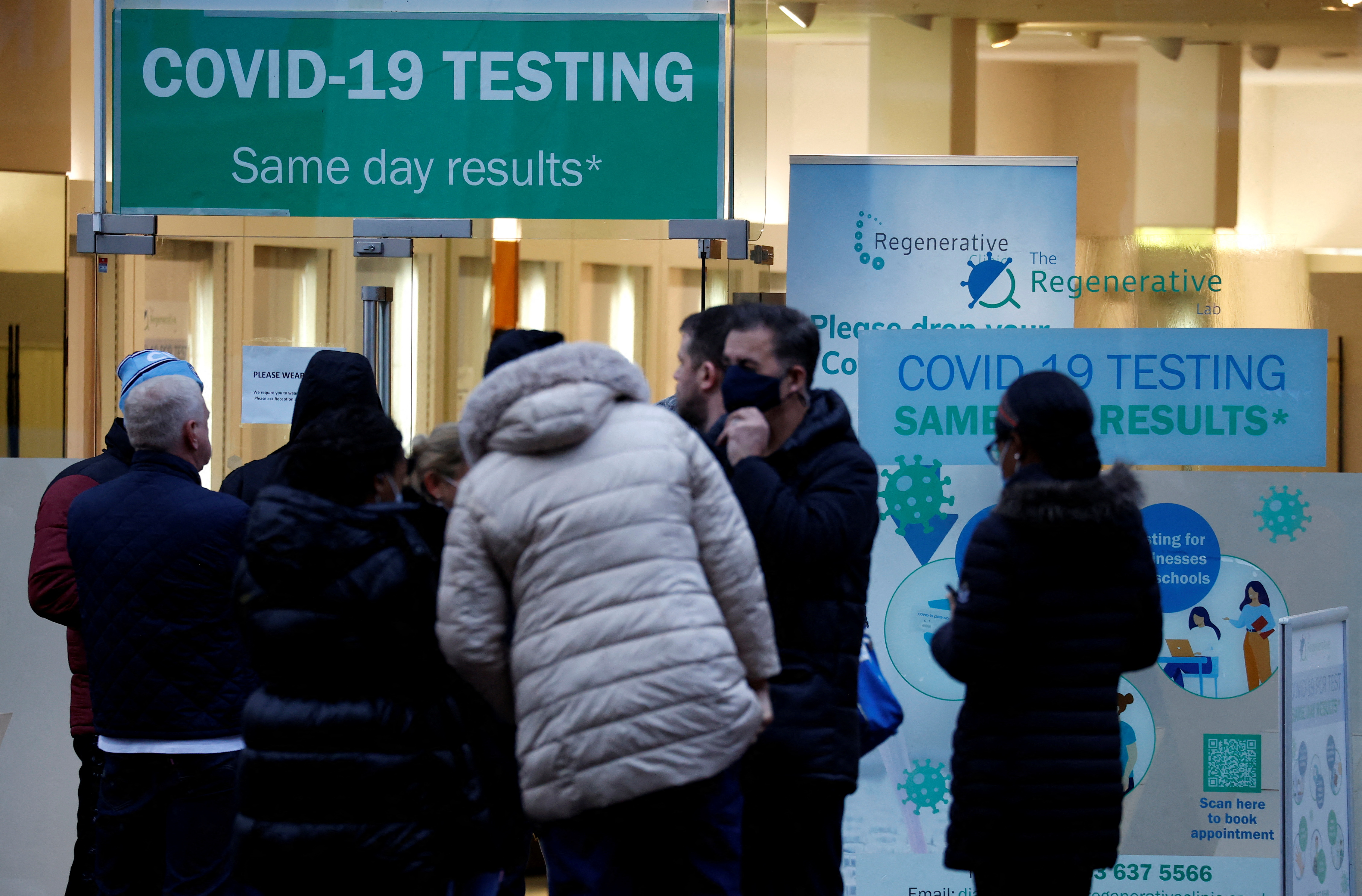
People wait outside a COVID-19 testing centre, amid the coronavirus disease (COVID-19) outbreak in Manchester, Britain, December 28 , 2021. REUTERS/Phil Noble
 
Britain, Italy, Spain Portugal, Greece, Cyprus and Malta have all registered record numbers of new cases. In the United States, the seven-day average of new daily cases hit its own record of 258,312, a Reuters tally confirmed...as opposed to the previous peak last January when 250,141 cases were registered. The saving grace is that surge aside, deaths and hospitalizations remain comparatively low, CDC director Dr.Rochelle Walensky pointed out.

Over the past seven-day period, according to Reuters data, global COVID-19 infections reached record highs as the Omicron variant sped uncontrollably through populations, leaving governments to wrestle with how they might conceivably contain the spread, and at the same time sparing fragile economies from paralysis.

On average every day worldwide, between December 22 and 28, close to 900,000 cases were registered, many countries posting new all-time highs in a previous 24-hour period. Among them the United States, Australia and many European countries, as well as Bolivia. Studies suggest Omicron is less deadly than previous variants yet even so, huge numbers of positive tests equate with some countries' hospitals soon becoming overwhelmed and at the same time businesses may struggle to carry on, with workers quarantining.
 
A situation that has led some governments to consider shortening the period of isolation for people who test COVID-positive, or have been exposed to someone who is positive, through sheer fear of the impact on the economy resulting from too many people being kept at home. Spain announced a reduction of their quarantine period for those testing positive to seven days from the current ten.
 
Italy is planning to relax isolation rules for people coming into close contact with infected people. U.S. health authorities released new guidelines this week that would shorten the isolation period for people with confirmed infection to five days from ten, confined to people who are asymptomatic. Olivier Veran, French health minister, informed lawmakers that his country was being overcome by a "dizzying" rise in cases where 208,000 have been reported in the space of a day -- representing a national and European record.
 
People wearing protective masks queue for booster injections of a coronavirus disease (COVID-19) vaccine as the pandemic continues, at a vaccination centre at the University of Malta in Tal-Qroqq, Malta December 29, 2021. REUTERS/Darrin Zammit Lupi
People wearing protective masks queue for booster injections of a coronavirus disease (COVID-19) vaccine as the pandemic continues, at a vaccination centre at the University of Malta in Tal-Qroqq, Malta December 29, 2021. Reuters
 
An increase of 60 percent over the previous week was seen in the United States where current seven-day daily average cases sit at close to 240,400, while the hospitalization rate for the same period is up 14 percent to about 9,000 per day over the same period, with deaths about seven percent, to 1,100 daily, given early data from Britain, South Africa and Denmark. The risk of hospitalization from Omicron is lower than from Delta according to the WHO.

Mike Ryan, the WHO top emergencies expert stated it to be too premature to draw definitive conclusions since Omicron so far was in circulation largely among younger, less vulnerable age groups. 182,027 COVID cases were reported in Britain, a new record exceeding the previous highest figure registered by fully 50,000, according to government statistics. Record cases were reported in Ireland as well, with over 16,000 new infections.

Prime Minister Boris Johnson, however, has been persuaded not to bring in new restrictions in England to limit the Omicron spread, now accounting for 90 percent of all community infections. Almost 18,300 new cases have been registered in Australia, eclipsing the previous high of around 13,300. Demand for free testing kits in Spain from the Madrid regional government has far outstripped supply, with long queues forming outside pharmacies.
 
The economic impact of huge numbers of people being forced into self-isolation as a result of having had contact with an infected person has governments increasingly concerned. Spain and Italy took steps to relax some isolation rules, but China is adamant about its policy of zero tolerance to the extent that it has placed the 13-million people in Xian, capital of central Shaanxi province, under rigid lockdown for a seventh day, where people cannot leave their homes even to shop for food.

Residents take nucleic acid tests in Xi'an on December 27, during a city-wide lockdown.

Labels: , , ,

Thursday, December 23, 2021

Early Consensus on Omicron? Not Quite!

"There is something going on ... in terms of the difference in the immunological response for Omicron vs Delta."
"[Findings suggested breakthrough infections and reinfections from Omicron were] less severe [and that immune protection from T-cells and B-cells] mediated [Omicron's] progression to severe disease [despite diminished antibody protection]."
"It's about what [it] means in terms of absolute numbers as, if the numbers are so big it can still cause a substantial public health problem even if, per case, the risk of severe disease is less."
Professor Cheryl Cohen, epidemiologist, University of Witwatersrand, South Africa
 
"It is primarily young and vaccinated people who are infected with Omicron, and when we adjust for this, we see no evidence that Omicron should result in milder disease."
Henrik Ullum, director, Statens Serum Institut, Denmark
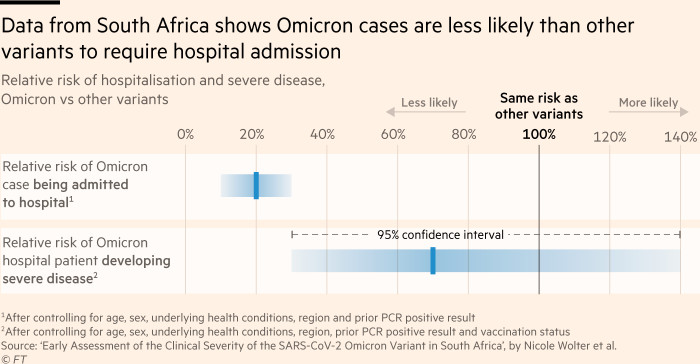
Chart showing that research from South Africa finds Omicron cases are less likely than other variants to require hospital admission

According to health-care data out of South Africa, Denmark and the United Kingdom, findings appear to indicate by separate research teams that fewer cases of severe disease will erupt from Omicron, despite its higher rate of infectiousness, than the previous COVID-19 iteration, Delta. Despite that finding, there remains insecurity of knowledge about the ever-mutating, ever surprising SARS-CoV-2 virus to the point that these same researchers caution that health services can still be strained owing to the new variant's high degree of infectiousness.

All are in agreement that unvaccinated groups remain the most at-risk for infection. And that the proportion of all cases developing severe disease remains lower than with other variants, despite Omicrons breakthrough infections and reinfections causing mild symptoms. Omicron now accounts for a major proportion of COVID-19 cases in a growing number of countries, including the United States. The study carried out by South Africa's National Institute For Communicable Diseases found among those who tested positive in October and November, Omicron was 80 percent less likely to be admitted to hospital than Delta cases.

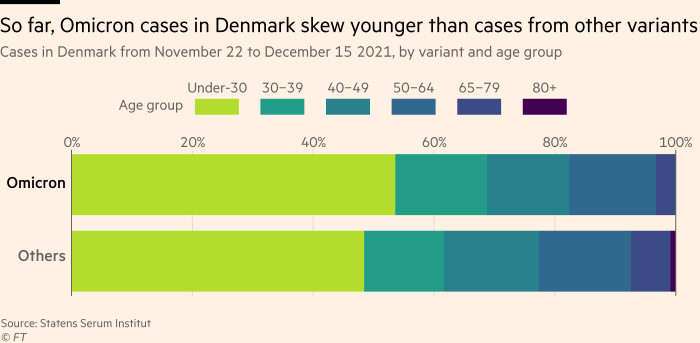
The same research team released a second analysis controlling for vaccination status, finding that once admitted to hospital Omicron and Delta cases from recent weeks held similar likelihood of progressing to a serious condition. Over 10,000 Omicron cases formed the basis for the analyses, including over 200 hospital admissions. Research out of Denmark indicated that among those who tested positive between November 12 and December 15, Omicron cases appeared three times less likely for hospital admission than cases with other variants, while cautioning that outbreaks among  younger groups could skew data.
 
Chart showing that so far, Omicron cases in Denmark skew younger than cases from other variants
 
Omicron -- in the absence of evidence for any intrinsic reduction in severity -- is not precluded from resulting in less severe outcomes at the population level, given that a greater share of cases are among people with some protection against severe disease through prior infection or vaccination. "Due to Omicron's higher immune evasion, this pattern will persist in a population-level assessment", explained Professor Samir Bhatt, at University of Copenhagen.

The British study analyzed data from PCR-test confirmed cases in England between Dec.1 and Dec.14, concluding that "Overall, we find evidence of a reduction in the risk of hospitalization for Omicron relative to Delta infections, averaging over all cases in the study period". According to Imperial College researchers, risk of any visit to hospital with Omicron was between 20 and 25 percent lower than with the Delta strain. Britain reported over 100,000 new cases of COVID-19 on Wednesday, the first time since wide-spread testing was available.

People who had received at least two vaccine doses remained substantially protected against hospitalization, even if protection against infection has largely been lost against the Omicron variant, according to their estimates. Denmark on Sunday introduced a suite of measures to contain Omicron's spread; among which was theatre and museum closures and capacity limits in bars, restaurants and shopping centres.

A drop-off in severity could make the decision of countries like Britain and the United States not to impose restrictions "just about tenable", according to Professor Peter Garred, clinical immunologist at Copenhagen's Rigshospitalet, Denmark's largest hospital.

Technicians in Durban, South Africa, conduct antibody testing in a laboratory at the African Health Research Institute
Technicians in Durban, South Africa, conduct antibody testing in a laboratory at the African Health Research Institute Technicians conduct antibody testing at the African Health Research Institute in Durban, South Africa Waldo Swiegers/Bloomberg
"[Policymakers should be a] little careful about making the narrative that it's more mild [because it would be] some weeks [before the variant's impact on hospitals becomes clear]."
"I fear that because of the infectiousness of Omicron ... what we see right now will be very different n just about two weeks' time."
Professor Thea Kolsen Fischer, head, virus and microbiological specialist diagnostics, Staten Serum Institut, Denmark

Labels: , , , , , , , ,

Tuesday, December 21, 2021

Omicron in South Africa

"At this early point, we believe there is hope that the severity is lower. [However], we should not be lulled into any type of complacency."
"[The higher risk of breakthrough infections compared to Delta also means masking, distancing and] caution [and] prudence [remain important]."
"There is no reason to panic in this regard, [infection of children remaining low], without question."
"[South Africa is seeing a steep trajectory of new infections] indicating very rapid spread. This is clearly a highly contagious variant of SARS-CoV-2."
Dr.Ryan Noach, CEO, Discovery Health
Vaccination centre in Sandton, South Africa
Getty Images
 
Discovery Health, the largest private health insurance administrator in South Africa, has released an analysis based on over 211,000 positive COVID-19 test results; 41 percent derived from adults who had two doses of the Pfizer-BioNTech vaccine. Some 78,000 of those test results were attributed to the newly-discovered Omicron infections occurring between November 14 and December 7, when the variant was first noted to be in circulation.

Researchers studied the Pfizer real-world vaccine effectiveness against Omicron infection hospital admissions and the risk of reinfection for those people known to have been previously infected with SARS-CoV-02 [with circulating antibodies]. Scrutiny concluded that people infected with Omicron seemed less likely to develop severe disease in comparison to adults who had been infected in the first wave of COVID in South Africa.

The risk of hospital admission was 29 percent lower for adults, once adjusted for age, sex, underlying health conditions and vaccine status. The encouraging drop in severity suggests an "apparent de-linking" of infections with hospitalizations, according to a slide presentation given at a press briefing. During the first three weeks of South Africa's Omicron wave, hospital admissions and death from infections rose rapidly, while at this point both have decreased their steep ascent.

All this, while keeping in mind that South Africa has a high rate of background immunity, meaning in the first waves to strike the population infections were widespread. Fully 72 percent of the population in Gauteng -- the outbreak epicentre and province where Omicron was first identified in November -- is felt to have been previously infected, in particular throughout the Delta wave. 

What remains unclear at this juncture is how Omicron will evolve in other countries with lower vaccination or lower rates of prior infections. "We have to see what happens in other parts of the world before we can make a call on this" Glenda Gray, president CEO of the South African Medical Research Council, cautioned. Should a surge emerge it would overwhelm health systems through sheer case volume, Dr.Noach added.
 
He stressed that the single most important intervention is vaccination. The evidence is that those who are vaccinated experience milder infections; primarily it is the unvaccinated that end up in hospital and needing supplemental oxygen. Children under 18 years of age appear to have a 20 percent higher risk of hospitalization, yet child admissions to hospital remain very low.

Most COVID infections in children admitted to hospital are picked up incidentally during routine screening when children present for problems unrelated to COVID, according to anecdotal reports. During the study period, children were 51 percent less likely as opposed to adults, to test positive for COVID. Most children experience mild symptoms: sore throat, congestion, headache and fever, resolving within three days.

In the current Omicron wave, two doses of Pfizer-BioNTech provide 33 percent protection. representing a significant drop from the 80 percent protection in earlier waves, but the vaccine appears to be providing 70 percent protection against severe complications requiring hospital admission. "Whilst protection against hospital admission reduced from the highs of 93 percent in South Africa's Delta-driven variant, 70 percent is still regarded as very good protection", concluded the investigators.

That level of protection held in all age groups, in people aged 18 to79. For those previously infected with COVID, reinfection risk appeared significantly higher compared to earlier variants -- those infected with Delta face a 40 percent relative risk of reinfection with Omicron, according to data suggestion; a possible function of waning antibodies

The infection  appears to have a shorter incubation period (three to four days). A scratchy or sore throat the most common early symptom to appear, similar to earlier waves. Nasal congestion, dry cough and muscle aches and pains are other typical features of Omicron onset, with lower back pain a hallmark symptom. But there appears to be less respiratory distress; leading to lower admission numbers to ICUs in comparison to previous waves. 

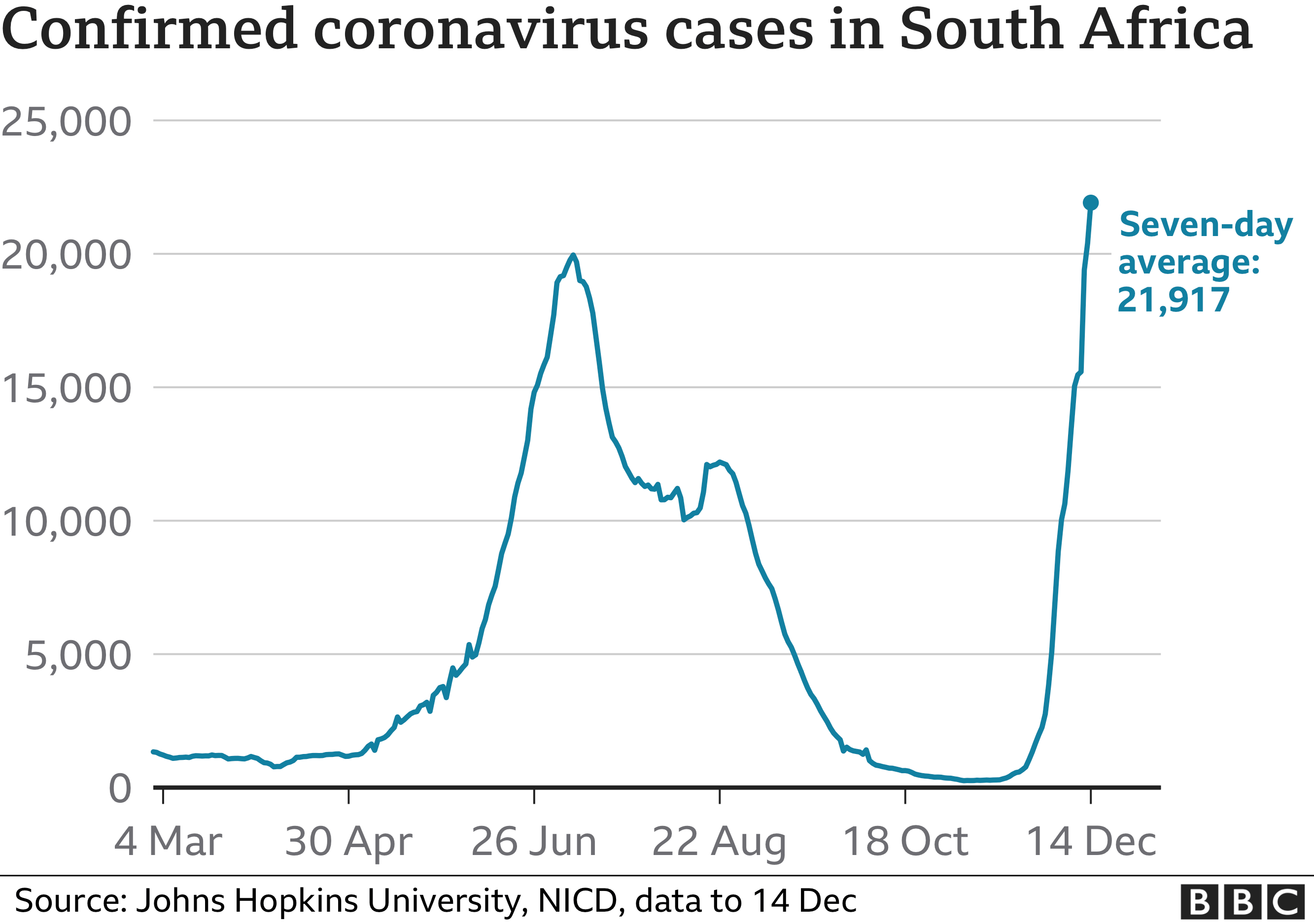
Chart showing the third and fourth waves in South Africa

Labels: , , , ,

 
()() Follow @rheytah Tweet