Ruminations

Blog dedicated primarily to randomly selected news items; comments reflecting personal perceptions

Thursday, September 28, 2023

Cannabis Medical Use to Alleviate Mental Health Symptoms : Cannabis Use the Cause of Schizophrenia

"Our findings demonstrate an important increase in risk of being diagnosed with schizophrenia after an episode of substance-induced psychosis or substance use without psychosis -- 163 times and ten times higher than the background risk in the general population."
"[Canada, which was the second country in the world after Uruguay to legalize cannabis is becoming] the world's laboratory for seeing what happens."
"You worry about long-term increases in the number of people living with schizophrenia."
Dr. Daniel Myran, assistant professor, University of Ottawa
 
"Frequently, people using cannabis are not aware of the associated risks for their mental health and need to be better informed."
"[Substance use is the rule, rather than the exception and people tend to have] zero literacy on the effects of cannabis on mental health."
"People should know what they are buying and I don't think that is the case."
Marco Solmi, medical director, First Episode Psychosis On Track service, The Ottawa Hospital 

https://scx1.b-cdn.net/csz/news/800a/2023/cannabis-3.jpg
Credit: Unsplash Public Domain
 
A new study led by Ottawa researchers -- one of the largest of its kind -- found that people treated in emergency departments with substance-induced psychosis had an 18.5 percent chance of developing schizophrenia within three years of treatment. This is the latest study highlighting mental health risks seen to be associated with the use of cannabis, striking young men in particular. Some Ottawa-area mental health specialists are seeing a "striking increase" in patients with significant psychiatric issues appearing to be linked to cannabis use. 

Annual rates of cannabis-induced psychosis increased across the province of Ontario by 220.7 percent between 2014 and 2021.Heightened risk of developing schizophrenia was also seen among those who visited emergency departments for substance use without psychosis. For this group the risk appeared significantly reduced, yet higher than the risk to the general population; 0.1 percent.

The research study which Dr. Myran, a researcher with Ottawa's Bruyere Research Institute, and an assistant professor at University of Ottawa guided, was published in the medical journal JAMA Psychiatry. Brief periods of hallucinations or delusions triggered by substance use or substance withdrawal are the hallmarks of substance-induced psychosis, while schizophrenia is a chronic mental disorder characterized by disruptions in thought processes, perceptions, emotional responsiveness and social interactions.

According to the study, although amphetamine use is a risk factor as well, risk factors for diagnosis with schizophrenia are higher for cannabis than with other substances. Individuals had a 3.7 percent risk of being diagnosed with schizophrenia within three years, who were treated in emergency for amphetamine use without psychosis -- a risk greater than 28 percent higher than the general population. Researchers studied health records of close to ten million people in Ontario between January 2008 and March 2022. They found 407,737 people had visited an emergency department for substance use, among the total.

A jar with marijuana is pictured in a file photo taken on Jan. 25, 2020.
People who had visited an emergency department with cannabis-induced psychosis held a 26 percent grater risk of developing schizophrenia within three years, a figure 242 times greater than the risk posed to the general population. Males between the ages of 14 and 24 were found to have the highest risk with over 40 percent in that age group who came to an emergency department with cannabis-induced psychosis being diagnosed with schizophrenia within three  years.

A sharp increase in emergency room visits for cannabis-induced psychosis in recent years had  strong links between cannabis-induced psychosis in young men with schizophrenia, although it is unclear how much of the increase could be related to the legalization of cannabis in 2018, or to other factors; for example the appearance of the pandemic. Dr. Myran spoke of potential policy implications related to these findings, in possibly discouraging the early use of cannabis.

Recommended delaying of the use of cannabis is linked to lower-risk cannabis guidelines until at least age 16, and preferably in the mid-20s. Cannabis use is seen to be highest among people under age 25. 2022 data from the federal government indicates that 27 percent of Canadians used cannabis over the previous year. With youth aged 16 to 19, the rate of  use was 29 percent and 50 percent in youth between the ages of 20 and 24. The survey found that 22 percent of people between 16 and 19 and 29 percent between 20 and 24 made use of cannabis at least five days each week.

Mental health specialists are alert to increases in psychiatric issues appearing to be linked to cannabis use. Dr. Jess Fiedorwicz, head of the department of mental health at The Ottawa Hospital, stated that specialists at the hospital had seen a "striking increase" in people presenting with significant psychiatric issues appearing as a result of cannabis use, at a time when surveys indicate a steady trend of increased cannabis use across the country. "We hope this study draws attention to this important but too often ignored public health issue", he pointed out.

"The high risk of cannabis use, particularly for young men, has important implications for public education and policies given global trends of increasing cannabis use and interest in the legalization of cannabis."
"I think in general the public is not aware as they could be about the risk."
Dr. Daniel Myran, lead author, study on links between drug use and schizophrenia


Labels: , , , ,

Tuesday, May 02, 2023

Experimental New Control Therapy for PTSD

"When I see a procedure like this, I almost consider it a no-brainer to make it accessible to other people."
"It doesn't involve any extra training and is already done in pain clinics."
"If we can make this accessible, it would be very beneficial."
Psychiatrist Dr. Rebecca Gomez, Royal Ottawa Hospital
Can a Single Injection Conquer PTSD? The Army Wants to Find Out - WSJ

There is a procedure called stellate ganglion block (SGB) which involves injecting local anesthetic into a cluster of nerve cell bodies near the base of the neck. The slender needle used to inject the anesthetic is guided by ultrasound. It is a procedure performed routinely in hospitals across Canada in the treatment of complex nerve pain. The treatment is being used in the United States as a therapeutic protocol for veterans affected by PTSD.
 
Dr. Dan James, medical director of the pain clinic at The Ottawa Hospital was persuaded by psychiatrist Dr. Gomez, to experimentally use the process on one of her patients suffering from PTSD who had himself researched the use of SGB. Dr. James had himself heard of the SGB therapy used to treat symptoms of PTSD and was interested. "The stars sort of aligned and the timing was quite perfect", he said.

The procedure took only fifteen minutes to complete, and for the patient who had suffered the symptoms of PTSD for years, its effect was close to immediate. "It was like the volume on the world had been turned down. I had been listening to white noise for years and the white noise was gone. It was this weird sense of peace."
 
The drug wears off after a few hours, but its effect on PTSD symptoms lasts for months. Local anesthesia is injected into the structures providing most of the sympathetic nerve signals to head, neck, arms and part of the upper chest. When the patient displays signs of a condition named Horner syndrome (a patient's face droops on one side) doctors realize the target has been hit.
 
Dr. Gomez speaks of the theory behind the treatment; the local anesthetic acts as a reset button through blocking nerves temporarily that travel from the stellate ganglion to parts of the brain more active in PTSD, decreasing release of stress hormones like norepinephrine or adrenalin. The stellate ganglion is part of the sympathetic nervous system affecting a person's fight or fight response.
 
There is a theory of PTSD being a syndrome where the fight or flight nervous system sticks in the ON position. SGB appears to act like an OFF switch, resetting that response. Dr. Gomez and her colleagues from the Operational Stress Injury Clinic at the University of Ottawa Institute for Mental Health Research and the Royal Hospital were recognized with an award for their case study on SGB involving 30 patients who received the procedure. Survey results received from ten of the participants indicated a significant decrease in symptoms such as sleep disturbances, intrusive thoughts and flashbacks, with patients also reporting a significant decrease in symptoms of depression.
 
About eight percent of Canadians experience symptoms of PTSD, according to a 2021 Survey on Mental Health and Stressful Events from Statistics Canada. First responders and the military are often associated with PTSD, but the syndrome affects a broad segment of society. Symptoms can include unwanted thoughts or dreams, strong physical reactions when reminded of an event, strong negative emotions, and a loss of interest in activities once enjoyed. In addition, PTSD is more common among women than men. Compared to eight percent of men, one in ten Canadian women have symptoms of PTSD.
 
The anesthetic used in the procedure -- bupivacaine -- costs roughly $18 for each injection. Not every patient experiences profound remedial results, however. Of nine patients who undergo SGB, about three will see a significant improvement; three or four will realize some benefit, but not as notable. About two will experience no noticeable benefit. However, up to 80 percent of patients report a 50 percent reduction in symptoms.
 
https://assets2.cbsnewsstatic.com/hub/i/r/2019/06/16/65af1622-c01b-459b-baae-9e72f46d6cb5/thumbnail/1280x720/04162226314b91beee3c5478561d4c9e/sgbvideo-1874806-640x360.jpg
Possible breakthrough treatment for PTSD   CBS News

Labels: , , , ,

Thursday, October 27, 2022

Extracorporeal Membrane Oxygenation Therapy

"We already knew that ICU survivors can suffer mental health impacts from the trauma of invasive treatments, living with new physical limitations and dealing with long recovery times."
"We suspected ECMO [extracorporeal membrane oxygenation] survivors can suffer mental health impacts from the trauma of invasive treatments, living with new physical limitations and dealing with long recovery times."
"We suspected ECMO survivors would be at greater risk of mental health impacts because they are sedated and ventilated for longer and often face a more challenging recovery. But we didn't have clear data until now."
Study lead author Dr. Shannon Fernando, critical care physician, Lakeridge Health, The Ottawa Hospital/University of Ottawa

"We suddenly have a lot more ECMO survivors because of COVID-19."
\"We need to make sure they have the mental health support they need to recover and survive."
Dr. Kwadwo Kyeremanteng, co-senior author, scientist, critical care doctor, The Ottawa Hospital
 
"The use of ECMO has grown worldwide, particularly in the context of the COVID-19 pandemic, where ECMO has been used for refractory respiratory failure in cases of severe COVID-19,."
"Given the severity of illness found among patients receiving ECMO, its invasive nature, as well as the prolonged duration of therapy and recovery that is often required among those who survive ... survivors after ECMO may be at even greater risk of downstream mental health morbidity than other survivors of critical illness."
Research Study conclusion
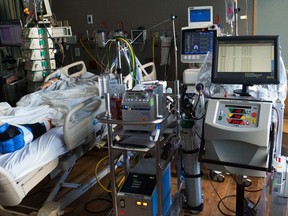
A photo of medical staff adjusting the ECMO life support unit in the ICU
MedPageToday

During the SARS-CoV-2 pandemic extracorporeal membrane oxygenation (ECMO)  became the life support of last resort. This extreme treatment aided some critically ill patients to evade succumbing when they were on the brink of death, bringing them back to life. This advanced therapeutic form of life support is proving to be costly in mental health outcomes for some patients, a message highlighted in a new study resulting from research carried out by Ottawa scientists.
 
Published in JAMA this week, the study found survivors of ECMO experienced a 24 percent elevated rate of mental health diagnoses following discharge, in comparison to other intensive care unit survivors. The extreme form of life-saving therapy temporarily replaces the heart and lungs of patients undergoing heart or respiratory failure, and is in use at five Ontario medical centres, including the University of Ottawa Heart Institute.
 
Use of ECMO has grown worldwide in response to the COVID-19 pandemic in addressing record numbers of extremely ill patients who present with severe respiratory failure. Ontario had twice as many patients at one point on ECMO as during the pre-pandemic period. Typically, the procedure was undertaken on an infrequent basis in reflection of limits on who might qualify and would be seen to benefit from its use.
 
ECMO is extremely invasive which accounts for its use on younger patients, with roughly 50 to 65 percent of those who receive the treatment surviving. Most of those survivors are alive five years after receiving the treatment. Researchers from The Ottawa Hospital, the Institut du Savoir Montfort, ICES and the University of Ottawa studied the health records of all ICU survivors in Ontario between April 2010 and March of 2020. 642 ECMO survivors were matched with 3,820 ICU survivors with similar characteristics inclusive of age, sex, mental health history, severity of illness and length of stay.
 
Of the ECMO survivors, 37 percent were diagnosed with a new mental health condition, identified as depression, anxiety and traumatic disorders, representing a 24 percent higher rate of new mental health conditions than other ICU survivors. Earlier research led by Dr. Fernando found survivors of ICU at higher risk of suicide and self-harm following discharge. In the study on ECMO patients, further heightened suicide and self-harm risk was not seen, but the research recommends a greater focus on patients discharged from ICU and particularly those who received ECMO treatment. 

"Patients will need help long after they leave the ICU", commented Dr. Fernando. Patients in his care during the recovery period after ECMO treatment often described to him nightmares and recurring thoughts in keep with post-traumatic-stress disorders. "It became clear it was exceedingly common", he explained.
"As care providers, we can tell our patients that it's common to struggle with your mental health after an ICU admission."
"ICU survivors need to realize that they often face months or years of recovery and families and health care providers need to support them."
Dr. Peter Tanuseputro, physician-scientist, The Ottawa Hospital
The ECMO machine temporarily replaces the heart and lungs of patients suffering from heart or respiratory failure and is being used at five centres in Ontario, including the University of Ottawa Heart Institute.

Labels: , , , ,

Saturday, April 10, 2021

Steadily Emerging Biotechnology Options in Cancer Survival

"For me, as a clinician, when my patients don't get access to innovative care, I hate that."
"Because I do bone marrow transplants, I am unfortunately in the business of telling patients that they're out of  options and that they will succumb to their disease."
"Before CAR-T cells, I had that conversation many times. I still have that conversation, but it is less common now because at least I can say, 'We have the potential for CAR-T cells'."
"We realized we have the people, we have the infrastructure, we just have to put the parts together to build a CAR-T network."
"It's important to remember that CAR-T therapy is still very new and there can be serious side-effects. We need more research to learn about this therapy and make it work for even more people."
Dr.Natasha Kekre, associate professor, University of Ottawa

We depend on our immune systems to recognize biological invaders, and to begin the action for which nature designed them, to protect against those invaders, to mount natural internal defences for the purpose of countering the invaders and destroying them before they have the opportunity to destroy our bodies. In the case of cancer, the immune system fails to recognize cancer cells as invaders because those cells that have turned cancerous were part of us to begin with; defective cells that eventually turned cancerous.

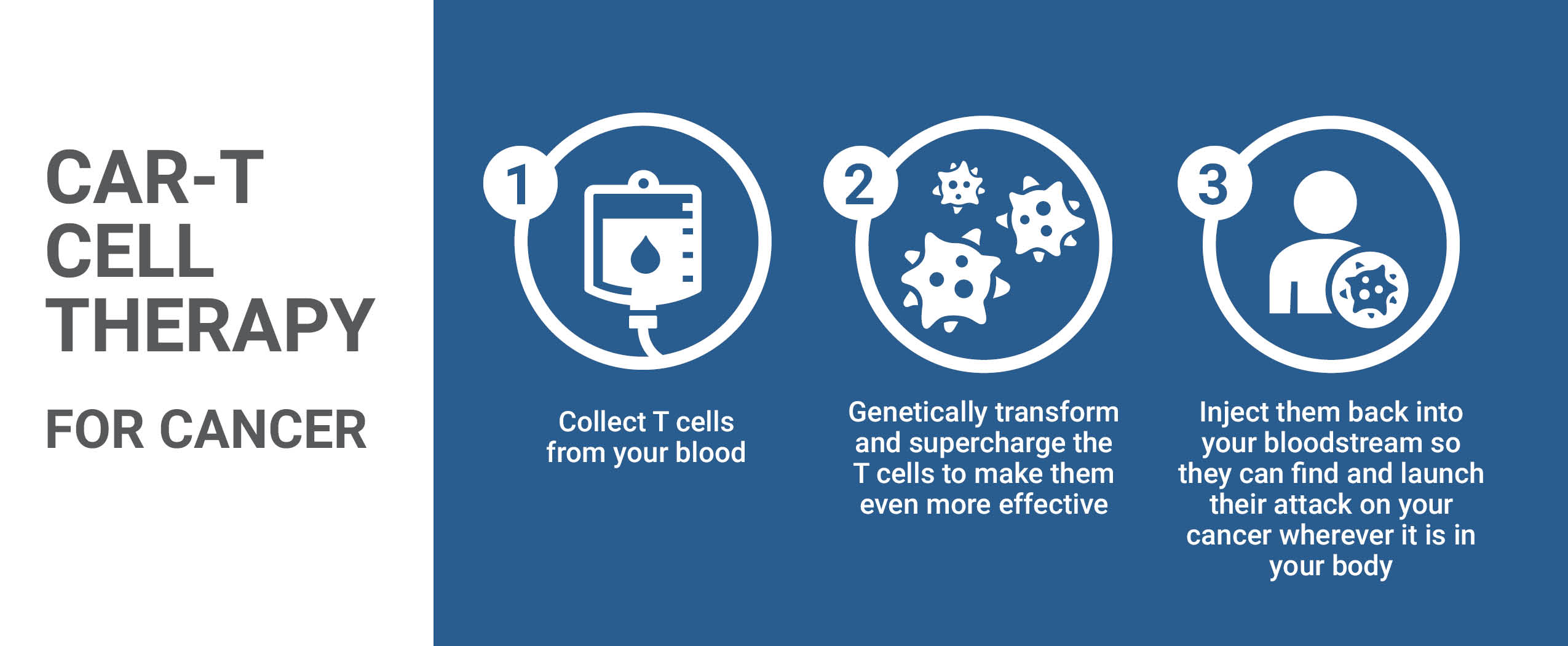
CAR-T, at the vanguard of the immunotherapy revolution represents an approach to fighting cancer by arming the body's immune system to recognize cancerous cells and to mount a defence against them. Cancerous cells have the capacity to evolve; through genetic alterations they develop the capacity to escape T cell detection. T cells are re-engineered through CAR-T therapy to find and attack cancer. The therapy is designed to make use of an inactive virus to insert genes into an individual's T-cells creating artificial receptors (chimeric antigen receptors; CARs), on the surface of tumour cells upon which chemical attacks are launched to destroy them.

Pioneering research in the field of CAR-T therapy was sited at Children's Hospital of Philadelphia where researchers working there become involved in a landmark study in 2014. The study saw publication in the New England Journal of Medicine in October of that year, reporting that 27 of 30 young patients with advanced acute lymphoblastic leukemia had gone into remission, responding well to the CAR-T therapy they were exposed to. Since that time research in CAR-T has accelerated to the point it now is one of the most studied and most promising of cancer research and development avenues.

In Canada two commercial CAR-T therapies have been approved for use; Kymrish and Yescarta, both meant to treat aggressive blood cancers that failed to respond to other treatments. A third CAR-T therapy, Tecartus was approved by the U.S. Food and Drug Administration last year for treatment of resistant mantle cell lymphoma. What all these treatments have in common aside from success as a last-effort treatment of huge potential is their costliness -- hundreds of thousands for one-time treatments.

Next step in new clinical trials, a focus on the technology's capability to engineer an immune system attack on solid tumours featuring advanced breast, prostate, pancreatic, lung and brain cancer. Hope is on the horizon, with over 150 clinical trials involving CAR-T therapy, recruiting in the United States. Few Canadians have been able to take advantage of such innovative clinical trials of the complicated-to-administer, expensive therapies.
 
A graphic explaining how CAR-T works
 
A situation that motivated The Ottawa Hospital scientist Dr.Natasha Kekre who saw no reason why Canada could not gather scientists in the field of medical biological therapeutic protocols across Canada to work together on this leading edge of molecular biology and medical technology, to create home-grown opportunities for Canadian patients. Where a patient's T cells -- white blood cells guarding against foreign invaders -- are genetically engineered to recognize and attack cancer cells.

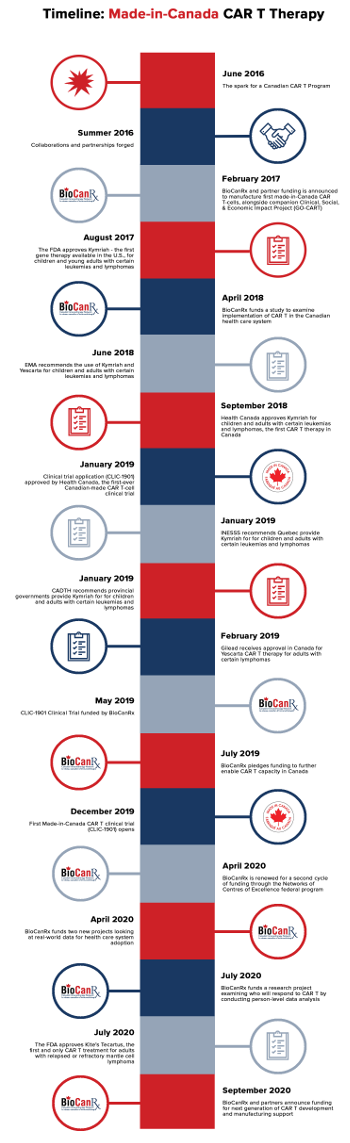
There are now three Ottawa scientists dedicating their work to establishing a made-in-Canada CAR-T research network and a fledgling network is taking form with Dr. Kekre the lead investigator in the first clinical trial with Canadian-produced CAR-T cells. Back in 2016 at a immunotherapy conference Dr.Kekre invited other scientists from Ottawa, Victoria and Vancouver to a discussion to determine whether Canadian scientists could launch their own manufacture of CAR-T cells, conduct research and begin clinical trials.

The researchers all had established laboratories funded to address other projects. "We drafted out what we thought could happen -- how we could mobilize using the resources we had in Canada to make CAR-T cells here", explained Dr.John Bell, immunotherapy researcher at The Ottawa Hospital. Three laboratories collaborated to a) manufacture the required virus to deliver genetic material to a patient's T cells; b) produce the genetic material to be inserted into T cells; c) manufacture the modified CAR-T cells. "It was like a puzzle where all the pieces fit", stated Dr.Harold Atkins, stem cell transplant specialist, researcher at The Ottawa Hospital.
 
https://healthydebate.ca/wp-content/uploads/2019/01/GirlWithTeddyBearHospitalBedCropped.jpg
by Dafna Izenberg Andreas Laupacis

Labels: , , , , , , ,

Thursday, December 17, 2020

A Paradigm Shift in Cancer Care

"This really is a paradigm shift in cancer care."
"These immune-based therapies have really revolutionized the field and have shown these long-term, durable remissions."
"It's a procedure done with close medical care."
"We want to be able to deliver it with the greatest medical benefit, but also with a favourable financial risk profile -- especially in the context of the Canadian system [of tax-based universal medicare)."
Dr.Michael Kennah, hematologist, The Ottawa Hospital

"For patients who have relapsed or who have not responded to treatment, it really provides a transformative option."
"These patients were previously facing a dire prognosis."
Antonella Rizza, chief executive, Lymphoma Canada
Hematologist Natasha Kekre
Dr. Natasha Kekre works on Cdn CAR-T cancer therapy.
The Canadian Cancer Society represents roughly 10,400 Canadians diagnosed with non-Hodgkin lymphoma yearly.This is a cancer that begins in the lymphatic system, the body's network for fighting disease and infection. White blood cells called lymphocytes develop tumours for which conventional treatment that includes radiation, chemotherapy and other therapeutic drugs are brought into action, and there are patients who also may undergo stem cell transplants. Among sufferers of this type of cancer a minority see their cancer resist all of these therapeutic treatments.

For the first time, a new cutting-edge personalized form of immunotherapy -- named CAR T-cell therapy offers hope to these patients for whom only palliative care was left after their cancers failed to respond to conventional therapies -- offers hope. In the past, adult patients undergoing recurrent or treatment-resistant lymphoma were given an average of six months for survival. Yescarta was approved by Health Canada in 2019, given encouraging data from a clinical trial and two years of followup studies.

Marketed under the brand name Yescarta, the new therapy represents the second such chimeric antigen receptor (CAR) T-cell therapy approved for use in Ontario. Now, two therapies, Kymriah and Yescarta are available for treatment at The Ottawa Hospital for the first time, for these cancers unresponsive to conventional treatment. Both come at a steep cost of hundreds of thousands of dollars for one-time treatments, meant to be used for a very small number of relapsed blood cancer patients along with patients suffering particularly aggressive forms of non-Hodgkin lymphoma.

Dr. Jill Fulcher stands behind Stefany listening with stethoscope
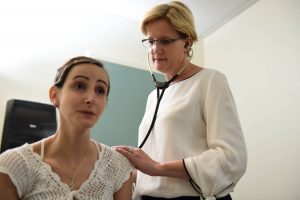
Hematologist Dr. Jill Fulcher confirms that Stefany Dupont is in remission over one year after her CAR-T cell therapy. Previously, Stefany was given a 10 to 20 percent chance of survival, pre-CAR-T cell treatment.
 
Through the study it was found that 74 percent of 101 adult patients who had been treated once with Yescarta responded, and 54 percent achieved complete remission. This high-tech form of personalized medicine using CAR T-cell therapy stimulates the power of the body's own immune system to be enlisted to fight cancer. The T-cells are separated from a patient's blood with the use of a highly specialized machine, after which the cells are forwarded to a laboratory in the U.S. to be genetically re-engineered.

In the process an inactive virus is manipulated to insert genes into the cells to create artificial receptors -- chimeric antigen receptors (CARS) -- on the cells which equip the T-cells with the capacity to recognize and then attack a specific protein on the patient's tumour cells. The altered T-cells are laboratory-multiplied to enable hundreds of millions to be infused back into the patient. Nothing, however, comes without risks; the therapy can trigger potentially deadly side-effects. 

A process called cytokine release syndrome (CRS) can emerge as a reactive side-effect, where dangerous levels of cytokines -- a chemical messenger -- are released into the bloodstream. It is this possibility of the emergence of such a side-effect that mandates the treatment to be given as hospital in-patients for monitoring purposes. Staff at the hospital were given thorough extensive site training before they could be certified to deliver the two CAR T-cell therapies.

Around 20 out of 100 patients annually who are diagnosed with diffuse large B-cell lymphomas at the hospital resist front-line and secondary therapies, some of whom are now eligible for Yescarta treatment. In an effort to determine which lymphoma patients may be the best candidates for CAR T-cell therapy and the optimal time to treat them, hundreds of studies are taking place globally, advises Dr. Kennah. 

The personalized therapies come at an immense cost, from a half-million per treatment down to three-quarters of a million per patient. Kymriah, a CAR T-cell therapy for acute lymphoblastic leukemia in children and young adults who fail to respond to conventional therapies is available now in four certified Ontario hospitals. Kymriah can be used as well to treat an aggressive form of non-Hodgkin lymphoma. At the present time Ontario, Alberta and Quebec finance the Kymriah cost while Ontario is the first to fund Yescarta as well.

A graphic explaining how CAR-T works

Labels: , , ,

Friday, September 11, 2020

COVID Spit-Testing

"When everything fell apart in the middle of March, I wondered if those kits might work for COVID-19."
"In our study, the swab test detected more cases than the spit test. However, we feel that because the spit test is so much easier, it may still have a place in COVID-19 testing in certain situations. Further research is crucial in this rapidly changing field."
"Saliva testing brings another tool into the tool box to add to the testing options. I am a cancer researcher who happened to know about a spit test. My other areas of interest have slowed down while everybody's focus is on this [the novel coronavirus]."
"I find it very interesting to be part of potentially some of the knowledge that helps in this pandemic. I think that is super rewarding."
Dr.Stephanie Johnson-Obaseki, head and neck cancer surgeon, The Ottawa Hospital
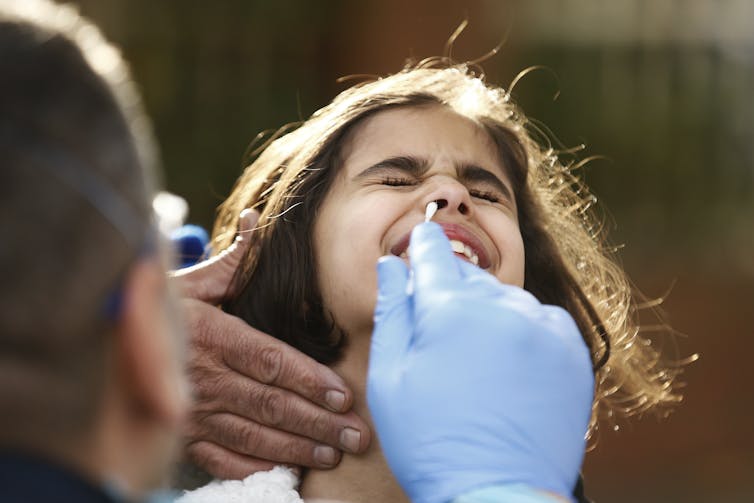
Provincial health workers perform a nasal swab to test for COVID-19 on Raymond Robins of the remote First Nation community of Gull Bay, Ont., on April 21. Proponents of saliva-based testing say it is easier to administer — and less uncomfortable. (David Jackson/Reuters)
"I think it comes down to public health policy and our approach to testing. If we believe the right approach is to test more and reach more individuals, not only those who are sick but also asymptomatic, this is a way to reach those individuals."
Rafal Iwasiow, VP, Innovation and Technology, DNA Genotek
 
"Faced with an ongoing lack of protective equipment and testing supplies, medical professionals have been seeking alternatives to accurately diagnose cases of COVID-19, a pandemic that has caused more than 11 million cases and more than 530,000 deaths worldwide. Supplies of nasopharyngeal swabs were some of the first testing materials to run low in mid-March, prompting a pivot to nasal swabs. More recently, saliva-based testing has come forward as an attractive, low-cost alternative. The first spit tests are already being sold to consumers, with more poised to apply for emergency use authorization from the US Food and Drug Administration soon. While saliva can be a crude sample for diagnosing disease using traditional PCR, it pairs well with a cheap PCR alternative known as loop-mediated isothermal amplification (LAMP), previously used to detect outbreaks of Zika and Ebola in resource-poor countries. Propelled by a global pandemic, researchers in the US and the UK are now modifying LAMP and assessing its utility as a diagnostic tool for COVID-19." Amanda Heidt, TheScientist
Saliva Tests: How They Work and What They Bring to COVID-19

ABOVE: A new test from Columbia University analyzes saliva for genetic traces of SARS-CoV-2 using LAMP. Samples that contain viral RNA change color from red to yellow. 
COURTESY OF ZEV WILLIAMS/COLUMBIA UNIVERSITY

 
Normally, Dr.Johnson-Obaseki researches human papillomavirus in head and neck tumours and had gained experience working on HPV testing with the use of kits designed by DNA Genotek. Then the pandemic arrived and research other than that linked to SARS-CoV-2 receded, and her thoughts turned to what she knew about those saliva-testing kits. Not only did she wonder if they would be useful in testing for COVID, but she discovered they did work, then made use of them to study just how feasible spit testing would be for COVID-detection.
 
While slightly less sensitive than nasal swabs, Dr.Johnson-Obaseki and other researchers published a paper describing use of the tests and their usefulness, with an emphasis on remote communities and populations as an example in long-term care residences and for use with students. The nasal swabs are extremely uncomfortable, albeit more accurate, while the spit test is simple and direct and quick. Their study, published in the Annals of Internal Medicine took data from 2,000 people who presented for testing at the COVID-19 assessment centre at The Ottawa Hospital. 
 
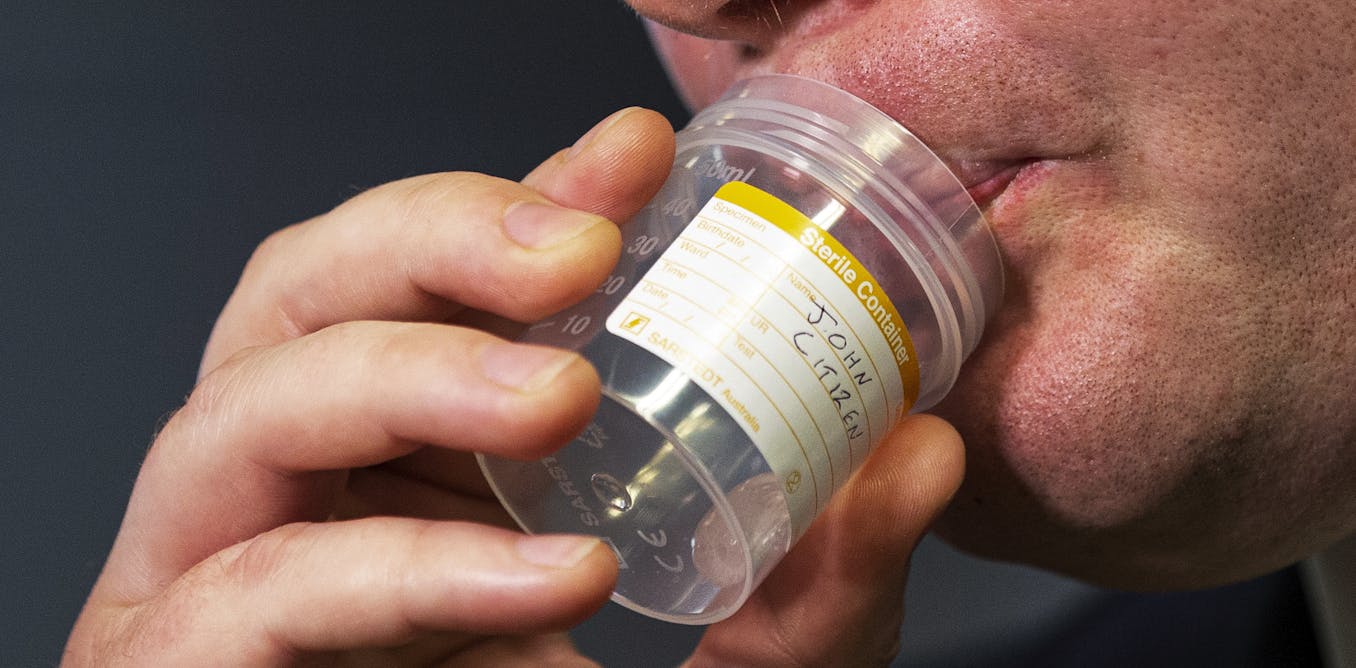
'Spit test’ is more comfortable than a swab. Daniel Pockett/AAP
After undergoing the standard nasal test, the participants agreed to signing on to a self-administered saliva test. Of that total of participants, 70 tested positive for COVID-19, 34 were positive on both the nasal swab and the spit test, 22 were positive only on the swab test and 14 were positive on the saliva test alone. Convincing enough for the researchers to agree that the spit tests were functionally dependable on their own.
 
https://images.theconversation.com/files/345170/original/file-20200702-2644-11qnjyt.jpg?ixlib=rb-1.1.0&rect=0%2C202%2C3000%2C1500&q=45&auto=format&w=1356&h=668&fit=crop
Spit tests are universally put to use in reflection of their ease of use, and can be self-administered, as a bonus. Avoiding the use of a nasal swab which can be an aversive experience for many, in particular people who must undergo a series of such tests, represents another issue in favour of spit tests. At the present time, such tests are available in Canada only for experimental use. Health Canada indicates it now is considering approving these test kits for screening only, not for diagnostic purposes.
 
Health Canada is not yet prepared to authorize saliva sample use with any authorized testing device, stateing it is "actively working with companies who have filed their application for saliva-based testing and will prioritize the review of applications for test kits that use saliva samples in order to enable new testing options for Canadians." As departmental research chair in quality improvement at University of Ottawa, Dr.Johnson-Obaseki feels the ease of the spit test in comparison with nasal swab testing is a large point in its favour. 
 
In August, the U.S. government gave emergency authorization to a saliva COVID-19 test that Yale University in conjunction with the NBA and its players union developed. The Yale test could miss patients with low levels of the virus, researchers say, but regular testing should offset that issue. Test kits, including those produced by DNA Genotek have been given emergency authorization in the U.S.
A student in California provides saliva for an experimental COVID-19 coronavirus test for asymptomatic people. Some American universities have also started offering saliva-based options to test students. (Irene Yi/UC Berkeley via AP)
 

Labels: , , ,

Friday, July 17, 2020

Boosting Immunity to Battle COVID-19 in High-Risk People

"We think harnessing innate immunity could be one of our best weapons for fighting COVID-19 -- and could easily be adapted to tackle future pandemics."
"An effective vaccine against COVID-19 could take another year or more to develop, test and implement."
"In the meantime, there is an urgent need to protect people with cancer from severe COVID-19 infection, and we think this immune stimulator, IMM-101, may be able to do this."
"It's like sending your innate immune system to the gym for a while. So when it comes back to attack the next pathogen, it's much stronger and better."
"I imagine that if this trial was positive, this would be something you could have in your back pocket when the next pandemic came. You'd be able to say, 'We have something that works and can protect high-risk people'."
Dr.Rebecca Auer, director of cancer research, The Ottawa Hospital
https://ohfoundation.ca/wp-content/uploads/2020/07/Dr.-Auer-Hero1.jpg
Surgeon-scientist Dr. Rebecca Auer is leading a world-first clinical trial that she hopes will protect cancer patients from COVID-19 and other respiratory infections by boosting their immune systems during treatment.The Ottawa Hospital
A new Canada-wide clinical trial is set to proceed whose purpose is to find a way to protect cancer patients -- whose immune system has been compromised by the presence of cancer, and through protocols such as chemotherapy -- from COVID-19 through fortifying their immune systems. Should the trial prove successful, it would represent a methodology that could assist not only cancer patients, but others with weakened immune systems where age or illness has played a role in making them vulnerable to COVID infection.

An immune-boosting bio-therapeutic called IMM-101 comprised of heat-destroyed bacteirum Mycobacterium obuense, which can be found in soil and water, is involved in the clinical trial. IMM-101, originally developed as an immunotherapy cancer treatment, has the demonstrated capability to activate the body's first line of defence, inclusive of NK (natural killer) cells responsible for guarding against viral and bacterial infections; safely used in other clinical trials with cancer patients.

The point of the trial is to determine whether boosting cancer patients' immune systems with IMM-101 will succeed in protecting them from contracting COVID-19, including other respiratory illnesses such as flu, whose presence can complicate and delay cancer treatment. Chemotherapy indiscriminately targets the fast-dividing cells characterized by cancer, or immune cells. Over 90,000 people in Ontario last year received radiation treatments or chemotherapy, their care complicated by COVID-19.

The clinical trial will enroll 1,500 patients at nine cancer centres country-wide, where study patients will be randomly assigned to either a group receiving regular care, or the one that IMM-101 has been added to. The IMM-101 group will receive three doses of IMM-101 over a 45-day period, following which they will be observed for COVID-19 or other respiratory-type illnesses.

In the past, immune boosters have been used successfully for years in veterinary medicine, in the prevention of respiratory virus transmission in cattle, horses and other animals. In Europe, clinical trials are now testing the BCG vaccine -- a tuberculosis vaccine containing a live, weakened strain of Mycobacterium bovis, to prime the immune system against COVID 19.  BCG is responsible for training the immune system to fight off respiratory infections.

A similar process has been used for years in patients with bladder cancer, with huge success,

OTTAWA - July 16, 2020 - Dr. Rebecca Auer, surgical oncologist and director of cancer research at The Ottawa Hospital, will lead a $2.8 million clinical trial that seeks to protect cancer patients from COVID-19 by strengthening their depleted immune systems. If it proves successful, the immunotherapy approach could help many of the people most vulnerable to COVID-19. Photo courtesy of The Ottawa Hospital.
Dr. Rebecca Auer, surgical oncologist Photo courtesy The Ottawa Hospital. 

The mystery of why it is that some people become severely ill with COVID-19 even as others exhibit only mild symptoms, is believed by researchers to relate to an individual's innate immune system response. Innate immune cells recognize and attack a broad spectrum of infectious agents.

Live vaccines such as BCG cannot be administered to cancer patients, leading Dr.Auer and her research colleagues to search for an alternative, and that was IMM-101.

Though not a live vaccine, IMM-101 elicits a response when the innate immune system recognizes it as a foreign invader to which it reacts to protect the body.


Labels: , , , ,

Saturday, June 27, 2020

Researching COVID-Pregnancy-Infant Transmission

"There are questions, there is uncertainty and there are so many more tears It has never been harder for me to give care."
"I want to do one clinic without making people cry someday soon."
"The patients have all these questions. We need to be able to answer them and to understand what this could mean to help with delivery planning."
"There is so much anxiety about getting it [COVID-19],and taking care of their baby."
Dr.Darine El-Chaar, maternal-fetal medicine physician, The Ottawa Hospital
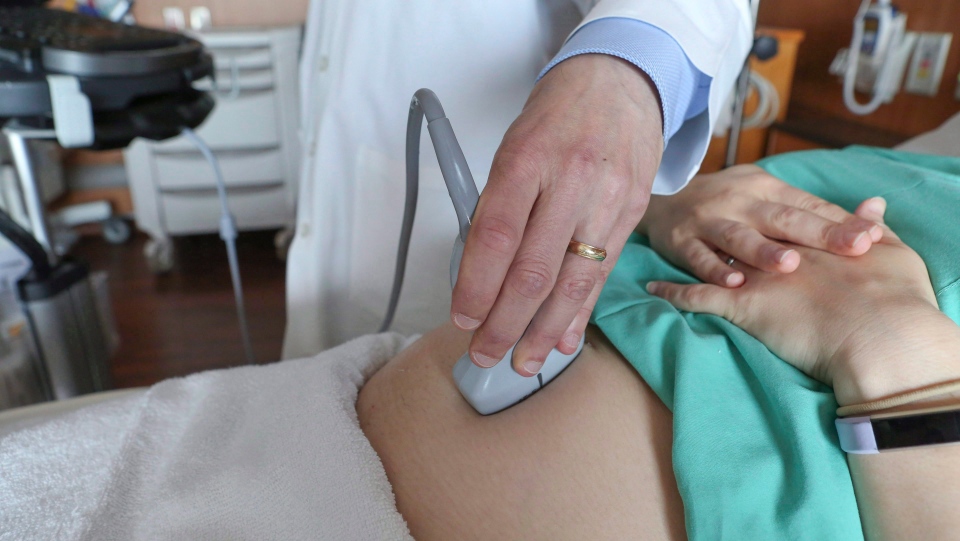
ultrasound
In this photo, a doctor performs an ultrasound scan on a pregnant woman at a hospital. Clinicians and epidemiologists don't yet know much about COVID-19 and pregnancy, says the leader of a newly formed national network that's aiming to fill in those gaps. THE CANADIAN PRESS/AP-Teresa Crawford
Dr. El-Chaar is also a researcher at The Ottawa Hospital Research Institute. Funding has been received from the Canadian Institutes of Health Research for COVID-19 for her research team looking to find answers to questions about COVID-19 and pregnancy. One of the vital questions this team seeks to find an answer to is whether a mother can pass COVID-19 to her baby.

To that end, the team plans to investigate whether a mother can infect her child with the virus during pregnancy. The research is the first such to be undertaken in Canada. Studies have been produced by some researchers globally but there is much that is not yet known about COVID-19 and how it affects pregnancy, that of both mother and child.

According to results of early research, up to 80 percent of pregnant women infected with COVID-19 experience fairly mild symptoms of the disease, while between 15 and 20 percent of women experience moderate or severe symptoms. Unclear as yet is how many pregnant women tested positive so far for COVID-19 in Ontario. What is known is that over fifty hospitals in the province have reported such cases.

Most pregnant patients have experienced moderate or mild symptoms, and to the present no local cases of COVID transmission from mother to baby have been identified. Out of a total of $4.7 million in research funding, a number of studies are being undertaken in the hope of discovering new data about COVID-19. One study is to determine the rate of COVID-19 infection in pregnant women, and to that end every woman giving birth at The Ottawa Hospital will be tested for the virus.

That data will be useful to inform whether universal testing should be undertaken on pregnant women. By testing maternal and newborn samples from participating hospitals across Ontario, another study plans to examine whether a mother is able to communicate COVID-19 to her child during pregnancy. Mothers and babies with a history of infection will provide additional data to be collected.

The research results are expected to provide more expansive clarity on such questions as whether vaginal births and breast feeding could pose an increased risk with COVID-19, or whether mothers who are infected may confer immunity on their infants. Some of the questions that mothers pose associated with concerns about pregnancy during the pandemic may find their answers from this research.

According to Dr. El-Chaar, mothers not infected are also anxious; attributable party to isolation during the pandemic; less face-to-face doctor appointments; having to attend some appointments unaccompanied; and general concerns about the unknown elements clinging to the global pandemic and how expectant women are affected.

Other research taking place at The Ottawa Hospital and funded through the same source along with other agencies, will investigate the potential of harnessing cancer-fighting vaccine sin the development of  a COVID vaccine; whether stem cell therapy can reduce damage from overactive immune responses to COVID-19 in critically ill patients; and research into how the most vulnerable are being affected by the SARS-CoV-2 virus.


Illustration of a pregnant woman sitting on a couch holding her belly.


  •  Pregnancy does not appear to increase a person’s risk of becoming infected with COVID-19.
  • Clinical signs and symptoms of a COVID-19 infection are usually the same in pregnant and non-pregnant people, which can include fever, cough, shortness of breath, body aches, fatigue and sore throat.
  • The majority of pregnant people in Ontario are healthy and considered low-risk, with no pre-existing health conditions. Healthy pregnant people infected with COVID-19 usually have mild symptoms and recover at home without needing hospital care.
  • Experts are not sure yet, but it seems that during pregnancy and birth the risk of transmission is low from a COVID-19 infected mother to their baby. After birth, the COVID-19 infected mother could pass the virus to the newborn if infection control measures are not taken, but the risk of transmission is unknown at this time.
  • Most babies born to COVID-19 infected mothers are usually healthy and do not require hospitalization, but some may be born too early or too small and might need longer hospital stays.
BORN Ontario

Labels: , , , ,

Thursday, February 13, 2020

Study: “Early experience with medical assistance in dying in Ontario, Canada: a cohort study”

"It's important that this is not driven by lack of palliative care. We don't know about the profile of the people who are requesting it [MAiD; medical assistance in dying]."
"We know that the less privileged are less likely to access all kinds of end-of-life care. There is a broad lack of awareness about options such as palliative care and hospice care."
"We need to take data like that and act on it. Whether you support MAiD or not, the learning is in finding out [what] gaps there are."
Dr.James Downar, critical care specialist, palliative care, The Ottawa Hospital, University of Ottawa
An online government survey asking Canadians for their thoughts on medically assisted dying closed Jan. 27 after garnering nearly 300,000 responses. (CBC)

Demographic of patients: by the numbers:
  • 74.4 years: mean age of Ontario MAiD recipients;
  • 77 years: Mean age at death for all decedents;
  • 24.9%: proportion of MAiD recipients in top 20 percent of income earners;
  • 15.6%: Proportion all decedents in top 20 percent of income earners;
  • 17.1%: proportion of MAiD recipients in lowest 20 percent of income earners;
  • 26.1%: proportion of all decedents in the lowest 20 percent of income earners;
  • 6.3%: proportion of MAiD recipients who lived in institutions at time of death;
  • 28%: proportion of all decedents living in institutions at time of death;
  • 48.5%: proportion of MAiD recipients married at time of death;
  • 40.6%: proportion of all decedents married at time of death;
  • 25.7%: proportion of MAiD recipients widowed at time of death;
  • 35.8%:proportion of all decedents widowed at time of death.
The widely held belief that those receiving medical assistance in dying in Ontario in its first years were the poor and the vulnerable has been entirely dispelled thanks to a new study where Ottawa researchers tapped into records of close to 290,000 deaths, comparing Ontario MaID deaths to all deaths in the province. The conclusion that was reached through the study, published in the Canadian Medical Association Journal, was that MAiD recipients were more likely to be in the highest income bracket.

About 84 percent of those who received MAiD lived in private homes before death, were more likely to be married, and less likely to be widowed. It was ascertained that three-quarters of MAiD recipients had been under the care of palliative care practitioners at the time they requested MAiD, according to the recently published study. Nothing in the data studied suggested that people from vulnerable groups -- the poor or geographically isolated -- were pressured into seeking MAiD.

Laying to rest the broad perception that people, because of lack of access to palliative care services, or reflecting their life condition as being poor or socially disconnected turn to MAiD. In fact the study revealed another facet of concern; whether the poor and vulnerable eligible for MAiD lack awareness that assisted death is an option for them. What remains unclear is whether relatively well-off people request MAiD more frequently than do people with fewer resources.

What the study revealed as well is that 6.6 percent of families reported having met with challenges to MAiD access. Using clinical and socio-economic data from the Office of the Chief Coroner for Ontario and the Institute for Clinical Evaluative Sciences, for 2,241 Ontario residents who had accessed MAiD, the researchers compared their characteristics to the total of 186,814 people who had died in the province between June 2015 (when MAid became legal) and October 2018.

Of those receiving MAiD in Ontario, approximately 64 percent suffered from cancer, 12 percent had neurodegenerative disease, 8.5 percent had cardiovascular disease, and 7.5 percent had respiratory disease. Patterns in other jurisdictions appear to demonstrate that those seeking assisted death tend to have higher incomes and higher levels of education, just as this study concluded. A Swiss study of assisted suicide published in the International Journal of Epidemiology in 2014 found the assisted suicide rate to be higher among urban and more educated people and those living in higher socio-economic neighbourhoods.

In Oregon and Washington states, where assisted suicide is legal, over 90 percent of those receiving assisted suicide accommodation had the benefit of, at minimum, high school diplomas. In Washington, 177 of 188; Oregon, 551 of 591, and 39 of 40 in a separate summary from the Seattle Cancer Center Alliance. For socially and economically marginalized people, the direct opposite appears to be the case.

The Canadian Medical Association Journal reported in 2018 on a survey of MAiD providers and interviews with 39 marginalized people living on the downtown east side of Vancouver. Subjects interviewed demonstrated "very low lvels of knowledge about palliative care, hospice and MAiD", stated Dr. Ellen Wiebe, clinical professor of family medicine at University of British Columbia. Most of those interviewed reported initially having no knowledge whatever of MAiD.

Almost all of the patients receiving MAiD reported both physical and psychological suffering; 99.5 percent and 96.4 percent respectively, according to the study. Leaving an unanswered question: how "existential distress" -- the patient's perception that their role in the world has changed and their very identity has been undermined or threatened by illness -- can be better addressed by the health care community.

"It's about what's happening to your body, and what's happening to  your world. It is deeply personal", stated Dr. Downar of the people who feel no comfort, having to wait for natural death. Dr. Downar believes the answers to some of the questions that have arisen are soon to arrive, since Health Canada mandated a long list of questions for patients to respond to before their lives are extinguished.

The responses, he believes, will provide significant insight into the type of suffering the medical system is not addressing effectively.

Labels: , , ,

Tuesday, March 19, 2019

Progress in Virtual Reality Aiding Accurate Surgery

"It [deep brain stimulation surgery] makes a remarkable difference in a patient's quality of life."
"That is why this virtual reality environment is so helpful, because it actually allows us to turn it [visual brain mapping] into an intuitive, visual three-dimensional experience that can be used to more accurately place the electrode, as opposed to looking at the top of the skull and closing your eyes and trying to think, 'Where am I'?"
"We are talking about a refinement of millimetres. But millimetres matter."
"In deep brain stimulation surgery, because the target is very small and in the middle of the brain this leaves the surgeon with the problem of how to visualize the person’s brain to understand the area and where to put the electrode."
"This is really exciting. The deep brain stimulation electrodes will be more precisely placed because we’ll be able to integrate accurate images from the patient’s anatomy and visualize it in three dimensions."
Dr. Adam Sachs, director of neuro-modulation and functional neurosurgery, The Ottawa Hospital

"[Although virtual reality has been used for patients], doctors wearing the headsets instead of patients is fairly limited, largely because technology wasn't there in the past."
"We’re excited about working with the Sachs Lab because it is a perfect clinical example of using 3-D visualization to better understand a spatial problem."
"In this caseactually seeing a target for deep brain stimulation removes the burden on the surgeons of trying to create a 3-D model in their head."
"As far as we know, no one else is pursuing this type of thing, and it could have a global impact."
Dr. Justin Sutherland, medical physicist, radiation oncology department, The Ottawa Hospital
Dr. Adam Sachs virtually pokes around inside a virtual human brain at The Ottawa Hospital’s General campus Monday, March 18, 2019 with the help of new virtual reality technology. The 3D Virtual Reality Lab at the hospital has innovated technology scheduled to be rolled out this year that is the first of its kind, allowing neurosurgeons to increase their accuracy during deep brain stimulation for patients. Julie Oliver / Postmedia

The virtual reality laboratory at The Ottawa Hospital is still in the developmental phase of creating the cutting-edge technique whereby neurosurgeons are enabled to virtually 'step within' a patient's brain to achieve a close-up view of where an electrode will be ideally placed during deep brain stimulation surgery. Dr. Sachs, a researcher with the Ottawa Hospital Research Institute, anticipates he will be using this new high-tech tool within a few months in his hospital operating rooms.

For the past few years virtual reality has been a medical tool assisting in the training of physicians, and as well a tool useful in guiding patients with their rehabilitation, PTSD or other medical issues. Never before has virtual reality, however, been utilized in the way this direction is taking it as a technique developed for the purpose of improving the accuracy of surgery for patients with Parkinson's and other neurological diseases.

The medical physicist Justin Sutherland, on the left, explains the virtual reality technology as Dr. Adam Sachs neurosurgery pots almost inside someone's brain at the Ottawa Hospital general campus Monday, March 18, 2019   Julie Oliver

The goal of the surgery is to help in the reduction of tremors, slowness, stiffness and walking problems that Parkinson's and other neurological diseases cause to the sufferer. The expectation is that not only will mobility be improved, but the procedure can conceivably end up with a decreased reliance on medications whose side effects are decidedly unwanted. The issue is the implantation of a microelectrode no thicker than a human hair, through the skull and into a specific brain area; highly technical, precision-work.

Currently, surgeons make use of MRIs and brain atlases (visual brain mapping) to achieve a mental diagram of how the patient's brain appears. Negatively, the brain atlases are two-dimensional, produced from a compilation of many patients' brains. The use of virtual reality will aid in improving precision since surgeons can make use of accurate images from the patient's own brain in three dimensions, using MRIs and CT scans. Precision is key, critical in achieving the goal of deep brain stimulation.
Neruosurgeon Dr. Adam Sachs uses virtual reality wands to manipulate a three dimensional image of the brain


Labels: , , , ,

 
()() Follow @rheytah Tweet