Ruminations

Blog dedicated primarily to randomly selected news items; comments reflecting personal perceptions

Friday, April 24, 2026

Unconscionable Human Skeleton Museum Displays

https://t.prcdn.co/img?regionKey=qzrqWQostY/0V5iMdmehTA==&scale=250
Ilvy Njiokiktjien, New York Times
 
"What the museums have in common is that they all see it as a problem -- and that's already progress."
"They all deal with it in different ways, although there are many similarities."
"Some are more proactive than others."
Jos van Beurden, repatriation expert, researcher, Free University of Amsterdam
 
"It makes me sad. The Dutch destroyed everything of ours, our language, our culture."
"First they forbid it, and we all had to become Christians and learn the Dutch language, and then they displayed and traded our ancestors' skulls." 
Menucha Latumaerissa, 45 Dutch customs official, ethnic Moluccan
 
"What it should emphasize is the idea that, in an ideal situation, collections like these -- racialized collections -- should reach their final resting place, with their communities."
"The empty stands show this important absence so we don't forget these things happened."
"We do feel a sense of shame, but also responsibility. What does it mean to have these remains housed here?"
"We need to find a way to somehow address these collections."
Laurens de Rooy, director, Museum Vrolik, Amsterdam University Medical Center 

https://i.guim.co.uk/img/media/c2df0050dc2ca8d88418b9d8c20fc26fc4a834e3/0_123_3189_1914/master/3189.jpg?width=1900&dpr=1&s=none&crop=none
The Mütter Museum in Philadelphia, Pennsylvania. Among its collection are unusual or deformed organs, an iron lung and Einstein’s brain. Photograph: Allentown Morning Call/Tribune News Service/Getty Images
 
 A book, published in 1917, discovered in a thrift shop, motivated Menucha Latumaerissa to begin looking into history reflecting the Moluccan people. The book that so fascinated him to begin his career of searching out museums' artefacts dating from Europe's colonialist days when indigenous peoples' skeletons were taken from their places of origin to become curiosities placed in cabinets and displayed for public view, essentially treating the remains of people considered inferior to Europeans as commodities of curiosity, available for gawking at local museums. Descriptions of studies of human skulls from the Indonesian archipelago taken to the Netherlands during the colonial period, demonstrated the fascination of 'race science' by researchers.
 
As a Dutch customs officer, Mr. Latumaerissa developed a hobby of tracking Moluccan islands specimens taken to Europe, feeding off his own ethnic origins as one of Moluccan birth. A small diaspora from the Mollucan islands arrived in the Netherlands in 1951 following the Indonesian war of independence. On arrival in the Netherlands they were forced into internment camps and minority districts leaving him to contemplate: might those skulls still be on display somewhere in the Netherlands?
 
https://www.artandobject.com/sites/default/files/styles/gallery_item/public/ramsesimummy.jpg?itok=u9q9a-XY
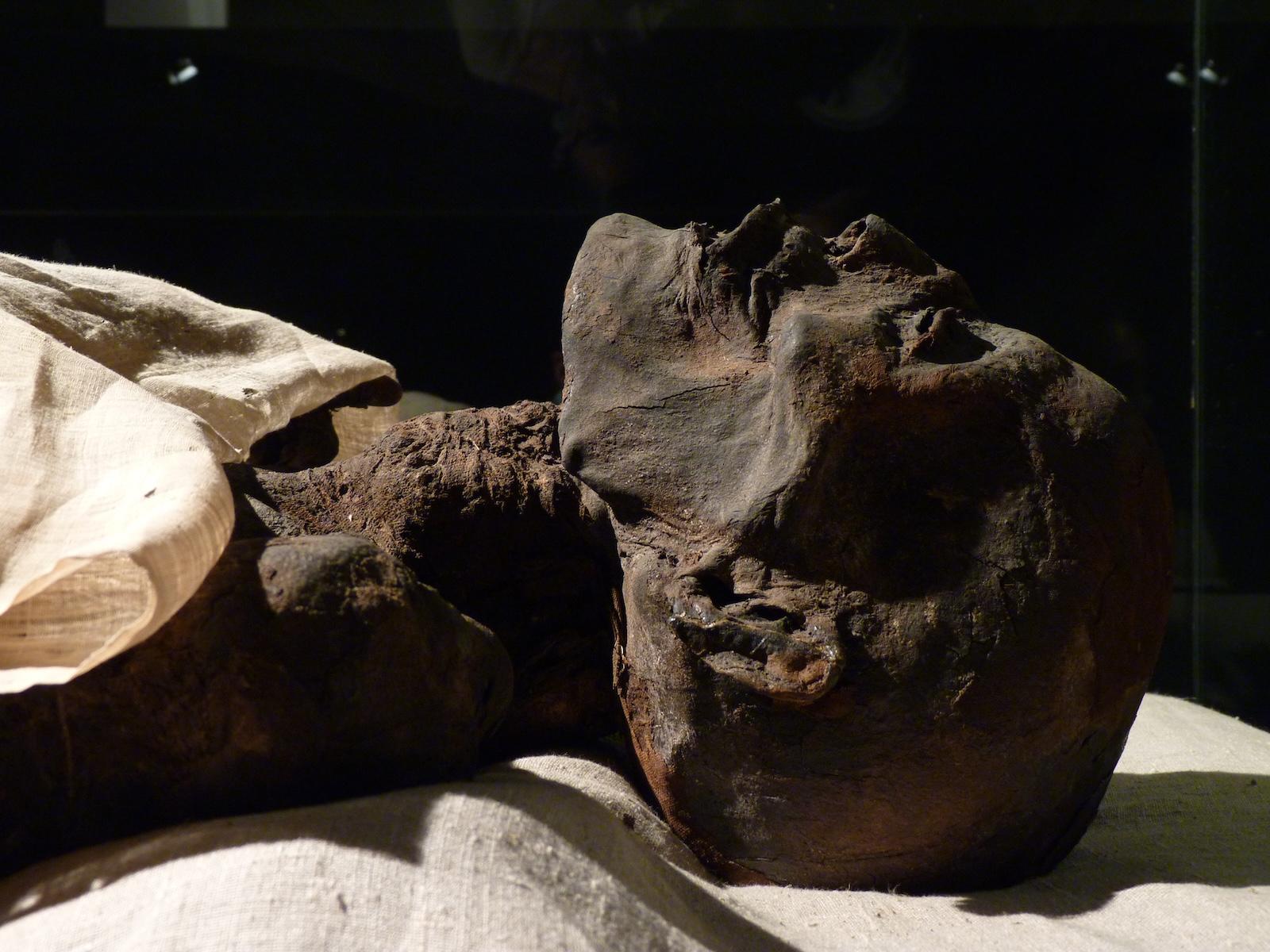
Ramses I Mummy. The mummy of Ramses I was looted from Egypt around 1860 and held in various private collections in Canada and the US up until 2003. The mummy is currently on display in the Luxor Museum.  Wikicommons
 
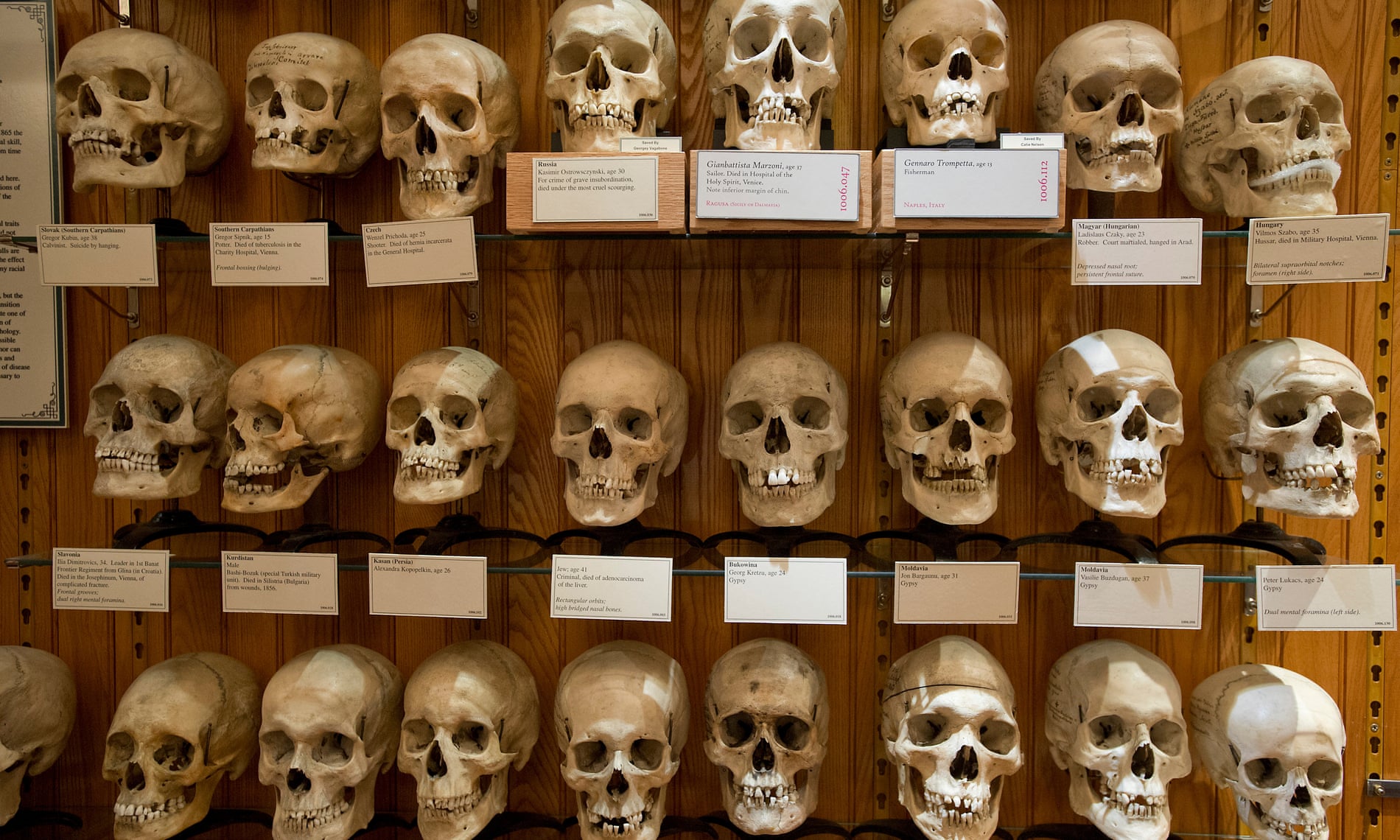
 He eventually found them in a tiny anatomical museum, part of the Amsterdam University Medical Center called the Museum Vrolik, dating to the 19th century where jars of body parts were on display. Aside from the feet and ears and irregular fetuses, there were cabinets full of skulls and bones. The Moluccan skulls lined up in the museum have now been returned to the archipelago which gave birth to them, while the empty shelves in the display cabinets and their empty stands are testimony to the uncaring attitudes of scientists and colonists who viewed the Indigenous peoples they dominated as less than human.
 
Today, the Museum Vrolik is featuring a new exhibition which it has titled "Imagine: The Future of Human Remains from Colonial Contexts", scheduled to be on display until June of 2027. The point of the display, according to the museum's director, is to provide food for thought in calling attention to the human treasure troves, taken in a spirit of conquest and contempt, now finding their place back at their beginnings, granting dignity to that which was once a living human being. Needless to say, it is not only the Netherlands alone that indulged in these colonialist-era curiosity cabinets, but a Europe-wide practise.
 
https://i.guim.co.uk/img/media/7d00e67f40e9beb2b681f899316017645a0a6b87/0_106_3600_2160/master/3600.jpg?width=1900&dpr=1&s=none&crop=none
The Hyrtl Skull Collection on display at the museum. Photograph: Allentown Morning Call/Tribune News Service/Getty Images
 
 Thousands of colonial-era human remains; skulls, skeletons, mummies, hair and teeth, were preserved and labelled in European collections; many representing anatomical troves used for scientific research at medical institutions; others on display in natural history museums. Most of these human artefacts were procured from hospitals, hauled out of pauper's graves, or procured through commercial trade in skeletons, while a smaller number were gathered through archaelogical looting or as trophies from  colonized geographies in Africa, Asia and Oceania.
 
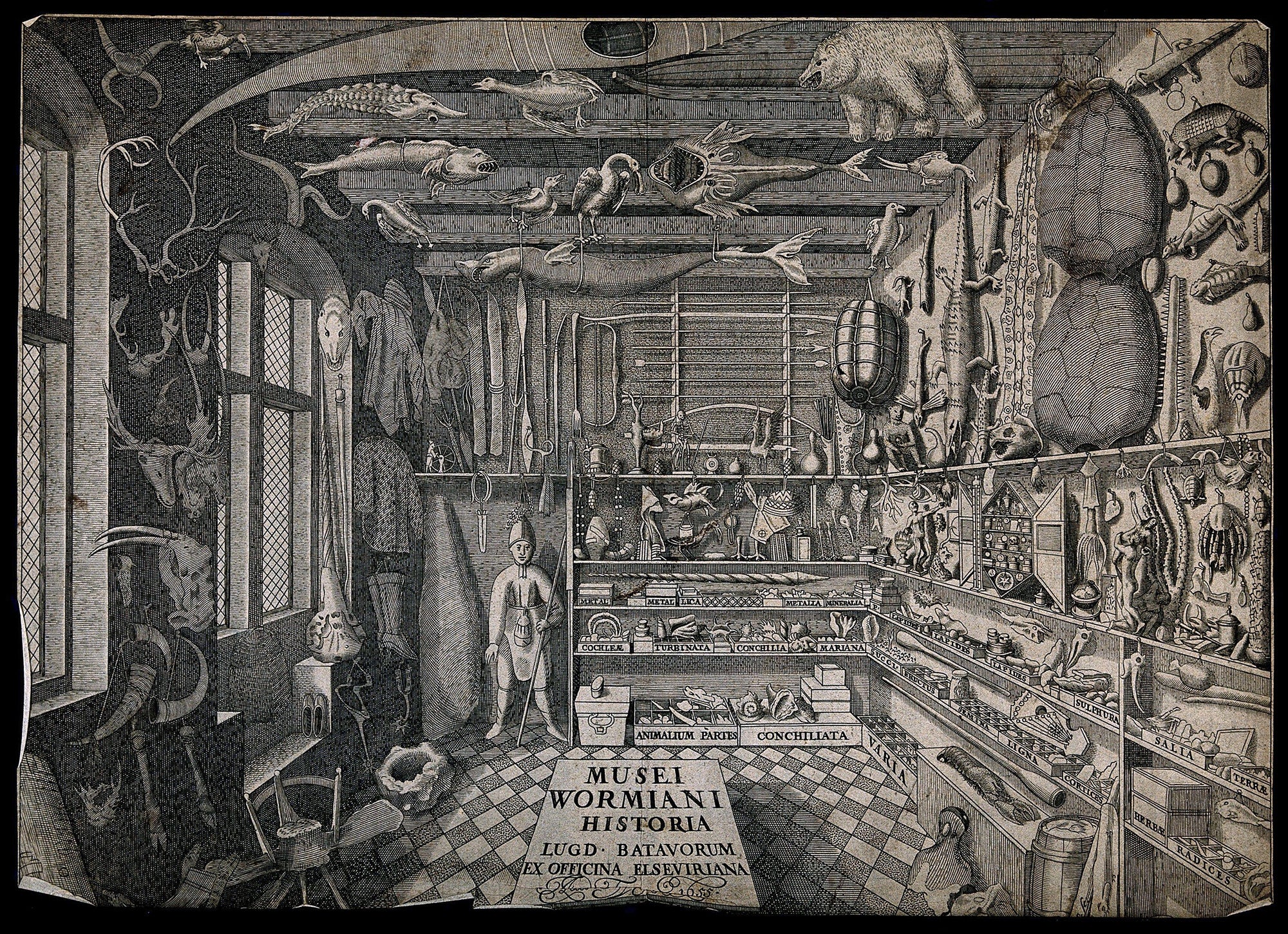
The European penchant for these public displays dates from the 17th century when anatomists developed preservation methods, placing specimens in jars as educational tools as well as for the purpose of giving the public an opportunity to view spectacular specimens of the human skeletal architecture. "Race science" motivated scientists and anthropologists to collect  human bones with a focus on specimens from Indigenous and local populations from colonies, taken to Europe where hierarchies were invented to justify colonial subjugation, discrimination and slavery.  
 
https://daily.jstor.org/wp-content/uploads/2025/01/the_age_of_wonder_meets_the_age_of_information_1_2000.jpg
The museum of Ole Worm, Copenhagen: interior. Engraving, 1655.   JStor
 

Labels: , , , , , , , , , ,

Sunday, February 01, 2026

Dracunculiasis -- Guinea-worm disease

 
"We think about President Carter's legacy [and his push to get to zero cases]." 
"These might not be seen as the No. 1 problems in the world, but they are the No. 1 problems for people that suffer from these diseases."
"So we continue to charge ourselves with his mission of alleviating as much pain and suffering as we can."
Adam Weiss, director, Carter Center Guinea worm eradication program 
 
"Dracunculus medinensis (D. medinensis), a type of parasitic worm, causes guinea worm disease. The larvae live in stagnant (nonmoving) water, like ponds or shallow wells. They infect copepods, bug-like crustaceans that are almost too tiny to see. Copepods are sometimes called water fleas."
"If you drink water that copepods live in, D. medinensis larvae can get into your stomach and intestines. They move through the walls of your insides to other parts of your body. Eventually (usually about a year later), an adult worm starts pushing its way through your skin. They need to get to the outside of your body to release eggs into water. Adults can grow up to 3 feet (1 meter), so it can take a long time for them to work their way out of your body."
Cleveland Clinic
 https://cdn.who.int/media/images/default-source/imported/dracunculiasis-guinea-worm-disease-jpg.tmb-1920v.jpg?sfvrsn=dfc5d656_44
 
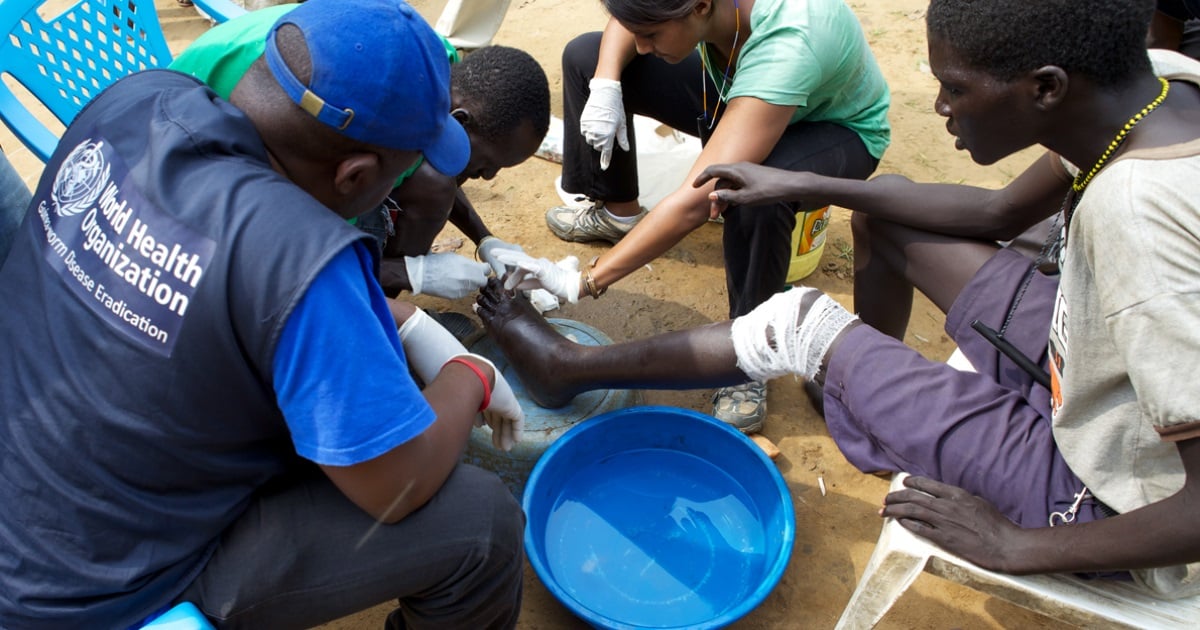
In 2025, came the good news of a historic low in Guinea worm infections now seen only in three countries. Former U.S. President Jimmy Carter who established The Carter Center with its mandate to eradicate the dread disease with its launching in the 1980s, was said to have wanted to outlive its eradication, to enjoy the completion of a goal he had set. Back then in the mid 1980s, the parasite was known to afflict millions of people in developing countries.
 
In the year just passed, four human cases were reported in Chad, four in Ethiopia and two in South Sudan. Animals too can become infected and among animals infections continue to number much higher but have slightly declined in some countries. There were 15 cases of Guinea worm reported in 2024 in Angola, Cameroon, and Central African Republic while Mali reported zero cases two years running.
 
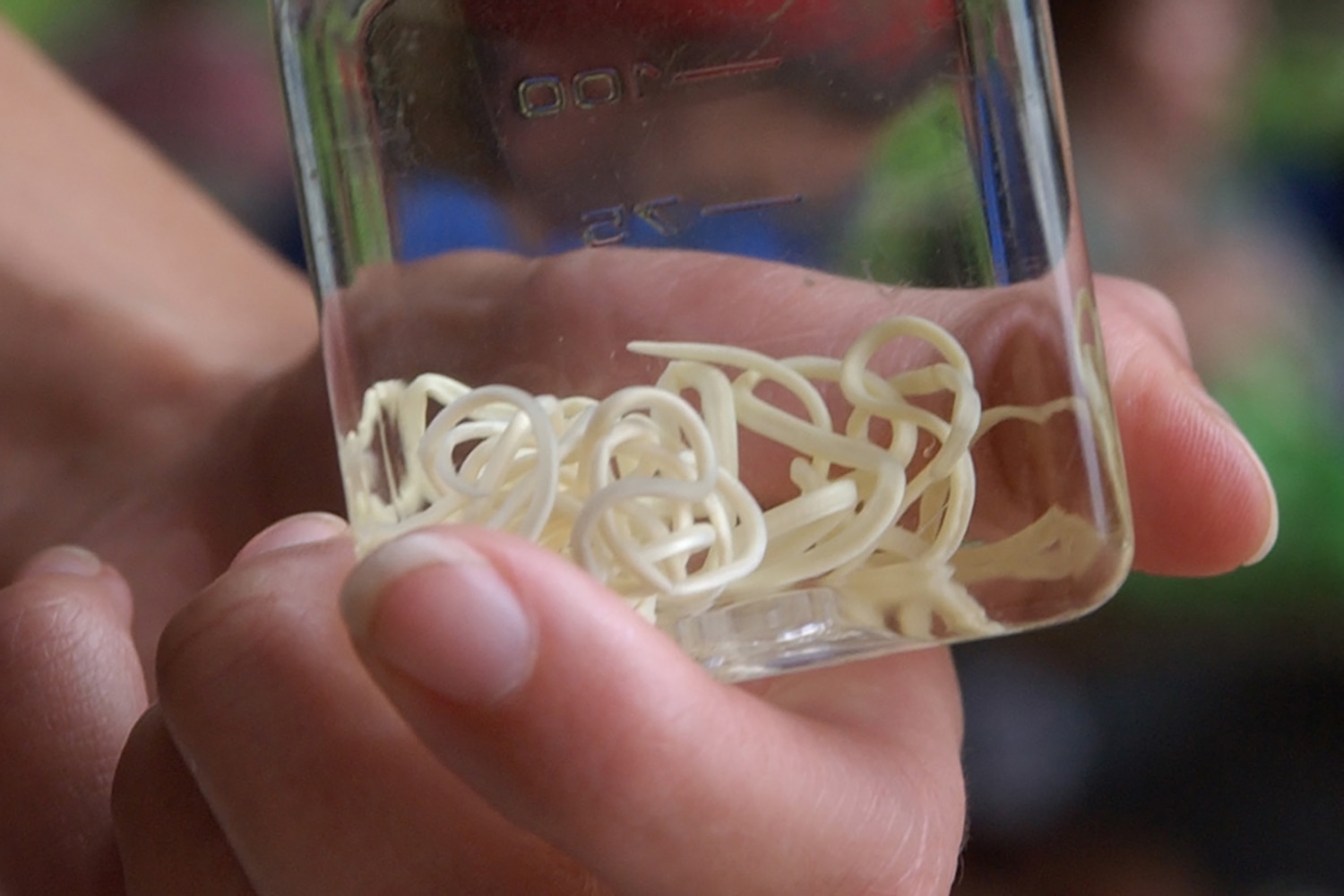
If and when Guinea worm is finally eradicated, it will join smallpox as the only two human diseases that medical science succeeded in freeing the world from. The worm's larvae are laid in water, so the contaminated water becomes the vector in infecting people and animals who consume that water. Once the larvae enters the body it grows for a year and can grow up to a metre in length, with the diameter of spaghetti.
 
Once the worm has reached maturity it seeks to exit the host body and it does this through the medium of a blister. Depending on the length of the worm, its exit can take a long time, during which time excruciating pain wracks the infected person. When infected people -- or animals -- who suffer from the condition immerse themselves in water in an effort to ease their pain, the worm takes the opportunity to deposit its larvae, in an ongoing cycle. 
 
Infections can also occur when people consume fish or amphibious creatures that have themselves consumed the larvae. The Carter Center specializes in educating the public, training volunteers, and distributing water filters in affected areas. No treatment exists for Guinea worm, although medication can be used to alleviate pain and suffering.
 
The development of diagnostic tests is next on the agenda for the Carter Center's eradication program. The benefits of testing before an infected person or animal becomes symptomatic are linked to minimizing or eliminating opportunities for the worms to continue infecting water sources with their larvae.  
https://media-cldnry.s-nbcnews.com/image/upload/t_fit-1500w,f_auto,q_auto:best/rockcms/2024-12/241230-Guinea-worm-1-aa-108-7bd606.jpg
A jar containing Guinea worms AP file
"Imagine drinking a simple sip of water and unknowingly setting a timer for one of the most bizarre and painful biological ordeals on the planet. Guinea worm disease, caused by the parasite Dracunculus medinensis, has haunted humanity for millennia. Its modus operandi is as unsettling as it is intricate. The story of its near-eradication, led by the heroic efforts of former U.S. President Jimmy Carter and a coalition of determined organizations, is a testament to what global cooperation can achieve—even without the aid of modern medical marvels like vaccines or miracle drugs."
"Guinea worm disease begins when someone in a rural, water-scarce region drinks from a stagnant pond teeming with tiny water fleas infected by Guinea worm larvae. Once ingested, these larvae migrate through the digestive tract, eventually pairing up for a little love in your body. While the male dies after its job is done (a grim version of “mate and die”), the fertilized female has big plans: she grows to about a meter long—yes, meter—and prepares to leave her host, which, unfortunately for us, involves excruciating pain."
"A year after infection, the female worm heads to the surface of the skin, creating a blister that feels like it’s on fire. Naturally, the victim seeks relief by submerging the affected body part in water. That’s the worm’s cue to release a soup of larvae, ensuring its species’ survival. The cycle begins anew, unless interventions like water filtration or behavior change interrupt it."
History of Vaccines tribute to former President Jimmy Carter 
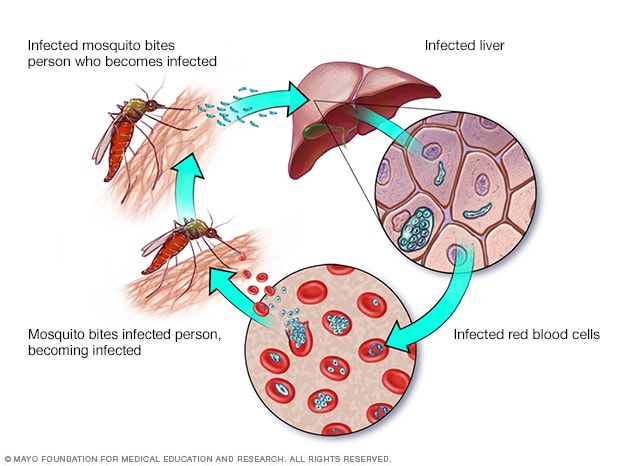
https://upload.wikimedia.org/wikipedia/commons/thumb/e/e9/Dracunculiasis_life_cycle_CDC.jpg/500px-Dracunculiasis_life_cycle_CDC.jpg


Labels: , , , ,

Thursday, November 06, 2025

Intolerance of, and Persecution of Christians

"If you don't know what is going on in Nigeria, your media sources suck. You are in a bubble. I'm not a Christian, but they are systematically killing the Christians in Nigeria. they have killed over 100,000 since 2009. They have burnt 18,000 churches."
"This is so much more of a genocide attempt than what is going on in Gaza. They are literally trying to wipe out the Christian population of an entire country. Where are the kids protesting this?"
Commentator Bill Maher
 
"In North Korea, it's illegal to be a Christian. It's illegal to own a Bible. There's an estimated 60,000 Christians imprisoned or in Labour camps in North Korea. There's no way to openly express your faith in North Korea."
"It's not only you who will be punished: North Korean authorities are likely to round up your extended family and punish them too, even if  your family members aren't Christians."
"Persecution is growing around the world, both in global spread, but also in intensity. We recognize now that more than 380 million Christians face high levels of persecution and discrimination for their faith in Jesus Christ." 
Andrew Croft, communications and relations manager, Open Doors Canada 
 
"You could face house arrest, forced marriage, forced Islamic rituals or even threats to  your life [as punishment for those who convert to Christianity]."
"[In Sudan], More than 100 churches have been damaged so far, and Christians have been abducted and killed."
"[In Pakistan], the number of Christian girls [and those from other minority religions are] abducted, abused and forcefully converted to Islam [frequently backed by lower courts] is growing."
"In recent years the [Chinese] government has aggressively tried to ensure all religious expression is brought into line with official Chinese Communist philosophy." 
Open Doors Canada 
https://images.theconversation.com/files/595021/original/file-20240519-19-grhr6b.jpg?ixlib=rb-4.1.0&rect=0%2C3%2C1024%2C677&q=75&auto=format&w=768&h=512&fit=crop&dpr=1
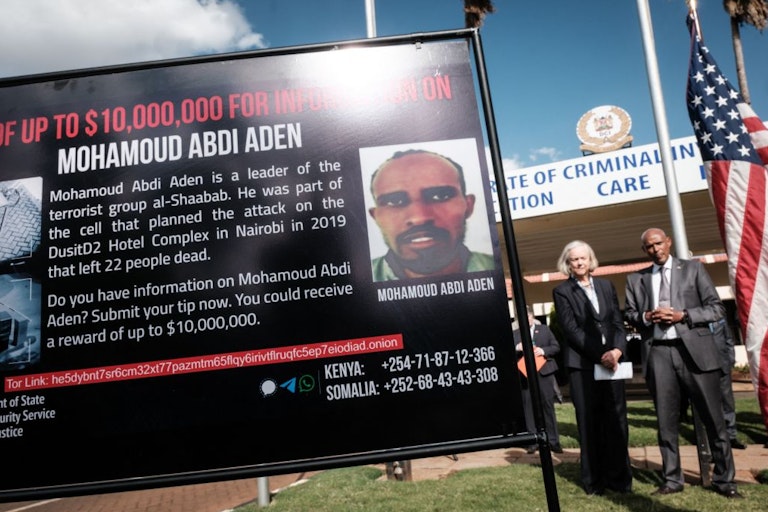
The governments of Kenya and the US announced a US$10 million reward for information on terror suspect Mohamoud Abdi Aden in 2023. Yasuyoshi Chiba/ AFP via Getty Images
 
An estimated 62,000 Christians, since 2000, have been murdered in Nigeria. People found to be Christian in North Korea risk death by government forces, alternately being sent off to labour camps. Blasphemy laws in Pakistan carry the death penalty, with a quarter of all blasphemy cases (blaspheming against Islam or the Prophet) representing charges against fewer than two percent of the population: Pakistani Christians.
 
The reality is that Christians across the world have become an endangered species. And while in the West there is no end of commiseration with alleged charges of 'genocide' being committed by Israel in Gaza resulting from Palestinian terrorist groups -- led by the infamous Hamas having committed a mass atrocity of savage proportions in Israel, owing to the Israel Defense Forces' response in counter-attacking the various Palestinian terrorist groups like Islamic Jihad, Fatah and Popular Front for the Liberation of Palestine alongside Hamas all of which took part in slaughtering 1,200 Jews on October 7, 2023 -- the plight of Christians worldwide appears to be studiously ignored.
 
In the West itself there appears an increasing intolerance for Christianity, despite that democracies have always been Judeo-Christian-inspired in their human rights laws and systems of justice in general. In the past several years as a result of a false report out of Canada that spun around the world, that Indigenous children housed and educated in mostly Catholic but government-sponsored Residential Schools suffered abuse and died in numbers over 160 years, greater than those of the general population, an aboriginal-led cataclysm of rage saw 100 churches being burned, with no one held to account.
 
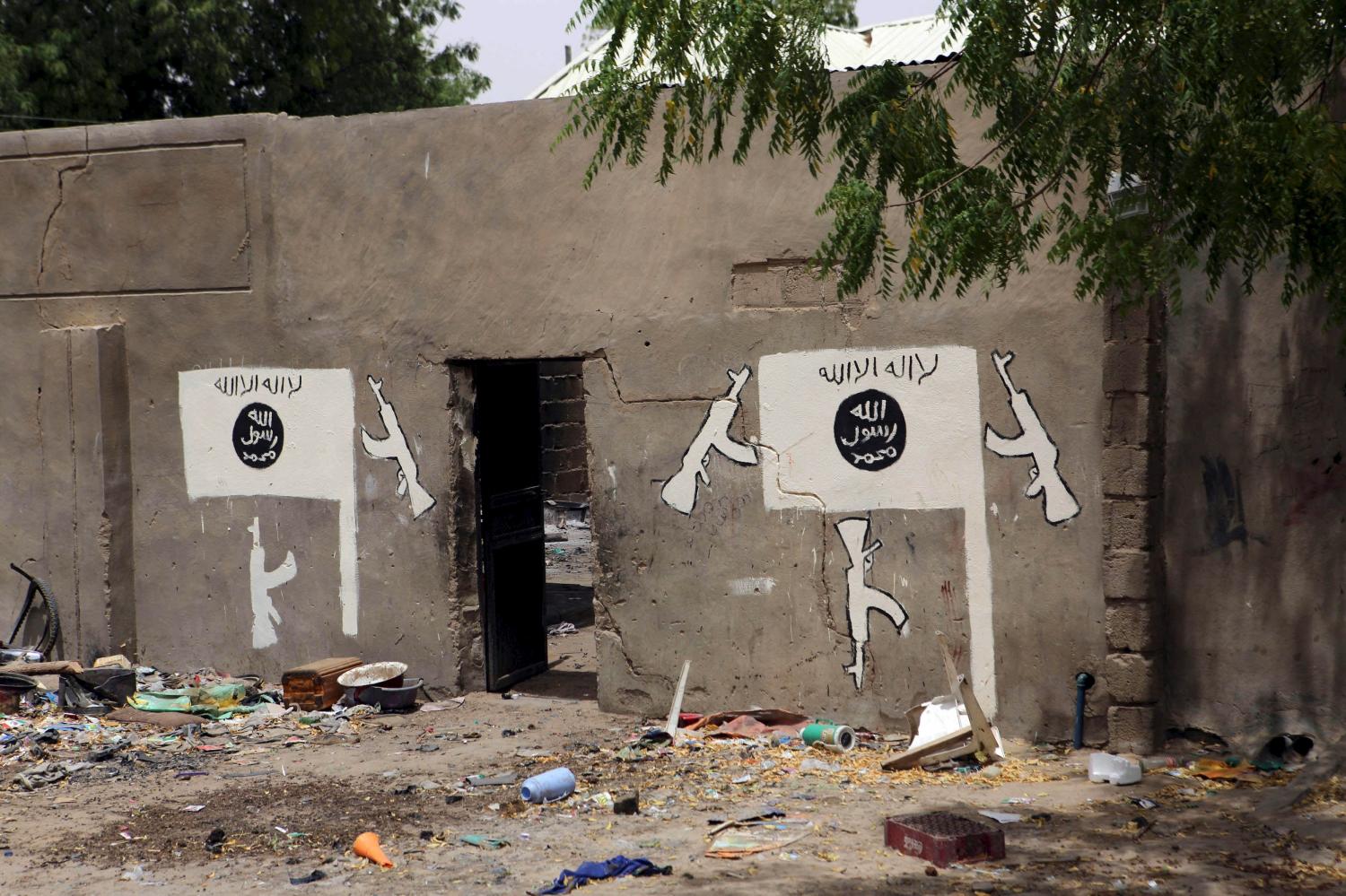
According to the International Committee on Nigeria (ICON) which promotes human rights and religious freedom, "the silent slaughter" of Christians over the past two decades saw 43,000 Christians murdered by the Boko Haram Islamist terror group. Muslim nomadic cattle herders -- extremist Fulanis -- killed another 19,000 who were pastoralists, farmers resisting the arable land they farmed being overrun by cattle, while the herders -- as in Sudan's similar conflict in Darfur against (Muslim) farmers followed a similar trajectory.
 
Brookings
 
Of the 276 Christian schoolgirls kidnapped in 2014 by Boko Haram from the town of Chibok in Nigeria, 82 of the girls have never been recovered. "Both of these groups (Islamic State West Africa and Boko Haram) and other groups like them have radicalized ideologies to build a Sharia state", charged Andrew Croft of Open Doors Canada. Nigeria, wrote U.S. Rep. Riley Moore, is now "the deadliest place in the world to be a Christian", addressing U.S. Secretary of State Marco Rubio, as he called for Nigeria to be re-designated a "country of particular concern".
 
Open Doors published a list of countries in 2025, where Christians are most persecuted. North Korea is top on the list at No.1. Somalia is No. 2 on the list where Christians are the targets of Al-Shabab, the violent Islamist group whose goal is to eradicate Christianity as a curse against Islam. No.3 is Yemen, followed in succession by Libya, Sudan, Eritrea and Nigeria. Some 97 million Christians in China face stern government regulations. 
 
Countries on the record as among those where Christians are persecuted are generally authoritarian where the rising growth of Islamist extremism is a driver.
 
Last year, in an address to the United Nations, Archbishop Paul Gallagher, the secretary for relations with states with the Holy See, stated that "The data show that Christians are the most persecuted  religious group worldwide, and yet the international community seems to be turning a blind eye to the plight". Adding to that plaint from the Vatican, is the peculiarity of the Vatican itself doing little to indicate it is determined to campaign against the oppression of Christians in lands where totalitarian Islamism is the source of that persecution. 
 
"The dignity of the individual and the nature of the quest for the  ultimate truth require that everyone should be free from constraints regarding religion. Society and the state must not force someone to act against his or her conscience, nor prevent anyone from acting in accordance with it", urged the Archbishop. Fine words, but the followup action absent in large part. The Center for Religious Liberty released a report last year: "Free to Believe? The Intensifying Intolerance Toward Christians in the West":
 
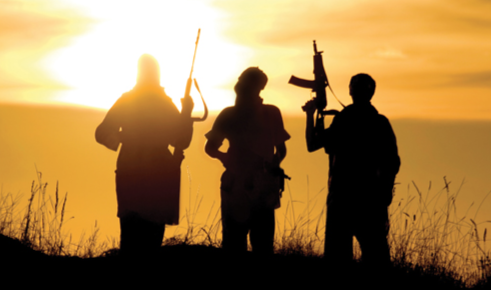
https://leb.fbi.gov/image-repository/silhouettes-of-radcal-islamists.jpg/@@images/image/large"As the mainstream culture moves further and further away from a Christian world view, Christian beliefs that contradict progressive secular values are increasingly denounced by the culture and wrongly portrayed as being hateful or bigoted." As an example, a Finish member of Parliament was prosecuted for 'ethnic agitation' resulting from "a tweet containing a Bible verse in which she indicated disapproval of her church's sponsorship of a Pride event, for discussing her beliefs on a radio show and for publishing a pamphlet promoting a biblical understanding of marriage through her church". 
 
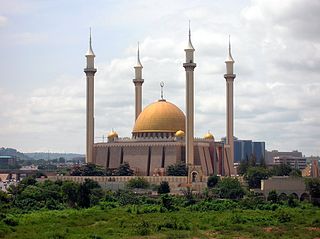
https://www.cambridgepapers.org/wp-content/uploads/2022/02/320px-AbujaNationalMosqueShiraz-Chakera.jpg
Abuja National Mosque, Shiraz
 
"Since the invasion of Ukraine, Russian Christians have faced increased scrutiny and punishment."
"For Christians, there is no escape from the extremist policies of a government [Islamic Republic of Iran] fuelled by an extremist interpretation of Shia Islam that leaves no room even for Sunni Islam, much less religious minorities like Christianity."
International Christian Concern (ICC)
 
"It is shocking to see western countries -- the same ones we think of as free and open societies -- take authoritarian measures against Christians simply trying to live out their faith."
"Hostility toward Bible-believing Christians is clearly and steadily rising in the west."
Tony Perkins, president, Family Research Council 
 

Labels: , , , , , ,

Monday, May 01, 2023

Bednets: Saving African Lives From Malaria

"Malaria is a major public health problem and can be life-threatening. The disease, mostly found in tropical countries, is transmitted to humans by the female Anopheles mosquito."
"Nearly half of the world’s population is at risk of the disease. In 2021, for instance, around 247 million cases of malaria were reported and about 619,000 people died."
"Four African countries accounted for just over half of all malaria deaths worldwide: Nigeria (31.3%), the Democratic Republic of the Congo (12.6%), Tanzania (4.1%) and Niger (3.9%)."
The Conversation
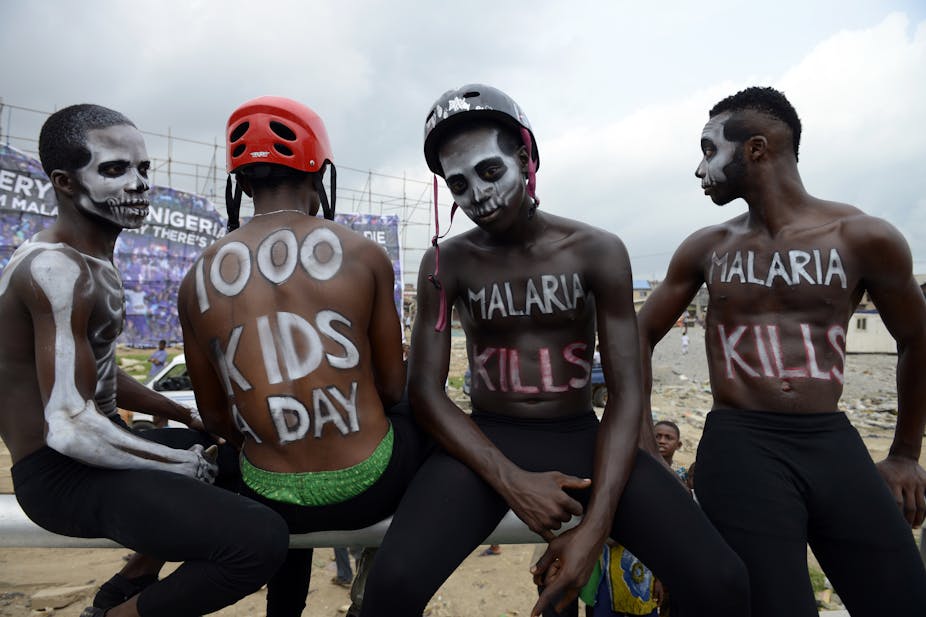
Actors paint their bodies with paint to draw attention to the deaths caused by malaria
Lagos residents use art to draw attention to the gaps in the prevention and treatment of malaria. According to UNICEF, over 1,000 children under the age of 5 catch malaria every day. Pius Utomi Ekpei/AFP via Getty Images
"The existence of malaria anywhere is an interaction between the environment and the organism responsible for the disease, the mosquito."
"When you look at an environment, you’re looking at a variety of natural factors – such as temperature, humidity and rainfall – and man-made factors, such as drainage systems."
"This is because certain conditions allow mosquitoes to thrive – specifically moisture-rich environments. Mosquitoes breed by laying their eggs in stagnant water."
The Conversation
Malaria was seen to thrive a century ago as far north as Siberia and the Arctic Circle. The disease was endemic in 36 states of the United States, Washington, Michigan and New York included. At that time, malaria was estimated to have killed 80,000 people yearly in North America and Europe. That was then; most of the developed world saw malaria eliminated in the 1950s thanks largely to medication and insecticides.

An improvement in nutrition saw people becoming healthier and better able to fight off infection even as mosquito-breeding marshes were drained. Quinine and synthetic chloroquine lifted developed countries out of the malaria syndrome, where affordable treatment became available even as insecticides eliminated many mosquito populations. Annual death rates sank from over three million in 1930 to less than 30,000 at present outside of sub-Saharan Africa.

Image result for Malaria
It is in Africa to the present day where malaria has remained a threat, with the disease killing over a half-million people annually. The malaria parasite indigenous to Africa is the deadliest of strains, that have developed resistance to the common medicine, chloroquine. Malaria-spreading mosquitoes prevalent in Africa feed almost exclusively on human blood. The progress against the spread of malaria in Africa in the 2000s was set back with the onset of the global pandemic.

An early program to rid the world of malaria, The Global Malaria Eradication Program established in 1944 was abandoned 14 years later, its goal thought to be unachievable. The United Nations launched a global promise in 2015 known as the Sustainable Development Goals where nations undertook the ambitious project of tackling malaria, among other global ills. Unfortunately progress has not lived up to expectations; at the current rate, it is foreseen the goal to eradicate malaria may take hundreds of years according to Bjorn Lomborg whose think tank, The Copenhagen Consensus is leading the fight to eradicate malaria.

 
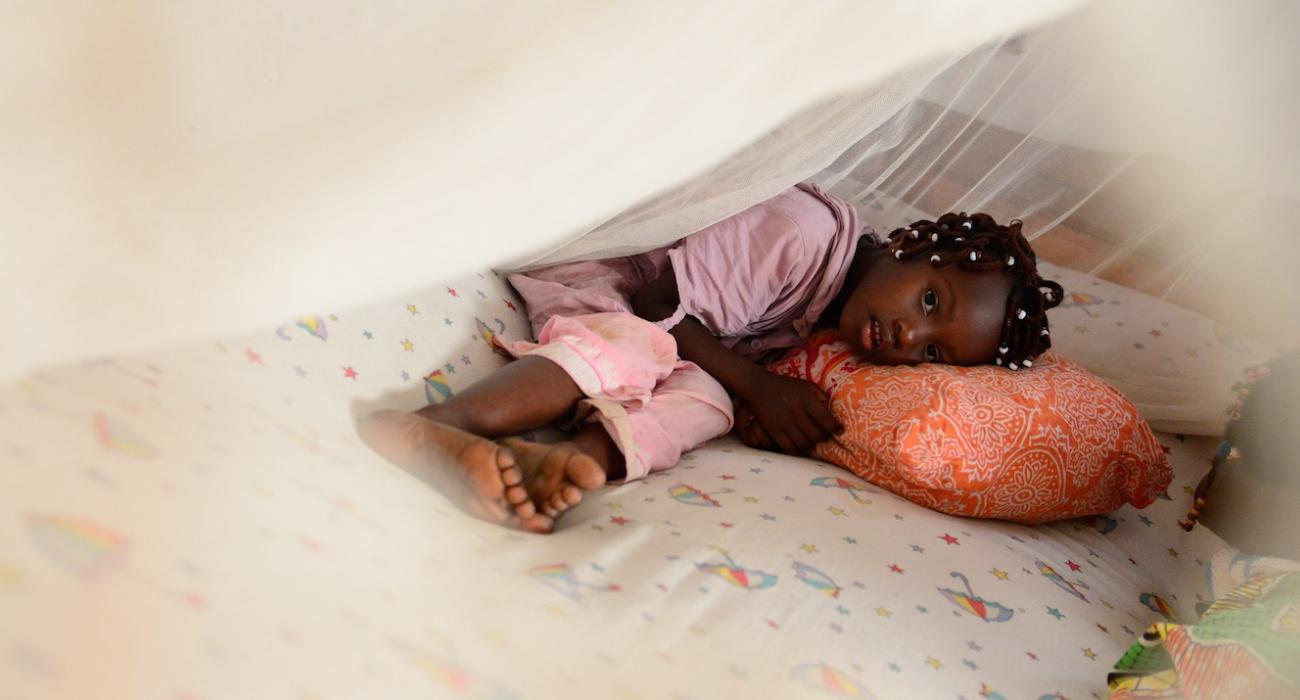
Current research on malaria proposes a ten percent increase in the use of bednets in the 29 highest-burden countries in Africa, to be used alongside other strategies to foil insecticide resistance. Enabling people vulnerable to malaria to sleep under insecticide-treated bednets is recognized as one of the most effective methods of preventing malaria since mosquitoes are blocked by the netting and the insecticide kills them -- at the cost of under $4 per net.

Research indicates that 242 million fewer people will become ill in 2030, dramatically reducing health-care costs, with the universal use of bednets. Malaria symptoms usually appear within seven to 30 days but can take up to a year to develop. Symptoms may include high fevers and shaking chills, basically flu-like illness.
"We have allowed malaria to turn into a disease of poverty in Africa. While we cannot deliver on all the global UN promises, we can do the smartest things first."
"Distributing and using insecticide-treated bednets will cost [relatively] little but save 1.3 million lives."
Bjorn Lomborg, president, Copenhagen Consensus, visiting fellow, Stanford University's Hoover Institution

Signs and symptoms of malaria may include:

  • Fever
  • Chills
  • General feeling of discomfort
  • Headache
  • Nausea and vomiting
  • Diarrhea
  • Abdominal pain
  • Muscle or joint pain
  • Fatigue
  • Rapid breathing
  • Rapid heart rate
  • Cough
Mayo Clinic


Labels: , , , ,

Thursday, July 28, 2022

Another Dread Zoonotic Surfacing in Africa

"Marburg is a highly infectious viral hemorrhagic fever in the same family as the more well-known Ebola virus disease."
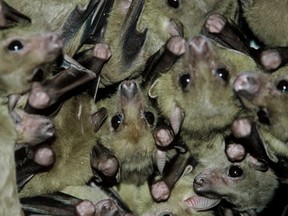
"In 2008, two independent cases were reported in travellers who visited a cave inhabited by Rousettus bat colonies in Uganda."
World Health Organization

"WHO is on the ground supporting health authorities [in Ghana where the latest outbreak has occurred] and now that the outbreak is declared, we are marshalling more resources for the response."
Dr.Matshidiso Moeti, Regional Director for Africa, World Health Organization
Rousettus aegyptiacus or Egyptian fruit bats. Prolonged exposure to mines or caves where they live can result in human infection of the deadly Marburg virus disease.
In 1967 two cases of the disease occurred, one in Marburg and Frankfurt, Germany, the other in Belgrade, Serbia. This is the origin of the naming of the virus; Marburg. The cases were traced back to a laboratory working with African green monkeys that had been imported from Uganda. The WHO reports that prolonged exposure to mines or caves where colonies of bats live can result in human infection.

The Ghana Health Service's Disease Surveillance Department recommends certain steps in avoidance of contracting the virus; abstaining from consuming bush meat; washing hands frequently with soap and water, and taking care not to handle dead bodies of those who may have had the Marburg virus. Timely and sterling recommendations for Africa, should outbreaks continue to be confined to that continent.

The suspected causes and such exposure leading to a virus leaping the species barrier from wild animals to humans has a familiar ring to it for most people; it was at the live animal market in Wuhan, China, that transmission from animal [bats infecting commonly consumed mammals] to human took place; bush animals sold for human consumption, infected with SARS-CoV-2 transmitted it to people at large through contact in the Huanan market. 
 
The Wuhan Hygiene Emergency Response Team leave the closed Huanan Seafood Wholesale Market in Wuhan, China, on January 11, 2020.

Police in Wuhan, China, shut down the Huanan Seafood Wholesale Market on 1 January, 2020. Credit: Noel Celis/AFP via Getty

Marburg virus is more vindictively fatal than COVID-19; an estimated 88 percent of those infected may never recover. It has an incubation period between two to 14 days. Infection can spread from person to person through direct contact with bodily fluids. Clothing which has been worn by someone infected with Marburg can also become a source of infection. No cure exists for the virus, though treatment for its symptoms is available.

Symptoms of infection include high fever and severe headaches, muscle aches and pains. Severe diarrhea, stomach pain, nausea and vomiting may begin on the infection's third day. Those infected become extremely lethargic. In cases that become fatal, a patient generally bleeds from the nose and gums.

Marburg virus cases and outbreaks have been reported in Angola, Democratic Republic of Congo, Kenya, South Africa and Uganda with links to Zimbabwe. In 2021 an outbreak was declared in Guinea, lasting for five weeks following a single case of the virus.

Out of the 590 people who contracted the disease since 1957, 478 died of it, according to the World Health Organization's data on major outbreaks. Two deaths occurred in June in Ghana when two unrelated people died in hospital following their hospitalization because they were suffering from diarrhea, fever, nausea and vomiting.

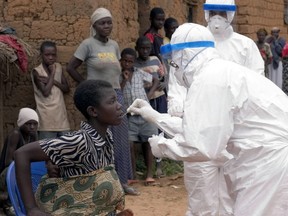
Doctor Mark Katz, a member of the World Health Organisation (WHO), taking an oral sample from patient Feliciana suspected of having Marburg haemorrhagic fever in Kinguangua, near Uige. Feliciana’s grandmother, sister and ex-husband died of Marburg haemorrhagic fever. The young woman tested negative after being transported to the Uige Provincial Hospital for observation.
Doctor Mark Katz, a member of the World Health Organisation (WHO), taking an oral sample from patient Feliciana suspected of having Marburg haemorrhagic fever in Kinguangua, near Uige. Feliciana’s grandmother, sister and ex-husband died of Marburg haemorrhagic fever. The young woman tested negative after being transported to the Uige Provincial Hospital for observation. Photo by CHRISTOPHER BLACK/AFP/Getty Images

Labels: , ,

Sunday, July 24, 2022

Global Monkeypox: MPXV

Public Health Agency of Canada
"Many ... well-intentioned officials appear fearful of saying something homophobic."
"LGBTQ organizers have ample practice with informing their communities about a possible health threat and championing safe-sex practices."
"Public-health officials should activate these resources rather than tiptoeing around the issue."
Jim Downs, professor, historical study of infectious diseases, Gettysburg College
 
Back around 1985, when a terrifyingly mysterious new disease was appearing in gay-centric areas of New York and elsewhere around the United States, it wasn't uncommon to read or hear of dismissive comments that gays brought this dreadful malady on themselves. The immune systems of homosexual men completely broke down with acquired immunity-deficient syndrome. No one knew what to do, how it could be avoided, much less treated, The disease took its dread course and people died horrible deaths, but the straight majority felt fairly complacent, and from pulpits sermons thundered that the supreme one above was punishing gays.
 
Fast forward to 2022 and no one but the most die-hard homophobic-committed will break a sneer over just desserts at the sudden appearance globally of yet another disease linked to sex acts shared between men with other men. The saving grace, is that this new disease is relatively mild in comparison to HIV-AIDS. With monkeypox suddenly taking centre-stage, nudging SARS-CoV-2 out of the way temporarily, the development of another gay-sex punishment is being  handled by public health somewhat differently.

No one wants to overtly call attention to the fact that the vast majority of those contracting monkeypox are males. And they are males of a specific group. Society at present is well and truly chastened, a far cry from when 'gay' was just another epithet to be tossed off in contempt against a swath of society that kept a low profile in avoidance of the backlash that was usually forthcoming at mention of gay sex, a bull's red flag for straight men who thought mocking and demeaning their gay brothers was fun.

The New England Journal of Medicine recently published the results of their study of the surprise outbreak of monkeypox outside of Africa, where the disease, while endemic, is still relatively unusual. It can have devastating effects on pregnant women and young children if infected. Yet another 'invasive species' from one corner of the world to another. The large study used a sample of 528 cases on four continents. Of the total, 13 percent saw hospitalization, the majority suffering "no serious complications", and no deaths.

For starters, HIV/AIDS was initially occurring exclusively within the gay population. Before eventually spreading to women and straight men, albeit not in overwhelming numbers. As with AIDS, monkeypox has been seen to afflict 98 percent men of the 528 cases studied. Furthermore 95 percent of the cases, according to the study, were transmitted sexually. In the first news coming out of clinics worldwide, those statistics were verified by diagnosis and observation.

Leaving government agencies and health authorities with a dilemma; how to transmit the information to the public clearly and honestly without risking a backlash against the gay community? The fear was that frank admissions of the disease's spread through same-sex physical intimacy would engender and "fuel hate" and risk spurring "unintended consequences".

The disease continues to spread, and to be treated. Its symptoms are not particularly worrisome. And it now has a global presence. The World Health Organization identifies monkeypox as a specific problem for gay men, advising that audience "for gay, bisexual and other men who have sex with men", mincing no words in addressing the concerned audience. 

A letter was issued a month ago, co-signed by 29 medical experts recommending to the WHO that the word 'monkeypox' brings undue attention to Africa where it has a historical presence. First identified in monkeys, the disease crossed the species barrier in Africa. Which explains why photographs used by Western media so often depict African men whose skin shows monkeypox's effects.

New, replacement names for monkeypox to reduce the possibility of identifying the disease with a specific world region now that it has become a global health phenomenon are being considered. Such as MPXV-1, MPXV-2 or MPXV-a, as descriptives of the type. "MPXV", an acronym for monkeypox, too clever by half.
 
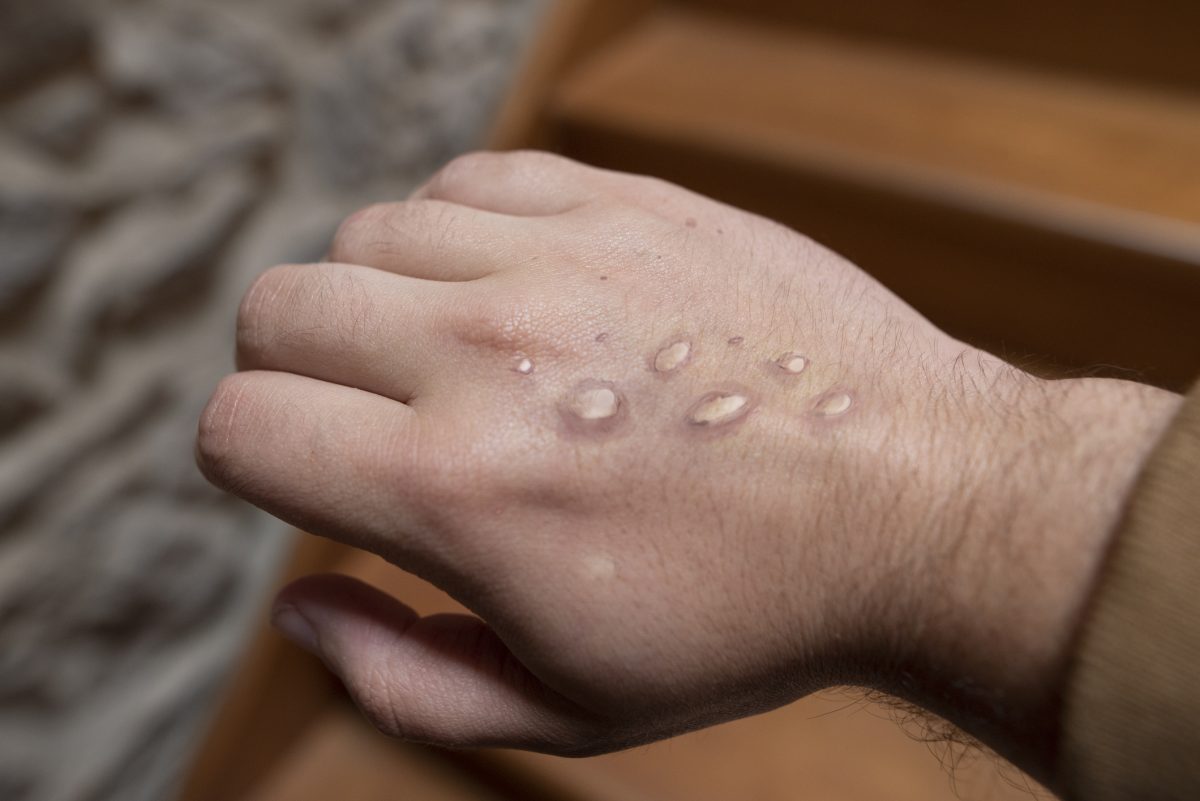
Rash on human hand depicting a Monkeypox infection
"The symptoms of monkeypox virus are milder than, but similar to those of smallpox. One key difference is that monkeypox causes swollen lymph nodes (lymphadenopathy) while smallpox does not. The swelling can occur in many different locations on the body, or be localized, including lymph nodes of the neck and armpit. The incubation period (time from infection to onset of symptoms) for monkeypox is usually 7−14 days but can range from 5−21 days. In addition to swollen lymph nodes, early signs and symptoms may include fever, headache, muscle aches, exhaustion, backache, and chills. A rash develops on the body within 1 to 3 days (sometimes longer) after the appearance of fever, usually first on the face, then spreading to other parts of the body. The lesions progresses through the stages of macules, papules, vesicles, pustules, and finally scabs before falling off."
National Collaborating Centre for Infectious Diseases, Public Health Agency of Canada

Labels: , , , ,

Sunday, December 12, 2021

World Population

"The last time that global population declined was in the mid-14th century, due to the Black Plague."
"If our forecast is correct, it will be the first time population decline is driven by fertility decline as opposed to events such as a pandemic or famine."
"Africa and the Arab world will shape our future, while Europe and Asia will recede in their influence. By the end of the century, the world will be multipolar, with India, Nigeria, China and the United States the dominant powers."
"Improvements in access to modern contraception and the education of girls and women [have led to the decrease in population]."
"Three factors drive the fertility rate -- the average number of children a woman delivers over her lifetime which is the largest determinant of population. The global total fertility rate is predicted to steadily decline, from 2.37 in 2017 to 1.66 in 2100, well below the minimum rate [2.1 live birth was per woman] considered necessary to maintain population numbers."
Stein Emil Vollset, professor of Global Health, Institute for Health Metrics and Evaluation
Japan ... Global population to decline in coming decades Photograph:( AFP )

The world population stands at the present time at roughly 7.8 billion people with experts believing the global population to peak at around 9.7 billion by 2064, before turning around to steadily decline to 8.79 billion by 2100. A new study recently published in the Lancet journal has for the first time revealed that the world's population is forecasted to decline, beginning in the next few decades, a phenomenon seen for the first time in centuries.

Japan, Thailand, Italy, Spain, Portugal and South Korea are among up to 23 countries that could realize a population decrease by 50 percent, resulting from low birthrates balanced against an aging population. China too, as the most populous country in the world, a country that has experienced huge population growth, is expected to leap forward exponentially, from 1.03 billion in 2017 to 3.07 billion forecasted for 2100. 

There are some countries, on the other hand, where an increase in population is being forecasted, among them countries in North Africa, the Middle East and sub-Saharan Africa. There, populations are estimated to triple from 1.3 billion in 2017 to 3.07 billion by 2100. Professor Vollset identifies the decrease in population linked to two key factors; contraception and education.


Labels: , , , , , ,

Wednesday, October 20, 2021

Fighting Malaria

"Like many who work in public health, especially in sub-Saharan Africa, I have been waiting my whole career for a malaria vaccine. And even longer than that; I suffered from severe malaria when I was ten."
"Inspired by my own experience with malaria and the disparities I have seen in treatment, I founded a non-profit, Speak Up Africa, ten years ago to champion solutions developed in Africa to address public health challenges facing the continent."
"Malaria is at the top of the list, as it has arguably the greatest impact on African nations' economic and social development."
Yacine Djibo, founder, executive director, Speak Up Africa, Dakar, Senegal
https://www.afro.who.int/sites/default/files/styles/1300x/public/2019-12/3d17e23bec6f1ce5423f04397e395b-3.jpg?itok=fFpyWRq8
WHO Africa

The first vaccine meant as a complementary tool for use in children living in at-risk geographies has been endorsed by the World Health Organization. Hailed as "historic", by the WHO and health experts globally, this is a milestone in the fight against global malaria. While wealthy nations have eliminated the threat of malaria, it is a disease that succeeds in killing some 400,000 people annually, most of those deaths taking place in Africa, targeting African children. 

While the new vaccine, Mosquirix, has a relatively low efficacy rate in prevention of roughly 30 percent of severe malaria cases, it does not present as a miracle solution to the dread disease. On the other hand, some relief is better than none, and future prospects of newer, more effective malaria vaccines are likelier to surface now that the first of the vaccines has seen the light of day rating WHO approval. 

Teams of local health workers are now required in increased numbers to enable swift response to cases, increasing access and administration of the new tool. The new vaccine fills in a needed gap, however imperfectly. Proof of concept has been revealed by the creation of the new vaccine which introduces the ushering in of a next generation of potentially more efficacious malaria vaccines that will be more effective through the use of technologies such as mRNA, used for the leading COVID-19 vaccines.
 
Mosquito on human arm

Malaria is spread by mosquitoes Bruce MacQueen/Alamy

The entire array of measures to combat malaria must be in play alongside the new malaria vaccine, boosting its effectiveness with complementary measures such as mosquito nets, antimalarial drugs, and indoor spraying of houses. Access to epidemiological data to comprehend where it is that populations are most at risk for infections, where insecticide and drug resistance occur and which tools are most effective in local communities is another weapon against malaria.

Investment in additional malaria vaccines already being worked on in laboratories around the world is certain to be spurred by this initial vaccine now being rolled out as an additional therapeutic resistance against malarial spread. Tools such as genomic surveillance to ensure that medical communities stay on top of growing drug and insecticide resistance, is yet another critical measure in the goal of better control of the malarial Plasmodium parasite. 

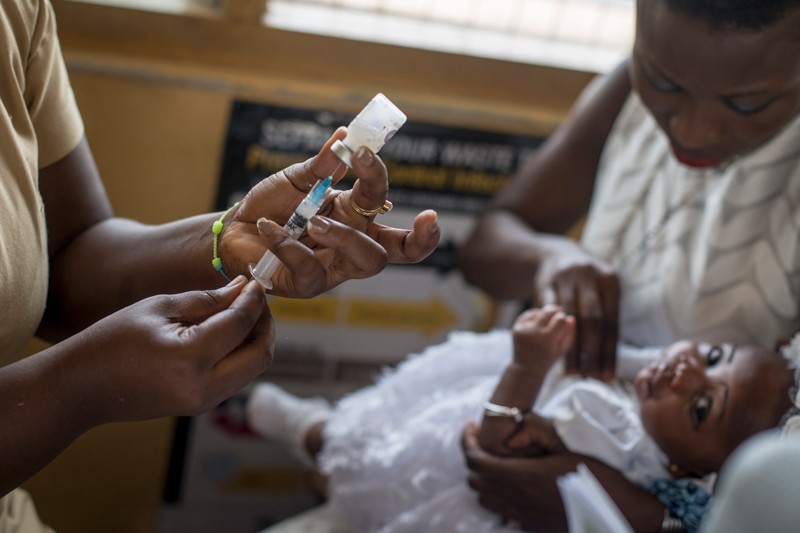
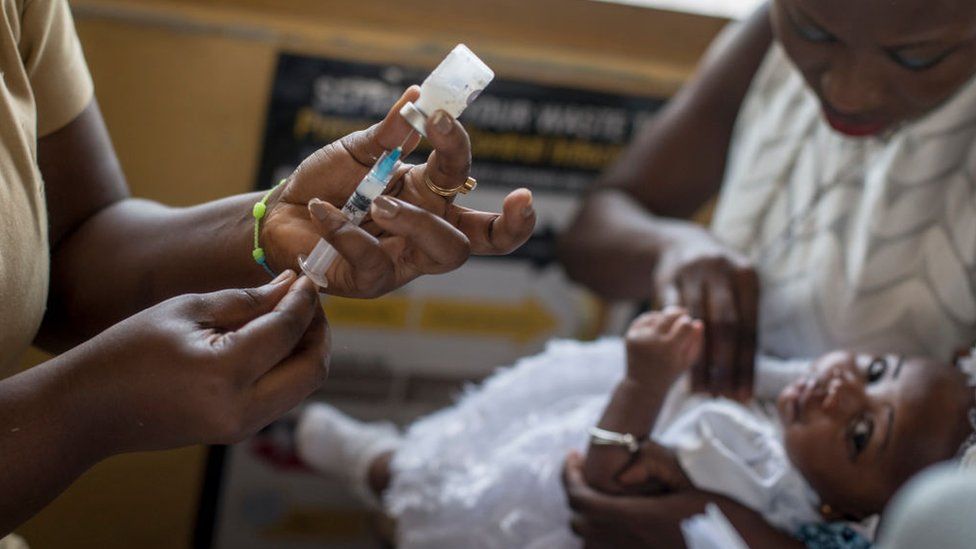
A baby is about to receive a vaccine by a nurse

A baby receives a dose of the RTS,S vaccine for malaria in Cape Coast, Ghana. Credit: Cristina Aldehuela/AFP/Getty

The COVID-19 vaccine producer BioNTech is considering Senegal as a potential manufacturing hub for future mRNA vaccines, not only against COVID-19, but for malaria and tuberculosis as well. These are the continent's worse killers, alongside H.I.V./AIDs. Malaria is a life-threatening disease caused by parasites that are transmitted to people through the bites of infected female Anopheles mosquitoes. It is preventable and curable.
  • In 2019, there were an estimated 229 million cases of malaria worldwide.
  • The estimated number of malaria deaths stood at 409 000 in 2019.
  • Children aged under 5 years are the most vulnerable group affected by malaria; in 2019, they accounted for 67% (274 000) of all malaria deaths worldwide.
  • The WHO African Region carries a disproportionately high share of the global malaria burden. In 2019, the region was home to 94% of malaria cases and deaths.
  • Total funding for malaria control and elimination reached an estimated US$ 3 billion in 2019. Contributions from governments of endemic countries amounted to US$ 900 million, representing 31% of total funding.   World Health Organization
  • McGill Office for Science and Society

Labels: , , , , ,

Friday, April 23, 2021

Achieved: The Holy Grail of Malaria Vaccine

"There are about 13 million children born each year in various areas of Africa that could really benefit from the malaria vaccine."
"There are three doses per schedule and a booster dose so 200 million [the number the pharmaceutical manufacturer in India has agreed to produce yearly] is a very good number."
"That's a real technical challenge. The vast majority of vaccines haven't worked because it's very difficult." 
"[However the trial results meant the vaccine was] very deployable [and] has the potential to have a major public health impact."
Adrian Hill, director, Jenner Institute Oxford University
 
"[The results were] very exciting [and showed] unprecedented efficacy levels".
"We look forward to the upcoming 'phase III' trial to demonstrate large-scale safety and efficacy data for a vaccine that is greatly needed in this region."
Halidou Tinto, professor in parasitology, principal trial investigator, Clinical Research Unit of Nanoro, Burkina Faso
Vaccines against malaria have been approved and rolled out in Africa before
Vaccines against malaria have been rolled out before, such as this one in Ghana   Getty Images
 
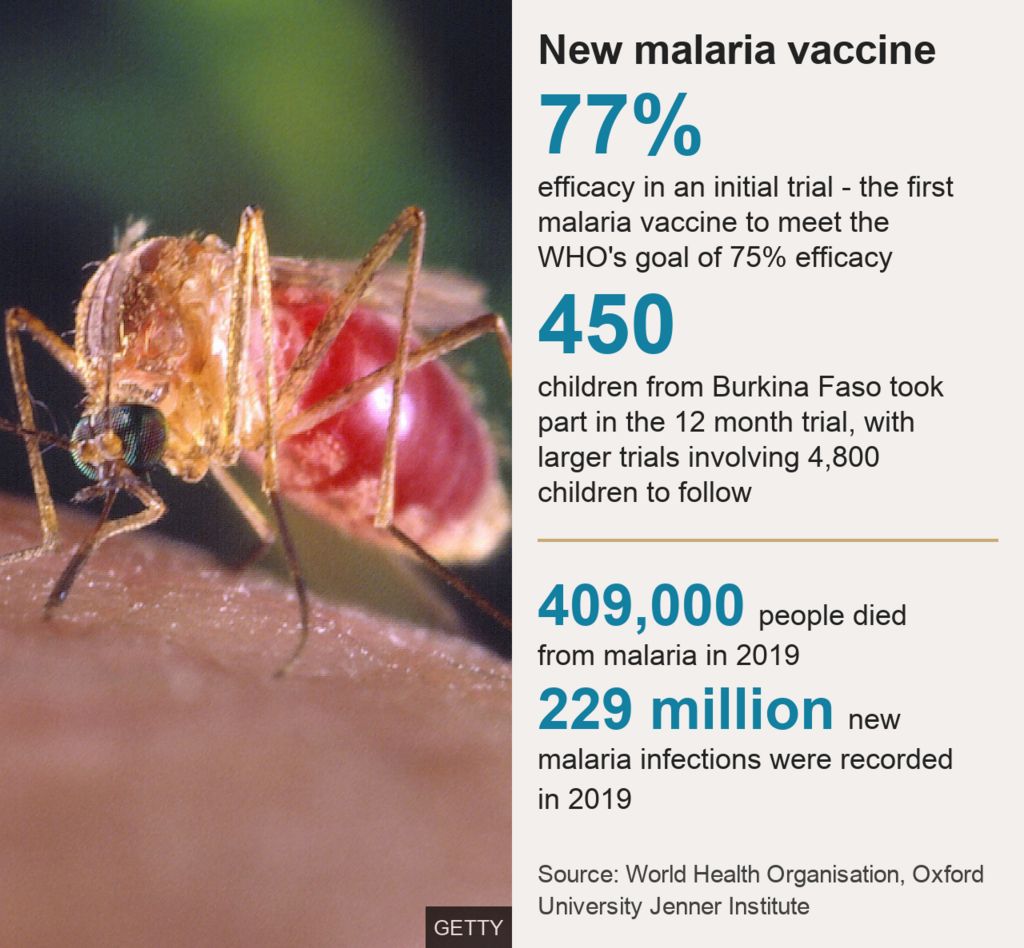
Malaria is a mosquito-borne disease that plagues the hot and humid areas of the world from Asia to Africa, the cause of sub-Sahara Africa losing approximately 400,000 people annually. Now, preliminary results of a phase two trial undertaken with 450 children in Burkina Faso indicates that the vaccine produced by scientists at Oxford University's Jenner Institute is 77 percent effective against malaria. The vaccine, called R21, is the first of its kind to rate such a high efficacy rate.
 
An agreement with the Serum Institute of India, one of the world's largest and most productive vaccine manufacturers, assures that they are committed to producing 200 million doses annually as soon as the vaccine has gained official approval. When that happens, the researchers anticipate that the vaccine doses will be available widely, and at low cost, to solve one of the world's most vexing environmental health risks through a vector that has always plagued humanity.
 
The existing anti-malaria vaccine,  of promise, the RTS.S vaccine produced by GlaxoSmithKline, its efficacy rate came out to 50 percent in late-stage trials, the barest minimum to declare it a success. While this vaccine has completed phase three clinical trials it has not yet been fully licensed as a result of safety concerns. It is, however, being administered at the present time in Kenya, Malawi and Ghana, representing part of a World Health Organization-led pilot project. 

Having a second vaccine in circulation would represent an immense assist to efforts geared toward eliminating malaria. Other preventive measures which are moderately effective include bed nets, indoor spraying, and preventive drugs, their use hampered by insufficient funding to ensure these methods are widely available where they are badly needed.

Children aged five to 17 months were given the R21 vaccine in three doses a month apart, with a booster dose a year later, in this latest trial. Three phase-three trials with 4,800 subject-participants for the vaccine are on the cusp of initiation in Africa. Challenge trials where volunteers in the U.K. were given the vaccine, then subjected to bites by malaria-carrying mosquitoes have earlier been completed.

Successful Malaria vaccines have been the goal of researchers for the past century, a goal that  has been difficult to achieve. Partially as a result of the disease being seasonal, where 90 percent of deaths happen three to four months following the rainy season, emphasizing the vital importance of inoculating with vaccines at the precise right opportunity.

New malaria vaccine data pic

Labels: , , , , ,

Saturday, November 07, 2020

Oceanic Migration 66 Million Years Ago

 "[It was] about the last thing in the world you would expect [to find]. It was completely out of place, like finding a kangaroo in Scotland."
"Africa was completely isolated by water -- so how did they get there?"
"Sherlock Holmes said 'Once you eliminate the impossible, whatever remains, no matter how improbable, must be the truth'. It was impossible to walk to Africa. These dinosaurs evolved long after continental drift split the continents, and we have no evidence of land bridges. The geology tells us Africa was isolated by oceans. If so, the only way to get there is by water."
"Over millions of years, once-in-a-century events are likely to happen many times."
"Ocean crossings are needed to explain how lemurs and hippos got to Madagascar, or how monkeys and rodents crossed from Africa to South America."
Dr.Nicholas Longrich, Milner Centre for Evolution, University of Bath
New Duckbill Dinosaur Evidence Shows That Dinosaurs Crossed Oceans

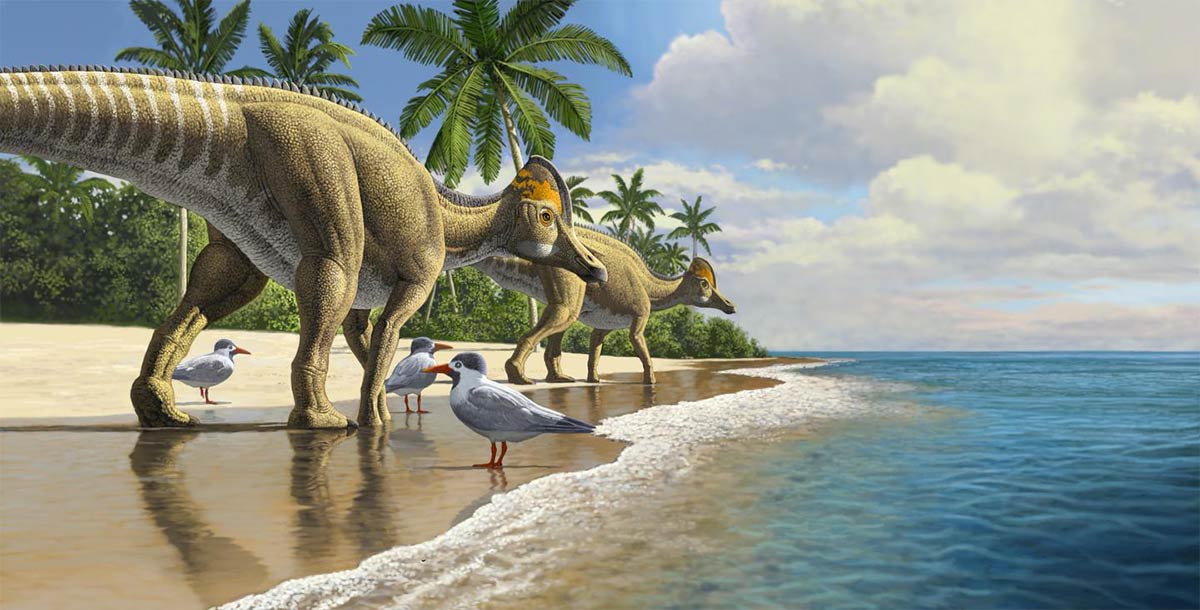
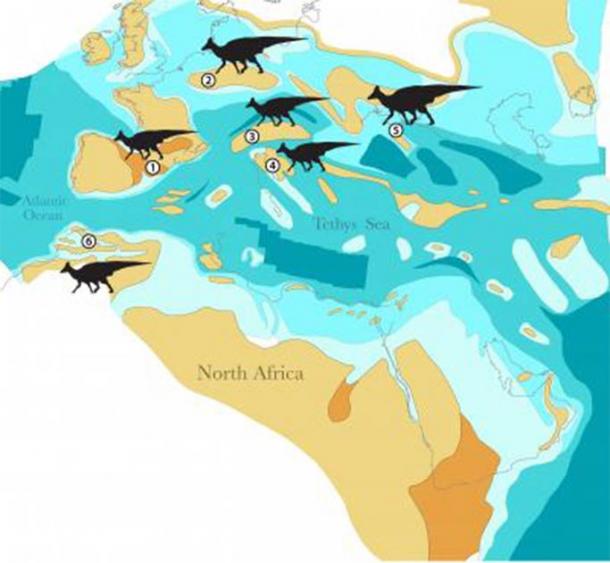
A team of British researchers has reached the unlikely-seeming conclusion that duck-billed dinosaurs migrated out of North America, spread to South America, Asia and Europe, and finally to Africa. Species migration for hundreds of years has been both voluntary and involuntary, and usually by ship. Some animals like rats freeload on ships for far destinations by default. Some explorers deliberately brought species unknown in their native lands back with them, by ship. But this was an oceanic voyage undertaken by ancient dinosaurs on their own initiative, 66 million years ago.

The newly-discovered  species has been named, Ajnabia odysseus. Remains of the animal were discovered in a mine near Casablanca in Morocco. The remains date to the end of the Cretaceous period, and that is a difficult-to-imagine 66 million years ago. Contrast that to human evolution when proto-humans began to emerge 7 million years ago. The predecessor of Homo sapiens, Homo habilis, surfaced 2.5 million years ago, known as the first to develop stone tools. And it wasn't until  70-50,000 years ago that humans began migrating out of Africa, the origin of humanity.
 
So a migration in the opposite direction to that which the first anatomically human creatures took, immensely predated humanity's move to begin populating the globe. Evolutionists believe that duck-billed dinosaurs used the open water of oceans to move hundreds of kilometres to reach Africa, after the discovery of the remains of the dinosaur, the first ever to be found on the continent. It is also considerably smaller than its otherwise-known counterparts.
 
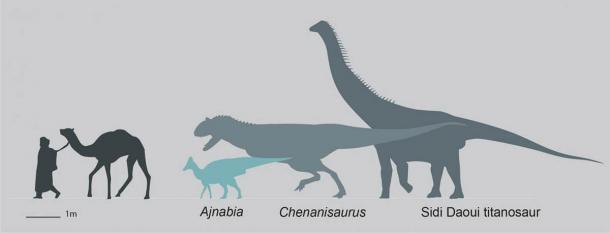
Silhouette showing the size of Ajnabia odysseus compared with humans and the contemporary Maastrichtian dinosaur fauna of Morocco. (Dr Nick Longrich / Science Direct)

Silhouette showing the size of Ajnabia odysseus compared with humans and the contemporary Maastrichtian dinosaur fauna of Morocco. (Dr Nick Longrich / Science Direct )

The familiarly-known size of duckbills was up to 15 metres in length, huge compared to the newly-identified species which measures three metres. Africa, in the late Cretaceous period, was isolated by deep seaways, a fact that seems impossible for duckbills to migrate to, so far a distance without an available land route. Of course what may have motivated these land creatures to depart terra firma for destinations unknown by swimming or floating or hitching rides on drifting organic detritus will never be known.

They are, however, thought to have been strong swimmers, gifted with large tails (rudders?) and powerful legs. The enormous distances they would have had to travel through deep oceans in their journey presents an improbable, but likely adventure in migration. "Ocean barriers are not always an insurmountable obstacle" to migration, noted Dr.Nour-Eddine Jilil of Sorbonne University's Natural History Museum. 
 
Its name is derived from Arabic for 'foreigner' (Ajnabi) and Odysseus (Ulysses) from the Greek fable of a wandering seafarer. The study, led by Dr.Longrich and his British team of scientists, was produced along with international colleagues from Spain, France, Morocco and the United States, and published in the science journal Cretaceous Research.

Map showing the location of duckbill dinosaurs during the Late Cretaceous period. (Dr Nick Longrich / Science Direct)

Map showing the location of duckbill dinosaurs during the Late Cretaceous period. (Dr Nick Longrich / Science Direct )

Labels: , , , ,

 
()() Follow @rheytah Tweet